
Real Good Food posts 20pc increase in revenues

Real Good Food PLC (LON: RGD) has reported a 20 percent rise in revenue for the year.
The group has said that the acquisition with the healthy snack maker Brighter Foods has helped to increase revenue from £107.7 million from £129.8 million.
Real Good Food bought an 84.3 percent stake in Brighter Foods last year, which added £16.1 million to the total revenue.
“Last year was one which we will look back on with little pride or satisfaction,” said Hugh Cawley, the group’s chief executive who was appointed in January and replaced Christopher Thomas.
“However, since the start of 2018, we have begun to take many of the remedial actions to turn around performance, continuing these steps beyond the financial year end.”
“Moreover, we can now see the benefits of these actions in terms of having eliminated term bank debt, much reduced costs and a greater focus on our continuing businesses, all of which provide cause for optimism for the future,” Cawley added.
Earlier this month, the cake and bakery group sold its Haydens Bakery business to Bakkavor Group PLC (LON: BAKK) in a deal worth £12 million. The group has been slimming down mode as part of a restructuring plan.
Real Good Foods has said that trading is in line with expectations for the full year.
Shares in the firm (LON: RGD) are trading up 2.35 percent at 8,70 (1444GMT).
John Lewis introduce personal stylists to combat slumping sales
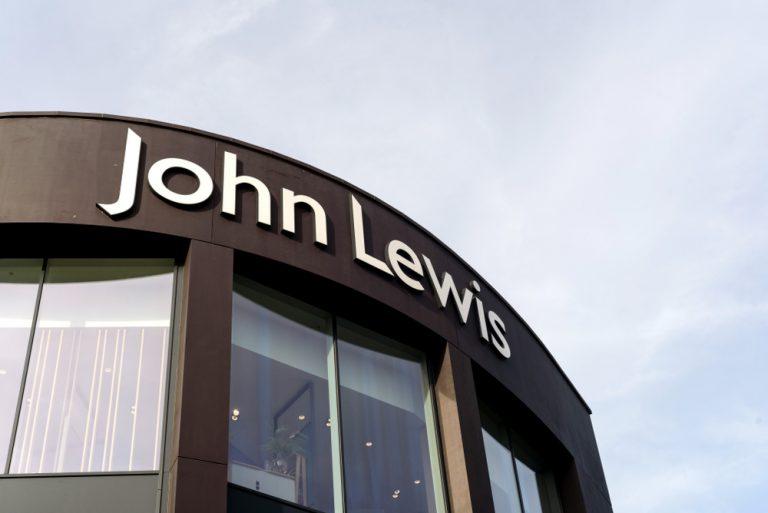
In an attempt to remain relevant, John Lewis has announced plans to introduce personal stylists to the department store.
Boss of the department store, Paula Nickolds, has said the store needs to focus on selling “experiences” to combat the slump in clothing sales.
“There is still a bit of a stigma [around personal styling] from back in the day when Trinny and Susannah and Gok Wan would strip you off and make you stand in front a mirror in your bra and knickers,” a new stylist working for John Lewis. “It’s not like that,” she added.
“Your client needs to trust you in the first 30 seconds,” says Knight. “If you don’t build that trust straight away it’s going to become a difficult appointment.”
The introduction of personal stylists comes amid the difficult trading conditions faced by UK department stores.
Major price cutting by House of Fraser in the run-up its administration and purchase by Sports Direct (LON: SPD) has made things difficult for John Lewis and Debenhams (LON: DEB), whose share price has declined significantly.
The John Lewis Partnership was in the red for the six months of 2018, despite an increase in sales for clothing.
The group experienced a 99 percent fall in first-half profits at the retailer.
Sir Charlie Mayfield, chairman of the partnership, blamed heavy discounting at rival stores.
“These are challenging times in retail … gross margin has been squeezed in what has been the most promotional market we’ve seen in almost a decade,” he said.
The group also said that the “level of uncertainty facing consumers and the economy, in part due to ongoing Brexit negotiations” made it difficult to forecast trading.
Johnson intervenes with ‘SuperCanada’ proposals for Brexit
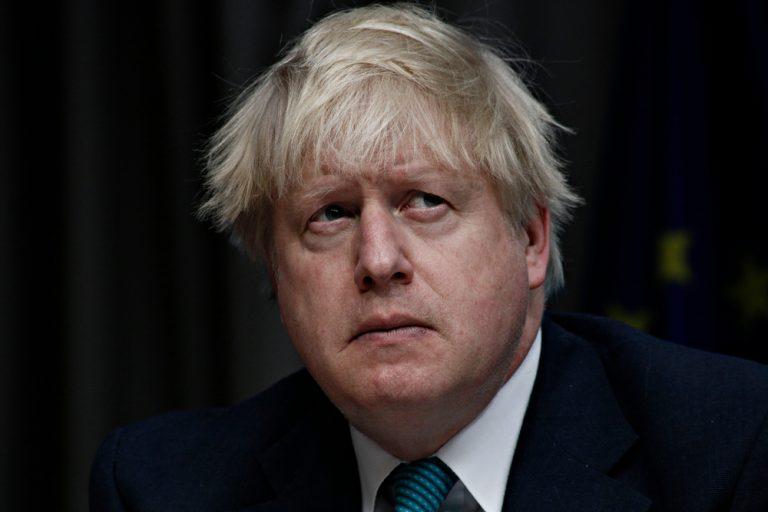
Boris Johnson proposed a ‘SuperCanada’ free trade deal with the European Union last night, sharply criticising the government’s handling of Brexit negotiations.
Writing in his The Daily Telegraph column, Mr Johnson described Theresa May’s Chequers deal as ‘disastrous’, urging the Prime Minister to drop her plans for a ‘common rulebook’ with the EU within a specialised customs agreement.
The 4,000-word censure of Mrs May’s Brexit plans, which were rejected last week at a negotiations summit in Salzburg by EU leaders, described Johnson’s own plan based on the EU’s deal with Canada.
‘SuperCanada’ proposal detailed
Mr Johnson detailed zero tariffs and zero quotas on all imports and exports between the EU and UK and the drawing up of Mutual Recognition Agreements covering EU and UK goods regulations. He also rubbished government claims that the Irish border question would hinder his proposals. Mr Johnson wrote: “The single greatest failing has been the government’s appalling and inexplicable delay in setting out a vision for what Brexit is.” Justifying his ‘SuperCanada’ proposal, the former foreign secretary said: “Britain should seek the same freedoms and opportunities in its relations with the EU as any other independent and democratic country.”May challenged over humiliation at Salzburg
In a frustrated speech last Friday, the Prime Minister attacked EU leaders’ outright rejection of her proposals in Salzburg, and reasserted that a Canada-style trade agreement would endanger the prevention of a hard border in Northern Ireland. After Mrs May’s speech, the pound dropped from 1% to 1.5% lower against the dollar to $1.3068. Meanwhile, Jacob Rees-Mogg, chairman of the Eurosceptic European Research Group, challenged the government’s treatment of negotiations on BBC’s Question Time. Mr Rees-Mogg declared: “I think we have let the European Union make the running in negotiations, we agreed to their establishment of the terms of negotiations and the timetable of the negotiations.” Despite internal divisions around Brexit negotiations, the Conservative Party will go into their conference in Birmingham next week with a 6-point lead over Labour.Conservative Party Conference 2018: What to expect
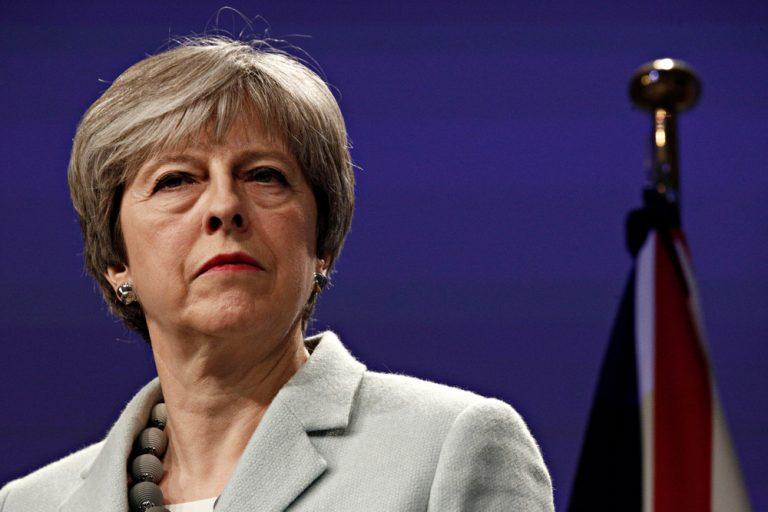
The Conservative Party conference will take place in Birmingham this weekend.
The event will run through from 10 am on Sunday 30 September and 12.30 pm on Wednesday 3 October with an estimated 11,000 delegates present.
All eyes will be on Theresa May’s keynote speech as she faces criticism from EU leaders and members of her own party including the former foreign secretary Boris Johnson.
Johnson recently launched a fresh attack on the prime minister’s Brexit policy and described the prime minister’s proposals as “a moral and intellectual humiliation for this country” that will “cheat the electorate” if implemented.
The conference will kick off with “Welcome to Conference” speech on Sunday afternoon by party chairman Brandon Lewis. This will be followed by addresses from international trade secretary Liam Fox, the international development secretary Penny Mordaunt, defence secretary Gavin Williamson and the foreign secretary Jeremy Hunt.
Work and pensions secretary Esther McVey, Brexit secretary Dominic Raab and the transport secretary Chris Grayling will address audiences on Monday along with Philip Hammond.
Former minister Robert Halfon wrote on the website Conservative Home before the conference that Jeremy Corbyn’s messages “resonates with millions of people”, as the Labour leader discussed failing railways, overpaid bosses and infrastructure at the Labour conference.
“We are stuck in the political rhetoric of the past, rather than providing a proper Tory vision for the future,” he wrote.
“It’s why even with ‘the most left-wing leader in the history of mankind etc’, Corbyn’s Labour remains pretty high in the polls.”
“They are speaking to the problems faced by many. We too often speak only for the few.”
TSB & HSBC report IT glitch, banking apps crash
TSB and HSBC (LON: HSBA) are the latest banks to experience an IT glitch, leaving customers locked out of online banking.
HSBC said about 50 percent of mobile users were having trouble connecting. It is the second time this month TSB users have experienced difficulty.
“We’re aware of an issue affecting some of our customers when they are using our mobile app and Internet Banking this morning. We are working hard to fix these issues and will update again as soon as we can. Customers are still able to use their cards as normal,” said a TSB spokesperson.
After the most recent round of technical problems, TSB chief executive Paul Pester stepped down.
TSB chairman Richard Meddings is taking on the role of executive chairman until a new chief executive is appointed.
Meddings said: “Although there is more to do to achieve full stability for customers, the bank’s IT systems and services are much improved since the IT migration. Paul and the Board have therefore agreed that this is the right time to appoint a new CEO for TSB.”
Last week, RBS (LON: RBS), NatWest and Ulster Bank also reported problems with the banking apps, leaving customers locked out of accounts for five hours.
An HSBC UK spokesman said of the glitch: “Services are recovering and the majority of our customers are able to log-on now, but we are continuing to monitor the issue.”
“If a customer continues to experience problems they should continue to retry or our online banking services are available via browser. We apologise for any inconvenience caused.”
EasyJet expects strong profits as Ryanair faces strikes
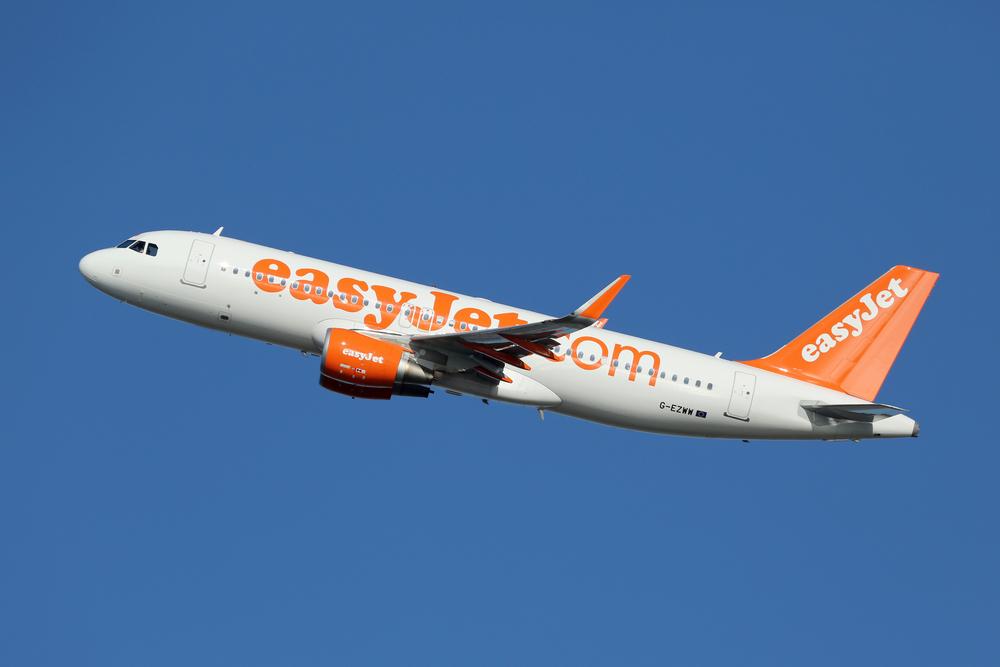
EasyJet (LON: EZJ) is expecting full-year profits to come at the upper end of expectations.
The low-cost airline said it is confident for annual and fourth quarter results following better than expected growth in passenger revenue.
“We now expect our headline profits for the year to be between £570 million and £580 million, at the top half our guidance range. This has been achieved despite higher costs caused by disruption due to third party industrial action and severe weather,” said Easyjet’s chief executive Johan Lundgren.
EasyJet is expecting its capacity to rise by 10 percent to 105 seats and flat headline cost per seat and foreign exchange rates to have a £10 million negative impact of pre-tax profit for the year of 2019.
The airline’s confidence comes as rival Ryanair (LON: RYA) prepares for strikes across six countries that will lead to flight cancellations disrupting 40,000 of its customers.
Kathleen Brooks, the research director at Capital Index, said the strikes at Ryanair are likely to cause problems for the airline later on down the line.
“The Ryanair success story has largely been built on good cash cushion and low costs – both of those things are likely to be eroded because of the labour issues and the future higher labour costs.”
“Brexit is expected to hit Ryanair’s cash flow later on down the line especially if we leave the EU without a deal. Also, we’ve got to remember logistical problems could impact a passenger backlash down the line.”
EasyJet has also said that its results were supported by the bankruptcies of Monarch and Air Berlin.
Ryanair’s share price has fallen 23 percent in a year compared to EasyJet’s eight percent rise.
Jamie Oliver’s business to post £20m loss
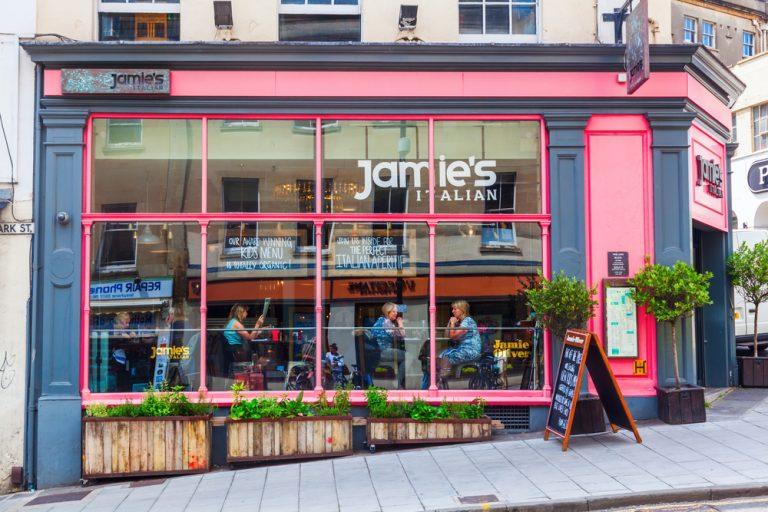
Jamie Oliver’s restaurant business is to post a loss of almost £20 million last year.
After a difficult year, Oliver had to close a dozen outlets in February as well as inject £13 million into the restaurants to keep them afloat.
The company said it had suffered from the “ongoing challenges of the casual dining sector,” which have led to closures in chains such as Carluccio’s and Byron.
Paul Hunt, the chief executive of Jamie Oliver Group, said: “The success of our media business, driven by the stellar performance of 5 Ingredients, Quick & Easy Food, was fundamental to our ability to support the restaurant business and ensure its continuity.”
“With a reshaped restaurant estate, a new management team, and a focused investment plan backed by HSBC, we are making steady headway in a challenging market.”
The chef recently announced plans to become the face of Tesco in a partnership that is aimed at promoting healthier options for shoppers. This is seven years after his deal with Sainsbury’s came to an end.
Alessandra Bellini, chief customer officer for Tesco, said: “Jamie’s passion and skill to inspire a nation to cook, coupled with our experience and reach in providing millions of customers and colleagues with healthy, quality, affordable ingredients will be a great combination to help people take simple steps to leading healthier lives. This is a natural step in our ongoing work to make healthier eating a little easier.
“Tesco will have its third health event in store this month and we are excited to have Jamie fronting up the helpful little swaps encouraging customers to buy products lower in fat, salt and sugar, as well as tasty, healthy recipes to try.”
Oliver recently admitted to having lost £90 million of his wealth since 2014.
SEC sues Tesla and Musk following “funding secured” tweet
The Securities and Exchange Commission (SEC) has sued Elon Musk and Tesla for fraud.
The SEC and the justice department have been investigating Tesla after Musk announced plans to take the group private before admitting no funding had been secured.
“This statement was false and misleading. Over the next three hours, Musk made a series of additional materially false and misleading statements via Twitter,” said the SEC.
Shares in Tesla soared 11 percent after Musk tweeted that he had “funding secured”. Musk only had preliminary talks and no funding had been secured, causing shares to fall again.
“According to Musk, he calculated the $420 price per share based on a 20 percent premium over that day’s closing share price because he thought 20 percent was a ‘standard premium’ in going-private transaction,” said the SEC.
“This calculation resulted in a price of $419, and Musk stated that he rounded the price up to $420 because he had recently learned about the number’s significance in marijuana culture and thought his girlfriend ‘would find it funny, which admittedly is not a great reason to pick a price.’”
“Musk’s false and misleading public statements and omissions caused significant confusion and disruption in the market for Tesla’s stock and resulting harm to investors. By engaging in the conduct alleged in this complaint, Musk violated, and unless restrained and enjoined will violate again, Section 10(b) of the Securities Exchange Act of 1934 (‘Exchange Act’)… and Rule 10b-5 [17 C.F.R. § 240.10b-5] thereunder.”
Elon Musk said in a statement: “This unjustified action by the SEC leaves me deeply saddened and disappointed. I have always taken action in the best interests of truth, transparency and investors. Integrity is the most important value in my life and the facts will show I never compromised this in any way.”
Shares in Tesla (NASDAQ: TSLA) fell four percent on the news.
Rothesay Life purchases £860 million mortgage portfolio

The UK Government has sold the £860 million mortgage portfolio owned by the collapsed lenders Bradford & Bingley and Northern Rock. The specialist life insurer, Rothesay Life, has bought the equity release loans.
Last week, Rothesay Life was in the lead to buy the equity release mortgages from UK Asset Resolution.
The UK Asset Resolution has said:
“Following a highly competitive auction, these mortgages will be sold to Rothesay Life, a Financial Conduct Authority and Prudential Regulation Authority regulated firm,”
“There will be no changes to the terms and conditions of the mortgages sold. Borrowers do not need to take any action.”
Moreover, it added that Britain’s national debt will be paid down by the proceeds from the sale.
Chancellor Philip Hammond has said:
“We’re continuing to recover the money the taxpayer committed during the financial crash, and the sale of these loans moves us one step closer.”
The UK Asset Resolution is a state firm that manages assets of firms which have fallen victim to the financial crisis. Following the sale, it owns £13 billion worth of assets. Indeed, this figure is down from the £21 billion in September 2017 and £116 billion in 2010. In fact, the UK Asset Resolution aims to be non-existent by 2021, hoping to have sold all of its assets. Established in 2007, Rothesay Life is a life insurer that specialises in bulk annuities and other de-risking solutions. Defined benefit pension schemes and insurance companies are offered these solutions. Moreover, it currently has £37 billion worth of assets under management and more than 750,000 end customers. Commenting on the sale, the company said: “It is intended that the mortgages will continue to be administered by the same company (Computershare Loan Services), providing continuity of service.” Furthermore, it said: “Equity release mortgage customers do not need to take any action and will be contacted in due course to confirm the change of ownership.”H&M shares surge on strong sales
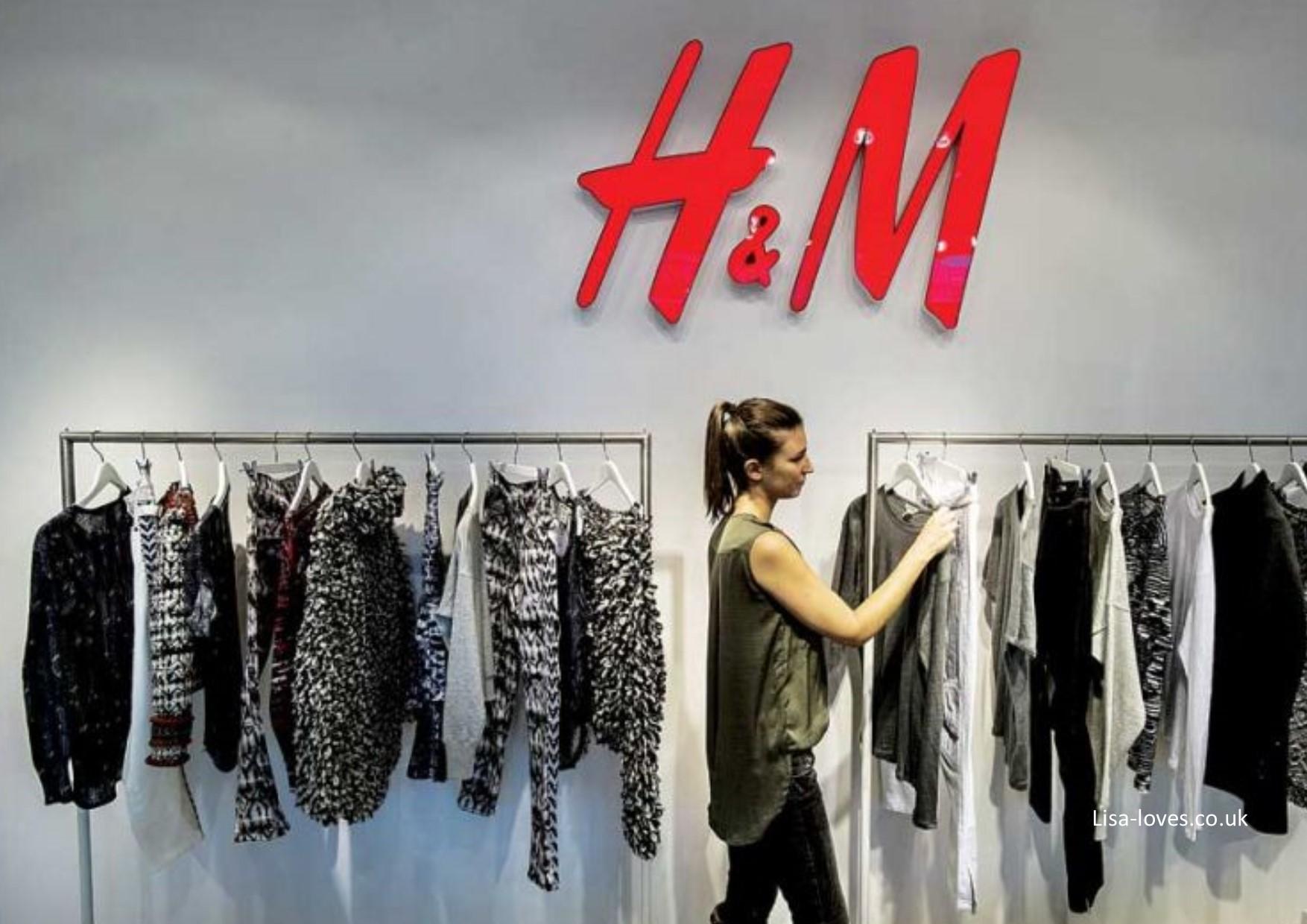
Shares in H&M jumped 32 percent after reporting strong sales growth.
The fashion retailer, which owns Cos and Monki, reported a third-quarter rise in sales of 11 percent.
Despite the rise in sales, profits in the group were down 19 percent to 3.1 billion krona ($350 million; £267 million).
H&M has said that the fall in profits was caused by “problems that arose during the implementation of new logistics systems in the US, France, Italy and Belgium during the spring (that) led to extraordinary costs”, which have “largely” been resolved.
Chief executive Karl-Johan Persson said: “The rapid changes in the fashion industry are continuing and the H&M group is in an exciting transitional period.”
“Our transformation work has contributed to a gradual improvement in sales development with increased market share in most markets during the third quarter, particularly in Germany, Sweden, Eastern Europe, Russia and China.”
The group has 4,700 stores across the world and employs 171,000 people. It has stores in 69 countries, with the US, Germany and the UK accounting for its top three markets.
H&M’s online rival Boohoo reported a surge in profits and sales increase by 50 percent to £395 million in the six months to 31 August.
As retailers shift to online shopping, H&M has kept up with the trend by investing £530 million – 45 percent of its total investments – in its online business last year.
Shares in the group (CPH: HM-B) are currently trading up 10.98 percent at 164,78 (1601GMT).