
Trump to impose tariffs on $50bn worth of Chinese goods
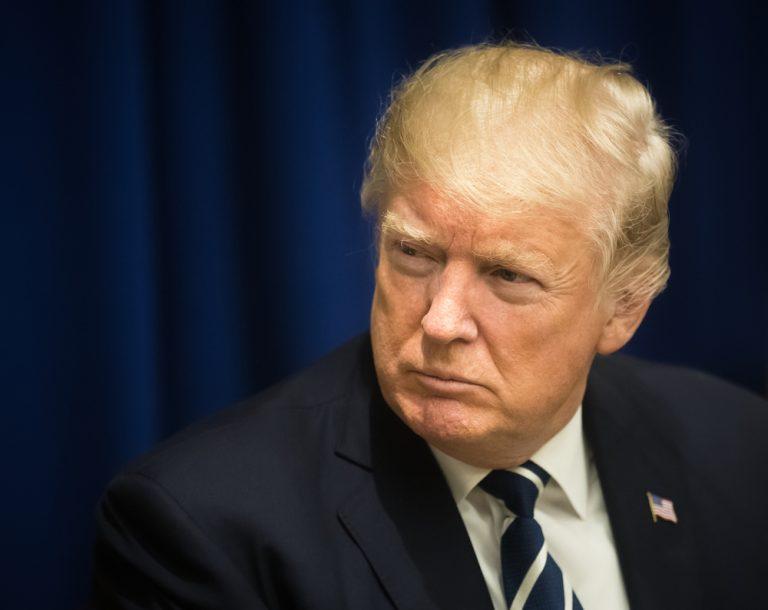
Donald Trump is planning to impose $50 billion (£38 billion) worth of tariffs on Chinese goods.
The US President will introduce 25 percent tariffs on Chinese industrial and high-tech goods, sparking fears of a trade war between the countries.
Trump is expected to approve the tariffs on Friday and said they are being implemented because of “China’s theft of intellectual property and technology and its other unfair trade practices”.
“The United States can no longer tolerate losing our technology and intellectual property through unfair economic practices,” he said on Friday.
“In addition, they will serve as an initial step toward bringing balance to the trade relationship between the US and China.”
“The US will pursue additional tariffs if China engages in retaliatory measures, such as imposing new tariffs on US goods, services, or agricultural products; raising non-tariff barriers; or taking punitive actions against American exporters or American companies operating in China.”
Chinese foreign ministry spokesman Geng Shuang has responded to Trump’s plans and has said that if the tariffs go ahead, all previous trade talks between China and the US will be void.
“If the US takes unilateral and protectionist measures that harm Chinese interests, we will respond immediately by taking the necessary decisions to safeguard our legitimate rights and interests,” he said.
“Our position is still the same.”
Trump’s plans to introduce tariffs of $50 billion are to stop China from allegedly encouraging the transfer of intellectual property to Chinese companies.
“We must take strong defensive actions to protect America’s leadership in technology and innovation against the unprecedented threat posed by China’s theft of our intellectual property, the forced transfer of American technology, and its cyber attacks on our computer networks,” said Robert Lighthizer, a US ambassador.
“Trump rightfully recognises that if we want our country to have a prosperous future, we must take a stand now to uphold fair trade and protect American competitiveness,” he added.
As Trump unveiled his plans, the FTSE 100 fell almost one percent to 7,699 points.
Aquis Exchange share price jumps on AIM debut
Since its inception in 2012, London based Aquis Exchange has gone on to become the ninth largest equity trading company in Europe. In the last three years, the firm has gone from trading an average of €2-€17 billion pcm, and this success was cemented with yesterday’s IPO.
Following £12 million in new shares and an additional £20 million from the sale of the 20% stake held by the Warsaw Stock Exchange, Aquis had a market capitalisation of £73 million as stock markets opened yesterday morning.
Within the first hour of trading on the Alternative Investment Market, the firm’s share price rallied 21.7%, with its share value jumping from 269p to 333p.
Preceding the firm’s listing on AIM, its founder Alsdair haynes commented, “We are delighted to list Aquis Exchange on AIM. Aquis is disrupting the European trading landscape with a unique operating model underpinned by subscription-based pricing and a compelling offer to traders which combines good liquidity with market-leading low levels of toxicity.”
Going forwards, Aquis will hope to capitalize on prior deals between its services arm, Aquis Technologies, and the Estates and Infrastructure Exchange, and invest its recently acquired funds in its software licencing capabilities and its sales and marketing divisions.
Record shares fall as profit plunges 6.7pc

Currency manager Record (LON:REC) saw shares sink over 2.5 percent on Friday morning, after recording a 6.7 percent fall in pre-tax profit.
Pre-tax profit fell to £7.3 million over the course of the year, despite a 3.8 percent revenue boost to £23.8 million.
The group declared a final dividend of 1.15 pence per share, bringing the total payment up by 5 percent on year, alongside a special dividend for the year of 0.5p per share. Its operating profit margin fell three percentage points to 31 percent.
Chairman Neil Record said changes to passive hedging mandates meant there was potential to cut costs:
“These opportunities are now being recognised in commercial terms, changing the mix in fees on such mandates and adding further diversification to Record’s income streams in the form of performance fees, which over time are expected to match or exceed foregone management fees,” he said.
“Notwithstanding the increase in revenue over the prior year, this continued focus on investing in the business has contributed to a decrease in our operating margin from 34 percent to 31 percent.”
Shares in Record are currently down 2.58 percent at 45.40 (1025GMT).
Iceland sales boosted by Food Warehouse growth
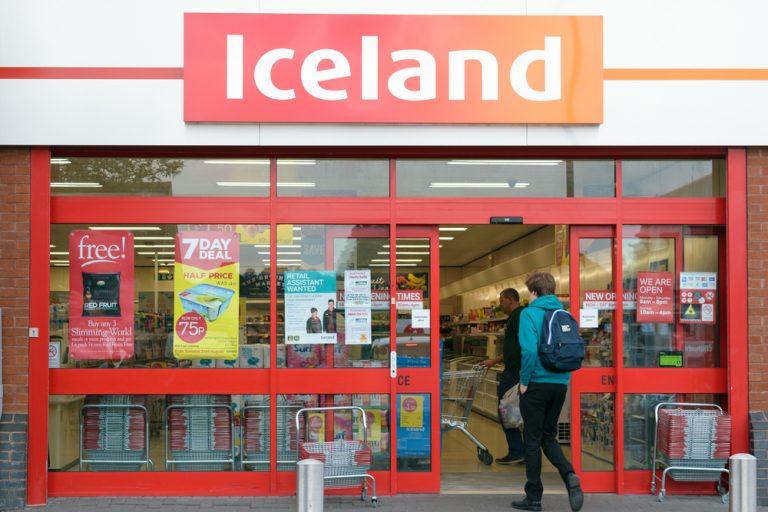
Sales are budget frozen supermarket Iceland rose 8 percent in the year to the end of March, boosted by the expansion of its Food Warehouse chain.
Sales for the 53 weeks to the end of March rose to just over £3 billion, with like-for-like sales growth at 2.3 per cent. However, adjusted earnings before tax, interest, depreciation and amortisation (EBITDA) fell slightly to £157.1 million.
Growth was driven by the expansion of Iceland’s Food Warehouse chain, which grew to 59 stores after 23 new openings across the year.
Food Warehouse stores are largely based in retail parks and are three times the size of Iceland’s high street outlets.
The company said the strong figures makes them “increasingly confident of our ability to trade the two store formats alongside each other in a growing number of towns across the country.”
Managing director Tarsem Dhaliwal said: “This year we have continued to take a long term view and to invest for the future: expanding our store footprint, enhancing the appeal of our existing stores through a major programme of refurbishments, growing our award-winning Online business, continuing to roll out new and exciting food lines that are unique to Iceland, and developing our supply chain to support the growth of our retail estate.”
Premier Veterinary shares sink as losses rise

Shares in Premier Veterinary sunk 8 percent on Friday morning, after losses increased for another year at its US business.
Losses rose to £1.9 million, up from £1.7 million last year, despite a revenue increase of 33 percent to £1.54 million.
“Solid progress has been made in number of pets on plan across the UK and Europe during the first six months of the financial year and this progress has continued in April and May,” chief executive Dominic Tonner said.
“Whilst the improvements in growth in the US are encouraging, the current number of pets on plan is not at levels previously expected.”
“We are continuing to explore options that will enable the group to capitalise on the investment that has already been made in the US whilst at the same time reducing the continuing cash burn in this territory.”
Shares in Premier Veterinary (LON:PVG) are currently trading down 7.46 percent at 31.00 (0917GMT).
Tesco shares rise on another set of positive results
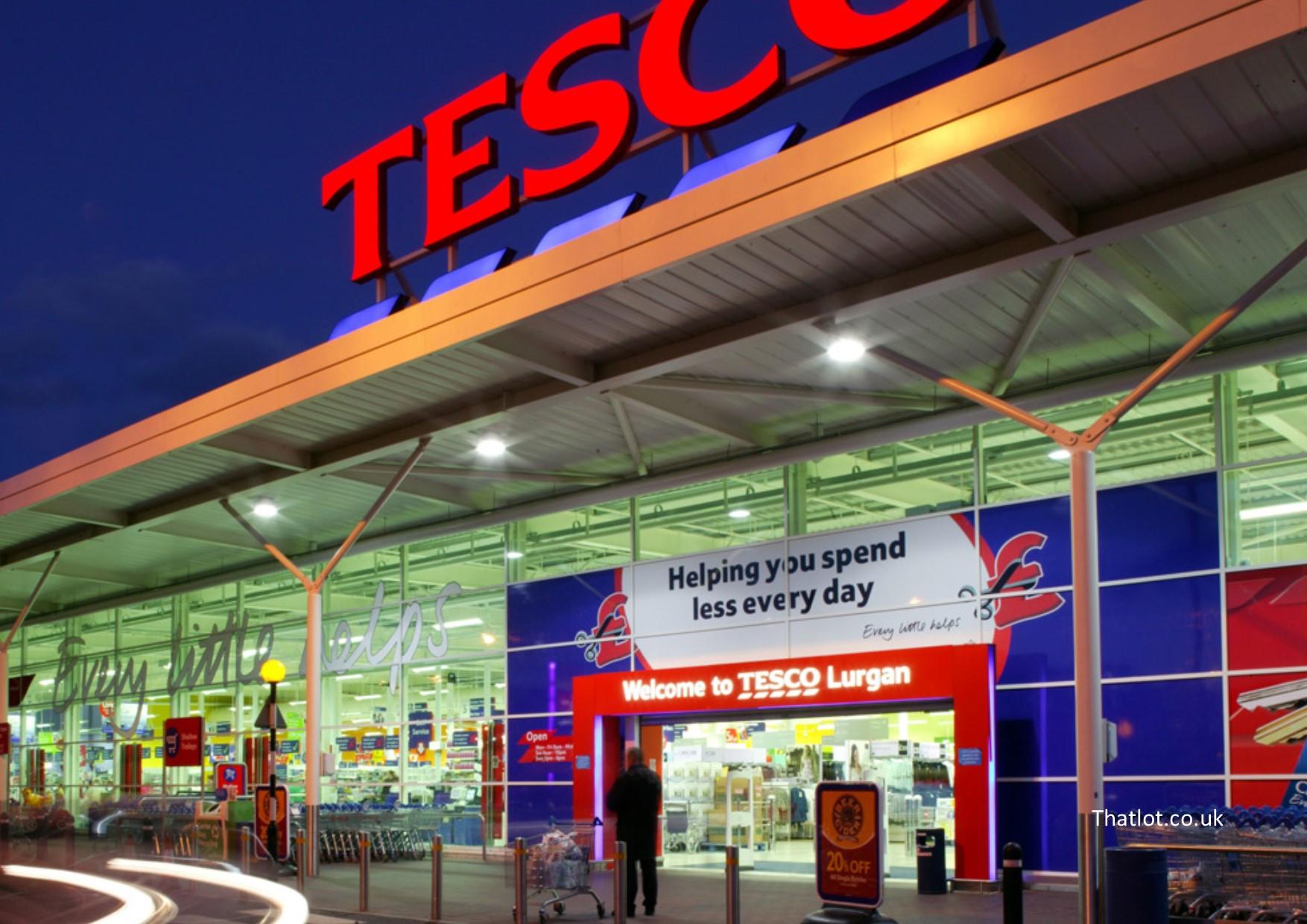
Tesco reported yet another set of improving results on Friday, as its turnaround strategy continues to take effect.
First-quarter sales rose 1.8 percent over the past three months, with total sales growing by 2.3 percent over the 13 week period.
In the UK and Ireland, same-store sales grew by 3.5 percent. Like-for-like sales at the recently-acquired Booker wholesale business jumped 14.3 percent.
“Our growth plans are on track and we are pleased with the momentum in the business,” chief executive Dave Lewis.
“We remain well-placed to serve our customers better and deliver on our medium-term financial ambitions.”
“We are delighted with initial progress on Booker, and are focused on delivering the synergy benefits that our merger brings.”
The group confirmed that its own-brand relaunch was going well, a plan put into place to combat competition from discounters like Lidl and Aldi.
The performance represents another improvement for Tesco, who after, reporting their worst results in history in 2014, launched a turnaround plan.
Tesco shares are currently trading up 2.12 percent at 255.10 (0842GMT).
Rolls-Royce shares jump 11pc on job cuts

Rolls-Royce (LON:RR) shares jumped 11 percent at market open on Friday, after announcing plans to save £400 million a year through 4,600 job cuts.
The UK is likely to be the worst hit by cuts, that will likely be centred on middle management jobs, engineers working on early-stage design. It will be the company’s biggest round of job cuts since 2001.
Investors were cheered by Rolls-Royce’s announcement that would be well placed to exceed free cash flow of £1 billion by 2020 and set a mid-term target of free cash flow per share to exceed £1.
It added that the jobs would not include those protected by an agreement with unions in the East Midlands.
“After a decade of significant investment we are committed to delivering significantly improved returns, while continuing to invest in the innovation needed to realise our long-term ambition to be the world’s leading industrial technology company,” chief executive Warren East said.
“It is never an easy decision to reduce our workforce, but we must create a commercial organisation that is as world-leading as our technologies.”
Rolls Royce shares are currently trading up 11.44 percent at 983.90 (0821GMT).
Draghi signals end of ECB bond purchases
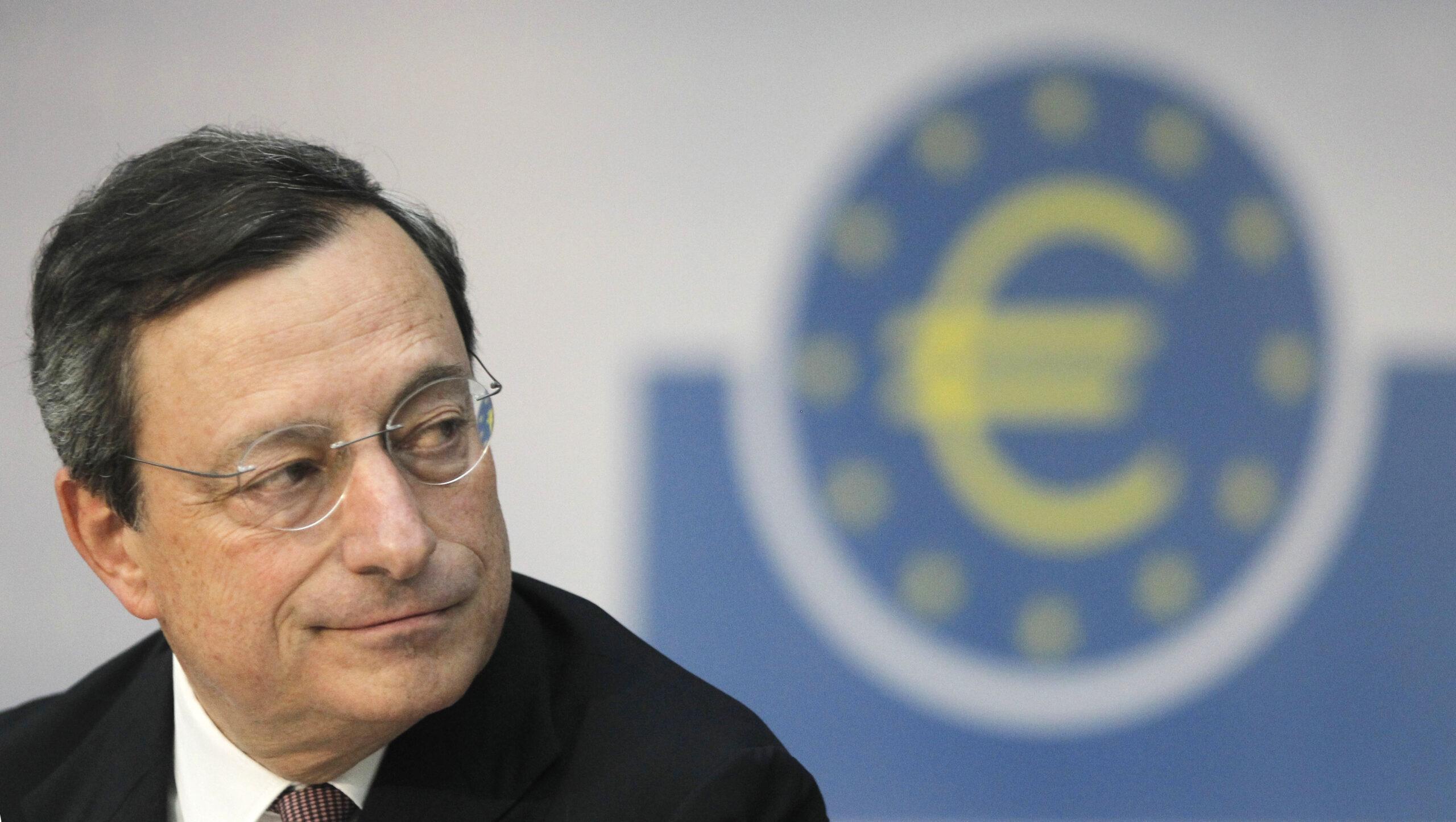
Mario Draghi today laid out plans for the end of the European Central Bank’s bond buying purchases.
The ECB will drop bond purchases to €30 billion until September then down to €15 million in October, November and December when bond purchases will finish.
Draghi did place a caveat on the plan, however, saying that the reduction in purchases would be on the condition that Eurozone economic data remained robust.
The comments gave a dovish tone to the delivery and the Euro fell heavily against the dollar sending European equity indices higher.
The announcement came after the Federal Reserve increased interest rates for the seventh time in the current tightening cycle to 2% from 1.75%.
In same manner the European Central Bank were slow to adopt QE in the first place, they have been slow to signal a return to normality.
This risks them not being able to prepare sufficiently, from a monetary policy standpoint, for any downturn in the global economy and could have long term implications.
Draghi also released downward revisions for economic growth in the Eurozone and pointed towards external factors such as a potential trade war as reasons for caution.
Inflation rate hits 2.3pc in May
Inflation rose to 2.3 percent in May 2018, according to the latest figures from the Office for National Statistics, up from 2.2 percent in April.
The figure came in a little under economists’ expectations, with forecasts coming in at 2.5 percent. A weaker inflation rate than expected will lend weight to the Bank of England’s decision not to raise interest rates, which was decided at the last monthly meeting.
Rising motor fuel prices were one of the largest upward contributions to the change in the rate between April and May 2018, with increases also from air and sea fares which had been influenced by the timing of Easter.
Partially offsetting downward effects came from price changes for games, domestic electricity, food and non-alcoholic beverages, and furniture and furnishings.
Morning Round-Up: FTSE 100 opens in negative territory, Just Eat sinks

The FTSE 100 opened down on Wednesday morning, ahead of the a rate decision by the US Federal Reserve and the release of UK inflation figures.
The FTSE is currently down 11 percent at 7,695.21, with other EU markets also seeing a slow start to the day. The German DAX index is down 0.17 percent at 12,821.10, with Spain’s IBEX 35 down 0.63 percent at 9,852.30 (0936GMT).
Fiona Cincotta, Senior Market Analyst at City Index, commented:
“The FTSE 100 opened a touch lower as focus shifted from this week’s historic summit between Donald Trump and the North Korean president onto key central bank interest rate meetings which are due to yield rate decisions and potentially a winding down of the easy money supply in Europe.”
The FTSE’s biggest risers are Evraz plc (LON:EVR), up 2.65 percent, followed by Johnson Matthey (LON:JMAT) and mining company Glencore (LON:GLEN).
The biggest fallers this morning are Just Eat (LON:JE), who have been hit by big expansion plans from competitor Deliveroo and are trading down 7.88 percent, BT Group )LON:BT.A) and Fresnillo (LON:FRES).