
Amid higher energy prices, the company shed almost 1.3 million energy accounts in last year alone.
Retail footfall experiencing an “unprecedented” decline

Retail footfall fell by 3.3 per cent last month according to the British Retail Consortium (BRC) and Springboard.
The considerable decline was attributed to poor weather conditions and lower dispensable incomes.
Whilst a lower decline than the 6 per cent recorded in March, it still marked an “unprecedented” 4.8 per cent decline over the two months.
Diane Wehrle, of Springboard, commented on the figures:
“Not since the depths of recession in 2009 has footfall over March and April declined to such a degree.”
“Even then the drop was less severe at minus 3.8 per cent.”
2018 has market a difficult year thus far for retail, with high street giants such as Toys R Us and Maplins closing their doors.
Moreover, the Visa consumer spending index, also revealed today, showed that spending in stores to have fallen 5.4 percent in April compared to the same period the year previously.
Whilst shoppers have been turning to the convenience of online, UK online retail sales growth similarly slowed to 12.1 per cent in 2017, according to the latest figures from the IMRG Capgemini e-Retail Sales Index.
What’s more, forecasts for 2018 are also set to slow, in part due to rising inflation rates and wages pressures.
British gas owner Centrica loses 110,000 accounts
British gas owner Centrica (LON:CNA) lost 110,000 accounts in the first four months of the year.
Despite the loss in customers, Centrica said it remains set to meet its full-year targets, sending shares up on Monday morning.

Moreover, the company was also hit by a surge in call-outs related to boiler breakages, as a result of unseasonably cold weather.
The so-called “Beast from the East” necessitated the fixing of 145,000 boilers in a week.
However, these pressures were mitigated by growth in its Connect Home business.
Connected Home, which supplies smart home products, saw revenue rise 37 per cent in the first half of the year.
Centrica said it intends to continues to aim for “doubling” of revenue in the businesses for the ear with 500,000 new customers.
Last week British gas, which is the UK’s largest energy provider, confirmed customers would see a 5.5 percent rise in prices, affecting some 4.1 million customers.
The price rises were condemned by the government last week, branding the energy price hikes “unjustified”.
Energy minister Claire Perry said: “We are disappointed by British Gas’s announcement of an unjustified price rise in its default tariff when customers are already paying more than they need to.”
Commenting on the decision, Mark Hodges, chief executive of Centrica Consumer, said:
“We fully understand that any price increase adds extra pressure on customers’ household bills. This increase we are announcing today is reflective of the costs we are seeing which are beyond our control.”
However, the company attributed the rise in bills to the additional prices it faced as a result of government legislation.
Mr Hodges added:
“Government policies, intended to transform the energy system, are important but they are putting pressure on customers’ bills. We believe government should level the playing field so the customers of all suppliers pay a fair share of energy policy costs,” Mr Hodges said.
“We continue to encourage government to consider moving these costs out of energy bills altogether and into general taxation.”
Shares in Centrica are currently trading -0.034 percent as of 11.05AM (GMT).

Entertainment One shares fall 2pc after ABC cancels Designated Survivor
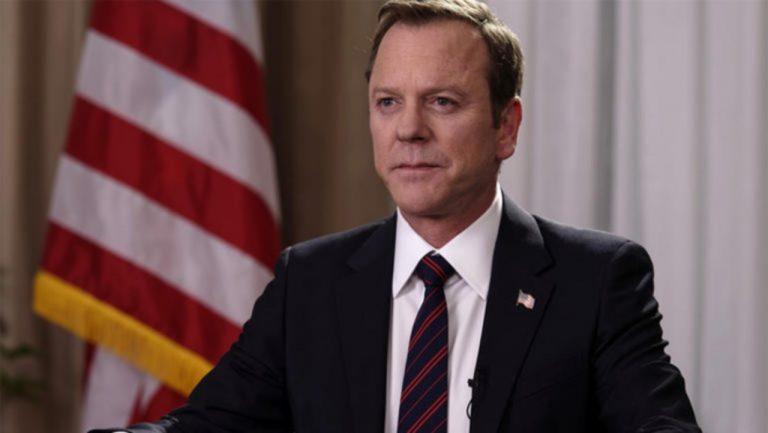
Shares in Entertainment One (LON: ETO) dropped over two percent in early trading after the Canadian producer warned of the “modest” profit hit it could face next year.
The group warned of lower earnings after ABC cancelled the political drama Designated Survivor after the second season, a political conspiracy thriller starring Kiefer Sutherland as the US president.
The FTSE 250-listed group insisted there would be no impact on its annual results, which will be released next week.
“There may be a modest impact on next year’s earnings, depending on the outcome of discussions with other parties,” said Entertainment One.
“However the Group remains on track to deliver against its stated strategic management expectations for the future.”
The group told the London Stock Exchange in a statement that it is in “active discussions with other parties for further series of the show”.
The cancelled series saw high ratings and viewing figures throughout the first season, which then plummeted during the second season.
The group’s flagship show is Peppa Pig, which has continued to perform well in the UK and Australia but “significant demand” in China has been driving growth.
“The Peppa Pig children’s series remains a big driver for the company as it performs well in mature markets like the UK and Australia and expands in newer geographies like China and Japan,” said Russ Mould, AJ Bell investment director.
“Being too closely tied to one blockbuster franchise is a risk though, as investors in Harry Potter publisher Bloomsbury could attest. Bloomsbury traded close to £4 when Pottermania was at its height in the mid-noughties but now changes hands for just 176p.”
Dignity results boosted by uptake in premium services

Funeral planner Dignity (LON:DTY) recorded stronger than expected results for the first quarter of the year, with a higher death rate and an increased interest in premium services boosting figures.
Revenue rose 2 percent to £95.1 million, up from £93.3 million, with underlying operating profit coming in at £37.5 million, a slight increase from £37.4 million.
The absolute number of deaths rose by 8 percent on the same period last year, with the group saying that it expects ‘at least’ the same number of deaths as last year, which was 590,000.
‘While the first quarter produced a much stronger result than we had anticipated when implementing the price changes in January, the current year is all about completing our review of our funeral business and ensuring we provide the excellent service our clients expect from us.
“We will also continue to demonstrate industry leadership by calling for stronger regulation in the funeral plan sector to protect customers,’ said Mike McCollum, Chief Executive of Dignity.
Shares in Dignity (LON:DTY) are currently trading up 3.04 percent at 1,253.00 (1028GMT).
Church of England investment returns failed to impress in 2017

The Church of England’s investment returns dropped slightly in the 2017 financial year, after its set of impressive figures in 2016.
Investable assets increased to £8.3 billion in 2017, up from from £7.9 billion in 2016. However, its total return on investments in 2017 was 7.1 percent, lower than its target of 9.1 percent and far lower than 2016’s impressive return of 17.1 percent.
In a statement, the Church Commissioners said they were preparing for higher interest rates, higher volatility and lower returns than recent years.
First Church Estates Commissioner Loretta Minghella said its investment focus was about “consistency over the long term”.
“The macro economic environment is changing and anticipating muted returns in the future we will continue to develop our focus on non-traditional asset classes,” she added.
The group said that active management in 2017 was an important contributor to gains in public equities and real assets, while bond markets remained weak.
“Sterling strength had an impact on performance, as did being globally diversified across multiple asset classes, resulting in the fund doing less well than equities markets which were the strongest source of returns in 2017.”
Caledonia shares wobbled despite 35pc rise in profits

South African mining company Caledonia (LON:CMCL) reported a 35 percent rise in profit over the first quarter of the year, boosted by lower costs and higher gold prices.
Adjusted earnings rose 51 percent over the three month period, with net attributable profit up 34.9 percent to $3.15 million.
Caledonia mined 12,924 ounces of gold, up 1 percent from the same period last year, with results boosted by an 8.2 percent rise in the released price of gold per ounce.
The group expects to produce between 55,000 and 59,000 ounces of gold for the full year, with earnings expected to be between 165 to 190 cents per share.
“We expect that production will deliver the usual increase in the second half of the year as we see the benefit of the increased level of mine development in the first half of the year, which will improve our access to higher grade areas,” the firm said.
“As we continue to grow production to our target of 80,000 ounces by 2021, maintain cost control and benefit from economies of scale we look forward to further increasing cash flows and earnings,” said Steve Curtis, Caledonia’s Chief Executive Officer.
Shares in Caledonia Mining (LON:CMCL) are currently down 1.46 percent at 675.00 (1011GMT).
IWG shares spike after trio of takeover offers
Shares in serviced office group IWG (LON:IWG) jumped 20 per cent on Monday morning, after it received takeover offers from three separate equity groups.
Shares had already risen 10 percent before the weekend as speculation surrounding possible offers heightened. The group, who were previously named Regus, then admitted to receiving bid offers from Lone Star, Starwood and TDR Capital.
“The board is evaluating the possible offers with its financial advisers and shareholders will be updated in due course,” the statement said.
Earlier this year IWG rejected a takeover bid from Brookfield Asset Management and private equity house Onex, that valued the group at around £2.5 billion.
The flexible working market has seen a spike of interest in the UK of late, with startups and small businesses preferring to take part of a serviced office with other businesses instead of forking out the entire rent for a space on their own. However, IWG face tough competition from rivals like millennial favourite WeWorks and The Office Group.
Shares in IWG (LON:IWG) are currently trading up 20.56 percent at 303.80 (1001GMT).
Npower to increase bills by 5.3pc
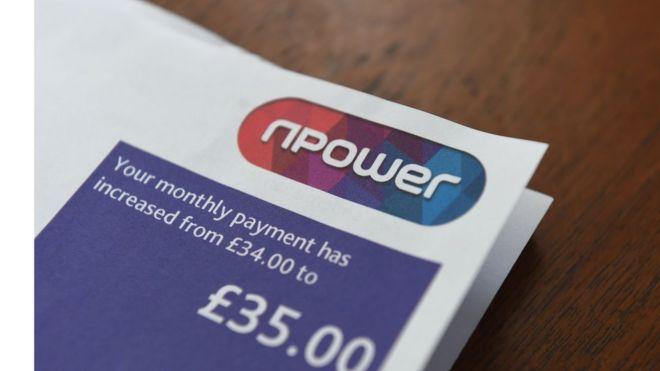
Npower has announced plans to increase energy bills by an average of £64 a year, affecting up to a million customers.
The gas and electricity supplier will increase bills by an average rate of 5.3 percent and will come into effect on 17 June.
“Announcing this price change today isn’t a decision we’ve taken lightly,” said Simon Stacey, managing director, domestic markets at Npower.
The group has blamed government policy changes and increases in energy costs for the rise.
Stacey said that wholesale costs are on the rise, “particularly wholesale and policy costs which are largely outside our control” – have been on the rise for some time “and we need to reflect these in our prices”.
“Less than half of our customers are on our standard tariff – one of the lowest levels among the larger energy suppliers. We continue to encourage all our customers to look at our range of competitive fixed deals and switch to a tariff that best suits their needs.”
The tariff rise is made up of the 4.4 percent increase in gas and 6.2 percent rise in electricity.
“This is a chunky rise from Npower – all we need now is something from SSE and it’s a full house from the Big Six,” said Stephen Murray, an energy expert at MoneySuperMarket.
“Npower says 60 percent of its customers won’t be affected but that still means 40 percent – or one million people – will.”
Price increases from the other Bix Six have already been announced.
British Gas customers will face a 5.5 percent increase from 29 May. The move will affect 4.1 million people who will have to pay an average increase of £60.
Npower’s 5.3 percent increase will affect one million customers and will be enforced from 17 June.
Scottish Power is increasing prices by 5.5 percent and will affect almost one million people from 1 June.
Silver Lake makes Zoopla £2.2bn takeover offer, shares soar 30pc
The US venture capital firm Silver Lake has made a £2.2 billion to buy ZPG plc (LON: ZPG), owner of property sites Zoopla and PrimeLocation.
The all-cash offer is premium of 31 percent to the closing price of ZPG’s stock value on Thursday. Silver Lake will offer shareholders 490 pence per share.
ZPG’s founder and chief executive said the group would benefit from the takeover.
“In 2008, we transformed the property portal landscape with the introduction of a highly differentiated proposition providing data and delivering transparency to empower consumers to make smarter property decisions,” he said.
“The terms of the acquisition represent an attractive premium that recognises the quality of ZPG’s businesses and the strength of its future prospects and allows shareholders to realise today in cash the potential future value of their holdings.”
The biggest shareholders in ZPG are the Daily Mail newspaper (LON: DMGT), Daily Mail and General Trust.
Paul Zwillenberg, the chief executive of Daily Mail and General Trust, was optimistic of the deal.
“The sale of our stake, pending shareholder approval at ZPG, fits with our long track record of successfully identifying new opportunities, incubating young businesses and supporting their growth to create value for shareholders,” he said.
The Zoopla group also own PrimeLocation, Hometrack and money.co.uk.
ZPG is being advised by Credit Suisse (NASDAQ: TVIX) and Goldman Sachs (NYSE: GS). The deal is expected to close in the third quarter of 2018.
Shares in ZPG shot up 30 percent at the open on Friday.
House of Fraser reports £44m loss ahead of Chinese takeover
House of Fraser department store group lost almost £44 million in 2017 due to falling sales.
The store’s potential new Chinese owner, C.Banner (HKG: 1028), revealed at the Stock Exchange on Thursday that the £43.9 million reversed the pre-tax profit of £1.5 million for the previous year.
Sales fell 6.3 percent to £787.8 million in the tough UK market.
The figures released included the start-up and operating costs of House of Fraser China. Separate UK figures have not been reported.
C.Banner has said that House of Fraser will become “more stable” following the restructuring plan and will “take advantage of its well-known brand to capture growth potential”.
The group also blamed Brexit and London terror attacks for the volatility in the UK retail market.
“The Brexit referendum and the UK’s resultant decision to leave the European Union and the terrorist attack in London, combined with a rapidly evolving retail market, produced a period of uncertainty and volatility that resulted in a difficult trading environment for the whole retail industry in the UK,” said the document released by C.Banner.
C.Banner has said it plans to buy 51 percent stake in House of Fraser in order to “enhance the company’s presence in the retail market in [China] as well as to facilitate the company to lay a good foundation for a new brand and retail roadmap overseas”.
The deal depends on the agreement by bondholder and shareholders, as well as the restructuring plan where about 20 stores are expected to close.