
ITV shares sink despite increase in online presence
ITV’s (LON:ITV) share price sunk in early trading on Tuesday, after broadcast and online revenues sunk in the nine months to September.
Total ITV Studios revenue rose 9 percent to £1,009 million over the period, up from £923 million during the same period last year, boosted by good organic growth. However, total external revenue fell 1 percent to £2,132 million with broadcast & online revenues also down 4 percent to £1,470 million.
ITV reiterated that it remained on track to deliver full year commitments for 2017, with good organic revenue growth keeping profit broadly in line with last year.
ITV’s performance was boosted by the attraction of a younger audience, with Online and Pay services achieving double digit revenue growth. Online viewing saw a 41 percent increase, proving that the broadcaster’s investment in digital businesses, including the ITV Hub and Britbox US, may have paid off. ITV Hub has 21 million registered viewers, including around 75 percent of the UK’s 16 to 24 year olds.
Investors failed to be impressed by the broadcaster’s online growth, however, with shares in ITV currently trading down 2.45 percent at 150.22 (1048GMT).
FirstGroup share price drops as hurricanes hit profits
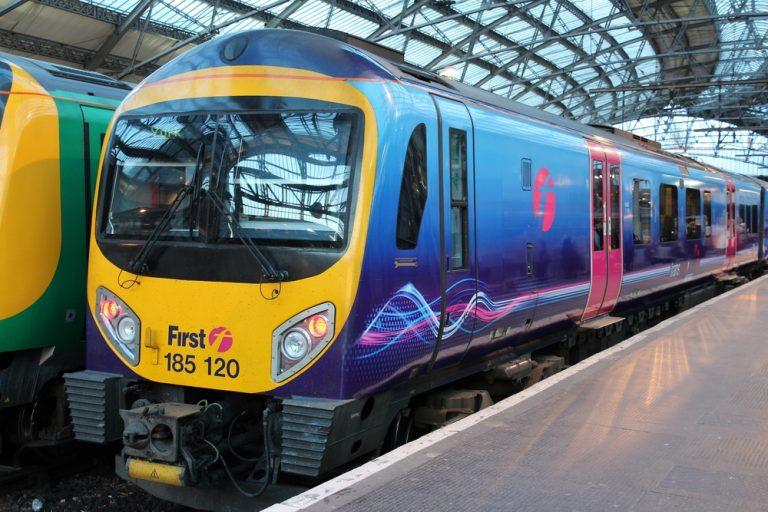
Shares in transport operator FirstGroup (LON:FGP) fell over 2 percent in early trading on Tuesday, as an increase in revenue failed to offset a £2 million loss.
Group revenue rose 8.1 percent, as the new South Western rail franchise and favourable foreign exchange had had a positive impact on figures. Even excluding these factors group revenue saw an increase, moving up 0.9 percent.
Poor weather in the Americas hit profits, with severe hurricanes in the region affecting contracts in Puerto Rico and sending adjusted operating profits down 9.1 percent. Solid trading in other regions offset these figures to see operating profits as a whole remain flat.
However, its share price was hit on Tuesday morning as the Group, which operates three rail services in the UK and the Greyhound bus service in the US, reported a £2 million loss for the six months to September. This is a sharp drop from the pre-tax profit of £11 million reported in the same period in 2016.
Commenting, Chief Executive Tim O’Toole said:
“The overall trading performance and significantly increased free cash generation of the Group in the first half was consistent with the plans we outlined at the start of the financial year.
“In the second half we will benefit from our normal seasonal bias, our ongoing focus on cost efficiencies and from additional business which commenced in the period, including the South Western Railway franchise. We expect to make further progress and deliver substantial free cash generation for the year as a whole.”
Shares in First Group are currently trading down 2.27 percent at 107.40 (1016GMT).
Toshiba hit again as sold business arm records highest sales

Troubled electronic manufacturer Toshiba (TYO:6502) recorded an increase in operating profits in the half-year to September, despite most of the increase coming from a business they have agreed to sell.
The company’s 76 percent jump in operating profit was driven almost entirely by an increase in sales at its memory chip business, which it agreed to sell in September to a group led by Bain Capital for around $18 million.
Toshiba agreed to sell the business to offset liabilities issuing from its US nuclear unit Westinghouse, which almost bankrupted the company last year. The giant came close to having its shares delisted this year after delaying the publication of its financial results for a second time as it struggled to get its accounts in order.
Despite reporting a big increase in operating profits, Toshiba still posted a $436 million net loss during the most recent period. Its shares are currently trading down on the Tokyo exchange, down 2.49 percent at 313.00 (1206GMT).
Halfords shares fall as weak sterling impacts on costs
Shares in retailer Halfords (LON:HFD) fell over 6 percent on Thursday morning, after profits were hit by the weaker pound.
The company reported a strong increase in revenue over the financial year, with total group revenue up 3.8 percent and 1.5 percent on a like-for-like basis. Halfords said that it anticipated
group profit before tax for the 2018 financial year to be in line with current market expectations.
However correlating with previous guidance, the depreciation of Sterling is likely to have a continued impact and add a £25 million cost increase, £15 million of which was evidence on the cost of goods in the first half.
Jonny Mason, Chief Financial Officer & Interim Chief Executive Officer, said the group’s “mitigation plans are on track”, pointing investors towards the “positive sales growth for this period, despite the poorer summer weather and the uncertainty in the UK economy”, rather than the profit impact of higher costs.
“Looking ahead, we have strong plans both in-store and online for the Cyber, Christmas and winter peaks”, Mason said.
Shares in Halfords sunk on Thursday morning, however, and are currently trading down 5.80 percent at 313.39 (1139GMT).
Burberry shares fall 10pc on growth plan costs
Shares in luxury brand Burberry (LON:BRBY) tumbled over 10 percent on Thursday morning, as investors shied away from the high costs of CEO Marco Gobbetti’s growth plan.
The group made the announcement alongside a strong set of first half results, with revenue rising by an underlying 4 percent to £1.26 billion over the six months to September. Comparable sales rose by a better-than-expected 4 percent, with adjusted operating profit up 17 percent to beat forecasts at £185 million.
The company also laid out a growth plan for going forward, in the wake of the shock resignation of Chief Creative Officer Christopher Bailey. It aims to enhance the brand’s exclusivity, cutting sales to non-luxury stores and creating a new range every season.
However investors baulked at the cost of the plan, with Chief Financial Officer Julie Brown telling reporters that total restructuring costs would likely hit £110 million, almost double the previous estimate.
Capital expenditure would be £150-160 in the 2019 and 2020 financial years, growing to £190-210 million after.
CEO Marco Gobbetti said he was “pleased” with the group’s performance over the first half, adding that “consumers responded positively to fashion and newness, particularly in rainwear and leather goods” Digital revenue grew in all regions, led by mobile, while growth was strongest in Burberry stores in Asia Pacific. “I look forward to building on our strong foundations as we implement our strategy to drive Burberry forward”, Gobbetti concluded. Shares in Burberry are currently trading down 9.87 percent at 1,789.00 (1031GMT).Tencent snaps up 10pc share in Snapchat, despite weak results

Chinese internet giant Tencent has taken a ten percent share in Snap (NYSE:SNAP), with the announcement coming just a day after the company reported a disappointing set of earnings for the third quarter.
The Chinese company have taken a roughly 10 percent stake in Snapchat parent Snap, according to documents released on Wednesday from the Securities and Exchange Commission, furthering their already large investment in the company.
The news will come as a welcome show of confidence in Snapchat, after the social media app shocked analysts with a poor set of figures for the third quarter. Revenue came in at $207.9 million, lower than the $236.9 million expected, with daily active users also well beneath the expected figure of 181.8 million.
Average revenue per user also disappointed, at $1.17 instead of $1.30 expected. The company also posted a net loss of $443.2 million, furthering speculation that the company has been grossly overvalued since its IPO in March.
Snap shares fell over 11 percent in pre-market trading.
OneSavings Bank shares jump on strong loan book growth

Challenger bank OneSavings (LON:OSB) saw its share price jump nearly 4 percent on Wednesday, after it increased its full expectations for loan book growth to 20 percent.
The bank hit a 17 percent increase in its loan book during the first nine months of the year, with net loans and advances rising by £997 million pounds to £6.9 billion. After the better-than-expected performance in the first half of the year, OneSavings raised its growth estimate from a figure in the high teens to 20 percent.
In 2016 the group grew its loan book by 16 percent to 5.9 billion pounds.
OneSavings bank, a ‘challenger’ bank hoping to offer a more modern alternative to the traditional banks with increased online services and transparency, recently increased its focus on professional landlords. Going forward the bank are aiming to lend more to professional institutions rather than amateur buy-to-let investors.
Shares in OneSavings are currently trading up 3.50 percent at 411.40 (1403GMT).
AB Foods shares fall for second day running after company results
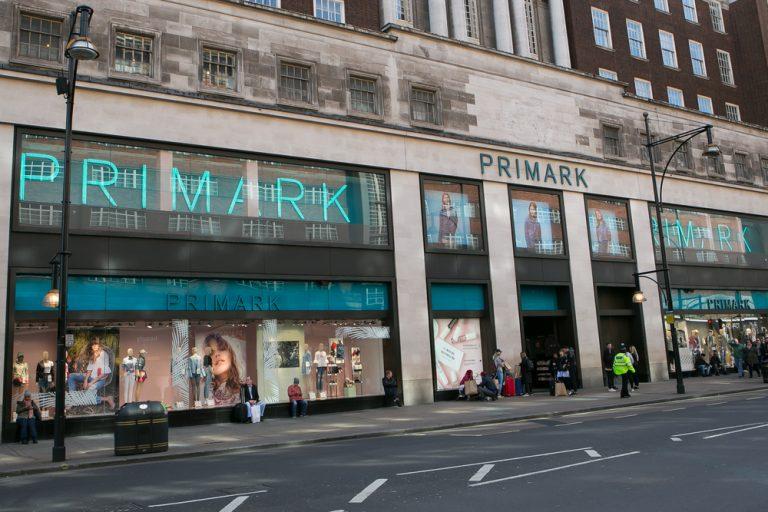
Shares in Primark owner AB Foods (LON:ABF) sunk nearly 3 percent on Wednesday, despite a surge in profits in the year to September.
A recovery in its sugar business and continued strong performance from its clothing business Primark boosted adjusted operating profit by 22 percent to hit £1.36 billion.
Revenues were also up 19 percent, with full year profits for the year up by 50 percent as Primark continues to defy the lull in consumer confidence hitting the High Street.
The strong results were boosted by the sterling’s weakness, with 60 percent of the company’s sales coming from abroad. However AB Foods warned investors going forward that the positive momentum may not continue, with sugar prices set to fall and the High Street facing increasing reports of negative consumer confidence.
Analysts took their cue from this statement rather than the positive results, sending shares down over 4 percent on Tuesday, with the downward spiral continuing into Wednesday morning. Shares in the group are currently trading down 2.95 percent at 3,123.00 (1348GMT).
High Street preparing for frosty Christmas as consumer confidence slips
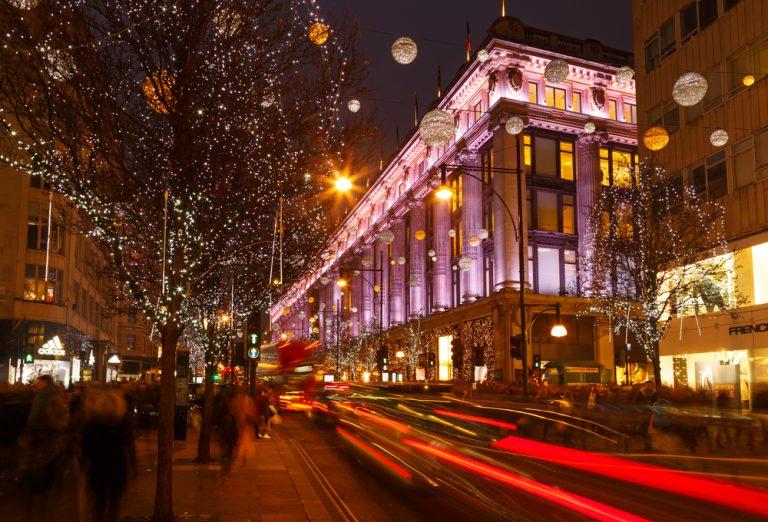
As Christmas draws closer and the High Street prepares for its busiest time of the year, the cold seems to have affected more than just the temperature: it’s also had a chilling effect on consumer confidence.
Figures from a variety of sources show weak consumer confidence heading into the Christmas season, with slow wage growth and uncertainty in the wake of Brexit contributing to the negativity on the High Street.
Non-food sales have taken a particular hit, with BRC-KPMG’s sales monitor showing that growth has fallen to the lowest level for five years. Shops selling both food and non-food items recorded a 2.2 percent slip in non-food sales and a 2.9 percent slide on a like-for-like basis. Over the last year, total non-food sales recorded a 2.1pc decline, the deepest drop since BRC-KPMG’s records began in 2012.
“October marked yet another reversal of fortunes for retailers, reinforcing just how volatile consumer spend has been,” said Paul Martin, head of retail at KPMG.
The latest figures from Marks and Spencer, released on Wednesday, seem to be in line with BRC-KPMG’s assessment. The group saw a further drop in clothing sales, vowing to speed up the closure of their non-performing clothing departments over the next year.
The British Retail Consortium also had similar figures for High Street trading, with like-for-like sales in October 1 percent lower than the same period last year. According to the BRC the key pre-Christmas trading period is off to a bad start, with credit card company also Barclaycard adding to the wealth of evidence that supports this view. The bank recorded consumer spending growth of 2.4 percent for October, below the current 3 percent inflation rate as households cut back on “nice-to-have” goods.
The car market has also taken a hit over the past couple of months, with figures from the Society of Motor Manufacturers and Traders showing the market is on course for its first annual decline since 2001. It is also set to weaken further in 2018, as the group recorded the seventh consecutive month of falling car sales.
With pre-Christmas figures like these, it seems as though the High Street’s winter collections may need to prepare for a frosty reception.
Marks and Spencer to cut food store openings as weak clothing sales weigh
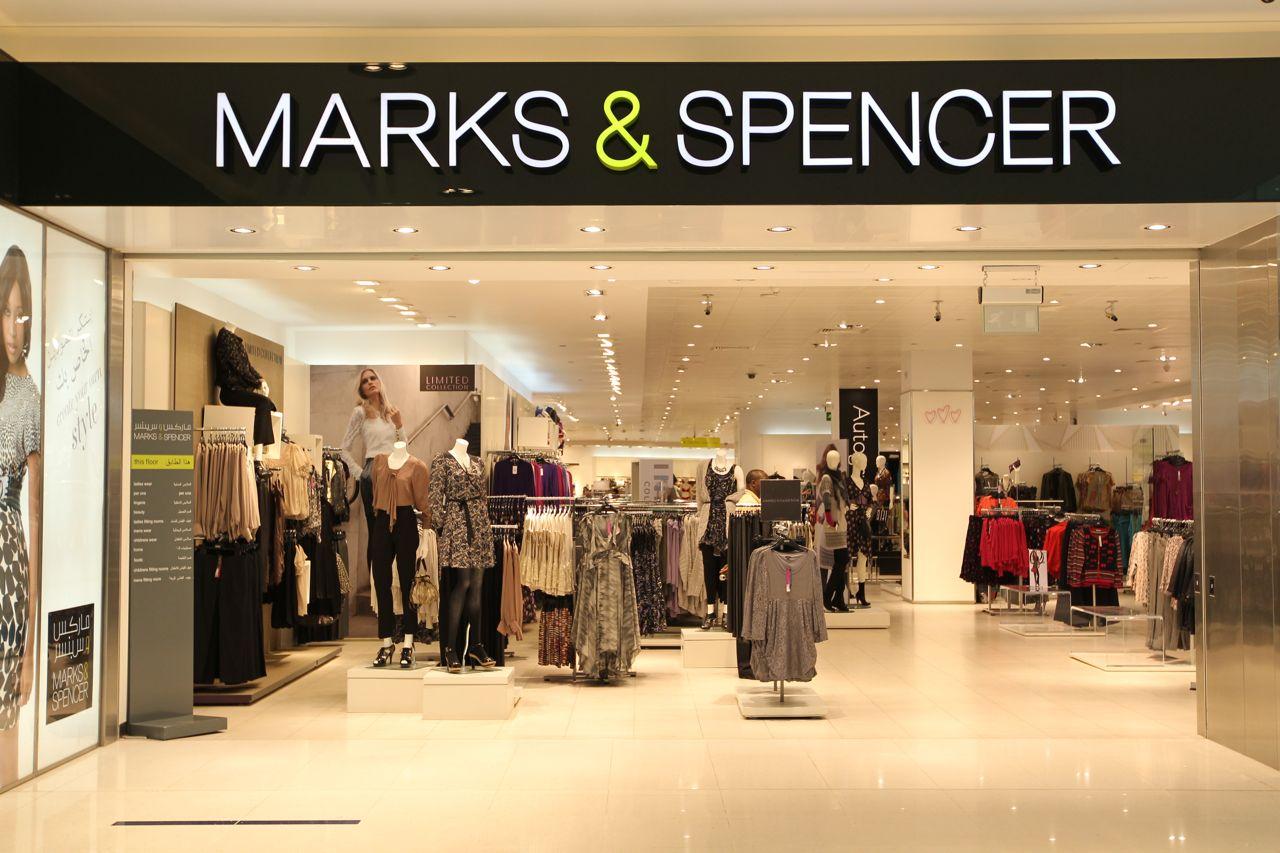
Marks and Spencer shares fell at market open on Wednesday morning, after the company’s pre-tax profit sunk over 5 percent to £219 million in the six months to September.
A further drop in clothing sales led the profit plunge, with the company vowing to speed up the closure of its underperforming clothing departments. The weak figures also led CEO Steve Rowe to announce a slowdown in the opening of its Simply Food stores, with planned openings cut from 80 to 90 in 2018.
We have made good progress in remedying the immediate and burning issues at M&S,” said chief executive Steve Rowe.
“The business still has many structural issues to tackle … in the context of a very challenging retail and consumer environment. Today we are accelerating our plans to build a business with sustainable, profitable growth, making M&S special again.”
Other figures released by the group on Wednesday were more positive, with group revenue for the six months to 30 September grew 2.6 per cent to £5.1 billion. Earnings per share jumped to 5.2p from 1p last year, while the interim dividend was kept flat at 6.8p.
Shares in Marks and Spencers moved upwards after their initial plunge, currently trading up 0.82 percent at 330.50 (1020GMT).