Taylor Wimpey revenue up 9.1% despite Brexit woes

Taylor Wimpey (LSE:TW.) today released its half year results for the period ending 3 July reporting that the company has delivered a strong operational and financial performance despite Brexit fears. The UK house builder reported a 9.1% in revenue growth climbing up to £1.46bn from £1.24bn. As a result of the boost in revenue, operating profits also grew 9.1% from £256m to £279m with an operating profit margin growth of 19.2%. The firm announced that its order book grew by 16% to £2.2bn on top of a rise in completion rates that rose 3% from 2015 as its home prices also rose 5.8% averaging out to £238,000 per home. Pre-tax profit for the year ending 3 July increased by 13% to £268.8m from £237.2m. Pete Redfern, Chief Executive, commented: “We have delivered a strong operational and financial performance with continued growth in profitability, building over 6,000 new homes across the country during the first half of 2016” In regards to the EU Referendum, the company said that current trading remains in line with normal seasonal patterns however could not comment on long term impacts the Brexit vote will have. Pete Redfern further added: “One month on from the EU Referendum, current trading remains in line with normal seasonal patterns. Customer interest continues to be high, with a good level of visitors both to our developments and to our website. We are monitoring customer confidence closely across a number of metrics, including appointment bookings, and these continue to be solid. …..Whilst it is still too early to assess what the longer term impact from the Referendum result on the housing market may be, we are encouraged by the first month’s trading and by continued competitive lending from the mortgage providers as well as the positive commentary from Government and policymakers” Taylor Wimpey revealed that it remains ‘fully committed’ to its dividend policy and confirmed it will pay 11p per share in 2016 rising to 13.8p in 2017. Both of these include a ‘special dividend’ of £300m which equates to 9.2p per share to be paid July 2017. The results boast a huge increase in market confidence for the company as the immediate aftermath of the EU Referendum saw its stock plummet up to a third of its value. At 10:44am BST Taylor Wimpey traded at 151.30 + 6.40 (4.42%) 27/07/2016

Wednesday’s Fed decision – What to expect

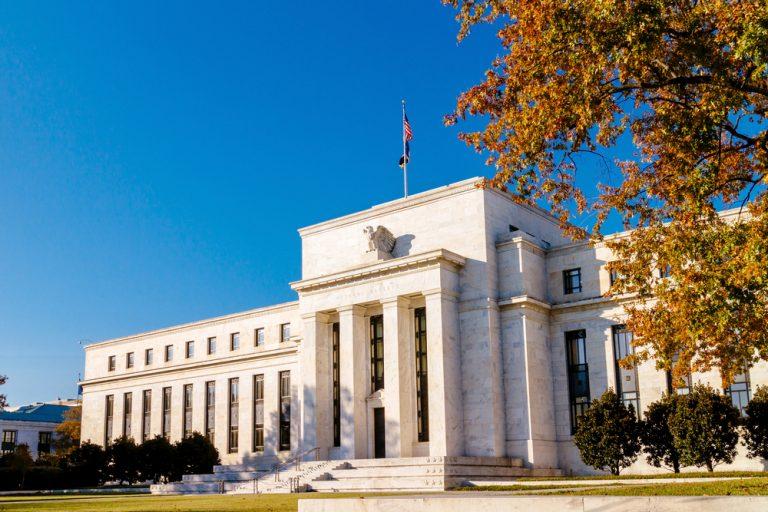
The Federal Reserve is currently holding its July Monetary Policy meeting from which analysts expect no changes in the federal funds rate.

The Fed’s latest meeting to discuss future monetary policy measures is being held over Tuesday and Wednesday with a decision to be made on Wednesday evening.

Since the Fed decided to increase interest rates in December 2015 – from prior near-zero levels – it has since kept rates steady following a period of extreme market turbulence.

Reluctance to increase the rate further has stemmed from financial turmoil at the start of 2016 and lower than expected economic growth throughout the first quarter.

The Federal Reserve has previously stated that although it has so far refrained from further interest rate increases, two more hikes are likely to come over the next year.

However these hikes may be postponed due to new worries over economic uncertainty since the UK’s vote to leave the European Union.

Federal Reserve Chairwoman Janet Yellen will not be holding a press conference after the meeting. Therefore, all eyes will be on the Fed interest rate decision and the monetary policy statement published at 7pm on Wednesday.

Expectations from the new decision

Analysts expect that the Federal Reserve will refrain from increasing rates this month. The reasons for the expected move include the new increases in market volatility since the Brexit vote as well as political turmoil and terror threats in Europe.

It is also expected that the policy statement which will be published on Wednesday will refrain from giving clear indications about a possible rate increase after the next meeting in September. This has been attributed to ongoing uncertainty about economic performance in the second quarter of the year.

Michael Feroli, chief U.S. economist for J.P. Morgan Chase stated: “I’m not sure they’re quite ready to signal the coast is clear.”

Further analysts expect that this month’s statement will sightly improve conditions in the US labour market in comparison to last month as well as progression towards the goal of steady inflation.

The Research Team at RBS additionally noted that the statement may mention the “acceleration of economic activity (and particularly consumer spending) in Q2 noted previously in the June FOMC statement is likely to be reiterated (especially given expectations that Q2 real GDP growth may approach 3%).”

Market outcomes
It can be expected that the Pound may gain some strength against the Dollar if interest rates remain unchanged. We saw similar movement in the Dollar after the June meeting saw rates unchanged with the GBP/USD climbing 5.6% until falling sharply due to the UK’s Brexit vote. Unchanged rates are also likely to invigorate price hikes in gold, as the non-interest yielding asset performs better in a low interest rate environment. Gold formerly increased in value since the UK’s Brexit vote induced uncertainty in the markets, but prices started to drop after a spike at 1,367.3 USD/ounce on the 6th of July. They hit a new three-week low at 1313.84 USD/ounce yesterday in the late afternoon on anticipation that the Fed may increase rates soon. But prices have since recovered 0.1% to stand at 1320.61 at 2pm under the assumption that the Fed will refrain from implementing changes this month.
Future outlook on Fed decisions
There will be three more Fed policy meetings this year which are scheduled for Sept. 20-21, Nov. 1-2 and Dec. 13-14 and analysts do expect that rates may be increased in at least one future meeting.

According to the CME Groups FedWatch tool there is currently an 18.8% probability for an increase in rates to 0.5 to 0.75% post the September meeting. The probability the Fed will decide to hike rates in December this year stand at 42.8%.

In addition, the minutes to this month’s meeting will be published on the 17 August and may give some indication as to the future intentions of the Fed to change rates. Michael Hanson, chief economist at the Bank of America believes there is a “greater chance” that the minutes will point in a direction of a September rate hike. He however also mentioned that that April’s minutes made the same indications for June which was ultimately not followed through in action.

Jacob Oubina, senior U.S. economist at RBC Capital Markets, holds the view that the Fed is likely to hold off on further action until June 2017. He pointed towards financial volatility due to a possible Brexit spill-overs, the coming U.S. presidential election as well as elections in France as reasons for the Fed to postpone further contractionary measures.
Katharina Fleiner 26/07/2016

Anheuser-Busch InBev raises offer for SABMiller

0
The multinational Belgium based Brew Company Anheuser-Bush InBev today raised its offer for London based multinational competitor SABMiller amid increasing concerns of investors over exchange rate losses due to a weaker Pound.
AB InBev announced it has raised its’ offer for SABMiller to 45 Pounds per share on Tuesday morning. The former offer of 44 Pounds per share AB InBev was proclaimed in October 2015. It had become less attractive to investors since the Pound dropped in value after last month’s Brexit vote. Terms of an alternative share-and-cash structure offered to SABMiller’s two largest shareholders have also been changed. The cash element of the deal was raised to 88 pence per share. The new offer revalued SABMiller at around £79billion pounds, up £9 billion from last Octobers offer. The spokesperson for AB InBev also stated that the new standing offer is final. AB InBev is the world’s largest Brewer. It produces such well-known global brands as Budweiser, Corona and Stella Artois and international brands such as Beck’s, Hoegaarden and Leffe. The company holds about 25% of the total market share in the industry. SABMiller is the second largest competitor in the market. The company is well-known for brands such as Fosters, Grolsch and Peroni. It is also a major bottler for Coca-Cola. SABMiller’s market share lies at around 10%. The acquisition of its second largest competitor would considerably increase AB InBev’s competitive share in the industry and further secure its’ leading market position.

BP profits fall 49%

Today BP (LON:BP) reported its second quarter results announcing that underlying replacement cost profits dropped 49% to $720m (550m) from $1.3bn profit recorded in 2015. The heavy fall comes as oil and gas remain lower causing a raft of lower refining margins, one of their key benchmark measures. BP said it expects its cash costs for 2017 to be $7bn lower than what was seen in 2014 as the past four months have so far been around $5.6bn lower compared to the 2014 figure as cost cutting exercises come to fruition. Organic capital expenditure for the first half of 2016 was $7.9bn, full year capital expenditure now expected to be below $17bn. The disappointing results dragged BP to July lows, shares were down l 1.4% to 434p at 8:30am BST in London’s early morning trade. The report showed that BP’s oil price averaged $46 per barrel an increase from $34 in the first quarter but still falling short of its 2015 level of $62. A major element of the report was that the group also announced it will continue its dividend scheme of 40 cents offering a 6.9% dividend yield to be paid in September, dispelling fears that they would be forced to cut dividend payment to strengthen the balance sheet. In regards to the tragic Deepwater Horizon drilling rig accident that killed 11 employees in 2010 causing one of the worst environmental disasters in recent times, has since seen costs of up to $61.6bn (£46.9m) with the report stating it has “drawn a line under the material liabilities” BP’s group Chief executive, Bob Dudley said: “Compared with a year earlier, the underlying second quarter result was impacted by lower oil and gas prices and significantly lower refining margins, but this was partly offset by the benefit of lower cash costs throughout the group as well as lower exploration write-offs. We are delivering significant improvements to the business that will stick at any oil price. We are now well down the path of transforming our business to compete, whatever the future holds. We now see a much stronger outlook for BP and are focused on growth, both for this decade and beyond” At 10:12am BST BP plc traded at 431.05 -9.30 (-2.11%) 26/07/16  

Gold prices fall on anticipated Fed rate decision

Gold prices plummet further this Monday morning in anticipation of the Federal Reserve’s Monetary Policy decision on Wednesday.
Gold prices had been rising on a wave of economic uncertainty and investor risk aversion post the UK’s decision to leave the European Union. Prices hit a high of 1,367.3 USD/ounce on the 6th of July. Since then prices have however started to decline again and hit a new three-week low at 1,319.9 USD/ounce in market trading early Monday morning, which is 0.45% down from market open. The new decline in gold prices has been prompted by expectations of a likely rise in US interest rates in the coming months. Fed Funds Futures showed a 15% likelihood for the Fed to decide on an interest rate increase by September and a 38.5 % likelihood of a rate increase by December. The outcome of Wednesday’s Fed meeting may prompt further movements in the price of gold if there are suggestions that the Fed is ready to act sooner than the market is currently pricing in. At 13.39pm gold was trading at 1,317.04 USD/ounce.

Ryanair flies high with 4% profit in Q2 results

Ryanair (LON:RYA) today reported its first quarter results announcing that the company remains on track for record profits despite Britain’s decision to leave the EU. Today the company reported profits for the three months ending June 30 that rose 4% from £245m in 2015 to £256m. This was due to an 11% increase in traffic rising to 31m alongside an average fare price dropping 10% to €39.92. The company also reported a 2% increase in revenue rising up to £1.653bn helped by a customer increase of 11% growing up to 31.2m compared to 28m seen in the previous year. The release has caused a stir in the markets this morning however, as Europe’s leading passenger airline Ryanair announced that it will ‘pivot’ it’s growth away from UK airports as it will now focus its growth in European airports. The cut will see its formidable 100m+ passengers a year from Britain in its largest sector Stansted Airport be largely capped once it’s decision takes place. Ryanair said Britain’s decision to leave the EU was both ‘surprising and disappointing’ after actively campaigning for a remain vote. As a result, Ryanair said it feels this will lead to greater economic instability and will reduce consumer confidence. The airline said that it expects the Brexit uncertainty will lead to a weaker sterling and slower growth in the UK putting a downward pressure on fares until the end of 2017. Ryanair’s Michael O’Leary said: “This modest 4% increase in Q1 profit to EUR256m is in line with previous guidance. The absence of Easter in Q1 and on-going market volatility arising from terrorist events, and repeated ATC strikes (particularly in France) weakened fares on close-in bookings and caused almost 1,000 flight cancellations. We remain committed to our load factor active/yield passive strategy which is why Q1 fares fell 10% to under EUR40. Traffic rose 11% and load factor improved 2 points to 94% as our Always Getting Better (“AGB”) customer experience programme continues to win new customers and new markets. Ancillary sales rose to 26% of revenues (24% in PY Q1). Cost control remains core which is why unit costs reduced 9% (ex-fuel down 4%) “ Prior to the EU Referendum Ryanair announced a €800m share buyback programme. The Brexit result meant that the company increased this figure to €886m with a completion rate at the end of June of an average price of EUR13.48 per share. Ryanair has returned a total of €4.2bn to its shareholders since 2008. At 10:32am BST Ryanair Holdings PLC traded at 11.49 +0.59 (5.41%) 25/07/2016

German IFO Data beats expectations

0
The IFO reading for July beat estimates of the current conditions and expectations for business activity in Germany, bucking the trend of recent economic data which is been negatively impacted by Brexit. The indices are used to indicate the health of the European economy and are likely to influence the position of the Euro. Last month’s Brexit vote weighed on analysts’ estimations of Germany’s business climate. Real figures however proved to be more resilient to the UK’s decision than expected. The German business sentiment index decreased only slightly by 0.4 points to a value of 108.3. The slightly lower figure still represents the second highest level the indicator has taken this year and beats estimates by 0.8 points. The IFO Current Assessment of business conditions in Germany gained 0.1 point to last months’ value, now standing at 114.7. Analysts had predicted a drop to 114.0 due to an expected pessimistic business outlook post the UK’s decision to leave the European Union. The growth the index could record in July represents an unexpected upwards movement in enterprises evaluations of the current business situation in Germany. The IFO Expectations fell from 103.1 to 102.2. The figure indicates a slight downwards adjustment to business’ rating of the future outlook for the coming six months. The figure shows however more optimism by businesses than analysts expected to see this month, beating estimates by 1 point. There has been little movement in the Euro against its major competitors since the data was released. At 12.03pm EUR/USD stood at 1.09870, the EUR/GBP stood at 0.83674 and the EUR/JPY 116.78129.

Nintendo shares plummet 17.7%

A statement made on Friday by Nintendo saying that revenues from Pokémon Go would not impact its profits sent company shares tumbling as it revealed it has no control over the production nor ownership of the game. The statement said that Pokémon Go “is developed and distributed by Niantic Inc” to which “the income reflected on the company’s consolidated business results is limited” The news shocked investors around the world as the statement made clear that Nintendo would not be enjoying significant profits made due to the global phenomenon. Instead, the profits will go to US firm Niantic in partnership with Google. Immediate reaction meant that the Kyoto-based company saw its biggest decline since October 1990 with its stock price plummeting down to 17.7% to its daily limit at (5,000 yen) having more than doubled in market value since its release earlier this month. Despite the record fall, shares in the company remain up 60% as its market cap stands at 3.29bn. The statement had little impact on the Nikkei 225 which closed at 16,620.20 -6.96 (-0.04%) in broadly flat trade. Nintendo is due to report its first quarter results this week but said in its statement that “the company is not modifying the consolidated financial forecast for now” Nintendo does however claim ownership to a 32% stake in the company and may see an overturn in profits produced with its up and coming release of Pokémon Go Plus this summer. However, Nintendo have stated that profits from this have been included in its 2016/17 fiscal year predictions. 25/07/2016

Vodafone records earnings increase in Q1

Vodafone records an increase in earnings in the quarter ending 30th June.

In the release this Friday, Vodafone reported its’ total organic service revenue for the past 3 months at €12.3 billion. The figure is 2.2% up from last quarter and beating analysts estimates.

The increase was driven by a 7.7% rise in earnings in Africa, the Middle East and the Asia Pacific region [AMAP]. In India Vodafone added 1.4 million mobile customers and reported on 3,300 new G3 sites which represents a rise to 96% population coverage in targeted urban areas. The group also expanded greatly into Turkey, Egypt and Ghana.

Organic based service growth, a metric which takes into account access charges and roaming fees but leaves out sales of handsets, is the companies preferred measure of sales success. However, strong organic growth this quarter was offset by an adverse impact from movement in the foreign exchange market, depressing revenues from growing markets such as Turkey, Egypt, India and South Africa.

Although regulatory pressures to lower roaming charges weighed down on European revenues, the company achieved organic service growth of 0.3% in the European market. Earnings grew by 1.6% in Germany and 1.2% in Italy as well as Spain but a contraction was reported in the Dutch market.

The group continues to struggle in the United Kingdom, where service revenues declines 3.2%. In March Vodafone became the most-criticised monthly mobile provider in the country, as the Financial Times reports. More than three times the average 10 complaints per 100,000 customers within the past three months of 2015 where recorded.

Vittorio Colao, Group Chief Executive, commented on the earnings report:

“We continued to make good progress during the first quarter. In Europe, our growth remains stable despite regulatory pressure on roaming revenue, with good performance in Germany, Spain and Italy while we are focused on improving our performance in the UK. Our growth momentum in AMAP remains strong, with excellent performance in South Africa, Turkey and Egypt and ongoing recovery in India. Customers in multiple markets are attracted by our ‘more-for-more’ commercial offerings of larger data bundles and extra services, while we are seeing continued success with our fixed broadband and enterprise strategies.’’

Shares rose over 4% by the close of play on Friday afternoon.

Crowd2Fund launches AI feature for investment

Crowd2Fund launches new automated investment feature – Smart-Invest
One of the UK’s leading peer-to-peer investment platforms, Crowd2Fund has launched a new IA feature which will allow investors to automate their crowd lending activities through artificial intelligence. Smart-Invest will make it possible for investors, who have set up an Innovative Investment ISA, to use an automated service to allocate their portfolio holdings across the platform to different businesses tailored to their own risk appetite and savings plan. The new feature is set to save investors time and make it easier to ensure maximum returns to savings. In regards to client safety, Crowd2Fund has put measures in place to ensure “all businesses eligible for Smart-Invest have been hand-picked and reviewed against our strict criteria.” The company assured that undertaken research and consultation with leading academics as well as industry leaders into the use of artificial intelligence will secure investors to enjoy the greatest benefits from the new feature. In a statement, Chris Hancock, CEO and founder of Crowd2Fund said: “This is the start of a very exciting journey into AI with more technology led developments for Crowd2Fund in the coming months. Smart- Invest is aimed at retail investors looking to maximise their return on investment and their financial goals. Our intelligent automated feature means that investors can get on with their day-to-day lives whilst the platform manages their portfolio and returns for them. The combination of Smart-Invest and the IF ISA government scheme continues to demonstrate our commitment in helping our investors grow their savings whilst supporting great British businesses.” The company launched its’ crowdfunding platform in the September 2014 and has grown to become one of the UK’s leading crowdfunding services. It connects lenders and debtors over rewards, equity, lending and donations. Since the platforms launch Crowd2Fund has backed 15 UK based businesses across different sectors and funded over £2m in deals since the start of 2015.