
Water purification company HaloSource drops 30 percent on trading update

Shares in water purification company HaloSource (LON:HALO) have dropped over 30 percent this morning after a trading update stated ‘operational challenges’ have prevented fulfilment of customer orders.
In a statement the company said, “we anticipate that Drinking Water revenues will be impacted negatively during the second half of 2015. However, the Company is confident that these production delays will in no way impact the marketplace demand for its class-leading HaloPure(R) disinfection technology for 2016 and beyond.”
HaloSource create water purification techniques that serve people and preserve the planet, and works with scientists and industry experts across the globe in search of new ways to improve water quality.
HaloSource has a 52 week range between 11.65 and 24.80, and is currently trading down 33.7 percent at 12.76 pence per share. (0937GMT)
HBOS report blames top executives
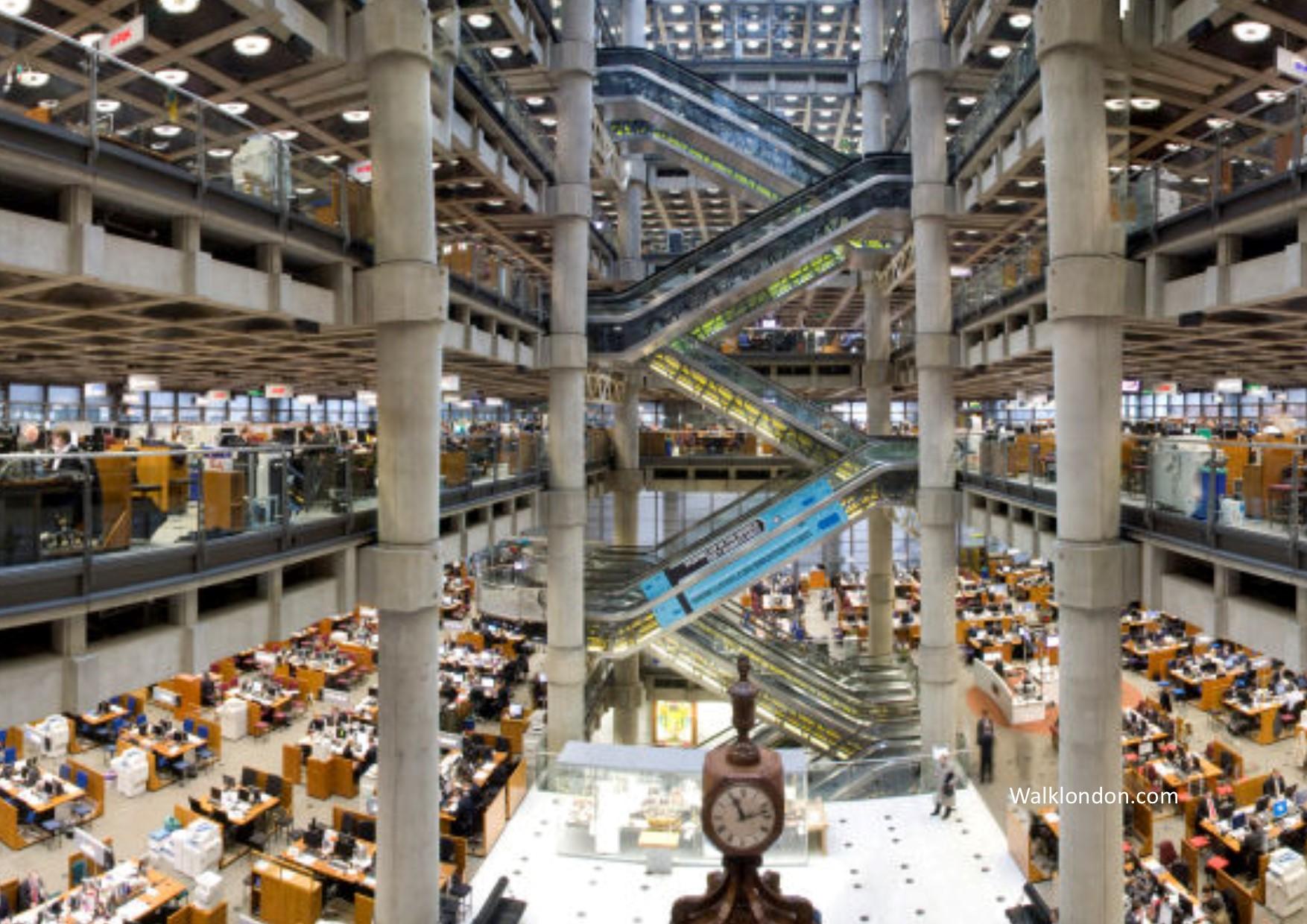
A report into the collapse of mortgage lender HBOS in 2008 has called for up to ten of its executives to be barred.
The long-awaited report by the Bank of England’s Prudential Regulation Authority and the Financial Conduct Authority was finally published yesterday, and blamed its top three executives at management level for the bank’s demise. The three, chairman Lord Stevenson and chief executives James Crosby and Andy Hornby, were also blamed at the time by a group of MPs.
A separate report conducted by independent QC Andrew Green, also published on Thursday, criticized the FSA for its failure to properly hold individuals to account for the crisis and urged other regulatory bodies to review the FSA’s decision not to act against key executives.
The merger between Halifax Building Society and The Bank of Scotland was valued at £30bn, but collapsed just seven years later wiping out its entire value. The taxpayer then injected £20.5 billion into the bank to avert a crisis. Andrew Bailey, the deputy governor of the Bank of England, promised rapid progress into the investigation of HBOS’ executives: “It’s not the intention to have a lengthy investigation. We will do this piece of work as soon as possible,” he said.20/11/2015
‘Abenomics’: what is it, and is it working for Japan?

When Prime Minister Shinzo Abe came to power, the Japanese economy was in a bad way. The country was suffering from long term deflation, a strong yen that was ultimately damaging exports and growth had been hovering around zero for the past twenty years. However, Abe was elected on the potential of his economic plan – so called ‘Abenomics’. But three years on, the Japanese economy is still having a rough time – so what is it exactly, and has it worked?
What is ‘Abenomics’?
Abe’s plan involves several different strategies. Firstly, it involves an increase in fiscal stimulus, using quantitative and qualitative easing to pump cash into the Japanese monetary system. The scale of this easing has dwarfed that in the US and european counties and will hope to drive down the currency, making it more attractive to foreign businesses.
The biggest part of the plan is structural reform of the Japanese economy aiming to restore consumer confidence and abolish deflation once and for all. This is the so-called “Japan Revitalisation Strategy”, and aims especially to help Japanese businesses.
The government is trying to encourage growth through a number of methods, including lowering corporation tax by 2.4 percent, making Japan more attractive to businesses, creating more jobs for women to increase the size of the work force, and welcoming foreigners into business in Japan.
So is it working?
At the moment, the results are disappointing. Asia’s second largest economy shrunk by 0.8 percent between July and September, plunging the country back into recession for the fourth time since 2008. Core inflation in Japan recently fell back below 0% in August, causing some people to declare that full-blown deflation has returned and Japan has a debt equivalent to a staggering 230% of its GDP.
However, at 3.3%, Japan’s unemployment is at an enviable level – one which is almost unheard of for Western economies. In fact, Japan’s labour market at its very worst rarely records unemployment of over 5%. Incentives to get women back into work are also working, with female employment in Japan now higher than in the US. Core inflation, despite the recent setback, has been responding positively since the regime was introduced – which is impressive, for an economy that has been at a standstill for two decades.
It is clear that the reform the the Japanese economy will be a slow process, but it’s not a failure. In his article for Business Insider, Mike Bird thinks that “what we’re seeing is the first genuine increase in the price level since at least the Asian crisis, if not since the bursting of Japan’s colossal equity bubble in 1990. It’s the most serious and sustained effort at revitalising the country’s supply-side too.”
Japan may not have seen a dramatic turnaround since the implementation of Abe’s plan, but it has seen a little more stability than it has for the last twenty years. How it will fare the future remains to be seen.
Miranda Wadham on 19/11/2015
Poundland shares tumble 18 percent on Christmas trade warning
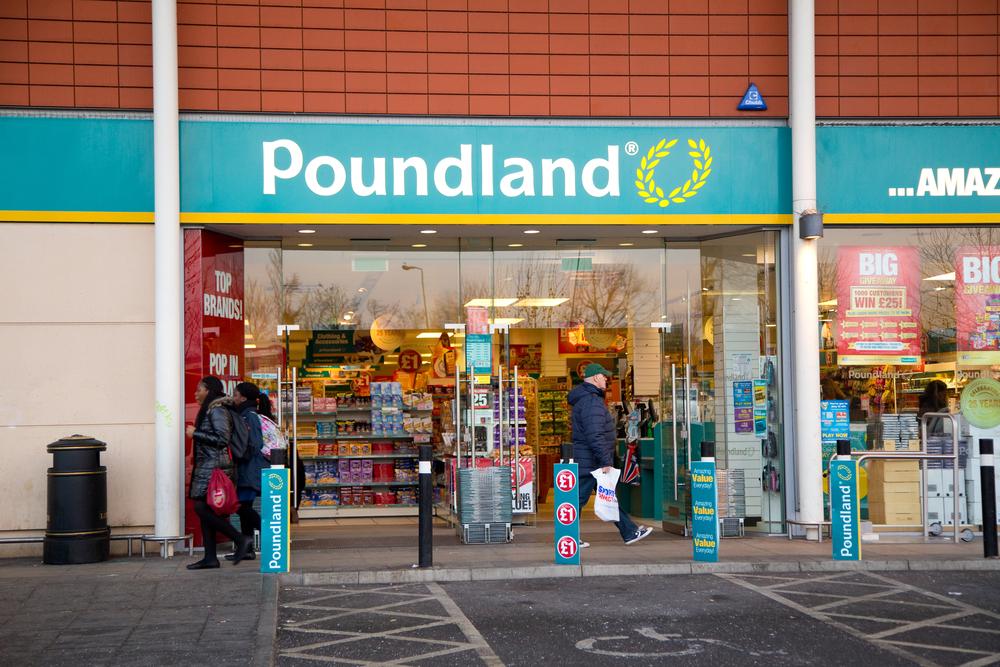
Shares in Poundland (LON:PLND) fell over 18 percent this morning after releasing disappointing interim results, sparking debate that their single price model is failing to provide profit against inflation.
Underlying pre-tax profits fell 26.3 percent to £9.3 million, which CEO Jim McCarthy put down to the opening of 55 new stores in Britain during this period, compared to just 34 last year.
“Sales comparables in the second half are softer and our Christmas range is our best ever. However, we have seen highly volatile trading conditions so far in the third quarter,” Chief Executive Jim McCarthy said.
Poundland first listed on the stock exchange in March last year at 300 pence, and the company recently purchased rival 99p Stores for £55 million. Chairman Darren Shapland said:
“We traded through the first half against an exceptional period last year. We opened a net new 52 shops in the half and are well placed for our critical third quarter, in addition 99p Stores will be an excellent accretive acquisition.”
The 99p Stores acquisition added 252 stores to about 600 Poundland stores in the UK and nearly 60 shops in Ireland and Spain. Poundland is currently trading down 17.9 percent at 228.70 pence per share. (1245GMT)
Royal Mail post 30 percent drop in profit, but shares rise on cost saving measures
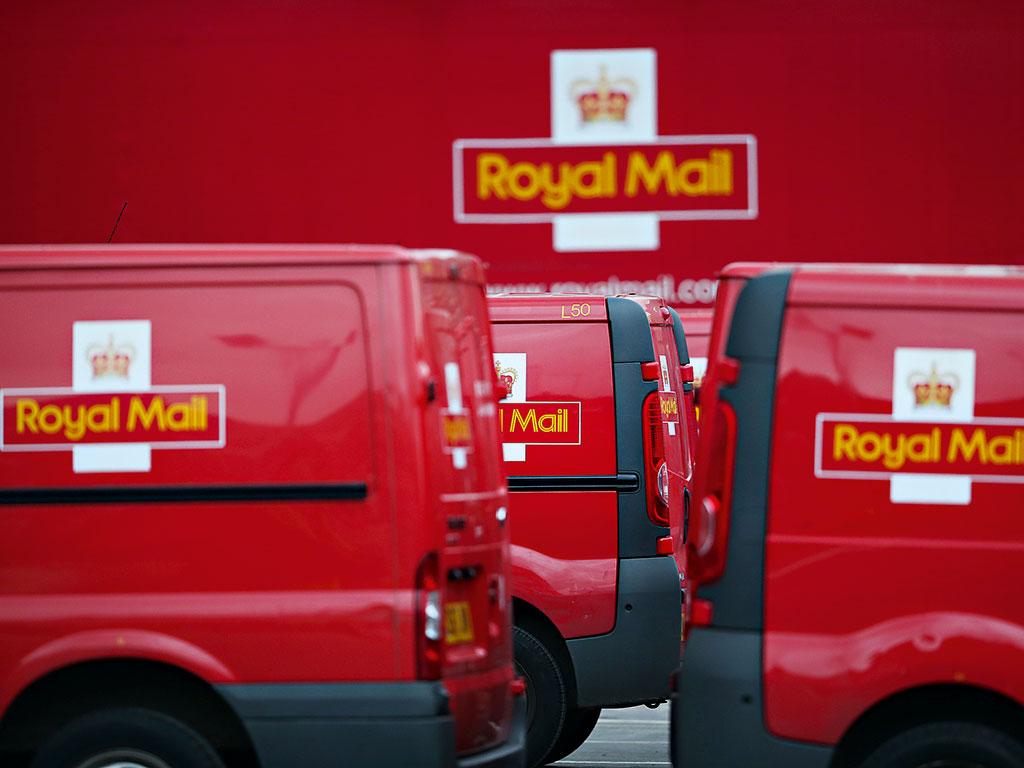
Royal Mail (LON:RMG) have reported a 30 percent drop in half-year profits, after extensive cost-saving programmes hit the company in the short term.
Adjusted pretax profit fell 16 percent to £240 million, but shares rose over 5 percent on the news that the company expects operating costs to fall 1 percent this year overall.
The recently privatised company’s profits depends strongly on the christmas season, for which chief executive Moya Greene said the group had put in “extensive preparations”.
“Everything that can be operationally, we have done … At Christmas, we know it’s our time to shine,” she said.
Royal Mail has recently cut 3000 jobs, around 2 percent of the workforce, which now stands at 140,000. Transformation costs doubled in the lat six months to £94 million, and pushed pretax profits down to £116 million from £167 million.
Royal Mail are currently trading up 5.81 percent at 480.80 pence per share. (1004GMT)
Government propose to close remaining coal stations by 2025

Energy Secretary Amber Rudd has announced a proposal to close the UK’s remaining coal-fired power plants, in a bid to move towards more environmentally friendly forms of energy.
Tightening EU legislation on emissions and an uneconomical energy prices means that, although a third of Britain’s electricity is currently provided by coal, all remaining coal power plants willl be closed by 2025.
Rudd said in a statement today:
“Frankly, it cannot be satisfactory for an advanced economy like the UK to be relying on polluting, carbon-intensive 50-year-old coal-fired power stations. Let me be clear: this is not the future.
“We need to build a new energy infrastructure, fit for the 21st century.”
Despite the controversy surrounding nuclear energy, the government’s preferred direction for energy policy is nuclear energy and lower-carbon gas power plants; which will enable it to meet EU emissions targets by 2050. Gas plants emit almost half the amount of carbon dioxide per megawatt produced as coal plants.
18/11/2015
UK Mail shares fall 10 percent on Ryton move
Shares in private courier service UK Mail Group (LON:UKM) dropped more than 10 percent today, as company restructuring and movement of its head office to a new location takes its toll on finances.
The group disclosed revenues of £237.6 million, up 4.5% on the previous year, but profit before tax fell 55.5 percent to £4.9 million.
The company are in the midst of a period of major investment and transition, after competing the movement of their head office to a new space in Ryton in July this year. In a statement the group said that the move will “deliver significant long term opportunities but was always expected to be challenging in the short-term.”
Guy Buswell, chief executive officer of UK Mail, commented:
“It has become clear that the near-term challenges associated with the transition have been more significant than first anticipated.
“Trading in the initial weeks of the second half, and overall trends within our individual businesses, have been in line with our revised expectations. Our expectations for the current year therefore remain in line with previous guidance. However, due to the timescales required to fully resolve the challenges, our expectations for the next financial year have softened slightly.”
UK Mail are currently trading down 10.19 pence at 326.90 pence per share, after hitting a 52 week low of 300 pence earlier today.
18/11/2015
Asda sees another set of poor results, struggling in challenging market
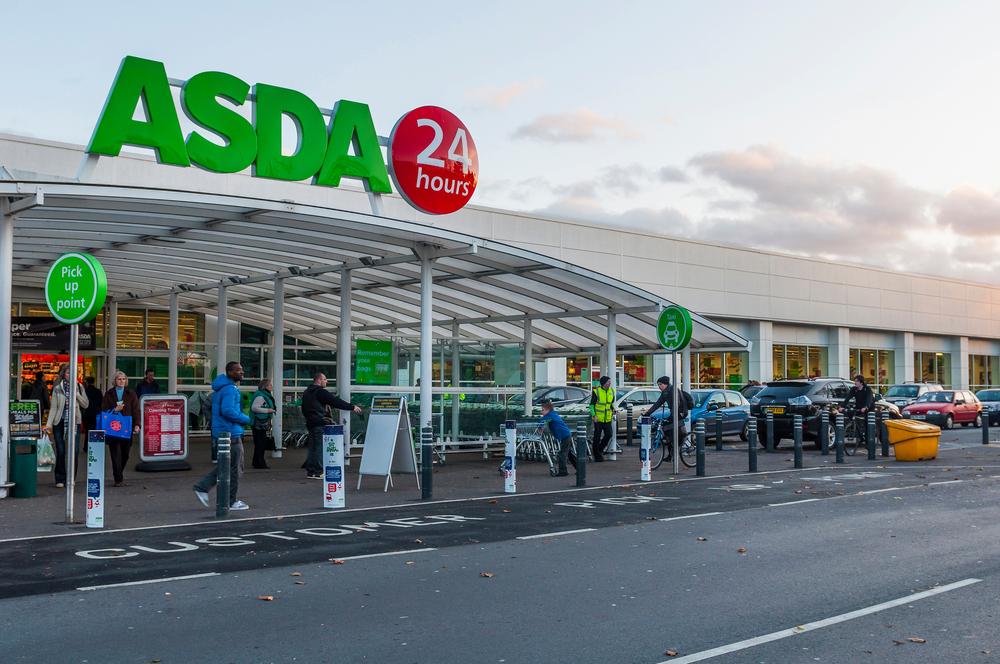
Walmart-owned Asda have seen a 4.5 percent decline in same-store sales for the three months to November, recovering only slightly from the worst performance in its 50 year history earlier this year.
These latest results make Asda the worst performing of the Big Four supermarkets, including Morrisons – who have had an exceptionally tough year.
Similarly, data from Kantar Worldpanel shows Asda’s position as second largest supermarket by market share has been overtaken by Sainsbury’s in the last quarter, whose shares were up yesterday on unexpectedly positive results.
Asda chief executive Andy Clarke admitted that the supermarket sector remained “challenging”, but added that Asda’s “financial strength and clear plan will sustain us through this period, while we take appropriate and considered action to further strengthen our competitive position”.
Asda’s US parent company Walmart also released poor results, with net profit falling $0.4 billion to $3.3 billion for the three months to the end of October. Its total also revenues fell 1.3%.18/11/2015
Easyjet post strong results, denying terrorist attacks will impact trade
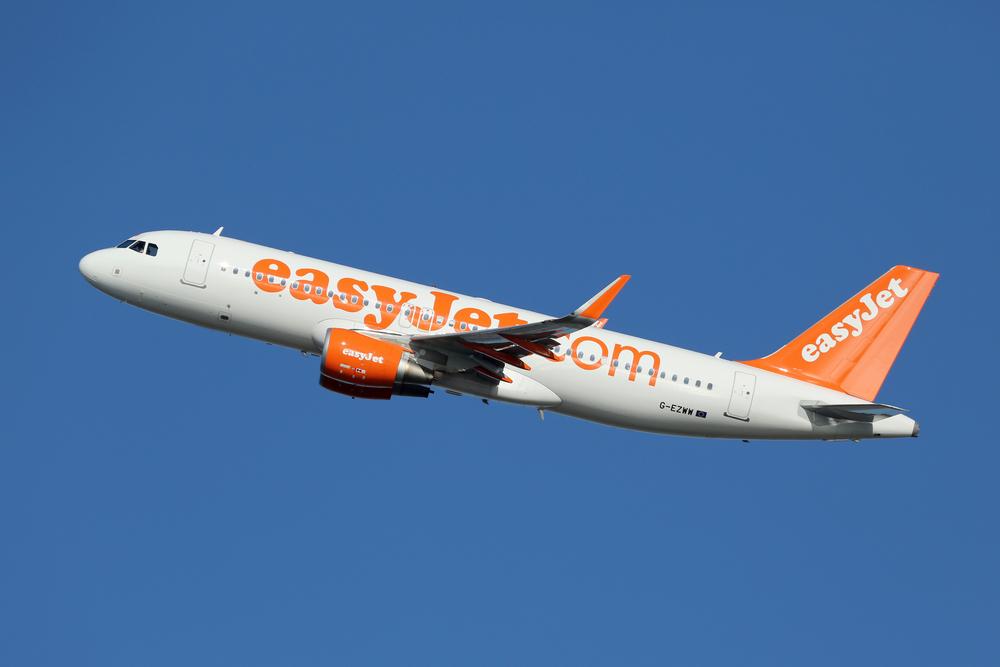
Budget airline Easyjet (LON:EZJ) reported an 18 percent rise in pretax profit for the 2015 financial year, with chief executive Carolyn McCall saying she does not expect the recent terrorist attacks to have a lasting impact on profit.
The company’s revenues rose 3.5 percent to £4.68 billion, with passenger numbers up 6 percent to £68.6 million and their load factor rising to 91.5 percent.
“Our outlook for the longer term is positive. We expect demand in our markets to be sustained and for Easyjet to continue to be a winner in its markets. We will see passenger growth of 7% a year”, McCall commented.
Easyjet have been strongly affected by the recent bombing of a Russian aircraft over Egypt last month, which killed 224 people and caused the government to suspend flights from popular tourist resort Sharm el-Sheik. Easyjet passengers have since been stranded in Egypt, awaiting a flight home. Equally, in the light of the tragic events in Paris last Friday, travel to and from France has also fallen. However, McCall said she did not expect any lasting impact on trading:
“There’s always a cooling off after tragic events, but it does resume after a period of time, and I think that we will see this here.”
Easyjet are currently trading down 3.25 percent, despite their strong results, as the impact of the terrorism on travel companies begins to have an effect.
CPI remains in the red for October, according to ONS figures
Consumer price inflation was down for a second month in a row in October, according to official figures released today by the Office for National Statistics.
Consumer price inflation stayed in the red at -0.1 percent, making a rate rise in the near future look increasingly unlikely. The Bank of England said in a statement earlier this month that the global economy was weakening, and inflation was not likely to rise above 1 percent until the second half of next year. This is the ninth month in a row that CPI has been at, or very close to, zero.
ONS statistician Richard Campbell commented: “CPI remained steady at -0.1 percent in October, with stronger clothing price growth being offset by food and alcohol and tobacco, as well as a smaller impact from rising tuition fees”.
Retail price inflation also fell by 0.1 percent in October, down from 0.8 percent in September – the weakest RPI reading since November 2009.
17/11/2015