
Tesla cars to ‘self-park’ from today
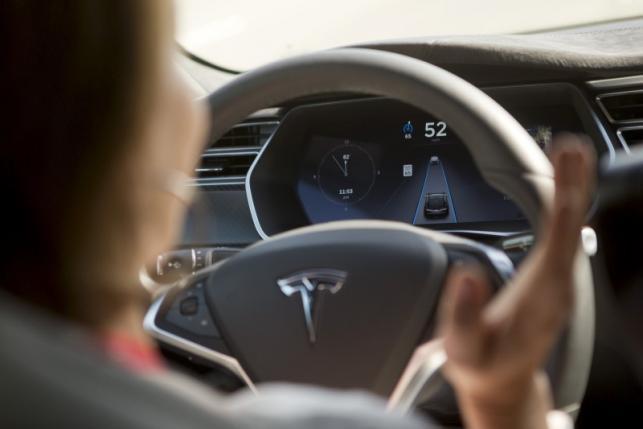
Starting from today, electric cars made by Tesla (NASDAQ:TSLA) in the US will be able to steer and park themselves according to Chief Exective Officer Elon Musk.
The new ‘self-driving’ system is designed for cars made after September 2014, and is available in the US from today and will launch in Europe and Asia next week.
However, the company has cautioned that drivers will have to continue to hold the wheel, at least for the foreseeable future.
Musk said in a statement to reporters:
“We’re being especially cautious at this stage so we’re advising drivers to keep their hands on the wheel just in case.
“The whole Tesla fleet acts like a network. When one car learns something they all learn it. As more people enable autopilot, the information about how to drive is uploaded to the network. Each driver is effectively an expert trainer in how the autopilot should work.”
Musk also commented that, although self-driving technology will mean that cars will have the capacity to drive themselves within the next three years, regulatory approval could take far longer.
Burberry shares drop 12 percent on poor results

Shares in luxury fashion brand Burberry (LON:BRBY) dropped sharply this morning, after disappointing results fell short of expectations.
The company lost more than tenth of its stock value, with nearly £700 million wiped from its market capitalisation.
Retail sales grew 2 percent to £774 million in the six months to September, but suffered in the UK as luxury customers from Asia took their custom to Europe instead.
Chief executive officer Christopher Bailey said in a statement:
“The external environment became more challenging during the half, affecting luxury consumer demand in some of our key markets.
“While mindful of this external volatility, our plans for the festive season position us well to return to a more positive sales trend in the all-important second half.”
Burberry are currently trading down 12.54 percent at 1241 pence per share. (1021GMT)
Netflix shares fall after disappointing US subscription figures
TV streaming company Netflix announced its results yesterday, gaining another 3.62m subscribers between July and September and bringing its revenue up to $1.74 billion.
However, shares fell in after hours trading as the company saw fewer new subscribers in the US than expected, attributing this to the “ongoing transition to chip-based credit and debit cards”. It had predicted an extra 1.15m subscribers in the third quarter, but they in face totalled 880,000. The company have plans to expand internationally, launching in Spain, Italy and Portugal next week and pushing into South Korea, Hong Kong, Taiwan and Singapore in early 2016. They expect to be breaking even for 2016 whilst money is poured into promotion in those countries, and begin making a profit again shortly after. In a statement, the company praised their ‘originals’ strategy, attributing it to the rise in subscriptions and preferring that to be their focus rather than bidding for existing series such as Top Gear:
“Just three years into our originals strategy, we have come a long way and our content is increasingly recognized for its quality and breadth. This year, we garnered a Netflix-record 34 Emmy nominations, across 11 of our original series and documentaries and won four.”
Netflix (NASDAQ:NFLX) share price dropped in after hours trading yesterday but has since risen, trading up 0.46 percent at 110.23 pence per share.
‘Laser razor’ highlights problems of crowdfunding
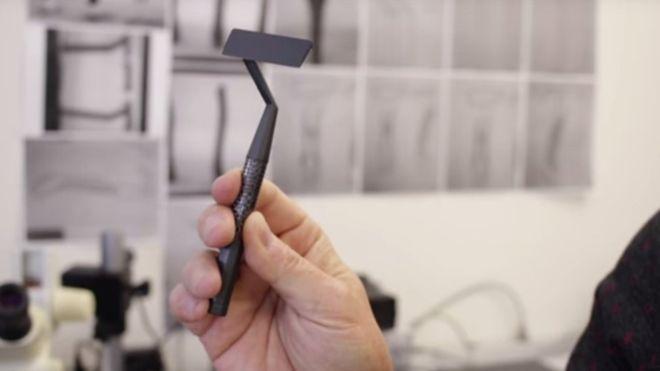
The fundraising campaign for a ‘laser razor’ has been ditched from Kickstarter, after it was found that the product had no working model and technically did not exist.
The product was billed as an environmentally-friendly, irritation free razor and has raised nearly $4 million on Kickstarter since the campaign began. Whilst the team behind the ‘Skarp’ razor insist the product will be ready as early as March 2016, Kickstarter have sent an email to backers explaining that “it is in violation of our rule requiring working prototypes of physical products that are offered as rewards”.
The campaign was one of the most successful in the crowdfunding site’s history, far surpassing its $160,000 target, but has now been suspended by Kickstarter. However, it has since moved it’s page to rival site IndieGogo. Skarp’s CIO Oliver Pearce-Owen said of the move:
“We have taken our prototype as far as we can before mass production and that is why we are on Indiegogo.
“They have been incredibly helpful – it’s clear they are interested in bringing exciting, cutting edge campaigns to their platform.”
This situation defines many of the reasons why critics are hesitant about the rewards-based online crowdfunding model. Unlike debt and equity crowdfunding sites, which although not risk-free do vet their projects extensively, it is all too easy for a company to put a page up on sites such as IndieGoGo and Kickstarter and encourage the public to part with their money with no real evidence of a business model or definitive plan for the funds.
Whilst it is true that sites such as these are ideal for new businesses needing financial backing in order to even develop their project, backers invest on the company’s word alone and there are no repercussions or chance to get money back on a rewards-based site. Parting with significant amounts of money on sites like these remains a risky business.
Miranda Wadham on 14/10/2015
Unemployment at lowest level in seven years
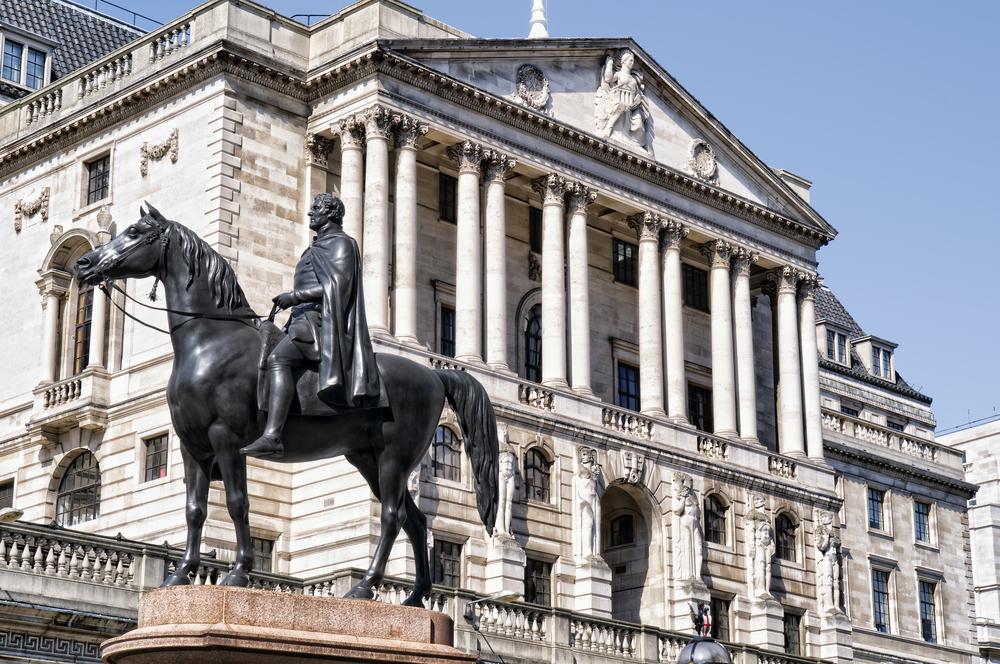
The UK unemployment rate has fallen to its lowest level in seven years, according to figures released today by the Office for National Statistics.
The rate fell to 5.4% in the three months to August, with the number of people in work rising by 140,000. The employment rate now stands at 73.6 percent, this highest since records began.
The number of people out of work was 1.77 million between June and August.
However, pay growth was slower than anticipated by analysts, at 2.3 percent during the last quarter, down from 2.9 percent in July. This figure is one that will be closely considered by the Bank of England when deciding when to raise rates.
JP Morgan results fall short of expectations
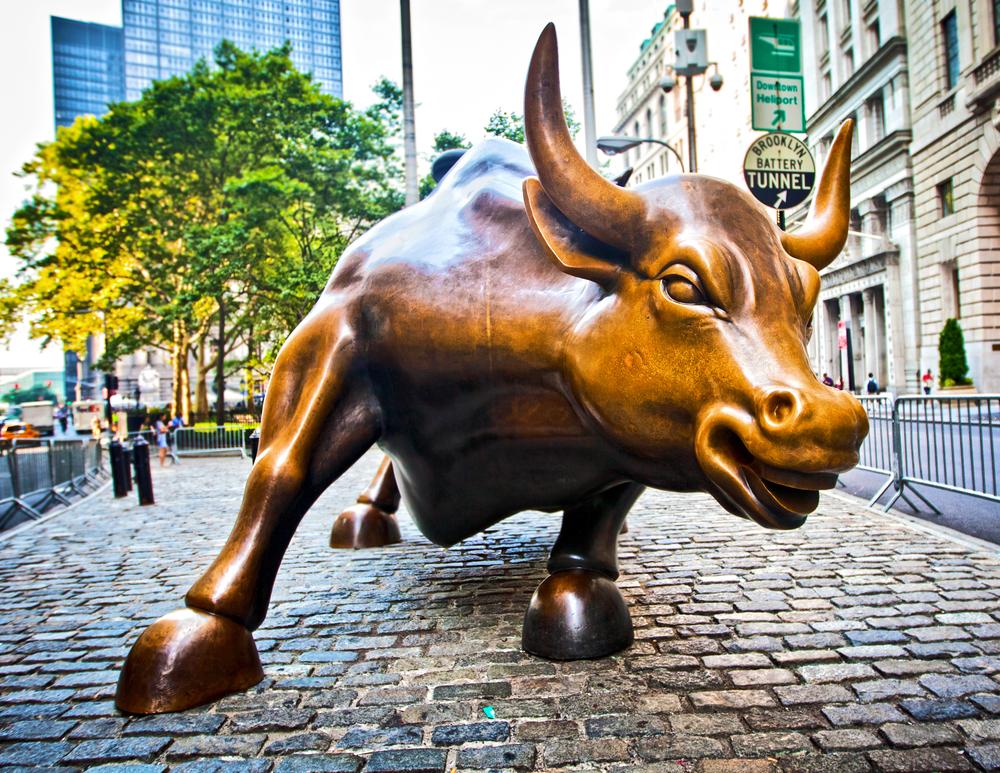
One of the world’s biggest banks, JP Morgan Chase, has reported a net income of $6.8 billion, below analysts’ expectations.
Net revenue was $23.5 billion, down from $25 billion the year before.
Jamie Dimon, Chairman and CEO, said in a statement:
“We saw the impact of a challenging global environment and continued low rates reflected in the wholesale businesses’ results, while the consumer businesses benefited from favorable trends and credit quality.
“Our position of strength allows us to make significant investments to transform the businesses we operate, deliver better experiences to our customers and clients, gain share and be positioned to be a long-term winner.”
Opinion: ‘Brexit’ would be lethal for British businesses
When the idea of a referendum was floated, it appeared to be nothing more than David Cameron desperately incentivising voters in the upcoming election. However, after a decisive win, we are faced with a situation that has become a reality. Famous figures and politicians are now coming out in support of both sides of the debate, but surely there can only be one right answer for Britain: In, In, In.
Trade is a necessity
The loss of European free trade to Britain would be nothing short of catastrophic. Should we leave the European Union, instead of trading as a part of the invaluable EU bloc, Britain would be cut adrift and left to trade on its own. Whilst this could mean we negotiate trade with large countries, and reap the benefits for ourselves, it is unlikely that other trading blocs would take the time to negotiate an agreement. Whilst we have a huge amount of power as part of one of the biggest trading blocs in the world – on our own, our country’s production pales into insignificance. It would be foolish to pretend otherwise and it risks seriously hindering trade and impacting on British businesses.
Without free trade within the EU, taxes on imports and exports would rise. According to The Economist, British dairy exports would incur an import tax of 55% to reach the EU market, with tariffs on some items of more than 200%. Cheddar cheese would face a tariff of €167 per 100kg, and average tariffs on clothing would push up their price in European markets by 12%.
These restrictions would also drive away any large automobile companies thinking of setting up in the UK and impact on British jobs, especially in the North. British-based producers would face a 4% tariff on car-equipment sales to the EU, and there would be pressure to impose tariffs on components imported from it.
A trade only agreement?
To counteract this, many people, including UKIP leader Nigel Farage, are pushing for a trade-only arrangement with the EU. A few countries do have this status: Norway, Iceland and Lichtenstein make up the European Free Trade Association. Whilst becoming part of this would mean that we have access to the trade market without being fully embroiled in the EU, there are several downsides.
Firstly, Norway still pays into the EU – something that Out campaigners are trying to avoid – and the countries in this agreement are still not free of EU legislation. They have to abide by EU employment and trade legislation, but do not have a say in its creation. Surely, it is better to remain in the EU and influence the making of laws which affect us – as a country that is used to being at the forefront of European legal negotiation, would we want to become one that stands in the shadows and accepts what is thrown at us?
The legal reality
A final point that will affect businesses in the UK is the turmoil the British legal system will be thrown into should we leave. A vast number of our laws, largely those that apply to businesses, have been created under the European Communities Act – which would be repealed. Where does this leave existing legislation? If it is all repealed at once, there exists a vacuum in which there are no applicable laws. The more likely option is that they will be repealed one by one – taking up a vast amount of Parliament time and leaving businesses in limbo for months, if not years. This period of uncertainty will dramatically impact on British business – why make a decision about the future, when it is unclear whether it will remain legal?
In or out – but nothing in-between
Essentially it is clear that, regardless of what hopeful politicians may say, the choice is either to be in the Union or out of it. It would be very difficult to negotiate a viable alternative and even if we did, we risk being excluded from important decisions and losing power. David Cameron’s “looser union” is nothing but wishful thinking.
When we joined the ‘Common Market’ in 1975, the choice was clear: free trade and free borders between several European countries could only be a good thing. However, the European Union is something that has evolved and grown whilst we’ve been part of it, to the extent that it is now unthinkable to leave. When we joined the Union, Britain was powerful in its own right; however now, we will find that we are insignificant compared to the size and the power of the EU as a whole.
Lastly, offering this monumental decision to the public as a referendum is a dangerous choice. Most people – myself included, probably – don’t fully understand the intricacies and long term repercussions that leaving the EU would entail and are heavily influenced by the mainstream media and political campaigns, neither of which tell the full story. It is a decision that we may well make with our hearts rather than our heads, and this constitutes a huge risk to the future of Britain. No one has ever left the EU – and it is almost certain that, should we realise it was a mistake, there will be no way back. If we choose wrongly in this referendum, it is future generations who will suffer the consequences.
Miranda Wadham on 13/10/2015
SABMiller accepts InBev bid
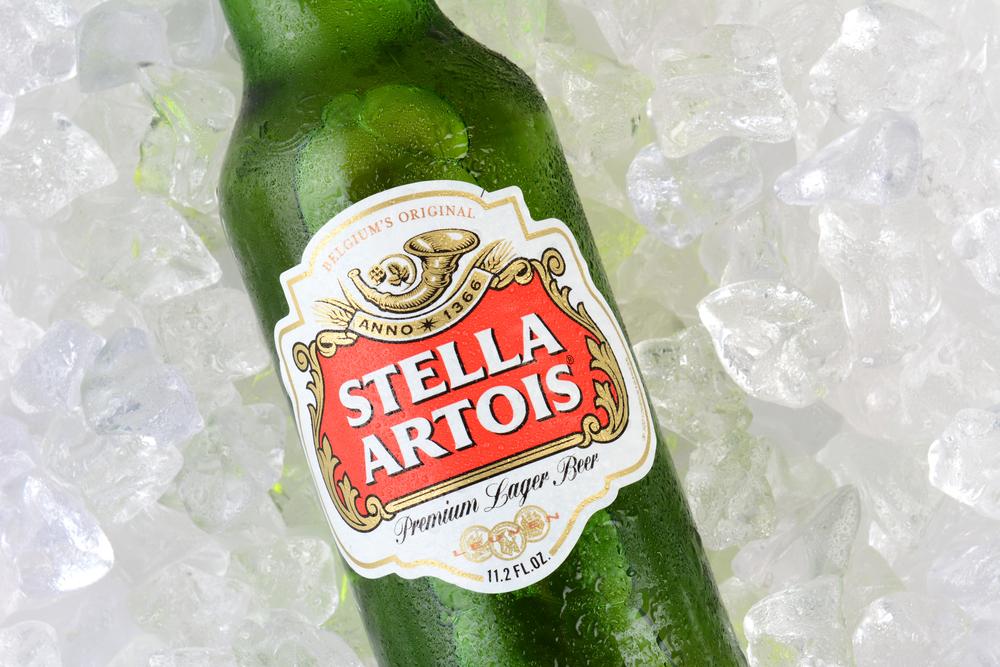
Shares in brewer SABMiller (LON:SAB) soared this morning, after it announced that it had accepted a takeover offer from rival AB InBev.
The deal has been on the table for some time, with SABMiller rejecting two previous offers on the grounds that they ‘undervalued the company’. However, the company has now ‘in principle’ accepted a bid from InBev of £44 a share.
A merger of the two firms would create the world’s largest brewer, making around a third of the world’s beer, and would rank in the top five mergers in corporate history. The agreed cash-and-share package is estimated to be worth £69 billion. SABMiller shares are currently trading up 9.02 percent, at 3948 pence per share. (1022GMT)UK inflation back in the red
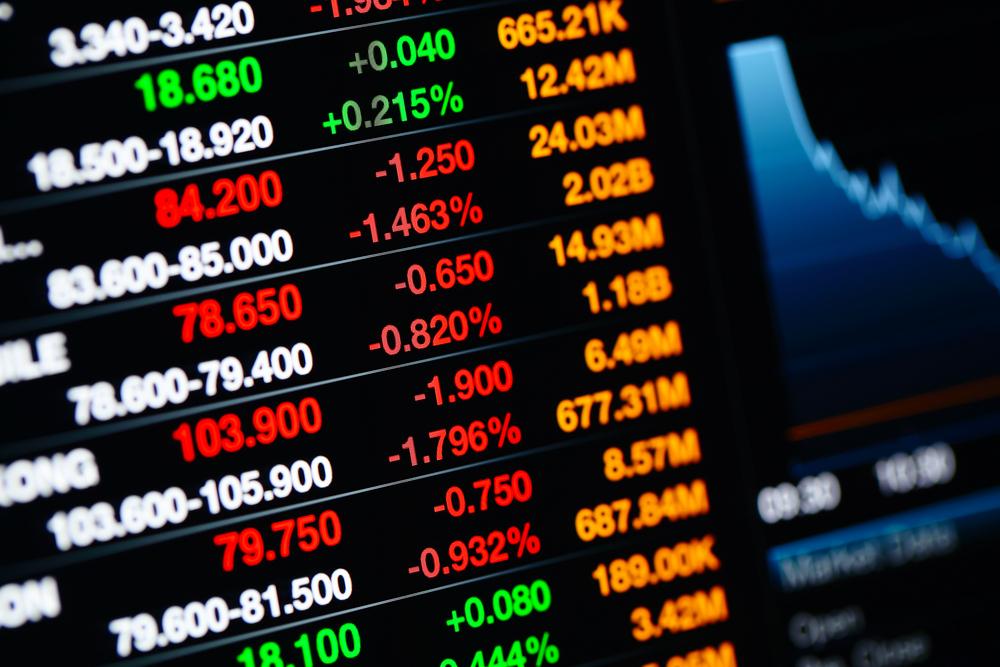
UK inflation dropped to -0.1 percent in September, according to figures released today by The Office for National Statistics.
The Consumer Price Index was below the zero percent expected by analysts. A smaller than usual rise in the price of clothing, as well as falling fuel prices, contributed to the drop. The CPI rate equals that of April’s -0.1 percent figure, which was the lowest since 1960. It has remained at close to zero for most of this year.
The Retail Prices Index measure of inflation also fell to 0.8% in September, down from 1.1% in August. The Bank of England said in its monthly statement last week that it was unconcerned about the current inflation rate and did not expect it to reach 1 percent until early next year. This has led to speculation that a rate rise will not take place until later than previously anticipated.AB InBev raises SABMiller takeover offer to £67bn

Anheuser-Busch InBev, who brews Budweiser, Stella Artois and Corona, has made its fourth offer to takeover rival SABMiller in the hopes to create a giant that would make nearly a third of the World’s beer.
This latest offer stands at £43.50 per share with an option available for some to take a lower-priced mix of cash and shares, following previous rejections of 38, 40 & 42.15 pounds per share.
InBev has increased it’s takeover proposal by roughly 2.4 billion ahead of Wednesday’s deadline, when it hopes to confirm what would be the biggest UK company takeover.
Although SAB has yet to comment on the new offer, analysts at RBC Capital Markets have predicted that both sides will make a move before the deadline; “Our view remains that it is in neither ABI nor SAB’s interest for this proposed bid to fail”.
SABMiller shares rose 0.8% on news of the latest offer.
Safiya Bashir on 12/10/2015