After a strong recovery, can UK dividends continue to thrive in the year ahead?

Charles Luke, Investment Manager, Murray Income Trust PLC

  • UK dividends have seen a significant boost in 2022, but face challenges in the year ahead
  • Currency, sector strength and improved dividend cover should all help dividend growth
  • Higher quality companies should thrive in an environment of economic weakness

UK dividends have made a strong recovery since the pandemic, boosted by strong corporate earnings, a weak pound and high commodities prices. UK companies are set to pay an impressive £97.4bn in dividends in 2022. But can this strength last in 2023 in the face of high inflation, higher interest rates and a recession? 

The recovery in UK dividends has been stronger than many dared hope in the midst of Covid-19. The pandemic also helped strengthen the dividend position of many UK companies. Prior to the pandemic, some of the largest companies had been over-paying, leaving payouts looking extremely stretched relative to earnings. The pandemic allowed them to re-set those dividends at a lower level, improving dividend cover (the extent to which dividends are covered by earnings) and creating a stronger outlook. 

There have been other factors at work in the UK’s improving dividend picture. The commodities boom has helped oil and gas, and mining companies, which make up a significant proportion of the UK market. UK dividends have also benefited from a weaker currency because many UK companies have overseas revenues, which have been flattered by the conversion back into pounds. 

Many of these elements are still in place. High dividend cover gives companies flexibility, allowing them to pay growing dividends. There is still strong support for some of the UK’s key sectors: rising interest rates favours the banking sector, for example, while the energy transition looks to provide long-term support for the mining sector. The pound may have recovered somewhat against the US Dollar, but it remains near historic lows. 

However, recession now looks inescapable, which will make it more challenging for companies to deliver strong earnings, and may therefore put dividend growth at risk. While the outlook still appears strong for mining, oil and gas, or the banking sector, there are areas likely to be knocked by economic weakness – retail, for example. 

At this juncture, we believe quality is particularly important. Higher quality companies – those with a strong competitive advantage, robust balance sheet, experienced management teams and healthy ESG characteristics – are in the best possible position to pass on higher input costs and sustain their earnings through any economic weakness. Companies need to ensure that pricing power is resilient: because they are embedded in their customers’ work flows, have a strong brand, or are good at innovation. In contrast, companies with a lot of debt are always vulnerable in this type of environment. We see markets starting to differentiate clearly on these factors. 

Quality needs to be balanced with the need for a higher income stream. The best quality companies may not have the highest yields. At Murray Income Trust, we use option-writing to provide an additional income. This allows us to invest in high quality companies but with lower starting yields. As such, we can ‘trade’ some of the upside of an individual stock for a payment that is added to the income. It boosts the yield without adding to overall risk and allows us to invest in higher quality, but lower yielding companies. The trust also employs some gearing. 

There are other factors to consider in delivering a strong and robust dividend stream for investors. Diversification is vital in an unpredictable climate. The market can change very quickly and we need to avoid over-reliance on an individual sector. For example, we have 15% of the portfolio in overseas listed companies, which is helpful in terms of diversifying risk in individual sectors, such as pharmaceuticals, while also providing access to companies and industries that can’t be found in the UK market – elevator company Kone, for example, or luxury goods company LVMH. 

Robust research is also important. This is an environment likely to expose the smallest of weaknesses. At abrdn, we have a large global analyst team. This allows us to get under the skin of individual companies, understanding where the market may be misreading a company’s prospects and, importantly, allowing us to determine a fair price. Even the best company can be a bad investment if the price is too high. 

We can also support the income on the trust through revenue reserves. The investment trust structure allows us to reserve revenue in good times to support the pay-outs to shareholders in more difficult times. We used this facility modestly during the pandemic – precisely the type of rainy day we’d been saving for. 

Dividends are a vital part of Murray Income’s objectives. We understand that investors rely on the high and growing income we aim to provide. We’ve increased the dividend every year since 1973, qualifying the trust for ‘Dividend Hero’ status from the Association of Investment Companies. This is only achieved by being very careful about the quality of the companies in the portfolio, diversifying the yield and using the full powers of the investment trust structure. 

Five year dividend table (p)

Financial year20222021202020192018
Total dividend (p)36.0034.5034.2534.0033.25

Total return; NAV to NAV, net income reinvested, GBP. Share price total return is on a mid-to-mid basis. Dividend calculations are to reinvest as at the ex-dividend date. NAV returns based on NAVs with debt valued at fair value. Source: Aberdeen Asset Managers Limited, Lipper and Morningstar.

Important information

Risk factors you should consider prior to investing:

  • The value of investments, and the income from them, can go down as well as up and investors may get back less than the amount invested. 
  • Past performance is not a guide to future results. 
  • Investment in the Company may not be appropriate for investors who plan to withdraw their money within 5 years. 
  • The Company may borrow to finance further investment (gearing). The use of gearing is likely to lead to volatility in the Net Asset Value (NAV) meaning that any movement in the value of the company’s assets will result in a magnified movement in the NAV. 
  • The Company may accumulate investment positions which represent more than normal trading volumes which may make it difficult to realise investments and may lead to volatility in the market price of the Company’s shares. 
  • The Company may charge expenses to capital which may erode the capital value of the investment. 
  • Derivatives may be used, subject to restrictions set out for the Company, in order to manage risk and generate income. The market in derivatives can be volatile and there is a higher than average risk of loss. 
  • There is no guarantee that the market price of the Company’s shares will fully reflect their underlying Net Asset Value. 
  • As with all stock exchange investments the value of the Company’s shares purchased will immediately fall by the difference between the buying and selling prices, the bid-offer spread. If trading volumes fall, the bid-offer spread can widen. 
  • Certain trusts may seek to invest in higher yielding securities such as bonds, which are subject to credit risk, market price risk and interest rate risk. Unlike income from a single bond, the level of income from an investment trust is not fixed and may fluctuate. 
  • Yields are estimated figures and may fluctuate, there are no guarantees that future dividends will match or exceed historic dividends and certain investors may be subject to further tax on dividends.

Other important information:

Issued by abrdn Fund Managers Limited, registered in England and Wales (740118) at Bow Bells House, 1 Bread Street, London, EC4M 9HH. abrdn Investments Limited, registered in Scotland (No. 108419), 10 Queen’s Terrace, Aberdeen AB10 1XL. Both companies are authorised and regulated by the Financial Conduct Authority in the UK.

Find out more at www.murray-income.co.uk  or by registering for updates. You can also follow us on social media: Twitter and LinkedIn.

Reducing Industrial Carbon Emissions with Changeover Technologies

The UK Investor Magazine was delighted to welcome the Changeover Technologies team to the Podcast to explore their carbon-reducing technologies.

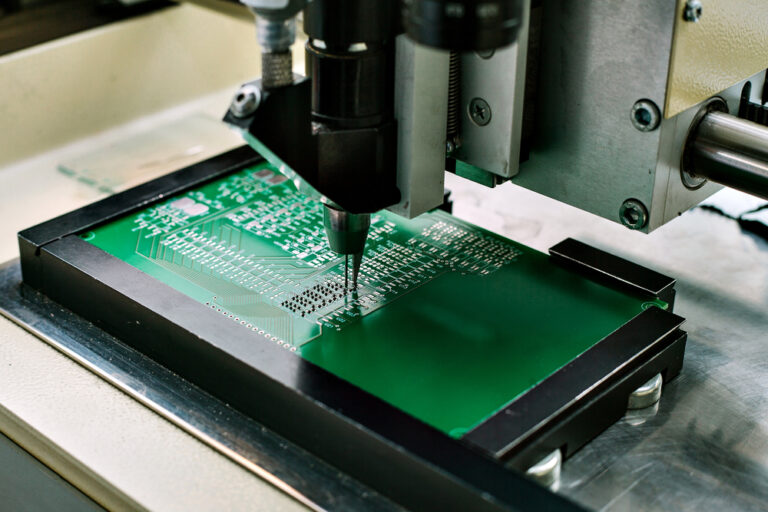
Changeover Technologies is reducing carbon emissions by providing industrial manufacturers the technology to reuse particle waste in their manufacturing process.

Changeover Technologies is tackling the problem of up to 40% carbon waste by providing plug-and-play processing units to customers to produce pellet feedstock.

The company is currently raising funds on Crowdcube.

AIM movers: Time Finance profit recovery and proposed Dev Clever delisting hits Asimilar

11

Small business finance provider Time Finance (LON: TIME) revenues are increasing and this is falling through to profit. In the six months to November 2022, revenues are 27% ahead at £13.2m and pre-tax profit improved from £1.2m to £2m. This is well on the way to the full year forecast of £2.8m. The gross lending book is £152.7m. The share price recovered 8.95% to 20.7p.

Zanaga Iron Ore Company (LON: ZIOC) has completed the acquisition of a controlling shareholding in the Zanaga iron ore project from Glencore Projects in return for the issue of a 48.26% stake in the company. Glencore has appointed Peter Hill and Denis Weinstein to the board. Glencore has exclusive marketing rights for the iron ore produced at the mine. The Zanaga Iron Ore share price rose 8.21% to 5.275p. Zanaga Iron Ore is in the top 40 AIM companies in terms of this year’s share price performance.

Business disposals and tax adviser K3 Capital (LON: K3C) is recommending a 350p a share cash bid from a vehicle controlled by affiliates of Sun European Partners. This values K3 Capital at £272m. The share price had already risen when the bid talks were announced, and it is 7.56% higher on the day at 341.5p. K3 Capital joined AIM in 2017 at 95p a share.

Redx Pharma (LON: REDX) has entered a clinical trial collaboration with Merck for the supply of Keytruda to be used in the combination arm of Redx’s PORCUPINE2 phase 2 clinical study evaluating RXC004 as a potential treatment for patients with biliary cancer. The share price rose 6.19% to 60p.

Education technology company Dev Clever (LON: DEV) plans to seek to leave the standard list and that has hit the share price of Asimilar (LON: ASLR), which owns 72.3 million shares and 35 million warrants exercisable at 25p each. The Asimilar share price has slumped by 58.1% to 1.625p. Dev Clever, which is rebranding as Veative Group, shares were suspended at 30p in December 2021, and it believes that a lack of interest in smaller companies means it is not worth staying listed. It may return to the market in the future. The Dev Clever investment accounted for around two-thirds of the Asimilar net asset value of £30.9m at the end of March 2022 – based on a 27p share price. Asimilar is valued at around £2m.

Broker and wealth manager WH Ireland (LON: WHI) revenues declined from £17m to £14.3m and it moved from profit to an underlying loss of £900,000. Both divisions lost money and market conditions are still challenging. However, the full year loss should be lower. The share price slipped 16.4% to 23p. This is the lowest the share price has been since 2003.

Restaurants operator Fulham Shore (LON: FUL) increased interim revenues by 26% to £49.9m and it has opened four sites since September. A range of cook-at-home Franco Manca pizzas have been launched. Management is cautious about the future even though trading in the first two months of the second half was 12% ahead. Costs are increasing and transport problem are having a negative effect. The share price declined by 15.6% to 9.5p.

North Sea oil and gas project developer Orcadian Energy (LON: ORCA) is in discussions with a preferred FPSO provider for the Pilot field but it is also exploring other concepts that could reduce capex. Pro forma cash is £1.2m. Farmout discussions could start after further progress has been made in field engineering development. WH Ireland has a fair value estimate of 259.2p a share. The share price fell 14.3% to 16.5p. The July 2021 placing price was 40p and the most recent placing was at 35p.

New AIM admission: Smarttech247

Cyber security services provider Smarttech 247 has been planning to join AIM for more than one year and it has finally arrived. The cash raised and conversion of loan notes mean that there is a strong balance sheet to propel growth.
There will be €1m spent on new products and moving into new geographical markets. Another €200,000 will be spent on technology development. That leaves plenty of cash for working capital.
The share price ended the first day of trading at 30.5p (29.5p/31.5p) and more than 23,000 shares were traded via six bargains. Nearly 90% of the shares are tightly held so the li...

Lockdowns in China hold back Samarkand

6

Lower revenues from the Nomad software platform in China hampered progress at Aquis-quoted Samarkand (LON: SMK), although there was a larger contribution from the brands that the company owns.

Covid lockdowns in China hampered e-commerce trading and made it more difficult to deliver products. It also meant that potential new clients have delayed signing up to the platform.

In the six months to September 2022, group revenues improved from £7.17m to £8.25m, while the loss was reduced from £3.53m to £2.18m. Distribution costs and overheads were lower, and they could be further reduced in the second half.

The Nomad division’s revenues were 10% lower, but that was more than made up for by increased brand revenues, which are mainly generated in the UK. The distribution business, which had been falling, also increased revenues.

Technology investment will enable Samarkand to offer its e-commerce technology outside of China.

The second half, which tends to be stronger, will be affected by the same problems as the first half, although they appear to be easing. Brand revenues should continue to increase. A full year loss of £4.1m is forecast. The share price is unchanged at 53p. The March 2021 flotation price was 115p.

K3 Capital recommends bid

7

Business disposals and tax adviser K3 Capital (LON: K3C) is recommending a 350p a share cash bid from a vehicle controlled by affiliates of Sun European Partners. This values K3 Capital at £272m.

The independent directors believe that trading could get tougher and that is why they recommended the bid. Some directors and management will take Bidco rollover notes as well as cash. These notes would eventually be exchanged for shares in the holding company of the business.

M&A adviser K3 Capital joined AIM in 2017 at 95p a share. Revenues and profit have increased significantly since then. This is through a combination of organic growth and acquisitions that diversified the business into other areas, such as tax.

Last year trading was better than expected for K3 Capital as revenues recovered. In the year to May 2022, revenues improved from £47.2m to £70.7m, with 24% organic growth. The total dividend was 12.1p a share. Net cash was £12m at the end of May 2022.

In the six months to November 2022, revenues are estimated to improve from £31.2m to £42m. Full year revenues are expected to be £79.5m, while underlying pre-tax profit is forecast to increase to £23m, which is much more than expected earlier in the year.

SkinBioTherapeutics raising up to £3.5m

1

SkinBioTherapeutics (LON: SBTX) has launched a £2.5m placing and a retail offer of up to £1m via REX at 16p a share. The share price had fallen to 15.92p.

The AIM-quoted microbiome-based skin treatments developer is using the cash to finance the roll-out of psoriasis treatment AxisBiotix-PS around the world, as well as funding development of other products, including an acne food supplement. There is also talk of potential acquisitions.  

There are main areas of focus are skin conditions, medical skin care, infection control and pharmaceuticals. The partnership with Croda is expected to lead to a product launch in 2023, which would generate revenues in the next financial year.

In the year to June 2022, there were initial revenues of £75,000, which was a disappointment. One year ago, it was hoped that the figure was going to be £1.2m. The AxisBiotix-PS is being sold directly to consumers. It is being marketed in the UK and US and there are plans for Spain and Italy. Management believes that additional marketing spending could accelerate growth.

There was £1.8m in the bank at the end of June 2022. That was after a £2.7m cash outflow.

A study for the acne food supplement should start in 2023 and a decision will be made on how this product should be sold.

The REX retail offer closes on 20 December.

FTSE 100 negative after Bank of England hikes rates

The Bank of England have moved to increase rates by 0.5% to 3.5% as expected and taken rates to the highest level in well over a decade.

The BoE followed the US Fed in moving rates higher by 50 bps as inflation rates start to fall, but remain at historically high levels and pile pressure on household spending.

The FTSE 100 was trading down 0.4% at the time of writing with consumer shares leading the losses.

Falling inflation has reduced the trajectory of interest rates which has been welcome news for equity markets that have largely priced in slower rate hikes.

However, inflation remains persistently high and further rate hikes are expected in early 2023.

“Since the last Monetary Policy Committee Meeting in early November, pressure on the Bank of England to maintain market confidence has abated somewhat and, while further rate rises are priced, the extent of further rises expected has fallen dramatically compared to those seen in the wake of the now infamous “mini” budget,” said Chris Arcari, Head of Capital Markets, Hymans Robertson.

The FTSE 100 was trading down 0.4% at 7,461 shortly after the announcement but has staged a significant rally since October. GBP/USD was down 0.9%.

Despite inflation rates falling, there is a consensus building that even if rate hikes slow in their pace, rates will remain at elevated levels for some time to come. Fed chair Jerome Powell alluded to an extended period of high rates overnight in the US.

“Judging by the market’s reaction, there’s plenty of smart money out there that thinks the most likely scenario is that rates are higher for longer. That means a deeper recession next year that could blow into 2024,” said Samuel Fuller, Director of Financial Markets Online.

Consumer shares were among the biggest faller following a poor set of results from Currys. There was very little movement in FTSE 100 constituents as a result of the rate hike but analysts highlighted the ongoing plight for consumer shares with high rates and rising prices.

“Even with an increase in rates, when coupled with sky-high inflation, anyone with cash or near cash savings will see their money being eroded in real terms. And this is likely to be felt more acutely by pensioners who are likely spend a higher proportion of their cash savings on energy bills,” said Les Cameron, savings expert at M&G Wealth.

AIM movers: PetroTal rebuilds oil production as river blockade ends and ex-dividends

7

Peru-focused oil producer PetroTal Corp (LON: PTAL) says that the blockade of oil barge transportation has ended, and oil production is being ramped up. It is expected to reach 18,000 barrels of oil per day for the rest of December. The share price is 9.54% higher at 40.75p.

Blackbird (LON: BIRD) continues to rise following Tuesday’s announcement about progress with its partner EVS Broadcast Equipment, which has launched a new product including Blackbird’s video editing technology. The share price is 11.1% ahead at 15p today and it is up by one-quarter this week.

Biopesticides developer Eden Research (LON: EDEN) has secured Corteva France as exclusive distributor of biofungicide Mevalone in France. Mevalone is used to treat botrytis on grapes and other crops. Cenkos believes that the potential market is worth more than €50m. Corteva already has a relationship with Eden Research. The share price has risen by 6.19% to 6p.

Science Group (LON: SAG) has benefited from the relative strength of the US dollar and profit should be slightly ahead of expectations. The 2.25p a share bid for TP Group (LON: TPG) should be completed in early 2023. The total cash outflow should be less than £25m and the deal should be earnings enhancing. The share price has edged up by 3.95% to 395p.

Trackwise Designs (LON: TWD) is sliding closer to its 1p funding share price. It is down a further 34.3% to 1.15p.

Argos Resources (LON: ARG) is selling its PL001 production licence in the North Falkland Basin – near to the Sea Lion oilfield – to JHI. Argos Resources will receive shares in JHI, which has and interest in a project offshore of Guyana, plus cash to cover transaction costs. The PL001 licence has been extended to the end of 2024. Argos Resources is likely to have a 9.3% stake in unquoted JHI and that would be its only asset, so it will seek shareholder approval to leave AIM when the deal goes through. The share price has slumped 28.6% to 1.25p.

Clean energy technology company Libertine (LON: LIB) generated revenues of £600,000 in the first half, mainly from development work with Hyliion. Initial test results of the company’s powertrain technology have met expectations. Development spending is increasing. There was a £1.9m cash outflow in the period and cash was £4.8m at the end of September 2022. That should be enough cash for at least 12 months. The share price has declined by 21.2% to 13p. The December 2021 placing price was 20p.

Thor Mining (LON: THR) shares have declined following drilling results from the Kelly’s prospect at Ragged Range in the Eastern Pilbara. It has said that a previously announced sample was incorrectly analysed at the laboratory and it was not a high-grade result, instead it barely contained any gold. The recent results appear positive, but the share price dived by 19.1% to 0.275p. This is below the recent placing price.

Ex-dividends

Caspian Sunrise (LON: CASP) is paying a dividend of 0.04p a share and the share price is unchanged at 4.2p.

DSW Capital (LON; DSW) is paying an interim dividend of 1.76p a share and the share price is down 0.5p to 120p.

Mercia Asset Management (LON: MERC) is paying an interim dividend of 0.33p a share and the share price is unchanged at 33p.

MS International (LON: MSI) is paying an interim dividend of 2p a share and the share price fell 16p to 451p.

Northamber (LON: NAR) is paying a final dividend of 0.3p a share and the share price is unchanged at 43.5p.

Netcall (LON: NET) is paying a final dividend of 0.54p a share and the share price declined by 1p to 89.5p.

Numis Corporation (LON: NUM) is paying a final dividend of 7.5p a share and the share price is 5.9p lower at 182.7p.

Pittards (LON: PTD) is paying an interim dividend of 0.5p a share and the share price is unchanged at 61.5p.

Redcentric (LON: RCN) is paying an interim dividend of 1.2p a share and the share price slipped by 1p to 119p.

Supreme (LON: SUP) is paying an interim dividend of 0.8p a share and the share price is unchanged at 100.5p.

Vertu Motors (LON: VTU) is paying an interim dividend of 0.7p a share and the share price fell 0.2p to 52.5p.

Currys shares sinks as revenue hit by cost-of-living crisis

Electrical goods retailer Currys have revealed the damaging nature of the cost-of-living crisis on their business in their interims on Thursday.

Currys shares fell 7.5% as the group said revenue contracted by 7% on a reported basis. The ability for UK consumers to shell out on big ticket items and competition overseas were the main factors driving lower sales.

Hargreaves Lansdown analysts highlighted the efforts Curry had gone to in order to remain competitive, but ultimately the deteriorating macro environment was too much to maintain guidance.

“It’s been able to mitigate this in the UK with firm selling prices and cost savings but the International business has suffered in the face of heavy discounting from competition. The group has downgraded its full year pre-tax profit guidance to between £100-£125m down from a range of £125m to £145m,” said Derren Nathan, Head of Equity Research, Hargreaves Lansdown.

Currys are looking at options including credit lines to help support sales but investors have clearly decided not to wait around to see if the strategy pays off in 2023.

“Of course, our customers are feeling real cost of living pressure and our job is to help them get hold of the technology that’s more essential to their lives than ever,” said Alex Baldock, Currys Group Chief Executive.

“We’re doing that, through our price promise, giving customers access to responsible credit, and offering more products that save them money through lower energy costs. Our Go Greener range is flying off the shelves.”