Dignity woes continue

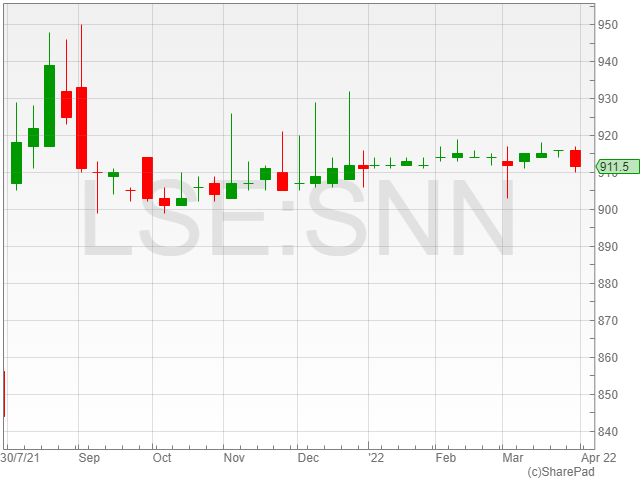
Funeral director Dignity (LON: DTY) is not showing any significant signs of improving performance and a poor fourth quarter performance led to a profit downgrade.
There was a 10% increase in deaths in the UK. but Dignity reported a lower profit. This appears to be due to the offsetting effect of lower pricing and higher costs. Peel Hunt has reduced its 2021 pre-tax profit forecast from £34m to £25.5m.
The outlook for profit remains poor with the likelihood of a normalising death rate. There could even be a lower than normal death rate over the next few years.
Securitisation covenant
Dignity is...

China hampers Genus profit

Animal genetics services provider Genus (LON:GNS) is expected to report lower interim profit on 24 February. China has been a weak market because of low pig prices and no recovery is likely in the year to June 2022.
Peel Hunt forecasts a 22% dip in interim pre-tax profit to £37m. China is expected to be responsible for a £13m profit decline, which is more than the amount expected for the group.
The interims should include further information on the pig genetics market in China and how it is holding up in the rest of the world. The bovine market is also important and there has been limited focu...

FTSE 100 grinds out gains as retailers rise

The FTSE 100 ground out gains on Friday despite ongoing concern around a possible invasion of Ukraine by Russia.

The FTSE 100 was trading 0.4% higher in afternoon trade on Friday as markets looked past Ukraine-Russia tensions to better than expected retail sales and a fairly decent set of figures from Natwest.

“The FTSE 100 ticked higher on Friday as nervousness around a potential all-out conflict in Ukraine persists,” says AJ Bell financial analyst Danni Hewson.

“Better-than-expected retail sales suggest that, for now, the increased cost of living is not preventing Britons from hitting the shops.”

UK retails sales rose at the fastest rate since April in January and spurred investor interest in the FTSE 100’s UK retail and consumer facing companies.

JD Sports were 1.6% higher at the time of writing and Whitbread added 0.9%. Burberry shares also cheered the propensity of Brits to splash their cash gaining 2%.

Although shoppers bounced back from an Omicron-induced lull in December, analysts cautioned the good times may be short lived.

“Retailers will be cheering on signs that shoppers are voting with their feet to support the high street, but plenty of big spenders may slink away in the months to come. The sales uplift in January shows the Omicron recovery is underway but retailers haven’t yet recouped all of December’s losses,” said Susannah Streeter, senior investment and markets analyst, Hargreaves Lansdown.

“At some point lockdown savings will be spent, and the rapid rise in prices on supermarket shelves, energy bills and petrol forecourts, combined with looming tax increases, is highly likely to put a dampener on consumer spending.”

Reckitt Benckiser was the FTSE 100’s top riser as investors continued to buy into the consumer group following a strong set of results this week.

Natwest and UK banks

NatWest shares dipped 2% after they announced a return to profit but failed in increasing their Net Interest Margin, a key measure of banking profitability.

“Natwest has slipped a little bit behind target on cost reduction, thanks to higher inflation, which may be adding to some investor nervousness and the company is yet to see any progress on that key measure of profitability – net interest margin,” said Danni Hewson.

Nonetheless, Lloyds and Barclays shares rallied in anticipation of similarly positive updates in the coming days – without the negativity observed in Natwest’s report.

Natwest returns to profit

0

Natwest has posted strong growth and has returned to profitability and posted £2.9bn – compared to 2020 losses of £753m.

Lending grew by £7.8bn in 2021 thanks to strong growth in mortgages.

Chief executive Alison Rose said: “NatWest Group delivered a strong performance in 2021 as we returned to profitability, made progress against our strategy and distributed more than £3.8 billion of capital to our shareholders, including £1.7 billion to the taxpayer,”

“We are acutely aware of the challenges that many people, families and businesses continue to face up and down the country and are working alongside our customers to provide the support they need – whether that is managing their money better, saving for a house or retirement or starting or growing a new business – as well as playing a leading role in the transition to net zero,”

Shareholders will receive 7.5p per share.

Despite the boost in profits, analysts highlighted concerns some investors may have about the cost of living crisis and the impact on household debt, and the ability to service that debt.

“Expectations are set pretty high for the UK banks heading into their latest reporting season and this helps explain why, despite a return to profit and otherwise pretty positive update, Natwest got us off to a subdued start in terms of its share price,” said AJ Bell financial analyst Danni Hewson.

“After all the banking sector is one of the few industries which will be waving flags and cheering as interest rates are increased as it allows them to generate a higher return from their lending activities.”

“The better than expected earnings and hike in the outlook were, to some extent, baked in, and investors may be concerned about the possibility of an increase in bad debts as its customers face a cost of living crisis. This could outweigh any boost to profitability from higher rates.”

Segro posts strong profits

0

Segro has posted strong profits for the year ending 31 December 2021.

The group posted pre-tax profits of £356m, which is a 20% jump from the year previous.

The group raised its dividend 11% to 16.9 pence.

David Sleath, chief executive of the group commented: “2021 was a highly successful year for SEGRO as reflected in our full year results which include a £4.1bn portfolio valuation uplift and record levels of rental growth. 

“Investor and occupier supply-demand dynamics in the industrial and logistics sector remain very favourable, led by the long-term trends of digitalisation, supply chain resilience and an increasing focus on sustainability.”

Hermès shares fall as sales growth dips

0

The Hermès share price fell on Friday morning after sales growth was below expectations.

Shares were down nearly 5% on Friday and are trading at their lowest in eight months.

Sales growth for the final quarter of 2021 was 11%.

Axel Dumas, is the executive chairman of Hermès. He commented: “I thank above all the passion and quality of our teams’ work, because together we have made 2021 an exceptional year. Abundant creativity, unique know-how and the quality of materials have driven the growth of our sixteen métiers.

“Hermès is very dedicated to its role as a committed and responsible company and continues its commitments to job creation around the world and to regional regeneration in France, while reinforcing its ambitious environmental objectives.”

FTSE 100 dragged by Standard Chartered and commodity shares

The FTSE 100 dropped on Thursday as investors turned their attention back to the build up of troops on the Ukrainian border following comments from US officials.

The FTSE 100 dropped 0.6% to 7,555 on Thursday morning after US officials said Russia has sent an additional 7,000 troops to the border with Ukraine. This is at odds with Russian claims they had this week ordered some troops back to barracks.

“The FTSE 100 was lower on Thursday as reports of attacks in Ukraine helped inflame tensions which many thought had been doused by talk of Russian withdrawals earlier in the week,” said Danni Hewson, financial analyst at AJ Bell.

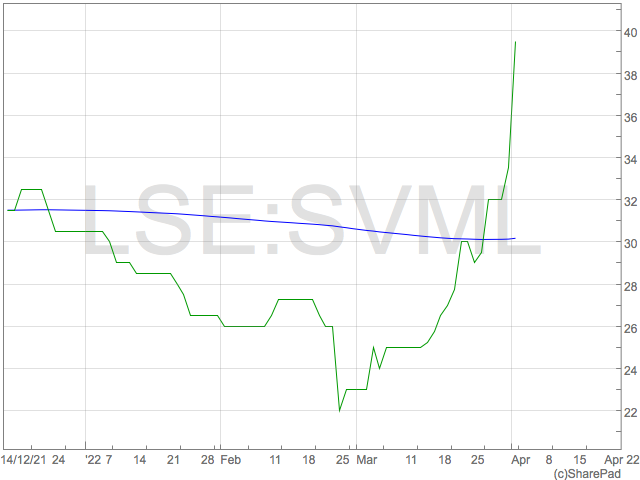
Evraz has become a proxy for equity traders who want to play the short term sentiment around Russia-Ukraine tensions and sent the miners’ shares 6% lower on reports Russia was sending additional troops to the border with Ukraine.

BP and Shell were also a major drag on the index as oil prices fell on reports Iran was pursuing a deal with the West one their nuclear deal which could see Iran’s oil become available on the global market once more.

“Hopes a deal between the West and Iran could be salvaged put pressure on oil prices and saw index heavyweights BP and Shell fall,” said Hewson.

Standard Chartered fell after the banking group released profits that disappointed markets despite embarking on a share buyback programme.

“Standard Chartered is the first out the gate for the UK’s major bank reporting season, and a lot can be learned. Despite a lacklustre response from the market, the group’s announcement of a new buyback should be taken well,” said Sophie Lund-Yates, equity analyst at Hargreaves Lansdown.

Standard Chartered shares were down 3.9% at the time of writing on Thursday.

Reckitt Benckiser

Reckitt Benckiser was the FTSE 100’s top riser after the group said they were targeting 1-4% revenue growth in 2022 and had successfully navigated rising prices to maintain margins.

“Investors have unsurprisingly been a little tentative on Reckitt over the past 18 months, given concerns about unwinding tailwinds seen during the pandemic. A sales beat in today’s full year results has been received warmly by markets, with shares up over 4% in early trading,” said Matt Britzman, equity analyst at Hargreaves Lansdown.

Shell share price offers value for long term holders

The Shell share price has embarked on a very respectable rally from pandemic lows having gained 128% since October 2020 when the bottom fell out of energy markets due to the destruction of demand caused by COVID.

As energy prices recovered on economic reopening, Shell shares began a recovery from the lowest levels the company has traded at since the 1990’s.

The Shell share price has now retraced almost all of the losses since the beginning of the pandemic and investors will rightly be questioning whether now is a good time to buy Shell?

Indeed the question is particularly pertinent given Shell shares’ correlation to oil prices, that trading at $93 per barrel, are near the highest levels since 2014.

Shell shares and oil

The recovery in energy prices has seen Brent Oil steadily march higher towards the $100 mark and provided Shell with the necessary earnings to support a sustained rally through 2021.

Shell produced an adjusted EBITDA of $55bn in 2021, a sharp increase from 2020’s $36.5bn.

The main driver of this was higher realised oil and gas prices.

Whether Shell shares are worth considering at these levels will ultimately come down to the outlook of oil in the short term. Any significant reduction in the price of oil will likely lead to a pull back in the Shell share price and could quickly make the current price of 1,980p look expensive.

However, with energy prices being supported by the geopolitical tensions in Eastern Europe, and the increased demand of reopening economies, one shouldn’t expect dramatic moves in oil prices in the immediate future.

A potential deal between Iran and the West saw oil prices fall marginally and could be eyed by traders as an entry point.

Underpinning support for oil and gas prices is recent lack of investment in production which has started to exposure supply shortages in some areas of the market.

Although Shell is currently a play on the outlook of oil in the short-term, long term holders should look past how oil is trading to the intrinsic value of the Shell brand, their investments in green energy, and their progressive dividend policy that saw a 4% increase in Q4.

Cost of Heineken might increase amid inflation

0

Heineken boss has warned that the price of its beer is likely to increase due to record levels of inflation.

The growing cost of ingredients, energy and transport is likely to cost a total of 15% more – which Heineken may add to the price of the beer.

CEO Dolf van den Brink told the Financial Times: “In my 24 years in the business I’ve never seen anything like it, not even close. Across the board we are faced with crazy increases. There’s no model that can handle this kind of inflation. It’s kind of off the charts.”

In 2021, the group reported a 11.3% jump in sales to €21.9bn (£18.4bn) whilst net profit was up by 80% to €2bn. 

Van den Brink commented on results: “Looking ahead, although the speed of recovery remains uncertain and we face significant inflationary challenges, we are encouraged by the strong performance of our business.”

Nestlé sales up over 3%

0

Sales at Nestlé have hit £69.46bn – an increase of 3.3% thanks to a drive in coffee sales.

In the full year of 2021, the group also reported vegetarian and plant-based food sales to double.

“Our organic growth was strong, with broad-based market share gains, following disciplined execution, rapid innovation and increased digitalization,” said CEO, Mark Schneider.

“We limited the impact of exceptional cost inflation through diligent cost management and responsible pricing.”

In 2022, the group said that it expects underlying trading operating profit margin between 17% and 17.5%.