Inflation sees record jump in August

0

The rate has well exceeded the Bank of England’s target of 2%

Inflation increased to 3.2% in August, up from 2% in July, in what is the highest ever recorded increase according to the Office for National Statistics (ONS).

The consumer prices index (CPI) measure for last month was the highest it’s been since March 2012, although the ONS said much of the impact was likely only temporary.

The rate has again exceed the Bank of England’s target of 2%.

The ONS said the reason eating and drinking out was more expensive was because in August last year the Eat Out to Help Out Scheme was underway.

Additionally, businesses in the hospitality and tourism sectors benefitted from VAT discounts that were put in place to help some of the most severely impacted industries through the pandemic.

Jonathan Athow, deputy national statistician at the ONS, said: “August saw the largest rise in annual inflation month-on-month since the series was introduced almost a quarter of a century ago.

“However, much of this is likely to be temporary, as last year, restaurant and cafe prices fell substantially due to the Eat Out to Help Out scheme, while this year, prices rose.”

Martin Lawrence, director of investments at the Wesleyan Group, said: “Supply chain pressures have been one of the drivers behind this month’s spike in the rate of inflation to 3.2%, which is now well above the 0.7% rate recorded in January; however, the Bank of England still expects inflation to hit 4% by the end of the year.”

“Despite the headlines of wage growth, the climbing cost of living means that householders and savers are starting to feel the squeeze, which won’t be helped by the recently announced changes to National Insurance.”

“For those who have saved money during lockdown and are seeking to secure better returns on their savings, safeguarding their hard-earned cash is a must. With interest rates remaining at rock bottom, it’s essential that savers review all possible options to achieve real-term growth.”


Equals set for jump in profit

Launching Equals Solutions is accelerating growth at foreign exchange and financial services provider Equals Group (LON: EQLS) and this is part of the increasing focus on B2B business with larger companies.
Equals Solutions is a multi-currency collection account that is connected to SWIFT and other UK networks. This is a B2B-focused service. One company can have multiple accounts for a single log-in.
The interims included £300,000 of revenues from Equals Solutions, which was launched in June, and during the third quarter they have already reached £1.2m.
Finance
Costs have been reduced and comb...

Pace of US inflation slows in August

0

CPI is up by 5.3% in August year-on-year

Consumer prices in the US rose at a slightly slower pace in August, as growing concerns over inflation remain on the agenda.

The consumer price index (CPI) is up by 5.3% in August year-on-year, the Bureau of Labor Statistics revealed.

The figure falls slightly below previous levels of 5.4% and is in line with economists’ expectations.

“Core” CPI, which discounts more volatile items including food and energy, also decelerated.

A number of the sectors that have seen higher prices this year have been more sensitive to supply chain disruptions caused by the pandemic.

With inflation levels are at multi-year highs, figures from July suggested that the rate of increase may be slowing down, suggesting that inflation may have peaked or be peaking.

However, others believe there are factors at play that could contribute to keeping annual inflation higher.

“If there is any relation between the real world and government data, we may start to see the enormous increase in home prices and rents filter into the CPI,” said David Donabedian, chief investment officer of CIBC Private Wealth US.

Morrisons pension trustees reach agreement with CD&R

0

Clayton Dubilier & Rice (CD&R), the private equity firm that has agreed to takeover Morrisons for £7bn has reached a deal with the supermarket’s pension trustees.

Amid intense competition between CD&R and rival Fortress, the private equity company confirmed it has agreed a comprehensive package of measures to support the UK supermarket’s pension schemes, on the way to completing the buyout.

The Times reported that CD&R’s commitment to the schemes means that it would be among “the best funded and best supported in the UK”.

Pension funds responsible for the retirement benefits of 85,000 current and former Morrisons employees have recently warned that they would look for mitigating concessions from both prospective bidders.

Trustees for its two main pension funds said debt-financed bids would “worsen” the financial strength of Morrisons and therefore its ability to meet its pension promises.

After talks took place between CD&R and Morrisons’ pension trustees, a concession for “an appropriate release mechanism to allow for a gradual release of that security” has been made.

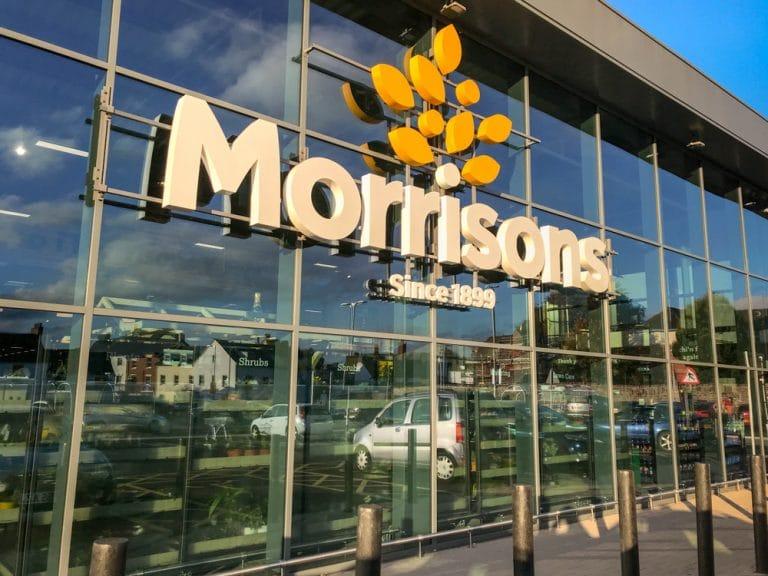
Morrisons consists of just under 500 stores and over 110,000 employees across the UK.

Morrisons first existed as a market stall in Bradford in 1899 owned by William Morrison. His son then took over the company and opened the first supermarket in the 1960s.

The Morrisons share price is up by 0.41% on Tuesday to 297.2p.

Virtual Growth becoming a Reality at VR Education Holdings

0

This technology company is commercialising its Crossed Reality (XR) communications products and reported interims to June. It is virtually in line with expectations as revenue increased by 83% to €1.25m and the target €10m turnover by year-end 2023 implies a turnover doubling every six months. Its planned continued investment capabilities widen pre-tax loss to €1.3m (€1.1m), although EBITDA loss is flat at €1.0m. Gross margins are around 80% so increased turnover accelerates to profits. The price increased to 17.5p and the Mkt Cap is £51m.
In June 2021 £7.7m was raised at an over-subscribed ...

Post-Brexit controls on imports to be delayed amid pandemic and supply chain issues

0

EU introduced import checks immediately after Brexit

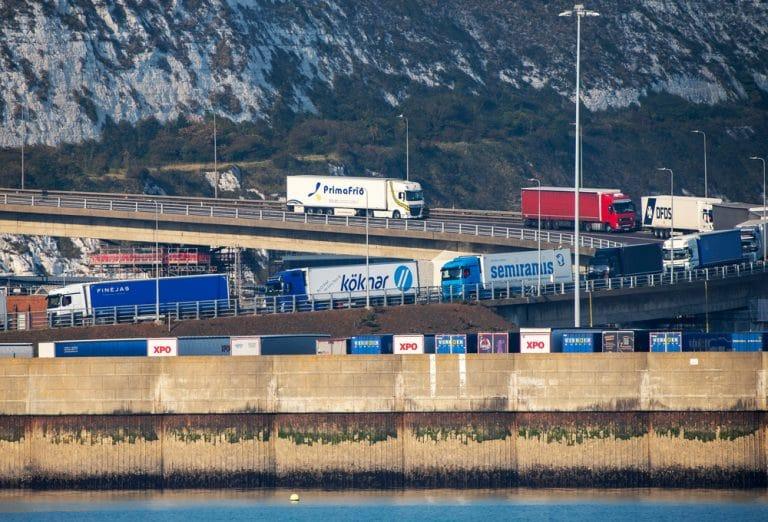
The UK confirmed on Tuesday that it will delay post-Brexit controls on imports due to pressures caused by the pandemic and global supply chain issues.

It is now the second time that import controls have been pushed back.

Having left the EU single market at the end of 2020, the UK gradually introduced import checks, while the EU introduced theirs immediately.

“We want businesses to focus on their recovery from the pandemic rather than have to deal with new requirements at the border, which is why we’ve set out a pragmatic new timetable for introducing full border controls,” Brexit minister David Frost said.

“Businesses will now have more time to prepare for these controls which will be phased in throughout 2022.”

The NFU National Farmers Union has said that the new barriers to trade would not solve food shortages in the UK, which it said was down to a lack of lorry drivers.

While the Food and Drink Federation added that all major supermarkets importing fruit and vegetables from the EU were prepared for paperwork.

Mining companies drag on FTSE 100

0

The FTSE 100 fell 0.3% to 7,046 on Tuesday morning and “metals and minerals are principally to blame”, says AJ Bell investment director Russ Mould.

It was “in part caused by concerns about Covid spreading across Asia again and how that might affect commodities demand. That worry was also behind share price weakness in luxury goods companies including Kering and LVMH, down between 3% and 4%.”

“If mining stocks are bellwether for the global economy, then investors need to sit up and take notice that the sector has been one of the worst performers in the past month,” Mould added.

The luxury goods sector enjoyed a strong run earlier this year as investors speculated that the wealthier got even richer during the pandemic as they were trapped at home, with no fancy trips or outings.

“As restrictions eased, luxury goods companies were expected to see a big surge in sales as wealthier individuals splashed their cash.”

FTSE 100 Top Movers

JD Sports (7.72%), Royal Mail (1.54%) and Bunzl (1.52%) are leading the way on the FTSE 100 on Tuesday.

At the other end, Ocado (-2.61%), IAG (-2.53%) and Burberry (-2.48%), make up the bottom three.

UK job vacancies at record high

0

Furlough scheme to end this month

UK employers added a record 241,000 staff in August, bringing the total level of patrolled employees to just above pre-pandemic levels, data revealed on Tuesday.

The figures show a continued improvement in the UK job market as the government plans to bring the furlough scheme to a close at the end of September.

The rate of unemployment fell to 4.6% for the three months to July, according to the ONS. This was in line with economists’ forecasts.

Job vacancies in the UK are at a record high, above 1m for the first time.

Danni Hewson, financial analyst at AJ Bell, comments: “The UK jobs market has been stuck into a blender and whizzed up on high speed. Considering the incredible disruption caused by the double whammy of COVID and Brexit it is rather incredible the situation is looking as healthy as it is.”

“August payrolls delivered employee numbers marginally higher than pre-pandemic, unemployment is just 4.6% despite furlough tapering nowhere near the 10% that had initially been feared and pay has skyrocketed.”

Hewson added: “But some of those positives are masking huge issues. Recovery has been uneven and there are big questions about how all those jigsaw pieces, pieces which no longer fit in a changed puzzle, will be slotted back into place. Pay can’t be the only solution. Training will be crucial and some businesses are already considering candidates without the requisite skills, prepared to offer training because the other option is simply unworkable.”

However, just because people are without jobs doesn’t automatically mean they’ll fall neatly into those holes.

“Places like London and the South East have lagged behind and not everyone can relocate to find work. Those sectors that saw the greatest decreases have enjoyed the biggest monthly increase between July and August,” Hewson said.

“From hotels and restaurants to music venues and shops, the jobs in those sectors are coming back which is having a positive impact on employment levels in under 25’s. If you’ve set your heart on one career path it’s debilitating to find that path has been pulled out from under you and many young people will have chosen to go back to their studies rather than step into a world of work that doesn’t meet their needs.”

Ocado to splash on pay rises and bonuses for HGV drivers amid shortages

0

Ocado hit by worker shortages and fire at one of its factories

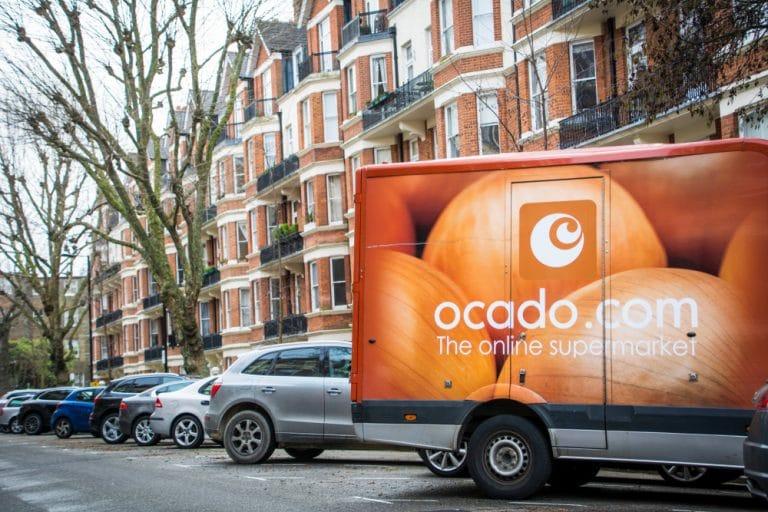
Ocado will allocate up to £5m extra on pay increases, recruitment and signing-on bonuses for HGV drivers.

The online supermarket has placed a renewed importance on the issue which has come about due to Brexit and the Covid-19 pandemic.

The firm also confirmed it will take a £10m hit because of a fire at one of its warehouses in south-east London, which resulted in around £35m worth of orders being cancelled.

Sales are down by 10% to £517.5m over the last quarter to August 29, party as a result of the fire, and also because of previous strong performances.

Despite the falls, Ocado signed up 64,000 new customers during the period, with 805,000 in total, and orders per week increased by 22%.

“Ocado’s Group Q3 retail revenues were down 10.6% y/y, however average orders remain robust at 338,000 per a week,” Ross Hindle, retail sector Analyst at Third Bridge.

“Ocado is retaining customer loyalty but it seems many people are simply spending less on food now they are out of the house more and commuting more regularly.”

“Ocado is also facing a squeeze. The big four grocers are gaining ground on home delivery whilst a new breed of on-demand food delivery start-ups also nibble at market share. Ocado is now aiming to increase capacity to 700,000 deliveries per week by 2022 as it looks to cement its place as the go-to online retailer.”

“Labour constraints remain a key risk highlighted by management. Labour constraints have plagued companies like Ocado since the start of 2021 and only worsened. There have also been food shortages as farmers and processors struggle with the same issues. Our experts say the picture may deteriorate further into Christmas.”

The Ocado share price is down by 2.44% during the morning session on Tuesday.

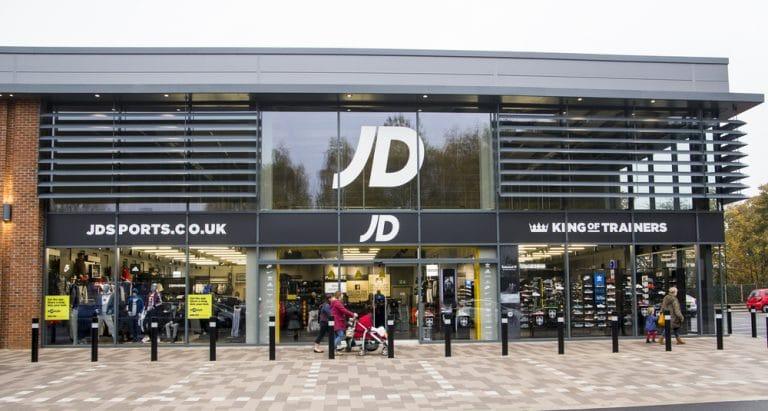
JD Sports continues to benefit from pandemic as demand remains strong

0

JD Sports said its profit before tax increased to £439.5m for the six months ended July 31

JD Sports has on Tuesday confirmed its earnings for H1 as demand for sportswear slowed down as lockdowns eased.

The UK sportswear brand has not paid out a dividend this time around, suggesting that it will offer a more sizeable full-year dividend.

JD Sports said its footfall levels were low across a number of countries, while supply chain disruptions were making it difficult to cater for demand in specific categories.

JD Sports said its profit before tax increased to £439.5m for the six months ended July 31, up from £61.9m in 2020 and £158.6m the year before.

The company forecast its pre-tax profit for the full year ending January 29 to be at least £750m.

“JD Sports’ results show it continues to lead the way as a high-quality business thanks to its distributing power in the growing and competitive athleisure market,” said Amisha Chohan, equity research analyst at Quilter Cheviot.

“It has certainly been helped along the way by the stimulus provided to US households, however, it is not just reliant on the overseas market as the UK continues to perform well. Overall Group sales are up by more than 50% to £3.9bn and operating profit up almost 400% to £239m, year on year. This is a huge beat against market expectations and highlights a business that has managed the pandemic well.”

“While the reopening and end of government support schemes could dent confidence going forward for many retail businesses, JD Sports should continue to benefit as demand for sneakers and athleisure remains strong and will endure as a tailwind over the near-term. It is no surprise, therefore, that the group now expects profit before tax for the full year to be at least £750m, compared to previous guidance of at least £550m and a 25% beat against market expectations.”

The pandemic has presented JD Sports with an opportunity too.

“Many retailers still suffer from the same fragile financial structures they had pre-pandemic and will come under intense pressure. JD Sports is well-positioned to consolidate the market and with a strong management track record and “trusted partner” relationships with the premium brands such as Nike and Adidas, the path to further growth remains clear,” said Chohan.