Halfords reports reports a sharp brake on sales on supply chain issues

0

Halfords still expects to achieve full year pre-tax profit of over £75m

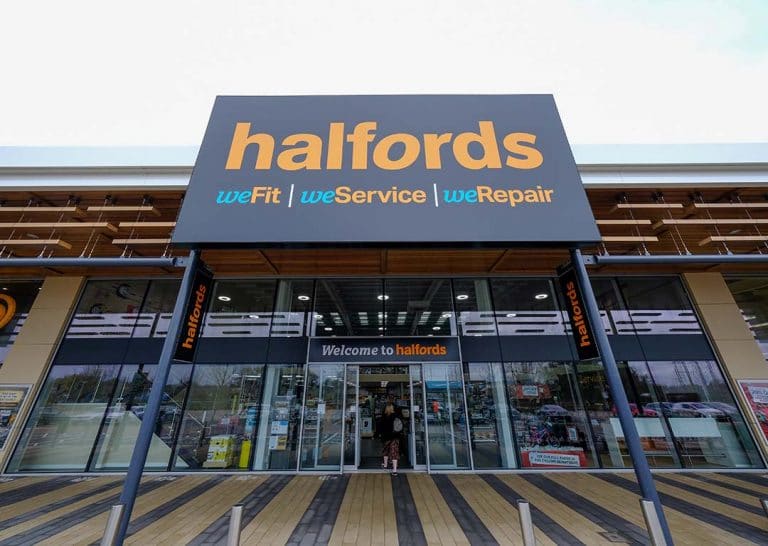
Halfords has added its name to a list of companies to report a dip in sales due to supply chain issues, suggesting the issue could persist for some time.

The company confirmed its like-for-like sales fell by nearly 23% during the 20 weeks to 20 August compared to the same period a year before.

Halfords said that while bikes had seen strong demand as the pandemic commenced, issues around distribution caused a reversal in fortunes towards the end of the trading period.

Issues include factoring production constraints, inflation of raw materials and freight disruption.

The Halfords share price is down by 3.76% on Wednesday following the company’s update.

Halfords still expects to achieve full year pre-tax profit of over £75m.

Sophie Lund-Yates, equity analyst at Hargreaves Lansdown, commented on the news: “Covid related absences and other recruitment challenges are slowing sales growth in Halfords’ important Autocentre business. The group relies on an army of technicians in its garages and mobile vans, and the dent in the workforce has held performance back. That said, progress has still been remarkable, with the group revving up their market share in the first few months of the financial year.”

The core motoring business is also having a pleasant ride, largely thanks to the huge increases in staycations brought on by Covid.

Sales of the basics like bulbs and blades, as well as travel accessories, have fared particularly well, as the UK geared up to hit the motorways over the summer.

“Halfords’ full year profit ambitions remain on track, but there are some things to consider. Cycling is a real growth opportunity, but the group’s being held back by supply chain problems. Not being able to offer the right stock, or enough of it, is inevitably putting a lid on progress in the division. These are unlikely to be resolved soon. The other thing to keep in mind is that staycations are likely going to become less popular as and when the world gets back to normal. What this will mean for sales in the next summer season is yet to be seen.”
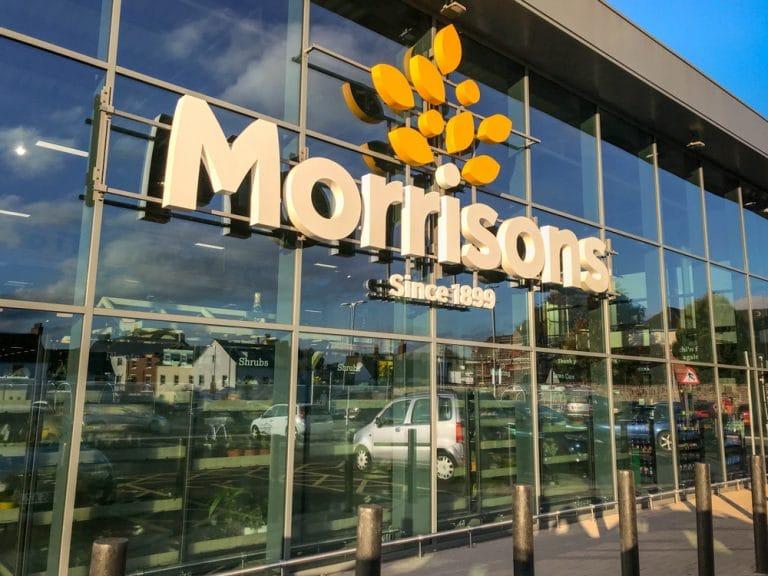

Morrisons takeover to be settled at auction

0

Two US private equity firms are seeking ownership of the major UK supermarket

Morrisons (LON:MRW) is set to go to auction as two US private equity firms seek ownership of the UK supermarket giant.

The deal will will be facilitated by the Takeover Panel, an independent body in the UK.

In August, as reported by UK Investor Magazine, Morrisons agreed to a £7bn offer from Clayton, Dubilier & Rice. However, Fortress Investment Group, a rival consortium could still outbid CD&R.

Morrisons said shareholder will meet to vote on the CD&R offer on a date in or around the week starting October 18.

The auction process will happen before the shareholder meetings on a date to be decided by the Takeover Panel.

Once the auction process is concluded, Morrisons shareholders will vote on either a CD&R or Fortress offer. This will depend on the board’s recommendation.

Having closed up yesterday, the Morrisons share price is up by 0.55% on Wednesday morning to 292.7p, suggesting that an improved bid is expected.

Morrisons consists of just under 500 stores and over 110,000 employees across the UK.

Morrisons first existed as a market stall in Bradford in 1899 owned by William Morrison. His son then took over the company and opened the first supermarket in the 1960s.

Alumasc surges ahead

Building products supplier Alumasc (LON: ALU) has gone from strength to strength in the year to April 2021 and demand for its products remains high. The dividend was higher than expected. However, shortages of other materials could hamper progress this year.
Full year revenues were 19% ahead at £90.5m, while underlying pre-tax profit nearly trebled to £10.5m, helped by cost cuts and improving margins. Net debt was £900,000, while the pension deficit has reduced to £4.5m.
The final dividend is 6.25p a share and the total dividend is 9.5p a share.
Divisions
There are three divisions. Water manag...

Dividend tax increase to cost company directors and retail investors £600m

0

Taxes on share dividends will be raised by 1.25%

Boris Johnson has announced his government will implement a £12bn per year package of tax increases starting from next April to combat NHS Covid backlogs and overhaul social care.

On Tuesday morning the cabinet agreed to a 1.25% increase in national insurance contributions, which will be levied on employers and employees.

Taxes on share dividends will also be raised by 1.25%, which is expected to bring £600m into government coffers.

The revenue will go towards reducing NHS waiting lists, with social care expected to receive £5.3bn of the £36bn to be raised in the next three years.

Laura Suter, head of personal finance and AJ Bell, believes the dividend tax hike is likely to hit company directors more than retail investors.

“The dividend tax hike looks very much like a last-minute policy addition positioned as spreading the pain of tax increases across society,” Suter says.

“Investors and the self-employed will collectively pay £600m more in tax as a result of the move. However, it will be felt the most by company directors, including the self-employed and contractors, who pay themselves via company dividends in addition to salary.”

“The move means that anyone taking home more than £2,000 a year in dividends will now face a slightly higher bill. At £10,000 of dividends this equates to £100 a year more, regardless of your tax bracket, while at £20,000 a year it means an extra cost of £225.”

Retail investors will only be impacted if they have significant portfolios outside of a pension or ISA as these shelter dividends from tax.

“Even then, they will only be caught and face a higher tax bill if their annual dividends are over the annual dividend allowance of £2,000. To be in that position you’d have to have a portfolio of over £50,000 if it was yielding 4% a year and the Government estimates that around 60 per cent of people who have dividend income outside of ISAs will not see a tax increase next year.”

FCA seeks more power over crypto promotions

UK watchdog chairman drew specific attention to a post by Kim Kardashian

The Financial Conduct Authority (FCA) is seeking further powers to control cryptocurrency promotions as the City regulator warned of celebrity-endorsed tokens.

Charles Randell, FCA chairman, said recently that more action is needed in order to protect consumers from the speculative nature of the digital assets available now.

Randell drew specific attention to Kim Kardashian when making a point about risky investments and scams being advertised by celebrities.

“There are no assets or real world cashflows underpinning the price of speculative digital tokens, even the better known ones like Bitcoin, and many cannot even boast a scarcity value,” FCA Chair Charles Randell said in a speech.

“We’ll need two streams to tackle the problem of online financial scams: appropriate regulation, including self-regulation by online platforms and robust enforcement by the authorities; and greater consumer awareness about online scams.”

“It’s essential to find the right balance between appropriate regulation to protect consumers and markets and encouraging useful new ideas in this space,” Randell said.

Watchdogs across the globe are increasingly fretting over the rise of digital currencies which remain largely unregulated.

There are concerns that amateur investors could risk losing vast sums of money as they purchase highly volatile assets.

“Giving speculative tokens a high risk price tag is likely to make crypto currency dealing and investment very expensive and could limit the number of new institutional entrants,” Susannah Streeter, an analyst at Hargreaves Landsdown, said.

Aluminium reaches highest point in ten years following Guinea coup

Coca-Cola has recently reported issues supplying its aluminium cans

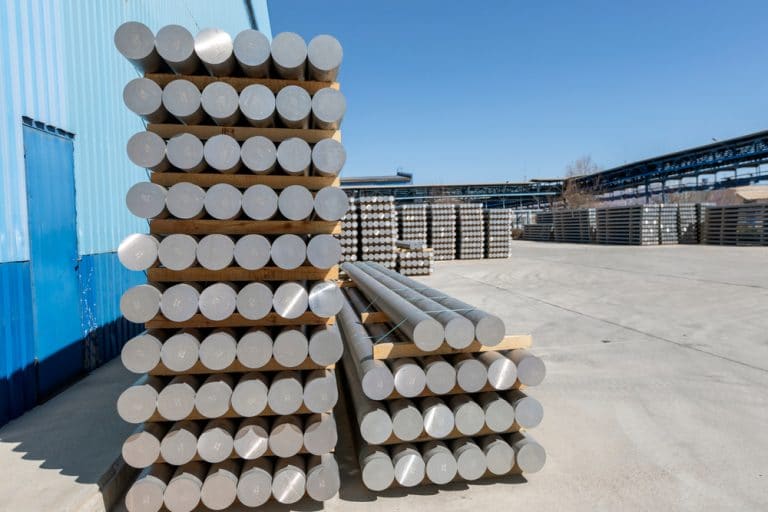
The price of aluminium reached its highest point in ten years on Monday as news emerged that there was a coup in Guinea.

Guinea is the second-largest producer of bauxite – a sedimentary rock with a relatively high aluminium content – in the world.

Prices for the metal, with uses ranging from beer cans to cars, reached as high as $2,776 per tonne on the London Metal Exchange.

Shares in aluminium producers moved up, as the commodity reached its highest point since May 2011.

Soldiers in Guinea claimed that had overthrown the country’s president over the weekend, which led to concerns over the supply of bauxite.

25% of the world’s bauxite is supplied by Guinea, in the most part to China and Russia.

“The increased uncertainty around the new political regime in one of the world’s largest bauxite-producing countries may disrupt global commodity export flows and also raises the likelihood of export contracts renegotiation, which may put upside pressure on alumina and aluminium prices,” said analysts at JPMorgan, as reported in the Financial Times.

The firm that bottles Coca-Cola’s drink in the UK and Europe recently reported a shortage of aluminium cans which it put down to supply chain pressures.

Nik Jhangiani, chief financial officer of CCEP, said: “Supply chain management has become the most important aspect following the pandemic, to ensure we have continuity for customers.”

Strong performance from the Diverse Income trust

Unique multi-cap approach offers a 3.2% yield with downside protection 

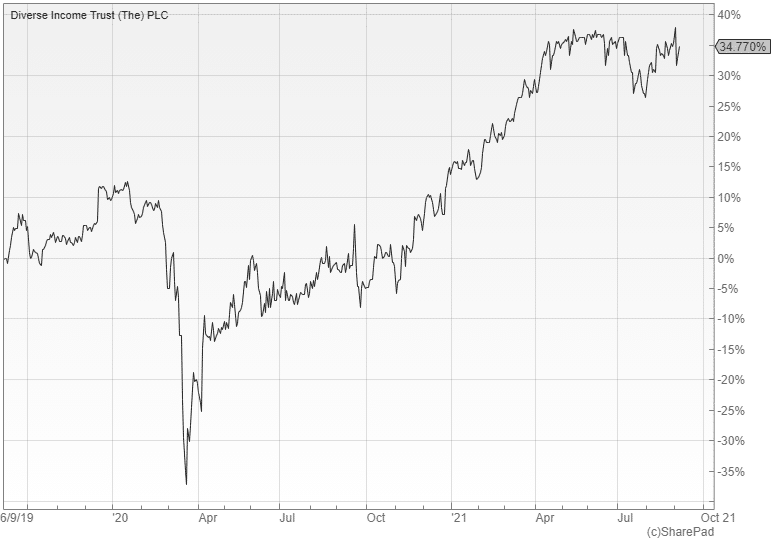
The £423m Diverse Income Trust (LON: DIVI) is an unusual vehicle that provides exposure to both large and small cap UK stocks including those listed on AIM. It benefits from a highly regarded management team led by Gervais Williams and has built up an impressive track record. 

Since the launch in 2011 the trust has generated a NAV total return of 249.5%, which is well ahead of the 89.8% achieved by its FTSE All-Share benchmark over the same period and the 130.9% average return produced by the UK Equity Income sector as a whole.

The strong absolute and relative returns have been possible because of the tilt towards smaller companies where greater market inefficiencies create a fertile environment for talented stock pickers to add value. 

Williams concentrates on businesses that can compound cash dividends over the long-term. These sorts of dividend-paying stocks have been out-of-favour for much of the last decade with the low interest rate environment benefitting their growth counterparts, but with inflation picking up and bond yields starting to rise the portfolio could now be entering a more supportive macro environment. 

DIVI offers a well-diversified exposure consisting of128 different holdings, of which 35% by value are listed on AIM with a further 14% in FTSE SmallCap stocks. It has a significant investment in financials that would benefit from a higher interest rate environment with notable positions in CMC Markets, K3 Capital and L&G.

Another key differentiator is the willingness to use options to protect the portfolio against a market crash. Williams and his team have used this approach for years and sold the last one at the height of the sell-off in March 2020 before re-investing the proceeds at distressed prices. 

The FTSE 100 put option has recently been reinstated to guard against the impact of another sharp fall in the market. This covers 38% of the current portfolio value and provides decent downside protection following the recent strong gains. 

Consumer spending in August grew 15.4% as Brits enjoyed the summer holidays and returned to the office

0

Socialising, shopping, and staycations were top of the agenda for Brits last month

Consumer card spending increased by 15.4% in August, compared to the same period in 2019, before the pandemic.

Data from Barclaycard, which sees nearly 50% of the nation’s credit and debit card transactions, reveals how the later stages of summer gave the economy a boost.

The company also drew attention to concerns people have around inflation levels, which is causing some to reconsider their spending.

Spending on essential items rose by 14.5% in August, compared to the same period in 2019, bolstered by spending at supermarkets and food and drink specialist stores, which were up 15.2% and 76.9% respectively.

Non-essential items rose 15.9% – the biggest jump since before the first national lockdown, and ahead of July’s high of 10.4%– as consumers continued to spend more on socialising, UK holidays, and back-to-school / back-to-office supplies.

The boom in summer socialising also had a positive impact on entertainment – such as theatre, festival and theme park tickets – which reached a new high of 24.2%, while taxi and fuel spending also increased to 20.6% and 7.2% respectively.

The gradual return of workers to UK offices, and parents preparing their children for the new school year, has also given retailers a welcome boost. Clothing rose for the fourth consecutive month, reaching 33.5% growth online, and 12.8% overall, as shoppers took advantage of end-of-season sales to purchase workwear and school uniforms.

Department stores also benefited, recording a 4.4% increase, marking the second month of growth since the start of the pandemic – with the first in May this year (+8.6%) when non-essential shops had just reopened.

With office workers adjusting to new work and lifestyle patterns, this growth looks set to continue. Of those returning to the office after having worked from home during the pandemic, 34% plan to spend more on takeaway breakfast or lunch, and 26% intend to up their spending on socialising after work. A further 27% also expect to keep their work wardrobe updated by allocating a larger budget for new clothes, shoes, and accessories.

Over a third say rising inflation will make them more likely to seek value in the purchases they make, and 30% are concerned about the impact of inflation on the value of their cash savings. These fears have led to nearly two fifths of Brits making cut-backs now to ensure they can afford higher outgoings for Christmas.

Raheel Ahmed, Head of Consumer Products, said: “Socialising, shopping, and staycations were top of the agenda for Brits in August, as families and friends made the most of the school holidays, giving a welcome boost to hospitality and leisure businesses. Over the coming months, these sectors should also benefit from Brits returning to the office, as colleagues enjoy long overdue catch-ups over post-work meals and drinks.”

UK house prices continue rise but at a slower rate

0

London prices appear to be trailing other areas of the country

UK house prices rose to another record high in August although the rate of growth appears to slowing down.

Growth came in at 0.7% last month, meaning prices are now up by 7.1% compared to the same point last year, according to the Halifax House Price Index.

However, compared to year-to-date figures recorded in July (7.6%) and June (8.7%), it represents a fall, meaning that the rate of growth is beginning to slow.

London prices appear to be trailing other areas of the country, with an annual price increase of 1.3%. This compares to growth in Wales in the double digits and 6.8% over the south east.

The gradual conclusion of the stamp duty holiday resulted in sales levels falling by 62% in July, as the market took a breather from what was a hectic period during the pandemic.

Joshua Raymond, Director at financial brokerage XTB, commented on the figures:

“The Halifax House Price Index (UK’s longest running monthly house price series) came in below expectations at 0,7% compared to the expected increase of 1.1%. Prices have been under increasing pressure after the index showed significant signs of slowdown in the last couple of months after a fairly stable increase throughout Q2,” Raymond said.

“As overall inflation pressures continue to be a key issue followed by the Bank of England, along with other central banks, a continuation of the current trends could see the central bank stepping in and taking action even sooner than was previously expected. While a return to work and easing of lockdowns was expected to significantly boost property prices, it seems as if there are still some major hurdles the UK economy has to contend with.”

FTSE 100 the odd one out on Tuesday following lacklustre start

0

The FTSE 100 is down by 0.21% during the morning session on Tuesday, unlike many of its peers across the continent and in Asia.

“The FTSE 100 was the odd one out and not in a good way on Tuesday as it made a lacklustre start despite strong trading in Asia, a decent start in Europe and US futures implying gains as trading resumes after the Labor Day holiday,” says AJ Bell investment director Russ Mould.

“Not helping sentiment was some data overnight from the British Retail Consortium showing retail sales growth slowed in August as some of the pent-up demand during lockdown ebbed away.”

The British Retail Consortium and KPMG monthly sales monitor revealed that non-food online sales fell by 4.6% in August, with 38.3% of sales now online compared to 42% during the same month a year before.

“After a weak US jobs report last Friday prompted speculation the Federal Reserve would hold off on tapering support for the economy, attention will switch to the European Central Bank this week as it unveils its latest decision on monetary policy on Thursday,” Mould said.

FTSE 100 Top Movers

BT Group (2.31%), DS Smith (2.16%) and Burberry (1.4%) are leading the way on the UK index early on Tuesday.

At the other end, Ocado (-1.38%), Berkeley Group (-1.23%) and HSBC (-1.17%) are the biggest fallers on the FTSE 100 so far today.