New research has found that nine million people in the UK have been forced to cancel or postpone holidays to the US or mainland Europe due to travel restrictions.
The research by Ziglu, shared with City A.M, found that Brits are spending an additional £2,000 on holidays due to travel restrictions and test requirements.
Mark Hipperson, Founder and CEO of Ziglu, said: “The Omicron variant has forced Governments around the world to introduce new restrictions to help slow the spread and this means disruption for millions of people who have booked holidays.”
“The decision whether or not to travel will be difficult given the need for COVID tests and the possibility of having to quarantine with all the disruption that leads to. The inevitable result will be that many cancel or postpone their trips.”
“Travel companies and some airlines are trying their best to be flexible regarding refunds, but many holidaymakers will end up out of pocket as a result of the changes.”
After hitting a 22-month high, the FTSE has dipped 10 points at 7410.
Travel stocks fell as Omicron case numbers continue to grow, with IAG being the top faller and dropping 2%. Flutter was down 1.4%, Entain was down 1%, whilst BT fell 1.6%.
Travel stocks have continued to fall this week due to Omicron cases and bad weather cancelling flights.
Flight-tracking website FlightAware.com found that over 1,000 flights were canceled within, into, or out of the United States were cancelled just on Monday.
The FTSE hit a 22-month high yesterday, briefly hitting 7,457.14.
Spreadex expert Oliver Males commented at the time: “The FTSE is currently up … as continued optimistic news regarding the new variant is released, such as Boris Johnson announcing that there will be no further restrictions imposed, due to the low severity of Omicron,”
“However, the same cannot be said for the rest of Europe as both the Dax and Cac dropped today, after most of Europe sees a ‘tsunami’ of cases, with France recording over 200,000 cases in the past 24 hours.
“This has in turn led UK travel stocks lower, such as IAG being down over 2%, and holiday operator, TUI, in the red by over 5%.
“Many experts are expecting the Omicron variant to have its real effect in 2022, as inflation is likely to soar, leading to rising interest rates, while the international supply chain is still going to be heavily disrupted.”
According to Nationwide, UK house prices have had their strongest year since 2006.
December saw house price growth increase to 10.4%, which is up from 10.0% in November.
House prices were up by 1% in December, meaning the average home in the UK now costs £254,822 – £24,000 then the start of the year.
“Demand has remained strong in recent months, despite the end of the stamp duty holiday at the end of September,” said Robert Gardner, Nationwide’s chief economist.
“Mortgage approvals for house purchase have continued to run above pre-pandemic levels, despite the surge in activity seen earlier in the year. Indeed, in the first 11 months of 2021 the total number of property transactions was almost 30% higher than over the same period of 2019.”
“At the same time, the stock of homes on the market has remained extremely low throughout the year, which has contributed to the robust pace of price growth.”
Building materials supplier SigmaRoc (LON: SRC) has fallen by around one-quarter from its recent high even though prospects remain good, and it has still to fully benefit from the integration of the acquisitions made in 2021.
The share price has fallen by more than one-quarter to 83p from the high in September. It took a long time for the share price to move above a narrow range and it is still nearly one-third higher than one year ago.
An existing AIM shell was used by management as a building materials sector consolidator. The renamed SigmaRoc set out to acquire non-core assets and businesse...
UK households are likely to be hit next year amid rising tax and energy bills, along with stalling wages.
The Resolution Foundation has said that next year could be “year of the squeeze”, and higher energy bills could cost households £1,200.
The report said: “The months ahead will not be easy for households who see their wages fall back as energy bills and taxes rise. As Omicron hopefully fades in the early months of 2022, we will come to realise the scale of the challenge posed to household finances.”
UK inflation hit highs in 2021 and is likely to grow next year.
“2022 will begin with Omicron at the forefront of everyone’s minds. But while the economic impact of this new wave is uncertain, it should at least be short-lived. Instead, 2022 will be defined as the ‘year of the squeeze’,” said Torsten Bell, chief executive of the Resolution Foundation.
“The overall picture is likely to be one of prices surging and pay packets stagnating. In fact, real wages have already started falling, and are set to go into next Christmas barely higher than they are now.”
Aviation analytics firm Cirium found that in 2021, 406,000 international flights operated from the UK, which is much lower than pre-pandemic levels of 1.4m.
Domestic flights were down by 60% and outlook for next year continues to be uncertain.
The most popular flights were found to be to mainland Europe, with Amsterdam and Paris being among the most popular destinations.
Data found that whilst between Christmas and Boxing Day is the most popular time to fly, this year over 6,000 flights were cancelled globally due to staff testing positive and bad weather in the US.
New data has revealed that pubs and hospitality venues lost £10,000 in the week before Christmas.
UKHospitality found a drop in takings by 60% on Christmas Day, with London being hit the hardest.
Gillian Keegan, health minister, defended the government’s support to hospitality, which is grants of a maximum of £6,000. This is below average losses.
Keegan said: “People are still going out. “I have been out a couple of times – my sister is over from the States, so we have been out to a couple of restaurants – and they have been pretty full.
“So, you know, I’m obviously in London at the moment, but I think people are still going out, but they are just taking a lateral flow test before and obviously being a bit more cautious.”
CORA GOLD (LSE: Cora) 9.15p, Mkt Cap £27m. Today’s Letter to Shareholders brings tidings of comfort for those who invested at 10p in the recent placing that raised £6.25m. This East African gold company’s share price reached 19.5p after a sequence of positive development news. Cora is an emerging gold developer with three de-risked project areas within two known gold belts in Mali and Senegal covering over +1,100 sq. km. The primary focus is on developing the Sanankoro prospect in the Yanfolila Gold Belt, Southern Mali, where Cora expect to produce cash-flow from an open pit oxide gold mine in 2022.
The development news is the result of some 43,000 meters of drilling (including exceptional grade) leading to November’s updated JORC-compliant Mineral Resource Estimate (MRE) showing 21.9m tonnes at 1.15 grams per tonne gold for a total of 809.3 thousand ounces of gold. This is a +200% increase from the maiden resource published in December 2019 and all the deposits remain open in all directions indicating further potential for lower risk step-out drilling.
There are various milestones before the DFS (Definitive Feasibility Study) is completed which unlocks US$25m mine construction funding already committed in a equity VWAP price and debt structure which minimises dilution. After the site visits by the key contractors and consultants there are several workstreams underway. This includes Metallurgical test work samples, all waste rock samples have been sent to Waterlabs in South Africa for geochemical analysis. Hydrogeological drilling and geotechnical drilling and test pit programmes have commenced, and sterilisation drilling on the plant, tailings waste storage facility and waste rock sites are due to be completed in Q1 2022. The later stage in Sanankoro’s development of completing the ESIA (Environmental and Social Impact Study) but all is progressing .
The Letter to Shareholders stated that it is well-funded for Sanankaro DFS in H1 2022 and Drill results from Tagan permit expected early 2022. At below the recent placing price Cora and seem worth buying.
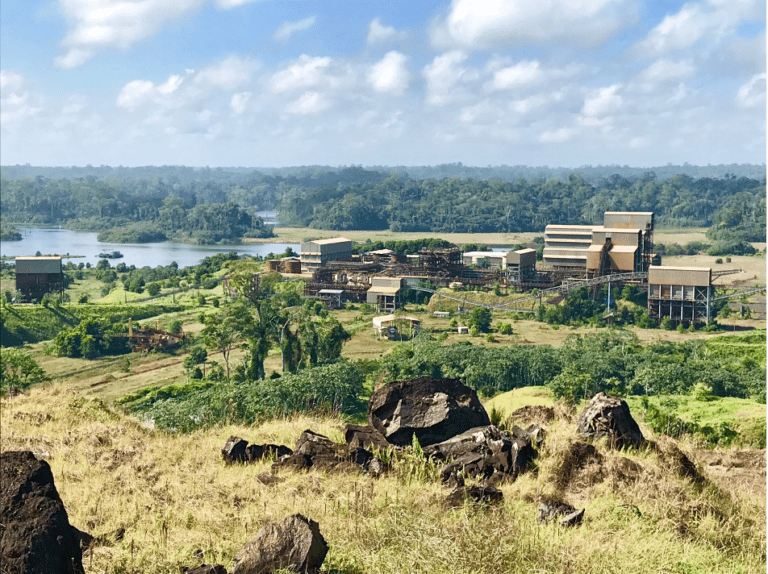
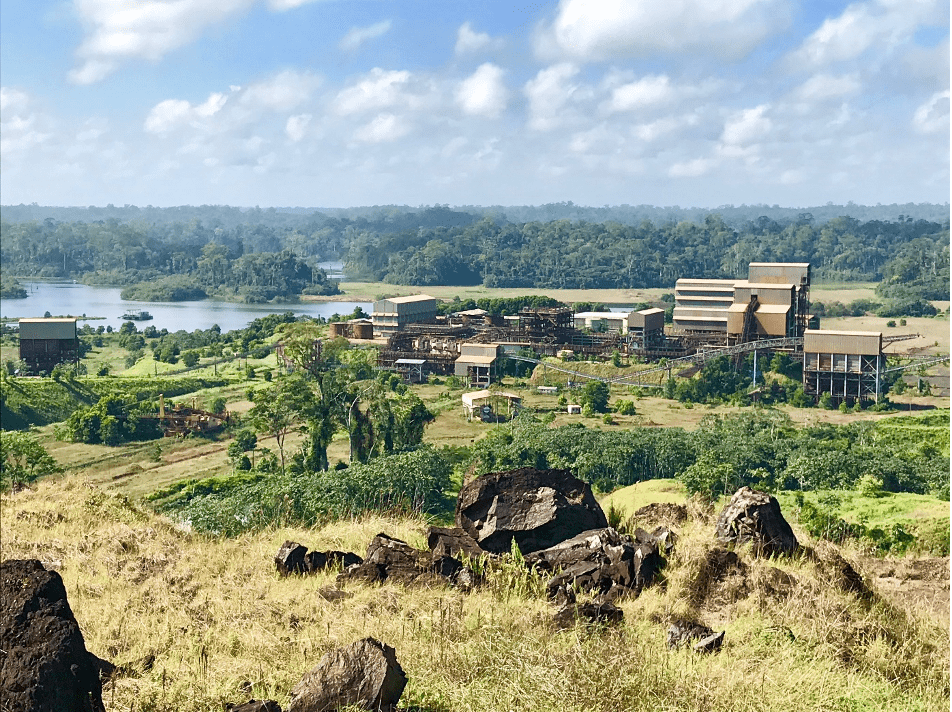
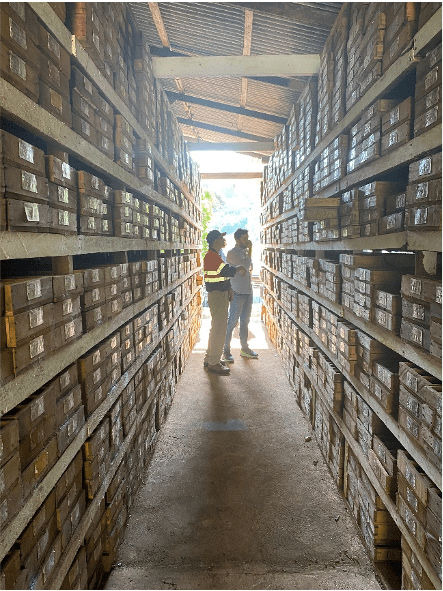
On December 29, Cadence Minerals (AIM: KDNC), a mining investment company listed in London, announced that it had completed all the preconditions to invest into and acquire an initial 20% of the integrated Amapa iron mine, railway and port in North Eastern Brazil.
When we talked to Cadence CEO, Kiran Morzaria, via zoom on Christmas Eve just after the settlement agreement had been signed, he was understandably in good spirits. His home office is dominated by two framed pictures, one of the head gear at a mine and the second of the three miners drilling a narrow-vein ore body. Kiran relates that these pictures are from a mine that he helped restart and rehabilitate in 2008, and which remains in production, further extending its 100-year history. Morzaria relates the story:
“These images remind me of two key things; the first is that the right asset, proper jurisdiction, and right people make all the difference. The second is that however hard I am working here, there others working in far tougher conditions, so the least I can do is put in that extra mile and ensure we can move the asset forward for all our stakeholders.”
There is no doubt that the team involved in the Amapa transaction have put in the hard yards. The process started back in September 2018, when Cadence partnered with commodity trading firm Indo Sino to form a joint venture. Cadence and Indo Sino then engaged with the local authorities and commercial courts to acquire Amapa mine owner in administration, DEV Mineração S.A.
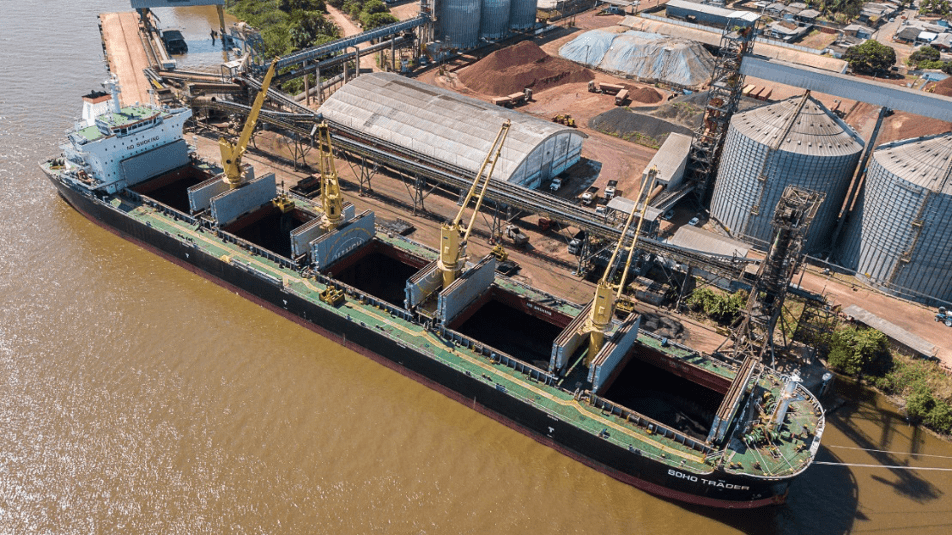
A plan was put forward by Cadence to bring the former Anglo American owned Amapamine, railway and wholly owned port at Santana (complete with 1.39 Mt of iron ore in three stockpiles) out of administration and ultimately back into production. Naturally the process came with some unique challenges. Morzaria explains:
“The judicial restructuring plan was a tough process. Not only did it set some key legal precedents, it also faced challenges from competing investors. This delayed the creditors meeting by one week, and yet despite this, we got over 90% of the creditors, by value to approve our restructuring plan.”
The history of the Amapa iron ore mine goes back to its discovery and ownership by a Brazilian conglomerate, which it then packaged with the massive 6 billion tonne Minas-Rio iron ore deposit and sold on to Anglo American for US$5.5 billion. For Anglo, Amapa was a relatively small transaction, and was certainly not part of the company’s long term strategic focus and plan. As a result, Amapa was sold to Brazilian company Zamin Ferrous in 2013, but during the finalisation of this sale, the company’s wholly owned port suffered a landslide which curtailed exports. Zamin Ferrous then negotiated a lower price, but the absence of a port prevented any meaningful product export and consequently DEV went into administration.
Before its sale in 2013, Anglo American valued its 70% stake in Amapá at US$866 million (100% US$1.2 billion). Anglo impaired the asset in its 2012 Annual Accounts to US$462 million (100% US$660 million).
Given its history, to most smaller listed companies, the challenge of bringing Amapa back to life would in most cases have represented a bridge too far. However, Cadence saw an opportunity, as outlined by Morzaria:
“Once we understood the legal process in Brazil, we saw an opportunity for significant upside for our shareholders. The not inconsiderable technical and existential risks typically associated with developing a mineral resource asset were largely mitigated. The mineral resource was auditable, the mining and processing technology are established, the product mix is well known, and there is a well-trodden path to obtain the required operating licenses, with several key licenses being granted before our investment.”
“Moreover, and critically, although the asset is not a large one in terms of global production, it is very significant for the state of Amapa. Our estimates suggest that once we reach our production targets, it will represent some 3.5% of the state GDP and could contribute some 4,200 jobs to the local and national economy. These facts helped to focus support at local and governmental levels and ensured our efforts didn’t become ensnared in in red tape. A government working committee has also been set up to work with us to troubleshoot any critical issues along our path to production.”
The investment proposition to bring Amapa out of administration sees Cadence acquire a 27% interest by investing US$6 million over two stages in the JV company. The first stage is for 20% of the JV, the consideration for which is US$2.5 million. The second stage of investment is for a further 7% of the JV for a consideration of US$3.5million. The funds for the first stage of investment are currently held in a judicial trust account of the commercial court of Sao Paulo.The agreement also gives Cadence a first right of refusal to increase its stake to 49%.
As the various pre-conditions set out by the commercial court of Sao Paulo were met, in 2020, DEV received permission to start shipping the iron ore stockpiled at Santana port, which immediately started generating cash. By the end of August 2021, DEV had shipped three cargoes of approximately 143,000 wet tonnes of iron ore. The net proceeds from shipment went to pay labour and small creditors, while also providing funds to invest into the recommissioning of the assets, the upgrading of the Mineral Resource Estimate and commencement of the pre-feasibility Study.
Move forward to December 2021, and with the preconditions set out by the courts met and satisfied, the final hurdle was to agree a settlement with the banks – no easy task giventhat the team were negotiating with different state owned and private banks, in two jurisdictions, with varying degrees of organizational complexity and internal compliance hurdles. Nonetheless,with Credit Committee approval announced in October 2021, the final settlement with the banks was agreed and signed in December, triggering the initial US $2.5 million investment and a 20% stake for Cadence in the Amapa project.
The final settlement is a remarkable achievement by any standards: in combination with the other unsecured creditors the settlement terms meant that DEV was now only paying 45 cents in the dollar.
After the completion of the feasibility study and project financing, the rehabilitation of the mine,railway and port is expected to take between one and half to two years, following which the mine plans to produce over 5 million tonnes of 65% iron ore.From an investor and shareholder perspective, the financials really highlight and put into perspective what Cadence has achieved here. Assuming that the targets are hit and a current 65% iron ore price (US$ 145 / tonne in Dec 2021) is achieved, gross revenues could be circa US$725 million per annum. With solid demand for iron ore showing little sign of slowing as we go into 2022, quite rightly Cadence shares should see a re rating as investors run the slide rule over the Amapa numbers.
While there is no doubt Amapa is a landmark achievement, the rest of the Cadence portfolio also continues to deliver impressive returns. Cornerstone stakes in projects such as the Cinovec Lithium and Tin Project via AIM listed European Metals Holdings (AIM: EMH) in the Czech republic generated a £3.54 million return in the first 6 months of the year, with pre- tax profits of £2.84 million.
In particular, Cinovec, owned by European Metals Holdings and Eastern European utility giant CEZ is set to become a major European and Global lithium supply hub to meet the boom in batteries and electric vehicles, with demand anticipated to grow exponentially in the coming years.
Cadence also has a range of other ‘passive’ investments, including several ASX listed lithium assets, plus joint ventures at the Yangibana Rare Earths project in Australia, the Sonora Lithium project in Mexico and a hard rock lithium exploration assets 2 km away from Core Lithium’s (ASX:CXO) mining projects in the Northern territories of Australia.
Despite this exceptionally impressive asset portfolio, along with other micro-cap investors and explorers, the sector malaise has seen Cadence shares drift during the second half of 2021, currently rating the company on a modest £32m market cap.
Nonetheless CEO Morzaria remains enthused by the opportunities he expects to materialise in 2022.
“Our shareholders have stuck with us over what has been a hugely frustrating period”
“The completion of the first phase at Amapa marks a huge achievement for everyone involved, and we are really excited about the possibilities in Brazil in 2022”
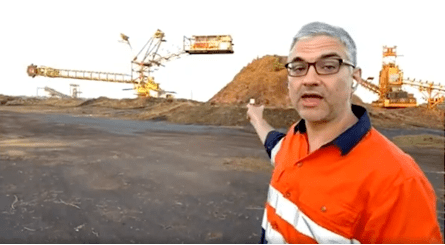
A recent visit to Amapá left a deep impression on Morzaria, who reported back to the markets in a live interview from the port at Santana.
“I was delighted to see the rapid progress on the ground, driven by a highly motivated local management team and staff. The rate of reconstruction and recommissioning work already completed gives our board huge confidence in what can be achieved next year.”
There is no doubt that bringing Amapá back to life has in cycling parlance represented a Tour de Brazil equivalent for Cadence. Regardless, Morzaria and his team have now completed the mountain section, and with several stage victories, look set for a great team result as they transition from micro-cap explorer and investor to mid-tier iron ore producer. Solid Cadence!
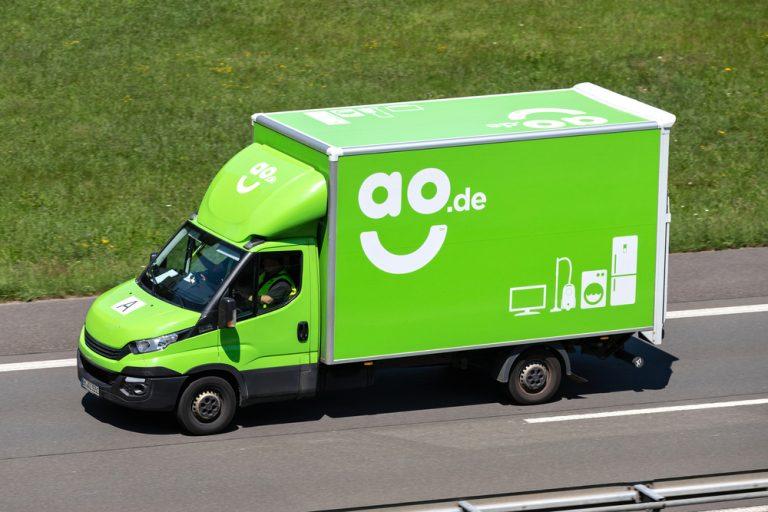
Profit warnings have been an autumn habit for online domestic appliances retailer AO World (LON:AO.).
The October profit warning led to a 2021-22 pre-tax profit forecast reduction from £31.6m to £11.8m and that was followed by a further warning which led to a forecast loss. This follows the move into profit in the year to March 2021 on the back of bumper lockdown demand.
The share price has declined by three-quarters since reaching its peak a year ago. There has been some recovery during December even though AO World has been jettisoned from the FTSE 250 index. Camelot Capital edged up its sta...