Ryanair looking to fly 225m passengers per year by 2026

0

Ryanair has increased its previous target by 25m

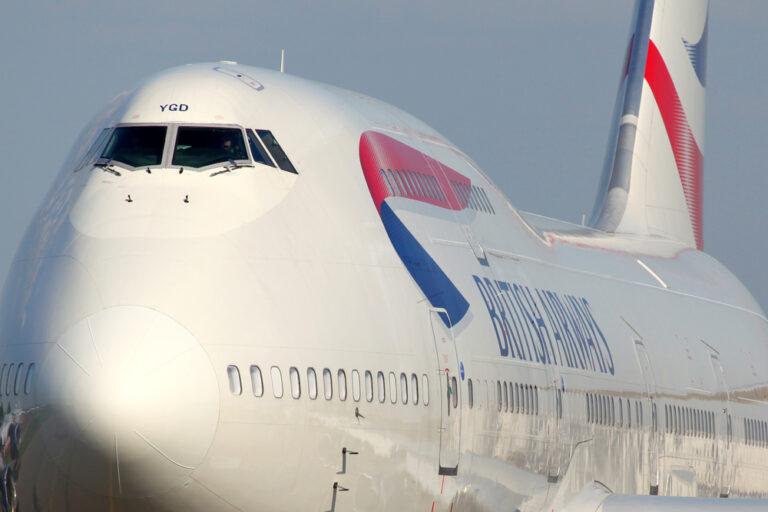
Ryanair confirmed on Thursday that it is expecting to fly 225m passengers each year by March 2026.

The announcement marks an increase of 25m on its previous target.

Ahead of the company’s AGM today, Ryanair is expecting to see traffic growth of 50%, compared to levels seen before the pandemic. This is an increase of 33% compared to previous estimates.

The Irish airline carried 149m passengers during the last full year before the pandemic came along.

For this year, while it has to deal with ongoing restrictions, it’s aiming to carry 100 passengers.

Chief executive Michael O’Leary said: “With these new deliveries, Ryanair will open 10 new bases across Europe this year as we work with airport partners to help them recover traffic & jobs post Covid, and take up slot opportunities that are being vacated by competitor airlines who have collapsed or significantly reduced their fleet sizes.”

“The Covid-19 pandemic has delivered an unprecedented blow to Europe’s aviation and tourism industries”, he added. 

“Only Ryanair has used this crisis to place significantly increased aircraft orders, to expand our airport partnerships, and to secure lower operating costs so that we can pass on even lower fares to our guests, so that together with our airport partners, we can recover strongly from the Covid pandemic and deliver higher than expected growth in both traffic and jobs over the next 5 years.”

The Ryanair share price is up by 4.95% during the morning session on Thursday.

Fire at UK-France subsea cable sees new price rise again

UK electricity prices are now the most expensive in Europe

A fire at Britain’s main electricity subsea cable with France has impacted imports to the UK, causing an upwards surge in prices when supply issues have already brought about record highs.

National Grid, whose share price is down by 0.73% on Wednesday, confirmed that the fire broke out at a site near Ashford in Kent.

The recent highs in energy prices are expected to go even higher over the next year and could put the futures of a number of energy companies in doubt.

On Wednesday, the market price at a major UK electricity auction reached £2,500 per megawatt-hour, a record price. It compares to a typical baseload price of around £40 per megawatt-hour during 2019 and 2020.

Glenn Rickson, head of European power analysis at S&P Global Platts Analytics, says the disruption caused by the fire has the possibility to exist “for weeks, maybe months”.

“It couldn’t come at a worse time for the UK and I would expect [electricity prices] to spike strongly, even relative to the new records seen this week,” he added.

The UK has seen electricity prices rise to record highs over recent weeks, and are now the most expensive in Europe.

Britain has specifically come under pressure due to its reliance on renewable energy and gas to generate electricity.

Unideal weather conditions have reduced the energy that can be gathered using wind turbines.

Did the interims call represent a value inflection point for CloudCall ?

0

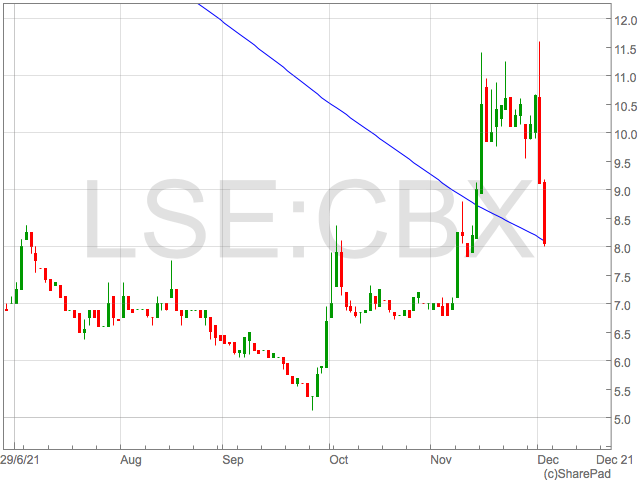
This company reported mixed Interims to June 2021 yesterday, while revenues improved a not stellar 13.4% to £6.4m its recurring and repeat revenues represent an impressive 93.9% of total revenues. The gross profit (GP) marginally increased to an attractive 81%. CloudCall (Aim:Call) is a leading cloud-based communications software integrator with a Customer Relationship Management (CRM) platform. It brings all types of messaging, conversations, and contract data bases together from any devices which enables its clients to leverage their customer data for more effective commu...

Market’s subdued response to iPhone 13 launch is no surprise

0

Investors often ‘buy the rumour sell the fact’ when it comes to Apple shares

The Apple share price was subdued in response to CEO Tim Cook‘s launch of the iPhone 13, as well as updated versions of its watch and iPad.

The Apple share price even closed down by 0.96% yesterday after Cook divulged some of the new exclusive features of its latest release.

One of the key features of the iPhone 13 is its ability to film “portrait mode” videos with a depth of field effect.

It is only the Apple smart phone which allows users to edit this effect after filming.

This seems to be a common theme for Apple when it releases new products and “as much the result of the old formula of ‘buy on the rumour sell on the fact’ as anything else,” says AJ Bell investment director Russ Mould.

AnnouncedProductLaunched6 Months Before3 Months Before 3 Months After 6 Months After 12 Months After
09-Jan-07iPhone 129-Jun-0743.8%30.2%25.8%63.7%39.4%
09-Jun-08iPhone 3G11-Jul-08(0.1%)(5.9%)(43.9%)(47.5%)(19.7%)
08-Jun-09iPhone3GS19-Jun-0955.0%37.3%32.7%40.1%96.5%
07-Jun-10iPhone 424-Jun-1028.7%17.3%8.7%20.3%21.3%
04-Oct-11iPhone 4S14-Oct-1123.7%18.1%(0.5%)43.4%49.2%
12-Sep-12iPhone 521-Sep-1216.2%69.9%(25.8%)(35.3%)(33.2%)
17-Sep-13iPhone5GS20-Sep-133.4%12.1%17.5%13.1%51.2%
09-Sep-14iPhone 619-Sep-1429.1%6.7%14.1%8.1%15.8%
09-Sep-15iPhone 6S25-Sep-15(7.0%)(10.0%)(5.8%)(7.9%)(0.1%)
07-Sep-16iPhone 716-Sep-169.1%18.5%(0.3%)(8.3%)51.3%
12-Sep-17iPhone 822-Sep-1718.1%7.1%7.9%12.7%38.5%
12-Sep-17iPhone 8-plus22-Sep-1718.1%7.1%7.9%12.7%38.5%
12-Sep-17iPhone X03-Nov-178.9%2.4%11.4%4.2%37.5%
13-Sep-18iPhoneXS, XSMax, XR26-Oct-1828.2%19.0%(22.6%)(11.0%)(3.4%)
10-Sep-19iPhone 1120-Sep-1925.0%14.8%21.1%31.7%109.5%
13-Oct-20iPhone 1223-Oct-2060.8%30.0%5.2%8.1% 
14-Sep-21iPhone 1324-Sep-2122.4%13.5%   
 AVERAGE 22.5%16.9%3.3%9.3%32.8%

However, a lot does ride on the latest iteration of the iPhone and shake-up of Apple’s product range.

“The firm continues to encounter anti-trust pressure from regulators regarding its App store – and its monster $2.4 trillion market capitalisation means that any slip or loss of earnings momentum could leave shareholders with a problem,” Mould said.

A forward price/earnings ratio of nearly 27 times prices in a lot of future growth – and analysts have pencilled in just 5% sales growth and 2% earnings per share growth for the year to September 2022.

“Hard to believe as it may be, this leaves Apple with something to prove, in terms of its ability to keep regulators sweet, persuade customers to upgrade to 5G mobile devices and shareholders that expected 70% surge in earnings per share in the year to September 2021 was not just a one-off, owing to the pandemic, lockdowns and a surge in working from home – sales growth in Mac computers and iPads showed marked signs of a slowdown in the last fiscal quarter, to June.”

Apple has already suffered four induced profit slides in the past decade

The first three were largely related to the iPhone’s product cycles and its functionality, price points and demand in China (the early stages of the pandemic contributed to the last one), according to Mould.

“The subsequent share price surge may mean that January 2020’s crunching profit warning is but a distant memory, but it does not mean it cannot happen again in the latest set of product features fail to capture consumers’ imaginations,” Mould said

UK sees business creation at record levels in Q2

0

Over 2,000 businesses created each day between April and June

More British businesses were set up between April and June than any Q2 in history, research has revealed.

From the beginning of April to the end of June this year, 190,639 firms were incorporated at Companies House, according to a study by tax app Ember.

This amounts to over 2,000 new businesses per day.

It is the first time ever that a Q2 has seen in excess of 190,000 companies created in the UK.

The previous high for Q2 was last year, when despite the damage caused by the pandemic, 176,115 businesses were formed in the period.

In total, 402,007 businesses have been created in the first six months of 2021, which is already close to surpassing the 440,638 new companies incorporated in the whole of 2011.

The calendar year of 2020 saw the number of new businesses totalling 768,777, an average of 192,194 per quarter, or 2,106 each day.

Commenting on the study, Ember co-founder Daniel Hogan said: “July of 2020 seems to have been the starting point for a new business boom in the UK – the third quarter of 2020 saw the highest number of business incorporations in British history. That has been followed by three more quarters of impressive growth, and it’s great to see so many new companies being created.”

FCA seeking to encourage £17bn of consumer investments

0

The £11m campaign by the FCA will cut the number investing in high-risk assets

The FCA has set out a plan for 2021/22 to allow consumers to make “effective investment decisions”.

“We want to see a consumer investment market in which consumers can invest with confidence, understanding the risks they are taking and the regulatory protections provided,” the regulator said.

“We do not want to restrict consumers if they want to invest, but we do want them to be able to access and identify investments that suit their circumstances and attitude to risk.”

8.6m people have £10,000+ in investable assets and the FCA wants to reduce this by 20%.

The £11m campaign by the FCA will cut the number investing in high-risk assets.

This could equate to £9.8bn of additional returns for savers.

Long-term social and economic changes have made the consumer investment market more important than ever.

“Consumers are increasingly responsible for making complex decisions about their financial future, including whether and how they invest,” the FCA says.

Laura Suter, head of personal finance at AJ Bell, comments on the FCA’s plan for the investment market:

“The regulator is taking a two-prong approach – on the one-hand trying to get more people to invest their money rather than leave it in cash and on the other trying to shield inexperienced investors from risky investments.”

“The FCA’s plan is to get almost two million more people to invest, as its research shows 8.6 million people currently have over £10,000 investable assets in cash and it wants to reduce that by 20%. If 1.7m people invested £10,000 in the stock market, that represents a £17bn influx of money to the investment market,” said Suter.

“The pandemic has boosted lots of people’s savings pots but most of it is idling in current accounts getting paltry returns, when in reality much of it could be invested. The issue is that lots of these people feel unable or ill-equipped to start investing. Anything the regulator can do to make taking that leap into the stock market for the first time easier and to allow providers to offer more hand-holding should be applauded.”

UK Inflation, Restaurant Group and Iron Ore with Alan Green

Alan Green joins the UK Investor Magazine Podcast for our regular instalment of UK equities and global markets.

We explore the impact and causes of the UK’s highest inflation reading in nine years and what it could mean for the Bank of England.

There is also results to digest from casual dining company Restaurant Group. The group owns Wagamamas which enjoyed a 21% increase in activity over the period but with shares up nearly 5x since their lows in 2020, we look at the viability of an entry at this point.

We also discuss Cadence Minerals and the latest updates from their portfolio of investments and assets.

Register for the UK Investor Magazine Virtual Technology Summit here.

FTSE 100 flat despite surging UK inflation

0

The FTSE 100 barely flinched on Wednesday, adding a mere 0.068%, despite headline-grabbing inflation numbers.

“Surging UK inflation figures and more volatility in Asian shares didn’t upset the apple cart too much on Wednesday morning as the FTSE 100 started more or less flat,” says AJ Bell investment director Russ Mould.

However, there are still some serious concerns among investors over the state of the wider economy.

“Weakness among airlines and Burberry, whose fortunes are closely tied to China, reflected a shift in investors’ concerns from the risks of the economy overheating to the recovery being knocked off course.”

“This follows some weak Chinese economic data as it, like many countries across the world, wrestles with the more infectious Delta variant of Covid.

“Helping to keep the FTSE 100 afloat were some more stodgy defensive businesses such as catering giant Compass, consumer goods firm Reckitt Benckiser and tobacco maker Imperial Brands.”

FTSE 100 Top Movers

Imperial Brands (1.88%), Lloyds (1.81%) and BP (1.48%) have made the most gains out of the UK’s top 100 companies.

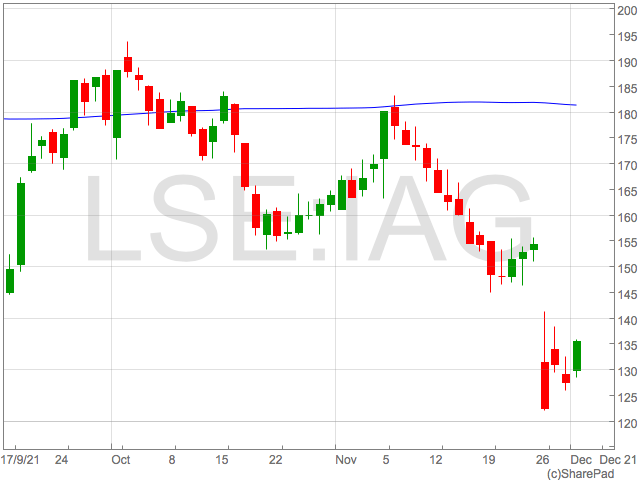
At the other end of the FTSE 100, Just Eat (-4.22%), Rolls-Royce (-2.62%) and IAG (-2.36%), make up the bottom three.

Darktrace raises forecast as share price soars

0

Darktrace says cyber attacks drive consumer demand

Darktrace (LON:DARK) has increased its forecasts for the financial year as its user base and revenue levels continue to grow.

The cybersecurity firm confirmed robust sales coming out of the financial period before, including a strong performance in June, as the company was operating close to the upper end of its expectations over recent weeks.

Darktrace is expecting its revenue to grow by between 35% and 37% this year, up from 29-32% before.

Adjusted underlying earnings (EBITDA) margin is anticipated to arrive at 2-5%.

“At our first full-year earnings, we are very pleased to report robust financial and operational performance, and strong growth, during the period,” chief executive Poppy Gustafsson said.

“In this new era of cyber-threat, Darktrace is helping organizations from every industry sector, including providers of critical national infrastructure, to protect their digital assets, and avoid the serious disruption that cyber-attacks can cause.”

The Darktrace share price has added 8.55% on Wednesday morning.

Darktrace, a global leader in cyber security AI, delivers technology that protects over 5,600 customers worldwide from advanced threats, including ransomware and cloud and SaaS attacks.

Restaurant Groups reports underwhelming results

0

The Restaurant Group’s trade was severely disrupted by lockdowns earlier in the year

The Restaurant Group has reported underwhelming results for H1, recording a statutory pre-tax loss of £58.8m.

The owner of Wagamama saw its sales fall by 4.5% to £216.8m when compared to the same time period in 2020.

The Restaurant Group saw a slight recovery in its EBITDA, which rose from a loss of £18.2m to a profit of £11.2m year-on-year.

The firm also confirmed its secured refinancing and recapitalisation, raising £500m from loans and a senior credit facility.

“Whilst there are some well documented sector challenges to navigate in the short-term, particularly around labour availability and supply chain, we believe the Group is well positioned for the long- term,” said Andy Hornby, Chief Executive Officer.

For the first six months of the year, trade was severely disrupted by restrictions on the hospitality industry, which was only able to do takeaways and deliveries for large periods.

Harry Barnick, Senior Analyst at Third Bridge, commented on the Restaurant Group’s results: “The casual dining sector has taken a Covid pummelling. Now as customers return the Restaurant Group is operating in a less competitive environment allowing for some breathing space during the recovery period.”

“That being said, we are hearing about aggressive expansion from smaller brands, such as Franca Manca, which could challenge The Restaurants Group’s dominant position in the market,” said Barnick.

“Given the reduction in operating costs during the pandemic, analysts will be hoping for improved margins post-Covid once trading normalises. This largely depends on how successful The Restaurant Group can be in reducing rental rates. However, testing labour and food shortages could drive up costs in the short-term which limits the margin upside potential.”