
Chancellor Philip Hammond admits the tax cuts to drivers will come at a “significant cost”, with this year’s freeze alone costing taxpayers £830 million.In defense of the move, Mrs May has said that the benefit of having a “little bit of money left to put away at the end of the month” isn’t “measured in pounds and pence”. She added that, “It’s the joy and precious memories that a week’s holiday with the family brings. It’s the peace of mind that comes with having some savings.” The news comes amid harsh rebuttal of her Chequers plans by critics at home and in Brussels. Despite being situated in a somewhat Scylla and Charybdis predicament, the PM insists that, “our best days lie ahead of us” and that the future post-Brexit is “full of promise”. Some have said that regardless of the PM’s best efforts, her legislative progress in the periphery does little to ease her plight surrounding floundering Brexit negotiations and continuing uncertainty.
May to freeze fuel duty amid Chequers debacle
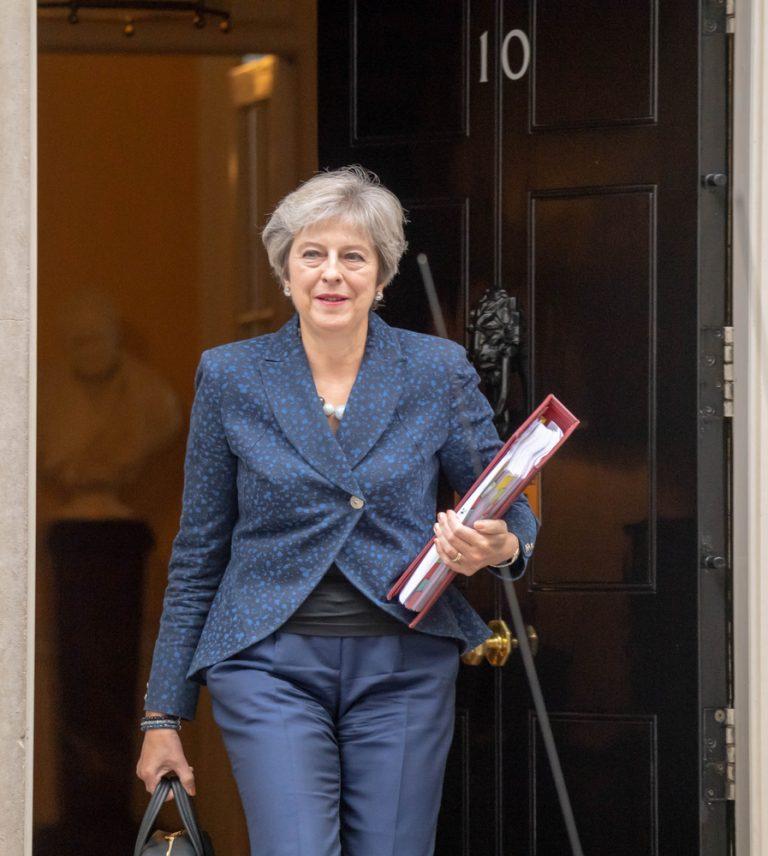
Prime minister Theresa May has announced today that fuel duty will be frozen for the ninth consecutive year.
This announcement entails the first formal spending announcement prior to the next Budget of the 2018 session, which is due to be published in four weeks time.
The announcement will be music to the ears of motorists who feel the pinch of driving in the UK, but comes at a time when other groups continue to struggle without relief. Indeed, working-age benefits are set to remain frozen until at least 2020.
Pret A Manger to roll out full labelling on products
Pret a Manger is to list all ingredients on freshly made food following the death of Natasha Ednan-Laperouse.
Natasha Ednan-Laperouse went into cardiac arrest after she had an allergic reaction to a Pret baguette at Heathrow airport.
Pret chief executive, Clive Schlee, said the firm was “deeply sorry”.
“I said we would learn from this tragedy and ensure meaningful changes happen.”
“I hope these measures set us on course to drive change in the industry so people with allergies are as protected and informed as possible. Nothing is more important to Pret right now.”
The current law means that fresh, handmade and non-pre-packaged food does not have to be individually labelled, according to the UK’s Food Regulations 2014.
Theresa May called for a review of food labelling laws on Tuesday.
“We have obviously to look at this issue, we have to look at the responsibility of individual companies as well,” said the prime minister.
Pret said that “full ingredient labelling will be introduced to all products that are freshly made in its shop kitchens. The labels will list all ingredients, including allergens.”
The chain will introduce full ingredient labelling from next month and roll it out to all UK outlets as soon as possible.
Michael Gove has also said that the current loophole in the law “needs to be addressed”.
“We need to look at the whole suit of protections that we give people in order to ensure that all of us can feel safe when buying food, and that our children are safe as well… to ensure that we’ve got safe food that everyone should have a right to.”
Tesco sales increase for 11th consecutive quarter
Tesco has reported an 11th consecutive quarter of rising sales.
The UK’s biggest supermarket chain announced that pre-tax profits for the six months to 25 August were two percent higher than the same period in 2017.
Despite the growth in sales, shares in the group dropped 5.5 percent in early trading.
Bruno Monteyne, an analyst with investment bank Bernstein, said that overall profits had been “soft”.
The news comes following the opening to Tesco’s new discount store Jack’s, which has opened to rival budget stores Aldi and Lidl.
Tesco chief executive Dave Lewis said he was “really very happy so far” with the performance of the two new Jack’s stores.
“So far, so very very good,” he said. “The two stores are trading very well, consumer feedback is really very good.”
Two new Jack’s stores are due to open on Thursday in Liverpool.
Regarding Brexit, Lewis commented on the tough retail market conditions and contingency plans for when the UK will leave the EU.
“The biggest single challenge will be in a no-deal scenario, will be what happens with fresh food,” he said.
“It’s all about product flow [over borders]. The possibility of stockpiling fresh food is very, very limited.”
The supermarket is looking at stockpiling grocery products.
Elsewhere in supermarket news, Sainsbury’s (LON: SBRY) and Asda are hoping to take part in a merger, which will create a combined group bigger than Tesco.
Shares in the group (LON: TSCO) are currently trading 8.67 percent at 214,80 (1008GMT).
Aston Martin makes disappointing stock market debut
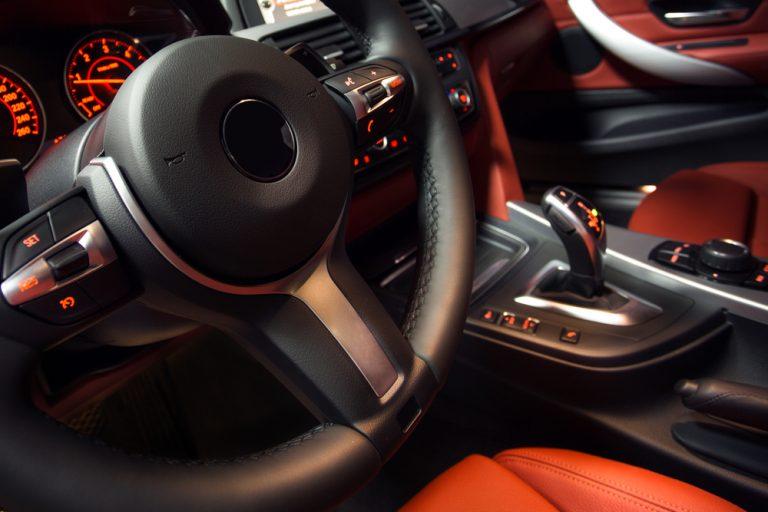
Shares in Aston Martin made their stock market debut on Wednesday.
Having opened at £19 a share, they soon dipped to 6.6 percent when trading went underway, valuing the group just over £4 billion.
25 percent of the luxury carmaker’s stock went on sale to institutional investors, company staff, customers and members of the Aston Martin Owners Club.
Private investors will be able to purchase shares from Monday.
“We are delighted by the positive response we have received from investors across the world and are very pleased to welcome our new shareholders to the register,” said the group’s chief executive, Andy Palmer.
Palmer added that the listing was “a historic milestone” for Aston Martin, a company which has gone bust seven times.
Last month Aston Martin guided investors and said shares would be sold at between £17.50 and £22.50.
Jasper Lawler, an analyst at London Capital Group, said: “The first public listing of a British carmaker in decades has the kind of ‘dinner party’ appeal that few IPOs share. We think the iconic status of this century-old British motoring brand, coupled with its relative insulation against Brexit or trade tensions, make this listing a compelling proposition.”
The group have recorded growth over the year, with pre-tax profits rising 2.5 percent to £20.8 million. Revenues increased by eight percent to £445 million in the first half of 2018.
Aston Martin expects full-year sales for this year to rise to between 6,200 and 6,400 cars.
As part of its expansion, new projects will include building an electric flying car and luxury homes.
Palmer has also announced that part of the turnaround strategy will be targetting female buyers. The group have sold less than 4,000 cars to women in its 105-year history.
In terms of Brexit, the group has said it will not pose a major threat to production.
Johnson attacks May’s Chequers plan
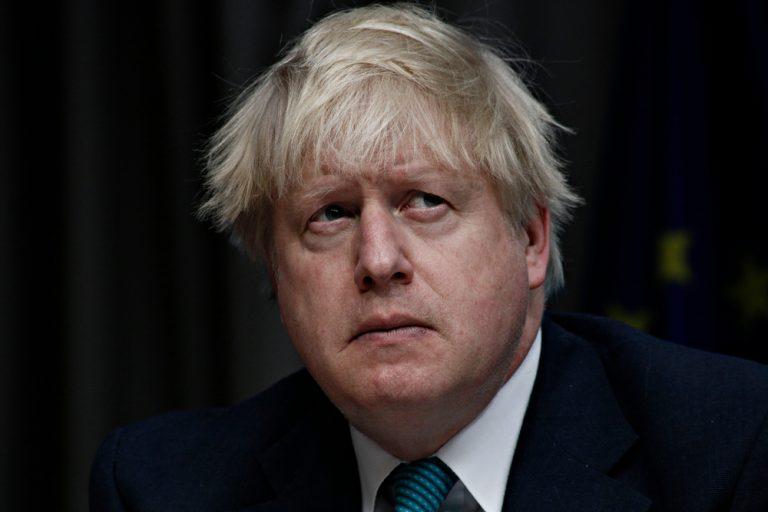
Boris Johnson attacked Theresa May’s Chequers plan on Tuesday at the Conservative Party conference in Birmingham.
In a highly anticipated speech, with queues out the door an hour before the event began, Johnson covered many topics including tax cuts and an increase in house-building.
On Brexit, Johnson told the 1,500 person audience: “If we get it wrong – if we bottle Brexit now – believe me, the people of this country will find it hard to forgive.”
“If we get it wrong, if we proceed with this undemocratic solution, if we remain half-in half-out, we will protract this toxic tedious business that is frankly so offputting to sensible middle of the road people who want us to get on with their priorities.”
“This is not pragmatic, it is not a compromise. It is dangerous and unstable – politically and economically. This is not a democracy. This is not what we voted for. This is an outrage. This is not taking back control: this is forfeiting control.”
“I urge our friends in government to deliver what the people voted for, to back Theresa May in the best way possible, by softly, quietly, and sensibly backing her original plan.”
Johnson has been the centre of political media attention, despite resigning as foreign secretary earlier this year.
Before the Birmingham party conference, Johnson appeared to parody the May after being photographed jogging through a field of wheat.
In his speech on Tuesday, the former foreign secretary also urged the Tory party to up fight to Labour.
“Not by imitating them – not by capering insincerely on Labour turf: we won’t get anywhere by metaphorically acquiring beards and string vests and allotments – but by systematically pointing out the damage they would do,” he said.
“Instead of aping Corbyn, we have to take our basic Conservative ideas and fit them to the problems of today.”
Food labelling laws set to be reviewed by UK government
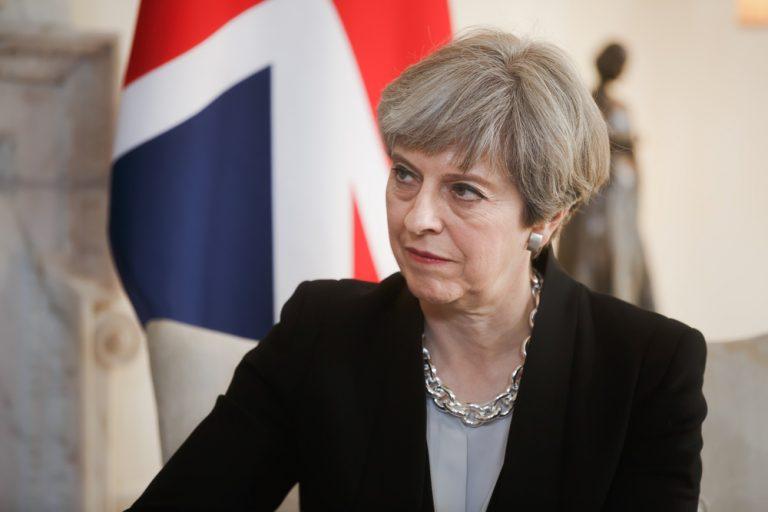
Theresa May has said that the government will review food labelling laws. This is following the death of a teenager caused by an allergic reaction to a Pret a Manger sandwich.
The sandwich was purchased from a Pret a Manger store at Heathrow Airport in 2016. Though the teenager was reassured by the lack of specific allergen information on the label, this information was inaccurate.
Natasha Ednan-Laperouse died following an allergic reaction to the sesame contained in the sandwich. The sandwich’s label did not have any specific allergen information attached.
As a result, the government will enquire into the food labelling responsibilities food outlets have.
Food labelling laws will be revised in order to protect consumers from danger in the future.
The prime minister told the BBC: “We have obviously to look at this issue, we have to look at the responsibility of individual companies as well.” As the law currently stands, any food packaged on-site prior to being sold by a company does not require a specific allergen label attached. Laws such as the current food labelling law are intended to help small businesses, but they also apply to larger outlets such as Pret a Manger. The Environment Secretary, Michael Gove, has told civil servants to investigate further into changing the laws. However, he has not provided a time frame for the new law. Michael Gove additionally said that the current loophole in the law “needs to be addressed”. “We need to look at the whole suit of protections that we give people in order to ensure that all of us can feel safe when buying food, and that our children are safe as well… to ensure that we’ve got safe food that everyone should have a right to.” Last week, Pret a Manger was sued in the US over inaccurate food labelling. The food chain had labelled bread as “natural” though they contained pesticides. This lawsuit also follows the death of Natasha Ednan-Laperouse.Ferguson shares fall 6pc despite profit surge

Ferguson (LON: FERG) shares were among the biggest fallers in the FTSE 100 on Tuesday.
Shares in the plumbing supplies giant were down six percent despite the profit surge and bumper dividend.
The group reported a growth in profits by a third to $1.3 billion in the 12 months to July, which prompted shareholders receiving annual dividends worth $1.89 (146p) a share.
John Martin, Ferguson’s chief executive, said: “The variability of the August to September results is absolutely lost in the noise of the normal growth rates. There is nothing today which suggests this is the start of something unusual – of our 10 percent organic growth last year, some months were down 6 percent, some up 13 percent.”
The group reported growth in all divisions except the UK. Sales in the UK fell five percent and profits fell by a quarter after closing branches and selling the wholesale arm.
On whether Ferguson will sell the UK division, Martin said: “It’s a relatively decent scale business with a relatively decent market position. The underlying market has been weak but we do still generate decent returns on capital and we do think we can do a lot to improve this business.”
Shares in the group are currently trading down 6.16 percent at 6.127,00 (1311GMT).
Italian budget will not be revised despite EU clash
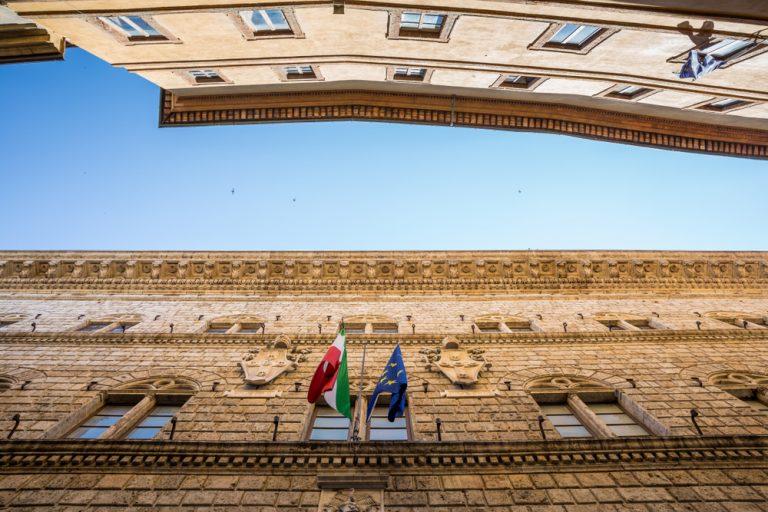
The Italian budget announced last week will not be revised despite pressure from Brussels and its Eurozone partners. In fact, leaders of the Italian coalition government have threatened to sue EU officials over a deepening market sell-off.
Last week, the Italian government agreed to set a budget deficit next year equaling 2.4% of Italian GDP. This went against the country’s finance minister, who advised a 1.6% deficit.
Despite this figure being below the EU’s deficit limit of 3% of GDP, the news was not well received. This is because Italy is the third-largest economy in the Eurozone, and yet has a debt second to Greece. Italy’s debt currently stands at 131% of national output. Equally, under the current budget plan the structural deficit would rise which goes against EU regulations.
The Italian budget’s 2.4% target of economic output is set to remain as such for the next three years.
This figure is triple that set by the previous Italian government. Despite criticism of the budget, deputy prime minister Luigi Di Maio has said: “We are not turning back from the 2.4% target… we will not backtrack by a millimetre”. Formed earlier in June, Italy’s coalition government joins the anti-establishment Five Star Movement and the hard-right League. Luigi Di Maio is the leader of the former of these two parties. Moreover, Di Maio has said that there was “no doubt” the French and German leaders wanted to see the Italian government fall. The lawmaker, Claudio Borghi, even implied that Italy would benefit more from leaving the EU. On Monday, the EU Commission President Jean-Claude Juncker compared Italy’s budget plans to the economic climate in Greece. Italy’s other deputy prime minister and leader of the League, Matteo Salvini, retaliated: “The words and the threats of Juncker and other high EU bureaucrats continue to raise the spread (between Italian and German bond yields). We are ready to seek damages from those who want to harm Italy.” However, Juncker has said that the European Union must remain “strict” with Italy in order to save the euro. Earlier today, the European Commission said that it wanted Italy’s 2019 budget draft to meet European Union budget rules. The EU budget rules are named the Stability and Growth Pact. Under these regulations, Eurozone governments must bring their structural budget balance to balance or surplus. But increasing the deficit is risky given Italy’s large amount of public debt. If the Italian government fails to revise its 2019 budget plan, the Eurozone economy could see a more dramatic slowdown than expected.Vauxhall owner warns consequences of no-deal Brexit
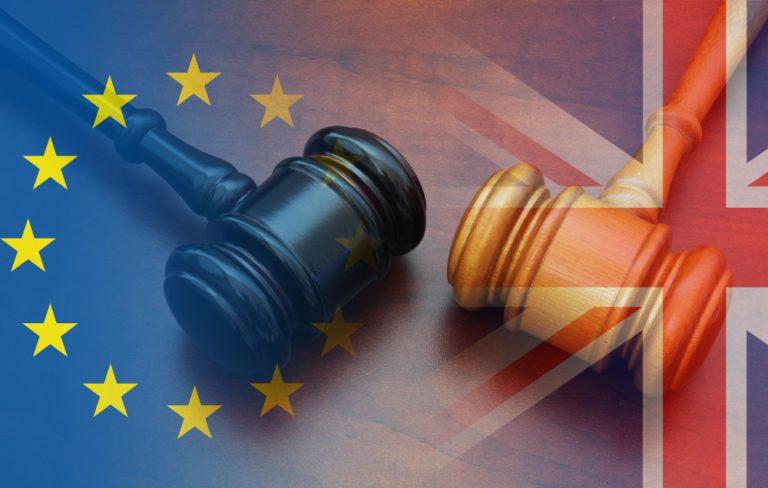
Vauxhall’s owner, Carlos Tavares, has warned the dire consequences for its UK factories in the event of a no-deal Brexit. Whilst Theresa May negotiates the UK’s exit from the EU, Vauxhall’s owner is not alone in expressing fear.
Carlos Tavares has said that Vauxhall’s primary request of the Brexit negotiations is free trade.
In an interview with the BBC at the Paris Motor Show, he said:
“If we don’t have free trade conditions then of course we will have to adapt”.
“That may have dramatic consequences for our operations in the UK, which of course we would like to avoid as much as possible.”
“So for us the situation is crystal clear, we need free trade. That’s the number one request,”
Carlos Tavares is the chief executive of the PSA Group. As well as owning Vauxhall, the group owns Peugeot and Citron and employs 3,000 people across the UK.
The owner of Vauxhall is not alone in expressing fears of the impacts of a no-deal Brexit on the car industry.
Earlier today, Toyota warned that a no-deal Brexit could halt UK production. Equally, BMW has said it will shut its Oxford Mini plant immediately after the official Brexit date for a month. This is to allow the company to enter into the next stages of its Brexit contingency plans. The automobile industry is not the only industry fearing the uncertainty of Brexit. A variety of businesses have decided to move their European headquarters out of London all together. Panasonic, Airbus, JP Morgan, Moneygram, European Medicines Agency, MUFG, Nomura Holdings, Barclays, Bank of America – the list keeps growing. These companies have relocated, or plan to relocate, their European headquarters and take thousands of jobs with them. At 14:37 CEST today, shares in the PSA Group (EPA:UG) were trading at -1.32%. At 15:00 GMT+9 today, shares in Toyota (TYO:7203) were trading at +1.63%. At 14:26 CEST today, shares in BMW (ETR:BMW) were trading at +0.64%.Primera Air leaves passengers stranded amid collapse
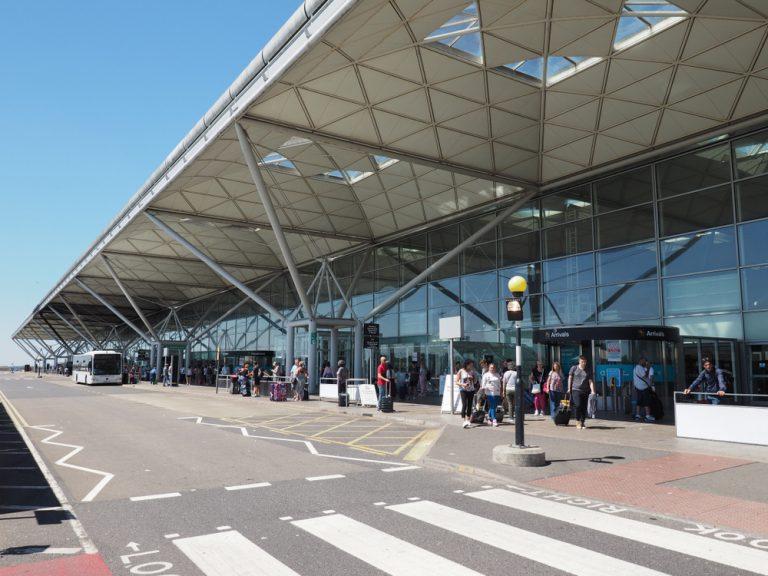
The budget airline, Primera Air, has collapsed. At midnight on Monday, the airline announced that it was terminating all operations.
Earlier this year, the budget airline began offering long-haul flights from the UK. This included flights from London Stansted to Washington and New York in the US.
Flights to the US from Stansted on Monday evening did not depart. Moreover, passengers have been advised not to fly on Tuesday.
The majority of Primera Air’s flights involved flying from Scandinavia to European destinations such as Spain, Greece, Italy and Turkey.
As a result of the airline’s collapse, thousands of passengers have been left stranded abroad.