
“However, France remains a weakness, with like-for-like sales there falling one percent as weaker footfall and the transformation activity at Castorama hit sales,” he added.
Shares in the group fell four percent to 277p in early trading. Kingfisher said that it expects gross margins to increase in the full year.
Debenhams jobs at risk over cost-cutting bid
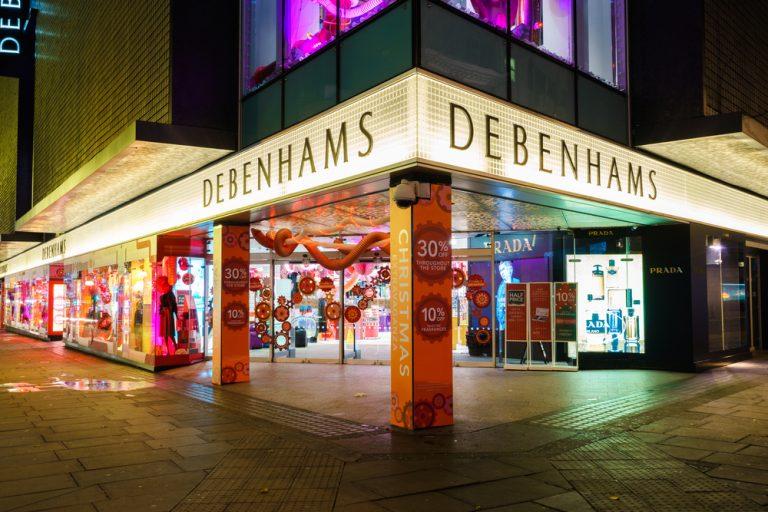
Debenhams is planning to axe at least 90 jobs, with up to a total of 200 jobs at risk.
The struggling retailer is entering talks with employees in its fashion and home departments about potential cuts that will likely affect up to 90 employees.
“Our work to create a simplified and consistent structure across these units, reducing complexity and driving efficiency in order to deliver our Debenhams Redesigned strategy, is continuing,” said a spokesperson for the group.
In June, the Debenhams issued its third profit warning in 2018 and is attempting to cut costs fast to avoid falling into administration.
Following the purchase of House of Fraser by Sport Direct’s (LON: SPD) Mike Ashley, there has been growing speculation of a merger between House of Fraser and Debenhams.
Ashley vowed to transform House of Fraser into the Harrod’s of the High Street after the £90 million buyout last week.
George Wallace, chief executive of MHE Retail, was not convinced this would be too easy.
“The level investment that’s required in those stores to get to a standard where the likes of Gucci and Prada would be prepared to be present is really a massive amount, bearing in mind the size of the stores. Selfridges and Harrods have poured in hundreds of millions of pounds to create an environment supportive of a luxury product,” he said.
“The concept of big department stores in mid-size towns is under serious threat and past its use-by date. Having a luxury department store in a provincial city is not commercially viable.”
Shares in the department store (LON: DEB) are currently trading down 9.26 percent at 12.44 (1609GMT).
Walmart shares up 10pc on strong sales
Online sales at Walmart have surged 40 percent in the last three months, causing shares to soar ten percent ahead of the opening of the New York stock market.
The retailer reported a growth in online sales, boosting overall sales for the company to $128 billion (£101 billion).
“We’re leveraging stores and e-commerce to make shopping faster and more convenient,” said Doug McMillion, the president and chief executive.
The figures posted by Walmart are the biggest jump in sales over the past ten years.
The group however have still reported a $861 million loss due to the pre-tax costs of $4.8 billion after the sale of the 80 percent stake in the group’s Brazilian operations.
Walmart will be focusing now on Asian markets.
“We’re continuing to aggressively roll out grocery pickup and delivery in the US and we recently announced expanded… initiatives in China and Mexico,” said McMillon.
In comparison, Walmart’s subsidiary Asda reported a growth in like-for-like sales by 0.4 percent.
“Our second quarter performance shows continued momentum for 2018 and this is the first quarter we have outperformed the market since 2014,” said Asda boss Roger Burnley.
“We remain focused on… innovation in our own brand, lowering prices and in continuously improving our shopping experience both in store and online.”
Asda and Sainsbury’s (LON: SBRY) will be merging in a move that will overtake Tesco PLC (LON:TSCO) as Britain’s biggest supermarket group if it is approved by competition authorities.
Shares in Walmart (NYSE: WMT) are currently trading at 98.89 (1524 GMT).
Corona beer owner invests $4bn into marijuana grower Canopy Growth
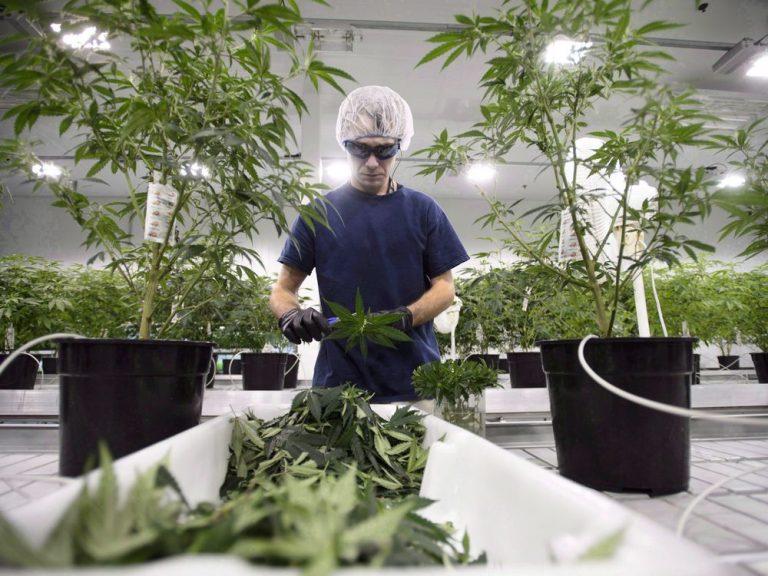
The owner of Corona beer has announced plans to invest $4 billion (£3.15 billion) into the Canadian marijuana grower Canopy Growth Corp.
Constellation Brands is marking the largest investment in the industry, hoping to capitalise on the increasing legalisation of the cannabis worldwide.
“Over the past year, we’ve come to better understand the cannabis market, the tremendous growth opportunity it presents, and Canopy’s market-leading capabilities in this space,” said the chief executive of Constellation Brands, Rob Sands.
Following the news, shares in Constellation Brands fell six percent whilst Canopy Growth shares surged 30 percent.
With the investment, Canopy Growth is hoping to expand its business reach “in the nearly 30 countries pursuing a federally permissible medical cannabis programme”.
Currently producing a range of products including cannabis-based oils, the group is hoping to expand into edible bars and inhalers.
Canopy’s chief executive Bruce Linton said: “This [deal] marks the end of the warm-up in our sector… it’s fully go-time.”
“This is rocket fuel… we’re going to be way more global,” he added.
More and more brewers of alcoholic drinks are starting to add cannabis to beverages, to spice up the slowing business.
Molson Coors Brewing Co. (NYSE: TAP) is working with Hydropothecary Corp. to develop non-alcoholic, cannabis-infused drinks.
Meanwhile, Heineken (EPA: HEIA) NV’s Lagunitas craft-brewing label is introducing a brand of non-alcoholic drinks infused with THC, marijuana’s active ingredient.
Shares in Canopy Growth are currently trading up 1.45 percent at 42.81.
Shares in Constellation Brands (NYSE: STZ) are down 1.63 percent at 204.90.
Kingfisher sales rise 1.6pc during warmer weather
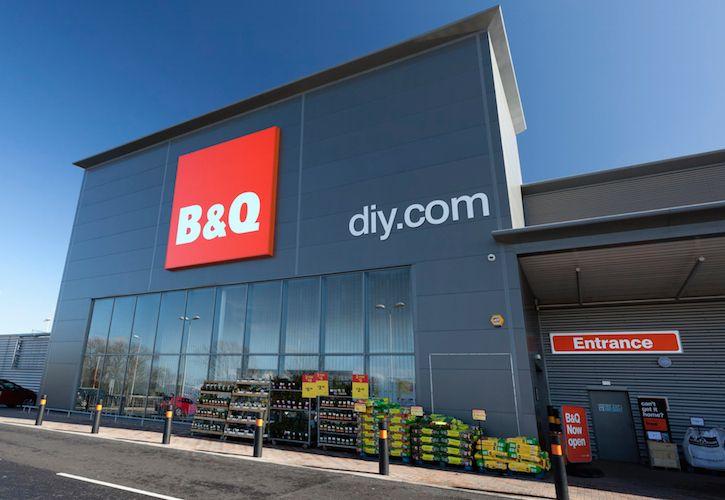
B&Q owner Kingfisher (LON: KGF) has posted a 1.6 percent growth in like-for-like sales during the second quarter.
The company said the growth in sales was helped by the warmer weather. Sales in the first quarter fell by four percent during the wet and snowy weather across Europe.
“In the second quarter, I’m pleased that we grew our sales after the exceptionally harsh weather conditions in the first quarter,” said Veronique Laury, the group’s chief executive.
“In B&Q, Screwfix and Brico Depot France we delivered good sales growth. However, the performance of Castorama France has been more difficult and as a result, we have put additional actions in place to support our full-year performance in France, with the benefits expected to come through in [the second half of the financial year,” she added.
Group sales increased by 3.4 percent to £3.26 billion, increasing from £3.15 billion a year earlier.
Sales in France, however, were down by one percent during the same quarter.
Neil Wilson, the chief analyst at Markets.com, said: “Unusually warm summer lifted sales at Kingfisher in the second quarter, but we still see continued weakness in France that is dragging on the group performance.”
“After the Beast from the East took a nasty chunk out of [first-quarter] sales, this is a welcome return to like-for-like growth. Sometimes retailers can blame it on the weather and in the first half, Kingfisher has had both the good and the bad.”
Uber losses narrow for second quarter
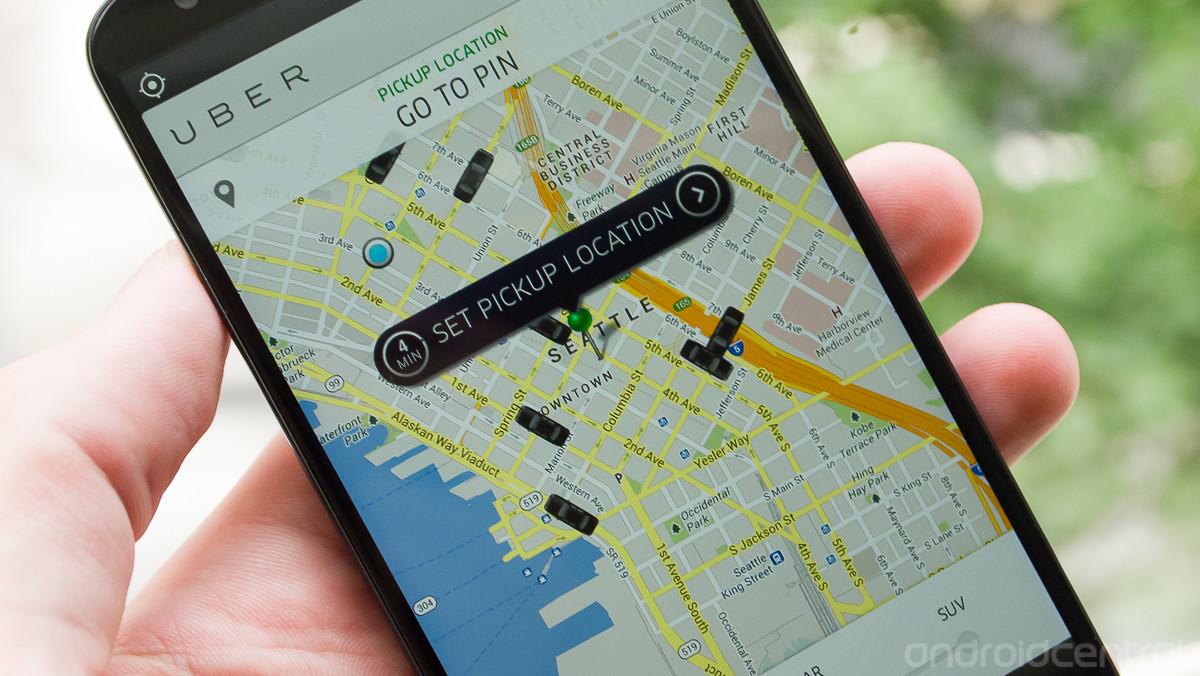
Uber published new results on Wednesday for the second quarter showing narrower losses but still a long way from a profit.
For the three months to June 30, the firm made a loss of $891 million, compared to the $1.1 billion loss a year ago.
Uber made $12 billion in quarterly gross bookings for the second quarter of 2018, including rides and the food-delivery service. This is an increase of 40 percent from the year before.
The group is facing heavy pressure to turn a profit as they prepare for a planned IPO in 2019.
Uber is planning to heavily invest in the Middle East and India, whilst retreating from China, Southeast Asia and Russia where they failed to compete with local competitors.
Despite plans to make a profit, the regulatory pressure in New York and London are hindering growth.
Last week New York voted to impose a temporary cap on new licences for ride-hailing vehicles in order to lower congestion in the city.
“The city’s 12-month pause on new vehicle licenses will threaten one of the few reliable transportation options while doing nothing to fix the subways or ease congestion,” said Uber in a statement.
The New York Taxi Workers Alliance described the vote as a historic victory for its 18,000-member union.
In London, Sadiq Khan said on Wednesday that he hopes that similar restrictions will occur in the UK’s capital.
In a letter to the transport secretary, Chris Grayling, the London Mayor said he was “determined to create a vibrant taxi and private hire market in the capital, with space for all providers to flourish”.
But “the huge increase in private hire drivers on London’s roads in recent years is causing increased congestion, polluting our air and leaving many drivers struggling to make enough money to support themselves and their families,” he added.
July retail sales boosted by warm weather and World Cup

Retail sales grew rapidly in July, thanks to the heatwave and the World Cup.
New figures from the Office for National Statistics (ONS) showed that UK retail sales increased 0.7 percent in July.
“Many consumers stayed away from some High Street stores in July, but online sales were very strong, supported by several retailers launching promotions,” said ONS statistician Rhian Murphy.
“Food sales remained robust as people continued to enjoy the World Cup and the sunshine.”
The strong retail sales are compared to the 0.5 percent decline in June.
Total spending online reached a new record and hit 18.2 percent in July. Clothing sales also recorded their strongest year-on-year growth since December, according to the ONS.
“Of course, retail sales only account for about a third of total household spending, so the strength of spending on the High Street could be offset by households reducing their outlay elsewhere,” said Andrew Wishart, UK economist at Capital Economics.
“Admittedly, still-weak real wage growth will weigh on consumer spending,” he added. “Nonetheless, the retail sales data provides reason to think that consumer spending growth could post a slightly improved performance in the third quarter,” he added.
Following the news, the pound was up 0.24 percent against the dollar at $1.2727.
“The reaction from the pound… has been muted, suggesting that the wider view of the UK economy is still bleak,” said Hamish Muress, the currency analyst at OFX.
“With the chances of a no-deal Brexit scenario high, wage growth shrinking and inflation rising, the Bank of England may find it difficult to follow through on any previous notions of further interest rate hikes in the future.”
“As long as this outlook remains, the pound will continue to be under sustained pressure.”
Revealed: best and worst banks for customer service
For the first time, the Competition and Markets Authority (CMA) has published details of banks compare with rivals.
The competition watchdog ordered lenders in August 2016 to collate the figures twice a year to measure how customers rate their services.
“For the first time, people will now be able to easily compare banks on the quality of the service they provide, and so judge if they’re getting the most for their money or could do better elsewhere,” said Adam Land, senior director at the CMA.
“This is one of the many measures – including Open Banking and overdraft text alerts – that we put in place to make banks work harder for their customers and help people shop around to find the best deals for them.”
With the results published on Wednesday, it was found that Royal Bank of Scotland Group PLC (LON:RBS), Lloyds Banking Group PLC (LON:LLOY) and HSBC Holdings PLC (LON:HSBA) were among the worst performers of the survey.
In first place was First Direct, with 85 percent. First Direct was followed by the Metro Bank (LON: MTRO), where 83 percent of the lender’s customers recommended the bank. Nationwide (LON: NBS) was third with 73 percent recommending the bank.
RBS (LON:RBS) was ranked joint last in the table.
“We are aware we have more work to do in order to improve our service standards and deliver a better experience for our customers,” said a spokesperson.
The Financial Conduct Authority (FCA) has also set out new requirements for information that banks must provide to customers. Information includes details of available services.
“Getting a good deal isn’t just about pricing. It’s also important for customers – including individuals and small businesses – to be able to judge the quality of service around their current account and to see whether other providers could offer something that suits them better. This information should encourage providers to offer the services that people value,” said Christopher Woolard, the executive director at the FCA.
South Korea ban 20,000 BMW vehicles following engine fires
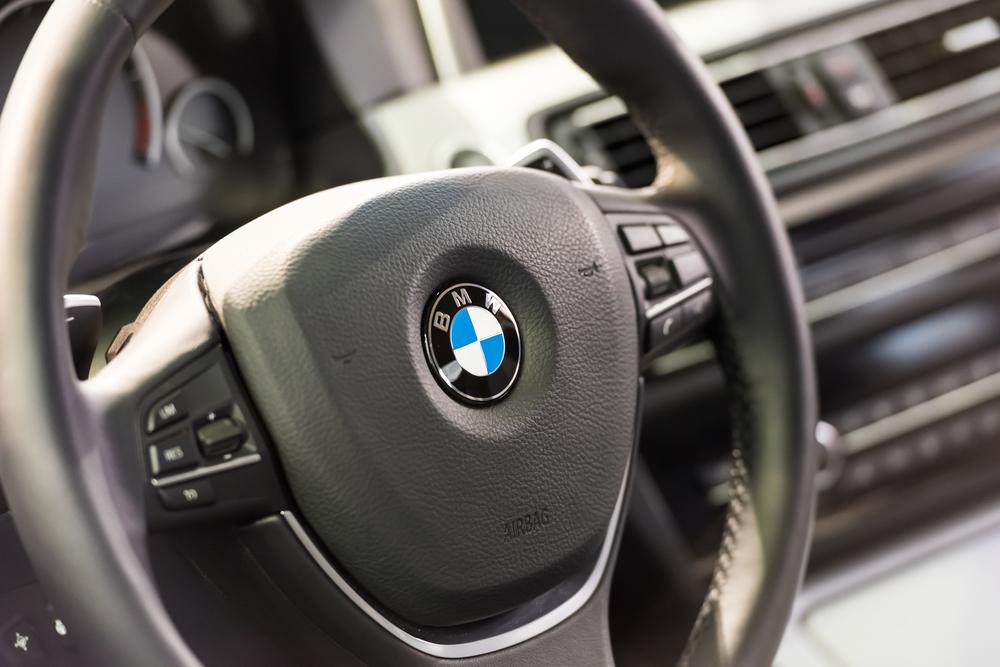
South Korea has announced plans to ban 20,000 BMW (ETR: BMW) cars following public fears surrounding engine fires.
Almost 30 engines have caught fire in 2018 and the ban will apply to those vehicles that have not yet been sent to BMW for safety checks.
Transport Minister Kim Hyun-mee said on Tuesday: “The ministry will ask mayors to order owners of unchecked BMW vehicles to have their cars’ safety checked or to stop driving them.”
“The order will take effect as soon as the owners receive letters from mayors,” he added.
Those who own the affected vehicles are able to drive to the safety checks as the ban is intended for quick safety checks rather than punitive action against those owning the cars.
Officials from the German car-maker have apologised for the engine fires and are carrying out investigations along with the South Korean government.
The group have blamed the fires on to defects in the exhaust gas recirculation system.
The car manufacturer has already recalled 300,000 vehicles this year, extending a UK recall following the BBC’s Watchdog programme that reported the vehicles could cut-off whilst being driven.
In 2017, BMW recalled 36,000 petrol cars over safety issues.
In 2013, the carmaker recalled 500,000 cars in the US, as well as in Australia, Canada and South Africa.
UK executive pay rises 11 percent

Pay of the UK’s top executives has risen 11 percent over the course of the last year, according to a recent survey.
Overall, Britain’s top chief executives received an 11 per cent increase in remuneration last year, with median salary rising to £3.93 million.
The survey reviewed average salaries of FTSE 100 bosses, including base salary and bonuses.
Despite the increase, pay of average full-time workers in the UK rose by a mere 2.5 percent across the same period.
In particular, Large payouts to bosses from Persimmon and Melrose Industries swayed the mean pay figures.
The highest paid boss for the financial year was Persimmon CEO Jeff Fairburn, who received £47.1 million pounds.
The gap between executive and employee pay has widened considerably in recent years, as wage levels continue to stagnate despite rising levels of inflation.
In fact, Wednesday’s ONS figures revealed that inflation rose to 2.5 percent in July, placing further pressure on everyday workers.
The figures comes amid a crackdown by the government on “excessive” executive pay.
In an article for the Mail on Sunday, The Prime Minister denounced “excesses” of business bosses, which was “damaging the social fabric of our country”.
The study was collated by the Chartered Institute of Personnel and Development (CIPD) and the High Pay Centre thinktank.
Peter Cheese, chief executive of the CIPD, said: “Despite increased investor activism and the planned introduction of pay ratio reporting, the evidence suggests that very little is changing when it comes to top pay in the UK.
“It’s disappointing to see that CEO pay has held up in the face of increasing pressure when average pay across the workforce has barely shifted in recent years.
“Given the ongoing issues of trust in big businesses and a push for greater transparency, it really is time businesses and boards put greater scrutiny on high pay, and that they think much more objectively about what they are rewarding CEOs and how.”
Premier Veterinary Group shares soar after major contract signing

Premier Veterinary Group shares (LON:PVG) soared after the company said it had completed a major US contract signing.
The company said that on an initial basis, the contract is set to introduce PVG’s preventative healthcare programme for pet to 15 of the Customer’s animal hospitals.
According to the statement, the customer operates over 140 hospitals across 25 States, signalling significant potential for PVG to reach its target market.
Following the pilot period, which is expected to last between three and six months, the contract may be extended to a 3-year term with a full roll out to all of the customer’s animal hospitals.
Dominic Tonner, Chief Executive Officer of Premier Veterinary Group, commented on the news:
“I am delighted to announce this deal which will help propel the business forward with a large and well respected US corporate consolidator. It is clear vindication and reward for the unswerving focus the team have for the business and the changes we have implemented to satisfy the US market.”
Back in June, Premier Veterinary Group said that first-half losses for the year worsened as business in the US continued to disappoint.
According to the results, Premier Veterinary Group said losses for the period came to £1.9 million. Meanwhile, revenue increased 33 percent to £1.54 million.
Following the news, Premier Veterinary Group shares rose as much as 10 percent.