
Tesco set for ‘strategic alliance’ with Carrefour
Following the planned £12 billion merger of rivals Sainsbury’s (LON:SBRY) and Asda (NYSE:WMT), Tesco (LON:TSCO) and French supermarket Carrefour (EPA:CA) plan to form an alliance to buy products and lower prices.
The proposed deal with Carrefour comes after Tesco’s recent £3.7 billion takeover of wholesaler, Booker. The deal sets out a plan to cooperate on product sourcing and purchasing, with ambitions to widen the range of products they have on offer while reducing prices.
Tesco chief executive, Dave Lewis, said, “By working together and making the most of our collective product expertise and sourcing capability, we will be able to serve our customers even better, further improving choice, quality and value.”
After share price appreciation in June, the first day of July’s trade has seen a modest rally from 256p to 257.1p.
The company’s market share is down 0.2 percent on this period last year but sales are up 1.4 percent. Citigroup, Deutsche Bank and HSBC have a ‘buy’ stance on the stock, while Shore Capital have already reiterated their ‘buy’ stance for Tesco stock in July.
Tesco are outperforming Sainsbury’s and hope lower prices will help them compete with Aldi and Lidl. Steps will have to be taken to mitigate the threat posed by Amazon’s move into food sales, with their recent purchase of Whole Foods and the creation of Amazon Go.
AstraZeneca shares drop after new cancer treatment approval
AstraZeneca (LON:AZN) sees its share price down as markets start July’s trade, adding to June’s dip, despite announcing the approval of Lynparza and Imfinzi.
Shares currently stand at 5,201p after receiving approval from the Japanese Ministry of Health for their new breast and lung cancer treatments.
Following AstraZeneca and Merck and Co’s (NYSE:MRK) successful test of their ovarian cancer treatment – Lynparza – last Wednesday, the firm’s share price bounced from lows of 5,155p.
This morning, the Lynparza tablet was approved for use as a treatment for patients with epidermal growth factor receptor negative breast cancer, who have already received chemotherapy.
“Earlier this year, Lynparza became the first PARP inhibitor available in Japan for advanced ovarian cancer. Now patients in Japan with BRCA-mutated, metastatic breast cancer will also have the opportunity to benefit from Lynparza”, said Dave Fredrickson, Executive Vice President, Head of the Oncology Business Unit at AstraZeneca.
In an independent venture, AstraZeneca also announced this morning that the Japanese Ministry for Health had approved their drug durvalumab – marketed as Imfinzi – used as maintenance therapy after definitive chemoradiation therapy, in locally-advanced, unresectable, non-small cell lung cancer.
“As the only immunotherapy approved in the curative-intent, Stage III lung cancer setting, Imfinzi has the potential to change the treatment paradigm for patients diagnosed with this disease”, said Dave Fredrickson.
Analysts have recently upgraded Astra’s price targets following a year of under-performance against the FTSE 100, though they and GlaxoSmithKline outperformed their FTSE counterparts this weekend. Astra is up just 0.8 percent over the past 52 weeks compared to a 2.5 percent rise in the FTSE 100.
Last week, Citigroup reiterated their ‘buy’ stance on the stock, whilst UBS and Shore Capital have a neutral stance.
The success of their oncology research and treatments will play an integral role in their success in the coming months, especially as their older drugs continue to be priced out of the market by new competition.
BAE Systems wins billion pound contract with Australian government
Shares in British defence giant BAE Systems (LON:BA) rose over 3 percent in early trading on Friday, after the group announced it had won a contract from the Australian government to build nine warships.
BAE beat rival companies to the win, including firms from Italy and Spain, to win a large proportion of the £19.6 billion contract.
The construction of the ships will take place in Australia, overseen by the Australian arm of the group.
“We are proud to have been selected as preferred tenderer to provide the Royal Australian Navy with a world-class ship, equipped with the latest technologies and designed specifically to meet its needs,” BAE Systems Australia chief executive, Gabby Costigan said.
The ships will be based on the anti-submarine frigates that BAE is currently building for the UK’s Royal Navy.
The deal will come as a positive sign to the government, in their desire to prove the UK can benefit from trade relationships outside of the EU. UK Prime Minister Theresa May said the deal was an “enormous boost” and epitomised the government’s strategy to “build on our close relationships with allies like Australia”.
Shares in BAE Systems are currently up 3.32 percent at 653.00 (0905GMT).
MX Oil shares dip on wider losses

Oil producer MX Oil (LON:MXO) saw shares take a hit on Friday, after reported larger than expected pre-tax losses.
A rise in operating costs offset rising revenue, with pre-tax losses hitting £3.4 million over the full year. This is compared to losses of £1.3 million in 2016.
The AIM-quoted oil producer, who are focused largely on Nigeria, said they were currently checking out the potential of new oil wells, as well as renewing an existing licence for a further twenty years.
“Subject to the outcome of this modelling work and the renewal of the OML 113 licence, the company expects to see further development drilling in 2019, with a view to progression to a full-scale oil and gas integrated project thereafter”, the group said.
Shares in MX Oil are currently trading down 1.53 percent at 0.42 (0857GMT).
Daily Mirror owner Reach boosted by acquisition of other tabloids
Daily Mirror publisher Reach (LON:RCH) said expected a boost in first half revenue, after acquiring rival tabloids Daily Express and the Daily Star.
First-half revenue is expected to grow by 11 percent revenue in the 26 weeks to July 1st, but on a like-for-like basis excluding the acquired assets was expected to fall by 8 percent.
Had the new assets been owned from the beginning of 2017, revenue on a like-for-like basis would have been expected to fall by 7 percent, with print declining by 9 percent but partially offset by their digital offering, growing by 5 percent.
Reach announced the £127 million deal back in February, bringing together tabloids from opposite ends of the political spectrum in an attempt to combat the declining publishing sector.
Reach confirmed that it expected full-year performance to be in line with expectations.
“We have seen some improvement in May and June driven by stronger national print advertising,” chief executive Simon Fox said.
“Following the welcome clearance by the Secretary of State, we will start the process of integrating Express & Star in order to accelerate the benefits that our combined scale will deliver.”
Shares in Reach (LON:RCH) are currently trading up 3.55 percent at 78.70 (0851GMT).
UK Oil & Gas shares up 10pc despite high first half losses
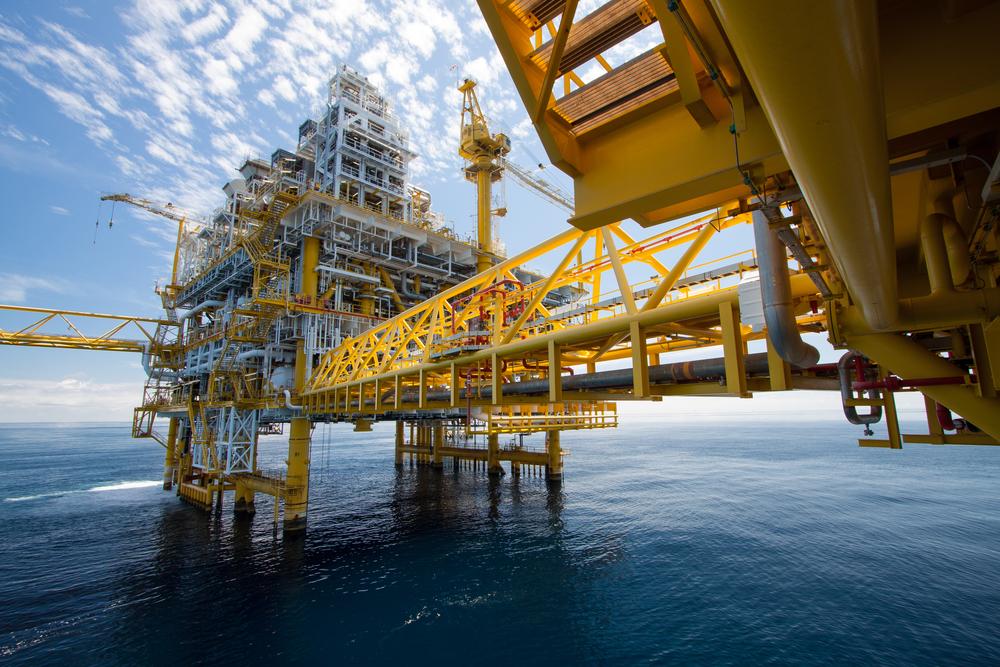
UK Oil & Gas Investments reported high first-half losses on Friday, as well as writing down major assets in Kimmeridge Oil & Gas.
Pre-tax losses for the six months through March stood at £4.4 million, compared to losses of £1.1m on-year. The company said the written down assets were was mostly related to Kimmeridge Oil & Gas, specifically costs associated with drilling an unsuccessful well..
Investment in both exploration and evaluation assets and oil and gas properties increased to £5 million throughout the half year period.
On Thursday the group said it had issued 65.1 million shares to Cuart Investments PCC Ltd and YA II PN Ltd, in a £750,000 loan conversion.
UK Oil & Gas shares traded up 17 percent at 1.61 pence each after the announcement. Following the shares’ admissions to trading, the outstanding amount of the loan will be £1.8 million.
Shares in UK Oil & Gas (LON:UKOG) are currently trading up 10.75 percent at 1.86 (0844GMT).
John Laing maintain full year outlook, shares rise

Infrastructure investment manager John Laing (LON:JLG) maintained its full-year outlook on investment commitments on Friday, sending shares up over 2 percent in early trading.
The group said their commitments would be weighted toward the second half of the year, but that it continued to expect them to total £250 million for the full-year 2018.
Total investment commitments of £40 million had been received in 2018 to date.
Earlier this year, the group has sold its remaining 15 percent shareholding in Phase 1 of IEP, the initiative to replace tired trains on the UK’s East Coast Main Line and Great Western Main Line, for £232 million.
“Following our rights issue in March and the sale of our interest in IEP (Phase 1), we have the financial flexibility to take advantage of our strong pipeline of opportunities,” said Olivier Brousse, John Laing’s Chief Executive Officer.
“Our focus is to continue to grow in a managed way by ensuring we select the projects with the best risk-adjusted returns and that we work with the best partners,” he said.
Shares in John Laing Group are currently trading up 0.98 percent at 266.80 (0828GMT).
Fastjet shares up 112pc on full year results
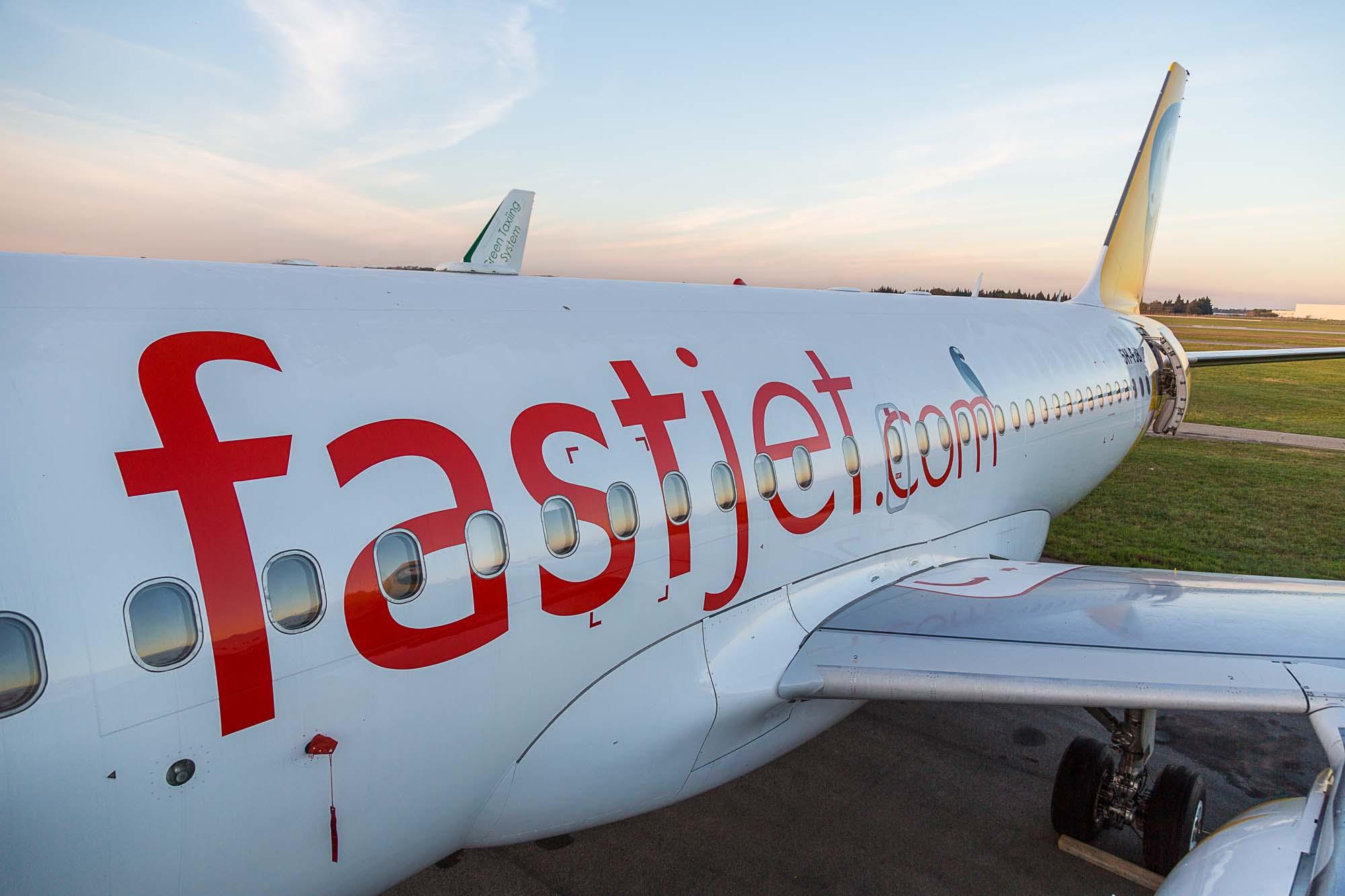
Troubled budget airline Fastjet (LON:FJET) reported a slump in revenue on Friday, after a significant fall in passenger numbers.
The group’s losses narrowed in the year to December, but revenue fell by 32.6 percent to hit $46.2 million. Operating losses were 61 percent lower at $25.3 million, compared with $65.6 million the previous year.
Revenue per seat rose 30 percent to $60.9 from $46.9, but the airline blamed the fall in total revenue on weaker passenger numbers, which fell 31 percent for the year compared to the previous year.
The weak results will come as a disappointment to investors, who are already on edge after an announcement earlier this week that said that without an injection of funds, the airline could go under.
“In 2017, the successful implementation of our Stabilisation Plan saw us realign our network, withdraw from loss making routes, reconfigure our fleet, migrate the Group’s headquarters to Africa, and significantly reduce our cost base. These actions have resulted in a substantially reduced loss for 2017,”said Nico Bezuidenhout, fastjet Chief Executive Officer.
“As part of our targeted network expansion strategy, the first fastjet branded flight in Mozambique took off last November and over the next 18 months we have a programme of further measured expansion of services in Mozambique and, subject to appropriate fleet expansion, new services in South Africa.”
Shares in Fastjet are currently trading up 112 percent on the news, at 6.90 (0823GMT).
BHP Billiton agree to pay $211 million to fund supporting Samarco dam victims
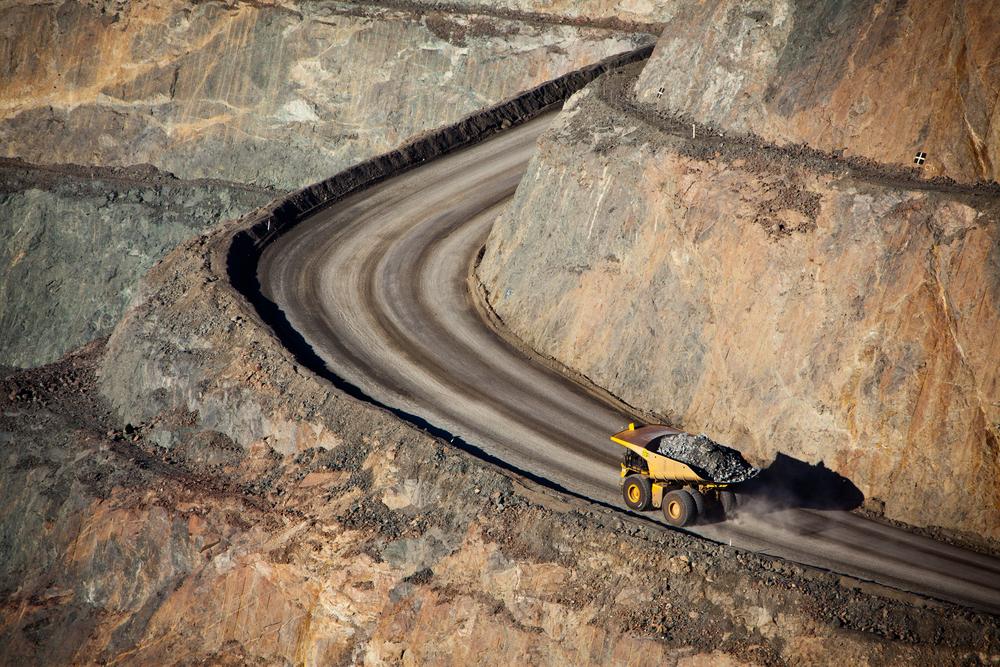
Mining giant BHP Billiton (LON:BLT) have agreed to pay $211m to a fund supporting victims of the Samarco dam disaster, after years of negotiation.
On Friday the group announced it had agreed to fund the support until the end of the year, paying a total of $158 million to the Renova Foundation. This will go towards helping the victims of the disaster, which took place when BHP Billiton’s Samarco dam collapsed in 2015.
The other $53m wull be made available to Samarco to carry out ongoing repair works, maintain Samarco’s facilities and support restart planning, BHP said.
The announcement comes just after Samarco and parent companies Vale SA and BHP Billiton Ltd signed a deal with Brazilian authorities that settles a 20 billion reais lawsuit related to the incident.
The dam burst when it was found that a structural change in its engineering was the cause of the failure that killed 19 people. Since the disaster, BHP Billiton said it had reviewed 10 of its biggest tailings dams and found they were stable, but was taking steps to improve risk management.
Shares in BHP Billiton are up 2.90 percent on the news, trading at 1,737.00 (0814GMT).
Serco expect boost to underlying profit, despite revenue fall

Security services group Serco (LON:SRP) said it expected a rise in underlying profit for the full year, despite “less than ideal” market conditions.
Underlying trading profit for the first half is expected to rise by about 20 percent on-year, and for the full year rise to £80 million, up from £69.3 million a year earlier.
Revenue is forecast to fall, however, down by £2.95 billion to hit £2.7 – £2.8 billion. The results for the first half of 2018 would include adverse currency impacts of around £60 million for revenue and £3-4 million for trading profit.
“As expected, the revenue reduction is driven largely by contracts that ended in 2017, whereas the profit increase is driven by transformation savings,” Serco said.
“We therefore do not anticipate any material change to analyst consensus for underlying trading profit for 2018, although, as we have previously stated, there remains a wide range of potential outcomes reflecting the sensitivity of our profits to even small changes in revenues and costs, as well as further movements in currency during the second half of the financial year.”
Serco said order intake continued to be ‘strong’ and reach over £1.5 billion in the first half, with the group expected to take responsibility for facilities management services at six major NHS hospital sites previously contracted to failed company Carillion.