
Wetherspoons to quit all social media
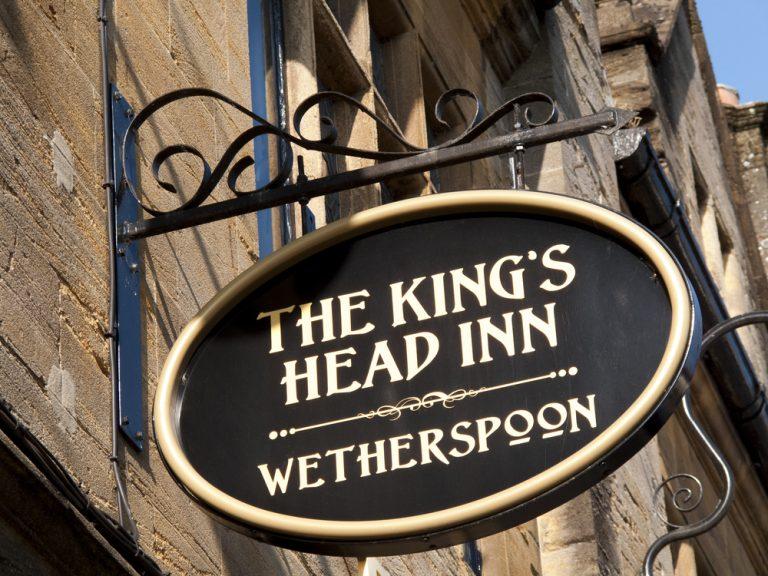
JD Wetherspoon (LON: JDW) has announced that it is quitting all social media including Facebook (NASDAQ: FB) and Twitter (NYSE: TWTR).
The move comes in response to the “trolling” of some MPs but the decision has been met with criticism and claims of a publicity stunt.
“We are going against conventional wisdom that these platforms are a vital component of a successful business,” wrote the group’s chairman Tim Martin in a tweet that is no longer available.
“I don’t believe that closing these accounts will affect our business whatsoever, and this is the overwhelming view of our pub managers.”
“It’s becoming increasingly obvious that people spend too much time on Twitter, Instagram and Facebook, and struggle to control the compulsion. We will still be as vocal as ever through our Wetherspoon News magazine, as well as keeping the press updated at all times,” he added.
The 900 pubs and head office will quit social media with immediate effect and no jobs will be affected by the decision.
Martin has said that leaving social media platforms is a response to online abuse made to MPs, particularly those from religious or ethnic minorities.
He told BBC Radio 5 Live that he thinks quitting social media would be good for society.
Martin said that is people “limited their social media to half an hour a day, they’d be mentally and physically better off”.
“I find most people I know waste their time on it. A lot of them say they know they waste their time on it, but they struggle to get off it.”
The group’s chairman reassured that JD Wetherspoons would remain vocal and keep customers up to date via the Wetherspoon website and app.
Househould spending drops to weakest level since 2012

Household spending fell to its weakest level since 2012 during the first quarter of the year, as poor weather and waning consumer confidence discouraged shoppers from spending money.
According to the UK Consumer Spending Index published today by Visa, spending fell by 1.4 percent year-on-year across the first three months of the year. This was the worst quarterly performance recorded in five years.
March was the hardest hit month, with overall consumer spending falling by 2.1 percent as a results of unseasonably winter weather and the ‘Beast from the East’. face-to-face spending on the high street was down by 3 percent year-on-year.
Online spending also fell, dropping by 1.2 percent annually, recording the first month in ten that it has seen a decline.
Mark Antipof, chief commercial officer at Visa, said: “The negative impact that the Beast from the East had on UK economic activity last month has been widely reported, but this doesn’t entirely explain March’s lacklustre consumer spending.
“We are in the midst of a dip in consumer confidence and this – coupled with other economic factors – is causing shoppers to continue to restrain themselves.
“High street sales suffered once again, however it is also noteworthy that e-commerce spend fell for the first time in 10 months, and by its fastest rate since 2012.
“That said, it is too early to read a great deal into this year-on-year decline, which should be viewed in the context of high growth rates in early 2017.”
Avacta reports widening losses, despite revenue boost

Biology research group Avacta reported widening losses on Monday, despite an increase in half year revenues across the business.
Administration costs rose to £4 million over the course of the period, up from £3.50 million previously, a direct result of its Life Sciences division’s attempts to deliver on growth plans.
Operating losses widened to £4.5 million as research and development costs weighed. Half year revenues increased, however, by 16 percent to £1.5 million.
The firm maintained its focus on generating clinical data for its lead Affimer therapeutic programme, saying that its pipeline of assets in its immuno-oncology division could be ‘potentially transformative’ as it heads towards 2020.
“The group has delivered strongly against the objectives set out in 2015 when it raised funds to initiate an Affimer drug development programme and to begin commercialisation of Affimer reagents,” the firm said.
“We will continue to grow the Affimer reagents revenue during this time period, with a focus on long term recurring royalty revenue rather than short term services income, with the objective of creating a potentially stand-alone business unit,'” its chief executive officer, Alastair Smith, commented.
Shares in Avacta (LON:AVCT) are currently trading down 0.17 percent at31.94 (0841GMT).
Supermarket Income REIT meets investor expectations with dividend payout
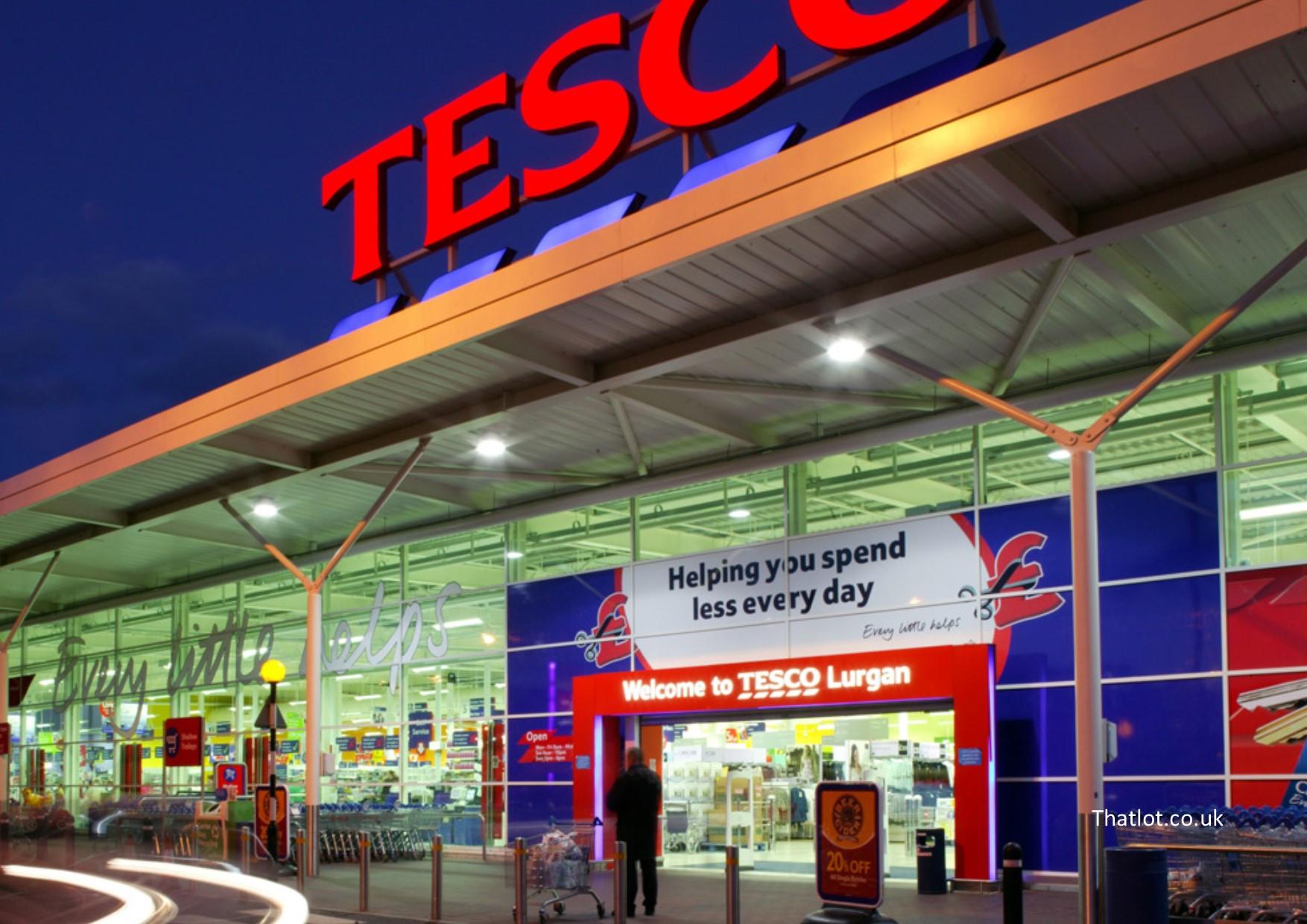
Grocery sector investor Supermarket Income REIT (LON:SUPR) announced that it invested £210.5 million in four supermarket assets in the first quarter, with dividend payments meeting its annual payout guidance.
The property investment company, aimed at offering investors a slice of the grocery market through exposure to supermarket real estate assets, declared a dividend for the three months through March of 1.375p per share and said it still expected to pay annualised dividends of 5.5p per share.
The group’s chief investment advisor, Ben Green, said, “Since our IPO in July 2017, Supermarket Income REIT has rapidly built a portfolio of high quality UK supermarket property generating attractive inflation-linked income for shareholders.
“During the quarter, we concluded two rent reviews with increases of 3.9 percent, demonstrating the value of the contracted RPI linkage in our leases.”
The company’s investment properties were independently valued on 31 March at £210.5 million, representing an increase of 4.5% above their aggregate acquisition price. The group has invested so far in three Tesco stores, in Thetford, Cumbernauld and Bristol, and a Sainsbury’s in Ashford, Kent.
Shares are currently trading down 0.25 percent at 100.75 (0832GMT).
Servier buys Shire arm for £2.4 billion

FTSE 100 biotech company Shire (LON:SHP) has made a $2.4 billion deal with international pharmaceutical company Servier for the sale of its Oncology business.
Shire chief executive Flemming Ornskov said that while the Oncology business had delivered “high growth and profitability, we have concluded that it is not core to Shire’s longer-term strategy”.
“We will continue to evaluate our portfolio for opportunities to unlock further value and sharpen our focus on rare disease leadership with selective disposals of non-strategic assets.”
Shire has already been the subject of some takeover speculation, with the CEO of Takeda, Japan’s largest drugs firm by sales, flying to the US last week to drum up shareholder support for an offer.
Sir Martin Sorrell steps down from WPP after misconduct allegations

Shares in advertising agency WPP (LON:WPP) sunk over 5 percent at market open on Monday, after its chief executive announced his resignation over misconduct allegations.
The group confirmed that Sir Martin Sorrell had chosen to step down in a statement originally released on Saturday, less than a week after the announcement of a misconduct allegation.
WPP continued to say that the allegations of financial misconduct ‘did not involve amounts that are material’.
Sorrell, who started the world’s biggest advertising group over 30 years ago, said: “Obviously I am sad to leave WPP after 33 years. It has been a passion, focus and source of energy for so long. However, I believe it is in the best interests of the business if I step down now.”
The group’s chairman Roberto Quarta said Sorrell had been the driving force behind WPP’s expansion and thanked him for his “commitment to the business over more than three decades”.
Whilst Sorrell will not get a payoff or pension, as written in the terms of his contract, he may be set to make around £19 million from interests in WPP shares.
His remaining entitlement to long-term share bonus awards means the maximum number of shares Sir Martin may be awarded if WPP meets targets is 1.65 million, worth around £19 million.
Shares in WPP are currently trading down 4.26 percent on the news at 1,137.5 (0808GMT).
Slough: The Crossrail Effect

Since before its construction began in 2009, Crossrail has been highly anticipated as a game-changing railway line that could have a positive and significant impact on London and the South East.
Set to be fully operational by December 2019, such is Crossrail’s forecasted impact through improving access into the Capital – by bringing 1.5 million more people within a 45-minute commute, it has already had a noticeable effect on investment into locations along its route and, subsequently house prices. And not in just a handful of places, but across all towns along its route.
Indeed, since 2009 all areas located within one mile of a confirmed Crossrail station have seen house prices increase by upwards of 66%. By 2020 – one year into the line’s operation – these prices are predicted to rise by another 35%.
 One town in particular that has benefitted from being situated along this line is Slough in Berkshire. Once considered a ‘joke’ town, known best as the dreary suburb that was the setting for British sitcom ‘The Office’, Slough has not only seen an unprecedented rise in house prices – in 2017 alone house price growth reportedly hit 13.8% – but in 2017 it was named as the best place to live and work in the UK in a survey by employment website Glassdoor.
Of course, looking closely at what it is about Slough that has suddenly grown in appeal, it’s fairly easy to see. The town is home to the largest concentration of global headquarters outside of London, including 02, Telefónica, Amazon and Mars and projects totalling more than £450 million are well underway to completely transforming the town’s retail, commercial, leisure and residential offering.
The town is also already within a short commutable distance of Heathrow Airport, making overseas travel easy and providing employment for many Slough residents. Now that Crossrail is about to make access between Slough and the Capital so much quicker and easier, its appeal as an affordable alternative to life in the Capital is skyrocketing.
This all bodes well for property investors looking for opportunities outside of London that are not only more affordable but offer serious potential for high yields and capital growth far beyond Crossrail.
Leading UK property developer SevenCapital is running a seminar looking at ‘the Crossrail Effect’, specifically on Slough, on Wednesday April 18th at the Hilton London Paddington. Joined by JLL Residential Research Director Neil Chegwidden, who authored JLL’s report into Crossrail’s effect on house prices along the Commuter Belt, the seminar will cover:
Crossrail’s effect on property prices and regeneration around the Commuter Belt
Which areas along the Crossrail route have become investment hotspots
Residential developments within Slough and the surrounding area
Property value forecasts
To book your free place at this seminar visit SevenCapital’s website.
For more information on SevenCapital visit www.sevencapital.com.
One town in particular that has benefitted from being situated along this line is Slough in Berkshire. Once considered a ‘joke’ town, known best as the dreary suburb that was the setting for British sitcom ‘The Office’, Slough has not only seen an unprecedented rise in house prices – in 2017 alone house price growth reportedly hit 13.8% – but in 2017 it was named as the best place to live and work in the UK in a survey by employment website Glassdoor.
Of course, looking closely at what it is about Slough that has suddenly grown in appeal, it’s fairly easy to see. The town is home to the largest concentration of global headquarters outside of London, including 02, Telefónica, Amazon and Mars and projects totalling more than £450 million are well underway to completely transforming the town’s retail, commercial, leisure and residential offering.
The town is also already within a short commutable distance of Heathrow Airport, making overseas travel easy and providing employment for many Slough residents. Now that Crossrail is about to make access between Slough and the Capital so much quicker and easier, its appeal as an affordable alternative to life in the Capital is skyrocketing.
This all bodes well for property investors looking for opportunities outside of London that are not only more affordable but offer serious potential for high yields and capital growth far beyond Crossrail.
Leading UK property developer SevenCapital is running a seminar looking at ‘the Crossrail Effect’, specifically on Slough, on Wednesday April 18th at the Hilton London Paddington. Joined by JLL Residential Research Director Neil Chegwidden, who authored JLL’s report into Crossrail’s effect on house prices along the Commuter Belt, the seminar will cover:
Crossrail’s effect on property prices and regeneration around the Commuter Belt
Which areas along the Crossrail route have become investment hotspots
Residential developments within Slough and the surrounding area
Property value forecasts
To book your free place at this seminar visit SevenCapital’s website.
For more information on SevenCapital visit www.sevencapital.com.
 One town in particular that has benefitted from being situated along this line is Slough in Berkshire. Once considered a ‘joke’ town, known best as the dreary suburb that was the setting for British sitcom ‘The Office’, Slough has not only seen an unprecedented rise in house prices – in 2017 alone house price growth reportedly hit 13.8% – but in 2017 it was named as the best place to live and work in the UK in a survey by employment website Glassdoor.
Of course, looking closely at what it is about Slough that has suddenly grown in appeal, it’s fairly easy to see. The town is home to the largest concentration of global headquarters outside of London, including 02, Telefónica, Amazon and Mars and projects totalling more than £450 million are well underway to completely transforming the town’s retail, commercial, leisure and residential offering.
The town is also already within a short commutable distance of Heathrow Airport, making overseas travel easy and providing employment for many Slough residents. Now that Crossrail is about to make access between Slough and the Capital so much quicker and easier, its appeal as an affordable alternative to life in the Capital is skyrocketing.
One town in particular that has benefitted from being situated along this line is Slough in Berkshire. Once considered a ‘joke’ town, known best as the dreary suburb that was the setting for British sitcom ‘The Office’, Slough has not only seen an unprecedented rise in house prices – in 2017 alone house price growth reportedly hit 13.8% – but in 2017 it was named as the best place to live and work in the UK in a survey by employment website Glassdoor.
Of course, looking closely at what it is about Slough that has suddenly grown in appeal, it’s fairly easy to see. The town is home to the largest concentration of global headquarters outside of London, including 02, Telefónica, Amazon and Mars and projects totalling more than £450 million are well underway to completely transforming the town’s retail, commercial, leisure and residential offering.
The town is also already within a short commutable distance of Heathrow Airport, making overseas travel easy and providing employment for many Slough residents. Now that Crossrail is about to make access between Slough and the Capital so much quicker and easier, its appeal as an affordable alternative to life in the Capital is skyrocketing.
 This all bodes well for property investors looking for opportunities outside of London that are not only more affordable but offer serious potential for high yields and capital growth far beyond Crossrail.
Leading UK property developer SevenCapital is running a seminar looking at ‘the Crossrail Effect’, specifically on Slough, on Wednesday April 18th at the Hilton London Paddington. Joined by JLL Residential Research Director Neil Chegwidden, who authored JLL’s report into Crossrail’s effect on house prices along the Commuter Belt, the seminar will cover:
Crossrail’s effect on property prices and regeneration around the Commuter Belt
Which areas along the Crossrail route have become investment hotspots
Residential developments within Slough and the surrounding area
Property value forecasts
To book your free place at this seminar visit SevenCapital’s website.
For more information on SevenCapital visit www.sevencapital.com.
This all bodes well for property investors looking for opportunities outside of London that are not only more affordable but offer serious potential for high yields and capital growth far beyond Crossrail.
Leading UK property developer SevenCapital is running a seminar looking at ‘the Crossrail Effect’, specifically on Slough, on Wednesday April 18th at the Hilton London Paddington. Joined by JLL Residential Research Director Neil Chegwidden, who authored JLL’s report into Crossrail’s effect on house prices along the Commuter Belt, the seminar will cover:
Crossrail’s effect on property prices and regeneration around the Commuter Belt
Which areas along the Crossrail route have become investment hotspots
Residential developments within Slough and the surrounding area
Property value forecasts
To book your free place at this seminar visit SevenCapital’s website.
For more information on SevenCapital visit www.sevencapital.com. Rolls-Royce shares down slightly on further engine testing

Rolls-Royce (LON:RR) shares sunk in early trading on Friday, after warning engine customers that it would be conducting further inspections of its Trent 100 Package C series.
The further inspections are likely to cause more disruption to customers, as well as increasing cash costs for Rolls-Royce.
However, the company sought to calm investors by saying it would absorb the costs by ‘reprioritising various items of discretionary spend’.
The warning comes after previous indications from Rolls-Royce that there were reliability issues with the engines’ compressor systems.
“We sincerely regret the disruption this will cause to our customers and our team of technical experts and service engineers is working around the clock to ensure we return them to full service as soon as possible,” chief executive Warren East said.
“We will be working closely with Boeing and affected airlines to minimise disruption wherever possible.”
The company maintained its guidance for 2018 free cash flow at £450 million, give or take £100 million.
Shares in Rolls-Royce are currently trading down 1.82 percent at 865.20 (0853GMT).
Hammerson shares fall as Klepierre pulls out of further bids

Shares in property developer Hammerson (LON:HMSO) tumbled on Friday morning, after European shopping centre group Klepierre abandoned its attempts to make a deal.
Hammerson rejected another bid from rival Klepierre earlier this week, after the group made a revised bid of 635p per share, consisting of 50pc cash and 50pc in new Klépierre shares.
Hammerson, who own the Birmingham Bull Ring centre, said the deal “significantly undervalued” their company and turned it down.
On Friday morning Klepierre confirmed its decision decision to pull out of any further deal talks, ahead of its deadline on April 16, 5.00 p.m. A successful takeover of Hammerson by Klépierre would have got in the way of the £3.4bn all-share deal made earlier this year between Hammerson and Intu.
Hammerson’s share price is currently down 12.54 percent at 454.80 (0840GMT).
Sage Group shares tumble 15pc as revenue flags

Shares in software company Sage Group (LON:SGE) fell 15 percent on Friday morning, after first half revenue growth missed expectations for the six months to March.
The group downgraded its annual guidance on the back of the results, with ‘inconsistent operational execution’ leading to a revenue rise of 6.3 percent over the period, instead of the 7.4 percent growth recorded a year earlier.
The group attributed the fall to lower recurring revenue growth, as well as the loss of several contracts in its Sage’s enterprise software division.
Full-year guidance was cut to around 7 percent organic revenue growth, down from 8 percent, but operating margin guidance was maintained at 27.5 percent.
The software group were hit by weaker software subscriptions in the first half, with growth in the area falling to 25.3 percent, from 30.6 percent.
Chief executive Stephen Kelly said the group’s broad market opportunity remained unchanged.
“The revised revenue guidance targets for financial year 2018 reflect both the performance in the first half, but also our diligence in ensuring that we focus on recurring revenue to drive sustainable acceleration throughout the rest of the year as a platform into financial year 2019,” he commented.
Despite the group’s conciliatory comments investors were spooked by the news, sending shares down 15.09 percent to 570.60 (0821GMT).