
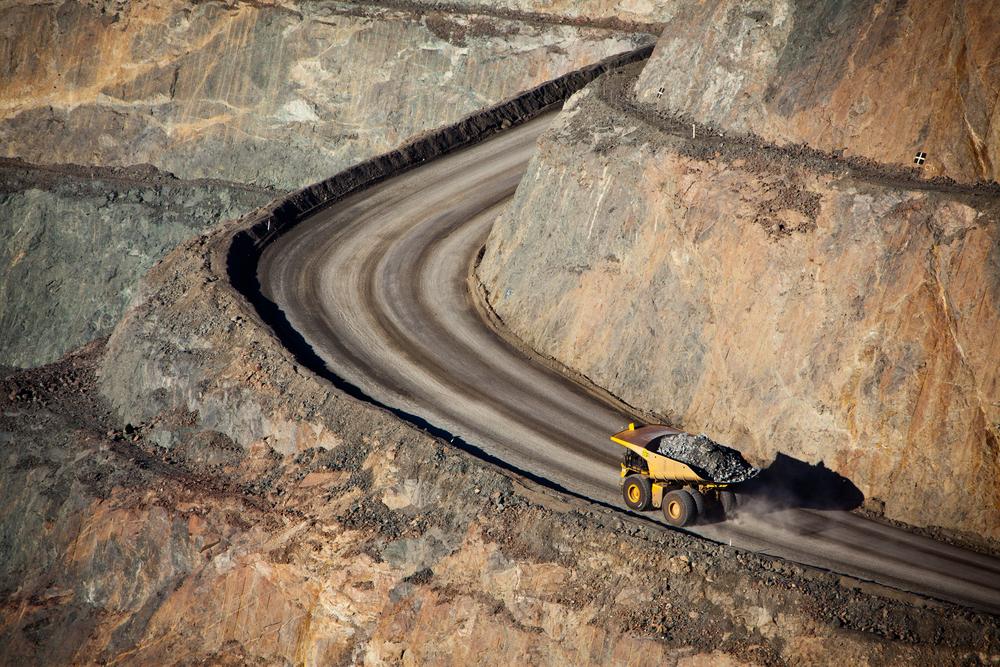
Shares in miner Antofagasta (LON:ANTO) jumped nearly four percent in mid morning trading on Tuesday, after strong copper prices boosted interim sales and profits.
Revenue rose by 41.9 percent to $2bn for the six months June, with pre-tax profit rose hitting £689.1 million, up from £276.5 million last year.
Copper prices increased by 25.3 percent and sales volumes rose by 14.3 percent over the period, propping up the miner’s figures.
Antofagasta’s CEO Iván Arriagada said of the results: “The Company is well positioned for future growth, generating strong cash flows and improving returns against a background of a recovery in copper demand.
“The outlook for Antofagasta is positive – we have the assets, capabilities and strategy to continue to create long-term value for all of our stakeholders.”
Public sector borrowing slips into surplus for first time since 2002

Public sector net borrowing was in surplus for the first time since 2002 in July, driven by higher self-assessment tax receipts.
The figure was in surplus by £200 million last month, with VAT also helping to boost the figure.
According to the Office for National Statistics, for the year to date public sector borrowing is up by £1.9 billion to £22.8 billion. The Office for Budget Responsibility is forecasting that public sector net borrowing will increase to £58.3 billion during the financial year to March 2018.
Ruth Gregory, UK economist at Capital Economics, says that July’s public sector finance figures “will probably prove to be just a temporary blip”.
“As such, despite July’s strength the Chancellor may still find that he has little scope for any easing back on the planned fiscal squeeze in his November Budget,” she added.
S&P reaffirms South Korea’s AA/A-1+ credit rating

Ratings agency S&P has confirmed South Korea’s ‘AA/A-1+’ credit rating, saying it doesn’t believe a conflict with North Korea is on the cards in the near future.
The group said that although “geopolitical tensions have risen of late in the Korean peninsula, we believe a direct armed conflict is unlikely.”
It confirmed that it views the likelihood of the North Korean regime provoking a major armed conflict on the peninsula to be low, based on their opinion that such an event would very likely destabilise North Korea politically and “bring no benefit to the country.”
However, it did warn that the risk of an unintended military conflict has risen from a low level:
“After ratcheting up tensions with little to show for it, the regime could underestimate the risks of a more dramatic provocation in the hope of winning some concessions. On the other side, the U.S. may be less patient in responding to North Korean provocations than before, now that it views the country as being close to achieving inter-continental nuclear strike capability. In this situation, a miscalculation by either side of this standoff could spark a direct military conflict.”
S&P continued to say that it was “affirming our ‘AA’ long-term and ‘A-1+’ short-term sovereign credit ratings on Korea.”
“The stable outlook reflects our expectations that geopolitical risks in the Korean peninsula will not escalate over the next two years beyond what we observed since the last leadership transition in [North Korea] in 2011.”
A Guide to Pensions

Download this comprehensive report on pensions, including:
How much should I be putting in?
Government and Employer Contributions
Workplace Pensions
Government contributions/tax incentives
Types of Pension
The stark facts show clearly that anyone who can afford to make regular contributions towards building up a workplace or private pension to supplement their state pension, or provide their main source of income for retirement should do so.
Download this report now and start preparing for the future
This guide has been issued and approved by One True View

Terms, Risk Warning & Disclaimer:
Although the author and publisher have made every effort to ensure that the information in this publication was correct at press time, the author and publisher do not assume and hereby disclaim any liability to any party for any loss, damage, or disruption caused by errors or omissions, whether such errors or omissions result from negligence, accident, or any other cause. Investments can go up in value as well as down, so you could get less than you invested. This information does not constitute personal advice and you should speak to your financial advisor before committing to any pension product. Information in this document is for reference use only and its accuracy cannot be guaranteed and is subject to change.
UK Investor Magazine does not endorse any of the products or services that appear on it or are linked to it and are not liable for any action that you may take as a result of the content of this guide, or losses or damage you may incur doing so.
There is no obligation to purchase anything but, if you decide to do so, you are strongly advised to consult a professional adviser before making any investment decisions. Not all companies or products mentioned in this guide are necessarily regulated by the Financial Ombudsman Service and, as such, you may not have access to statutory or regulatory protections such as the Financial Ombudsman Service and the Financial Services Compensation Scheme.
Please remember that financial investments may rise or fall and past performance does not guarantee future performance in respect of income or capital growth; you may not get back the amount you invested.
By submitting your details, you are agreeing with our privacy policy. In addition to this and to facilitate the delivery of your book/guide or report, your details will be passed to the sponsor of this free offer. By requesting a book and agreeing to our privacy policy, you are agreeing to be contacted by the book sponsor. The book is intended for educational and informational purposes only. It should not be construed as giving investment advice and you should not rely on any content within this book in making or refraining from making any investment decisions.
Weaker pound boosts UK holiday spending
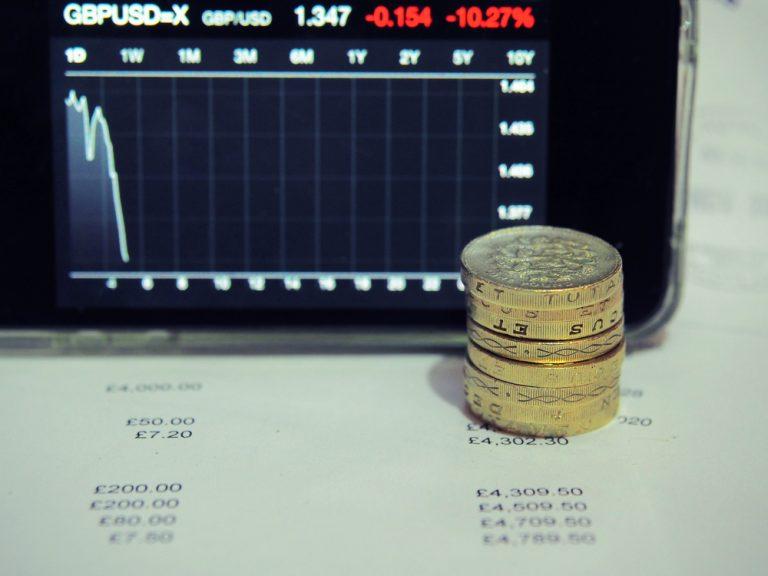
UK residents spent 15 percent more on their visits abroad in June 2017 than the same month the previous year, as the impact of a weaker pound weighs on the cost of holidays.
However, the added expense didn’t seem to put UK residents off going abroad, with trips abroad rising by 4 percent to 7.2 million visits abroad in June 2017. UK residents spent £4.6 billion on their travels during the month, according to the Office for National Statistics.
Conversely, overseas residents made 3.5 million visits to the UK in June 2017, a 7 percent increase from June 2016. £2.2 billion was spent by overseas residents on visits to the UK in June 17, a 2 percent increase when compared with June 16.
Hikma Pharmaceuticals shares plunge as US market stalls

Shares in Hikma Pharmaceuticals (LON:HIK) fell over 10 percent in early trading on Thursday, after issuing a warning that annual revenue was likely to be at the lower end of guidance.
The FTSE 250 pharmaceutical company said annual revenue was likely to be about $100 million lower at $2 billion. It also lowered its guidance for the sales of generic products, blaming it on an “increasingly challenging environment”.
The Jordan-based company, which makes and sells branded and non-branded generic and injectable drugs, said it had also been affected by stiffer competition in the US. Its revenue estimate for the region was cut back to $620 million for the year, down from an initial estimate of $800 million in April.
Shares in Hikma are currently trading down 13.75 percent at 1,141.01 (1045GMT).
B&Q performance hit by poor weather, Kingfisher shares fall

B&Q owner Kingfisher (LON:KGF) reported a £50 million loss on Thursday, after consumers turned their back on the DIY sector in the second quarter of the year.
B&Q’s seasonal performance fell 11 percent after poor weather impacted sales, with sales at the home improvement chain down 8 percent in the second quarter.
Problems at its French business continued, with “continued weaker” performance in the country leading to a 3.8 percent sales plunge to £1.2 billion.
Véronique Laury, Chief Executive Officer, admitted that” B&Q’s performance was impacted by seasonal swings across Q1 and Q2″, adding that the group had “continued to experience some disruption across the businesses, although on an improving trend.”
“Availability of this year’s unified and unique product is now approaching normal levels. We continue to adapt new processes as our transformation progresses, which will support the significant amount of change planned for H2”, Laury said.
“Having been very aware that this year would be challenging given the step up in transformation activity, we already have self-help plans in place to support our overall Year 2 performance, though we remain cautious on the H2 outlook for the UK and France as previously guided. We remain on track to deliver our Year 2 strategic milestones, and look forward to updating you on our wider progress in more detail at our H1 results.”
Other firms in the sector also experienced a downturn during the quarter, Homebase owner Bunnings reporting a £54 million annual loss in its first full year of ownership of the DIY chain.
Shares in Kingfisher are currently trading down 5.79 percent on the news at 291.20 (1019GMT).
Chinese growth “dangerous”, warns the IMF
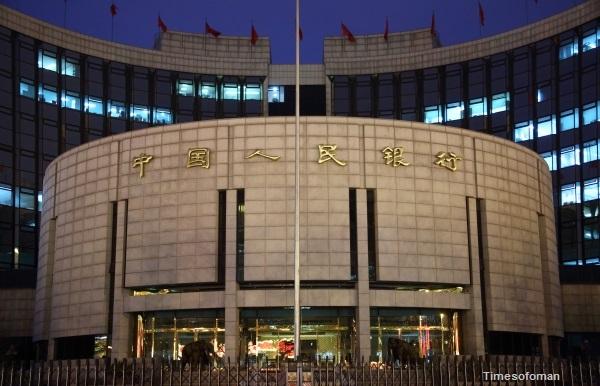
The International Monetary Fund warned on China’s strategy for economic expansion, saying that Beijing was putting a higher priority on growth than economic output.
The Chinese government have pledged to double the size of its economy between 2010 and 2020, with the IMF increasing its forecast for 2010 to 6.7 percent.
However, it warned on Wednesday that debt as a proportion of gross domestic product was likely to rise from 235 percent to almost 300 percent by 2022.
“International experience suggests that China’s credit growth is on a dangerous trajectory, with increasing risks of a disruptive adjustment and/or a marked growth slowdown,” the IMF said.
Lucy MacDonald of Allianz Global Investors told the BBC that the levels of growth in China were at a “totally new territory”, adding that the risk of defaulting is higher because of how closed the economy is.
UK jobless rate falls to 4.4 percent

Unemployment in the UK fell to 4.4 percent in the second quarter of 2017, the lowest level since 1975.
Unemployment for the quarter fell by 57,000 for the three months to June, marking the lowest level in over 30 years.
In addition, the figures released by the Office for National Statistics (ONS) revealed wage growth increased by 2.1 percent compared with a year previously. This marked a slight increase from 2 percent for the month before.
Ruth Gregory, UK economist at Capital Economics, said: “The latest labour market figures provided some signs that the tightening in the labour market may be leading to a recovery in wage growth at long last.”
Nevertheless, high inflation levels continue to impact upon real wages across the U.K. Inflation continues to hit 2.6 percent, with real earnings falling by 0.5 percent.
“The employment picture remains strong, with a new record high employment rate and another fall in the unemployment rate. Despite the strong jobs picture, however, real earnings continue to decline,” commented Office for National Statistics senior labour market statistician Matt Hughes.
Specifically, jobs were created in the construction, accommodation and food sectors, alongside the transport and storage industries.
Figures revealed that those on controversial ‘zero-hour’ contracts had also lessened, an encouraging development for many seeking more work stability.
“The number of workers born elsewhere in the EU continues to increase, but the annual rate of change has slowed markedly,” Hughes added.
Whilst Prime Minister Theresa May announced back in January her intention for the U.K to leave the single market as part of Brexit negotiations, it remains to be seen what the final agreement regarding EU citizens residing and working in the U.K will be.
Brexit negotiations continue to play out in Brussels, with key issues of migration, customs and trade being a key concern for both parties.
The latest figures caused the pound sterling to bounce 1 cent up against the dollar as the market reacted to the news.
Nestlé removes walnut from Walnut Whip as shrinkflation continues
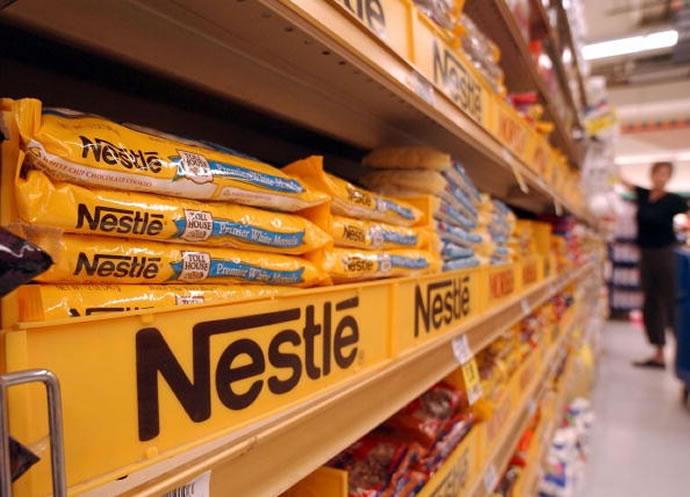
Sweet manufacturer Nestlé have announced they will be removing the nut from the top of their Walnut Whip sweets, in the latest sign of ‘shrinkflation’.
The price of nuts has risen exponentially, causing Nestlé to remove the walnut from the top in its new versions of the sweets.
‘Shrinkflation’ has led to the downsizing of thousands of products as the cost of ingredients soar, meaning consumers are paying the same price for smaller products. According to figures from the Office for National Statistics, over 2,500 every day household products have shrunk in size over the past five years but continue to be sold for the same price.
Whilst chocolate bars have been subject to this controversy for some time, the ONS found that toilet rolls, coffee and fruit juice were also being sold in smaller packet sizes.