
Barratt Developments share price falls despite “strong” start to financial year
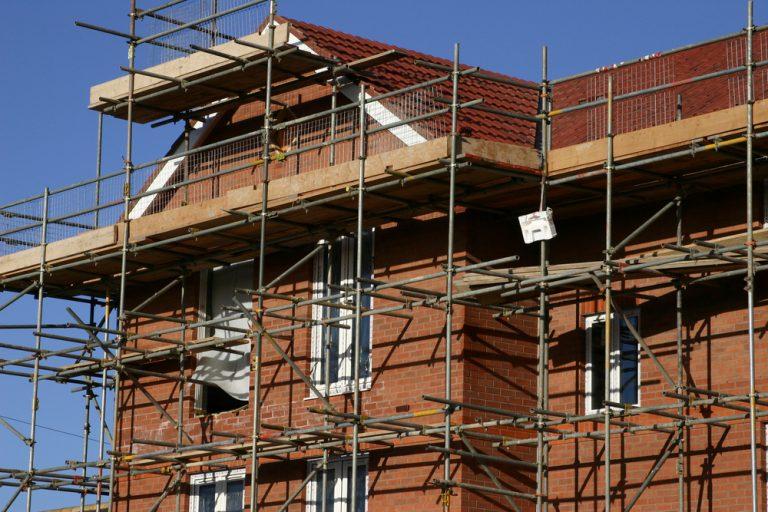
Barratt Developments (LON:BDEV) said it had a “strong” start to the new financial year on Wednesday, but its share price fell as investors failed to be impressed by the figures.
Total forward sales in the first quarter rose 8.4 per cent on last year to £2.87 billion, with “affordable” home forward sales rose 12.1 per cent to £759.2 million. The company were also boosted by an increase in house prices, taking the average selling price of Barratt homes up by 6 per cent to £275,200, from £259,700 last year.
Chief executive David Thomas said of the results: “We have started the financial year strongly with a good sales rate, driven by customer demand for new homes, and supported by an attractive lending environment.
“We remain committed to quality, build excellence and market leading customer service and are working hard to increase the supply of houses across the UK.
“We remain focused on driving operational improvements through the business and we continue to be confident in delivering a good performance in the 2018 financial year.”
Despite the strong figures shares in Barratt Developments plunged at market open, before recovering to trade down just 0.85 percent at 623.63 (1217GMT).
Bovis Homes shares drop for second day running after 31pc profit plunge
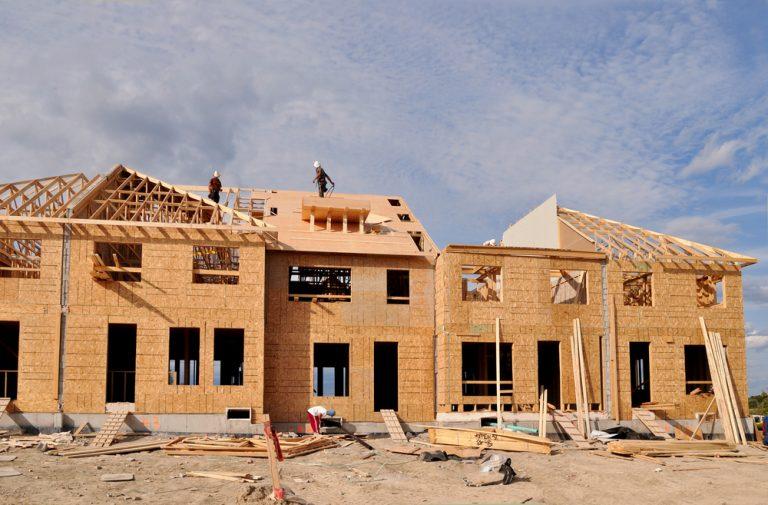
Bovis Homes (LON:BVS) said the company was on track to meet full-year expectations on Tuesday, after saying that it had “fully sold” its targeted completions for the 2017 year.
An increase in both demand and property prices mean the company is on track to meet its expectations for FY2017 and to deliver “significant improvements” in profits for FY18.
However, Bovis reported a six percent fall in first-half results home completions, which saw pre-tax profits fall 31 per cent on the prior year to £42.7 million.
In a trading update for July to November quarter, the company said it is fully sold for its targeted FY17 completions, with an average sales rate of 0.52 versus 0.48.
Chief executive officer Greg Fitzgerald said:
“We are making encouraging progress towards all of our medium term performance targets with continued improvement in customer satisfaction and excellent progress in optimising the balance sheet and bringing additional cash into the business.
“We expect to have a net cash position of at least £100 million as at 31 December 2017. Trading is in line with expectations, the market remains strong, and we are on track to deliver another disciplined period end.”
Shares in Bovis Homes fell another 1.06 percent on Wednesday, currently trading down 1,123.00 (1153GMT).
TalkTalk share price dives after reporting £75m loss

TalkTalk (LON:TALK) shares sunk nearly 20 percent in early morning trade on Wednesday, after reporting a £75 million loss and warning on full-year trading figures.
Operating losses for the six months to September stood at £42 million, a significant fall from the £44 million profit generated in the same period last year. Consumer was faith took a hit after the company’s security was breached by a cyber attack in 2015, causing profits and share price to fall.
TalkTalk’s CEO Dido Harding left the company after seven years at the helm in May to be replaced by Tristia Harrison, with the company also bringing back the company’s creator Charles Dunstone to renew faith in the group.
Figures released on Wednesday showed that the company added 46,000 customers in the first six months of its financial year, compared with a drop of 29,000 in the same period last year, but said that full-year earnings would be at the lower end of its £270 million to £300 million range.
“We expect to step up our planned investment in growth in the second half, as we take advantage of the strong demand,” Harrison said.
“Our revised strategy of focusing the business on fewer, clearer priorities is re-establishing TalkTalk as the value provider of choice in the UK fixed connectivity market.”
TalkTalk shares are currently trading down 9.26 percent at 171.95 (1103GMT).
Cobham shares up with turnaround plan on track

Shares in defence tech company Cobham (LON:COB) rose on Wednesday, after it confirmed its turnaround plan was on track and trading for 2017 was in line with expectations.
The positive news comes after Cobham was forced to issue a string of profit warnings over the last two years, as “onerous contracts, including the KC-46 tanker programme, and other legacy issues” led to a fall in performance.
However earlier this year the company began a turnaround plan focusing on its three operation priorities of customer focus, leadership and simplification and control and execution. In a statement on Wednesday, the group said “performance in the first ten months of 2017 has been largely as expected”, inspiring investor confidence in its progress and sending shares up in early trading.
“As previously stated there remains a range of potential outcomes for full year performance and, as in prior years, this includes a significant level of trading activity in the final two months of the year”, the Board continued.
“Overall, the Board’s expectations for Group performance in 2017 remain unchanged.”
Shares in Cobham are currently trading up 2.20 percent at 129.80 (1036GMT).
Who remembers 2013? Bitcoin’s first amazing bull run

James Trescothick, Senior Global Strategist at easyMarketsFor me, 2013 has long stayed in my memory as a year that affected me personally – a year where one key event impacted me directly. Looking back on it now though, its seems that there are several things that occurred that year, which are now repeating. Firstly, Obama was sworn in for his second term in the big job, whereas this year we have seen another POTUS also get sworn in. Secondly, North Korea’s 2013 nuclear test caused international outrage, if not the heated exchanges of words we’ve seen this year. We also had a number of catastrophic storms back in 2013 with the tornado in Moores, Oklahoma being particularly devastating. However, there are two things in particular that come to mind that look like a direct repeat of 2013. One is the approaching potential shut down of the US Government in December. The second is the incredible bull run of bitcoin.
2013: the first year of bitcoin
In 2013, the now infamous cryptocurrency was only five years old. This was the time it first started to gain real attention from the market. In January 2013, Bitcoin was trading around $12.15 per coin and hadn’t yet showed up on anyone’s radar. Then a financial crisis occurred in March which kickstarted an incredible run for the remainder of the year. In March 2013, a financial crisis gripped the small Mediterranean island of Cyprus. The country was forced to request a $13billion bailout from the European Union and the International Monetary Fund. The terms of the rescue package were that Cyprus Central Bank had to raise $7.5 billion by taxing bank deposits. Cash restrictions on the populous were implemented to avoid a potential bank run and large depositors ended up losing as much 10% of their held capital. One of major retail banks was forced to close and banks across the country were closed for a number of weeks. I live in Cyprus and it wasn’t pleasant. Despite Cyprus having a population of fewer than one million people, these events caught the attention of the media all over the globe and the island was in many a headline. Interestingly, it also caused people to take note of the potential of bitcoin. Due to what had happened with the Cypriot Banks, bitcoin started to gain in popularity due to the fact that it was unregulated and no government or bank could touch it. At the beginning of March 2013, bitcoin was trading at around $32.20 per coin. By the end of March, following the Cyprus crisis, it had risen to $90.52 per coin. It continued it move higher over the course of April, touching an all-time high (of the time) of $234.52. During the following months, it traded between a low of $66.83 and a high of $196.24. Then, suddenly, in November 2013, bitcoin exploded. Bitcoin opened the month at $194.42 per coin. By the end of the month, it closed at a huge $1,113.06 per coin. 2013 for the first time was hailed as the year of bitcoin. The following month, bitcoin went on to hit a new high of $1,242 per coin due to increased demand from consumers in China – until the Chinese Government thought enough was enough and stepped in and barred all banks from handling bitcoin transactions. After that intervention, and a number of high profile court cases and rumours of hacks, bitcoin collapsed, hitting a low of $100.91 per coin in August 2014. However, that is the lowest it went. From there, over the next two years, it traded fairly side wards until January 2017 – and we all know what has happened since then! Now the question to ask, of course, is:Will we see a repeat of what happened at the tail end of 2013?
First of all, like 2013, we’ve had further intervention by the Chinese authorities and other governments. However, as yet it hasn’t stopped this year’s incredible bull run. We’ve also seen many voices crying out “bubble” and “scam,” but again bitcoin traders have brushed this off. The biggest difference between this year and 2013 is that, despite the skeptics, we’re now seeing some real players in the market start to embrace bitcoin, with the CME Group the latest exchange to announce its intention to launch bitcoin future contracts. So will we have a reversal with bitcoin like we saw at the end of 2013? Only time will tell for sure. However, as long as the interest in this cryptocurrency continues, the chances that bitcoin could keep on rising may remain intact. Risk warning: Forward Rate Agreements, Options and CFDs (OTC Trading) are leveraged products that carry a substantial risk of loss up to your invested capital and may not be suitable for everyone. Please ensure that you understand fully the risks involved and do not invest money you cannot afford to lose. Our group of companies through its subsidiaries is licensed by the Cyprus Securities & Exchange Commission (Easy Forex Trading Ltd-CySEC, License Number 079/07), which has been passported in the European Union through the MiFID Directive and in Australia by ASIC (Easy Markets Pty Ltd- AFS license No. 246566). Blue Capital Markets LimitedUK inflation stays steady at 3% in October
UK inflation remained at 3 percent in October, according to the latest figures from the Office for National Statistics, its highest ate for over five years.
Groceries saw the biggest price increase over the month, with market researcher Kantar Worldpanel saying grocery inflation was at 3.4 percent in the 12 weeks to November 5th.
This was marginally offset by a fall in fuel prices and furniture but the majority of prices have been hit negatively by the impact of Brexit, which has increased the cost of important goods. The figures were not unexpected, with the Consumer Prices Index expected to rise after the Bank of England forecasted it would peak at 3.2 percent this autumn. This remains well above the government’s 2 percent target.ITV shares sink despite increase in online presence
ITV’s (LON:ITV) share price sunk in early trading on Tuesday, after broadcast and online revenues sunk in the nine months to September.
Total ITV Studios revenue rose 9 percent to £1,009 million over the period, up from £923 million during the same period last year, boosted by good organic growth. However, total external revenue fell 1 percent to £2,132 million with broadcast & online revenues also down 4 percent to £1,470 million.
ITV reiterated that it remained on track to deliver full year commitments for 2017, with good organic revenue growth keeping profit broadly in line with last year.
ITV’s performance was boosted by the attraction of a younger audience, with Online and Pay services achieving double digit revenue growth. Online viewing saw a 41 percent increase, proving that the broadcaster’s investment in digital businesses, including the ITV Hub and Britbox US, may have paid off. ITV Hub has 21 million registered viewers, including around 75 percent of the UK’s 16 to 24 year olds.
Investors failed to be impressed by the broadcaster’s online growth, however, with shares in ITV currently trading down 2.45 percent at 150.22 (1048GMT).
FirstGroup share price drops as hurricanes hit profits
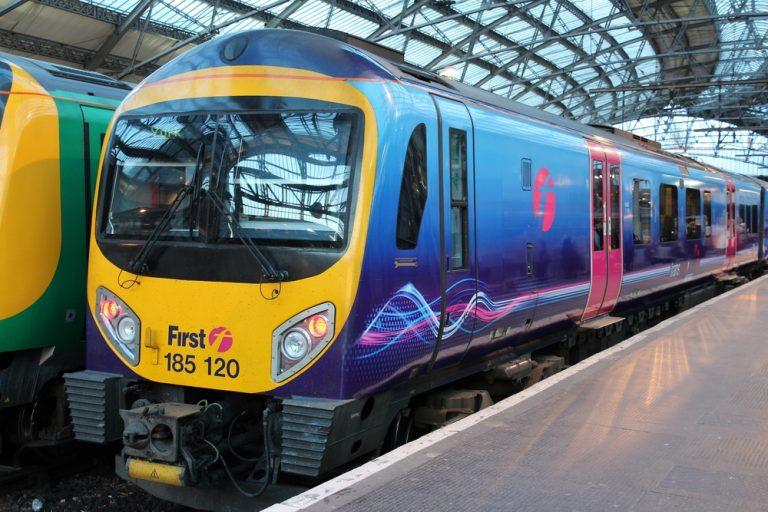
Shares in transport operator FirstGroup (LON:FGP) fell over 2 percent in early trading on Tuesday, as an increase in revenue failed to offset a £2 million loss.
Group revenue rose 8.1 percent, as the new South Western rail franchise and favourable foreign exchange had had a positive impact on figures. Even excluding these factors group revenue saw an increase, moving up 0.9 percent.
Poor weather in the Americas hit profits, with severe hurricanes in the region affecting contracts in Puerto Rico and sending adjusted operating profits down 9.1 percent. Solid trading in other regions offset these figures to see operating profits as a whole remain flat.
However, its share price was hit on Tuesday morning as the Group, which operates three rail services in the UK and the Greyhound bus service in the US, reported a £2 million loss for the six months to September. This is a sharp drop from the pre-tax profit of £11 million reported in the same period in 2016.
Commenting, Chief Executive Tim O’Toole said:
“The overall trading performance and significantly increased free cash generation of the Group in the first half was consistent with the plans we outlined at the start of the financial year.
“In the second half we will benefit from our normal seasonal bias, our ongoing focus on cost efficiencies and from additional business which commenced in the period, including the South Western Railway franchise. We expect to make further progress and deliver substantial free cash generation for the year as a whole.”
Shares in First Group are currently trading down 2.27 percent at 107.40 (1016GMT).
Toshiba hit again as sold business arm records highest sales

Troubled electronic manufacturer Toshiba (TYO:6502) recorded an increase in operating profits in the half-year to September, despite most of the increase coming from a business they have agreed to sell.
The company’s 76 percent jump in operating profit was driven almost entirely by an increase in sales at its memory chip business, which it agreed to sell in September to a group led by Bain Capital for around $18 million.
Toshiba agreed to sell the business to offset liabilities issuing from its US nuclear unit Westinghouse, which almost bankrupted the company last year. The giant came close to having its shares delisted this year after delaying the publication of its financial results for a second time as it struggled to get its accounts in order.
Despite reporting a big increase in operating profits, Toshiba still posted a $436 million net loss during the most recent period. Its shares are currently trading down on the Tokyo exchange, down 2.49 percent at 313.00 (1206GMT).
Halfords shares fall as weak sterling impacts on costs
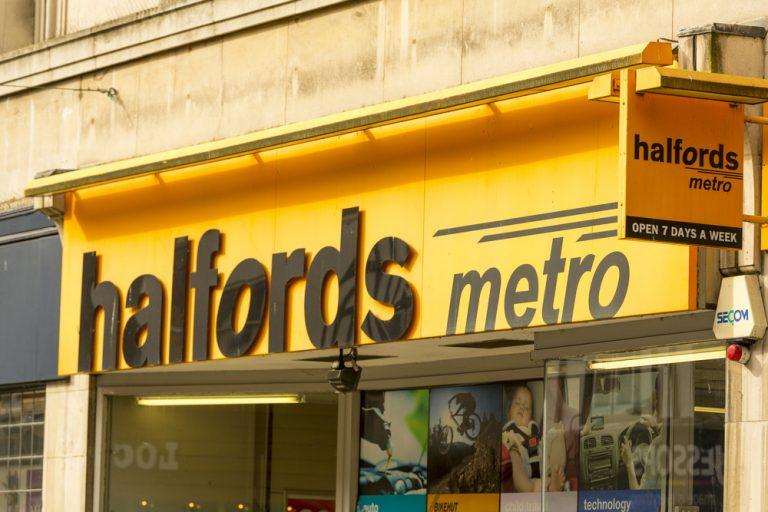
Shares in retailer Halfords (LON:HFD) fell over 6 percent on Thursday morning, after profits were hit by the weaker pound.
The company reported a strong increase in revenue over the financial year, with total group revenue up 3.8 percent and 1.5 percent on a like-for-like basis. Halfords said that it anticipated
group profit before tax for the 2018 financial year to be in line with current market expectations.
However correlating with previous guidance, the depreciation of Sterling is likely to have a continued impact and add a £25 million cost increase, £15 million of which was evidence on the cost of goods in the first half.
Jonny Mason, Chief Financial Officer & Interim Chief Executive Officer, said the group’s “mitigation plans are on track”, pointing investors towards the “positive sales growth for this period, despite the poorer summer weather and the uncertainty in the UK economy”, rather than the profit impact of higher costs.
“Looking ahead, we have strong plans both in-store and online for the Cyber, Christmas and winter peaks”, Mason said.
Shares in Halfords sunk on Thursday morning, however, and are currently trading down 5.80 percent at 313.39 (1139GMT).