
This marks the first time since the Brexit vote that wages are outpacing inflation, with an 2.8 percent increase in wage growth record back in February. The figures caused the pound to fall sharply to $1.4210 on Wednesday morning, down 0.5 per cent on the day. The ease in inflation has prompted investors to re-asses whether the Bank of England will raise rates in May as initially expected. A majority of economists polled by Reuters said the central bank will have lifted rates to 1.0 percent or higher by the end of the first quarter of the following year.Commenting on today’s inflation figures, ONS Head of Inflation Mike Hardie said: https://t.co/g48fqGNXFF pic.twitter.com/5uKbmRAT14
— ONS (@ONS) April 18, 2018
UK inflation falls to one-year low

UK inflation unexpectedly fell to 2.5 percent in March, marking the lowest in level in a year.
UK inflation fell from 2.7 percent record in February to 2.5, according to the latest figures from the Office of National Statistics (ONS), casting doubts on an interest rate hike from the Bank of England in May.
The ONS cited prices for clothing and footwear rising by less than a year ago, predominately across women’s clothing.
In addition, price changes for alcoholic drinks and tobacco also contributed to the downward change. This was attributed to budget changes, such as tax changes for tobacco being announced in November as opposed to March.
Mike Hardie, head of inflation at the ONS, said:
“Inflation fell to its lowest rate in a year, with women’s clothing prices rising slower than usual for this time of year.
“Alcohol and tobacco also helped ease inflation pressures, with tobacco duty rises linked to the Budget not appearing this March, thanks to its new autumn billing.”
Telford Homes expects record profits on London housing shortage
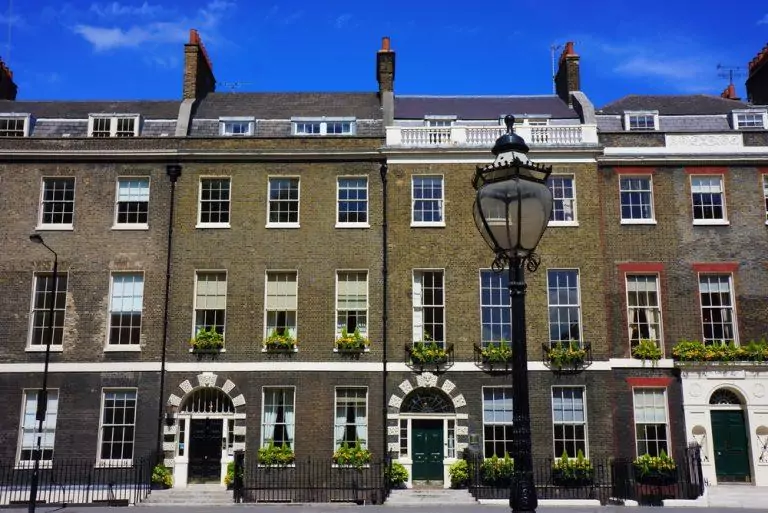
Telford Homes (LON:TEF) said it expects to deliver record profits for the year in part due to the shortage of housing in London.
The housing builder said it anticipates pre-tax profits to be up by almost a third for the year to March-end, despite a general downturn trend in the housing market across the capital.
Nevertheless, Telford said that the undersupplied London housing market ‘remained robust’ across the period, offsetting concerns.
So far, it has sold over 100 homes in the second phase of the New Garden Quarter in Stratford, with initial interest in the project surpassing expectations.
The company attributed the strong performance to ‘robust market for our homes in London assisted by broad mix of sales between build to rent, individual investors, owner-occupiers and housing associations’
Jon Di-Stefano, Chief Executive of Telford Homes, commented:
“Telford Homes continues to perform well and I expect to once again report record revenue and profit for the year to 31 March 2018. ”
“As we increase the scale of the business, our growth is underpinned by the lack of supply of new homes in London and demand for our product at more affordable price points remains strong.”
“Build to rent is the most exciting part of our business in the near term and I believe our increased focus on this sector will drive the next phase of our growth and bring even greater success”, he added.
The group said it now has just over 2,900 homes under construction, with the view to ‘significantly increase’ this number in the future.
Telford’s optimistic results contrasts the generally subdued figures for the London housing market, with demand falling for the eleventh month in the row, according to the latest UK residential survey by RICS.
Moreover, The capital continues to be affected by economic uncertainty and higher Stamp Duty rates, with prices falling more than 15 per cent in the last 12 months.
Shares in Telford Homes are currently trading +1.65 as of 09.31AM (GMT).
System1 shares slip on profit warning

Shares in System1 (LON:SYS1) slipped in early trading on Wednesday, after “disappointing trading” led to a further profit guidance downgrade.
The London-based marketing and advertising agency said its pre-tax profit for the year was expected to be between £1.6 million and £2.0 million, well below its initial guidance in January of comparing to its most recently downgraded guidance in January of £6.3 million.
Gross profit at the firm has fallen by 18 percent to £22.2 million, despite taking measures to cut overheads by 2 percent in the second half of the year. The group cut share-based payments to executives and cut several jobs.
However, the group insists it still has a ‘healthy’ net cash balance of £5.7 million (as of 31 March) and paid out £4.2 million in dividends to shareholders through the 2017/18 year.
Shares in System1 are currently trading down 0.88 percent at 297.34 (0850GMT).
Hammerson withdraws from Intu acquisition
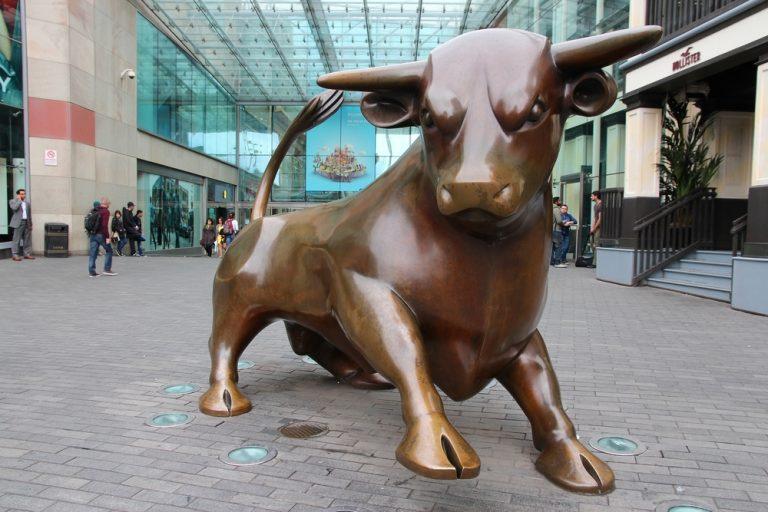
Shares in shopping centre owner Hammerson (LON:HMSO) rose on Wednesday morning, after announcing it would be urging its shareholders to vote against the proposed merger with rival Intu.
The group made an all-share offer for Intu at the end of last year in a deal with £3.4 million. In a surprise statement this morning Hammerson, who own Birmingham’s Bullring centre, pulled out of the offer citing market weakness.
Giving a nod towards the spate of high street closures of late, it said that “whilst Hammerson has proven its portfolio is well positioned to weather the current environment, the equity market now perceives a heightened level of risk associated with the UK retail property sector as a whole”.
“It is also apparent from extensive engagement with shareholders, in particular in recent weeks, that there is a wide range of views on the merits of the Intu acquisition. As a result, the board of Hammerson has concluded that the heightened risks associated with the Intu acquisition outweigh the long-term rewards that can be expected in comparison to other strategic options open to the company”, it continued.
If shareholders do not approve the purchase when they meet the offer will lapse, equating Hammerson’s statement with a withdrawal of its initial offer.
Hammerson shares are currently trading up 2.71 percent at 507.00 on the news (0834GMT).


Rio Tinto shares edge up as iron ore and copper output rise

Shares in miner Rio Tinto (LON:RIO) edged up on Wednesday morning, after reporting an increase in iron ore and copper output in the first quarter.
Pilbara iron ore volumes increased by 8 percent to 83.1 million tonnes on-year, with copper output up by 65 percent to 139.3k tonnes as operations recover from the strike in Chile.
However hard coking coal production struggled during the quarter, falling 30 percent to around 1.1 million tonnes, negatively affected by maintenance works at the Kestrel mine.
Production of titanium dioxide slag also declined by 12 percent, with annual guidance cut slightly to between 1.1 and 1.3 million.
The company said in a statement: “We delivered a solid operational performance across most commodities in the first quarter of 2018”.
“Our world-class Pilbara iron ore assets continue to demonstrate flexibility and the benefits of increased productivity, and production at our bauxite and copper assets was also higher.
“By continuing to advance our mine-to-market productivity programme, whilst maintaining our focus on the disciplined allocation of cash, we will continue to deliver superior returns to our shareholders.”
Shares in Rio Tinto are currently trading up 2.20 percent at 3,858.00 (0823GMT).
Moneysupermarket shares rise on strong revenue growth

Price comparison service Moneysupermarket.com (LON:MONY) reported a 4 percent growth in revenue in the first quarter, confirming that trading was “on track” for the year.
Revenue in the three months to March rose to £88.3 million, up from £85 million last year, boosted by insurance switching and competitive prices.
Revenues for insurance rose 4 percent to £47.1 million, while its home services division recorded a 15 percent boost to £11.5 million. Money fell by 1 percent to £23.1 million.
“Trading is on track in this year of transformation as we reinvent the business to help people save more money,” chief executive Mark Lewis said.
“We are expanding our product engineering hub in Manchester to improve the customer journeys on our sites and plan to unlock future growth with the agreement to acquire Decision Tech – a leader in home communications price comparison and white label B2B comparison services.”
Going forward the group said it continues to benefit from its diversified portfolio and it remains confident of meeting full-year expectations.
Last month the Ewloe-headquartered company announced the acquisition of rival site Decision Technologies, a comparison site focused on the home communications sector. Its portfolio includes broadbandchoices.co.uk, offering internet service comparison for consumers and businesses.
Decision Technologies and its 40-strong staff will continue to operate from its current offices. The company has a forecasted £3.6 million adjusted EBITDA for the year to 31 March 2018.
Shares in Moneysupermarket.com are currently trading up 14 percent at 283.90 (0812GMT).
Supercar Investment Club launch first of its kind Investment Crowdfunding campaign: The Ferrari F40

With certain supercars well outperforming the capital growth of London property, you may wonder why you haven’t heard of this before. Well, with typical values of £1m+, you’d have to be incredibly wealthy to have the cash available to purchase one of these iconic vehicles and benefit from any potential capital growth.
Supercar Investment Club bring the first opportunity of its kind to invest in one of these high end supercars. They kick off their first crowdfunding investment at www.supercarinvestmentclub.com, seeking investors in a Ferrari F40, a car they say has increased in value by 131% in the last 5 years based on average F40 values from their research of auction and list prices.
 This continues to follow a very different trend to the classic car market, for which buyers don’t have to be multi-millionaires. Supercar Investment Club’s opportunity allows eligible investors the chance to invest in a desirable asset class, and for an affordable share price of just £500.
Supercar Investment Club state there is a real difference in the desirability of the used and driven, and the pristine, concours quality cars, and this is reflected massively in their values. Those that wished to purchase one of these cars with the intention of adding a few miles to it could have paid under £800k last year for a higher mileage F40.
However, for the many wealthy investors and collectors that simply store their cars with the intention of selling them later for a profit, they are not willing to settle for anything less than a pristine example of their desired car, with the most expensive and desirable F40’s selling for over £1.2m last year.
Supercar Investment Club only focus on the best examples, conducting extensive due-diligence on all vehicles before launching them on their platform. Their current opportunity is an entirely original, concours winning F40 with under 4,500 miles on the clock at £1.2m.
You can see a detailed How it works video here: https://www.supercarinvestmentclub.com/how-it-works/
The investment club will manage the cars on behalf of the investors, keeping them in their top quality condition for an investment period of 3 years. Storage, maintenance and insurance is also included in a share price of just £500. Although, to keep the cars in their ultra-low mileage condition, investors won’t be able to drive their investments. Supercar Investment Club will hold investor events where the cars will be showcased among other concours quality supercars. Director Adam Sanderson explains “many of the investors so far are car enthusiasts, so we’re very keen to make the cars as accessible to the investors as possible – holding events throughout the year.”
Supercar Investment Club also handle the logistics of part-owning a supercar investment. Investors vote on any key decisions or profitable offers on the car throughout the investment term on a majority basis.
For more information on the campaign and how to get involved, visit their campaign page here
Supercar Investment Club is an appointed representative of Share In Ltd (FRN 603332), who is authorised and regulated by the Financial Conduct Authority. Past performance is no guarantee of future performance. Capital at risk. Investors should read the full risk warning on Supercar Investment Club’s website before deciding to invest. This article is sponsored by Supercar Investment Club
This continues to follow a very different trend to the classic car market, for which buyers don’t have to be multi-millionaires. Supercar Investment Club’s opportunity allows eligible investors the chance to invest in a desirable asset class, and for an affordable share price of just £500.
Supercar Investment Club state there is a real difference in the desirability of the used and driven, and the pristine, concours quality cars, and this is reflected massively in their values. Those that wished to purchase one of these cars with the intention of adding a few miles to it could have paid under £800k last year for a higher mileage F40.
However, for the many wealthy investors and collectors that simply store their cars with the intention of selling them later for a profit, they are not willing to settle for anything less than a pristine example of their desired car, with the most expensive and desirable F40’s selling for over £1.2m last year.
Supercar Investment Club only focus on the best examples, conducting extensive due-diligence on all vehicles before launching them on their platform. Their current opportunity is an entirely original, concours winning F40 with under 4,500 miles on the clock at £1.2m.
You can see a detailed How it works video here: https://www.supercarinvestmentclub.com/how-it-works/
The investment club will manage the cars on behalf of the investors, keeping them in their top quality condition for an investment period of 3 years. Storage, maintenance and insurance is also included in a share price of just £500. Although, to keep the cars in their ultra-low mileage condition, investors won’t be able to drive their investments. Supercar Investment Club will hold investor events where the cars will be showcased among other concours quality supercars. Director Adam Sanderson explains “many of the investors so far are car enthusiasts, so we’re very keen to make the cars as accessible to the investors as possible – holding events throughout the year.”
Supercar Investment Club also handle the logistics of part-owning a supercar investment. Investors vote on any key decisions or profitable offers on the car throughout the investment term on a majority basis.
For more information on the campaign and how to get involved, visit their campaign page here
Supercar Investment Club is an appointed representative of Share In Ltd (FRN 603332), who is authorised and regulated by the Financial Conduct Authority. Past performance is no guarantee of future performance. Capital at risk. Investors should read the full risk warning on Supercar Investment Club’s website before deciding to invest. This article is sponsored by Supercar Investment Club
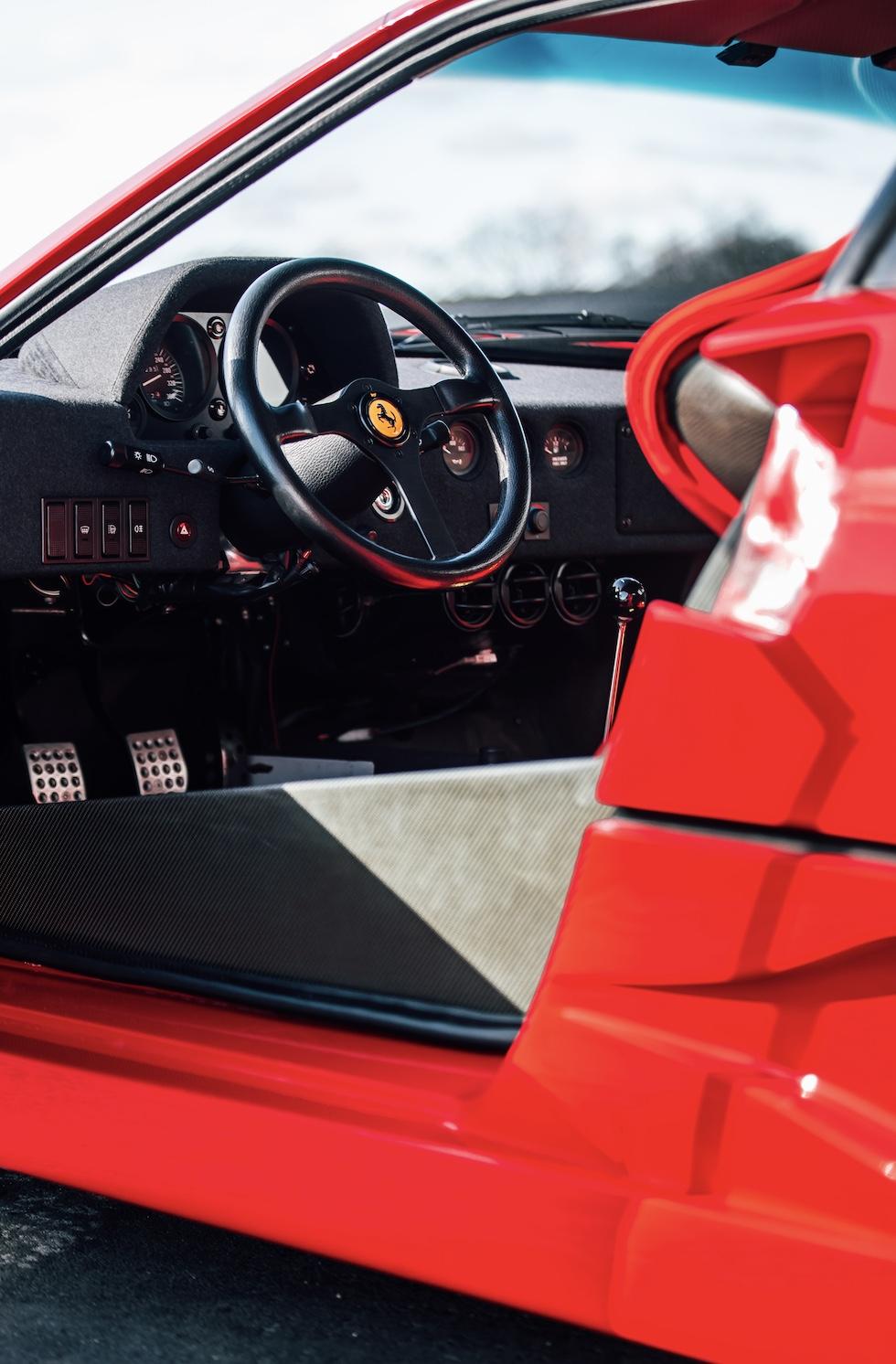 This continues to follow a very different trend to the classic car market, for which buyers don’t have to be multi-millionaires. Supercar Investment Club’s opportunity allows eligible investors the chance to invest in a desirable asset class, and for an affordable share price of just £500.
Supercar Investment Club state there is a real difference in the desirability of the used and driven, and the pristine, concours quality cars, and this is reflected massively in their values. Those that wished to purchase one of these cars with the intention of adding a few miles to it could have paid under £800k last year for a higher mileage F40.
However, for the many wealthy investors and collectors that simply store their cars with the intention of selling them later for a profit, they are not willing to settle for anything less than a pristine example of their desired car, with the most expensive and desirable F40’s selling for over £1.2m last year.
Supercar Investment Club only focus on the best examples, conducting extensive due-diligence on all vehicles before launching them on their platform. Their current opportunity is an entirely original, concours winning F40 with under 4,500 miles on the clock at £1.2m.
You can see a detailed How it works video here: https://www.supercarinvestmentclub.com/how-it-works/
The investment club will manage the cars on behalf of the investors, keeping them in their top quality condition for an investment period of 3 years. Storage, maintenance and insurance is also included in a share price of just £500. Although, to keep the cars in their ultra-low mileage condition, investors won’t be able to drive their investments. Supercar Investment Club will hold investor events where the cars will be showcased among other concours quality supercars. Director Adam Sanderson explains “many of the investors so far are car enthusiasts, so we’re very keen to make the cars as accessible to the investors as possible – holding events throughout the year.”
Supercar Investment Club also handle the logistics of part-owning a supercar investment. Investors vote on any key decisions or profitable offers on the car throughout the investment term on a majority basis.
For more information on the campaign and how to get involved, visit their campaign page here
Supercar Investment Club is an appointed representative of Share In Ltd (FRN 603332), who is authorised and regulated by the Financial Conduct Authority. Past performance is no guarantee of future performance. Capital at risk. Investors should read the full risk warning on Supercar Investment Club’s website before deciding to invest. This article is sponsored by Supercar Investment Club
This continues to follow a very different trend to the classic car market, for which buyers don’t have to be multi-millionaires. Supercar Investment Club’s opportunity allows eligible investors the chance to invest in a desirable asset class, and for an affordable share price of just £500.
Supercar Investment Club state there is a real difference in the desirability of the used and driven, and the pristine, concours quality cars, and this is reflected massively in their values. Those that wished to purchase one of these cars with the intention of adding a few miles to it could have paid under £800k last year for a higher mileage F40.
However, for the many wealthy investors and collectors that simply store their cars with the intention of selling them later for a profit, they are not willing to settle for anything less than a pristine example of their desired car, with the most expensive and desirable F40’s selling for over £1.2m last year.
Supercar Investment Club only focus on the best examples, conducting extensive due-diligence on all vehicles before launching them on their platform. Their current opportunity is an entirely original, concours winning F40 with under 4,500 miles on the clock at £1.2m.
You can see a detailed How it works video here: https://www.supercarinvestmentclub.com/how-it-works/
The investment club will manage the cars on behalf of the investors, keeping them in their top quality condition for an investment period of 3 years. Storage, maintenance and insurance is also included in a share price of just £500. Although, to keep the cars in their ultra-low mileage condition, investors won’t be able to drive their investments. Supercar Investment Club will hold investor events where the cars will be showcased among other concours quality supercars. Director Adam Sanderson explains “many of the investors so far are car enthusiasts, so we’re very keen to make the cars as accessible to the investors as possible – holding events throughout the year.”
Supercar Investment Club also handle the logistics of part-owning a supercar investment. Investors vote on any key decisions or profitable offers on the car throughout the investment term on a majority basis.
For more information on the campaign and how to get involved, visit their campaign page here
Supercar Investment Club is an appointed representative of Share In Ltd (FRN 603332), who is authorised and regulated by the Financial Conduct Authority. Past performance is no guarantee of future performance. Capital at risk. Investors should read the full risk warning on Supercar Investment Club’s website before deciding to invest. This article is sponsored by Supercar Investment Club Strong performance from insurance lends boost to AA profits
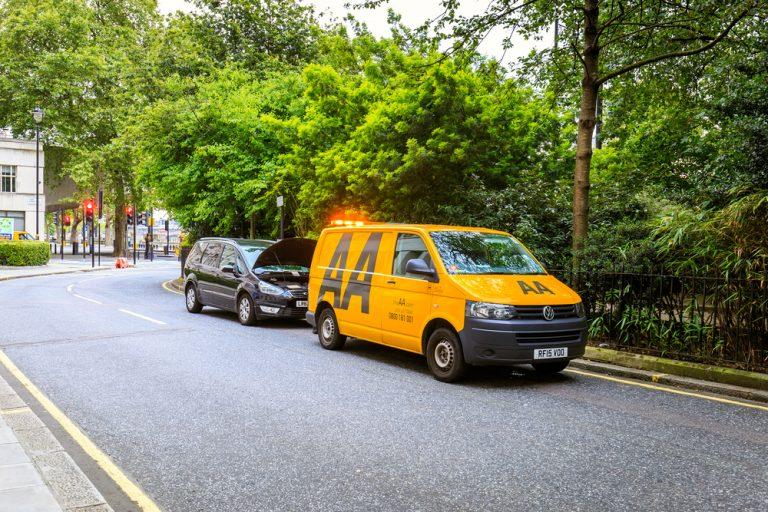
Breakdown recovery firm AA reported an 8 percent rise in operating profit on Tuesday, after a strong performance from its insurance arm offset a weaker performance from roadside recovery.
Operating profit rose 8 percent to £307 million for the year to the end of January, with trading revenue up 2 percent to £959 million. The group reported strong performance in the insurance business, with revenue rising 11 percent to £145 million, coming from both its underwriter and insurance broker and roadside.
Roadside trading revenue rose 1 percent to £814 million, with new memberships up by 7 percent. Driving Services revenue was remained flat.
AA said it expects a 2019 trading profit of between £335 million to £345 million, aiming for an annual growth rate of between 5 and 8 percent from 2019 to 2023.
Simon Breakwell, chief executive, said the group had “delivered a solid performance despite the difficult weather conditions.”
“We have made a positive start to the 2019 financial year as we begin to execute on our new strategy to put service, innovation and data at the heart of the AA with additional investments to grow Roadside and to accelerate the growth of Insurance.
“We remain confident our financial requirements are well funded and will continue to seek ways of lowering the cost of borrowings and de-lever over time”, Beakwell concluded.
AA cut its dividend for the year to 5p per share.
JD Sports sidesteps high street crisis with 26% boost to profits
Retailer JD Sports (LON:JD) released a strong set of results on Tuesday, sending shares up and reassuring investors that it remains unfazed by the current high street crisis.
Headline profit before tax rose 26 percent in the 53 weeks to February 3rd, hitting to £307.4 million. Strong digital sales growth gave a 3 percent boost to like-for-like store sales, with revenue rising by 33 percent across the year to £3,161.4 million.
Operating profit rose by £62.6 million to hit £308.8 million, driven by the first full-year contribution from Go Outdoors. JD Sports bought the outdoor clothing and equipment company back at the beginning of 2017, and its EBITDA has since risen from £7 million to £23 million.
Profit before tax, including exceptional items, increased by 24 percent to £294.5 million.
JD Sports opened a total of 56 stores in the 12 month period, up from 54 the previous year, nine of which were in the Asia Pacific region.
“This is an excellent result demonstrating our capacity for continuing growth in both existing and new markets, and the strength of our offer in store and online,” said chief executive Peter Cowgill.
The final dividend payable to investors increased by 5.4 percent, taking the total dividends payable for the year to 1.63 pence.
“At this early stage, we are satisfied with progress and remain confident about the prospects for the current financial year,” the firm said.
Shares in JD Sports are currently trading up 6.66 percent at 376.40 (0826GMT).