
Gold falls as markets prepare for US Fed to hike rates
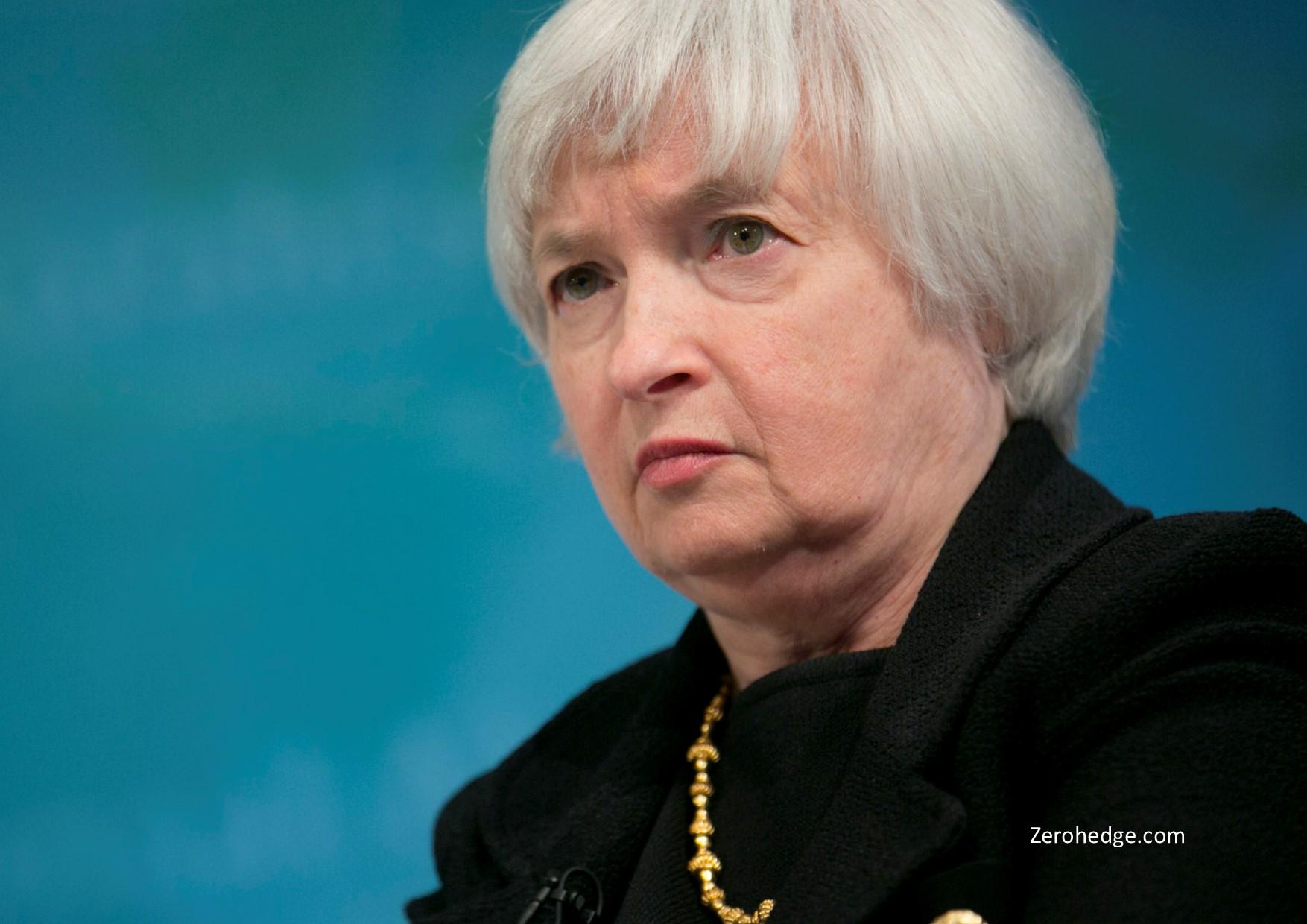
The US Federal Reserve is expected to raise interest rates at its meeting on Wednesday, despite weaker than expected inflation rates.
The Federal Open Market Committee is expected to raise the fed funds target rate by a quarter of a point, from 1 to 1.25 percent.
The move is to come despite inflation still coming in under the Fed’s preferred rate, with the PCE deflator falling to 1.5 percent from 1.8 percent earlier in 2017. The Fed began their policy tightening programme in December 2015, after more than a decade of flat rates, but investors are growing increasingly doubtful policymakers will be able to stick to their anticipated pace of tightening of three interest rate rises this year and next as the economy begins to flag.
“I don’t think inflation coming off is going to alter the current upward trajectory for rates right now,” said Chris Rupkey, chief financial economist at MUFG Union Bank.
“I don’t think we’re going to take one or two rate hikes off the table for the next one or two years. I think they’re going to stick with the game plan.”
Gold prices fell for the fifth day straight on Tuesday as investors anticipate the hike, marking its longest string of losses since the nine-session period ended March 10 according to FactSet data.
Bellway shares rise as “robust” market props up demand
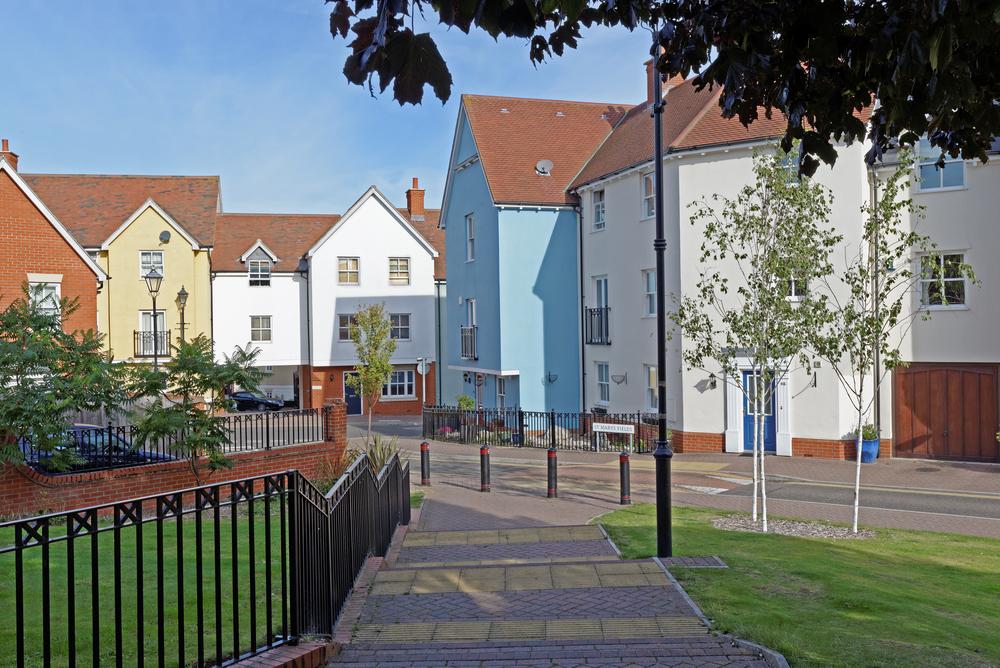
Shares in housebuilder Bellway (LON:BWY) rose on Wednesday, after reporting a larger-than-expected growth in home sales for the 2017 fiscal year.
According to the group, a “robust” property market added 10 percent growth to their home sales over the year. For the four months to June demand remained strong, with a 13 percent increase in reservation rates.
Looking forward Bellway expect trading to remain strong, despite uncertainty in the wake of the general election and heading into Brexit negotiations. Chief executive Ted Ayres said:
“Robust market conditions, together with a clear operational focus, is enabling Bellway to continue increasing its contribution to the supply of much-needed new homes.
“We have made a significant investment in land and work in progress over a number of years and this, together with a strong balance sheet and substantial operational capacity for expansion, should ensure that Bellway is well positioned to deliver further volume growth, this year and beyond.”
The average price for its homes remained at £260,000 and the value of its forward order book of homes stands at £900 million, up from £846 million in the same period last year.
Bellway shares are currently trading up 4.07 percent at 2,966.00 (0941GMT).
Moody’s warns of negative impact on credit rating after UK election
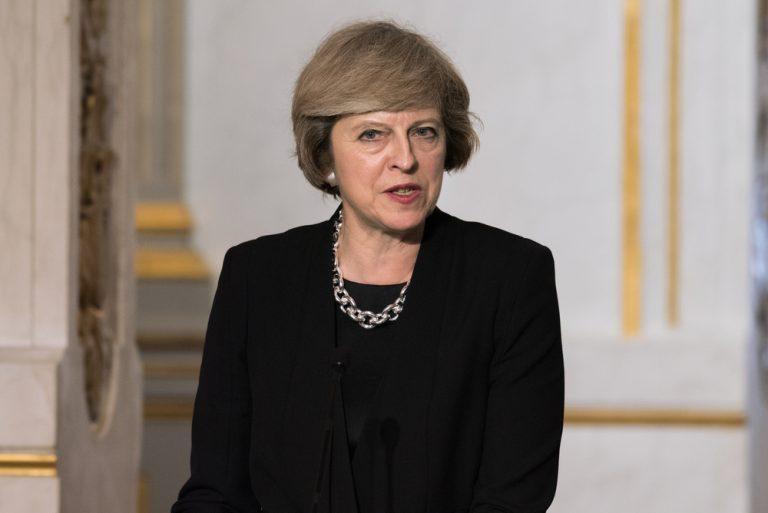
Ratings agency Moody’s has warned of a negative impact on the UK economy in the wake of the inconclusive election result, adding that it is likely to complicate and delay impending Brexit negotiations.
In a report published on Monday, Moody’s said the result was also bad for the country’s credit rating.
“In our view, the budget deficit will increase this year and next as the Government reacts to the economic slowdown under way,” said Kathrin Muehlbronner, Moody’s senior vice president.
However, the agency added that the result had made a hard Brexit less likely, weakening Theresa May’s mandate to walk away from the EU with no deal as previously threatened.
The comments echo those of other rating agency Standard & Poor’s, who also commented on a negative impact on the UK’s credit rating.
“In terms of the outlook for growth, it’s clear that things are not going in the right direction,” S&P European chief economist Jean-Michel Six told the AJEF association of financial journalists in Paris.
“This latest bit of instability can only weaken the business environment and consumer confidence,” Six said, according to Reuters.
UK Inflation hits five year high of 2.9pc
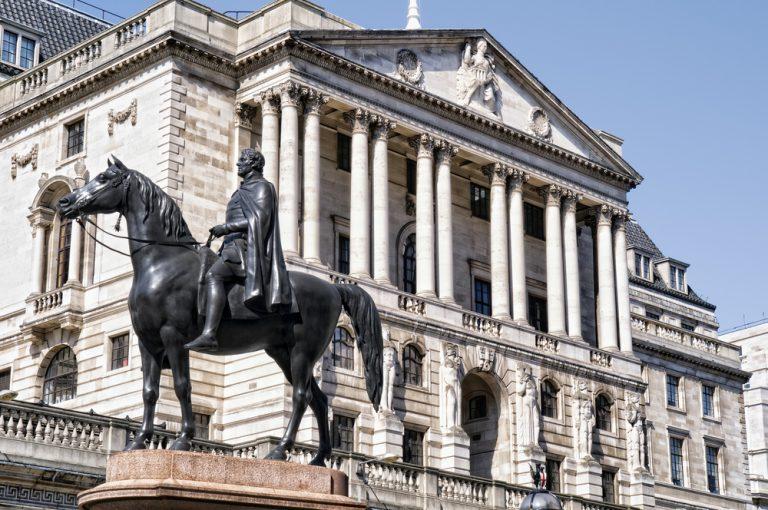
The UK inflation rate rose to 2.9 percent in May, up 0.2 percent from the previous month and well above the Bank of England’s target.
The rate has jumped to its highest level since April 2012, after increasing at a slower than expected rate over the past couple of year. According to the figures from the Office for National Statistics, rising prices for recreational and cultural goods and services – particularly games, toys and hobbies – was the main contributor to the increase in the rate. Other upward contributions came from increased electricity and food prices. The figure is now well above the Bank of England’s 2 percent target, and higher than the average wage growth figure of 2.1 percent.Pound volatile after general election result
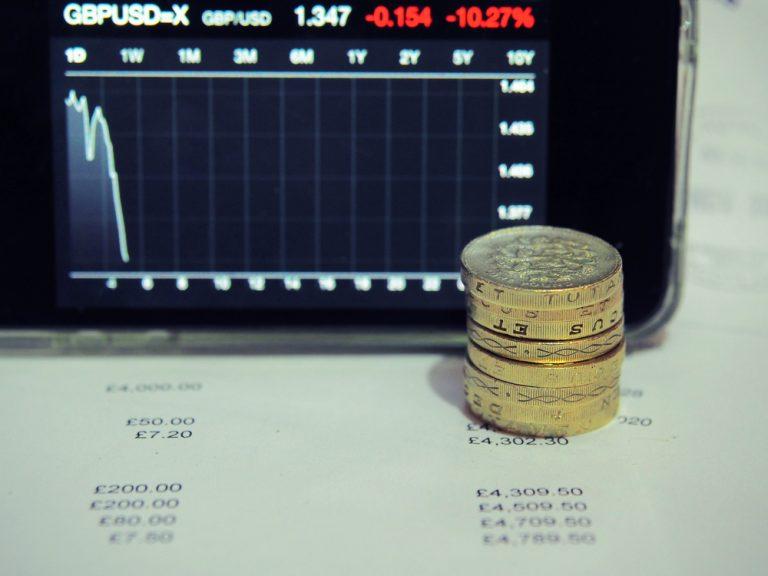
The British pound had a rocky day on Friday, plunging in the wake of the shock election result before clawing back losses towards the end of trade.
The election, which resulted in a hung parliament despite predictions of a strong Conservative win, cause the pound to sink overnight as traders reacted to the results coming in.
The currency dropped to its lowest level in six weeks, down 2 percent in early morning trade. Samuel Tombs, the chief UK economist at Pantheon Macroeconomics, described the exit poll – which predicted that the Conservatives would fail to achieve a majority – as a “thunderbolt”, sending shockwaves across the city.
As Friday progressed and Theresa May announced she would hold on to her position as Prime Minister with a minority government and cooperation from the DUP, the pound started to recover. The pound is now currently up 0.14 percent against the dollar and 0.18 percent against the euro.
UK election uncertainty likely to affect housing market

After a shocking night for British politics, with Theresa May failing to achieve the landslide victory expected, the UK is undoubtedly about to enter a period of uncertainty.
Such an extended period of uncertainty is historically unattractive to inward investment, meaning that the UK and London housing markets are likely to be impacted.
The weakened position of the Conservative party, in conjunction with a pro ‘soft-border’ DUP, would suggest that the UK will be on course for a softer Brexit.
According to investment advisory service London Central Portfolio, this outcome may well be attractive both to institutions considering their position in the City of London and international investors looking at the UK, particularly as global events such as the Trump-Russia affair and continuing destabilisation in the Middle East is causing even greater economic and political flux outside the UK.
The diminished threat of Labour implementing aggressive un-costed tax and spend policies will also be welcome both to business and investor sentiment, taking the edge off uncertainty caused by these election results. Significant tax increases targeted at property investors that Labour might also have instituted are now less likely to occur.
Whilst sterling has rallied slightly in the early hours of today, it is now between 2 percent and 3 percent down against the dollar and euro from yesterday (as of 9.00am 09/06/17) from an already weak position. This is likely to continue in the current political situation which may encourage more active investors to take advantage of discounted prices in the property and stock market, LCP continued.
Nevertheless, it is anticipated that transactions will continue to fall in Prime Central London whilst investors assimilate the new situation, particularly at the luxury end and in the new build sector, already battered through the introduction of new residential taxes.
For the domestic housing market, outside Prime Central London, the recent evidence of a downturn by most data analysts, due to concerns over a weakening UK economic position and rising inflation, is unlikely to be reversed in light of the current events.
Paul Nuttall steps down as UKIP leader
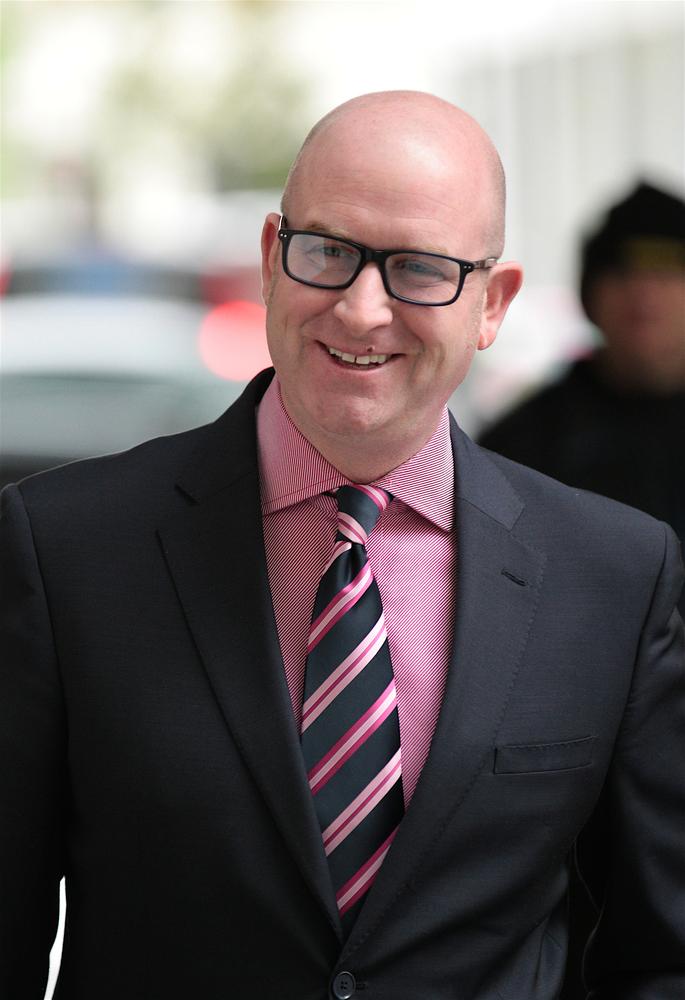
UKIP leader Paul Nuttall has stepped down as party leader, after the party suffered an embarrassing feat in Thursday’s general election.
Speaking at his party’s headquarters, Paul Nuttall said it “has been a honour” to head the party.
“It is clear UKIP requires a new focus and new ideas,” he said.
Before the election results came out, Nuttall criticised May’s decision to call a snap election and said she had put Brexit in danger.
“If the exit poll is true then Theresa May has put Brexit in jeopardy,” Mr Nuttall tweeted.
“I said at the start this election was wrong. Hubris.”
Ukip suffered a collapse in its vote on Thursday, with many people who had backed the party in 2015 and wanted a vote on Brexit voting instead for the Tories or Labour.
Theresa May makes deal with Democratic Unionists
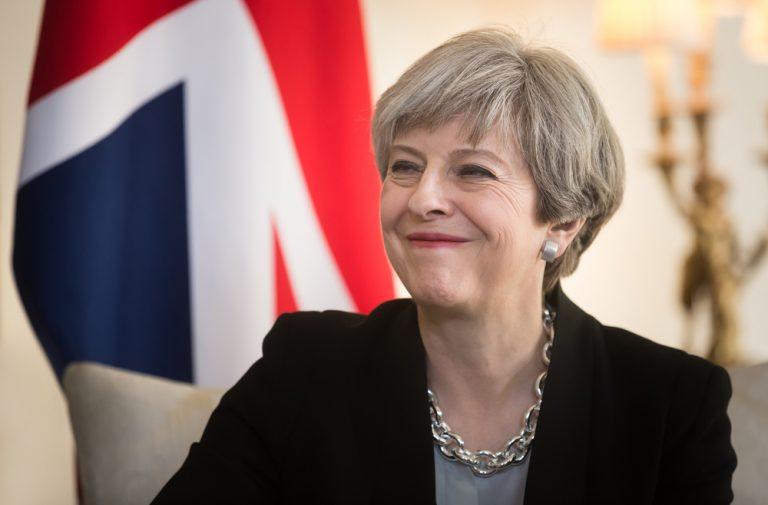
Theresa May has struck a deal with Northern Irish party Democratic Unionists in order to form a government, after failing to reach a majority with just the Conservatives.
May is expected to pay a visit to Buckingham Palace to see the Queen at around 12.30pm to confirm the deal. If the coalition goes ahead, the Conservatives and the DUP will have a majority of three seats.
A DUP source said: “We want there to be a government. We have worked well with May. The alternative is intolerable.”
“For as long as Corbyn leads Labour, we will ensure there’s a Tory PM.”
The DUP have insisted that they have been close to May’s team since she became prime minister 11 months ago.
M&S executives refuse pay rise as retailer fails to meet targets
Marks & Spencer have declined to issue a long-term performance bonus this year, after the retail firm missed their targets for the year.
However, certain staff members will still receive annual bonuses after chief executive Steve Rowe continued to meet performance goals.
In the statement the company confirmed that all executives were offered a 2 percent, which they declined to take. For the year, Rowe made £1.64 million, £810,000 of which was his base salary, far lower than the £975,000 earned by predecessor Mark Bolland.
The board’s update comes just two weeks after the retailer published its annual results for 2016, which showed another weak performance.
Marks and Spencer’s profits fell by almost two thirds to £176.4 million last year, with the retailer attributing the decline to weaker clothing sales and higher costs from opening new food stores.
Sales remained flat at £10.6 billion in the year to the end of March 2017.Japanese GDP figure revised down, but still remains positive

Japanese economic growth was revised down on Thursday, after an unexpected decline in oil inventories and private consumption.
Gross domestic product (GDP) expanded by 0.3 percent in the first quarter, according to the revised figures, the 0.5 percent initially predicted in last month’s preliminary reading.
The annual growth rate was also revised down, to 1 percent from the initial reading of 2.2 percent. Although the figures are much weaker than initially expected, they still represent growth for the economy for the fifth quarter in a row. The figures come after the International Monetary Fund and the World Bank both raised their projections for Japanese expansion.The world’s third largest economy has seen rapid improvement over the past year, after several quarters of worrying decline. The Japanese central bank is expected to meet next week and is likely to keep policy unchanged following the latest data.