
Antofagasta hikes dividend after 78.7 pc profit increase

Copper miner Antofagasta (LON:ANTO) has today announced it will be raising their dividend to 18.4 cents, an increase far exceeding the board’s previous guidance of 35% of EPS.
Antofagasta has been helped by a rising copper price and increases in production.
In addition to a 78.7% jump in EBITDA, margins improved 28% to 45%.
CEO Ivan Arriagada commented on the results:
“Antofagasta’s cautious approach has served us well in what is a cyclical industry, providing us with a stable operating base and a strong balance sheet. As a company we were founded with an entrepreneurial spirit, one that looks for opportunities where others do not see them and it is this attitude – combined with a continued commitment to capital discipline – that informs our outlook. Consequently, our focus in 2017 is on developing those projects that offer all our stakeholders the best returns – such as the incremental expansion at Los Pelambres, which we expect to approve by the end of the year – and will underpin the continued success of Antofagasta.”
Despite the seemingly strong results, voices of concern came from the City regarding cash flow in future.
“We worry that Antofagasta will execute on its extensive growth pipeline, thus draining excess cash flows through 2020,” said analysts at Morgan Stanley.
Shares traded mildly higher in London at lunchtime, +0.55%.
Ethereum surges past $30, up over 50% in less than a week.

Digital currency Ethereum has rallied sharply over past the past after a decision by the SEC to not approve a Bitcoin ETF.
Ethereum is a digital currency just as Bitcoin is but allows for the use of ‘Smart Contracts’ which can be used for a wide range of applications such as rent agreements or even to side step crowdfunding platform when a company is raising money.
This extra dimension to Ethereum is driving the price higher as investors seek value in a digital currency which could be widely adopted in the coming years.
To help investors navigate this area of finance, Investment Superstore has launched a digital currency exchange comparison, access the comparison by clicking here.
Economic uncertainty yet to have effect on consumer habits, says HSBC

The UK consumer has decided to “keep calm and carry on” in the wake of Brexit, with the economic uncertainty not yet having an effect on British spending habits.
The report, compiled by HSBC, suggests that consumers remain “unfazed by current uncertainty” about the economy, with the fear of losing their job representing a limited concern for the majority of those surveyed.
The report analysed spending habits in travel, leisure, food and retail, based on a survey of 2,000 people. The key worry identified was rising inflation, but with many failing to make the link between that and Brexit. Analysts at HSBC commented:
“We find this intriguing because the two are interlinked in our view, with rising living costs being at least partly a function of the Brexit vote.”
Other interesting findings include the fact that coffee drinking is on the rise and Costa is 3 times more visited than Starbucks in the UK.
Spirit drinkers prefer vodka and whisky, the nation’s favourite sportswear brand is Nike and most preferred luggage brand is Samsonite. And despite the weak pound, there is no sign of a decrease in holidays abroad in favour of a staycation in the UK.
HSBC ended the report with stock recommendations based on the findings, which includes FTSE 100 household names such as Whitbread, Diageo and Tesco.
12 Income Stocks for Q2 2017

As is evidenced by the income portfolio’s constituents, we continue to believe that the merits of holding a basket of high quality income stocks are compelling, particularly given the current low interest rate environment. As has been the case for a while now, the difference between the average market dividend yield and cash rate is now at a record level, with the dividend yield from the FTSE 100 around two times the highest current 12-month term deposit.
This, in combination with our belief that economic growth will remain sub-par until the risks and rewards of a Brexit become clearer, gives us confidence that investor demand for ‘income’ stocks will remain elevated despite the recent asset/sector rotations. While there remain a number of key risk factors for financial markets globally (i.e. destabilisation of the EU and rising tensions between the US and China), we think there is enough underlying momentum to absorb these challenges.
Download your copy of the income report now to discover the full list of constituents in the Income portfolio.
Download Income Report For Free
Copyright Fat Prophets® is a registered trade mark/trading name of Mint Financial (UK) Limited, which is authorised and regulated by the Financial Conduct Authority, Number 220591, registered in England and Wales, Number 04255908, with a registered office at 100 Fenchurch Street, London, EC3M 5JD. (www.fatprophets.co.uk)
DISCLAIMER The views and opinions expressed herein are for information purposes only. They are subject to change without notice, and do not take into account the specific investment objectives, financial situation or individual needs of any particular person. They should not be viewed as recommendations, independent research, or advice of any kind. The views accurately reflect the personal views of the author. They are not personal recommendations and should not be regarded as solicitations or offers to buy or sell any of the securities or instruments mentioned. The views are based on public information that we considers reliable but does not represent that the information contained herein is accurate or complete. With investment comes risk. The price and value of investments mentioned and income arising from them may fluctuate. Past performance is not an indicator of future results, and future returns are not guaranteed. We acknowledge an individual’s tax situation is unique and tax legislation may be subject to change in the future
China report first trade deficit in three years

China posted its first monthly trade deficit in three years on Wednesday, fuelling concerns of a slowdown in the world’s second largest economy.
February’s imports up 38.1 percent on a year earlier, pushed higher by increasing commodity prices and domestic demand. However, exports unexpectedly fell 1.3 percent, leading to a surprise trade deficit of $9.2 billion for the month.
China last reported a trade deficit in February 2014, with the latest figures coming below the monthly trade surplus of $25.8 billion expected by most analysts.
However, spectators have said the figures are likely to be a ‘blip’ caused by a longer holiday season in both January and February, which saw many businesses decrease activity.
Julian Evans-Pritchard at Capital Economics, commented:”We suspect that this largely reflects the boost to import values from the recent jump in commodity price inflation, but it also suggests that domestic demand remains resilient”.
Jawbone customer service ‘offline’, sparking complaints
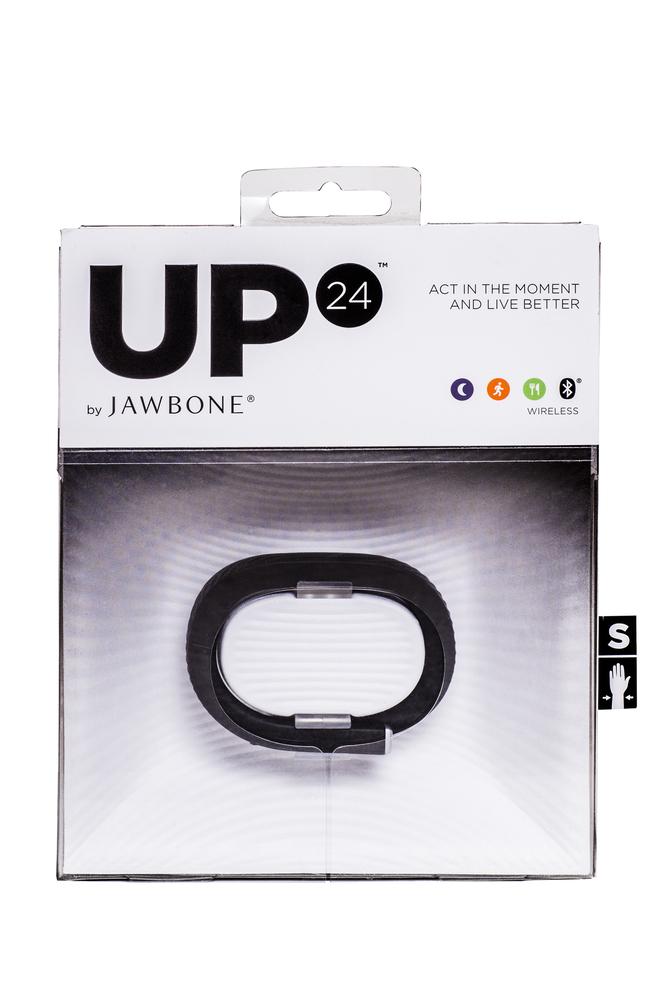
Fitness tracker Jawbone has sparked complaints from customers, after it appeared to have ‘abandoned’ its customer service as it deals with a “process of transition”.
Jawbone marketed itself as a rival to fitness giant Fitbit, selling wearable technology designed to measure users health and fitness. However, its customer care has been offline for several weeks, with both Twitter and Facebook staying notably silent.
Customer service lines are also offline, with a pre-recorded message saying that customer service was not currently available in the UK or EU.
However, a spokesman told the BBC customer care is “days from being back online”, adding that the firm was “in a process of transition”.
Jawbone’s problems have been obvious for a while, since the launch of its UP3 wearable was delayed by six months and had numerous build quality issues.
In February, the brand told TechCrunch that it intended to move from the fitness tracking market to healthcare technology. However, its wristbands are still being sold on Amazon.
Ibstock shares boosted by strong performance in the housing sector

Shares in brick manufacturer Ibstock (LON:IBST) rose Tuesday, after a strong performance from the housing sector boosted both revenue and profit.
Revenue gained 5 percent to hit £435 million, alongside a 8 percent rise in pre-tax profit to £110.9 million.
Adjusted earning before interest, tax, depreciation and amortisation also increased 4 percent to £112 million, with adjusted earnings per share was 18.1p.
The company saw £44 million of capital expenditure on major projects, while it continued strong cash conversion of 88 percent. Performance was boosted largely by the group’s clay business, which saw a stronger second half driven by good activity levels from the new build housing sector.
Wayne Sheppard, Ibstock’s Chief Executive Officer, called the performance “robust”, adding: “We have made an encouraging start to the new financial year, against softer comparatives from 2016 when our UK Clay business was affected by distributor destocking.”
Despite “uncertainty arising from events such as the EU referendum in the UK and the US Presidential election”, Sheppard said:
“With continued strength in the new home developer market, normalised demand from the merchant sector in the UK, and a positive economic backdrop in the US, our businesses have traded ahead of the prior year in the early weeks of 2017.”
Looking ahead, he said “While we remain mindful of the uncertainties surrounding Brexit we maintain our expectations for another year of progress.”
Ibstock declared a final dividend of 5.3p per share, up from 4.4p, making the full year dividend 7.7p.
Ibstock’s shares are currently trading up 2.88 percent at 208.96 (1112GMT).
“Crazy” discount rate changes to significantly hit young drivers

The government’s “crazy” change to the way insurance premiums are calculated may have a disproportionate effect on young drivers, making car insurance too expensive for those under 25.
Last week saw the government change the ‘discount’ rate on insurance premiums, lowering it from 2.5 percent to -0.75 percent. This figure is factored into compensation payments to account for the amount victims could earn if it were to be invested.
This decision is likely to dramatically increase the cost of insurance premiums across the board, but particularly for young drivers. Accountancy firm PwC warned that the average cost of a comprehensive policy is likely to rise by between £50 and £75 a year; but those under 25, for whom insurance is already significantly more expensive, may see premiums rise by up to £1000.
The Association of British Insurers (ABI) described last week’s change to the discount rate as a “crazy decision”. Matt Cullen from the ABI warned on Monday that the price increases are likely to have serious consequences:
“Lots of young drivers rely on their cars – whether to get to school or university or college or work – and it is very important that we have an environment which does not encourage practices that are unhelpful or in some cases illegal, such as fronting, where the parent buys the insurance and has the young person as the second driver when it is actually just the young driver driving. Or driving uninsured, in the worst cases”, Cullen said.
Harworth Group shares sink 5pc despite profit hike in 2016

Rotherham-based property specialist Harworth Group (LON:HWG) saw shares fall nearly 5 percent on Monday, despite reporting an increase in both profit and net asset value.
Harworth reported an operating profit of £45.8 million in the year to 31st December, compared to £37.9 million at the same time last year. These figures included value gain £43.7 million and profit from operations of £2.2 million, up from £1.5 million last year.
The regeneration and investment specialist also saw net asset value increase by 12.5 percent to £334.9 million, or 115p per share.
The group completed six acquisitions over the course of the year, totalling £31.6 million. It also made £58.9 million of disposals to capture value increases on mature residential and commercial sites and to increase focus on sites with higher value add potential.
Harworth’s Chief Executive, Owen Michaelson, said:
“These are a strong set of results, reflecting our continued focus on maximising the value of our strategic land bank whilst simultaneously growing our income base through new lettings and acquisitions. We are particularly pleased by the progress made and value uplift we have seen from our flagship North West site, Logistics North in Bolton, and are pleased to have improved the quality of our income base over the year.
“We have a proven strategy to create value and the market fundamentals in our regions remain strong, giving us confidence in the future.”
However investors remained unimpressed by the results, with shares in Harworth Group falling 4.80 percent by 1140GMT.
06/03/2017
Travis Perkins shares drop nearly 10 pc on 70 pc profit slump

Shares in materials supplier Travis Perkins slumped nearly 10 percent on Thursday, after a business overhaul caused profits to drop dramatically.
Pre-tax profit fell 67 percent to £73 million over the full year to December 31st, with profit after taxation down 91.7 percent.
Whilst revenue rose 4.6 percent to £6,217, basic earnings per share also sunk heavily, down 92.5 percent to 5.1p from 68.8p the year previously.
The results were affected by a weaker pound putting pressure on imports, as well as a “difficult year” for the company’s Plumbing and Heating division.
John Carter, the group’s CEO, said that looking forward, “the macro-economic outlook of the UK is mixed”.
“The sharp decline in the value of Sterling since June 2016 has created cost pressures on imported goods and materials, and the expectations for secondary housing market transactions and growth in the RMI market have weakened”, he added.
Travis Perkins is the UK’s biggest supplier of building materials, with customers across several sectors including housing, plumbing and government. Shares in the company are currently down 8.69 percent at 1,429.00 (1129GMT).