
Brexit risk aversion impacts Latin American stocks and currencies

Stocks and currencies of Latin American countries fell this week as rising concerns of a possible Brexit caused general risk aversion in the financial markets. The markets had seen a small rise on Wednesday after the two-day US Federal Reserve policy meeting ended with uncertainty over when US interest rates would start rising again.
But the rises were short lived, returning to their general downwards trend for the week before a brief rally towards the end of the week. The Brexit debate continues to overshadow other news and recent polling data favouring the ‘Leave’ campaign generates fear of volatility increasing causing investors to turn towards safe-haven assets.
Campaigning was suspended on both sides on Friday in reaction to the murder of Labour MP Jo Cox and first indications suggested that the killing of the vocal ‘Remain’ campaign and pro-immigration cause has led to a change in the general attitude to reconsider the arguments of the ‘Remain’ campaign.
This has been reflected in the markets on Friday as new confidence in the Remain campaign increased investors willingness to take risks and led European stock markets and currencies to experience a general upturn. This development may well reflect positively on Latin American markets in the coming week.
JD Sports points to strong results, Euro’s boost sales

JD Sports PLC (LON:JD) has scored another goal as it benefits from the start of Euro’s 2016 after reporting a rise in sales.
The UK sports fashion retailer today announced its well positioned to deliver ‘excellent half year results’
Ahead of the company’s annual shareholders meeting, the trading update reflected on a string of record results for the year ended 30 January 2016.
“The Board stated that it was encouraged by the continued positive trading across our core fascias in the year to date and that it continued to believe the Group was very well positioned for profitable growth”
The high street retailer, who has exclusive rights to sell jerseys for the Welsh, Irish and England teams, has seen recent profits boost on the back end of sales in their branded trainers and sportswear departments which saw a 45% rise in profits for the year ending 30 January 2016.
The increase in sales performance has now seen company’s shares rise 86% with it’s market cap now ahead of it’s rival Sports Direct International PLC (LON:SPD) at £2,399m.
Peter Cowgill, Executive Chairman of JD Sports said:
“We have, in recent weeks, seen a further boost to sales from the UEFA Euro 2016 Tournament.
Consequently, we are well positioned to deliver an excellent first half-year result. We face strong comparatives for the remainder of the year but our strong start will help facilitate delivery of current market expectations.”
At 1:26pm BST JD Sports PLC traded at 1,236p +11.96 (0.98%)
It’s counter part Sports Direct International PLC traded at 344.90p +10.90 (3.26%)
17/06/2016

Vote Leave’s ‘Migrant Myth’ – why migration is good for the UK’s economy

With just a week to go until the EU referendum, the Leave campaign appears to have taken a steady lead in the polls. Why? One word: immigration.
Polly Toynbee illustrated the feelings of some Londoners in her article for the Guardian on Monday. At a surgery held by Barking MP Margaret Hodge, her constituents made it clear that Leave was the only way they would vote – based almost solely on immigration. One said: “When I get out at the station, I think I’m in another country.” These sentiments are amplified by the right wing media running headlines such as “Fury over plot to let 1.5m Turks into Britain” – meaning that the entire referendum rests on the shoulders of Britain’s border policy.
But amongst all the rhetoric, and two-ing and fro-ing, and the fighting between Bob Geldof and Nigel Farage on flotillas on the Thames, its easy to forget the facts; which show that, on the contrary, migrants contribute far more to the UK economy than they cost in benefits.
1) “Migrants are a drain on our economy”
Germany, who took almost double the amount of migrants from EU member states in 2014, have benefitted from a boost to their economy; an influx of foreign workers boosted employment in Germany to its highest since reunification in 1990, alongside steady GDP growth.
By welcoming migrants, the UK is likely to see the same benefits; the UK’s flexible labour market means migrants find it relatively easy to find work, particularly when compared with countries with stricter labour market regulation. And despite other European countries seeing a fall in employment over the last four years – Italy by 425,000 and Spain by 375,000, to name just a few – the UK has seen a total employment increase of over 1,000,000.
2) “Migrants come here to take advantage of British benefits”
Accord to a House of Commons Library briefing paper on Migrants and Benefits, just 2.2 percent of benefit claimants in February 2015 were EU migrants. In total, Non-UK nationals were less likely to be receiving key DWP out-of-work benefits than those born in the UK, and out of the ten top nationalities registering for UK benefits, only three were within the EU. So how much would leaving the EU to stop ‘EU migrants coming to the UK to live on benefits’ really make a difference?
The President of the European Council, Donald Tusk, has conceded the ability for the UK to restrict migrants’ access to benefits for the first four years of their residence as part of a reformed EU membership for the UK – if we vote to Stay, this should no longer be a problem. But its clear that this is just a precaution – given the UK’s receptive jobs market, the primary motive for migration towards the UK is not benefit fraud, as Nigel Farage would have us believe, but the very real possibility of finding work and contributing to the economy. 43 percent of migrants from EU14 countries came for a definite job, followed by 27 percent moving to study at the UK’s world class universities – often then graduating as a skilled worker into our labour market.
3) “Immigration is a one way street”
It is a fact often forgotten that the right to migrate to other EU countries is mutual. There were an estimated 1.2 million UK-born people living in other EU countries in 2015, most of them live in Spain, Ireland and France. Those who choose to move to Spain are often retired, and in their own words, enjoy the use of Spain’s famously good National Health Service. In the year to September 2015 around 40,000 more British nationals left the UK to live abroad than came back, and before 2008 the net number of British emigrants outstripped that of any other EU country at the time.
The overwhelming evidence is that migrants come to the UK to work, and therefore contribute to the economy – not to claim benefits. The figures speak for themselves: countries who take the most migrants, such as Denmark, Sweden and Germany, have booming economies – with GDPs far greater than ours. A strong social security system and training programmes allows both skilled and unskilled migrants to find jobs – to very positive effects.
And whilst the argument rages over the cost of EU membership to the UK, let it not be forgotten how much the referendum itself has cost; according to the latest figure from the Cabinet Office, the total will be around £142.2 million. If we can spend that on a year long campaign that brings out the worst of British politics, we can certainly afford to integrate migrants into our country and watch them boost our economy.
_YB16.png)
17/06/2016
Microsoft to enter cannabis industry with Kind Financial
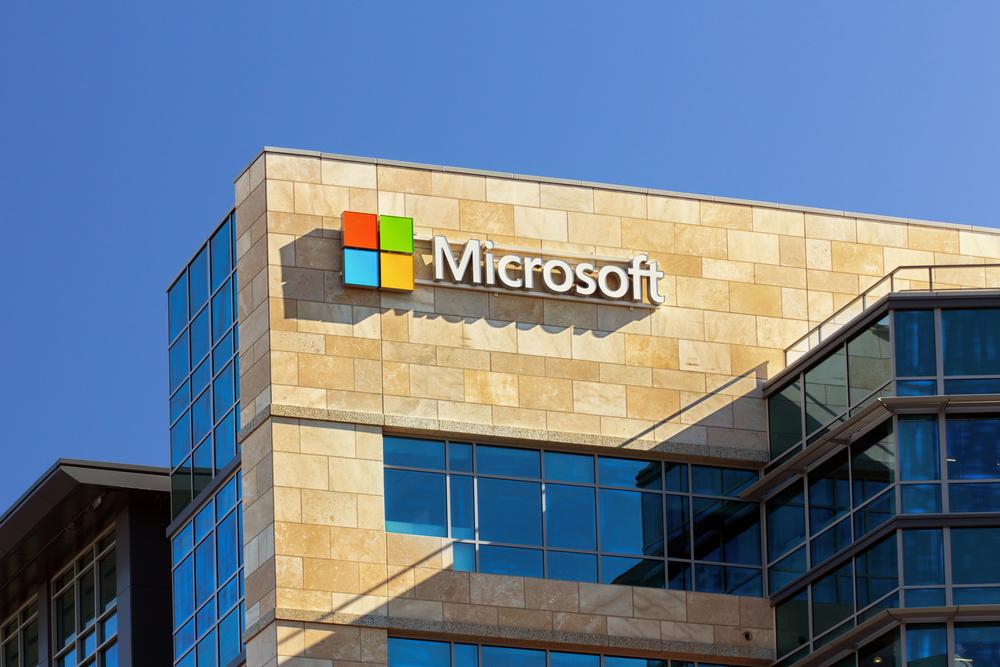
Microsoft has become the first major tech company to enter America’s burgeoning legal marijuana industry, after announcing its partnership with Kind Financial to provide ‘seed to sale’ services for growers of cannabis.
Kind Financial, a California-based tech start-up, runs software allowing cannabis growers to track inventory and handle transactions. Marijuana is fully legal for both recreational and medical purposes in five states, but remains illegal nationwide and contains many contradictions in the law that make high-profile companies unwilling to get involved.
In a statement to the BBC, Microsoft said it supported “government customers and partners to help them meet their missions”.
“Kind Financial is building solutions on our government cloud to help these agencies regulate and monitor controlled substances and items, and manage compliance with jurisdictional laws and regulations.”
Microsoft shares are up 1.41 percent on the news, at 50.39 (0950GMT).
17/06/2016
Morning Round-Up: Tesco in further asset sale, Mitsubishi compensate over fuel tests, HSBC lawsuit

Tesco restructuring continues with garden centre sale
Tesco has announced the sale of its Dobbies Garden Centres business for £217 million, becoming the latest in a string of asset sales.
Chief executive Dave Lewis has been following a plan to divest Tesco of unnecessary assets and focus on reviving the grocery business since his appointment in 2014. Last week Tesco agreed on the sale of its Turkish business and the Giraffe restaurant chain in the UK, after selling Tesco’s South Korean arm late last year.
Tesco (LON:TSCO) is currently trading up 1.54 percent at 155.00 (0919GMT).
Mitsubishi to pay compensation after fuel economy scandal
Japanese carmarker Mitsubishi will pay around $600 million in compensation to vehicle owners, after admitting to overstating the fuel economy on some models.
Each owner will receive 100,000 yen – around £672 – for 625,000 minivehicles with the problem, including two models produced for Nissan.
A statement will be made from 3pm Tokyo time. Shares in the company closed up 6.42 percent on the news.
HSBC to pay to end Household International lawsuit
Shares in HSBC Holdings have risen after it announced that it would pay $1.575 billion to end a 14 year old lawsuit.
The lawsuit, which stemmed from the Household International consumer finance business that the British bank bought in 2003, could have made HSBC liable for a figure as high as $3.6 billion.
Shares have risen 0.68 percent on the news, trading at 429.35 (0938GMT).
17/06/2016
Mulberry back in business after strategy change
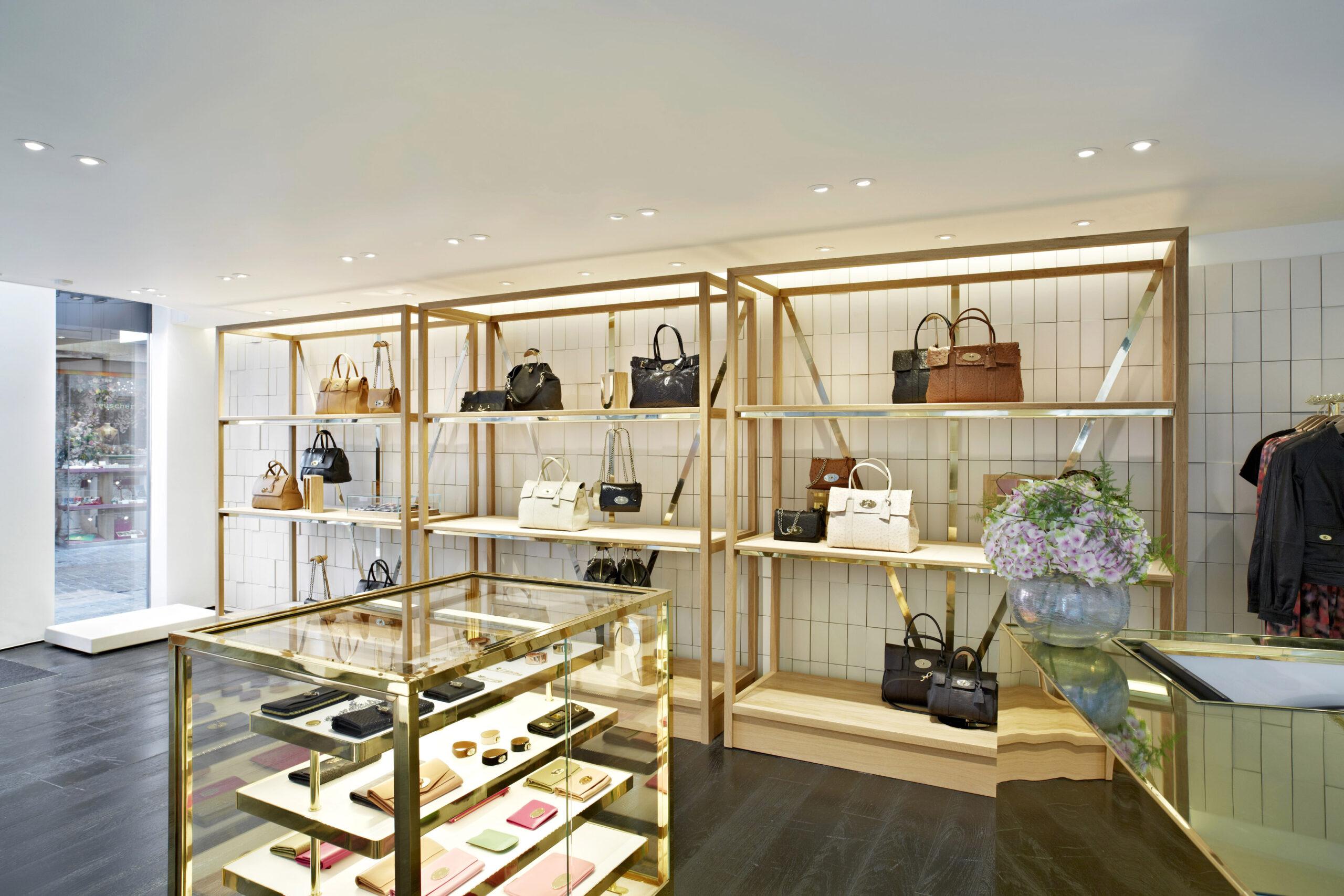
British leather goods retailer Mulberry saw profits jump to £6.2 million for its 2015 financial year, with the introduction of a more affordable product range sparking demand.
Total retail sales for the 11 weeks to June 11 also rose 4 percent on a like-for-like basis, with full-year retail sales up 8 percent. Total revenue rose 5 percent to £155.9 million.
These figures are the first set of results since Mulberry retreated from an advance into the luxury sector, resulting in a a 74 percent fall in full-year profit for the year ended 2015. Lowering prices and reinventing its range, Mulberry’s latest set of results show the company is heading in a more promising direction.
16/06/2016
Morning Round-Up: US rates unchanged, Poundland profit drop, Asian shares fall

Yellen leaves US rates unchanged in the run-up to Referendum
US rates remain unchanged after this month’s Federal Reserve meeting yesterday, with Janet Yellen citing slow job growth and a possible Brexit vote as reasons for the decision.
Interest rates will now remain between 0.25 and 0.5 percent for another month. Yellen commented:
“It is a decision that could have consequences for economic and financial conditions in global financial markets.
“If it does so it could have consequences in turn for the US economic outlook that would be a factor in deciding on the appropriate path of policy.
“Obviously how that turns out is something that will factor into future decisions,” she added.
Poundland profits fall ahead of possible takeover
British chain Poundland announced a 13.5 percent fall in underlying full-year profit today, ahead of a possible full takeover by South African group Steinhoff.
The company cited subdued trading, adverse currency moves and difficulties integrating the 99p Store chain into the business.
Steinhoff, who already own 23 percent of Poundland, has until July 13th to bird for the rest of the company. Poundland made an underlying pretax profit of £37.8 million in the year to March 27th – below analysts’ expectations.
Nikkei plunges 3 percent on rising yen
Thursday became another poor day for Asian shares, with the Nikkei closing down 3 percent for the second time this week.
A rise in the yen contributed to the market fall, seeing the dollar drop to 104.06 yen – its lowest since August 2014. The impact was exacerbated by a statement from the Bank of Japan after its meeting saying it would not add further stimulus.
The Nikkei 225 index closed down 3.05 percent to 15,434.14 points, with the Hang Seng down 2.10 percent and the Shanghai Composite down 0.50 percent.
16/06/2016
Meatcure seeks backers to grow “impossibly good” burger business

Meatcure, the burger restaurant inspired by New York’s Meat Packing District, is seeking crowdfunding backers to help expand the business across the UK.
Meatcure’s story began in Market Harborough, Leicestershire, where their first restaurant made £14,000 in the first week – quite a feat in a town with only 22,000 people. This was in late 2014 and since then, the business has grown exponentially to the point where their fourth restaurant, opening this month, was completely self-financed. The quick growth, mixed with a cult customer following, has seen the demand for Meatcure to grow; the company are aiming to open five more new restaurants in market towns across the UK, preferably with the help of backers through a crowdfunding campaign on Seedrs.
Meatcure’s success is down to having one simple goal: to put the best patty in the best brioche and to create an impossibly good burger. They follow a motto: “We build restaurants we like to hang out in, food we like to eat and surround ourselves with individual and inspiring people. Our staff have become our family and their family our customers.”
Their commitment to ‘impossibly good’ saw them using their own recipes working with local suppliers and the best ingredients to create the perfect patty brioche marriage. Even with a combined 230 years experience it still took nearly twelve months to perfect the recipe. With the UK having over 500 market towns and smaller cities, Meatcure hopes to bring their passion and ingenuity to a much wider audience, without compromising an ounce of quality or personal touch.
Meatcure co-founder Paul Rigby commented, “There’s huge potential benefit to investing in Meatcure’s campaign. The way we build our restaurants is fast, fun and with a view to getting a good payback for our investors. It’s not rocket science, it’s mostly wood and lots of those trendy light bulbs. Our aim is to create a backdrop for our impossibly good burgers, craft beers and killer cocktails. The good news with the crowdfunding campaign is that you don’t have to wear a tool belt or steelies – we’ll do that bit for you!”
Co-founder Rob Martyniak added, “At Meatcure we are kind of old school about things. We make impossibly good burgers, we do steak properly, superb salads and proper food for kids. We love coffee, craft beers and killer cocktails – however, there are no £10 cocktails or long table waits. You’ll be greeted with an old school smile and you might even get to choose the vinyl that’s playing. I think that’s why we’ve seen the Meatcure name grow. We do what we love and we love what we do. We can’t wait for others to be a part of it.”
 Meatcure’s campaign will be run through equity crowdfunding platform Seedrs, and is inviting backers to help them raise the £350,000 needed to take the vast choice and dynamics of the street food generation to market towns across the UK.
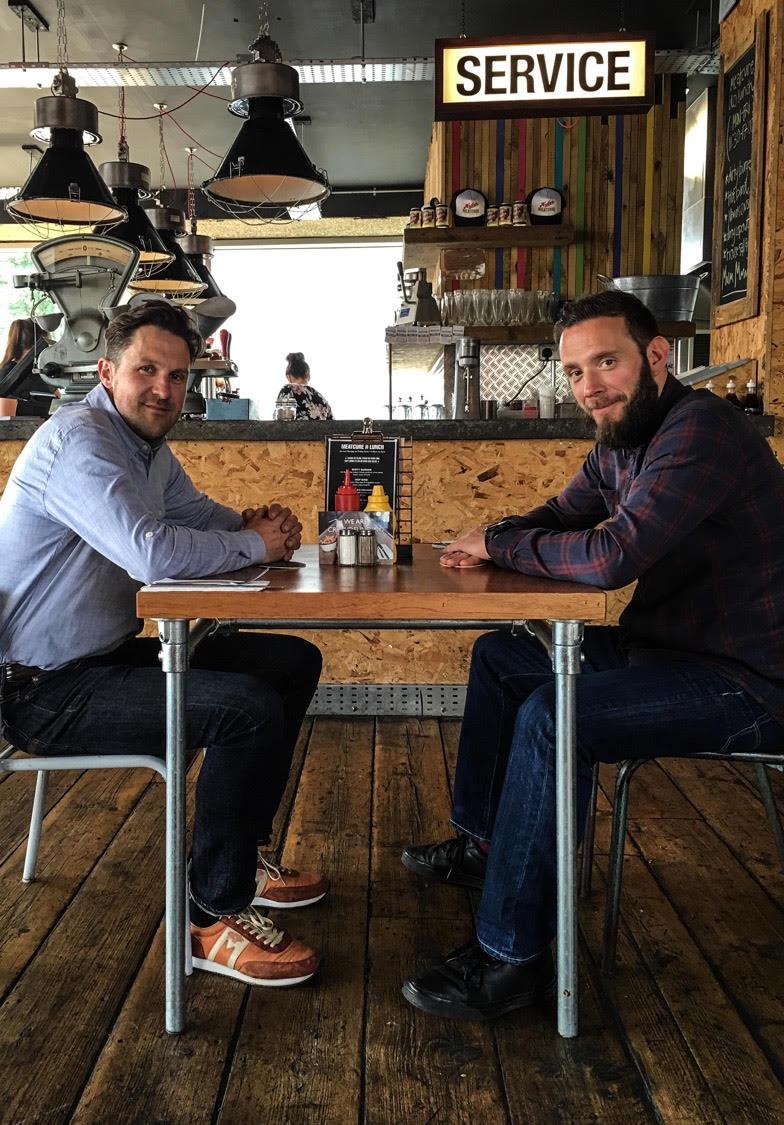 Meatcure’s campaign will be run through equity crowdfunding platform Seedrs, and is inviting backers to help them raise the £350,000 needed to take the vast choice and dynamics of the street food generation to market towns across the UK.
Ekaterina Steube, Campaigns Success Manager at Seedrs said: “We are excited to welcome Meatcure on to Seedrs. The brand is all about great food, world class customer experience and supporting local suppliers, and their campaign reflects that. The team is exceptionally focused with highly experienced founders and we look forward to seeing the business scale.”
Meatcure are crowdfunding with Seedrs from Monday 13 June and you can find out more on for to be a part of it by visiting www.seedrs.com/meatcure.
Morning Round-Up: FTSE up, oil down, Rolls-Royce for Remain, UK inflation at 0.3%
FTSE up, oil down as Brexit weighs
The FTSE rose again this morning after falling 2 percent on Tuesday over fears that the UK is swinging towards a Brexit.
The index is up 0.90 percent in early trade, with the pound – which also dropped dramatically yesterday – following suit, up half a cent at $1.4167.
However, oil has hit its lowest price in three weeks, as Brexit worries and a surprise build in U.S. inventories pushed prices down.
U.S. crude CLc1 fell to $47.55, with Brent LCOc1 hitting its lowest price in two weeks, at $49.29 a barrel.
Roll-Royce CEO urges a “Remain’ vote
The CEO of British engineering company Rolls-Royce has urged its staff to vote to Stay in the EU, saying that a Brexit would “limit any company’s ability to plan and budget for the future.”
“We have taken the public position that as a company Rolls-Royce believes our customers, suppliers and employees benefit from the UK’s membership of the European Union and that it is in the company’s interests to remain a member,” East said.
He continued, “We have a very interconnected operation around Europe… We’re making investment decisions all the time about where to place various parts of our operation… and uncertainty created by Brexit puts a lot of those decisions on hold, and that pause is something that our US competitors don’t have to cope with.”
Rolls-Royce is Britain’s premier engineering company and employs 37,000 people.
UK inflation sticks at 0.3 percent
The UK’s inflation rate remained unchanged in May at 0.3%, according to the latest figures from the Office for National Statistics.
A fall in the price of clothing offset rising transport costs, keeping inflation well below the 2 percent target set by the Bank of England. The continued low inflation makes it unlikely that rates will be raised in the near future.15/06/2016