UK economic growth slows in the first quarter
Gross domestic product fell to 0.4 percent in the first quarter of the year, according to the Office for National Statistics.
The figure was 0.2 percent down from the last quarter of 2015, with growth on an annual basis standing at 2.1 percent. Construction output saw a sharp fall, down 0.9 percent, with production output down 0.4 percent. However, these weaker figures were countered by a 0.6 percent growth in the service sector, the biggest part of the British economy.
Twitter results disappoint again
Shares in Twitter plunged 13 percent after the release of their first quarter results, with figures yet again coming in below analysts expectations.
Twitter reported a revenue of $595 million, significantly below the $607.8 million expected. However, their number of active monthly users rose by 3 percent to 310 million, a positive sign that may well lead to a much-needed increase in advertising revenue.
Home Retail reports sharp fall in profits ahead of Sainsbury’s takeover
Home Retail, the owner of Argos and Homebase, reported a 28 percent fall in annual profit on Wednesday, just after agreeing to a takeover by supermarket chain Sainsbury’s.
Underlying pretax profit fell to £94.7 million for the year to February 27th, down from £132.1 million in 2014-15 but slightly above analysts’ expectations. Sales were flat at Argos and down 3 percent at Homebase.
Shares in Home Retail (LON:HOME) are trading down 0.62 percent at 169.14 (1033GMT).
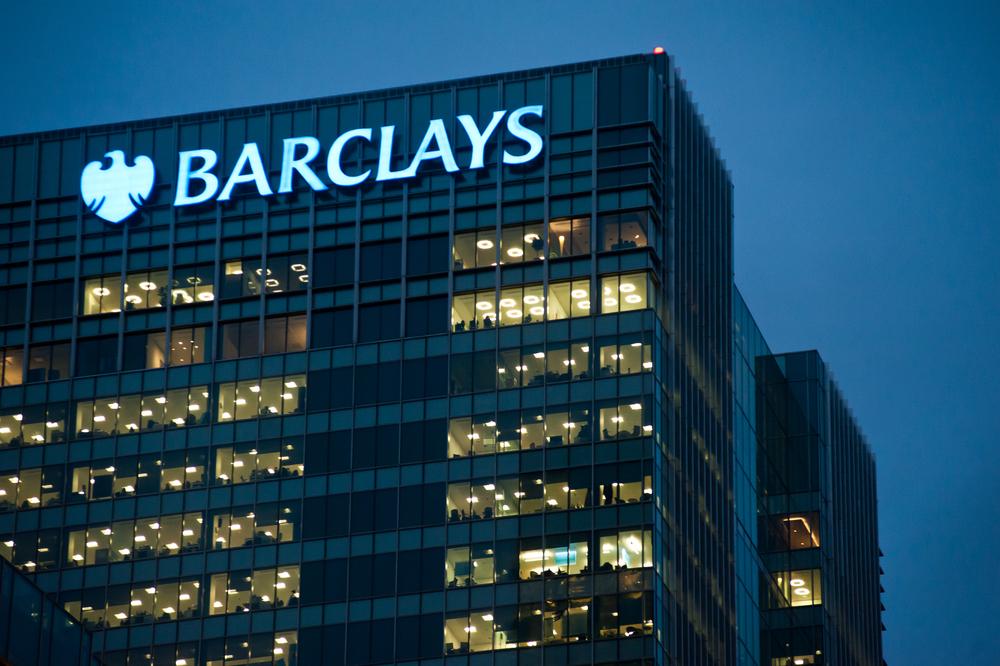
Barclays bank (LON:BARC) performed better than expected in the last quarter, as the turnaround strategy put in place by CEO Jes Staley begins to have an effect.
The group saw a 25 percent drop in profits to £793 million, down from £1.1 billion for the same period last year. However, the bank saw an improvement in some areas including an 18 percent increase in core profit before tax to £1608 million. Barclays have been troubled by poor results and a poor performance from its investment banking arm of late, but Jes Staley has recently put in place a strategy to streamline operations and bring the bank back into the black. He commented:
“This quarter we have made good early progress against the strategy update we announced on the 1st of March. It is the first set of results as a transatlantic consumer, corporate and investment bank operating under our new configuration of Barclays UK and Barclays Corporate & International, and they show a Core business performing well in a challenging environment.”
Citigroup analysts said in a note: “Overall we view these as solid results”. Shares have risen on the back of the better-than-expected results, currently trading up 2.83 percent at 179.10 (0958GMT).
Technology giant Apple has seen shares slump in pre-trade, after reporting its first ever revenue drop.
It appears that the iPhone, once on a seemingly never-ending upward trajectory, is beginning to stumble; sales have been slowing for months, despite the release of the iPhone 6SE earlier this year. Apple sold just 51.2 million iPhones during the quarter, down from 61.2 million in the same quarter of 2015. Apple has also been hit hard by a slowdown in China; the Chinese market props up weaker demand in Europe and the Americas, sales in the region fell by 26 percent in the last quarter.
The company posted quarterly revenue of $50.6 billion and quarterly net income of $10.5 billion, with a gross margin of 39.4 percent compared to 40.8 percent a year ago.
Tim Cook, Apple’s CEO, commented:
“Our team executed extremely well in the face of strong macroeconomic headwinds. We are very happy with the continued strong growth in revenue from Services, thanks to the incredible strength of the Apple ecosystem and our growing base of over one billion active devices.”
Some analysts are now questioning whether this is the end of the ‘smartphone boom’, with technology companies such as Apple, once pioneers, now facing a saturated market. Apple (NASDAQ:AAPL) shares have fallen nearly 8 percent in pre-market trading this morning.
After BHS filing for administration yesterday all eyes are now on Sir Phillip Green, the chain’s previous owner, to understand just how the company’s pension scheme ran into a £571 million deficit.
Green sold the chain to a consortium of backers and lawyers named Retail Acquisitions for £1 in 2015, after buying it for £200 million in 2000. Whilst Green has offered to voluntarily contribute £80 million to the pension plan deficit, it is likely that he will be asked for more when questioning begins by a House of Commons committee.
John Mann, the Labour MP and member of the Treasury select committee, called on Green today to repay £400 million of dividends that were paid out of BHS, or face giving up his knighthood.
Mann said: “Sir Philip Green and his family have made millions out of BHS and its hardworking staff. He took over a company with a healthy pension pot, yet when he sold BHS a black hole had appeared in its fund.
Green was not the only owner to make money from the chain and leave it high and dry, with Retail Acquisitions directors paying themselves £8.4 million in ‘professional fees’ just after acquiring it.
As it currently stands, the deficit means members of the pension scheme who are yet to retire will be paid a less generous pension – which is likely to be investigated in the coming months by a Commons committee.
YouGov
Market research group YouGov provides surveys and data for media groups and large businesses globally. The company has a market cap of £164.46 million and a P/E ratio of 36.4, and has seen its shares rise fairly consistently over the past five years. At the end of March, the group posted financial results for the past six months showing revenue growth of 15 percent, up 4 percent on the year before, and adjusted operating profitup by 29% to £4.3 million.
Churchill China
Stoke-on-Trent based pottery business Churchill China was started in 1795, and has been run by the same family for the past 93 years. The Roper family changed the name to Churchill in 1984, and remain in ownership of over 25 percent of the tableware manufacturer.
The company has a market cap of £89.87 million, with a P/E ratio of 22.18. Shareholders will have received dividends in almost every year since the company listed in 1994 and the payout has not been cut for at least 15 years – share price has increased steadily over the past five years and the company remains a solid investment.
Nichols
Soft drink maker Nichols is another longstanding British company, producing fizzy drinks since 1908. Brands include Vimto, Sunkist and most recently a range from entrepreneur Levi Roots. Another family run company, it remains in the hands of the grandson of its founder, and continues to thrive. At the beginning of last month, operating profit for the six months to March was up 8.6 percent, with profit before tax up 8.9 percent. Management has increased the dividend payout for the last 10 years – good news for its shareholders.
Finsbury Food Group
Finsbury Food Group supplies a wide range of goods to customers including supermarkets, cafes, wholesalers and restaurants. A slightly larger company than the last two mentioned, Finsbury has a market cap of £156.43m and a P/E ratio of 10.70 and a gain, has seen shares move along a constant upwards line over the past five years. After a cost-reducing restructure in 2013, the company is now able to attract more investors by paying a dividend.
Whether you realise it or not, commodities are an important linchpin of human civilisation. From the food we eat to the fuel that powers our modern modes of transportation, commodities make the world go round. They are not only consumed, but invested in as well. That’s why banks, hedge funds, institutional investors, businesses and even nation-states trade in commodities each and every day.
The power of the internet has brought commodities investing to Brits on a silver platter, enabling people from all walks of life to possibly increase their personal wealth through metals, energy,livestock and agricultural products. These are the four main categories of commodities that are bought and sold on the market each day; below we cover them in a little more detail beforeshowing you how you can access them on the open market.
Metals
In commodities trading, metals are of two types: precious and base. Precious metals are the really shiny metals that are valued for their rarity and high economic value.
The most common examples of precious metals are gold, silver and platinum. Precious metals are considered “safehaven” assets for their ability to retain value during times of market turbulence and uncertainty. When there’s fear, investors park their money into gold and silver.
A base metal, on the other hand, tends to corrode relatively easily, which makes it more useful in commercial and industrial applications. Base metals are more abundant than precious metals and are therefore cheaper. The most common base metals include aluminum, copper, lead and nickel.
Energy
Energy commodities include products like crude oil, natural gas and gasoline. As you can imagine, energy commodities play a huge role in the global economy because nations rely heavily on these and other fossil fuels to keep their economies running. Oil prices are influenced by such things as production, the supply-demand balance and even politics. The price of oil alsoinfluences other financial markets ranging from stocks to currencies – a conversation for another time!
Livestock
Believe it or not, livestock and meat are bought and sold on the financial markets. Livestock – domesticated animals raised in an agricultural environment for commercial use – are popularinvestments due to their growing demand and role in many commercial processes from food to clothing. Take cattle, for example. Cattle are valued for providing milk, leather, meat and even labour, making them a valued investment.
Agriculture
Agriculture is a massive global industry that feeds billions of people. Soybeans, corn, wheat, coffee, cocoa, cotton and sugar are all available on the futures market, giving investors exposure to diverse economies. Factors that affect agricultural supply – overconsumption, population growth, extreme weather, droughts and other forces – have a major impact on prices.
Ways to trade commodities
If you’re new to commodities trading, you’ll be relieved to learn that metals, energy, livestock and agricultural may be bought and sold through the futures markets and via contracts for
difference (CFDs). This essentially means you never have to deal with the physical commodity itself. If that’s not convenient enough for you, try getting 40,000 tonnes of cattle meat delivered to your front door – not a pretty sight in central London!
Futures
A futures contract was originally designed to protect producers from sudden swings in prices and, over the generations, futures have evolved into a profitable way to trade the commodities market. A futures contract is essentially an agreement to buy or sell a commodity at a predetermined priced and date. The payment and/or delivery of the commodity is made on the future date specified in the contract.
Contract for Difference (CFD)
A contract for difference is an agreement to close out a contract for the profit or loss, which is determined by the difference between the opening price and
closing price of the asset. In the case of a CFDs, the profit or loss settlement is made through cash rather than physical delivery of the asset. CFDs provide an excellent way for traders to
access commodities without actually owning the underlying asset. CFDs are popular because they may allow traders to make money from rising and falling prices using leverage, an extremely powerful tool in the highly liquid commodities market.
Indirect Investment
Another possible way investors may gain exposure to commodities is by purchasing stocks and mutual funds, which are considered indirect investments. However, it’s important to remember that stocks and mutual funds are completely different asset classes that aren’t always influenced by the same factors that dictate the commodity markets.
Invest in Commodities from Home
The growth of online trading platforms has made commodities investing easier and more accessible than ever before. Accessing the market is as easy as registering for a trading account with a leading financial institution. While there are many financial brokers to choose from, only a small handful have withstood the test of time. easyMarkets is a fully regulated Cyprus-based brokerage that has been in operation since 2003.
Its platform is ideally suited for new investors just learning about commodities to experienced traders looking to access the market on a full-time basis. The easyMarkets Learn Centre is a good place to get up to speed on commodities investing, including tutorials on CFDs and vanilla options.easyMarkets offers investors direct access to precious and base metals, energy products and agricultural goods. More than 300 markets are available on their state of the art trading platform, ensuring a seamless investment experience across all markets.Commodities investing doesn’t have to be intimidating. By arming yourself with knowledge and a powerful investing platform, you are well on your way to developing a successful investing programme.
Risk warning: Forward Rate Agreements, Options and CFDs (OTC Trading) are leveraged products that carry a substantial risk of loss up to your invested capital and may not be suitablefor everyone. Please ensure that you understand fully the risks involved and do not invest money you cannot afford to lose. Our group of companies through its subsidiaries is licensed bythe Cyprus Securities & Exchange Commission (Easy Forex Trading Ltd- CySEC, License Number 079/07), which has been passported in the European Union through the MiFIDDirective and in Australia by ASIC (Easy Markets Pty Ltd -AFS license No. 24656
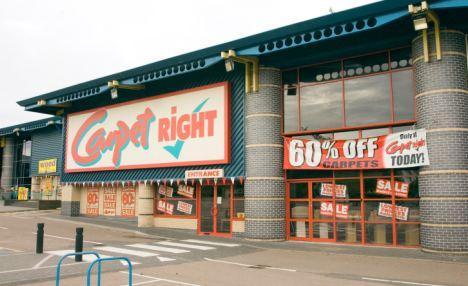
Carpetright shares are down nearly 15 percent this morning after a disappointing earnings release.
Like-for-like sales were up 0.7 percent in the twelve week period and up 2.9 percent for the financial year to date – a considerable fall from last year’s sale increase of 9 percent.
However, chief executive Wilf Walsh remained positive, saying results were “encouraging”:
“Our plan to revitalise the Carpetright brand remains on track. We continue to make progress with our efforts to reduce store occupancy costs, with a number of further property deals in the pipeline. We look forward to providing shareholders with a comprehensive update on our strategic plan at the time of our results announcement at the end of June.”
Carpetright (LON:CPR) shares are currently down 14.03 percent at 331.00 (1153GMT).
When someone says they’re moving to South London, they invariably mean Clapham – or Balham, at a push. But with house prices in these areas spiralling out of control, its time to look a little further afar – luckily, South London still has plenty of charming areas which are just as nice, and better value for money.
Sydenham Hill
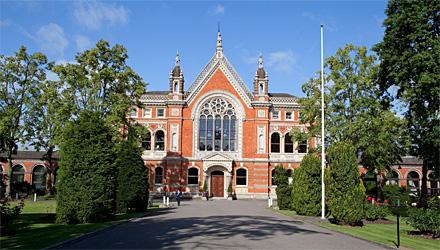
As close as you can get to Dulwich, without actually being in it (and paying Dulwich prices). Sydenham Hill is just a short stroll from picturesque Dulwich College and the world’s first purpose-built art gallery, Dulwich Picture Gallery. There’s plenty of green space, good schools and an excellent choice of housing.
How to get there:
Trains go every 15 minutes from Sydenham Hill station to both London Bridge and London Victoria.
Gipsy Hill
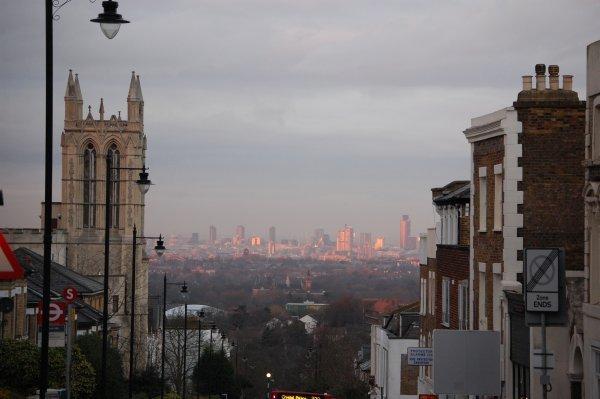
View from the top of Gipsy Hill
Another great location around the same area – Gipsy Hill is blessed a view of the London skyline that would rival Primrose Hill. There are several great pubs, including The Paxton and the Rosendale, both with large beer gardens and Sunday lunches. If you’re a fan of beer, the area also plays host to two independent brewing companies – the Gipsy Hill Brewing Co and the London Beer Factory – both of which hold regular tastings and parties at the weekends. In a short (but hard!) walk up Gipsy Hill are the amenities of Crystal Palace, including the famous Crystal Palace park.
How to get there:
Trains go every 15 minutes from Gipsy Hill station to both London Bridge and London Victoria.
Tooting
Tooting Bec common
Almost Balham, but not quite. Tooting is well-located near several Northern line stations for ease of access, and has long been overlooked – but not any more. For foodie lovers, it is well known for its many South Indian restaurants, such as Dosa n Chutney, and the hipster hangout Chicken Shop. Houses are mainly Victorian and Edwardian, with Tooting Bec common providing a great open space for families and runners.
How to get there:
Grab the Northern line and get to Central London in 24 minutes.
Herne Hill
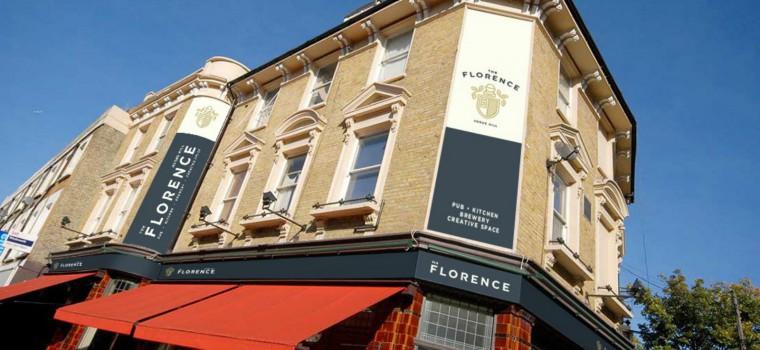
The Florence pub, Herne Hill
Nestled perfectly between upmarket Dulwich and edgy Brixton, Herne Hill is a pocket of London worth discovering. It boasts several great pubs such as The Florence and Hootananny (for those that want to carry on into the night.) It is right on the edge of Brockwell Park, which has a lido for the summer, and a short walk from Brixton, with its generous choice of restaurants, pubs and bars.
How to get there:
Trains from Herne Hill Station go to London Victoria in 20 minutes, as well as links to Luton and Sutton.
Blackheath
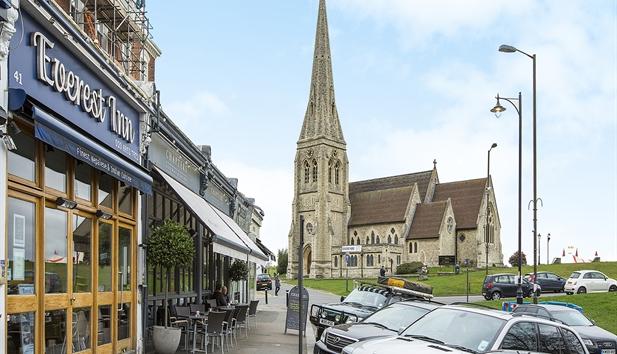
Part London, part countryside – this sought-after location has it all. A panoramic view over Greenwich and Wharf, but with plenty of open space and a village feel. Every year it hosts a music festival, OnBlackheath, as well as being the start of the London Marathon every April. House prices are a little steeper here – it attracts families looking for a quieter place to settle down, and you can see why.
How to get there:
Trains from Blackheath station go into Charing Cross and Cannon Street, as well as Dartford and Slade Green.
Buy Note: Construction & Materials Company Forming Uptrend
Is this a value investor’s dream?
Key Considerations:
The forecast P/E for the year to March 2017 is currently 7.2X
Prices have respected support at the 78.6% Fibonacci retracement
Operates in the UK and South Africa
With reference to the weekly chart, prices have respected support at the long-term uptrend line, which is
bullish
Download this report now for free for a limited time.
Copyright Fat Prophets® is a registered trade mark/trading name of Mint Financial (UK) Limited, which is authorised and regulated by the Financial Conduct Authority, Number 220591, registered in England and Wales, Number 04255908, with a registered office at 100 Fenchurch Street, London, EC3M 5JD. (www.fatprophets.co.uk)
DISCLAIMER The views and opinions expressed herein are for information purposes only. They are subject to change without notice, and do not take into account the specific investment objectives, financial situation or individual needs of any particular person. They should not be viewed as recommendations, independent research, or advice of any kind. The views accurately reflect the personal views of the author. They are not personal recommendations and should not be regarded as solicitations or offers to buy or sell any of the securities or instruments mentioned. The views are based on public information that we considers reliable but does not represent that the information contained herein is accurate or complete. With investment comes risk. The price and value of investments mentioned and income arising from them may fluctuate. Past performance is not an indicator of future results, and future returns are not guaranteed. We acknowledge an individual’s tax situation is unique and tax legislation may be subject to change in the future
Energy firm Scottish Power have been ordered to pay an £18 million fine by regulator Ofgem.
A new computer system implemented several years ago led to 1 million complaints between June 2013 and December 2015. Ofgem said that the firm handled the situation inadequately, treating customers unfairly and poor complaint resolution.
The latest fine will send Scottish Power’s compensation total up to £48 million in total, after several separate fines for the same issue last year. The £18 million will go to vulnerable customers and charity.
Ofgem chief executive Dermot Nolan said “The £18m payment sends a strong message to all energy companies about the importance of treating consumers well at all times, including while new systems are put in place.”
Low oil prices impact BP profits
Rock bottom oil prices have impacted heavily on oil giant BP (LON:BP), who sunk to a $485 million loss for the three months to March.
The loss is compared to a $2.1 billion profit for the same period last year, but an improvement on the $2.2 billion loss for the three months to December.
Low oil prices had an effect, as did the $917 million charge for the 2010 Gulf of Mexico spill.
The results were better than expected however, pushing share prices up 3.83 percent to 374.20 (1019GMT).
FTSE rises on earnings reports
The FTSE opened higher this morning after results from British companies such as Whitbread pushed the market up.
Whitbread, owner of both the Costa Coffee and Premier Inn hotel chains, reported a rise in profits and saw share price rise 3.3 percent.
The FTSE is currently up 0.42 percent at 6287.68 (1025GMT).