
Shell shares rise over 3 percent on strong Q3 results

Consumer rights platform Resolver.co.uk secures £2.8m investment

Resolver.co.uk has secured funding of £2.8 million to make it easier for consumers to complain about brands and companies.
The independent website was set up in 2014 by James Walker to enable consumers to raise concerns with brands, companies and organisations in an effective way. The site helps individuals resolve issues and seek re-payments or compensation where necessary. According to resolver.co.uk, “65 percent of cases offered a resolution” with many consumers receiving hundreds of pounds of compensation.
In a statement, the company said “in our first institutional investment round parent company Resolving Limited has now secured funding from Draper Esprit and Imperial Innovations to allow it to double our team and invest in new technologies such as artificial intelligence and machine learning.”
The website’s founder Mr Walker commented:
“What we have done so far with a small but extremely dedicated team is awesome. We have made real tangible impacts on a range of industries and our presence has encouraged better customer service in many sectors. That’s down to the hard work of everyone at Resolver and shows why our funding round was so popular and oversubscribed.
“But there is much more to do. By the end of 2016, we expect to have resolved issues worth more than £100m and this initial round of institutional investment allows us to focus on increasing our user base. We will also put in place new emerging technologies to automate many processes that make raising cases faster and help us and the consumer to predict the likelihood of a resolution and what it may be. We also have plans to expand internationally.”
Resolver currently hosts around 556,000 of individual registered users and initiates an average of 1,500 new cases each day according to its figures. The website currently attracts more than 600,000 visits each month.
Pound’s turbulence could drive pensions overseas

The weakening of the pound has led to a “significant surge” in individuals seeking advice on how to re-locate their pensions out of the UK, according to the boss of one of the world’s largest independent financial advisory firms.
The trend has grown in the four months since the UK voted to leave the EU. During this period, the pound sterling has plunged in value 14.5 percent against the euro and 18 percent against the US dollar.
The CEO of deVere, Mr Green, stated:
“The pound has experienced major volatility since the Brexit vote was announced. This turbulence is likely to continue as there are still no definitive answers to the important questions about Britain’s future relationship with Europe or the rest of the world.
“The plummeting value of sterling has an important negative impact for the millions of Britons overseas who live off a fixed income from Britain, such as a UK pension. The cost of living becomes more expensive and a proportion of their disposable income is eroded away.
“For instance, there are a reported 1.3 million Brits living in the U.S., about a quarter of these are retirees. The majority of these 312,000 people will have taken an 18 per cent hit to their UK pension incomes since the referendum.”
He added: “Brexit is biting those abroad with a British pension. Therefore, they are, sensibly, considering their options about how to Brexit-proof their retirement incomes.
“We’ve experienced a 21 per cent hike in global enquiries about moving British pensions out of the UK since the Leave campaign was victorious. The enquiries are from those already living outside the UK and from people currently in the UK planning to retire abroad.
“This considerable surge potentially represents hundreds of millions of pounds of retirement funds leaving the UK as people seek to safeguard their retirement funds by transferring them into a secure, regulated, English-speaking jurisdiction outside Britain.
“An established way to help mitigate these problems of currency fluctuations, which can seriously erode retirement income, is to transfer your UK pension into a Qualifying Recognised Overseas Pension Scheme, or QROPS.
“One of the main benefits of a QROPS is that you can choose which currency you wish to receive payments in. This eliminates the risk of exchange rate fluctuations, which makes the individual’s financial situation more predictable, consistent and secure.”
Mr Green concluded : “Given the ongoing and growing Brexit fallout, we expect the trend for people seeking advice on overseas pensions transfers to gain momentum over the next couple of years and beyond.”
UK mortgage approvals rise in September

Markets cautious ahead of US election
Asian markets had a shaky start to the week on Monday on the back of the latest hit to the Clinton election campaign. News that the FBI has reopened the case surrounding Hillary Clinton’s private email server just over a week before the election sent investors into a spin, pushing Asian markets down. The Shanghai Composite and the Nikkei 225 closed down 0.12 percent, with the Hang Seng down 0.09 percent. The FTSE 100 followed suit, currently trading down 0.31 percent at 6974.94.31/10/2016
Apple raise prices by 20% in the UK
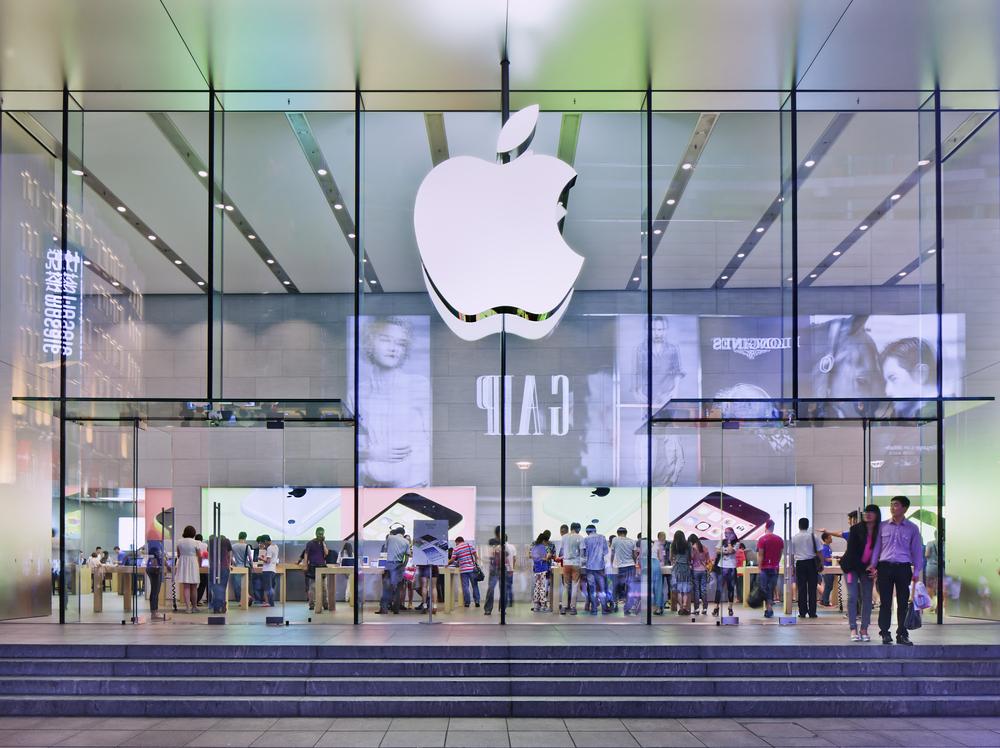
Apple have announced a price increase of 20 percent for computer products in the UK, in response to the effect of Brexit on the British Pound.
The 13-inch Macbook Air, which is the company’s cheapest laptop now costs retails at £949, up from £849. In addition, their Mac Pro desktop computer now costs £2,999, up from the previous price of £2,499.
In a statement, Apple said: “Apple suggests product prices internationally on the basis of several factors, including currency exchange rates, local import laws, business practices, taxes, and the cost of doing business. These factors vary from region to region and over time, such that international prices are not always comparable to US suggested retail prices.”
“International prices are not always comparable to US suggested retail prices.”
However analysts have predicted further price increase could be on the horizon, as many companies attempt to adjust to the changing UK economic environment. Apple’s Wednesday reporting reflected this, revealing disappointing revenue sales in general, as the company saw profits fall for the first time in 10 years.
“Apple has to recalibrate prices after significant currency fluctuations, and since the EU referendum, UK prices are out of sync with the dollar,” said Patrick O’Brien, analyst at the Verdict Retail consultancy.
“Apple has taken the hit up until now. While price increases won’t look good to the consumer, it’s difficult to blame Apple.
“Once you strip out UK sales tax (VAT) and the currency conversion, the new UK prices could still be viewed as fair.”
This coincides with similar measures undertaken by other technology firm competitors such as Microsoft. Earlier this week, Microsoft announced an increase of up to 22 percent for business customers of its cloud products, to reflect the weakening value of the sterling against the euro.
Apple’s price announcement follows Thursday’s unveiling of the new Macbook Pro device, which features a new programmable “Touch Bar” to replace function keys.
US economy grows at fastest rate in two years, increasing Fed speculation

RBS disclose £469m loss, investors stay positive

28/10/2016
BT face £145 million cost after “accounting errors” in Italian division
Debenhams report a 10% drop in profits
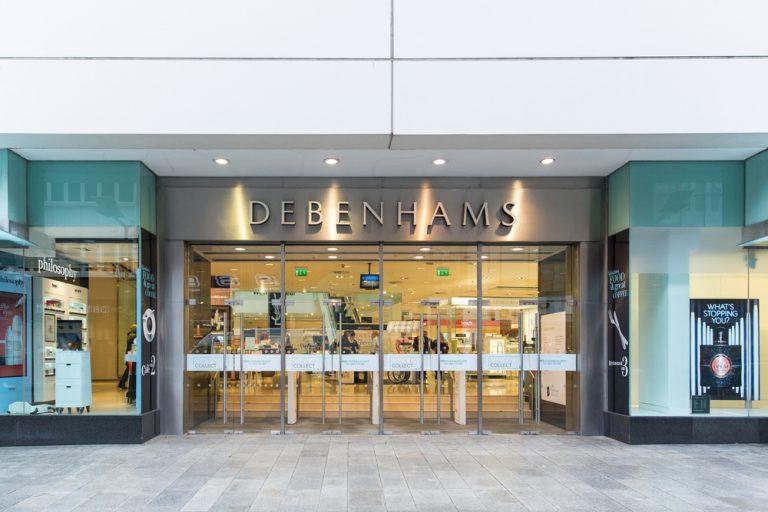
Debenhams (LON:DEB) reported a 10 percent drop in profits on Thursday, as the department store saw a decrease in clothing sales.
The UK’s second largest retailer reported a 7 percent slide in pre-tax profits to £105.8 million in the three months to September. However, underlying profit margins rose by 0.5 percent to £118.2 million.
Additionally, the company’s pension scheme encountered some difficulties and slipped into a deficit of £4.1 million on September 3rd, compared with the end of August surplus of £26.2 million. The group attributed these difficulties to a decrease in bond yields, which was partly mitigated by a growth in their pension asset numbers. As a consequence, the group announced plans to reduce debt by £260 million by the following year.
“Our diversified business model together with good cash generation and reducing debt means that Debenhams is in good shape to withstand a market background that remains uncertain,” said company chairman Sir Ian Cheshire.
“Our strategy to re-balance the business towards non-clothing has supported our performance, with strong progress in beauty, gifting and food,” he continued.
The retailer maintained that its current strategy, which involves shifting away from clothing, had proved successful and had paid dividends. The company reported strong growth in beauty, gift and food department revenues and noted a 9.3 percent increase in its online sales, with particular growth from mobile revenue.
Debenhams have just recently appointed a new chief executive, Sergio Bucher, who was formerly vice-president of Amazon. He has been tasked with updating the company’s online operations as well as attempting to reconfigure the retailer for overseas markets.
Additionally, the group have announced that they will issue a final dividend of 2.4p per share, with the full-year dividend up by 0.7 percent to 3.4p per share. Shares in Debenhams rose by 2.4 percent to 55p in early trading.
Weak iPhone demand continues to hit Apple
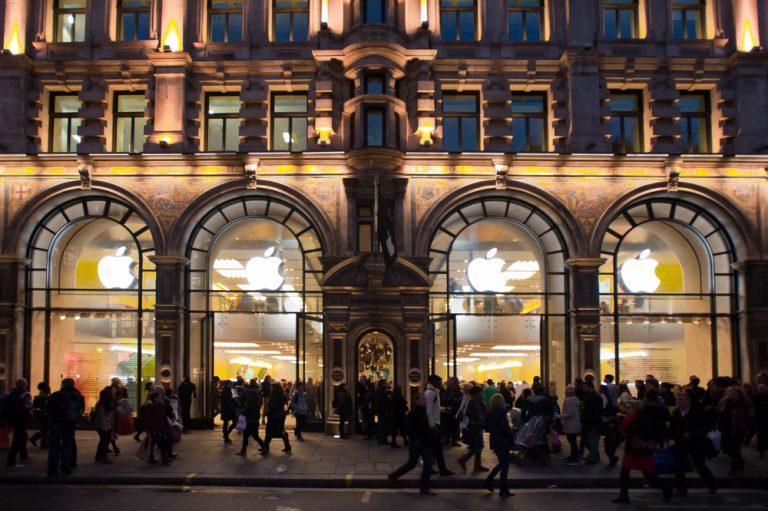
Apple has reported a fall in annual revenue for the first time in over 10 years on Wednesday, after another quarter of weak demand for iPhone handsets.
The group sold 45.51 million iPhones in the three months to 24 September, beating analyst estimates but falling for the third quarter in a row. Quarterly revenue fell to $46.9 billion in the three months to September, down from $51.5 billion in the same quarter last year. In Greater China, traditionally one of the group’s strongest markets, revenue also fell 30 percent after a 33 percent fall the quarter before. This compares to the same period last year, where revenue from Greater China doubled. In a statement, Apple CEO Tim Cook said:“Our strong September quarter results cap a very successful fiscal 2016 for Apple.
“We’re thrilled with the customer response to iPhone 7, iPhone 7 Plus and Apple Watch Series 2, as well as the incredible momentum of our Services business, where revenue grew 24 percent to set another all-time record.”
“We are pleased to have generated $16.1 billion in operating cash flow, a new record for the September quarter,” said Luca Maestri, Apple’s CFO. “We also returned $9.3 billion to investors through dividends and share repurchases during the quarter and have now completed over $186 billion of our capital return program.”
Alongside the statement, the company forecasted a higher-than-expected holiday season revenue of between $76 billion and $78 billion. Apple (NASDAQ:AAPL) shares were fell over 3 percent in pre-market trade.26/10/2016