Chinese leader poised to fund British nuclear power

China’s President Xi Jinping is expected agree to contribute to Britain’s first nuclear power plant in a generation later, when he meets with David Cameron on the second day of his UK state visit.

China is likely to cover around 30 percent of the cost of the building of a nuclear power plant at Hinkley Point in Somerset, due to open in 2025. The plant will be built by French energy firm EDF, in conjunction with a consortium led by Chinese state-owned nuclear company CGN.

bbc.co.uk
bbc.co.uk
Whilst the government believes that 25,000 jobs will be created and enough energy to power six million homes, leading Britain towards nuclear power remains a controversial decision. The question of whether to invest in nuclear power has dogged a succession of governments over recent years; Margaret Thatcher vowed to build 10 new plants whilst she was power, yet only managed one. Concerns over Britain’s reliance on unsustainable energy such as fossil fuels has continued to rise, however, leading the current government to decide that nuclear power is the way forward to secure affordable and low carbon electricity in the future. Whilst nuclear plants are notoriously expensive to build, the input from China on Hinkley Point will dramatically ease the government’s burden. Once built, it is estimated that nuclear is the cheapest long term option, with a carbon footprint as small as that of offshore wind plants; and more reliable. Critics of the plan have been quick to highlight the question of sustainability of nuclear power, however. There is no question that uranium is still a finite resource; the International Atomic Energy Agency estimated in 2008 that uranium supply would last for 100 years at current consumption levels, which was just 6 per cent of the world’s energy consumption. Increasing the use of nuclear energy will only decrease the length of time it will last, leaving the next generation with the same crisis. Similarly, the question of safety is one that is often raised, and to which the answers are mixed. There have been several high-profile disasters emanating from nuclear power plants; most recently at Japan’s Fukushima plant in 2011. Radiation from Uranium has been known to cause illness, death and cancer in the long term, making any malfunction of the plant a wide-ranging and catastrophic event. Furthermore, the same plants which make nuclear energy can be used to manufacture nuclear weapons, leading to concerns that nuclear energy will be used by countries as a cover for nuclear weapon creation. However, since Chernobyl, one of the earliest disasters, the nuclear industry has made very significant safety improvements, now having a very good track record with national safety authorities and the international regulatory bodies. In the UK, we are unlikely to suffer either a serious earthquake or a tsunami, both of which were causes of meltdowns at other plants, and therefore making our country one of the safer places to begin using nuclear energy. Despite opposition, the building of Hinkley Point nuclear point seems poised to go ahead with Chinese investment. Liu Xiaoming, Chinese ambassador to the UK, described the deal as positive, with it being “in the best interests of Britain, and also in the interest of partnership between China and UK”. By building a relationship with China, Cameron’s government will have managed an impressive feat; £24 billion worth of investment for the future of Britain.  
Miranda Wadham on 21/10/2015

Athens: Greek creditors assess the release of next bailout payment

0
Leaders from European institutions have begun discussions in Athens over Greek compliance with bailout terms, in order to ascertain whether to release the next payment. Discussions over the 86 billion euro bailout, which was finally agreed in July, created a media storm and played havoc with global markets. Under international pressure, Greek Prime Minister Alexis Tsipras accepted the terms of the agreement and is currently pursuing drastic budget cuts. The International Monetary Fund must be satisfied with reforms that have already been passed, as well as plans for the future, before the next 3 billion euro payment will be sent. In total, Athens will have to implement a total of 48 ‘milestones’ to satisfy creditors and receive the total loan amount. Should this week’s discussions prove positive, another payment could be released as early as the beginning of next week. The first phase of reforms, though sparking dissent from Greek people, were relatively simple compared to what may come next. Reforms under discussion include taxing farmers, raising tax for private education and merging pension funds, which is likely to mean further cutbacks; civil servants and private sector workers have called a nationwide strike on November 12th as a protest. However, Greek Labour Minister George Katrougalos backed the reforms, telling Antenna Television that: “A basic element will be a national pension for all, funded through taxation. We estimate the burden for the national pension will be 7 percent of GDP, now it is 9.5 percent of GDP.” Whilst Greece has largely been out of the public eye since the bailout was agreed, the country’s public sector finances have continued to go downhill as some capital controls remain in effect. State revenues were 18 percent below their target for September, with the government’s primary budget surplus falling to its lowest level since February.

Headline public borrowing falls to £9.4 billion

0
Britain’s headline public borrowing fell to £9.4 billion in September, according to figures released today by the Office for National Statistics. Economists had forecast a drop to £10.1 billion, down from £11 billion in September. Income from corporation tax has were the strongest on record, showing that the government’s clamp down on tax avoidance may be beginning to take effect. However, the figures also showed that the government’s total expenditure rose to its highest level since records began. Chancellor George Osborne has vowed to focus on debt reduction since his appointment to the post, and aims to run the country on a budget surplus by 2020. Whilst for the first six months of the 2015/16 tax year public sector net borrowing was 13.9 percent lower than the year before, Osborne still has a long way to go to meet his target; public finances deteriorated in August to their worst level in three years. Osborne is due to publish updated budget forecasts on Nov. 25.

Credit Agricole expected to be fined £516m by US investigators

0

French bank Credit Agricole is expected to pay a fine of £516 million to settle charges of breaking US sanctions in the Middle East.

The settlement, which is due to be finalised later this week, follows an investigation by the US into European banks transactions with Iran and other countries under sanction. Rival bank BNP Paribas paid an $8.9 billion fine earlier this year for similar allegations.

Credit Agricole stands accused of transferring billions of dollars to accounts held by entities such as Iran, Sudan and Cuba between 2003 and 2008. According to a source, most of the bankers involved in the wrongdoing have already been dismissed from the bank. The fine will be part of a deferred prosecution agreement, meaning that it will not have to plead guilty to any charges as long as it meets the requirements of the agreement.  

UK Steel Crisis: Tata Steel announces 1200 job cuts

0

Indian steel company Tata Steel has announced restructuring plans that may lead to the loss of 1,200 jobs at its plants in Scunthorpe and Lanarkshire.

Nine hundred jobs will go at the firm’s plant in Scunthorpe, with the other 270 from Scottish plants. This news comes as another serious blow to the UK steel sector, following on from yesterday’s news that Caparo Industries has gone into administration risking the loss of 1700 jobs. In the 1970s, more than 200,000 people were employed in the UK steel sector; this has since dropped to 30,000. According to unions, one in six of those jobs is now under threat. The industry blames cheap Chinese imports for a collapse in steel prices, a topic that Prime Minister David Cameron has vowed to discuss with Chinese premier Xi Jinping on his current state visit. According to Reuters, China’s steel exports rose drastically to 11.25 million tonnes last month, exacerbating the crisis further. Gareth Stace, Director of UK Steel, told the BBC that “we must … see a commitment from all parts of government at the highest level to ensure the sector’s survival in the UK. The Prime Minister can demonstrate that he is prepared to lead this commitment by stepping in this week and pressing the Chinese Premier about the dumping of under-priced steel, which is one of the major factors killing our industry.” The recent strength of sterling has also contributed to the current steel crisis, making products more expensive for export customers.
The price of steel has fallen significantly since 2010, prompting speculation that the steel crisis may be here for the long haul. Industry leaders are calling for government intervention in order to save thousands of jobs and prevent the steel industry collapsing in the UK.

UK listed leisure outperforms FTSE 100, Whitbread posts solid increase in profit

Premier Inn and Holiday Inn owners lead FTSE100 higher in early trade UK-listed hoteliers Whitbread (WTB:LON) and Intercontinental Hotels Group (IHG:LON) are trading up 2.2% and 3.7% respectively as profits rise. Whitbread, the owner of the Costa Coffee and Premier Inn brands has confirmed it’s on track to achieve growth targets after announcing a 5.4% rise in half-year pre-tax profit. Profits are up from £241.8 million (2014 comparable period) to £254.9 million in the six months to August, Chairman Richard Baker said “Whitbread has produced another good set of results, demonstrating the strength of the Premier Inn and Costa brands,” continuing on to say “We are on track to deliver our growth milestones and will continue to invest in our people, our customer propositions and our systems to deliver profitable growth for our shareholders,” In recent bank / broker views Canaccord Genuity reiterated their buy stance with a £60 price target, Soc Gen Reiterated their bullish stance with £53.43 price target and Nomura retains their Buy rating on the stock which trades at £48.28. InterContinental Hotels Group (IHG:LON) the owner of the Crowne Plaza and Holiday Inn Hotels & Resorts brands also reported strong growth, third quarter comparable revenue per available room – a key metric for hoteliers – grew 4.8% on the year. “We…continued to sign hotels into our pipeline at the fastest rate since 2008,” Chief Executive Richard Solomons said. “Looking ahead to the remainder of this year, we are encouraged by current trading trends and remain confident in the outlook.” IHG leads the FTSE higher up 3.7% at £23.95 in early trade.

Asian shares lower, FTSE companies post strong results

Shares in Asian markets largely fell on Tuesday, on the back of last week’s poor growth data from China. Official Chinese GDP growth figures showed growth slowing to 6.9 percent in the third quarter, down from 7 percent in the first half of the year. Shanghai shares dropped 0.1 percent and Hong Kong’s Hang Seng fell 0.5 percent, with Australian stocks also losing 0.6 percent. Spreadbetters are expecting a slightly lower open for the FTSE on the back of this news; however, several companies have posted positive results this morning. Online fashion giant Asos has posted an 18 percent increase in sales and a pre-tax profit up 1 percent on the previous year to £47 million. The company said in a statement that trading in its current financial year has “started well”, and has estimated a sales growth of 20% this year. Whitbread (LON:WTB), owner of Costa coffee, has reported a 5.4 percent increase on its pre-tax profit for the first half of the year, at £254.9 million. However, it also warned that the minimum wage rise will cost the company around £15 million a year, which they hope to mitigate through “a combination of economies of scale as we grow, procurement benefits and investment in training and systems to deliver increases in productivity and efficiency”. Whitbread are currently trading up 2.19 percent at 4828.55 pence per share. (0808GMT)  

Oil prices fall on China data

0
On Monday, oil prices fell by more than 2% due to concerns of China’s economic growth. China, the world’s largest energy consumer, grew at the slowest pace in six years in the third quarter making it increasingly likely for Beijing to cut the interest rates to stoke activity. This data, which was released earlier today, ”suggests that the main global oil demand growth engine of the world is not going to be the solution to the oversupplied oil market… The solution is going to have to come from a significant cut in production.” according to the Energy Management Institute, Dominick Chirichella. However the oil minister of Iran has said that he expects Iran to boost oil production in the next two months by up to 500,000 barrels.
According to analysts, member countries of OPEC aren’t expected to cut the production of oil and the idea of an output cut “will remain just that, an idea, until Saudi Arabia expresses any interest in defending prices rather than market share,” according to the co-editor of The 7:00’s Report, Tyler Richey.
Despite production from OPEC countries reaching 30 million barrels, there are indications of slowing down in the U.S., wit US crude oil rigs falling for the seventh consecutive week to 595 for the week ending October 16, 2015.
 

Morgan Stanley’s earnings fall sharply

Morgan Stanley’s profit has slumped for the second straight quarter with the net profit falling by 42% from $1.63bn to $939m. The global markets have felt turbulence following uncertainty of a U.S. interest rate hike and concerns of China’s cooling economy, which has led to many U.S. banks to report drops in quarterly earnings, with rival Goldman Sachs reporting last week a sharp fall in profits as the trading activity stalled. Wells Fargo & Co (WFC.N) is the only of the US six major banks to achieve an increase in revenue. Chief executive, James Gorman has said “The volatility in global markets in the third quarter led to a difficult environment, impacting in particular our fixed income business and our Asia merchant banking business,” Shares of Morgan Stanley have fallen by more than 4 percent in premarket trading following the report and 12.5% this year. Chris Kotowski, analyst at Oppenheimer has commented, “We don’t think this quarter says anything negative about Morgan Stanley’s safety and soundness, but it looks like one they’d like to forget ASAP,”  
Safiya Bashir on 19/10/2015
     

Innovative Finance ISAs

Since the cash ISA limit increased to £15,000 in June 2014, the government has confirmed of its plans to drastically change ISAs yet again to include peer-to-peer loans and increase the limit once again to £15,240.
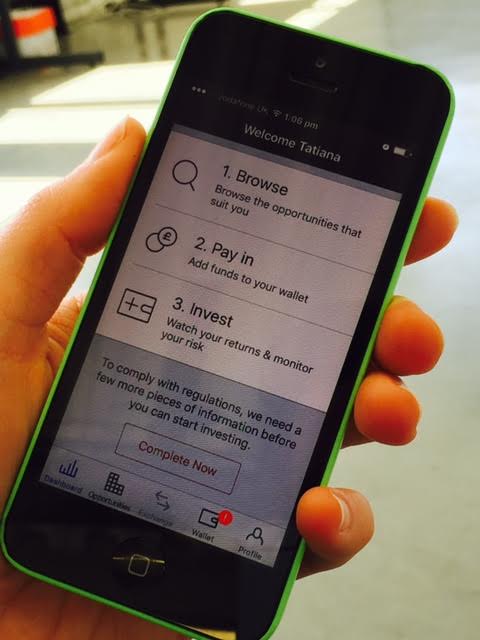
From April 2016, peer-to-peer loans can be held in an “Innovative Finance Isa”, where firms such as Zopa, Rate Setter and Funding Circle allow savers to lend money to businesses and people at rates they choose. This peer-to-peer lending cuts out the middle man, therefore allowing higher returns. The chair of the P2PFA, Christine Farnish, stated “the creation of the innovative finance Isa will encourage more people to benefit from the fair deal that P2P lenders offer without getting confused between stocks and shares, P2P lending or cash savings”. For Rhydian Lewis, the founder borrowing and peer-to-peer saving website RateSetter has said that allowing peer-to-peer investments to be put into an Isa, will “offer a much needed middle ground between low-yield cash and high-risk stocks and shares investments.” Hargreaves Lansdown has already confirmed that it plans to offer an Isa with peer-to-peer loans. For more information on ISAs and the offers currently held at different brokers, click here.