
05/02/2016
Latest UK wage growth data worrying for economy
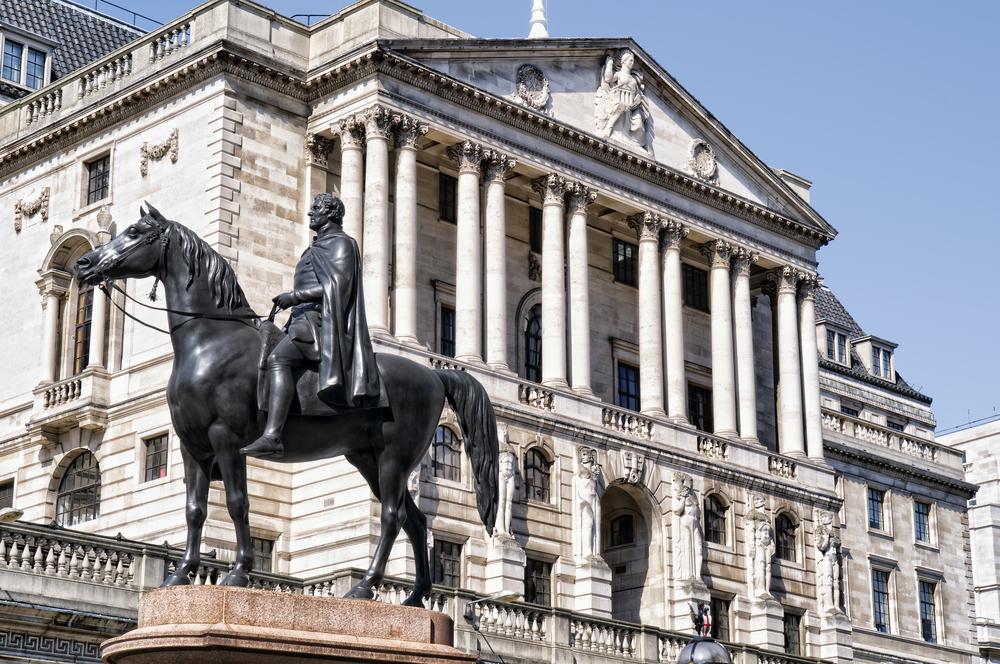
Deputy Governor of the Bank of England Ben Broadbent has confirmed that the recent drop in oil prices and subsequent impact on the economy means that British inflation is likely to remain below 1 percent for the rest of this year.
This will also make will a rate rise in the near future unlikely.
“The drop has been a pretty protracted one…and will keep inflation below 1 percent…throughout this year,” Broadbent said in an interview on BBC Radio.
However, he went on to say that inflation looks set to rise in 2017:
“Indeed we expect it to go back to target, if not a little above, in two to three years.”
Further data was released today regarding the jobs market, which also hampered expectations that the Bank of England will raise rates this year. According to the Recruitment and Employment Confederation, British starting salaries rose last month at the slowest pace since October 2013, adding to concerns about the pace of wage growth in the UK.
Yesterday the Bank of England cut its forecast for wage growth, another key figure impacting on when interest rates will be raised; wage growth slowed in the three months to November to its lowest level since 2006.
These sets of data are just the latest in an string of economic news that points to another slowdown in the global economy. US jobs data released later today will be a key indicator as to the health of employment in the world’s largest economy.
Oil rises on hope of OPEC meeting
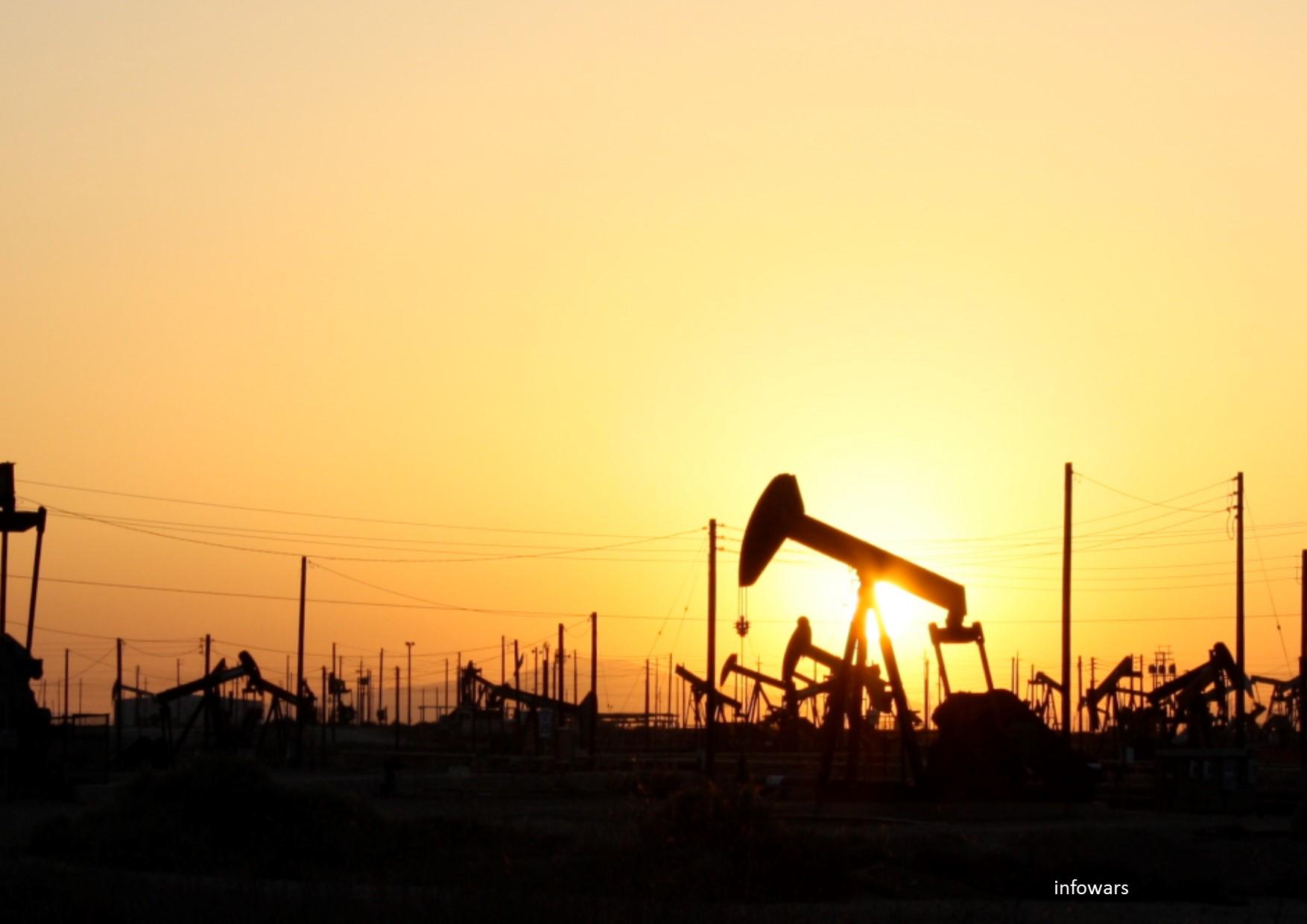
Oil jumped higher again on Thursday, trading above $35 per barrel, as a weaker dollar and possibility of an OPEC meeting impacted prices.
Oil was up 7 percent in the previous session, gains that have been built upon again today. Brent crude was up 35 cents at $35.39 this morning, with US crude up 40 at $32.68.
Concerns that the Federal Reserve may have been wrong about the strength of the U.S. economy and may not raise interest rates this year weakened the dollar, pushing up the price of commodities. Similarly, six OPEC states and two non-members would be open to attending a meeting to try and curb oil supply, according to the Venezuelan oil minister Eulogio Del Pino after talks were held in Iran.
The countries open to involvement would be Iraq, Algeria, Nigeria, Ecuador, Iran and Venezuela, as well as non OPEC states Russia and Oman. Del Pino has been coordinating efforts to arrange a meeting over the last week, stating that “the idea is not just to hold a meeting, but for all the countries to attend with the intention of reaching agreements.”
04/02/2016
GoPro shares tumble 19 percent after dramatic loss

Sharers in tech company GoPro (NASDAQ:GPRO) fell 19 percent in a after hours trading, as the Group disclosed an overall loss in the last quarter.
Net income losses came to $34.5 million – a dramatic fall from the $122.3 million profit last year – suggesting that they are failing to keep up with competition from cheaper Chinese rivals. In a statement, the company conceded the need to make their cameras more user friendly to attract retain customers:
“Growth slowed in the second half of the year and we recognise the need to develop software solutions that will make it easier for customers to offload, access and edit their GoPro content,” said founder Nicholas Woodman.
To counter the fall, the company will be cutting production of some of its range and CFO Jack Lazar will be replaced by Brian McGee. This year to date shares in GoPro, who design and manufacture wearable video cameras, have fallen over 40 percent.
04/02/2016
Royal Dutch Shell hit by 87 percent profit fall

Royal Dutch Shell have become the latest oil giant to be hit by the oil industry’s tough conditions, reporting their lowest annual income in 13 years on Thursday.
The company saw 2015 profits fall 87 percent to $1.94 billion, compared to $4.2 billion the year before. Full year earnings were down from $19 billion the year before, to just $3.8 billion in 2015.
The company cut 10,000 jobs two weeks ago as it became clear how hard the books would be hit, with Chief Executive Ben van Beurden confirming in a statement that “Shell will take further impactful decisions to manage through the oil price downturn.”
BP also reported its largest loss ever earlier this week, a further sign that all oil companies are struggling to keep afloat as oil prices drop. Shell has vowed to implement new measures and to continue cost-cutting strategies in order to weather the storm, ditching multi-billion pound projects such as exploration in the Alaskan Arctic.
Shell took over rival group BG in a massive deal that closed last week, despite growing shareholder opposition in the current trading climate. At the time the deal was first aired, oil was trading at $55 a barrel – since then, it has fallen to below $30. Standard Life, one of Shell’s key investors, opposed the deal on the grounds that oil needed to be trading at $60 a barrel for it to make financial sense.
04/02/2016
Tusk EU deal branded a ‘joke’: key points
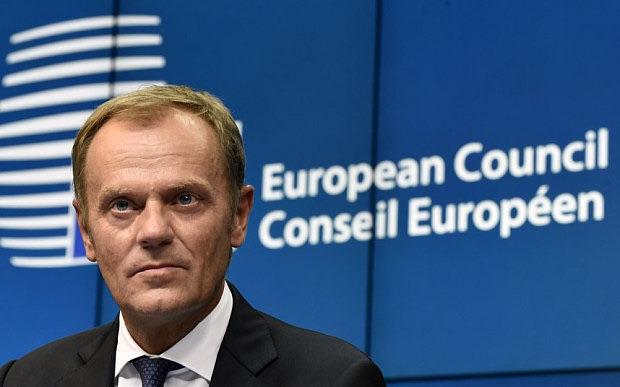
Yesterday the head of the European Council, Donald Tusk, revealed the highly-anticipated draft of a possible reform of Britain’s membership of the EU – to the scorn of the British press and Eurosceptics, who branded it a “farce”.
The deal, drafted after weeks of meetings between Prime Minister David Cameron and top EU officials, aimed to renegotiate in four key areas; safeguards for Sterling, more power to reject legislation made in Brussels and enhanced economic competitiveness and, most controversially, Cameron’s desire to limit benefit payments to European migrants.
So what did the draft deal contain?
The EU needed to offer a deal that was safe from legal challenges and could be applied to all 28 member states, without the complex and time-consuming amendment of treaties. If the leaders of all 28 states agree on this proposal, a referendum could be held on the subject in the UK as early as June.
Euro vs. Sterling
One of Cameron’s four aims was the continued safeguarding of the Sterling, and assurance that not being part of the Euro will not adversely affect Britain with the introduction of EU-written economic legislation. The EU confirmed that British citizens ors companies would not be discriminated against for not being in the Euro Zone.
Devolution of power from Brussels
Eurosceptics fear that Central European policymakers have too much control over member states national legislation, and wish to see the devolution of power. To counter this, the reform package states:
“It is recognised that the United Kingdom, in the light of the specific situation it has under the Treaties, is not committed to further integration into the European Union.”
Competitiveness
David Cameron has consistently called for less ‘red tape’ and an increase in competition. Effectively, the Tusk reform package does little but nod its approval to this idea.
Welfare payments for migrants
Cameron’s desire is to exclude European migrants from tax credits, child allowances and other non-contributory social benefits for at least four years. However, this controversial move arguably goes against free movement of people, one of the key pillars of European membership.
On this topic, the EU proposed an “emergency brake”, effectively allowing countries to limit these rights in the face of national security or economic difficulties. Legislation drawn up to this effect would need the consent other member states with a significant influx of EU migrants.
Reactions
Many have dubbed the deal a “joke”, saying that Tusk has made very few real concessions in Camerons’s four main areas and that the deal is largely rhetoric designed to give the impression of action. Britain’s right wing press took the opportunity to criticise, with The Sun calling it a “stinking pile of manure”. Even the largely centrist Financial Times admitted that Cameron could have a tough time selling it to his party.
Miranda Wadham on 03/02/2016
Hargreaves Lansdown shares fall, despite growing customer base

Retail investment group Hargreaves Lansdown reported disappointing first-half results on Wednesday, sending shares down over 4 percent.
Higher costs and a lower operating margin led to earnings, profit and dividend all coming in at lower than expected. Net revenue was up 10 percent on last year, but pre-tax profit missed analysts expectations by 3 percent.
However the company’s assets under administration grew by 7 percent in the six months to December, with new business inflows growing 23 percent to £2.8 billion. Since its last half-yearly results, Hargreaves added 47,000 clients to its portfolio. In a statement, CEO Ian Gorham said the company was pleased with its performance, adding that: “these results were achieved against a backdrop of continuing volatility in world stock markets.”
Hargreaves Lansdown (LON:HL) are currently trading down 4.4 percent at 1259.00 per share.
03/02/2016
Yahoo struggles to compete, cuts workforce to 9000
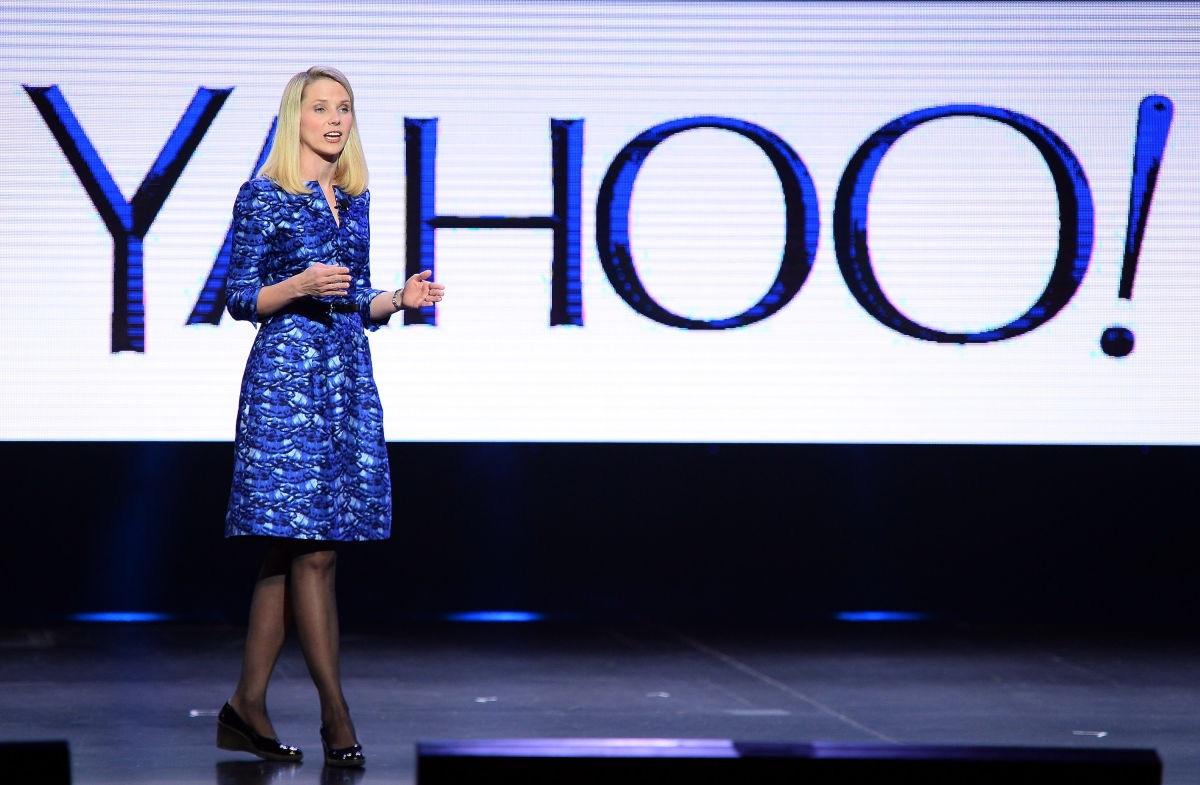
Internet company Yahoo has announced plans to cut 15 percent of its workforce, after reporting a $4.3 billion loss for the year.
The job cuts are part of CEO Marissa Meyer’s attempts to turn the struggling company around, and would reduce its workforce to just 9000. Yahoo, once a pioneer in the Internet world, is now struggling to compete with fast moving companies such as Google and Apple. In a statement, Meyer said:
“This is a strong plan calling for bold shifts in products and resources,” continuing that it will “dramatically brighten [Yahoo’s] future and improve competitiveness”.
Meyer has so far been pursuing a plan to spin off its core Internet business, but first needs to get the company back in the black with a series of cost cutting measures. However, this announcement is a further sign that Meyer may be willing to sell the business as shareholders grow impatient at the slow pace of its turnaround.
Shares in Yahoo (NASDAQ:YHOO) have fallen 36 percent over the last 12 months, and slipped a further 1.72 percent on the news in after hours trading.
03/02/2016
ChemChina nearing to close $43bn Syngenta deal
The Chinese National Chemical Corp. is nearing a deal to buy the pesticide company Syngenta AG, valuing the company at an estimated $43 billion and will represent the largest foreign acquisition taken place by a Chinese company.
Following The Wall Street Journal’s first report on the deal, shares in Syngenta have risen sharply, up 5.7% at 399.90 franks on Tuesday afternoon in Zurich.
If the deal is completed, which may be announced as early as Wednesday when Syngenta is scheduled to release its 2015 results, it would illustrate how China’s slowing economy hasn’t dampened its huge ambitions.
This deal is predicted to be welcomed by shareholders, due to the expectation of an all-cash offer, as opposed to Monsanto’s ix of cash and shares.
Martin Lehmann, a fun manager at 3V Asset Management, which holds a stake in Syngenta has said;
“ChemChina would be the perfect solution for shareholders, especially if it was all cash. It would have much less regulatory issues than a link with Monsanto, and there would likely to be less jobs lost in Switzerland,”
France has ruled out any negotiation with Google over back taxes

Unlike British tax authorities, who allowed Google to pay £130m in back taxes, France has ruled out any similar deals with the internet giant.
Michel Sapin, the French Finance Minister has said;
“French tax authorities do not negotiate the amount of taxes owed, there is a discussion underway about which rules apply, that’s perfectly legitimate,”
The tax deal made with Google in Britain was subject to controversy, with the director of the campaign group Tax Research, Richard Murphy saying;
“We are claiming back a tiny extra proportion [of what Google has underpaid], way short of any reasonable amount of tax. It looks as though Google has got a great deal, it must be laughing all the way to its Bermudan bank.”
Margaret Hodgean, an ardent critic of tax avoiding firms during her time as chair of the public accounts committee, has called this tax deal as “devious, calculated and, in my view, unethical”.
Gaza Sky Geeks: Gaza’s first and only startup accelerator
Described as “the world’s largest open air prison” and with 80% of its 1.8 million population living in poverty, Gaza is not the first place that springs to mind when thinking of places to invest in for startups.
Funded $900,000 by Google, the US charity Mercy Corps was able to set up Gaza Sky Geeks in 2011, which was able to connect top teams to global resources to transform Gaza’s most talented youth into the Middle East’s business leaders. Through Gaza Sky Geeks, investors around the World have invested in startups and have provided expertise and mentorship.
Gaza Sky Geeks have provided help and investment to many different companies. One of which is the taxi and carpooling app, ‘Wasselni’, described by the Gaza Sky Geeks manager as “the Uber for the Middle East”.
So why are startups in Gaza important?
Gaza has a very highly-educated population, with a literacy rate of 99% and high levels of tertiary education, the population of Gaza hold a lot of potential to make the most out of a startup movement.
The startups campaign has already proved to be very successful, where in just three years they have hosted training days and hosted over 100 competitions reaching 1,500 of Gaza’s youth.
Gaza Sky Geeks have also proved to be very popular with investors. When the funding from Google ran out, a crowdfunding campaign raised $250,000 from 800 people to cover the basic salaries such as internet, rent and salaries.
In a region where locals need express permission to cross borders, it is very difficult to find foreign investment. Hassan, the manager however remains hopeful;
“We are still in the beginning and are not big like Silicon Valley, but many young Gazans have the essence of entrepreneurs.”
To find out more and make a contribution, visit www.gazaskygeeks.com
Safiya Bashir - 02/02/2016