
17/11/2015
Aldi and Lidl smash expectations – but supermarket sector remains slow
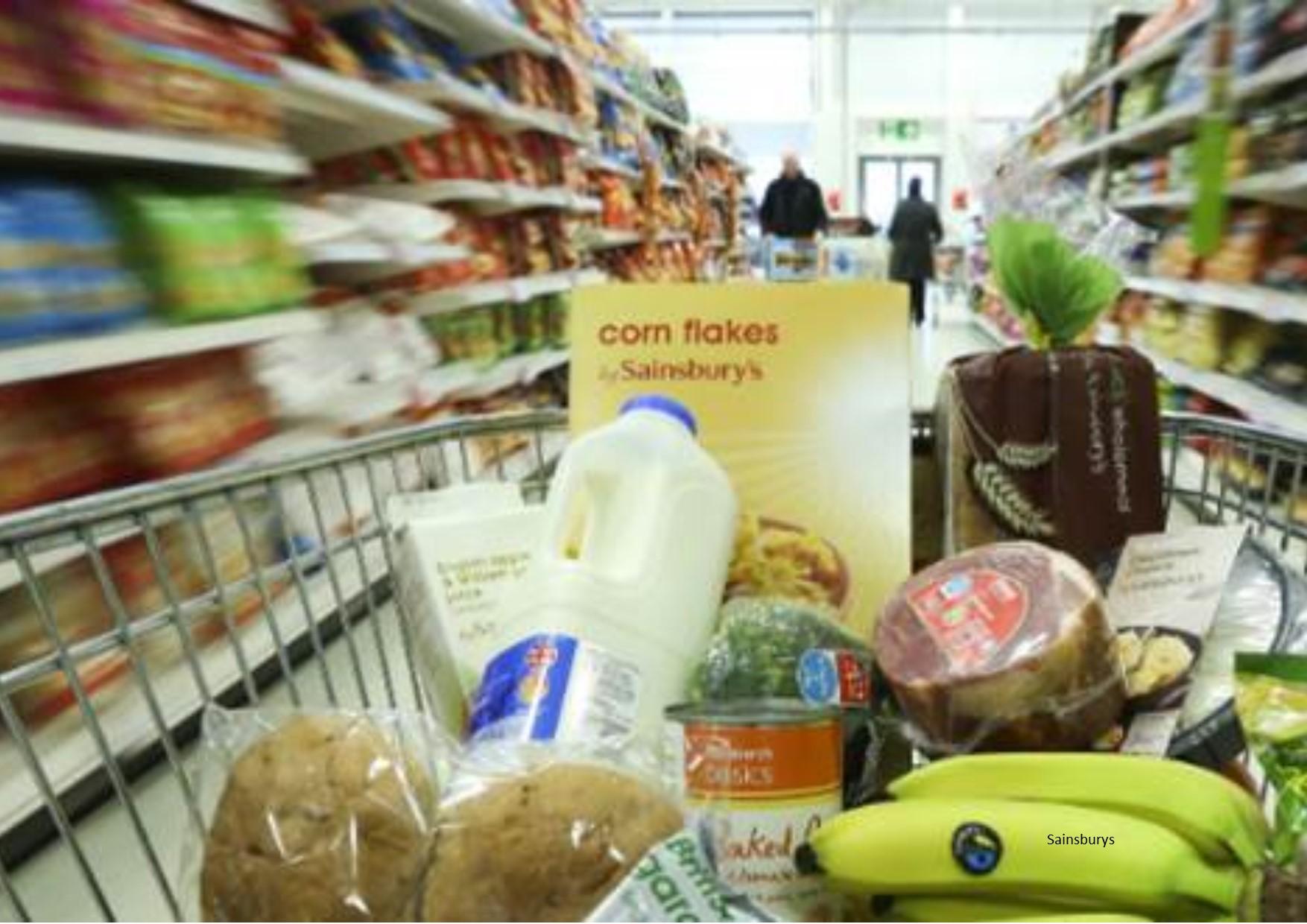
Discount supermarkets Aldi and Lidl have continued to go from strength to strength in the third quarter but other major supermarkets saw another set of poor results, according to new figures from Kantar Worldpanel.
In the 12 weeks to 8 November Aldi and Lidl reached a combined share of 10% of the British grocery market for the first time – doubling their market share over the last two years. Fraser McKevitt, head of retail and consumer insight at Kantar Worldpanel, says:
“In the last 12 weeks the two retailers have attracted another additional million shoppers compared with last year while average spend per trip has increased by 4% to £18.85, which is 78p ahead of the total retailer average. The discounters show no sign of stopping and with plans to open hundreds of stores between them, they’ll noticeably widen their reach to the British population.”
Sainsbury’s also had a positive quarter, winning the first share gain among any of the ‘big four’ retailers since October 2014. Its market share increased by 0.2 percentage points to 16.6 percent.
“Sainsbury’s has seen its fourth consecutive period of growth, flying in the face of tough market conditions. It’s 1.5% increase in sales was sufficiently ahead of the market for the retailer to increase its share by 0.2 percentage points – the first share gain registered by any of the ‘big four’ retailers since October 2014”, McKevitt comments.
However, the rest of the troubled supermarket sector remains slow. Sales at Tesco fell 2.5 percent and Morrisons fell by 1.7 percent on the year before. Sales across the sector overall were only up by 0.5%, held back by persistently falling prices.
Constellation to buy Ballast Point
Maker of Svedka voda and Robert Mondavi wines, Constellation Brands Inc (STZ.N) has announced it will buy Ballast Point Brewing & Spirits in a $1 billion deal in order to compete in the craft beer market.
This deal, which is expected to close towards the end of the year, is expected to add between 5-6 cents per share to Constellation’s earnings at the end of February 2017.
Chief executive of Constellation, Rob Sands, has said;
“Along with imports, craft beer is a key driver of growth and premiumization within the beer industry, with craft doubling its share of the U.S. beer market in the last five years.”
The company is on track to sell over 4 million cases of beer this year, which more than double its sales volume from 2014.
November shows dip in UK house prices
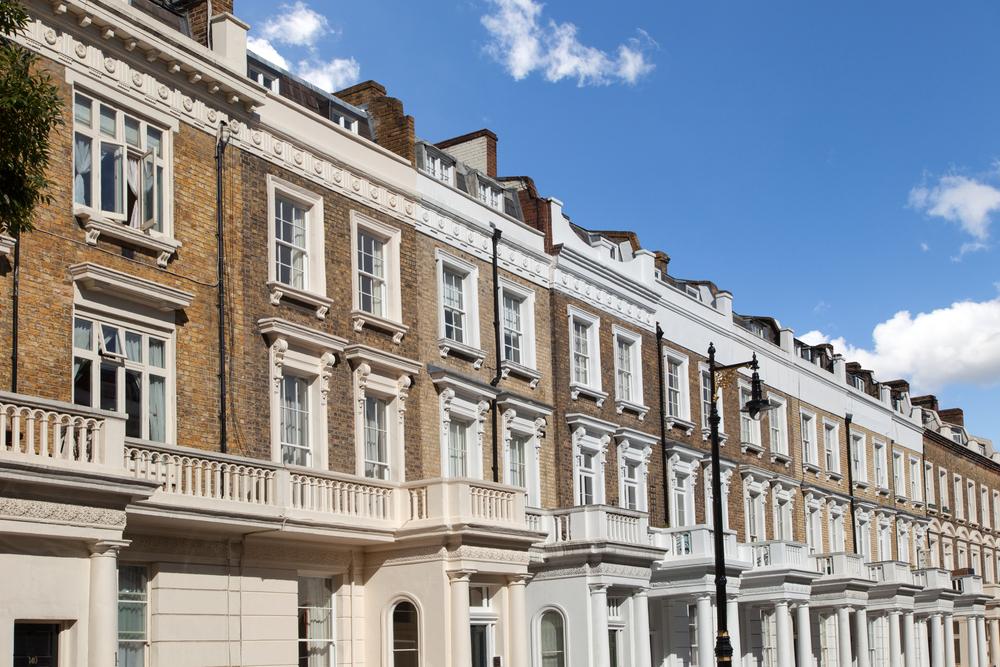
Despite acceleration of British house prices in October, fuelled by the shortage of new houses on the market, this month has seen a 1.3% fall on prices, bringing the average house price down to £292,572.
This dip in prices is not expected to last, with Rightmove director Miles Shipside stating;
“New-to-the-market sellers have dropped their asking prices at this time of year for the last eight years, with an average drop of 1.9 per cent over the last five years.”
“Those looking to market their property as Christmas gets closer often have a greater sense of urgency to find a buyer and sensibly recognise that trimming their asking price will provide an incentive to potential buyers more focused on seasonal Christmas trimmings.”
Whilst house prices are set to increase in 2016, a reuters poll of analysts have predicted they will rise more slowly than rates in 2015.
Matthew Pointon from Capital Economics has said;
“An acute shortage of homes for sale, coupled with a recovery in housing demand as the labour market continues to strengthen, is putting upwards pressure on house prices. However, with interest rates set to rise gradually from next year, and house prices already at very high levels, gains in 2016 and 2017 will be far more modest.”
Marriott to buy Starwood Hotels in $12.2bn deal
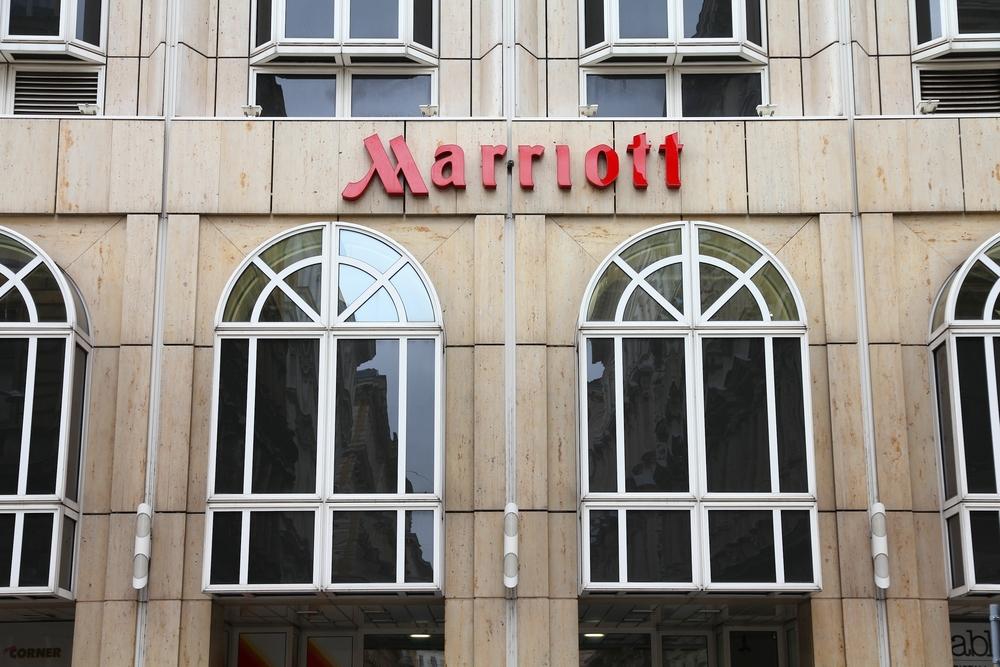
The US hotel giant behind Westin will be bought in a $12.2bn deal by Marriott International Inc (MAR.O) to create the world’s largest hotel chain.
The combined company made up of Marriot and Starwood Hotels & Resorts Worldwide Inc (HOT.N) will together own over 5,500 hotels; 1,400 more than Hilton Worldwide, the second largest hotel chain.
The chairman of the board of directors for Starwood Hotels & Resorts Worldwide, Bruce Duncan, has said;
“During our comprehensive review of strategic and financial alternatives, it was clear that our talented people, world-class brands, global leadership and spirit of innovation were much admired and key drivers of our value. Our board concluded that a combination with Marriott provides the greatest long-term value for our shareholders and the strongest and most certain path forward for our company. Starwood shareholders will benefit from ownership in one of the world’s most respected companies, with vast growth potential further enhanced by cost synergies.”
In premarket trading on Monday, Starwood shares were down 3.3 percent at $72.50 while Marriott shares were up 1.7 percent at $74.01. Shareholders of Starwood will receive 0.92 Marriott Class A shares and $2 in cash for each Starwood share.
The boards of both companies approved the acquisition unanimously, but now must be approved by investors in both hotel chains.
The deal is expected to end mid-2016.
Safiya Bashir on 16/11/2015
Financial Action Task Force warns against crowdfunding following Paris terrorist attacks
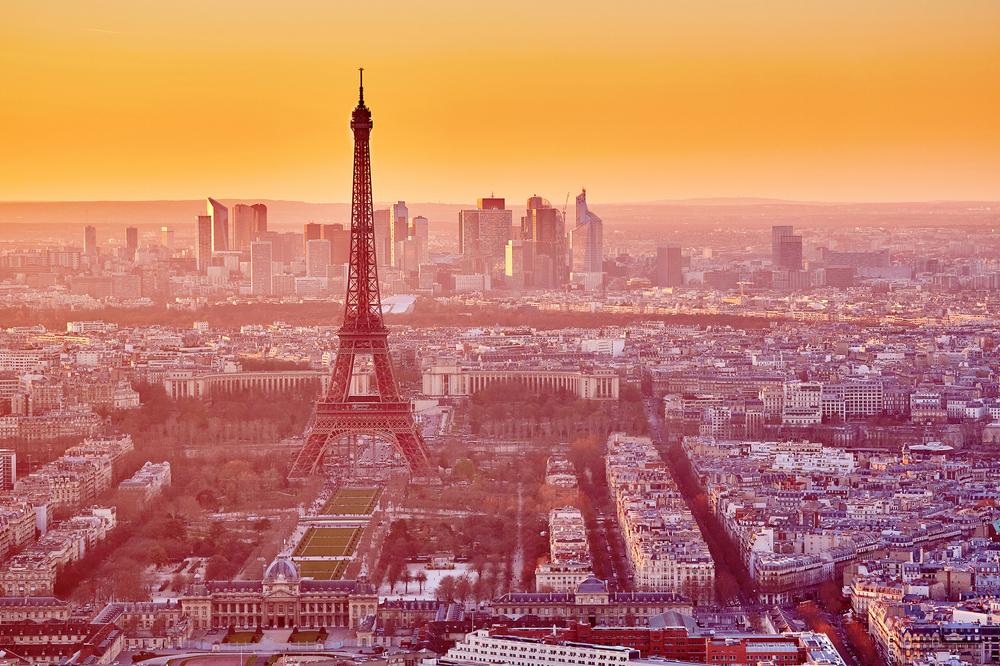
Following terrorist attacks in Paris, the Financial Action Task Force have issued warnings that terrorists could potentially be using crowdfunding by masking the real reason of funding to instead fund terrorist organizations.
Originally developed as a means for businesses, organizations and individuals to raise money, the FATF have warned of possibilities of terrorists using crowdfunding to transfer money to a completely different end as advertised by “avoiding regulated financial entities.”
This leads to questions surrounding crowdfunding website’s obligations to monitor systems and ensure increased awareness of false advertising, similarly to Twitter who have “stepped up their efforts to suspend accounts” used to communicate with terrorist propaganda.
John Byrne, vice president of the Association of Certified Anti-Money Laundering Specialists, said “We need more public campaigns, such as those offered on identity theft, elder abuse, and other frauds. Bottom line—we need to pay attention”.
Safiya Bashir on 16/11/2015
Staples and Office Depot in talks to transfer contracts
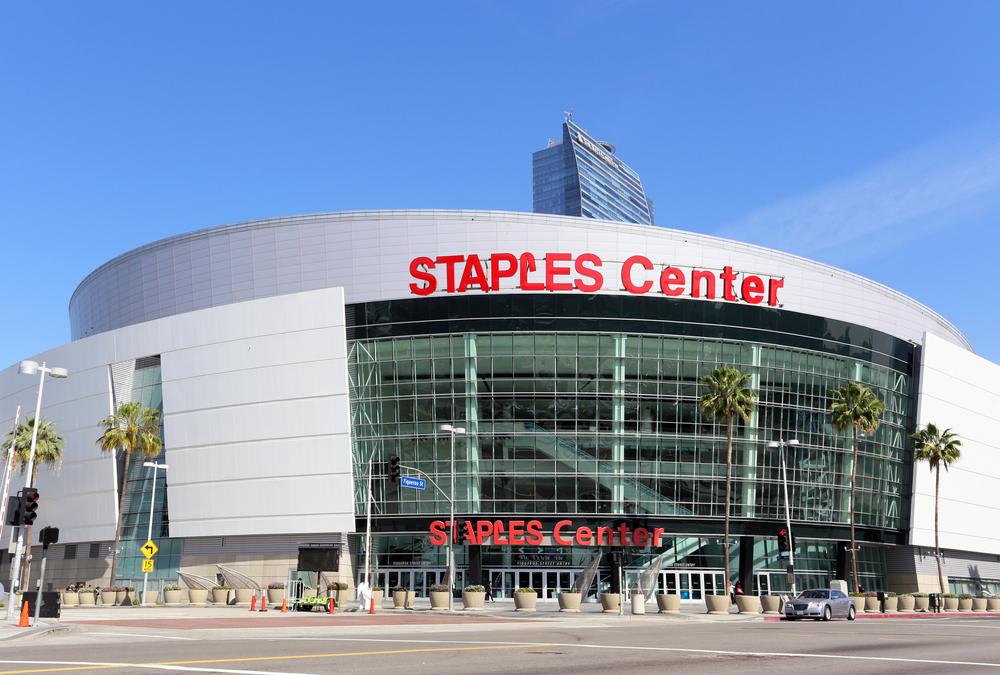
The Wall Street Journal has reported Office Depot Inc (ODP.O) and Staples Inc (SPLS.O) have agreed to merge and are offering to transfer corporate contracts worth $600 million to the wholesaler Essendant Inc (ESND.O) to satisfy the U.S antitrust concerns.
The $6.3 billion acquisition has come under scrutiny under the Federal Trade Commission, with concerns it would leave few competitive options for large corporations that buy office supplies in bulk.
Under the transfer, the new back-end supplier would be Essendant giving the company a bigger footprint in the market.
The merger of two of the largest office supply retailers is being challenged by the American Postal Workers Union and the American Antitrust Institute, delaying the closing of the deal until early 2016.
Following the release of the Wall Street Journal report, Staple’s stock rose but closed at $12.60, down 18 cents whilst Office Depot stock closed up 5 cents.
Oil and gold up following Paris attacks

Crude oil and spot gold prices have risen following the deadly attacks in Paris.
Despite hitting its lowest since February 2010 on Thursday, spot gold edged up by 1% to $1,094 an ounce. MKS group trader Sam Laughlin said “Safe-haven buying following the terrible events in Paris over the weekend has taken gold higher this morning,”.
Crude oil has seen a rise, following the response of French strikes to Islamic State targets in Syria, with Benchmark Brent LCOc1 increasing by 0.5% or 20 cents to %44.68 a barrel.
Markets in the Middle East were hit hard, where stocks in Egypt and Dubai hit their lowest of the year.
H&M sees increase in sales by 12%
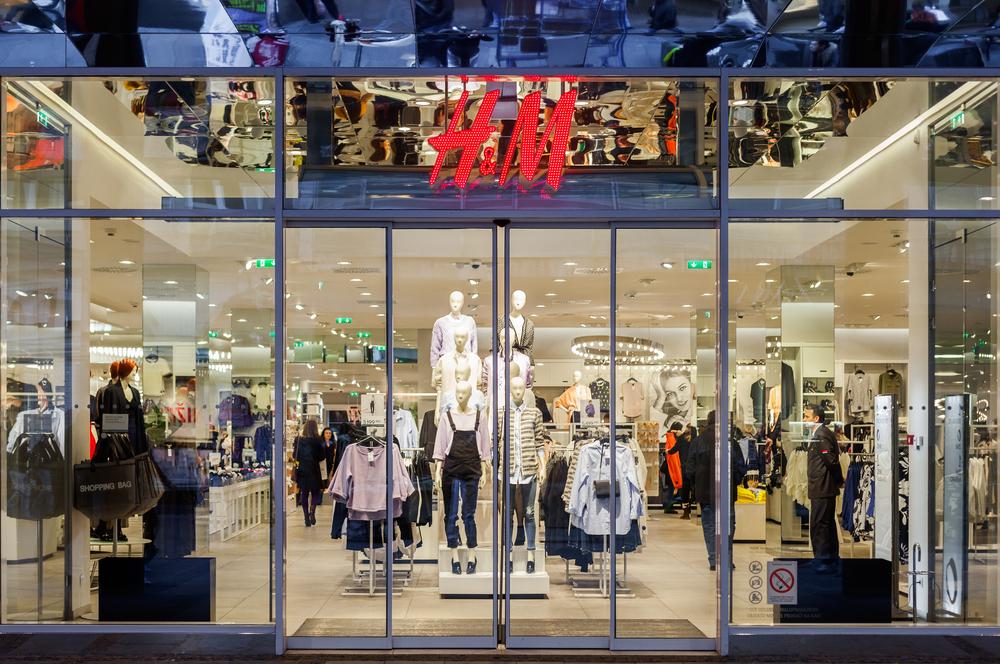
Hennes & Mauritz (HMb.ST) announced on Monday that year-on-year sales have increased by 12%, one percent less than predicted in a Reuters poll of analysts.
H&M, the second largest fashion retailer trailing behind Inditex (ITX.MC), has grown over the year, with 370 additional shops compared to October 2014.
The popularity of Sweden’s fashion retailer over the past year has been clear, following the designer collaboration with Balmain, which led to queues forming on the website 12 hours before the launch.
A spokesman for H&M, Hacan Anersson said “The interest for this launch has exceeded all previous collaborations, both in-store and online.” However, he did decline to disclose precise figures.
Japan enters fourth recession since the financial crisis

Japan has entered its fourth recession since the financial crisis of 2008, according to growth figures for the third quarter, as Prime Minister Shinzo Abe’s economic policies fail to hit the mark.
Asia’s second largest economy shrunk by 0.8 percent between July and September, plunging the country back into recession.
Tokyo has been following a set of economic policies named ‘Abenomics’, involving mass government spending, central bank bond-buying and significant economic restructuring. However, further disappointing figures have led to speculation as to whether these policies are right for the Japanese economy.
Akira Amari, Japan’s economic minister, cited a shortage of labour available for public works projects to stimulate the economy as one reason for the slow recovery.
However, the government maintained its cautiously upbeat outlook in a statement, saying that despite some weaknesses, the economy continued to recover moderately on improvements in job and income conditions.
“While there are risks such as overseas developments, we expect the economy to head toward a moderate recovery thanks to the effect of the various (stimulus) steps taken so far.”
Japanese consumer prices are steadily growing and the country rose out of deflation earlier this year, and Japan’s GDP figures are looking positive. Global stocks fall on Paris terrorist attacks
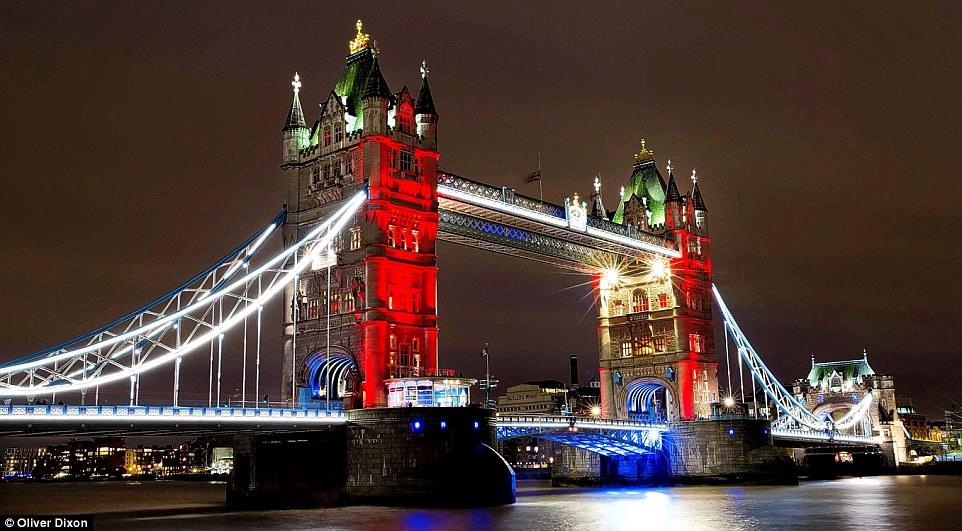
Global stocks have fallen on Monday in the wake of the Paris attacks, with travel and tourism companies leading the drop.
French companies were hit the hardest, with Eurotunnel Group and Aeroports de Paris falling almost 5%. Airlines were also amongst the biggest the fallers, with budget airlines Easyjet (LON:EZJ) and Ryanair (LON:RYA) falling around 3 percent. Air France (EPA:AF) is down 5 percent and British Airways owner IAG (LON:IAG) is down 3.4 percent. The tourism sector accounts for about 7.5 percent of French GDP.
Asian shares also experienced a disappointing day, with the Nikkei stock index falling nearly 1.1 percent, almost wiping out last week’s 1.7 percent gain. The Hang Seng is also down 1.72 percent.
French financial markets are open again today, with extra security measures in place for staff – especially in the La Defense business region of Paris.