
Whilst many think of Croydon as too suburban to be an industry hub and – possibly – a bit of a dump, they might have been right once; but not any more. Interestingly, Croydon’s Tech City initiative was inspired by its bad reputation and kickstarted by the 2011 riots, which were prominent in Croydon.
Saif Bonar, founder of Matthew’s Yard, a cafe and community hub in Croydon, said:
“Arguably the riots were one of the best things that happened to Croydon”, he says, “Without them, the progress we’ve made would have taken much longer.”
Many new tech firms have seen through Croydon’s grimy exterior, and reaped the benefits. Tech City Croydon organise tech events every week of the year, from advice surgeries to networking events. Gatwick airport is just 15 minutes by train, providing connections to other European start-up centres such as Berlin and Helsinki, and it’s almost easier to get from East or West Croydon via mainline train that across London by tube.
Simon Bird, co-founder of dotMailer: “It is really just an extension of central London, albeit with more cost-effective office and living opportunities. People think it is unsafe, but I really don’t see that and I work here every day.”
As Old Street’s Silicon Roundabout expands and further cements London’s position at the centre of Europe’s Fintech scene, other parts of the country are prospering too. Both Birmingham and Croydon were areas in need of regeneration and fresh talent – and through the growth of tech start-ups, that is exactly what they’ve got. It will now be interesting to see which city will be next to reap the benefits.
Miranda Wadham
Could Birmingham and Croydon be the next tech hubs?
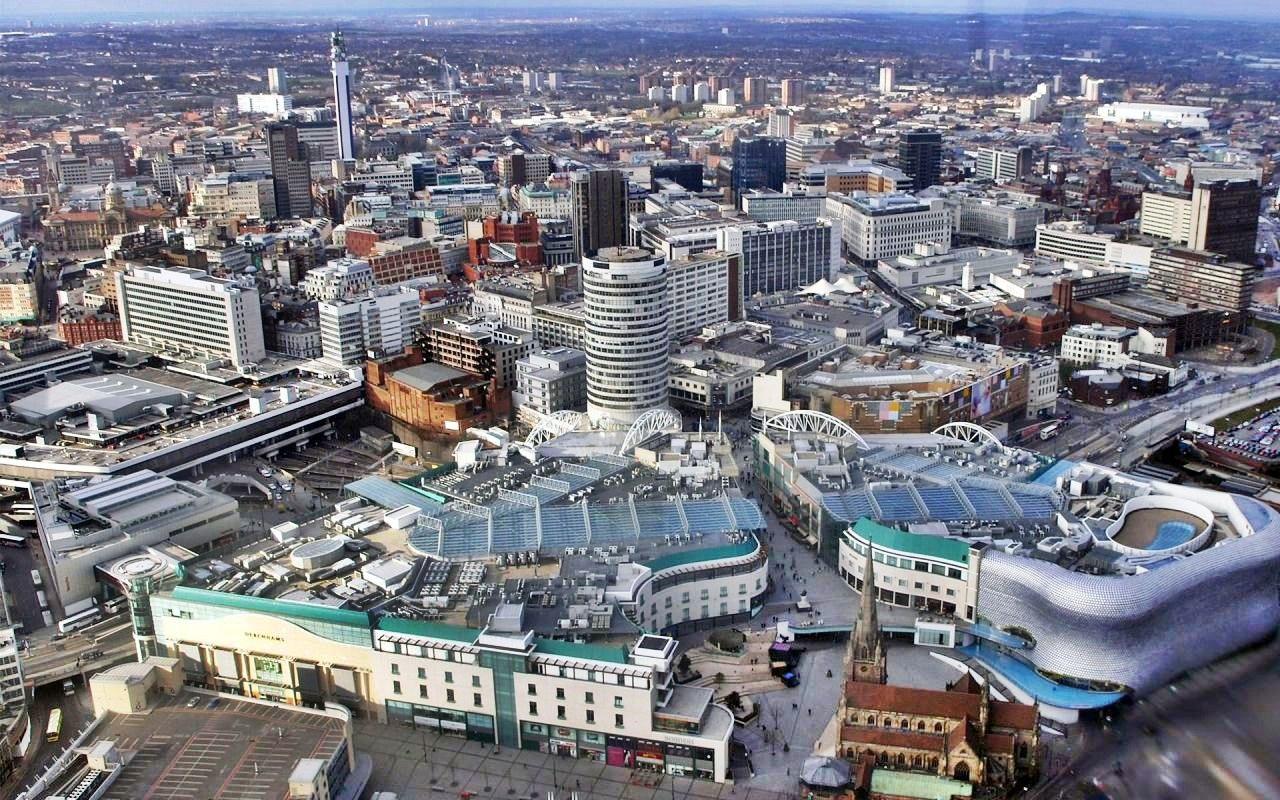
A few months ago, Birmingham was named the sixth best city for investment in Europe. However, it appears the attraction of the city keeps on growing; its burgeoning tech quarter, or “Silicon Canal” is set to rival London’s Silicon Roundabout.
Greater Birmingham claims to be home to 6,000 technology businesses employing nearly 40,000 people, and is bidding to attract 10,000 new technology jobs by 2020 as the digital boom spreads from London to the regions.
“There’s no reason why Tech City should suck in all the attention and investment from government. If Britain wants to compete in the global tech economy, we must unleash the power of regional cities like Birmingham,” said Neil Rami, chief executive of Marketing Birmingham.
But it’s not just Birmingham that is gearing up to challenge Old Street: a suprising new tech epicentre can also be found in Croydon.
Johnny Rose, founder of Tech City Croydon, disagrees that Birmingham is the new tech city. According to him, “if you want a “community-led initiative”, “incredible talent pool”, and a tech community experiencing “exponential growth”, you don’t need to be travel north, you need to go further south.”
The Office for National Statistics showed that Croydon’s tech startup cluster achieved 23% growth between 2011 and 2013, higher than east London (17.1%) and the UK as a whole (11.3%) averages over this period. Croydon is now home to over a thousand digital, creative and technical startups, including social networks, mobile dining apps, new media outlets and FinTech firms such as QuidCycle.
Honeywell International to buy arm of Melrose Plc

American company Honeywell International Inc (NASDAQ:HON) has announced that it will buy the utility consumption meter arm of Britain’s Melrose Industries Plc (LON:MRON) for £3.3 billion, in order to boost its presence in high-growth regions.
The deal is for Melrose’s Elster division:
“Elster’s gas business offers products in high demand among natural gas customers and brings a strong, global distribution network and numerous cross-selling opportunities for existing Honeywell technologies,” Honeywell Chief Executive Dave Cote said.
“Elster also creates a new platform for acquisition targets for Honeywell,” Honeywell Chief Executive Dave Cote said.
Melrose shares rose by 16 percent in early trading on Tuesday, making it the top percentage gainer on the FTSE-250 midcap index.
Honeywell International is an American multinational company that produces a variety of commercial and consumer products, engineering services, and aerospace systems for a wide variety of customers.
GKN Aerospace in deal to buy Dutch supplier Fokker Technologies

British engineering company GKN Plc (LON:GKN) have agreed to buy Dutch aerospace supplier Fokker Technologies Group BV for 706 million euros, in order to improve access to growing Asian markets and strengthen their position in the aerospace industry.
GKN Aerospace is one of the world’s largest suppliers of parts for the aviation industry, with 40 bases internationally; the deal will bolster links to the Airbus A350 and Lockheed Martin Corp. F-35 programs.
Nigel Stein, chief executive, said: “Fokker is an excellent strategic and cultural fit which supports our growth strategy. This transaction will increase our shipset value on key growth programmes in both the commercial and military markets.
“Fokker’s sizable China operations also help boost GKN aerospace’s activity in this important region. Fokker is a great business with a strong brand and has significant technology heritage.”
GKN recently reported half-year results that showed group sales edged up 1pc to £3.6bn, while pre-tax profits slipped 5pc to £212m.
The announcement comes just after the company confirmed that 1 in 4 jobs at its Yeovil base will be cut by the end of the year, with the company blaming a drop in the number of orders for the need to reduce its Somerset workforce of 350 staff.
GKN are currently trading up 6.68%.
Hikma Pharmaceuticals announces $2.6 billion deal

Hikma Pharmaceuticals (LON:HIK) are one of the biggest movers on the stock market this morning after announcing an agreement to buy Roxane Laboratories, Inc. and Boehringer Ingelheim Roxane, Inc. from Germany’s Boehringer Ingelheim GmbH.
The deal will attempt to enlarge Hikma’s position in the US market and, according to reports, will be worth about $2.65 billion in cash and stock. The Jordanian company, which makes and markets branded and non-branded generics and injectable drugs, said the deal would make it the sixth biggest U.S. generics provider.
In a statement, the company said that it expects Roxane to achieve revenue of $725 million to $775 million in 2017, an earnings margin of about 35% over the medium term and to lift earnings per share from 2016 onwards.
Hikma are currently trading up 7.79% this morning at 2,243 per share.
Zurich Insurance confirms bid for RSA

Zurich Insurance (VTX:ZRN) has confirmed that it is considering a bid for UK-based insurance company RSA Insurance.
RSA (LON:RSA) is the owner of the More Than brand and has a market capitalisation of 4.4 billion pounds, as well as strong market positions in Scandinavia, in Canada, and a large UK commercial franchise in Latin America.
The Swiss firm said: “Zurich notes the recent market speculation in relation to RSA Insurance Group and confirms that the company is evaluating a potential offer.”
There is “no assurance that any offer will be made”, Zurich added.
The Financial Times said Zurich was considering a bid valuing RSA at 5.5 billion pounds, or 550 pence a share. Barclays analysts said Zurich had around $3 billion in surplus cash and could take on debt of up to $5 billion.
Shares in RSA were up 15 percent at 503.50 pence at 1139 GMT. Zurich shares were down 2.1 percent.
BP profits drop by a third

BP’s (LON:BP) reported a dramatic drop in profits this morning, attributing poor results to lower crude prices and a huge fine related to the 2010 Gulf of Mexico oil spill.
Underlying replacement cost profit was $1.31bn (£841m) compared with $3.63bn a year ago. The British oil and gas company also cut its planned full-year capital spending again to “below $20 billion”, after cutting it 13 percent to $20 billion earlier this year.
At the beginning of this month BP reached a settlement of $10.8 billion with the US Department of Justice over the Deepwater Horizon oil spill, which was one of the worst environmental disasters in history. After setting aside $7.5bn for further costs relating to the case, BP recorded a loss of $6.26bn.
BP were further impacted by the price of oil, which is more than 50% lower than last year. Brent crude oil stood at $52.93 a barrel on Tuesday, compared with roughly $115 a year ago.
BP chief executive Bob Dudley said: “The external environment remains challenging, but BP moved quickly in response and we continue to do so.
Our work to increase efficiency and reduce costs is embedding sustainable benefits throughout the group and we continue with capital discipline and divestments.
In the past few weeks, oil prices have fallen back in response to continued oversupply and market weakness and the recent agreements regarding Iran. I am confident that positioning BP for a period of weaker prices is the right course to take, and will serve the company well for the future.”
Latest GDP data shows economic recovery
Gross domestic product grew 0.7 percent on the quarter in the April-June period, in line with economists’ forecasts, after a first-quarter expansion of 0.4 percent, according to the Office for National Statistics in a preliminary estimate.
Growth was largely led by the gas and oil industry, whose output jumped to 7%. The ONS say that may be due to tax cuts for the oil industry announced in March’s budget.
These statistics are clear signs that economic recovery is well under-way; the economy is now about level with the peak reached in the first quarter of 2008, before the financial crisis.
Due to the rate of recovery, some economists expect a minority of policymakers to vote to raise interest rates as soon as next week’s BoE meeting; however, it is more likely to be early 2016.
Manufacturing output figures were weaker, falling 0.3% as a combination of the strong pound and weak export markets hurt activity.
Based on thse statistics, the UK may be on track to become the fastest growing G7 economy. Howard Archer of IHS Global Insight explains:
“Growth of 2.6% in 2015 would likely make the UK, the fastest growing G7 economy as it was in 2014.
IHS currently forecasts GDP growth in 2015 of 2.2% in the US, 1.7% in Germany, 1.2% in France and 1.0% in Japan. We see overall Eurozone growth at 1.5% in 2015″
Data for other countries are set to be released later this week: the US on Thursday, Canada on Friday, eurozone data on August 14, and Japan on the 17th. GlaxoSmithKline results: what to expect
By Miranda Wadham – 28/7/15
As GlaxoSmithKline (LON:GSK) prepare to announce their second quarter results on Wednesday, here’s what we can expect to hear according to Dow Jones Newswires analysts.
Analysts are expecting Glaxo’s core net profit attributable to shareholders of 803 million pounds ($1.25 billion), 13% lower than the GBP921 million reported a year earlier.
There are expectations that sales will be £5.85 billion, a 5.3% increase on the £5.56 billion in the second quarter of 2015.
Back in March, Glaxo completed a $20 billion asset swap with Novartis (NYSE:NVS), with Glaxo swapping its high-margin oncology business for the Swiss company’s lower-margin vaccines franchise. This is the first full quarter for “new” Glaxo and analysts expect core earnings per share to drop by 14% to 16.5 pence.
Analysts surveyed by FactSet expect revenue from ViiV Healthcare, the HIV business majority-owned by Glaxo, to be 47% higher at £518 million, compared with the £352 million reported in the same quarter last year.
After the previous quarter’s results, Chief Executive Andrew Witty said he would pursue a “contrarian” strategy of chasing growth in emerging markets rather than high-margin sales in the traditionally dominant U.S. and Western European markets. Investors will be interested to hear how this plan is affecting the company’s performance.
miranda@ukinvestormagazine.co.uk
New figures show slow growth for supermarkets
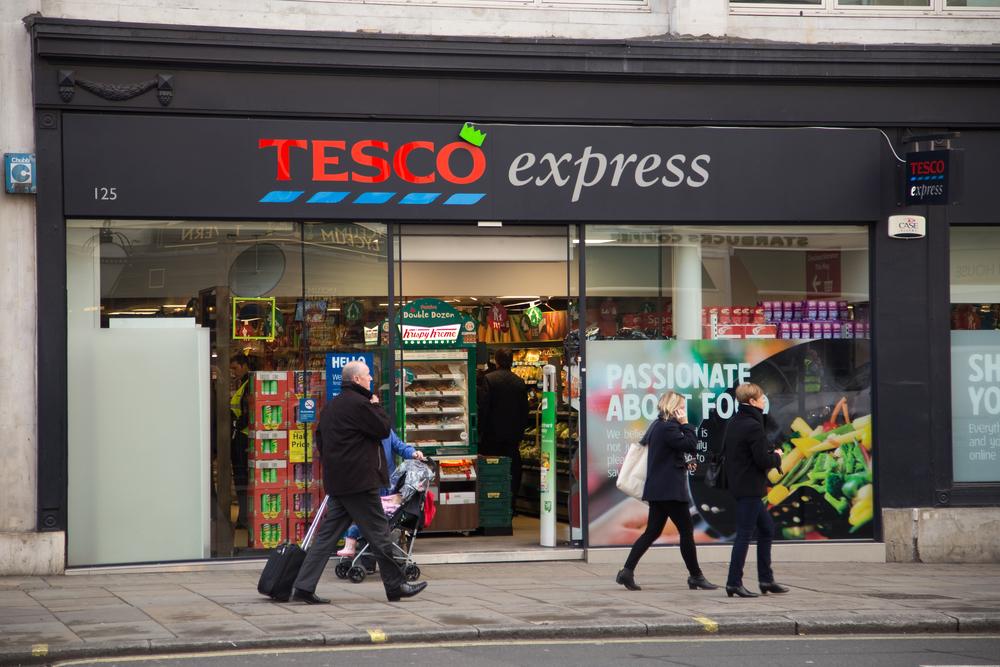
New figures release by Kantar Worldpanel show slow but steady growth for British supermarkets. After a bad festive season, overall sales have now increased by 0.8% compared with a year ago, with stronger growth being enjoyed by the smaller retailers.
The Co-operative supermarket has returned to growth for the first time since July 2014, increasing its sales by 1.0% and retaining its 6.3% market share.
The Co-operative has returned to growth for the first time since July 2014, increasing its sales by 1.0%. While their growth is slightly ahead of the market, its overall share of 6.3% has remained the same as last year.
Sainsbury’s sales fell 0.3% but has edged its market share of 16.5% ahead of Asda, and has returned to its position as the nation’s second largest supermarket for the first time since January.
Customers at Waitrose have taken advantage of the recently introduced ‘Pick Your Own Offers’ initiative, which has pushed their market share up to 5.0% and sales up 3.0%.
Fraser McKevitt, head of consumer and retail insight at Kantar Worldpanel, explains: “Grocery inflation now stands at -1.6% for the 12 week period ending 19 July 2015 and comparable groceries are now 1.6% cheaper than a year ago. Prices have been falling since September 2014, although they are projected to start rising again by early 2016.”
Supermarket growth also coincides with figures released today by the Office of National Statistics, showing UK economic growth has accelerated in the second quarter of the year, helped by a big jump in oil and gas production.
The UK’s economy grew by an estimated 0.7% in the April to June period, compared with growth of 0.4% in the first quarter of the year.
Jury retires in Libor rigging case
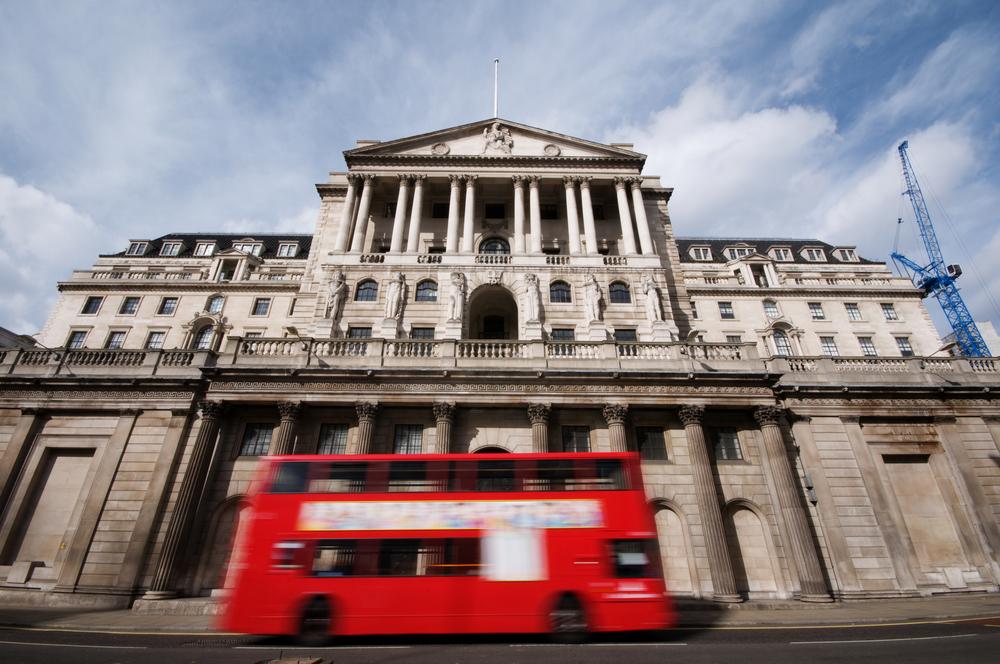
The jury in the trial of Tom Hayes, the former UBS and Citigroup trader charged with manipulating global Libor interest rates, has retired to digest nine weeks of evidence.
Mr Hayes has pleaded not guilty to eight counts of conspiracy to defraud, saying he did not alter the London Interbank Offered Rate – the agreed rate at which large banks charge each other for borrowing.
The Serious Fraud Office alleges that Mr Hayes, from Fleet, Hampshire, corralled and bribed traders across 10 lenders into manipulating the rate for a profit.
It was revealed earlier this month that Hayes frequently wrote a Libor wishlist on Facebook, in statements like “Tom needs a low one-month Libor” or “Tom needs a high three-month”. He told investigators he even dreamt about rates because they “underlined everything that I traded”.
Hayes had admitted that he was extremely open about trying to influence rates and said that the practice was widespread. He had left a trail of emails and computer chats requesting higher or lower Libor rates, the court heard.
“I could’ve done a million things to reduce the trail,” he said in one of the interview transcripts, read out to the court.