


Positive trial data for Celadon Pharmaceuticals

Cannabis-based medicines developer Celadon Pharmaceuticals (LON: CEL) says its pain clinic subsidiary LVL Health has completed the feasibility study of its non-cancer chronic pain clinical trial. The results are described as positive, and the share price rose by 1% to 50.5p.
The results have been submitted to the research ethics committee, which will make a decision on a larger clinical trial involving up to 5,000 patients. A trial has already been conditionally approved by the MHRA.
The study indicates improvements in the quality of life and the larger clinical trial is designed to produce data that will provide confidence for prescription and reimbursement by the NHS.
Celadon Pharmaceuticals, which reversed into AIM cash shell Summerway Capital in the summer, is expected to have £5m in cash at the end of 2022, so it has enough funds for its current requirements.
AIM movers: Catenae Innovations returns from suspension and Pantheon Resources share price slump

Trading in digital media company Catenae Innovation (LON: CTEA) shares has recommenced after it published its 2020-21 accounts and interims to March 2022. They bounced back by 34.3% to 0.235p. There was a £993,000 cash outflow from operations last year and that was reduced to £283,000 in the latest interims. There was cash of £337,000 and no debt at the end of March 2022. A £250,000 interest-free loan facility has been secured from Sanderson Capital and £125,000 has been drawn down. Shares and warrants will be issued to Sanderson Capital at 0.235p each.
Mobile Streams (LON: MOS) has extended a contract with International Gaming Systems for six months from January 2023. The minimum revenues commitment is $900,000. The mobile content and data company also reported revenues growing from £395,000 to £1.02m, but the loss jumped from £1.03m to £2.76m due to a combination of higher overheads and one-off provisions. The share price jumped 19.6% to 0.1375p.
Nexus Infrastructure (LON: NEXS) is selling its utility connections and charging infrastructure businesses to FitzWalter Capital for £77.7m. That is more than the market capitalisation before the announcement. The share price rose by 14.8% to 175p. This is the highest it has been since June. TriConnex and eSmart Networks were the parts of the group with the best growth prospects and Nexus Infrastructure is left with civil engineering business Tamdown, where margins are recovering. In 2021-22, revenues were £98.4m and the operating profit was £2.3m.There will be £10m of disposal proceeds retained for working capital and the £65m left after costs will be distributed to shareholders.
Invinity Energy Systems (LON: IES) says that 2023 revenues will be better than expected because of the order inflow in recent months and delayed contracts. The 2023 forecast was raised from £20.6m to £23.7 in September. The battery storage technology developer will still make a significant loss even with higher revenues. The share price is 13.5% ahead at 43p.
Nicholas Slater has acquired more shares in Blue Star Capital (LON: BLU) taking his stake from 13.1% to 14%. The shares price rose 11.3% to 0.1475p.
Pantheon Resources (LON: PANR) is the worst performer on the day with a 48.3% loss to 42.52p. The Alaska-focused oil and gas explorer continues to have problem with the Alkaid #2 well due to sand. A specialist rig is available in January to clean out the sand. There was a $48.6m cash outflow in the year to June 2022. There is $54.7m left in the bank at the end of June 2022 thanks to $55m raised from a convertible bond. The fall in the share price will increase the dilution of the bond if it is converted.
Inspirit Energy Holdings (LON: INSP) will not publish results by the end of 2022 and the share price has slumped by 23.8% to 0.024p ahead of suspension on 3 January.
Harland & Wolff (LON: HARL) has lost some of the gains following its fleet solid support contract announcement in November, falling 21.2% to 15.875p. Progress has been slower than expected on an MoD contract and commercial clients are delaying spending. A contract for four wind turbine generator jackets has been terminated following cost escalations. Guidance on revenues for the year to March 2022 has been more than halved to £29m-£31m. The fleet solid support contract is still being negotiated. A finance facility of up to £200m could be secured by the first quarter of 2023.
Goldstone Resources (LON: GRL) says it has not achieved its 2022 production target of 7,000 ounces of gold from the Homase mine. It has generated revenues of $9.3m from the sale of 5,153 ounces. Costs have been volatile and recovery rates can be improved. There will be drill results from exploration at the Akrokeri mine in early 2023. The share price declined by 12.3% to 3.025p.
Catalyst Media NAV trebles
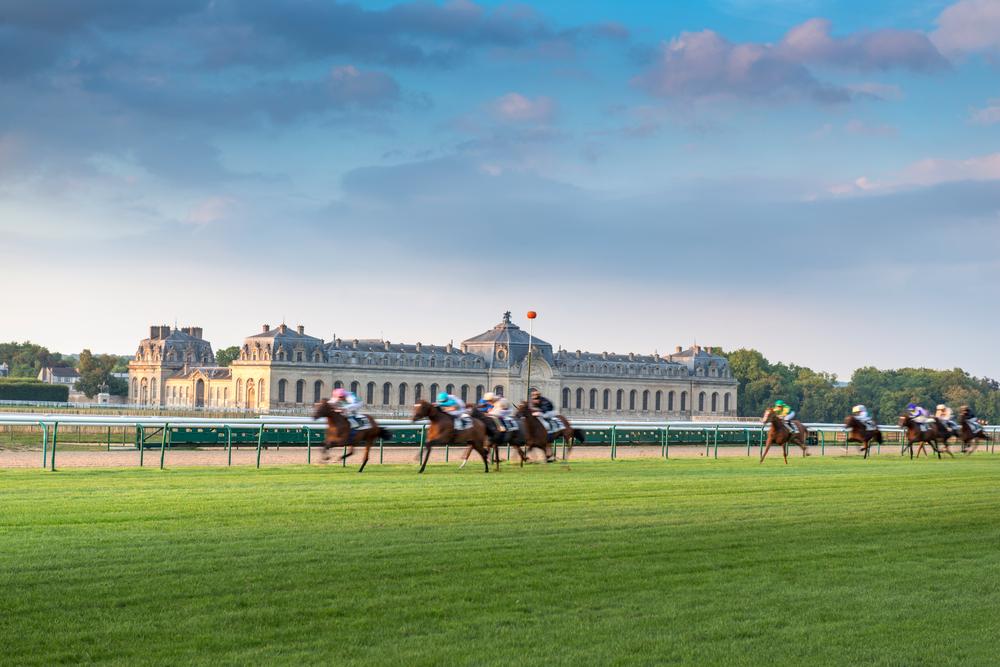
Catalyst Media Group (LON: CMX) trebled its net assets after unwinding a previous write-down. Even after an 8% increase in the share price to 129p, the market capitalisation of £27.1m is at a discount to NAV of £35.5m, or 168.9p a share.
A 20.5% shareholding in horseracing broadcaster Sports Information Services (SIS) is the only significant asset that Catalyst Media has, and it is valued at £35.4m. That is after a write-back of a previous impairment charge of £23.4m. This is due to improved performance and the resolution of litigation with The Racing Partnership.
After accounting for its share of SIS profit, Catalyst Media reported a 2021-22 pre-tax profit of £24.4m.
SIS returned to profit in the year to March 2022. Since then, Catalyst Media has received a £4.4m dividend. SIS still has £54m in the bank. Catalyst Media has announced a 3.3p a share dividend. SIS revenues are expected to increase this year.
AIM movers: Allergy Therapeutics accounts delayed and ex-dividends

Allergy Therapeutics (LON: AGY) says that its accounts will not be published by the end of 2022, so trading in the shares will be suspended on 3 January. The audit has been delayed, but there is no indication of any material problem. Management is still assessing funding options. The share price slumped 56% to 5p.
Annual results for Kazera Global (LON: KZG) will not be published until February, so trading in the shares will also be suspended on 3 January. Revenues were £107,000 and the loss was £1.125m. There was cash of £637,000 at the end of June 2022. The current cash position is £600,000. The share price dived by 19.1% to 0.85p.
Pathfinder Minerals (LON: PFP) has extended and increased a loan facility from £120,000 to £160,000. The facility lasts until the end of March 2023. The share price slipped by 9.52% to 0.475p.
Myanmar Investments (LON: MIL) had a NAV of 28 cents a share at the end of September 2022. Concerns remain about the stability of Myanmar. The share price fell 6.25% to 7.5 cents a share.
Shares in Applied Graphene Materials (LON: AGM) have recovered a further 34.3% to 7.25p on the back of yesterday’s announcement that the company has received indicative proposals from interested parties for the sale of the business as part of the strategic review. Management hopes that there will be final proposals in early January, but there is no guarantee of a satisfactory deal.
NetScientific (LON: NSCI) investee company PDS Biotech (NASDAQ: PDSB) announced median overall survival of 21 months in a phase II study for a PDS0101-based triple combination therapy for advanced HPV+ cancer patients. This is better than current treatments. The PDS stake is worth more than £15m. The share price rose 14.9% to 77p, which values the investment and consultancy company at £18.1m.
Biotech company Sareum (LON: SAR) non-exec Dr Stephen Parker has bought 19,972 shares at 77.6p a share. The share price rose 10.7% to 77.5p.
There has been further director buying of genomic medicine company Yourgene Health (LON: YGEN) shares. Finance director Barry Hextall bought 3.4 million shares at 0.344p each. Chief operating officer Haydyn Jeffreys acquired 3.14 million shares at 0.366p each. The recent placing price was 0.3p a share. The share price is 6.67% higher at 0.4p.
Tekcapital (LON: TEK) investee company Innovative Eyewear has signed a global licensing agreement for the outdoor brand Eddie Bauer for smart eyewear. The share price improved by 5.56% to 19p.
Ex-dividends
AB Dynamics (LON ABDP) is paying a final dividend of 3.54p a share and the share price fell 20p to 1590p.
Cerillion (LON: CER) is paying a final dividend of 6.5p a share and the share price is unchanged at 1200p.
Jet2 (LON: JET2) is paying an interim dividend of 3p a share and the share price declined by 20.4p to 965.6p.
James Latham (LON: LTHM) is paying an interim dividend of 7.25p a share and the share price is unchanged at 1250p.
Oxford Metrics (LON: OMG) is paying a final dividend of 2.5p a share and the share price slipped by 3p to 107.5p.
Real Estate Investors (LON: RLE) is paying a dividend of 0.44p a share and the share price is down by 0.75p to 28.75p.

LBG Media – shares up as co-founder adds further to his stake

How many times have we seen or heard the expression – ‘According to the LADBible’ – well now investors can take advantage of the connection.
What was spun out of an idea for a social media publishing business dreamt up by students at Leeds University in 2012, has now become the world’s all-time most viewed and engaged publisher on Facebook and is also the biggest publisher on TikTok.
What is a LAD?
To this group a LAD is an everyday hero who takes a positive and constructive role in their community.
It looks to champion a variety of people, from both celebrities and its audience, and bring them all onto the same stage.
Impressive 39% CAGR
Over the last four years the revenue of LBG Media (LON:LBG) has grown at a compound annual growth rate of 39%.
The group describes itself at the largest youth publisher in the world –
“Over recent years, we have delivered significant multi-platform audience growth, establishing ourselves as the largest youth publisher in the world.
Our reach spans 64% of the UK’s 18 to 34 year-olds, a valuable demographic for advertisers which has been historically hard to reach.
Our data insight and position as a trusted voice for our highly engaged audience make us attractive for brands seeking to advertise to our audience.”
The group produces and distributes digital content across a range of mediums including video, editorial, image, audio, and experience (virtual and augmented reality) and now has a diverse collection of ten core specialist brands using social media platforms primarily on Facebook, Instagram, Snapchat, Twitter, YouTube and TikTok.
Analyst Estimates
The year to the end of this month is estimated, by analyst Rachel Birkett at Zeus Capital, to have seen revenues of £63.0m, upon which it could have made adjusted pre-tax profits of £13.5m, generating 5.3p of earnings per share.
The UK-based multi-brand, multi-channel digital youth publishing group in the year about to start is likely to push revenues to £69.4m, pumping profits up to £17.2m, worth 6.4p per share in earnings.
For the year to end December 2024 estimates are for £76.4m of revenues, £18.9m profits and 7.0p earnings.
This ‘asset light’ business is both scalable and very cash generative.
An example of just how cash generative this group can be is illustrated by the estimates for the current year end net cash balance to be around £31.0m, for end-2023 a figure of £52.8m is suggested, while the 2024 total could be £68.1m – which compares with the group’s current £251m market capitalisation.
Brokers Liberum Capital will be holding a Tech & Media Conference on 17 January at which LBG Media will be one of the seven companies on show.
Shareholders
Taking a quick look at the major shareholders, those already into the equity include abrdn (6.88%), Canaccord Genuity (4.22%), and Slater Investments (3.83%). Mahmud Kamani, controlling shareholder of Makkma Investments holds 20.21%.
Solly Solomou, the group’s co-founder and CEO, has been adding still further to his holding, with a purchase announced on 23 December of another 50,000 shares @ 100p each to take his holding up to 86.68m shares, representing 41.99% of the group’s equity.
In rapid market reaction to that news the group’s shares shot up nearly 14% to close at 121.5p, up 14.5p on the day.
Conclusion – keep a watching brief
Without doubt there is the promise of a major uplift in this group’s share price, but after the recent sudden rise, it could be wise to just watch how it performs and be ready to jump in on any inevitable fallback on profit-taking.

AIM movers: Polarean Imaging gains FDA approval

Diagnostic imaging company Polarean Imaging (LON: POLX) has gained FDA approval for Xenoview, the Xenon129 hyperpolarised drug-device combination. This is the only product of its kind that has FDA approval. It provides enhanced visualisation of lung ventilation. Pricing still has to be secured. Revenues will take time to build up and the sales expertise will have to be put in place. Net cash is expected to be £2.9m at the end of 2023. Stifel Nicolaus has increased its target price from 100p to 130p. The share price rose 18% to 59p. Polarean Imaging joined AIM in March 2018 at 15p a share.
Applied Graphene Materials (LON: AGM) has received indicative proposals from interested parties for the sale of the business as part of the strategic review. Management hopes that there will be final proposals in early January. A preferred party will then be chosen. There is no guarantee that any satisfactory proposal will be tabled. Redundancy consultations continue for the time being. The hare price recovered by one-fifth to 5.4p.
Peru-focused oil producer PetroTal Corp (LON: PTAL) has successfully tested well 12H in the Bretana oil field. Current production has increased to 3,650 barrels of oil/day and it could reach an even higher level. Other wells will be drilled. Total current production is 20,000 barrels of oil/day. Barges are arriving for the oil now that the river blockade has ended. The share price is 4.62% higher at 40.8p.
City of London Group (LON: CIN) and Gfinity (LON: GFIN) share prices continue to fall. City of London Group shares are down 15% to 25.5p. A cash injection to Recognise Bank provides a valuation of the stake of 30p/ City of London Group share for the proposed distribution of shares in the new bank. The Gfinity share price has declined a further 14.8% to 0.49p following last week’s results and the rate of cash outflow from the egaming business. There was a £2.57m cash outflow from operating activities with £2.14m left in the bank at the end of June 2022. Potential deferred consideration is payable based on 30% of revenues generated by recent acquisitions over specific periods.
Trafalgar Property Group (LON: TRAF) reported a slump in revenues from £390,000 to £18,000 in the six months to September 2022. The loss increased from £444,000 to £338,000. There was cash of £49,000 on 19 December. A development site was acquired in Speldhurst and Retirement+ has been granted planning permission in Leatherhead. An offer has been agreed on Orchard House for £1.05m, but the buyer has to sell their existing property. There is another investment property valued at £325,000. The share price is 8.57% lower at 0.16p.
Argo Blockchain secures future

Argo Blockchain (LON: ARB) has secured a deal that will reduce the crypto currency miner’s debt by £34m and enable it to continue in business. The shares bounced back from suspension and are two-thirds higher at 6.25p, having been around 8.7p early in the day.
Galaxy Digital Holdings (TSX: GLXY) is acquiring Argo Blockchain’s Helios facility in Texas for £54m and Galaxy will provide a £29m loan to replace current debt. Argo Blockchain will still operate the bitcoin mining machines in the Helios facility.
The two-year hosting agreement includes the provision of electricity by Galaxy via a fixed price purchasing agreement that it will sign. There will also be a hosting fee.
The focus will be growing the two datacentres in Quebec, which are powered by hydroelectricity. These are still owned by Argo Blockchain.
The new loan will be secured on 23,619 Bitmain S191 Pro mining machines at Helios, plus some of the mining machines in Quebec. The initial term is 36 months. The disposal funds and loan will be used to pay £70m of debt and interest, plus other creditors.
Third quarter figures have been delayed, but because these are not required on the Main Market in London Nasdaq trading will also recommence. The company has been warned that the price for the ADSs is required to be above $1 for a minimum of ten consecutive days by 12 June 2023 or the Nasdaq listing will be cancelled.