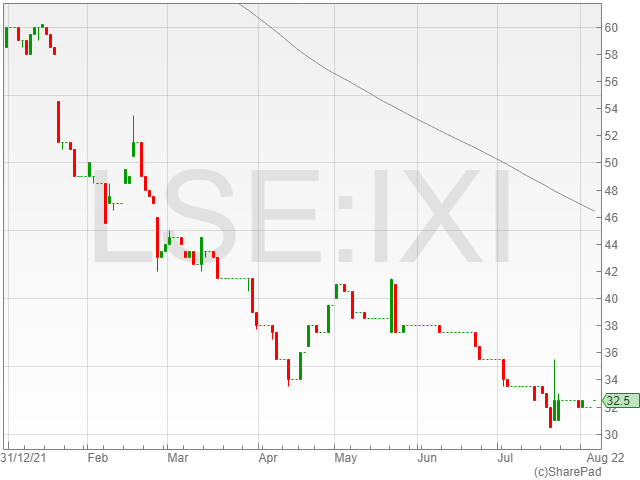
IXICO has been selected for a contract to provide MRI and DAT-SPECT imaging services by an unidentified European biopharmaceutical company for a Phase 2 clinical trial in Parkinson’s disease.
The contract represents the second study award IXICO has received from the client over the last 12 months, with the trial expected to progress over four and a half years.
IXICO is reportedly set to provide radiology and quantitative analysis services to support patient selection, safety and efficacy analysis.
The contract will build on the pharmaceutical group’s portfolio of proprietary imaging data management and analysis technologies for the investigation of neurological disorders across the drug development lifecycle, from phase one to commercialisation.
“We are delighted to be awarded this contract to support the development of this promising investigational drug in PD,” said IXICO CEO Giulio Cerroni.
“Our success in being awarded a second study with this client, demonstrates the momentum we are building in expanding into a broader range of neurodegenerative therapeutic indications.”
“Our mission is to support our current and prospective clients in their efforts to bring potential treatments to patients suffering from neurological disorders, and this contract is an example of the confidence that increasing numbers of companies are placing in IXICO as their trusted neuroimaging partner for their important CNS studies.”
The FTSE 100 had a spring in its step on Thursday, as the blue chip index rose 0.5% to 7,485.1 in early afternoon trading.
The market seemed to defy recession fears after the Bank of England announced an interest rates hike of 0.5% to 1.75%, representing the most aggressive rates growth in 25 years.
The FTSE 100 was buoyed by a selection of positive results, as miner Glencore and fashion company Next gave the index a shot in the arm despite several weaker results from Rolls-Royce, Hikma and Informa.
Glencore
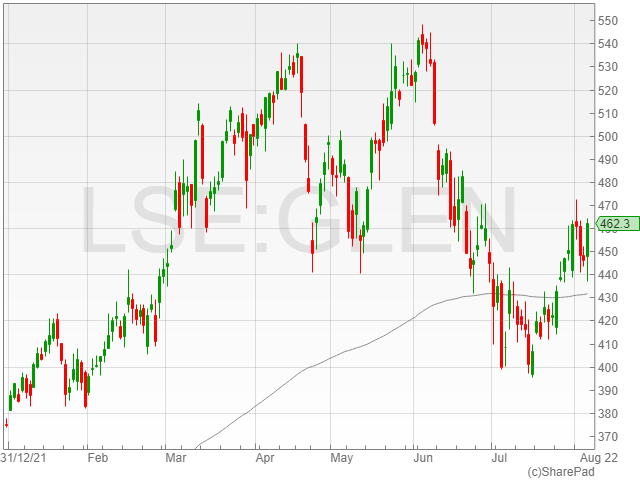
Glencore shares gained 3.8% to 463.1p after announcing a revenue surge to $134.4 billion as market volatility led to record prices across its coal, gas and physical premia segments.
The mining giant reported an adjusted EBITDA climb of 119% to $18.9 billion against $8.6 billion the last year.
Glencore also cut its net debt by 62% to $2.3 billion from $6 billion, and confirmed a basic EPS rise of 820% to 92c compared to 10c.
The group mentioned $4.5 billion in shareholder returns over the interim period, including 11c per share in special distributions and a $3 billion share buyback.
Glencore confirmed a total of $8.5 billion in total shareholders returns in FY 2022.
“Glencore became the latest natural resources player to deliver bumper returns to shareholders,” said AJ Bell investment director Russ Mould.
“However, with the risks of recession bubbling, investors may not see such high levels of generosity going forward.”
Glencore revenues soar to $134.4bn as market volatility leads to record priceshttps://t.co/b233uahrlz
Next also commented its stronger sales might be linked to the closure of several competitors over the past three years, funnelling a higher level of customer revenue into the high street brand.
“Next is widely considered a best-in-class retailer and today’s results offer ample evidence of why that is the case,” said Mould.
“Bosses at Next are well-versed in how to operate successfully as a public company, demonstrating fluency in the art of expectation management.”
“This helps explain how, right in the middle of the worst cost-of-living crisis in a generation, the company has been able to deliver better-than-expected numbers.”
“Next has also benefited from market share gains as competitors like Topshop and Debenhams have disappeared from the high street.”
Next full price sales shine as warm weather boosts formal wear sectorhttps://t.co/xKbVrRYqhp
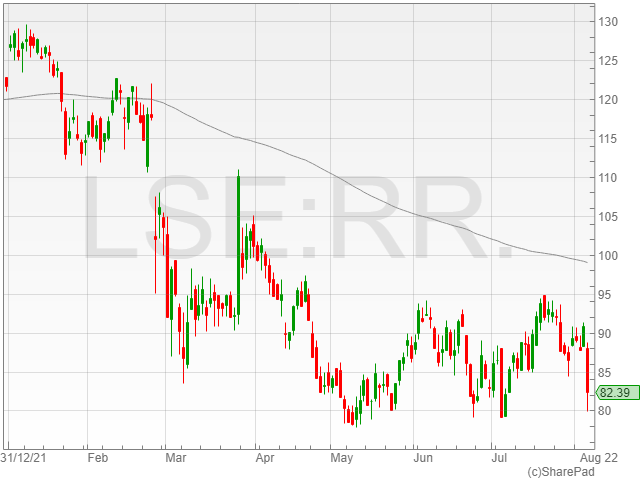
Rolls-Royce shares plummeted 9.3% after the engineering firm swung to a statutory loss of £1.6 billion in HY1 2022 compared to a profit of £394 million year-on-year.
Rolls-Royce confirmed a revenue growth to £5.6 billion from £814 million, however, on the back of its record Power Systems order intake, continued recovery in its Civil Aerospace flying hours and a strong Defence order book.
However, the company said it expected supply chain problems and inflationary issues to persist into 2023, and with news of a recession on the horizon, the prospects looked slightly bleak for the group.
The firm also mentioned struggles in attracting experienced and qualified engineering staff.
“We are actively managing the impacts of a number of challenges, including rising inflation and ongoing supply chain disruption, with a sharper focus on pricing, productivity and costs,” said Rolls-Royce CEO Warren East.
“This is setting us up to deliver on our commitments this year and in the future. We are making choices to manage the current challenges, deliver better returns, reduce debt, and generate long-term sustainable value.”
Mould added: “For a one-time champion of British engineering, the company is at a pretty low ebb. Today’s results demonstrate the size of the task facing the newly appointed chief executive Tufan Erginbilgic.”
“If even a well-regarded figure like Warren East, who will hand over to Erginbilgic at the beginning of next year, can’t fix the business then what hope is there for anyone else?”
“Despite seeing some recovery in the all-important civil aerospace business, Rolls is still left trailing behind expectations.”
Hikma
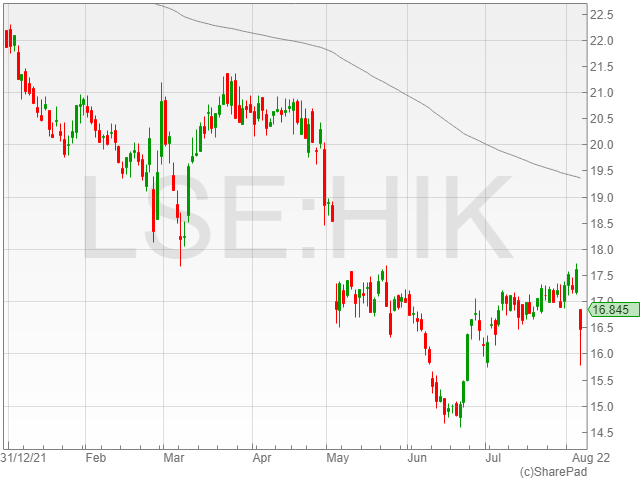
Hikma shares dropped 4.5% to 1,682p following a 27% operating profit drop to $239 million in HY1 compared to $326 million the last year.
Revenue remained flat for Hikma year-on-year at $1.2 billion, with stronger performance in Injectables and Branded sectors offsetting the weakness in Generics.
Hikma hiked its dividend 6% to 19c per share compared to 18c the year before.
“Hikma’s resilient first half performance is a testament to the strength of our core underlying business, supported by the breadth and depth of our portfolio and capabilities,” said Hikma Pharmaceuticals CEO and executive chairman Said Darwazah.
“Double digit profit growth in our Injectables and Branded businesses has helped to offset a decline in Generics caused by industry-wide competitive pressures.”
Informa announced its GAP II strategy also helped revenues climb, with its investment programme moving on track according to schedule.
The exhibition company also confirmed its resumption of dividends, recommending a 3p per share payout for the interim period.
“As outlined in our recent Market Update, Informa’s first half results underline the benefits of our GAP II strategy, with strong growth in revenues, profits and cash,” said Informa CEO Stephen A. Carter.
“We remain on track to achieve the upper-end of 2022 guidance, with good forward visibility in Subscriptions, Exhibitors, Delegates and Digital Services, whilst continuing to deliver accelerated shareholder returns, additional growth investment and further targeted expansion.”
Informa swings to £90.9m profit as GAP II strategy progresses on schedulehttps://t.co/l1lPGTSvoI
The move comes in a bid to tackle soaring inflation, which currently stands at a 40-year record of 9.4% and was previously estimated to reach 11% in October this year.
However, the Bank reported that inflation is now expected to hit 13.3% this autumn, the highest level since 1980, and remain as such for the bulk of 2023 before falling to the organisation’s 2% target in two years.
A 0.5% interest rates hike has not been seen in 25 years, with the aggressive move signalling trouble ahead for the UK economy.
The vote was passed with eight members of the Monetary Policy Committee in favour and one member suggesting a lower rate hike of 0.25% to 1.5% instead.
“After successive 0.25% rises, the Bank of England is taking a tougher stance on inflation with today’s 0.5% hike,” said Nutmeg personal finance specialist Annabelle Williams.
“There hasn’t been a 0.5% rate rise for more than a quarter of a century, and the expectation is that bringing interest rates to a higher level at a swifter pace will be more effective at calming inflation, which reached 9.4% on the CPI measure in June.”
“The prospect of lower inflation should provide some relief to households and businesses struggling with the highest inflation for 40 years. But a rise in interest rates will take time to dampen down prices and there’s no guarantee of how far prices will fall.”
GDP is currently slowing at a greater rate than expected, as rising gas prices feed into spiking inflation as a result of the Ukrainian war.
Real household income after tax is anticipated to fall sharply over 2022 and 2023, with a negative consumption growth.
However, the Bank of England said it projected no additional price growth in global commodities, and added it expected tradable goods inflation to fall back in the coming months, with the first signs already evident in the economy.
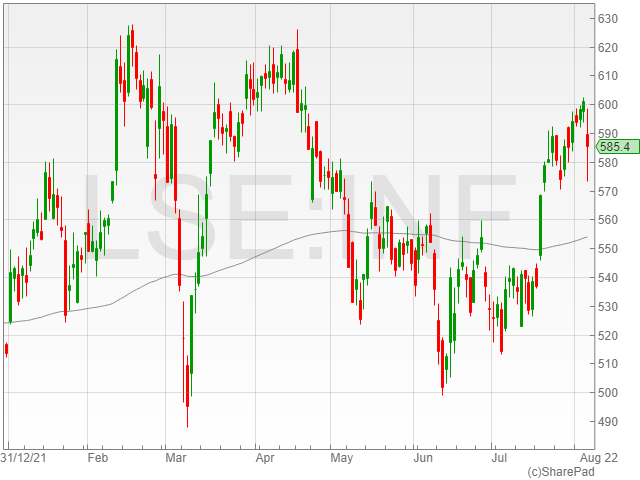
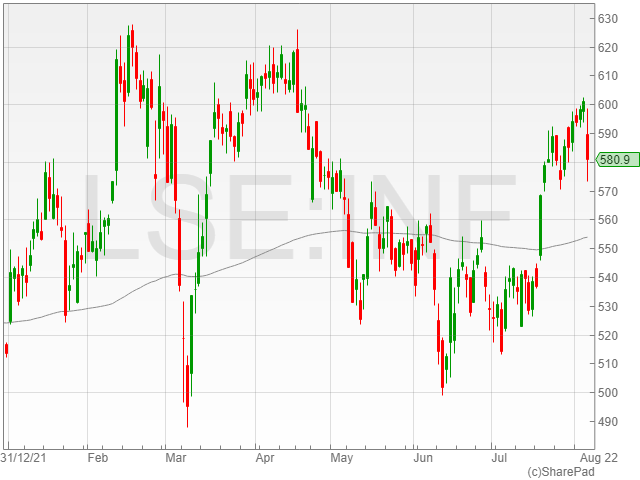
Informa shares fell 3.5% to 579.6p in late morning trading on Thursday, despite a 59.1% HY1 2022 revenue increase to £1 billion compared to £688.9 million the last year.
The exhibitions group confirmed an adjusted operating profit climb of 226.6% to £234.5 million against £71.8 million in HY1 2021 as a result of strong revenue and effective cost management.
Informa reported a statutory operating profit of £90.9 million compared to a £55.4 million loss in the previous year, due to higher revenues, lower Covid-19 exceptional costs and profit growth on divestment.
The company mentioned a higher free cash flow of £178.4 million from £134.1 million, including a doubled capital reinvestment into digital services and enhanced technology capabilities.
Its GAP II strategy also served to boost its revenues and profits across the interim period, with its investment programme reportedly progressing according to schedule.
“As outlined in our recent Market Update, Informa’s first half results underline the benefits of our GAP II strategy, with strong growth in revenues, profits and cash,” said Informa CEO Stephen A. Carter.
“We remain on track to achieve the upper-end of 2022 guidance, with good forward visibility in Subscriptions, Exhibitors, Delegates and Digital Services, whilst continuing to deliver accelerated shareholder returns, additional growth investment and further targeted expansion.”
Informa also resumed its dividends on the strength of its balance sheet and confidence in future cash flow growth, recommending a dividend of 3p per share for the HY1 2022 period.
The consortium of Kinetic TCo and Globalvia Inversiones has increased its bid for bus and trains operator Go-Ahead (LON: GOG). This bid is being recommended by the Go-Ahead board.
The consortium originally offered 1450p a share in cash and a special dividend of 50p a share instead of a final dividend for the year to 2 July 2022. The lat4est offer is still 1450p a share, but the special dividend has been increased to 100p a share, making the value of the bid 1550p a share.
The board, which previously recommended the original offer, and institutional investors backing the bid hold 27% of the Newcastle-based transport company shares. It appears that some institutions were not as happy with the original bid as the board and pushed for a higher offer.
A general meeting to approve the takeover on 8 August has been adjourned and moved to 16 August. The vote requires 75% shareholder approval.
The consortium originally offered 975p a share back in January, so this is significantly more than it wanted to pay. The other potential bidder ASX-listed Kelsian (ASX: KLS) decided not to make an offer.
The share price has been much higher than the offer price, but not since early 2020. The all time high back in 2007 was nearly double the bid level.
Kinetic is the largest bus operator in Australia and New Zealand. Globalvia manages transport infrastructure concessions, including highways and railways. It already operates in Spain, the US, Ireland, Portugal, Costa Rica and Chile. Go-Ahead has bus operations in the UK, Singapore, Ireland and Sweden, plus rail franchises in the UK, Germany and Norway.
There was a 21.7% rebound in the Falanx (LON: FLX) share price to 0.7p following its trading statement. The share price had reached a low of 0.525p on Tuesday. The cyber security services provider grew 2021-22 revenues by 14% to £3.5m and improved its gross margin. The loss was reduced. There was cash of £2.7m at the end of June 2022. These figures will be announced in September. Investment is being made in the core business and there is a high level of potential business, particularly for cyber security monitoring.
Ukraine-focused property investor Arricano Real Estate (LON: ARO) has returned from suspension following the publication of its 2021 accounts. Net assets were $163.8m at the end of 2021. The share price rose 11.1% to 25 cents, which values Arricano Real Estate at $23.2m.
Galileo Resources (LON: GLR) has commenced drilling at the 75%-owned Luansobe copper project in Zambia. The share price increased by 8.1% to 1p.
Smart communications technology provider CyanCommode (LON: CYAN) has won an advanced metering infrastructure project order in the Middle East and North Africa region. The deal is worth $2.5m and will take 18 months to complete. The share price improved 6.1% to 15.25p.
Financial services provider STM Group (LON: STM) said at its AGM that first half trading was slower than anticipated. The pipeline of potential business remains encouraging, but it is taking longer to secure the business. Management believes that STM can still achieve 2022 expectations. A trading statement will be released when the acquisition of Premier Pensions is completed later this month. The share price is 6.25% lower at 22.5p. Malcolm Berryman stepped down from the board ahead of the AGM vote. Chairman Duncan Crocker is also leaving the board later.
The Immupharma (LON: IMM) share price has fallen following the £1.1m fundraising at 5p a share on Wednesday afternoon. The drug developer has entered into a sharing agreement with Lanstead Capital for £1m of the fundraising, which means Immupharma may receive more or less than £1m depending on the price each month for 24 months. The benchmark price is 6.667p, so if the market price is lower less money will be raised. The share price had already fallen 0.52p to 5.7p and it has fallen a further 8.42% to 5.22p. There is a broker option that could raise a further £1.3m.
Harvest Minerals Ltd (LON: HMI) has decided not to go ahead with the purchase of the Miriri phosphate project in Brazil because it believes that it is uneconomic. There was an initial share price fall but it is currently unchanged at 11.2p.
Ex-dividends
CML Microsystems (LON: CML) is paying a final dividend of 5p a share and the share price rose 10p to 410p.
Circle Property (LON: CRC) is paying a final dividend of 3.5p a share and the share price is unchanged at 253p.
Greencoat Renewables (LON: GRP) is paying a dividend of 1.54 eurocents a share and the share price fell 0.25 cents to 120.25 cents.
Ingenta (LON: ING) is paying a final dividend of 2p a share and the share price rose 6p to 96.5p.
James Latham (LON: LTHM) is paying a final dividend of 19p a share and the share price fell 5p to 1342.5p.
Nichols (LON: NICL) is paying an interim dividend of 12.4p a share and the share price rose 30p to 1135p.
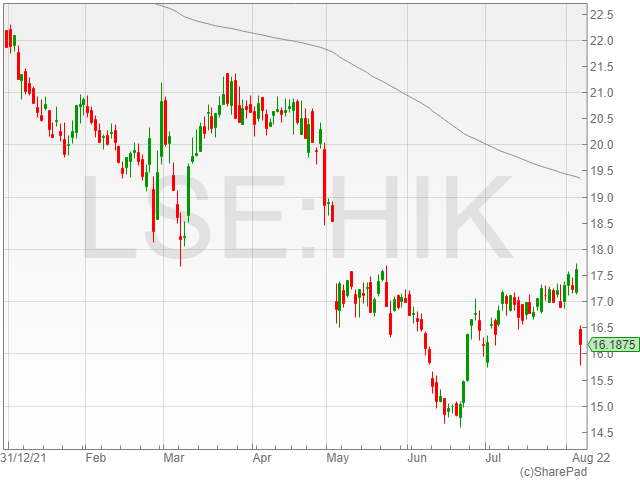
Hikma Pharmaceuticals shares plummeted 8.1% to 1,618.5p in late morning trading on Thursday, after the company reported a 27% operating profit drop to $239 million in HY1 2022 against $326 million the year before.
Hikma attributed its declining profits to lower pricing in its Generics sector and a high comparative in HY1 2021 due to an impairment reversal.
The FTSE 100 group confirmed a flat revenue of $1.2 billion year-on-year, including strong performance in Injectables and Branded offsetting weaker pricing in Generics, with chronic medications driving 80% of branded revenue growth across the financial term.
“Hikma’s resilient first half performance is a testament to the strength of our core underlying business, supported by the breadth and depth of our portfolio and capabilities,” said Hikma Pharmaceuticals CEO and executive chairman Said Darwazah.
“Double digit profit growth in our Injectables and Branded businesses has helped to offset a decline in Generics caused by industry-wide competitive pressures.”
The pharmaceutical firm also noted a 25% slide in cashflow from operating activities to $169 million against $224 million in HY1 2021.
The company mentioned a basic EPS decrease of 29% to 76.2c million compared to $1.07 in the previous year.
FY 2022 guidance
Hikma reported an anticipated Injectables revenue increase in the mid to high-single digits, along with a Branded revenue growth in the low-single digits.
The group mentioned an expected Generics revenue between $650 million to $675 million.
“Our increasingly differentiated portfolio, market leading positions, unique manufacturing footprint and the strength of our customer relationships form a strong foundation for further progress and we are confident in our outlook for the future,” said Darwazah.
“We expect to maintain good momentum in Branded and Injectables and for Generics to return to growth in 2023.”
Hikma Pharmaceuticals hiked its dividend by 6% to 19c per share from 18c per share last year.
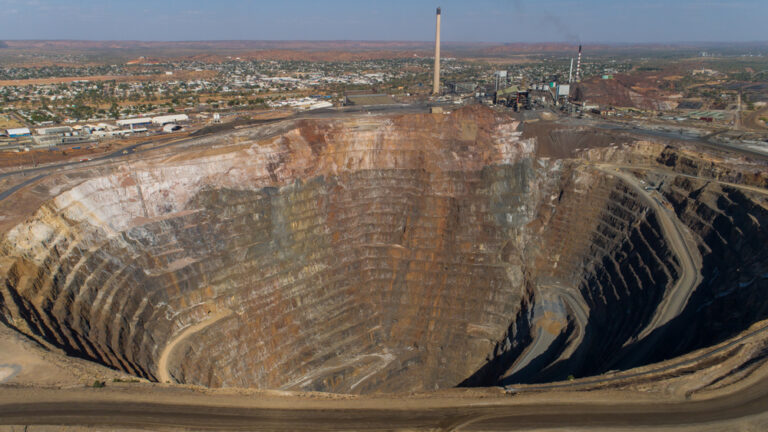
Glencore shares gained 1.6% to 453.4p in late morning trading on Thursday following a 43% revenue growth to $134.4 billion in HY1 2022 against $93.8 billion in HY1 2021.
The mining giant reported an adjusted EBITDA surge of 119% to $18.9 billion from $8.6 billion linked to record pricing across coal, gas and physical premia.
“Global macroeconomic and geopolitical events during the half created extraordinary energy market dislocation, volatility, risk, and supply disruption, resulting in record pricing for many coal and gas benchmarks and physical premia, underpinning a $10.3 billion increase (119%) in Group Adjusted EBITDA to $18.9 billion,” said Glencore CEO Gary Nagle.
Meanwhile, Glencore confirmed an 846% spike in income attributable to equity holders to $12 billion compared to $1.2 billion the year before.
The company announced a basic EPS rise of 820% to 92c from 10c in the previous year.
Glencore further mentioned a 62% reduction in net debt to $2.3 billion against $6 billion year-on-year.
The commodities firm also highlighted shareholder returns of $4.5 billion, consisting of an 11c per share special distribution and a $3 billion share buyback, amounting to $8.5 billion in total shareholder returns in FY 2022.
“Allied to the record EBITDA, our net working capital significantly increased during the period, with some $5 billion invested into Marketing, primarily Energy, in line with the materially higher oil, gas and coal prices, and their elevated volatilities,” said Nagle.
“Despite this build, significant cash was generated, which reduced Net debt to $2.3 billion, allowing for today’s announcement of $4.5 billion of “top-up” shareholder returns, comprising a $1.45 billion special distribution ($0.11 per share) alongside a new $3.0 billion buyback program ($0.23 per share).”
“Today’s additional returns lift total 2022 shareholder returns to $8.5 billion.”
However, the firm said its outlook for metals held less clarity, with labour, water and energy shortages, alongside supply chain problems and rising costs, and the prospect of a weak Chinese economic recovery.
“Looking ahead, tightening financial conditions and a deteriorating macroeconomic environment present some uncertainty for commodity markets through the second half of the year,” said Nagle.
“However, with few short-term solutions to rebalance global energy markets, coal and LNG prices look set to remain elevated during this period, particularly given the current challenge of securing sufficient and reliable energy supply for the Northern hemisphere winter ahead.”
“For metals, the outlook is more complex, balancing supply risks, amid labour, water and energy shortages, supply chain disruptions, growing sovereign risk uncertainty and rising costs, against likely weakening end-use markets ex-China. There are some recent signs of China recovering from its Q2 trough, which could help to offset potentially weaker conditions in other key consuming markets.”
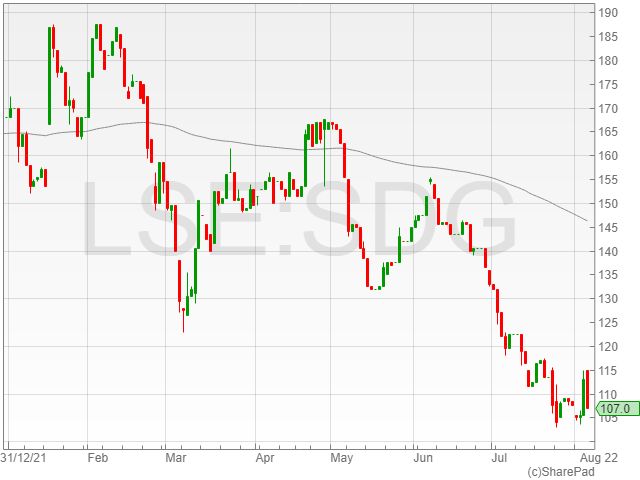
This morning’s Interim Trading Update for the six months to end July from Sanderson Design Group (LON:SDG) showed a very solid performance by the luxury furnishings business despite various pressures with supply, cost price inflation and other hassles like ceasing its business with Russia.
The reorganisation, that was set underway since the change in leadership in 2019, has helped to progress the group and the first six months showing looks set to lift both sales and profits for the current trading year to the end of January 2023.
What the company does
Sanderson Design Group designs, manufactures, markets, and distributes luxury interior furnishings, fabrics, paints and wallpapers worldwide.
The company, which has showrooms in Chelsea Harbour, London; in Manhattan, New York, in Chicago, Dubai and Amsterdam, serves designers, retailers, distributors, and architects.
Employs some 600 people the company operates in two segments, Brands and Manufacturing.
The Brands segment designs, markets, sells, distributes, and licenses Sanderson, Morris & Co., Harlequin, Zoffany, Scion, Clarke & Clarke, and Archive by Sanderson Design brands.
This segment offers wallpapers and fabrics, homewares, window coverings, furniture items, bedding products, cushions, paints, scarves, and leather goods.
The Manufacturing segment manufactures wallcoverings and printed fabrics.
It has a strong UK manufacturing base comprising Anstey wallpaper factory in Loughborough and the Standfast & Barracks fabric printing factory, in Lancaster. Both sites manufacture for the Company as well as for other wallpaper and fabric brands.
In addition, the Company derives licensing income from the use of its designs on a wide range of products such as bed and bath collections, rugs, blinds and tableware.
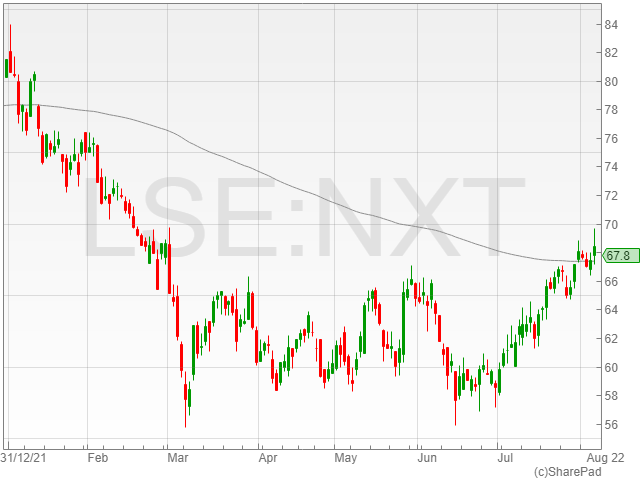
Next shares rose 2.3% to 6,906p in early morning trading after the FTSE 100 fashion group announced a Q2 full price sales climb of 5% as warm weather and social events sparked a resurgence in its formal wear business.
Next suspected its strong sales were also linked to the closure of several competing brands over the last three years, which was supported by the ONS statistic that overall money spent on clothing declined 6% compared to pre-pandemic levels.
The retailer highlighted a 12% climb in retail sales, with broadly flat online sales.
“Next isn’t immune to the cocktail of headwinds facing UK retailers, but it tends to be better at managing them than most. These results are no exception,” said Wealth Club head of equities Charlie Huggins.
“Next is no longer just a UK fashion retailer selling its own products. It’s broadened out into Homewares and Beauty and is selling more third-party brands through its website than ever before, both in the UK and internationally. This is helping to keep it relevant while opening new avenues for growth.”
FY 2022 guidance
The fashion company reported an increase in FY 2022 profit guidance of £10 million to £860 million, reflecting a rise of 4.5% compared to last year.
Next maintained its full price sales guidance for HY2 of a 1% growth, and noted an EPS guidance increase of 7.2%.
“Make no mistake – if the consumer catches a cold, Next will feel it. But it’s unlikely investors will lose their shirt, given the resilience of its business model,” said Huggins.
“Meanwhile, the long-term growth prospects for the business are looking better than they have done for quite some time.”