BP shares gain 3% despite loss of $20.4bn

0

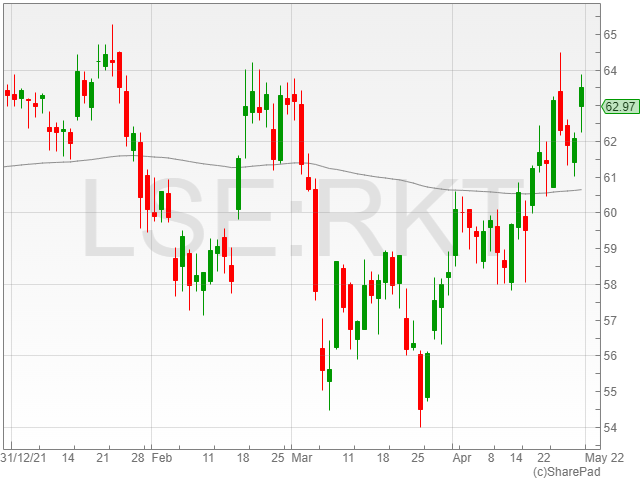
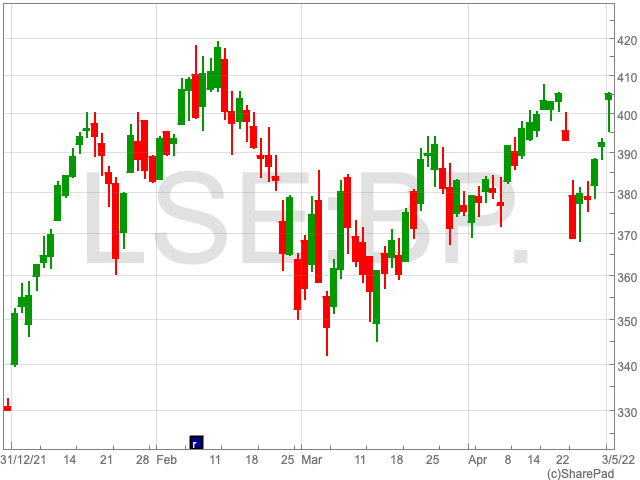
BP shares gained 3% to 403p after the company announced a jump in underlying profits from $4.1bn to $6.2bn, despite reporting a loss of $20.4bn in its Q1 results on Tuesday.

BP reported a loss of $20.4bn in its Q1 results compared to profits of $4.7bn in the fourth quarter of 2021, primarily due to the decision of exiting Rosneft shareholdings.

The oil and gas company noted a drop in total revenue to $51.2bn from $52.2bn in Q4 2021, however, net impairment and losses on the sale of businesses and fixed assets increased drastically to $26bn from $1.2bn in the first quarter of 2021.

Net impairment charges for the first quarter of 2022 were $26bn compared to $373m in Q1 2021 and included net impairment charges of $14.4bn for the first quarter of 2022 compared to $220m.

For the first quarter of 2022, there was a net impairment charge of $252m in the gas & low carbon energy division compared to £122m in Q1 2021 for BP.

In the oil production & operations segment, there was a net impairment charge of $624m compared to $99m in the first quarter of 2022.

BP’s decision to quit additional ventures with Rosneft within Russia resulted in impairment charges in the first quarter of 2022. Impairment reversals related to producing assets due to reserve additions counterbalance them.

In the other businesses and corporation segment, a net impairment charge of $13.5bn was recorded in the first quarter of 2022 reversing a $3m charge in 2021 and a loss on sale of businesses and fixed assets of $11.1bn.

The group swung to a pretax loss of $16.9bn from a pretax profit of $4.8bn in Q4 2021, however, underlying RC profit increased to $6.2bn from $4.1bn.

BP’s loss attributable to shareholders amounted to $20.4bn primarily due to the decision to exit Rosneft shareholding and the group’s EPS decreased to $104.

For the first quarter, BP announced a dividend of 5.46 cents per ordinary share payable in June 2022.

In the first quarter, BP received $1.2bn in divestment and other proceeds, and it expects to receive total proceeds of $2-3bn in 2022.

In the first quarter of 2021, total divestment and other proceeds were $1.2bn, compared to $4.8bn in 2021 which comprised proceeds from the sale of BP’s Swiss retail operations, the sale of BP’s investment in the Pike oil sands assets, and the receipt of deferred consideration relating to BP’s Alaska business divestiture to Hilcorp in 2020. The sale of a loan note related to the Alaska divestment resulted in $0.2bn in other proceeds in the first quarter. 

BP completed $1.6bn in share buybacks in the first quarter, including $0.5bn in January to offset the expected full-year dilution of 2022 vesting of awards under employee share schemes, and $1.1bn in February to progress toward the $1.5bn programmes announced with the fourth quarter 2021 results on February 8. On April 27th, the programme was completed.

BP earned $4.1bn in surplus cash flow in the first quarter and plans to buy back $2.5bn in shares before reporting its second-quarter results.

BP noted a reduction in net debt to $27.5bn at the end of the first quarter and announced a further buyback of $2.5bn shares.

Since the beginning of 2022, BP has announced the start-up of the Herschel Expansion major project in the Gulf of Mexico, signed a final agreement with Eni to form Azule Energy, a new independent joint venture in Angola, and advanced its biofuels strategy by producing sustainable aviation fuel at BP’s Lingen refinery and entering into a long-term strategic offtake and market development agreement with Nuseed.

BP has also continued to advance its electric vehicle charging strategy, launching a strategic partnership with Volkswagen Group and announcing plans to invest £1bn in the UK over the next decade; signed a global strategic convenience partnership with Uber, aiming to make more than 3,000 retail locations available on Uber Eats by 2025; and signed a strategic collaboration agreement with DHL Express to supply sustainable aviation fuel.

Since the beginning of 2022, BP has increased its position in offshore wind with the ScotWind lease option award of 1.45GW net, agreed to form an offshore wind partnership with Marubeni, and advanced its hydrogen strategy by announcing plans to develop H2-Fifty, a 250MW gross green hydrogen plant in Rotterdam, and signing an agreement to form a joint venture with Aberdeen City Council to develop a hydrogen hub.

The shift to an Integrated Energy Company is progressing.

BP exits Rosneft

The first-quarter impairment charge and loss on sale of enterprises and fixed assets are mostly related to bp’s investment in Rosneft as BP exited its 19.75% shareholding in the company.

The loss of considerable control over Rosneft, combined with market effects on Russian assets, resulted in a $13.5bn impairment charge, of which $528m relates to projected earnings in the quarter previous to the loss of major influence.

In addition, $10.4bn in accumulated exchange losses, $651m in a cash flow hedge reserve related to the original acquisition of Rosneft shares, and $59m in BP’s cumulative share of Rosneft’s other comprehensive income were reclassified to the income statement in the quarter for a total of $11.1bn.

From February 27, 2022, BP no longer recognised a share of Rosneft’s net income, output, or reserves due to the change in accounting method.

BP also opted to withdraw its other activities with Rosneft in Russia, which are included in the oil production & operations section.

The fair value of these firms has similarly been assessed to be zero. This decision resulted in a $1bn impairment charge, including $35m in expected earnings for the quarter and $479m in accumulated exchange losses previously charged to equity and transferred to the income statement.

The total pre-tax charge for bp’s investment in Rosneft and other enterprises with Rosneft in Russia in the first quarter of 2022 is $25.5bn.
“BP’s first-quarter results will do nothing to quell talk of a windfall tax on oil and gas companies,” says Russ Mould, Investment Director, AJ Bell.

“The oil giant might have hoped attention would focus on an apparent $20.4 billion loss – created by impairments linked to its exit of interests in Russia – but the strongest underlying profit in a decade of $6.25 billion was more revealing of the impact of surging oil and gas prices on the business.”

“The exit from Russia, while bringing with it considerable costs, arguably helps with the transformation of the group and strong cash flow is helping to bring down debt.

“BP has ambitious plans to become cleaner and greener but today’s update is a reminder that fossil fuels, with all the environmental and geopolitical mess they entail, remain central to the company for now.”
Plus500 to expand acquisitions portfolio, expects growth for 2022

0

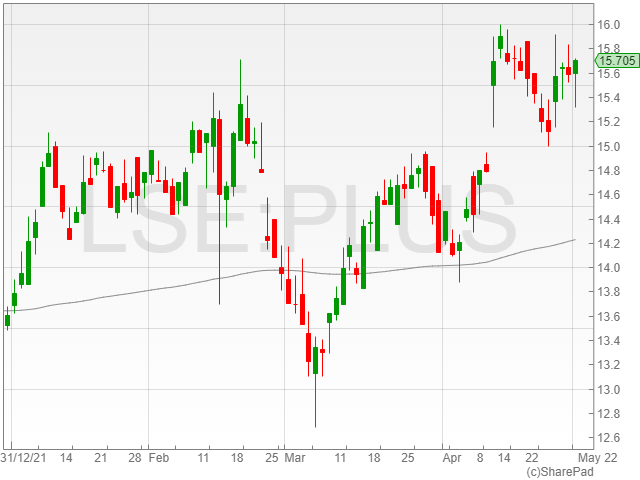
Plus500 shares increased 0.5% to 1,567p in early morning trading on Tuesday, following a positive trading update including a $105 million series of share buyback programmes.

The fintech company said the buybacks reflected the confidence of its Board in Plus500’s future prospects, along with the group’s strong financial position.

The group confirmed that it had made significant progress against its strategic goals, as it continued to roll out its expansion into a slate of new regions.

Plus500 also noted its intention to invest in new acquisitions to expand the company, alongside its growth in the US, the purchase of Japanese firm EZ Securities and the ongoing development of its Pluss500 invest share-trading platform throughout European markets.

The fintech group said it expected to deliver continued sustainable growth over the medium to long term following its operational and financial momentum.

Avast revenue falls 0.5% on Family Safety sale

0

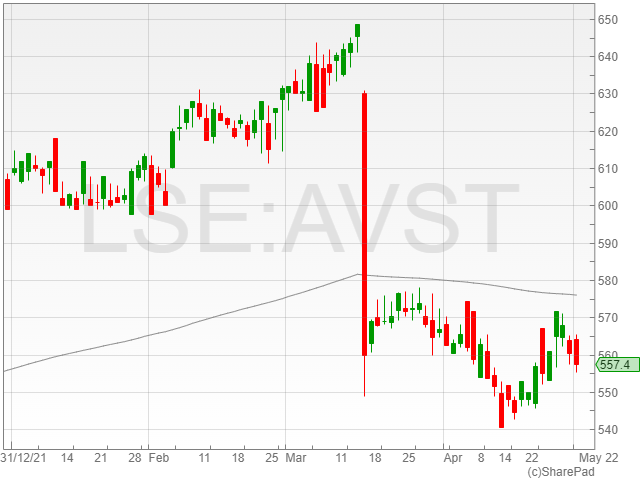
Avast shares were down 1.3% to 556.6p in early morning trading on Tuesday, following a 0.5% drop in revenue to $234.6 million from $237.1 million in the company’s Q1 2022 trading update.

The cybersecurity group noted an adjusted EBITDA loss of 4.3% to $127.9 million compared to $133.7 million, alongside an adjusted EBITDA margin of 54.5%.

Avast also reported a revenue excluding acquisitions, disposals and discontinued business rise of 3.6% to $230.8 from $223.9.

The company commented that its revenue fall was linked to the sale of its Family Safety Business in 2021, but said its billings enjoyed organic growth of 5.9%.

The group added that its newly released Avast One integrated solution gained traction over Q1, with the product release expanding into France and Germany, following a series of positive reviews.

Avast further highlighted its investment in its Digital Trust Services, which is set to provide the foundation for its future consumer products, including the acquisitions of US-based decentralised digital identity company Evernym in December 2021.

The group also listed the purchase of Canadian federated digital identity and bank-centric identity services firm SecureKey in March 2022, which completed on 1 April 2022.

Avast confirmed an expected low single-digit organic revenue growth and mid-single-digit billings growth across 2022, along with an adjusted EBITDA margin estimated slightly below 50%.

The firm added that its profit forecast excluded any transaction costs related to its impending merger with NortonLifelock.

The company also said it had suspended its operations in Russia and Belarus in solidarity with Ukraine after the country’s invasion in late February this year.

New Aquis admission: Lift Global Ventures media focus

Lift Global Ventures is a shell that plans to acquire a financial media business. This could be a financial news website, analyst research providers, financial PR or new technology platforms.
The mid-price was 2.75p (2p/3.5p) at the end of the first day of trading. There were nearly 724,000 shares traded across nine trades. The largest trade was worth less than £5,000.
The wide share price spread is unattractive, and it is best to wait and see the progress made by the company.
==========
Lift Global Ventures (LON: LFT)
Financial media-focused shell
www.liftgv.com
Market: Aquis / Access
Placing...

Why companies left AIM in April 2022

There were three companies that had their AIM quotations cancelled in April. All three were taken over or part of a merger deal through an unquoted holding company.
=====
5 April 2022
Clinigen Group
Pharma services provider Clinigen is the third company worth more than £1bn that has left AIM in the past three months and the second of these to be taken over - ASOS (LON:ASC) moved to the Main Market.
Triley Bidco succeeded when it increased the bid for Clinigenfrom 883p a share to 925p a share and that values the pharma services company at £1.2bn. Clinigen shareholders received a 5.46p a share d...

VSA downgrades S-Ventures but expects strong revenue growth

Corporate adviser VSA Capital has downgraded its forecasts for Aquis-quoted healthy snacks manufacturer S-Ventures (LON: SVEN) due to a reduction in the expected rate of sales growth.
At the recent AGM, S-Venturessaid headwinds in the economy have held back sales of its healthy snacks. Even so, like-for-like sales are currently 10% ahead of last year. Cost savings of £300,000 a year are being achieved at the Pulsin plant-based products business, where revenues are growing strongly.
S-Ventures has been highly acquisitive and last year’s revenues of £1.5m do not provide an indication of the curr...

Small & Mid-Cap Roundup: PureTech, BMO, Xeros Technology, MC Mining

0

The FTSE 250 was up 0.7% to 20,773.8 and the AIM was up 0.7% to 1,021.1 in late afternoon trading on Friday to finish what was a positive week for small and mid caps in London.

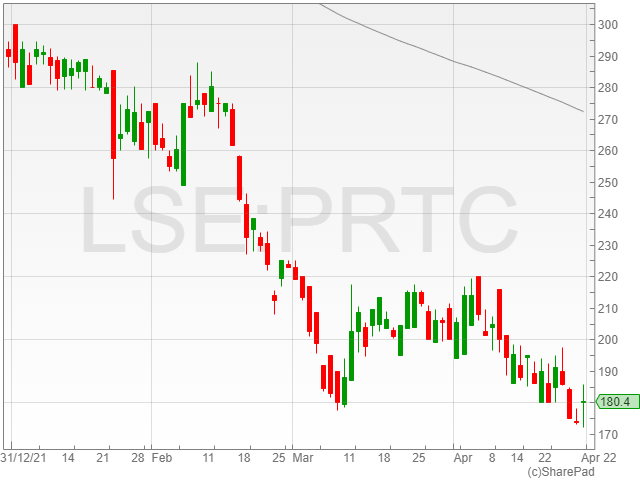
PureTech Health shares increased 3.5% to 180.2 p following the group’s presentation of research which suggested that its superabsorbent hydrogel, GEL-B, significantly shifted the composition of the microbiome to a profile linked to improved metabolic health, including improved weight loss and glucose control.

The hydrogel was developed by the firm’s Gelesis Holdings entity, which presented its discoveries at the World of Microbiome annual meeting in Vienna.

“We were excited to see that, along with weight loss and changes in gut permeability, we saw beneficial changes in the gut microbiota,” said Maria Rescigno, Group Leader of the Mucosal Immunology and Microbiota Unit at Humanitas University in Milan.

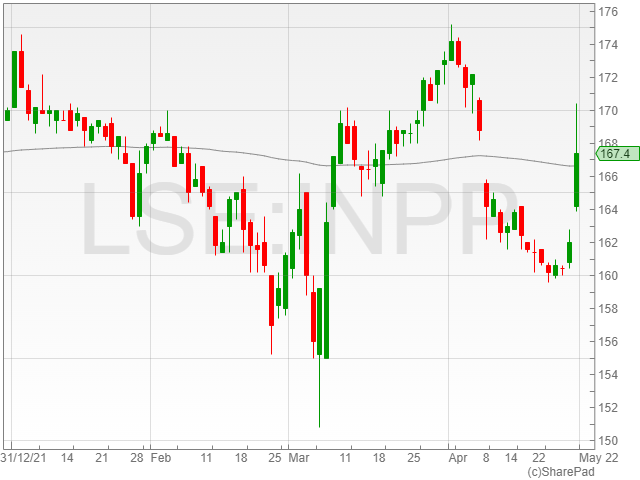
International Public Partnership shares gained 3.3% to 167.4p on the back of its completed placing, open offer, subscription offer and intermediaries offer, with strong demand bringing about an increased target raise from £250 million to the maximum new shares available.

“Thanks to the support of both existing and new investors, we have significantly increased the size of our initial target raise of £250 million, completing a total capital raise of £325 million,” said International Public Partnership chair Michael Gerrard.

“The over-subscribed issue firmly demonstrates the attractiveness of International Public Partnerships’ investment case.”

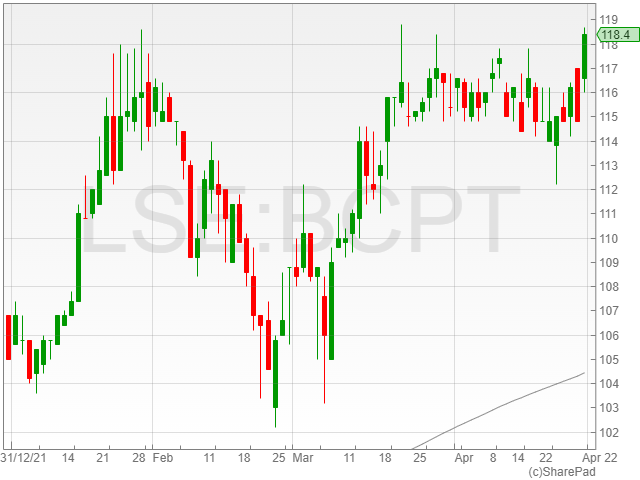
BMO Commercial Property Trust shares were up 3.1% to 118.4p after an unaudited net asset value increase rise of 6.6% to 144p per share from the company’s 135.1p NAV in December 2021, alongside a total return of 7.4% for Q1 2022.

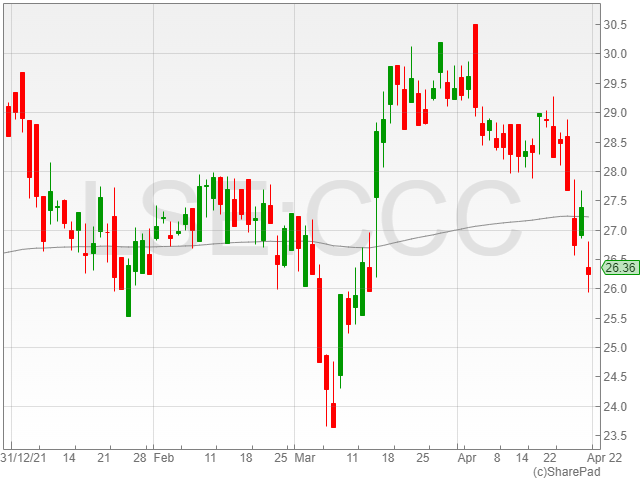
Computacenter shares decreased 4.1% to 26,310p as a result of the company announced an estimated decline in H1 2022 profits year-on-year from its £118.9 million profits in 2021.

The firm said that despite wage inflation concerns, it remained on track to deliver its goals for the year as a whole.

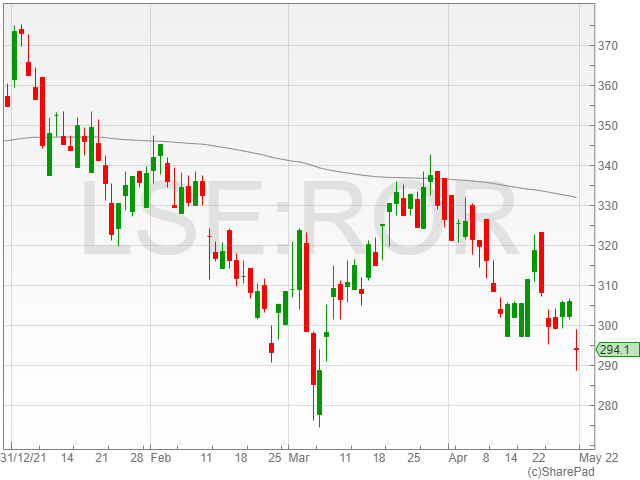
Rotork shares experienced a fall of 2.5% to 294.5p following a mid-single digits decline in revenue year-on-year.

The group noted a series of disruptions to the company’s operations, including component availability issues, suspension of deliveries from Russia and falling deliveries from its Shanghai facility due to Covid-19 lockdowns.

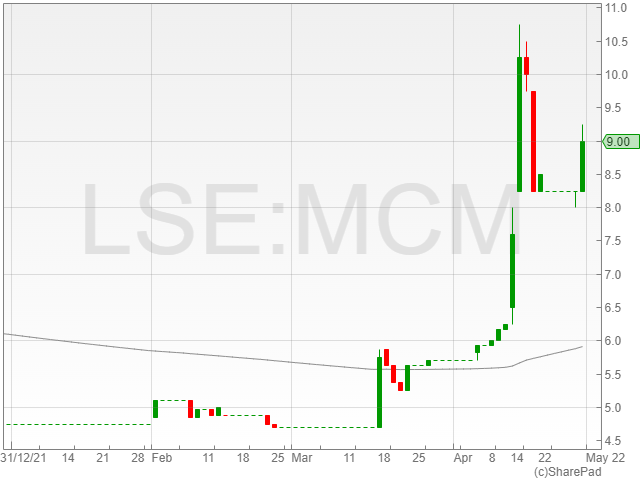
MC Mining shares increased 9% to 9p after the company announced it was exploring methods to raise funds after an increase in production over Q3, with the group looking to take advantage of the high commodities prices.

The Western-Australia-based coal producer reported a 15% increase in coal sales to 71,361 tonnes from 62,301 tonnes over the quarter.

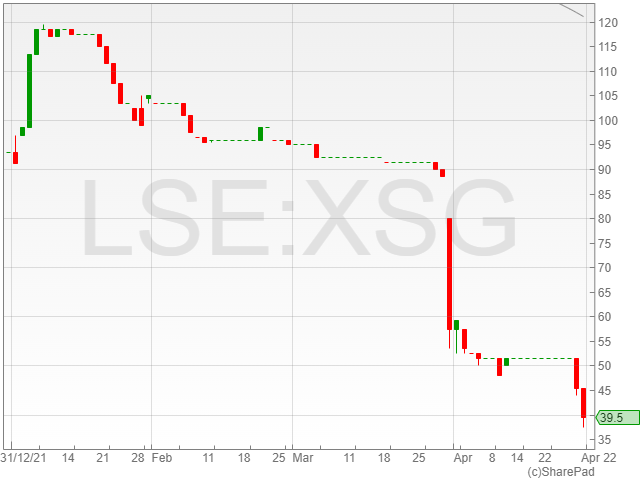
Xeros Technology shares fell 13.1% to 39.5p after the company announced its failure to reach its profit goals for 2023, with the group shifting its timeframe to an estimate of 2024 until it broke even.

The firm added that it was evaluating funding options to sustain its operations after its supply of cash depleted after Q3 2023.

FTSE 100 grinds out weekly gain on strong corporate results

1

FTSE 100 gained Friday with strong corporate update and positive mining stocks offsetting the losses on the index from banking shares provoked by investor concerns over the Bank of England’s meeting next week.

The Ukraine conflict, China’s COVID restrictions, and rising inflation have all weighed on the global economy, causing uncertainty ahead of the Bank of England’s widely anticipated meeting next week, that could see interest rates rise for the fourth time in a row.

“The UK stock market continued its recovery from the big falls seen at the end of last week and beginning of this week amid some solid corporate updates and strong trading in Asia and on Wall Street,” said Russ Mould, Investment Director, AJ Bell.

Mining stocks continued to support the FTSE 100 with gains across the sector during times of volatility caused by China’s lockdown and Russia’s invasion.

Mining stocks such as Anglo American, Glencore, Antofagasta and Rio Tinto saw shares climb between 0.8% to 1.9%, where Anglo American, Glencore, Antofagasta and Rio Tinto shares rose to 3,517p, 489p, 1,548p and 5,677p respectively.

Smurfit Kappa shares rose 4.2% to 3,411p after the company reported YoY revenue growth of 33% to €3.02bn and EBITDA at €514m despite headwinds at the start of the year, in the first quarter of 2022.

Pearson shares gained 2.5% to 790p after the group reported a 7% underlying sales growth in its first quarter on a strong contribution of 22% from its Assessment & Qualifications and English Language Learning divisions.

Pearson also announced the acquisition of Mondly on Friday which is expected to deliver mid-teens margins for the English Language Learning division by 2025.

Reckitt Benckiser shares rose 0.5% to 6,235 despite the company reporting a slip in revenue of 2.3% to £3.4bn from £3.51bn in the first quarter of 2022. However, the group’s expectations of net revenue growth remaining at the upper end of its guidance supported the stock.

Hikma Pharmaceutical shares tumbled 6% to 1,903p after the group announced that its Generics business has experienced some headwinds due to increased competition and a challenging pricing environment, resulting in a “slow” start to the year. However, the group expects full-year Generics revenue growth between 8% to 10% for 2022.

Hikma reported a good performance in its Injectables and Branded businesses, and the company expects Branded revenue to be in line with 2021 as it maintains its focus on key therapeutic areas and chronic medications. 

NatWest shares dropped 3.8% to 214p as the company reportedly booked a £38m credit provision release in the first quarter, down from a £98m in 2021, in times when peers are beginning to prepare for potentially slowing economic growth. 

However, the banking group is confident in securing income above £11bn in 2022 from its core operations.

NatWest noted a 41% surge in operating pretax profit to £1.25bn from £885m in Q1 2022, and attributable profit rose 36% to £841m from £620m. 

“Like several of its rivals NatWest smashed forecasts but for investors the focus is much more on the outlook, which despite the boost to profit implied by rising interest rates, is heavily clouded by the risk of an increase in bad debts linked to the cost-of-living crisis,” added Mould.

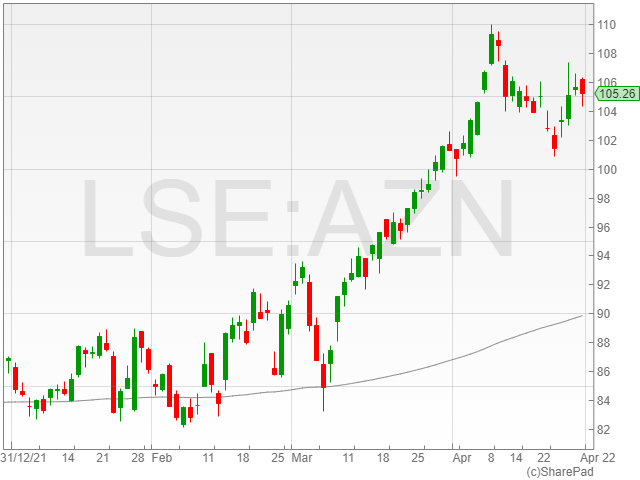
AstraZeneca shares fell 1% to 10,462p after the company reported a decrease of 66% to £553m from £1.6bn in pretax profit in 2022. The company however did record a rise in revenue of 56% to £11.39bn from £7.32bn in 2021 due to the 21% contribution from its oncology arm.

Travis Perkins shares were trading down 1.5% to 1,248p despite the company posting a 14% rise YoY in sales during its Q1 trading update. However, an uncertain outlook for 2022 due to material inflation hindered the stock.

Russ Mould stated, “The most encouraging takeaway from building materials supplier Travis Perkins was its apparent ability to pass on an increase in raw material costs amid strong demand for housing.”

“Crucially while prices are still high, the supply chain issues which affected the sector throughout 2021 are beginning to ease.”

BP gained 0.2% to 388p after the oil and gas company announced the strategic partnership with Volkswagen AG to “boost” the adoption of electric vehicles across Europe. The pair plans to “rapidly” build a fast-charging EV network across Europe by 2024.

However, BP’s peer Shell saw its shares dip 0.8% to 2,167p on Friday despite oil prices rising 1.8% to $109 a barrel.

Price Targets

Smith & Nephew shares were trading up 0.4% to 1,316p after UBS and Citigroup raised the company’s rating to ‘neutral’ and increased its price target to 1,295p and 1,430p respectively.

Glencore’s price target was raised by Barclays and Goldman Sachs to 730p, however, JPMorgan cut it to 630p.

Barclays also raised the price target of other miners such as Anglo American, Antofagasta, Endeavour Mining and Fresnillo to 3,400p; 1,645p; 3,000p; and 880p respectively, however, cut Rio Tinto to 4,800p.

Standard Chartered shares dipped 0.8% to 543p despite Goldman Sachs, Berenberg and Barclays raising their price target to 945p, 750p and 700p respectively, and upgrading it to a ‘buy’ rating.

Barclays shares rose 1.4% to 148p after Credit Suisse raised its price target to 240p from 205p.

Aveva shares gained 4.6% to 2,149p despite facing cuts in its price target from Deutsche Bank and Bank of America to 2,400p and 3,000p.

GlaxoSmithKline shares dropped 1% to 1,791p despite Barclays raising its price target to 1,800p from 1,775p and giving it an ‘equal weight’ rating.

Dechra Pharmaceuticals shares gained 2.5% to 3,664p despite Jefferies cuttin its target from 4,600p to 3,630p.

AB Foods gained 0.3% to 1,620p despite facing price cuts from Deutsche Bank and Credit Suisse to 1,900p and 2,410p respectively.

Sovereign Metals marks largest titanium rutile deposit ever discovered in Q1

0

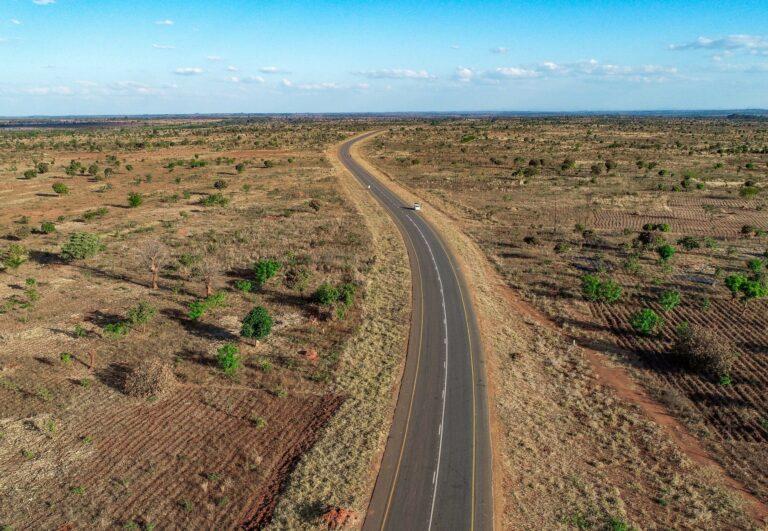
Sovereign Metals announced its Q1 2022 report on Friday where the company said their recent Mineral Resource Estimate (MRE) upgrade confirmed Kasiya in Malawi is the largest rutile deposit ever discovered,

Sovereign Metals shares rose as much as 4% on Friday following the release of their Q1 update.

Kasiya is now a Tier 1 mineral project, with the world’s largest natural rutile deposit and second-largest flake graphite deposit, according to the updated MRE.

The project’s good economics was reaffirmed in the initial Scoping Study, which was based on a prior resource estimate issued in December 2021.

In the quarterly results, Sovereign reported finding 1.8bn tonnes @ 1.01% rutile and 1.32% graphite (Indicated + Inferred) equating to 18m tonnes contained rutile and 23m tonnes contained graphite.

Kasiya was confirmed as the world’s largest rutile deposit and one of the world’s largest flake graphite deposits in the revised MRE. 

A total of 662m tonnes which was 37% of the total MRE reports to the Indicated category @ 1.05% rutile and 1.43% TGC, with a recovered grade of 1.73% RutEq and the high global resource grade was @ 1.64% RutEq.

An updated Scoping Study to expand on the earlier study and analyse the influence of higher grades, larger production volumes, and increased mine life on the MRE scale is underway.

Rutile Market

The rutile market remains robust and current rutile spot prices, according to Iluka Resources, are at ten-year highs.

Demand for high-grade TiO2 feedstocks climbed during the quarter, according to major producers Base Resources and Iluka Resources, as western TiO2 pigment makers raised their production volumes and the welding consumable and titanium metal industries continued to expand.

A lack of titanium feedstock is restricting production rates and hampering the ability of major western pigment producers to meet demand from their end clients, according to reports.

Rutile prices grew dramatically during the quarter, and price increases for the June quarter have been negotiated.

The conflict in Ukraine has wreaked havoc on the titanium feedstock and finished goods supply chains, with bulk exports of ilmenite for pigment production and rutile for welding consumables being particularly hard hit. Ukrainian rutile producers in aggregate supply the world’s welding market with the most rutile.

Titanium metal manufacturing and export have also been harmed as continued disruptions to “mining and processing of titanium feedstock and finished goods” would further restrain supply in an already competitive industry.

Sovereign Metals Life Cycle Assessment

Sovereign’s potential to reduce carbon footprint is demonstrated by industry-leading independent Life Cycle Assessment (LCA).

When compared to other titanium feedstocks and flake graphite products on the market, Scope 1, 2 and 3 benchmark LCA studies for natural rutile and graphite produced from Kasiya offer the potential for a significantly reduced carbon footprint.

The LCA study found that each tonne of natural rutile produced at Kasiya is predicted to have a Global Warming Potential (GWP) of only 0.1 tonnes CO2 eq., which corresponds to a 95% to 97% decrease in total greenhouse gas emissions.

The total greenhouse gas emissions produced at Kasiya are 20 to 33 times less than that of titania slag and synthetic rutile, which are both alternative titanium pigment feedstocks produced by upgrading ilmenite using energy and carbon-intensive processes. 

When compared to natural graphite produced in China, each tonne of graphite produced from Kasiya is predicted to have a GWP of only 0.2 tonnes of CO2e, representing an 80% reduction in greenhouse gas emissions.

MoU with Hascor

Sovereign Metals and international ferroalloy and metal powder supplier Hascor signed a non-binding memorandum of understanding in March for the possible supply of 25,000 tonnes of natural rutile per annum from Kasiya to Hascor’s processing units and clients on five continents.

The MoU with Hascor envisions a five-year supply arrangement for up to 25,000 tonnes per annum of natural rutile to the group and their existing clients, starting from the start of nameplate production.

Volumes can be increased or decreased by mutual agreement. Pricing will be based on market rates in the welding sector at the start, with agreed-upon price fluctuations over the supply period.

With production and distribution centres on five continents, the company is a major processor and global distributor of natural rutile products for the welding industry.

This first MoU is part of Sovereign’s product marketing strategy, as natural rutile demand and pricing are both high, and the global structural supply shortage continues to increase.

Kasiya’s natural rutile has superior chemical properties, indicating that it is suited for all main end-use markets, including welding, TiO2 pigment feedstock, and titanium metal.

Sovereign Metals appointment

Mr Nigel Jones, a well-known international mining executive, has been named Non-Executive Director of Sovereign Metals and Chairman of the ESG Committee.

Mr Jones has over 30 years of mining industry expertise, including 22 years in senior management roles such as the Managing Director of Rio Tinto’s Simandou iron ore project, amongst the world’s largest projected mining developments.

UK’s Critical Minerals Association  

During the quarter, Sovereign joined the Critical Minerals Association in the UK, which aims to improve supply chain self-sufficiency in support of the UK’s industrial policy.

Sovereign Metals made a presentation before the UK Houses of Parliament about its potential to become a major producer of low-carbon natural graphite.

Nightcap – still building the leading premium bar group

The Q3 Trading Update from this fast-expanding bar-owning group has shown continued growth.

It reported that the 14 weeks to 3 April experienced sales 27.7% ahead on a like-for-like basis, even more impressively it was 52.7% better than the similar period in 2019.

The strong returns from the November 2021 acquired Barrio Familia group helped to boost the whole group’s growth trajectory.

Sales revenues were well up at £9.6m for the Q3, against £7.9m in Q2 and £7.6m in Q1.

The group has seen its two recently opened bar sites in Cardiff and Exeter already trading profitably within their first week of opening.

More sites are due to open before the end of next month – at Bristol, Liverpool, Cardiff, and with a ‘flagship’ The Cocktail Club in Birmingham.

There are another 23 sites currently under negotiation or offer that are due to be progressed before the group’s June year-end. The company reported that its Q3 cash at bank position was a healthy £7.6m.

The number of operating bars in situ at the year-end is likely to be 30 against just 19 previously.

We are expecting the group to see revenues rise to £34.5m for the current year against just £5.9m in 2021, enabling a significant turnaround from operating losses of £5.3m to a pre-tax profit of £2.1m. That should see earnings coming out at about 1.45p per share.

Looking into the coming year analyst Matt Butlin, at the group’s brokers Allenby Capital, has estimated that group revenues will jump to over £54m and that it will catapult its pre-tax profits by another 150% to around £5m, worth 2.5p in earnings.

Sarah Willingham, Chief Executive Officer, is obviously very confident and delighted about her group’s progress.

“We continue to deliver on our promise to build the leading premium bar group in the UK. As seen from our Q3 revenue numbers, our run rate revenue is developing nicely.”

“We are mid-build on several new openings, we continue to negotiate on a string of new attractive leases and we have the cash required for our incredible teams to deliver on the strategy for their individual brands.”

Looking ahead the group could well repeat the announcement of a Trading Update just ahead of the year-end, early next month.

The company’s next trading year is getting ever closer upon which its shares will be trading on prospective earnings based upon a 2.5p estimate. 

That would see them well undervalued at just 19.25p.