The FTSE 100 was down 0.4% to 7,562.3 in midday trading on Thursday as all eyes turned to the European Central Bank (ECB) and their decision to end an unprecedented asset purchase programme.
Analysts pointed to the pressure of tackling soaring inflation amid the impact of the conflict in Ukraine as reasons for negativity in markets.
In addition, the ECB suggested they were to follow today’s move with a series of interest rate hikes just as global economies started to show signs of weakness.
“The ECB has been behind the curve in responding to inflation and may find it hard to be too aggressive with rate hikes given a more fragile economy,” said Russ Mould of AJ Bell.
British American Tobacco shares were down 1.1% to 3,524p as the company announced that cost inflation linked to the Ukraine conflict was impacting its supply chain, however it stated confidence in its FY 2022 guidance of 2% to 4% revenue growth.
The tobacco giant reported an estimated FY tobacco industry volume at minus 3% as a result of geopolitical volatility, and rumblings that the government is set to argue for an increase in the minimum legal age to purchase tobacco further served to put a dampener on consumer optimism.
“In the same way a lapsed smoker might light up a cigarette to calm their nerves, volatile trading has seen investors reach for the likes of British American Tobacco (BAT) despite all the associated ethical concerns,” said Mould.
“However, in a reminder of the regulatory pressure on the industry, a UK Government report looks set to be released today which will argue for an increase in the minimum age at which you can buy tobacco products. Even potentially raising it every year so the current generation of children can never buy cigarettes.”
“BAT knows this is the direction of travel and is investing heavily in areas like e-cigarettes and vaping to try and ensure its business isn’t eventually regulated out of existence, particularly in the West.”
British American Tobacco New Categories drive growth, £2bn share buyback schemehttps://t.co/y21oyQTkCm
— UK Investor Magazine (@UKInvestorMAG) June 9, 2022
Consumer stocks looked downtrodden in anticipated of higher rate hikes from the ECB, with rising food prices dealing a blow to supermarkets across the index.
Sainsbury’s shares plummeted 6.3% to 208.3p, Ocado dropped 3.2% to 921.3p, B&M fell 2.5% to 364.7p and Tesco slid 2.5% to 253p, representing the latest in a spiral for the industry as food inflation hit 4.3% in May after its 3.5% climb in April this year and consumers pared back spending on unessential food products.
Meanwhile, DIY giant Kingfisher dropped 2.8% to 248.6p as consumers threw home improvement on the back burner and tightened their belts for leaner times ahead.
“Big ticket items … were always going to be the first place where people think twice about handing over the cash. If you’re under financial pressure, the idea of paying more than £1,000 for something is a big commitment,” said Mould.
Greatland Gold shares were up 0.2% to 12.2p in late morning trading on Thursday, following the company’s development and exploration update from its Havieron gold-copper project in Western Australia.
Greatland Gold announced that the South East Crescent high grade zone had been identified as extending over 1,000 metres of continuous mineralisation, and remained open, alongside high grade results within the Northern Breccia which continued to demonstrate potential further high-grade mineralisation adjacent to the South East Crescent Zone.
The company reported it had seven drill rigs on site, which were all focused on growth targeting.
Its South East Crescent is set for continuous drilling to test for extensions to the resource, with drilling planned up to 400 metres below the Updated Mineral Resource.
The Eastern Breccia will see continued drilling to define its greater mineralised footprint, including definition of recently announced higher-grade zones, while the Northern Breccia drilling will be aimed to extending high-grade zones of mineralisation at depth.
Greatland Gold confirmed it would be drilling to define geophysical targets outside the primary Havieron system, with follow-up drilling scheduled at regional targets on the Havieron mining lease.
Greatland Gold (LON: #GGP) provides an exploration & development update at #Havieron.
“The existing high grade mineralised zone of the South East Crescent now extends a further 100 metres below our previous Mineral Resource estimate.”
“The growth drilling programme continues to expand Havieron‘s mineralised system. The existing high grade mineralised zone of the South East Crescent now extends a further 100 metres below our previous Mineral Resource estimate,” said Greatland Gold managing director Shaun Day.
“Testament to the scale of Havieron, there is now continuous mineralisation observed over 1,000 metres of vertical extent with the system remaining open at depth.”
“With an extensive growth drilling programme planned over the next twelve months, there is tremendous potential to further expand the Havieron resource and unlock the true scale and value of the broader system.”
Drilling Results
The drilling programme revealed a slate of positive results, with HAD133W9 returning 85.8 metres at 3 grams per tonne in gold and 0.06% copper from 1,604 metres and 25.3 metres at 1.1 gram per tonne in gold, along with 0.08% copper from 1,471 metres.
Greatland Gold confirmed that high-grade results in the Northern Breccia reinforced the potential for additional high-grade sulphide mineralisation adjacent to the South East Crescent zone.
HAD055W4 returned 149.9 metres at 2.7 grams per tonne in gold and 0.12% copper from 877.4 metres, with 13.9 metres at 22.8 grams per tonnes in gold and 0.46% copper from 1,013 metres.
HAD055W5 further returned 39.6 metres at 2.8 gram per tonne in gold and 0.07% copper from 983.6 metres, and 0.5 metres at 96 grams per tonne in gold and 0.1% copper from 1,020.7 metres.
Improvements in early works
Greatland Gold confirmed its construction activities by Newcrest Mining were progressing, with an exploration decline advance of 377.5 metres at the close of May 2022, alongside a fully-commissioned fuel facility.
The firm mentioned that the decline experienced improved ground conditions across the June quarter, with advance rates showing improvement after alterations in the design of the decline brought the first downward spiral forward to the current advance position.
The change has allowed the decline to transition into more optimal ground conditions.
“Pleasingly, the decline has encountered better ground conditions, resulting in recent improvements to the decline advancement rates,” said Day.
The feasibility study under work by Newcrest Mining is reportedly progressing and key contracts have been awarded, with the feasibility study anticipated for delivery in the December 2022 quarter.
First Bus shares slid 0.5% to 136p in late morning trading on Thursday, after the travel company reportedly turned down a series of unsolicited offers from Squared Advisors Capital to purchase the entire issued and to be issued share capital of the firm for £1.2 billion.
First Bus revealed on 26 May that the most recent offer from Squared Advisors proposed a cash component of 118p per share from FirstGroup, alongside a contingent right to up to an additional 45.6p per share, based on the outcome of the First Transit earnout, along with the net proceeds realised from the Greyhound legacy assets and liabilities.
The company protested that the offer of 118p per share “significantly undervalued” the group’s continuing operations and its prospects, and that the contingent right to up to 45.6p per share failed to provide its shareholders with sufficient certainty.
FirstGroup commented that its board had subsequently unanimously rejected the proposed takeover deal.
Mitie Group shares were up 6.9% to 65.9p in late morning trading on Thursday after the firm announced a 58% climb in revenue to £3.9 billion in FY 2022 against £2.5 billion in FY 2021.
The company attributed its soaring revenue to new contract wins, growth at Interserve Facilities Management and £448 million from flexible rapid-response Covid-19-related contracts.
Mitie Group reported a 184% growth in operating profit before other items of £167 million from £59 million, with a higher operating profit margin of 4.2% against 2.3% the last year, as a result of contributions from its higher-margin, Covid-19 contracts.
The firm’s operating profit after other items rose to £72 million against £4 million the year before, reflecting the company’s stronger performance over the year.
Its legacy Interserve business saw a 90% rate of contract renewal in the term, with cost synergies of £30 million.
Meanwhile, Mitie Group commented that its new contract wins, 90% renewal level and extensions hit approximately £3.8 billion in total contract value, with a book-to-bill ratio of 105%.
“Through our investment-led strategy, Mitie has reached an inflection point earlier than anticipated. We delivered a strong financial performance in FY22, with good underlying growth,” said Mitie Group CEO Phil Bentley.
“The Group is now able to leverage its capital base to focus on long-term value creation, accelerating investment in growth and delivering enhanced shareholder returns.”
“Thanks to the hard work of our 72,000 colleagues, Mitie has recovered strongly from the pandemic, delivering a record £4bn of revenue in FY22, operating profit of £167m and free cash flow of £133m. The Interserve business is performing strongly under our stewardship and our ability to rapidly mobilise flexible contracts led to robust COVID-related business.”
Thanks to the hard work of our 72,000 colleagues, our business has recovered strongly from the pandemic, helping @Mitie to achieve a record revenue of £4bn.
With these robust finances in place, we’re well placed to keep investing in our business so that we can continue grow. https://t.co/a6nsvnWcZL
The company announced an average daily net debt fall to £25 million compared to £47 million, with net cash of £27 million at the end of the year and a free cash inflow of £133 million from £25 million in the previous year, as a result of increased profitability and lower working capital.
The Mitie Group also mentioned its acquisitions of £27 million in fast growing, high return business disposals, including the disposal of Mitie Document Management for £40 million.
The company commented that it anticipated mid-to-high single digit revenue growth, along with good operating margin progress, on the back of its recent contract wins from institutions including Netflix, Poundland, Primark and Hammerson, and contract renewals for its military base support in Cyprus, Ascension Islands and the Falklands.
The firm noted an EPS before other items of 9.2p, marking a significant increase from 3.1p linked to a higher operating profit and a lower effective tax rate.
The Mitie Group highlighted its initial £50 million share buyback scheme launched in the year in a bid to increase returns to shareholders, and confirmed a final dividend recommendation of 1.4p per share, with a total dividend of 1.8p for FY 2022.
Tate & Lyle shares were up 3% to 768p in early morning trading on Thursday following a reported 18% revenue growth to £1.3 billion against £1.2 billion and a year-on-year 14% pre-tax profit growth to £145 million compared to £134 million in FY 2022.
The food producer further noted a post-tax profit decrease of 9% to £146 million against £169 million.
Tate & Lyle confirmed a diluted EPS growth of 4% to 24.9p compared to 25.2p and a free cash flow of fall of £81 million to £72 million from £153 million.
The company announced a significant increase in innovation, with 35% new product revenue growth, reflecting strong demand for reduced sugar offerings and clean label solutions.
After a busy 12 months, we’ve successfully repositioned Tate & Lyle as a growth-focused business and delivered a good financial performance. Last year, the new Tate & Lyle achieved double-digit revenue and profit growth https://t.co/QnB9w1p73npic.twitter.com/3XtwvzwhY0
Tate & Lyle highlighted its acquisition of dietary fibre business Quantum Hi-Tech Biological Co., Ltd in China, which is set to strengthen its fortification offerings.
“This acquisition significantly strengthens our fortification platform and our position as a leading global player in dietary fibres, while extending our presence in China and Asia,” said Tate & Lyle CEO Nick Hampton.
“FOS and GOS fibres are highly complementary to our existing fibre portfolio and will allow us to offer a broader range of solutions to our customers across key markets.”
Today, we completed our acquisition of a leading prebiotic dietary fibre business in China, Quantum, adding two new, speciality and complementary ingredients to our fibre portfolio. How will customers and consumer diets benefit? Watch below to find out https://t.co/ymlJCqqCXVpic.twitter.com/37y6XYPxtp
The company also completed the sale of its controlling stake in Primary Products in the Americas creating Primient joint-venture.
The producer added that its strong balance sheet allowed for capacity to grow, and for a special dividend payment of £500 million delivered in May 2022, following gross cash proceeds of £1.1 billion on the sale of its Primary Products stake.
It reportedly mitigated £100 million in operational inflation through pricing, productivity, cost discipline and volume strategies, with its six-year productivity programme delivering approximately $150 million in benefits, two years ahead of schedule.
“This has been a landmark year for the company. New Tate & Lyle delivered double-digit organic revenue growth across all regions and double-digit profitgrowth despite significant inflation across the supply chain,” said Hampton.
“We also passed a major strategic milestone by refocusing the Group on our faster growing speciality food and beverage solutions business.”
“To do this during a global pandemic, while serving our customers, accelerating innovation and living our purpose is a testament to the resilience, ambition and agility of all my colleagues.”
The firm commented that it expected progress with adjusted pre-tax profit in line with market expectations, and revenue growth reflecting top-line momentum alongside the pricing through of higher input costs.
The company said its near-term aims were reportedly to manage continuity of supply and maintain the group’s financial strength and strategic progress.
British America Tobacco shares were flat at 3,566p in early morning trading on Thursday, after the group announced strong revenue and volume growth across all three of its new categories.
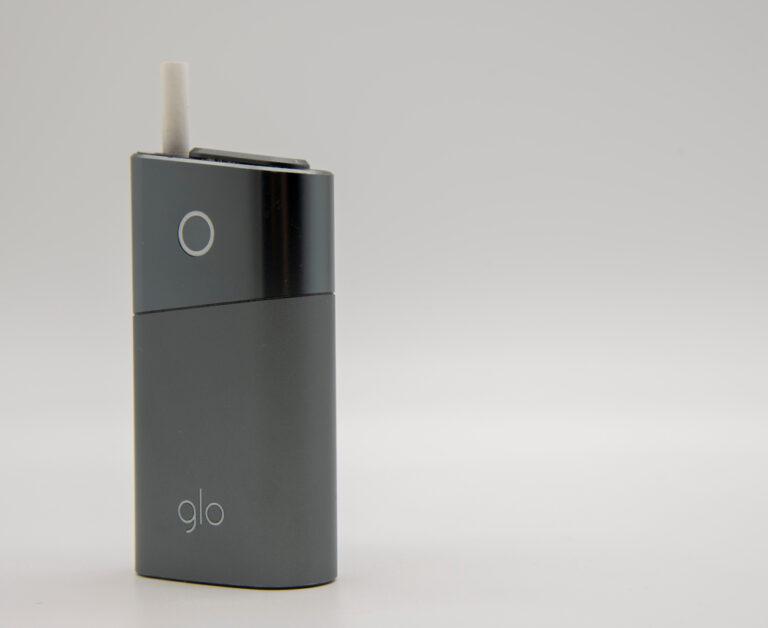
The company’s Vuse, Velo and Glo brands are reportedly on track to deliver the firm’s £5 billion in new category revenue and profitability targets by 2025, with the group working to narrow losses in the categories for the current term.
British American Tobacco said its combustible business was maintaining its value, with an anticipated £1.5 billion in savings from its Quantum business simplification programme.
The tobacco giant confirmed that it would be returning £2 billion to shareholders through its 2022 share buyback scheme, alongside the increase of its dividend payouts.
Writing in BAT’s 2022 First Half Pre-Close Trading Update, our Chief Executive, Jack Bowles, says he is proud that BAT’s transformation continues at pace, with strong revenue and volume growth in all three New Categories.
It warned that cost inflation was impacting its supply chain, however the company added that it remained confident in its FY 2022 guidance of 2% to 4% revenue growth at constant currency along with mid-to-single figure adjusted diluted EPS growth.
The firm noted in applying current foreign exchange rates, it would expect a translation tailwind of 2% on adjusted diluted EPS growth for HY1 2022 and 5% for FY 2022, and further mentioned a FY 2022 operating cash conversion in excess of 90% of adjusted profit from operations.
British American Tobacco highlighted a projected growth in its non-combustible product consumer base, which hit 19.4 million in Q1 2022, alongside scaled-up new category investment, with over £1 billion invested in the first half.
The company did highlight that its FY global tobacco industry volume was estimated to be minus 3% as a result of the geopolitical turmoil related to the Russian conflict against Ukraine.
“While we recognise that there will be challenges ahead and that there is more work to do, our execution capabilities continue to evolve, and we are rapidly transforming the business. We are now in our Faster Transformation phase and making strong progress,” said British American Tobacco CEO Jack Bowles.
“I am proud of the continued commitment and delivery of our teams and partners across the world as we work towards building A Better Tomorrow.”
Helen Steers, Pantheon Partner and lead manager of Pantheon International Plc (ticker code: PIN), discusses the growth of the global private equity market and how investors can access it through one of the longest established private equity investment trusts.
Investors may be asking themselves how to allocate their capital in these uncertain and inflationary times. Pantheon International Plc (“PIP”), a FTSE 250 listed private equity company managed by Pantheon, a leading global private markets investor, is worth considering for investors that are looking for an investment trust that has delivered consistent returns through previous economic cycles. The trust, which provides exposure to many of the best private equity managers in the world, has demonstrated over the course of its 35-year life that it can perform in different economic environments and its NAV has outperformed its benchmark, the MSCI World index, by c.4% per annum while its share price has outperformed by c.3% per annum (as at 30 April 2022). In other words, a £1,000 investment in PIP at its inception in 1987 would have returned £26,968 more than the same initial investment in the MSCI World index.
PIP has a track record of strong long-term performance
Inception date is September 1987. Past performance is not indicative of future results. Future performance is not guaranteed and a loss of principal may occur.
Private equity is a growing market that is very difficult for ordinary investors to access; private equity funds often require a minimum investment of $10m, investors are expected to lock up their capital for at least 10 years and the funds of the most successful private equity managers are oversubscribed and impossible to access without deep, longstanding relationships. But this is an area of the market that has been growing at an extraordinary rate. Since 2011, the number of US and European private equity backed companies has been increasing by over 12% per annum[1], while the number of publicly listed companies has been stagnant. According to Preqin, the assets under management in the global private equity market has increased from $1.7tn in Dec 2010 to nearly $5.3tn in 2021. Preqin predicts that the private equity market will more than double in size by 2026.
Investors can access this growth through PIP. Pantheon has a nearly 40-year history of partnering with the very best private equity managers and a share in PIP offers exposure to managers that are otherwise impossible to access.
Investing responsibly in high-growth companies in resilient sectors
PIP’s portfolio has been deliberately positioned to take advantage of high growth and resilient sectors such as Healthcare, Information Technology and Consumer staples and services, and we are backing private equity managers who are able to identify long-term structural trends. The Consumer businesses we own are generally recession-resilient and an example would be Affinity Education Group which provides educational services and daycare centres in Australia.
In the Healthcare sector, our private equity managers have long recognised the opportunities emerging from trends such as ageing demographics in developed countries and the increasing demand for better healthcare services in the developing economies. One of our portfolio companies, RAYUS, is a leading provider of high-quality diagnostic imaging and interventional radiology in the USA, while another of our portfolio companies, Appliance Heath Technology, is the leader in the provision of children’s orthodontic aligners in China.
We have continued to invest in Information Technology companies that are cash-generative and are supporting the digitalisation and automation that we have seen occurring in many sectors. One of our portfolio companies, Riskalayze, is a strong example of this. They are a US-based provider of risk tolerance tools for financial advisers, which provide a highly differentiated offering to their peers. This is in part due to the superior software functionality and its ability to map thousands of different financial products.
PIP’s portfolio is diversified across the different types and stages of private equity investments, though we have a preference for growth and small/mid buyouts as this offers private equity managers more levers to pull to grow the businesses and provides a greater array of exit opportunities. PIP’s managers do not rely on the IPO market to exit their investments, in fact most of the exits are typically to strategic trade buyers or to other private equity managers that can take the businesses into their next stage of growth. PIP’s portfolio is global, offering access to exciting private companies around the world, with a weighting towards the USA, which has the deepest most developed private equity market. We pay close attention to the liquidity of PIP, ensuring that significant levels of cash can be generated from the investments when they are exited in order both to meet PIP’s outstanding commitments and to invest in the exciting deals in PIP’s full deal pipeline.
Pantheon takes its commitment to Environmental, Social and Governance matters extremely seriously and has deeply embedded ESG policies in its entire investment process when investing on behalf of PIP. Pantheon was one of the early signatories to the UN Principles of Responsible Investment (UNPRI) in 2007 and it has consistently received high ratings for its approach and industry engagement.
Investors must assess carefully what is suitable for them and their investment objectives and tolerance/appetite for risk, but through a share in PIP, they can easily participate in a proactively and responsibly managed portfolio offering access to an exciting and growing asset class.
Important Information
This article and the information contained herein may not be reproduced, amended, or used for any other purpose, without the prior written permission of PIP. This article is distributed by Pantheon Ventures (UK) LLP (“Pantheon”), PIP’s manager and a firm that is authorised and regulated by the Financial Conduct Authority (“FCA”) in the United Kingdom, FCA Reference Number 520240.
The information and any views contained in this article are provided for general information only. Nothing in this article constitutes an offer, recommendation, invitation, inducement or solicitation to invest in PIP. Nothing in this article is intended to constitute legal, tax, securities or investment advice. You should seek individual advice from an appropriate independent financial and/or other professional adviser before making any investment or financial decision. Investors should always consider the risks and remember that past performance does not indicate future results. PIP’s share price can go down as well as up, loss of principal invested may occur and the price at which PIP’s shares trade may not reflect its prevailing net asset value per share.
This article is intended only for persons in the UK. This article is not directed at and is not for use by any other person. Pantheon has taken reasonable care to ensure that the information contained in this article is accurate at the date of publication. However, no warranty or guarantee (express or implied) is given by Pantheon as to the accuracy of the information in this article, and to the extent permitted by applicable law, Pantheon specifically disclaims any liability for errors, inaccuracies or omissions in this article and for any loss or damage resulting from its use. All rights reserved.
[1] Source: PitchBook, as at March 2021 reflecting YE 2020 data.
The FTSE 100 rose tepidly on Wednesday as the market slowed in advance of US inflationary figures on Friday and bought into defensive sectors.
The US markets seemed unworried, with the NADAQ up 0.9% to 12,175.2, the NYSE up 1% to 16,019.5 and the S&P 500 gaining 0.9% to 4,160.6.
“The UK market appears to have stalled, just as many rail travellers will if the nationwide strike planned for later this month goes ahead,” said AJ Bell investment director Russ Mould.
“Investors are nervously eyeing US inflation figures due on Friday, with India’s central bank having just raised rates by more than expected as it looks to curb the inflationary threat.”
However, the housing market hit its first bump in the road, after months of climbing out of reach of the rising cost of living impacts.
House prices increased 1% in May, according to Halifax, with the average house price record set again, at £289,099. However, the overall pace of growth slowed down over the latest term.
“There were signs that the UK housing market, which has been defying gravity ever since coming out of a deep freeze necessitated by the pandemic, might finally be coming back to earth as prices went up at the slowest rate since the start of 2022,” said Mould.
House prices climbed £92 a day in May, according to the Halifax. (average prices climbed £2,857 in the month)
Housing stocks shook the reports off, as Taylor Wimpey shares remained flat at 130.4p, Barratt Developments shares rose 0.1% to 506.9p, while Persimmon shares fell 0.6% to 2,216p.
Berkeley shares dropped 0.7% to 4,238p after news that former Schroders chair Michael Dobson had been hired to replace Glyn Barker, and is scheduled to start at the company on 6 September 2022.
“Glyn was appointed chair in July 2020 for a period of two years to oversee the transition of the board on the passing of the company’s founder and previous chair, Tony Pidgley,” said a Barkeley spokesperson.
Melrose shareholders enjoyed a pleasant day, as shares rose 8% to 153.5p following an announcement that the company would be launching a £500 million share buyback scheme hot on the heels of its $650 million sale of Ergotron this week.
“Industrial outfit Melrose – which operates a buy, repair and sell strategy – got a big thumbs up from investors as the model delivered again,” said Mould.
“The company wasted no time off the back of the recently announced sale of its US Ergotron business, as it unveiled plans to buy back £500 million worth of shares.”
Aveva shares climbed 5.1% to 2,344p after the group reported a 45% revenue spike to £1.1 billion in FY 2022 compared to £820.4 million in FY 2021, however it also noted a pre-tax loss of £18.6 million against a profit of £34.2 million the last year, as a result of its acquisition of data management software group OSLsoft.
ECR Minerals shares climbed 16.1% to 1.2p in late morning trading on Wednesday after the company reported multiple high-grade gold intercepts at its BH3DD034 hole in Bailieston, Victoria.
The Australia-focused mining firm announced that its BH3DD034 drillhole returned four high-grade gold intercepts at drilled depths of 0.3 metres at 20.3 grams per tonne of gold from 18.2 metres, 0.6 metres at 13 grams per tonne of gold from 54.2 metres, 0.3 metres at 10.5 grams per tonne of gold from 97.7 metres and 0.2 metres at 45 grams per tonnes of gold from 149.2 metres.
The BH3DD034 hole was one of four drillholes completed as follow-up to the mining group’s previously announced hole BH3DD019, at which four mineralised zones were identified.
ECR Minerals commented that BH3DD034 was drilled between 4 and 11 April, and completed at a total drilled depth of 167.5 metres, over six working days at an average of 28 metres per day.
ECR Minerals currently owns 100% of the Bailieston project, which holds gold prospects HR3, Cherry Tree, Blue Moon and Black Cat.
The projects are operated by ECR’s wholly-owned subsidiary, Mercator Gold Australia.
#ECR – Multiple High Grade #Gold Intercepts at hole BH3DD034 at HR3, #Bailieston incl 0.25m @ 45.0 g/t 149.2m)
“This is an outstanding result, capably executed and delivered by Adam and the drill team,” said ECR Minerals CEO Andrew Haythorpe.
“As a geologist myself, along with the team, I am excited by the continuity of grade and the manner in which the Maori Anticline is further revealing itself through each assay result. There is clearly much more to come.”
Chemring Group shares were down 7.1% to 340p in late morning trading on Wednesday, despite a climb in revenue to £220.4 million in HY1 2022 from £198.5 million in HY1 2021.
The firm’s EBITDA rose to £43.8 million compared to £37.6 million, alongside an growth in operating profit to £33.5 million against £28.1 million.
The firm added that its Sensors and Information underlying operating margin increased from 20.6% to 21.5%, driven by growth in the higher margin Roke business.
Meanwhile, its Countermeasures and Energetics underlying operating margin grew from 15.6% to 16.4% on improved operational execution across the sector.
Chemring mentioned its expectations for FY 2022 remained unaltered, with an estimated 85% of HY2 2022 revenue already in its order book or delivered to date.
“This has been a further period of strong operational and financial performance across the Group, with both sectors performing in line with our expectations,” said Chemring CEO Michael Ord.
“Our focus on building a stronger, higher quality and more resilient business has enabled us to negotiate numerous challenges including delays to customer procurement cycles, supply chain interruption, increased utility expenses and labour availability.”
“Despite these challenges and the choice to invest in Roke in the second half ahead of the revenue curve, the Group remains on course to maintain its delivery of sustainable performance and growth. With strong order cover for the full year, the Board’s expectations remain unchanged.”