Safestore Holdings secures full control of Benelux

0

Self-storage company Safestore Holdings announced that it has acquired the remaining 80% of its Benelux joint venture from Carlyle Europe Realty for €67m.

On Thursday morning, Safestore stated it has bought the remaining 80% of the ownership from its partner in the joint venture, where Carlyle received a total of €67m in compensation.

The Joint Venture was purchased for an enterprise value €146m.

The overall initial cash outflow is €139m, which includes a €67m share purchase, a €67m refinancing of existing borrowings, and a €5m transfer tax and other deal charges, were paid for using the Safestore’s existing loan facilities.

“Combining Safestore’s highly scalable operating platform and development experience with Carlyle’s investment expertise proved to be a successful partnership. We are now exploring further opportunities to work together,” said, Safestore CEO, Frederic Vecchioli.

Benelux Joint Venture was formed in 2019 between Safestore and Carlyle Europe Realty with the goal of using Safestore’s operational platform outside of its main regions by acquiring and developing assets in the Netherlands and Belgium.

Safestore has managed the properties since acquisition by Benelux.

Since the start of the joint venture, it has evolved to a 592,000 sqft MLA portfolio that is currently 74% occupied.

The MLA portfolio consists of 15 high-end buildings with 12 freehold properties, 2 ground leases and 1 leasehold property.

In the Netherlands, there are 9 locations, 6 of which are focused in the Haarlem-Amsterdam area, with other locations in The Hague, Het Gooi, and the recently established Nijmegen location.

In Belgium, there are 2 stores in the Brussels area, 2 in Liege, and more locations in Nivelles and Charleroi.

The investment is estimated to be slightly lucrative for the group profits per share in FY2021/22 and will help the Safestore maintain its dividend cover in the future.

Based on total enterprise value, the estimated initial yield is 3.9%, which is expected to reach Safestore’s normal returns threshold as the portfolio matures. Safestore’s LTV will climb to 31% following the deal.

Following the transaction, the company’s financing potential under Safestore’s RCF and Shelf facilities, along with its cash reserves, is projected to be around £219m.
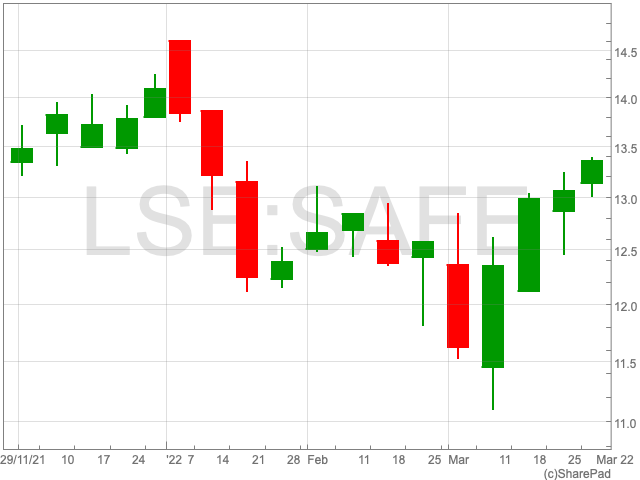
Safestore shares have gained 0.45% to 1,341p following news of the acquistion.

Marc-Antoine Bouyer, Managing Director, Carlyle Europe Realty advisory team, stated, “This transaction marks the culmination of a major acquisition and asset management effort through our joint venture with Safestore to assemble an institutional-quality self-storage portfolio of scale with exposure to prime cities in the Netherlands and Belgium.”

“We believe that the market fundamentals for European self-storage remain highly attractive and look forward to working alongside Safestore in identifying further opportunities on the continent.”
Strix shares fall 9% with ongoing challenges in operating environment

0

Strix delivered strong financials with 25% increase in revenues however, a challenging operating environment due to increases in commodity prices, freight cost inflation, supply chain and fluctuating foreign exchange rates hurt investor sentiment.

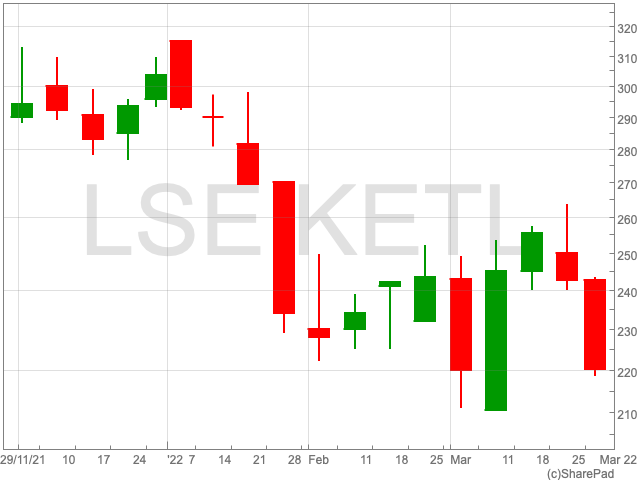
The hydro product and service company, Strix shares dropped 9% to 217p on late afternoon trade on Wednesday.

Strix saw 25% rise in revenue as it grew from £95m to £119m in 2021. The strong growth in the group’s revenue came from the acquisition of LAICA producing strong results and the kettle controls contributing £85m of the total amount.

Kettle controls increased revenue by 6.6% to £85.1m. Strix has expanded both geographically and in terms of the number of features it offers.

The regulated segment grew in the first half of 2021, thanks to significant contributions from the United Kingdom, Mainland Europe, and North America.

Water category generated revenues of £21m, almost £10m higher than 2020 due to LAICA and HaloPure technology expanding the product base for the company.

The water catergory also noted significant development in APAC, Europe, and North America, owing to new distribution and private label agreements with prominent distributors, retailers, and brands in those countries.

The appliance division saw revenues increase from £3.7m to £12.8m as Strix launched Aurora and Dual Flo in October 2021.

The launch of these products provided an extension to Strix’s domestic appliance category, with ‘strong energy saving and sustainability benefits’ progressing the company’s aim for its customers to live a greener and safer life.

The company saw pre-tax profits increase by 4.2% from £30.9m to £32.2m in 2021.

The group’s net debt rose 37.6% to £51.2m from £37.2m in 2020 in order to fund the acquistion of LAICA, further invest in new manufacturing operations in China and seeking growth opportunities.

New manufacturing operations in Guangzhou’s Zengcheng district are now up and running, after being completed on time within budget, and during a global pandemic.

Net cash generated from operating activities declined 28.5% to £22.3 from £31.2 in 2021 however, the search for growth opportunities remains unhindered as Strix has significant liquidity and financial flexibility.

Adjusted EPS increased from 14.9p in 2020 to 15.2p.

The board proposed total dividend to increase from 7.85p to 8.35p as final dividend changes to 5.6p from 5.25p in 2021.

Mark Bartlett, Chief Executive Officer, Strix Group, said, “Strix has a robust business model and disciplined execution of our strategies have underpinned the resilience of our performance throughout economic cycles, so we remain confident in our ability to navigate the growing uncertainties ahead and delivering on the medium-term strategic plan and delivering against its targets.”

FTSE 100 rises on strong mining and oil companies

0

The FTSE 100 was trading up 0.18% at 7,555 going into the close on Wednesday in defiance of recession worries following an inverted US government bond yield curve.

European stocks slumped with the signalling of recession from the bond markets on Wednesday, followed by the DAX down 0.8%, CAC slipped 0.6% and Ibex 35 fell 0.5%.

FTSE 100 was the outlier with its gains of 0.2% on Wednesday thanks to ‘”strength in miners and oil producers,” stated Russ Mould, Investment Director, AJ Bell.

Commodities prices boosted the FTSE 100 on Wednesday, as doubts around peace talks between Russia and Ukraine helped lift commodity prices.

Oil prices have gained 3% to $114 a barrel, climbing back from the losses suffered earlier this week.

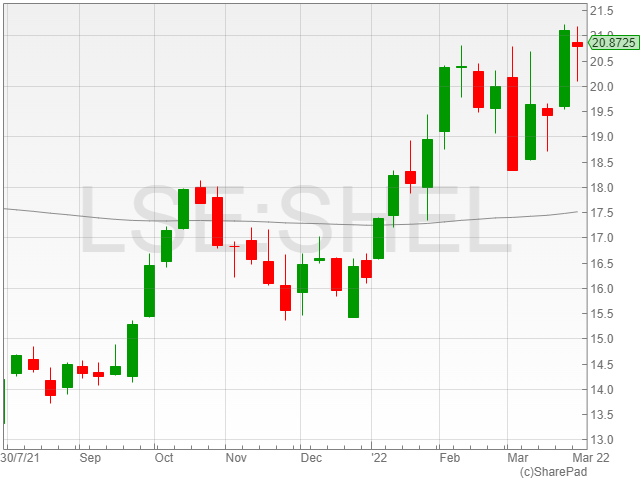
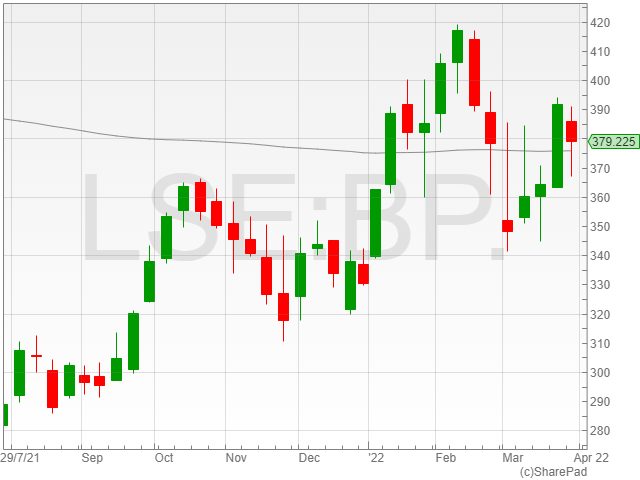
Shell and BP topped the FTSE 100 with shares rising 3.1% and 1.9% respectively.

Shell Shares August 2021-March 2022
BP Shares August 2021-March 2022

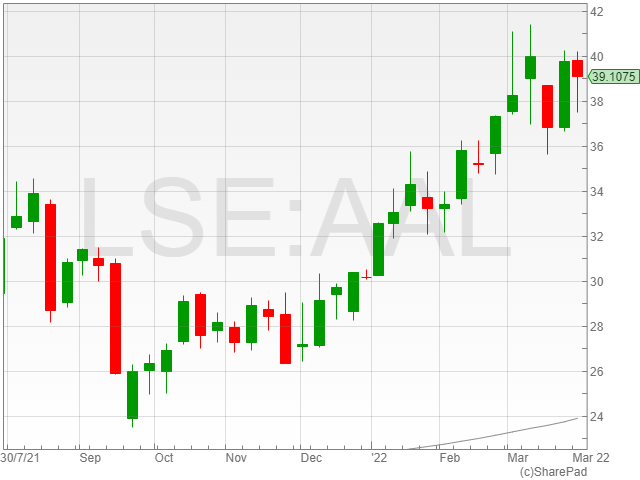
Amongst commodity stocks, miners reaped the gains as metal prices rebounded, with Anglo American seeing a 2.8% increase to 2,086p.

Glencore, Rio Tinto, Fresnillo and Endeavour Mining all saw shares strengthen 2.5%, 2.3%, 1.5% and 1%, respectively.

FTSE 100 Fallers

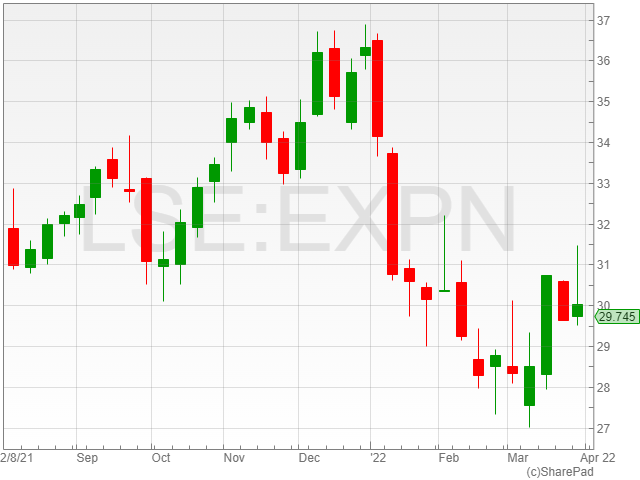
Experian, the world’s largest credit data provider, saw its shares fall 2.7% after Citigroup downgraded the stock from ‘buy’ to ‘neutral’.

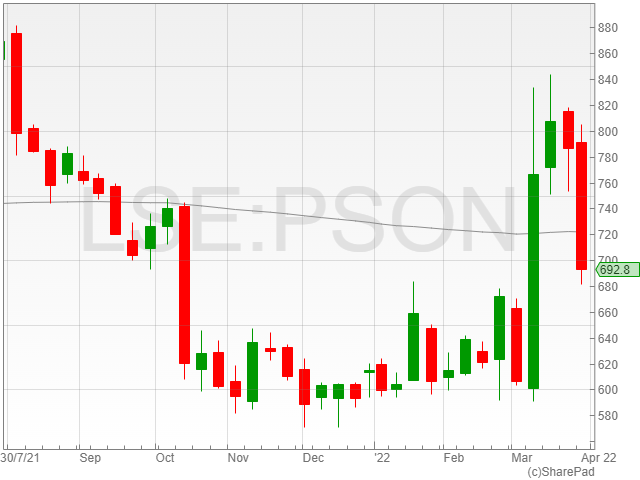
Pearson shares dropped 11.5% to 695p after Apollo announced it will not be placing any new bids for the education publishers.

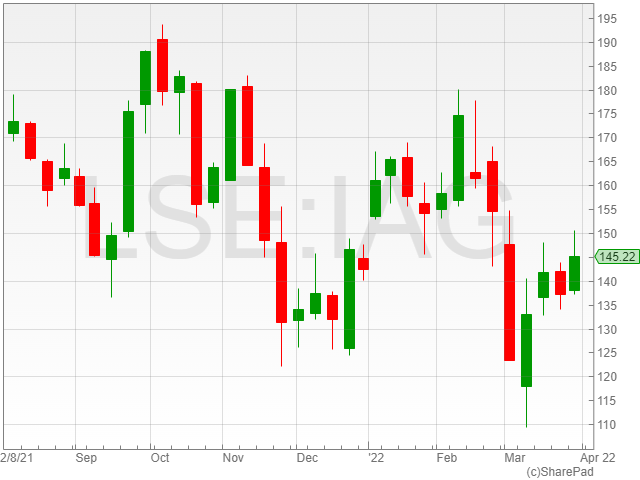
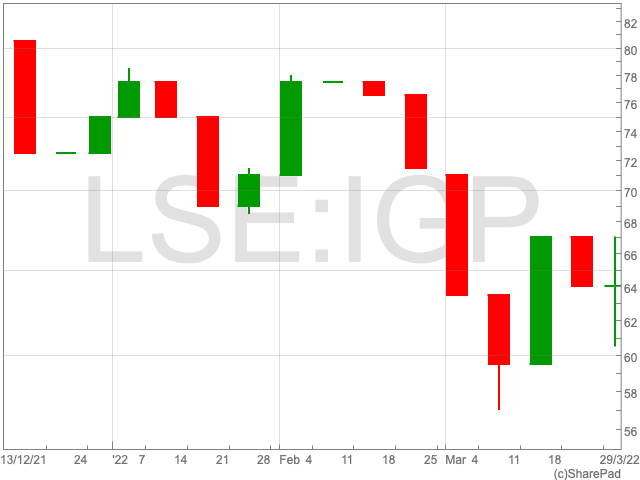
IAG shares lost 2.3% to 145p as Europes travel-related shares declined as oil prices gained.

RBC downgraded Lloyds Banking Group from ‘buy’ to ‘underperform’ on the basis of the growth drives not seeming to be ‘game changing’, leaving the shares to spiral down 2% to 49p.

Small & Mid Cap Roundup: Energen, Vesuvius, Keras, Bowleven

0

The FTSE 250 was down 1.1% at 21,235.9 and the AIM was down 0.1% at 1,045.2 on Wednesday.

The market was led by energy companies as the price of oil remained steady at $112 per barrel and the approaching energy price cap rise leading to investors seeking energy stocks.

Travel companies suffered a hit as Trainline and Trustpilot joined the list of FTSE 250 fallers.

FTSE 250 Risers

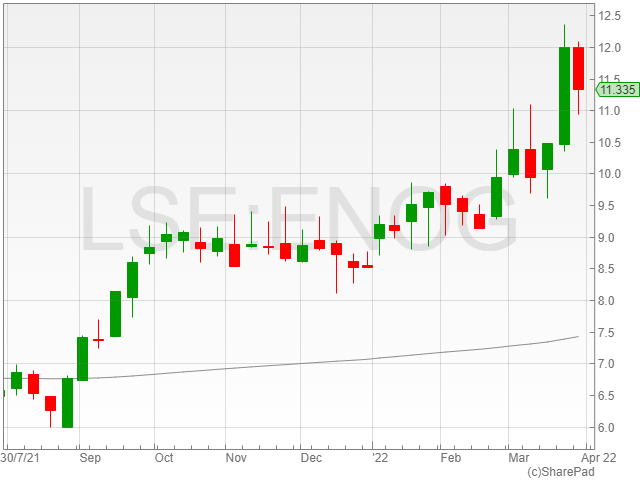
The FTSE 250 risers included Energean with a 2.8% rise to 11,370p in the lead up to the rising energy price cap on 1 April 2022. Morgan Stanley also quoted the stock to be ‘overweight’.

Capricorn Energy was up 1.9% at 220.8p and Tullow Oil increased 1.8% to 52.1p as the price of Brent Crude remained steady at $112 per barrel.

Greencoat UK Wind shares rose after Jefferies upgraded the stock to a buy from hold.

FTSE 250 Fallers

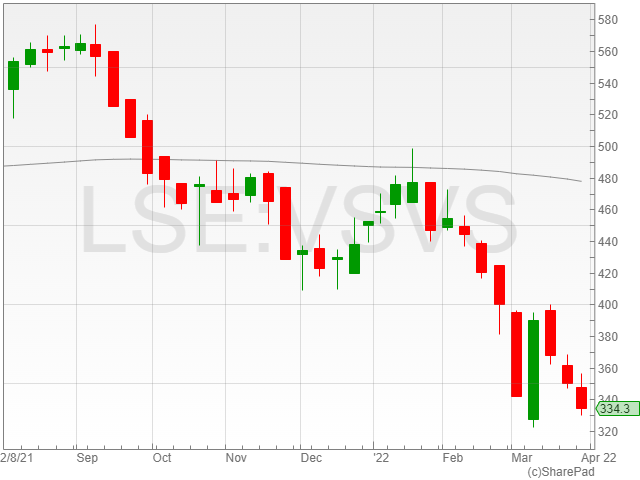
The FTSE 250 fallers were led by Vesuvius with a 6.3% loss to 334.1p as Barclays cut the stock to ‘underweight’.

The Trustpilot Group fell 6% to 146.3p as the stock continued to sink following a poor update last week.

Travel related shares were down on Wednesday with Trainline giving up 5.6% to 202.4p and Easyjet dipping 2%.

Petropavlovsk shares dropped 6.8% to 4.6p as the company said its in the initial phase of restructuring due to its significant exposure to Gazprombank, a Russian bank facing asset freezes due to sanctions imposed by the West.

AIM Risers

The AIM risers were topped by Keras with an 81.2% rise to 0.07p after it secured control of the US Diamond Creek phosphate mine.

Empire Metals soared 48.7% to 1.4p after the company reported high-grade intercepts at its Gindalbie gold project.

88 Energy enjoyed an increase of 32.1% to 0.9p, despite disappointing results from its Merlin-2 well reported yesterday.

AIM Fallers

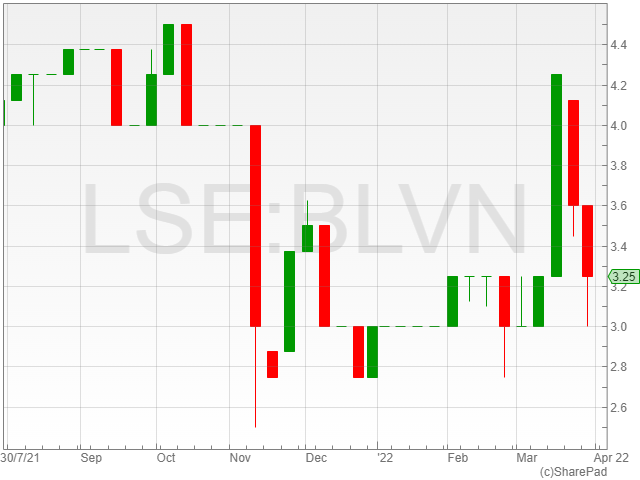
The fallers were led by BowLeven with a 9.7% decline to 3.25p after a $1.2 million loss in its half-year results, and its Cameroon joint-venture partner Lukoil’s inclusion in sanctions against Russia.

Malvern International continued its decline with a fall of 9.5% to 0.09p as the academic services provider announced a debt restructure of £2.6m earlier this month.

The LoopUp Ground decreased 9.4% to 6p may be due to the company issuing more options to PDMR of the group.

DWP faces outrage over plans to water down pension cap

0

The Department of Work and Pensions (DWP) was met with outrage on Wednesday over its plans to water down the 0.75% automatic enrolment charge cap for pensions to exempt performance fees.

The move was met with widespread industry concern, with analysts commenting on the risky decision by the Government.

“The Government faces a predictable backlash from various corners of the pensions industry over controversial plans to water down the automatic enrolment charge cap,” said AJ Head of retirement policy Tom Selby.

“These concerns are entirely justified – any move to exempt performance-based fees from the charge cap risks leaving members’ exposed to higher costs.

The move will also reportedly see pension schemes with over £100 million in assets required to explain their policy on illiquid investments.

Responses in the industry have cited concern, with feedback pointing out that excluding performance fees from the charge cap would not serve to make a difference in trustee decisions on illiquid investments.

Further comments noted the risks that would follow if members’ investments were exposed to high fees.

The revisions to the pension policy were reportedly intended to increase the funds invested in green infrastructure projects and start-up companies, however this was met with no small level of pushback from experts.

“Of course, cost is just part of the value-for-money equation, and the key is whether these investments can justify the associated extra fees,” continued Selby.

“Policymakers clearly firmly believe illiquid investments can deliver better overall returns for members than more mainstream asset classes.”

“While there is some evidence to suggest this could be the case, there are no guarantees and many trustees will understandably be wary.”

“Ultimately trustees have a fiduciary duty to invest members’ hard-earned funds in a way that is most likely to deliver the biggest retirement pot possible.”

“Just because the Government wants pension schemes to help the UK ‘Build Back Better’ doesn’t mean those schemes will play ball.”

Some respondents argued that it seemed odd for performance fees to find themselves exempt in favour of a reduction in charges, given that enrolment schemes have an estimated 10 million workers’ funds in their collective pot.

Analysts have argued that economies of scale dictate falling percentage costs for investment managers in charge of assets, which should logically give way to a downside of pressure on the price cap.

“While 0.75% might be an appropriate level of charge cap for now, the competitive dynamics in the auto-enrolment market remain weak,” said Selby.

“It is entirely possible that developments in the market will mean that a 0.75% charge is viewed as excessive in 5 or 10 years’ time.”

“For the benefits of economies of scale to be passed on to members – rather than swallowed up as extra profits by fund managers – it is vital charges remain front-and-centre of the value-for-money debate.”

Eurasia Mining: Is the Russia-oriented stock a buy?

1

Eurasia Mining is a Russian-focused company dedicated to mining gold and platinum metal groups, including palladium, rhodium and iridium and platinum.

The firm is focused on environmentally-friendly metals for green energy applications, including battery metals such as nickel, copper and cobalt for electric vehicles (EVs) and PGMs for utilisation in catalysts and green hydrogen production.

The company operates in Russia and is focused on several projects including its Kola Battery Metals and PGM site, its West Kytlim Platinum Group Minerals (PGM) and gold mine, and its Nittis-Kumuzhya-Travyanaya nickel deposit.

Eurasia’s Kola Peninsula site covers nine projects in a legally binding agreement with Rosgeo and the Mochetundra mine complex, making the project one of the major global sites for combined resources.

The group confirmed that it had trebled its production capacity at its West Kytlim mine in its 2021 interim report.

The interim report also noted a nine-fold rise in revenue from the mine compared to the same period in 2020.

Where are the prices of gold and PGMs going?

The price of gold has risen 13.8% to £1,466.39 per ounce and the price of platinum has risen 5.4% to £755.87 per Troy ounce in the last six months, increasing the company’s potential for revenue.

The price of palladium rose 18.4% to £259 per ounce, and has been a steady contributor to Eurasia’s revenue stream, with the company’s revenue continuing to rise on the precious metals’ prices alongside the rising cost of rhodium and iridium.

How Has Eurasia Mining Been Impacted By Anti-Russian Sanctions?

Eurasia Mining is focused on Russia, however the company has issued several statements assuring investors that it holds no ties to Russian banks and the sanctions have not prevented the group from executing its strategy.

The mining group also said that the weakening of the rouble will only serve to benefit its bottom line.

There is no guarantee that Eurasia Mining will remain secure from sanctions indefinitely, so its current lack of interruptions should not be taken as absolute certainty for the company’s production going forward in 2022.

What were its latest financial results?

Sale of platinum and other metals accounted for £425,965 in six months to June 2021 for its revenue, against the sale of platinum and other metals hitting £937,962 in the 12 months to December 2020.

The mining group reported a profit for the six months to June 2020 of £1,465,922 compared to a profit of £3,693,308 in the 12 months to December 2020.

The company did not report a dividend in its half-year results for 2021.

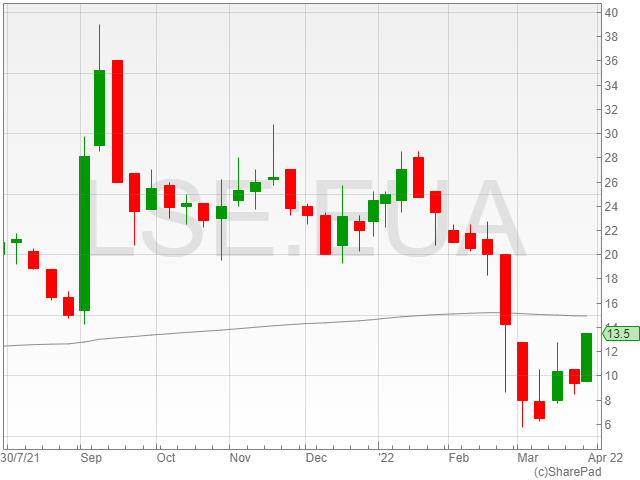
Eurasia mining has seen its share price fall 43.2% year-to-date, however the stock has made a comeback in the last month with a spike of 89% to 13.5p.

Is Eurasia Mining a buy?

Eurasia Mining has a historically strong revenue and its focus on metals with applications for EVs and green energy projects will see the value of its product climb as the international markets seek out its PGMs for renewable energy production.

The price of gold has also remained a reliable safe haven for investments, and looks set to continue its upward trajectory into 2022.

However, purchasers should exercise caution in light of Russia’s war in Ukraine. Eurasia Mining might continue to remain unaffected by sanctions against the Russia, but it is not necessarily a guarantee that the shares will stay safe over the long run if the war continues over the coming months.

Apollo withdraws from Pearson after third rejected bid

0

Pearson shares fell 7% to 730.2p in early afternoon trading on Wednesday after the company confirmed its rejection of a third and final takeover bid from Apollo.

Pearson commented that the cash offer “significantly undervalued” the group and its future prospects.

The offer would have bought the company out at £7.2 billion, with the takeover bid valuing the company at £6.7bn and Pearson’s net debt adding an additional £500 million.

The education firm released a statement that it had unanimously opted to reject the third bid for the entire issued and to be issued share capital of the firm for 870p per share, following two previous bids which had also been unanimously rejected by Pearson’s board.

According to the company, shareholders would have gained the 870p per share along with the scheduled 14.2p dividend for 2021, representing a total value of 884.2p per share for existing shareholders.

The education company said it was confident its direct-to-consumer lifelong learning strategy would bring long-term value for its shareholders, and is currently relying on its Pearson+ project and digital learning ecosystem strategy for its prospects.

“The board of Pearson considered the third proposal, together with its financial advisers, and concluded that it significantly undervalued the company and its future prospects,” the company said in a statement.

“Accordingly, the board of Pearson unanimously rejected the third proposal.”

Intercede receives order of $3.4m from US Federal Government

0

Cybersecurity company specialising in digital identities, derived credentials and access control, Intercede received an order of $3.4m from the US Federal Government.

The order is for the continuation of yearly support and maintenance on an ongoing project from April 1, 2022 to March 31, 2023 with the US Federal Government.

As a result, the order will be recognised as annual recurring revenue for the new financial year ending March 31 2023.

A trading ppdate will be published as soon as possible after the company’s financial year ends on March 31 2022, in accordance with standard procedure.

Intercede shares increased 5.8% to 64p after receiving the large order from the US Federal Government.

Galileo Resources: Confirms sale of Glenover Asset – Vermiculite Mining Right

0

Galileo Resources has received confirmation that all requirements for Afrimat Limited to buy the Vermiculite Mining Right from Glenover Proprietary Limited have been satisfied, and that a consideration of £523k in cash for the Vermiculite Mining Right has been decided.

Through Galagen Proprietary Limited, Galileo Resources owns a 29% direct and a 4.99% indirect stake in Glenover. The ‘Glenover share sale agreement’ entitles the company to an additional £5.33 million.

The consideration for the sale will be paid in a mix of cash and Afrimat shares.

Half of the sale shares consideration will be split into Afrimat shares and South African dollars, at the discretion of Afrimats shareholders. The remainder will be split into Afrimat shares and cash at the discretion of the sellers.

Colin Bird, Chairman and CEO of Galileo Resources has sacrificed the bonuses of 1.5% of the gross proceeds of the Glenover Agreements that were given to him by Glenover whilst he was director of Glenover and these amounts will be added to the transaction awards already disclosed.

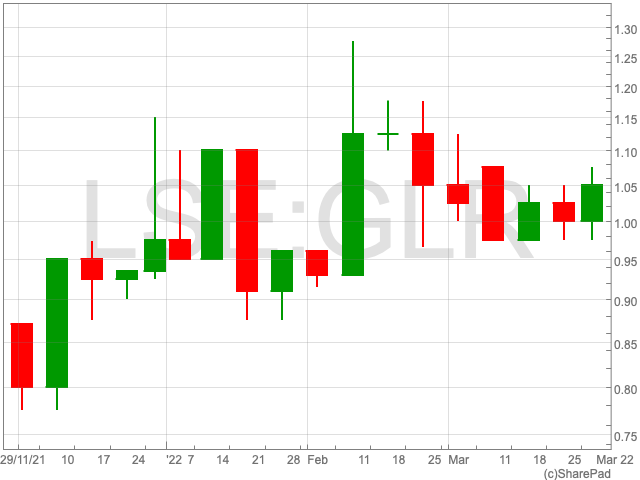
Galileo Resources were trading up 7.6% to 1.05p after the conditions of the sale being met by Afrimat Limited.

“I am pleased that the Company has received confirmation that all conditions to acquire the Vermiculate Mining Right have been met and £523K is now due to the Company. This is a further favourable step in the progressive sale of the Glenover Asset. The funds will be employed in releasing value from our lithium project in Zimbabwe and Copper-Gold projects in Southern Africa,” said Colin Bird. 

Coro Energy resumes production at Sillaro

0

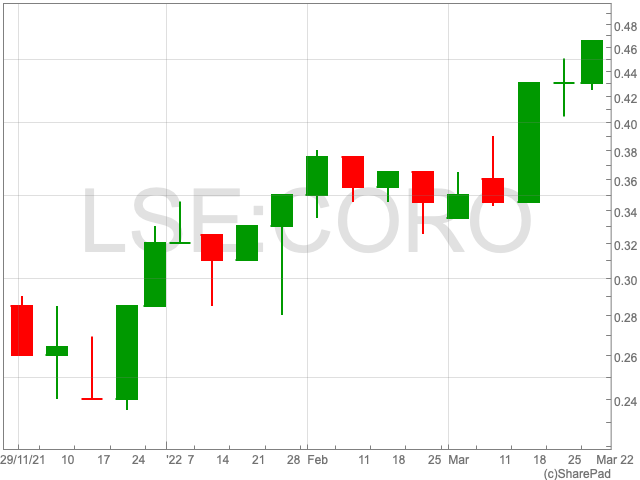
The South East Asian energy company Coro Energy’s shares flew 5.6% to 0.47p on Wednesday following the company’s annoucement of resuming gas production at Sillaro.

Coro Energy is committed to spearheading the transition to a low-carbon economy in the South East Asia region.

On Wednesday, Coro Energy said gas production at Sillaro has resumed with is now producing at a stable rate of around 17k scm/d, with an average production rate of around 13.5k scm/d projected for 2022.

As stated earlier, Coro Energy said they expect to produce over of €5m annually in free cash flow from its Italian portfolio with Sillaro producing gas. The European gas market and current gas prices play in Coro’s favour.

Activities that improves production for the Italian portfolio is scheduled for 2022 and the company will make updates when needed.