Octopus Renewables secures financing of Cerisou Wind Farm

0

Octopus Renewables has received a €43.2m fully amortising debt facility

Octopus Renewables Infrastructure Trust (LON:ORIT) confirmed on Tuesday that it has successfully secured debt finance for its ready-to-build wind farm in Cerisou, France which was acquired in October 2020.

The new €43.2m fully amortising debt facility, provided by Societe Generale, will fund the construction, commissioning, operation and maintenance of the 24 MW Cerisou project.

This debt facility will allow the Octopus Renewables to invest the amounts previously committed to the project into other investment opportunities.

Construction at Cerisou is on schedule to begin in H2 2021, with the project expected to be fully operational in the second half of 2022.

The term loan facility is amortising over 23 years from the commercial operations date of the project, with a flat 1.30% interest margin above EURIBOR over the duration of the loan. 90% of the project’s notional interest rate exposure under the term loan has been hedged. Alongside the term loan facility, Societe Generale is providing a Debt Service Reserve Facility and a VAT Facility to the project.

Phil Austin, chairman of Octopus Renewables Infrastructure Trust plc, commented:

“The Cerisou project was the Company’s first wind farm acquisition in France and is now successfully financed with favourable terms agreed with one of France’s leading banks. This facility once again demonstrates the Investment Manager’s commitment to an active approach to asset and portfolio management.”

While investment director Chris Gaydon added:

“The competitiveness of the financial and commercial terms achieved with Societe Generale will allow the Company to optimise returns and cash yield as well as maximising operational flexibility. The construction of the Cerisou project is on track and we look forward to it being fully operational next year.”
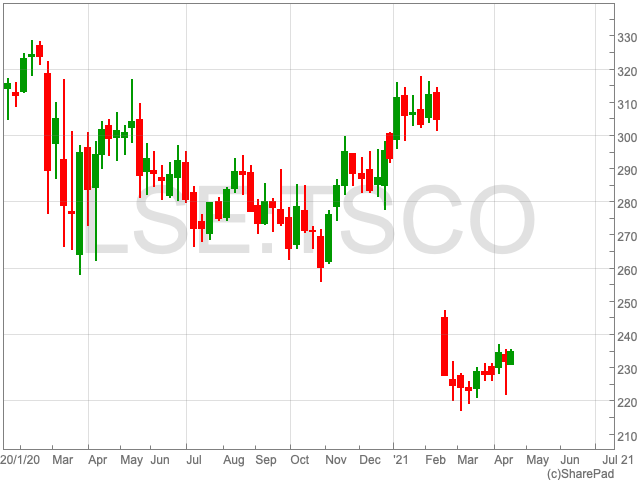
Is the current Tesco share price undervalued?

0

Tesco Share Price

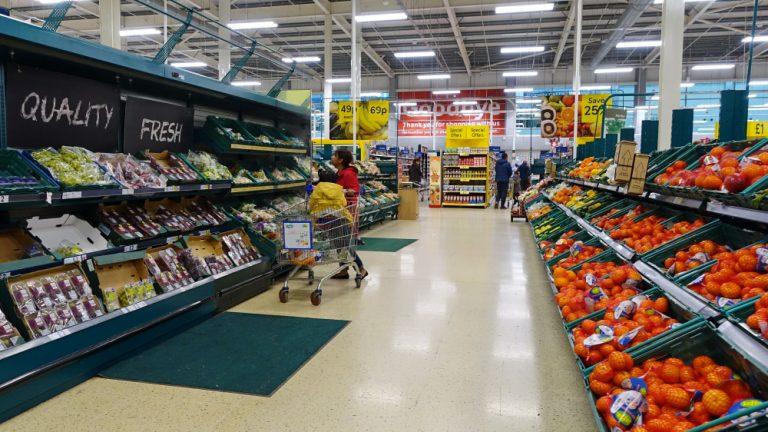
Having plummeted in February, the Tesco share price (LON:TSCO) is trading at 234.5p. Compared to a year ago the supermarket is down by nearly 30%. Going as far back as five years ago, Tesco shares were valued at 236.36p per share, only slightly above today’s valuation. The supermarket’s low price could tempt buyers who are looking for value, however, its lack of growth over long periods could also give cause for concern.

Results

Only last week Tesco released its results for the year ending February 27. The FTSE 100 company confirmed it made a profit before tax of £825m, 19.7% lower than the year before, despite its sales in the UK growing by 7.7% to £39.4bn. A major factor was the extra costs due to Covid-19, which included £892m worth of bonuses for staff, as well as the company returning £535m of business rates relief to the government. The supermarket chain said it had taken customers from a number of its competitors as its sales grew significantly at the beginning of the first national lockdown and more recently when consumers were stockpiling goods.

Post-lockdown

While the company weathered the storm that was Covid-19, what matters now is its preparedness and performance as the UK gradually comes out the third lockdown. First of all, with a 27% market share, Tesco remains firmly positioned as the market leader, with Sainsbury’s on 15% in second place, despite the best efforts of discounters Aldi and Lidl over the last few years. Secondly, the company has said the aforementioned additional costs will only continue until the first quarter of 2021-22. If the company is correct then its balance sheet could see a reduction in costs of around £675m.

Finally, Tesco could begin to gain a competitive advantage based on its focus on supplying meat alternatives to meet growing demand from its customers. The UK’s largest supermarket has committed to boosting sales of meat alternatives by 300% within five years, by 2025. It is a market that reached $8.6bn in 2020, with analysts expecting the industry to grow to $17bn globally by 2024.

AIM reverse takeover: Advance Energy

Advance Energy is focusing on oil and gas projects that can generate cash in the short-to-medium-term or where there is a short-term opportunity to increase their value. The Buffalo oilfield fits the criteria, and the company is acquiring a 50% stake in this field in this reverse takeover.
Buffalo has produced oil in the past. This could be a highly cash generative investment, but it will require significant capital expenditure before production can commence.
Advance Energy is seeking other acquisitions and farm-in opportunities for discovered oil projects. Some of these could end up as anot...

Juventus and Man Utd shares surge as clubs reveal plans to join European Super League

0

JP Morgan has confirmed it will finance the breakaway

The Juventus share price (BIT:JUVE) is up by 17.85% on Monday evening after the Italian giant confirmed plans to join the European Super League, along with 11 other European football clubs.

While Manchester United (NYSE:MANU), another member of the group trying to pull away from UEFA competetions, saw its share price close nearly 10% higher at $17.69.

On Sunday evening twelve football clubs, including six English teams, disclosed their intention to be part of a breakaway entity, forming a European Super League.

It is expected that membership of the Super League will significantly bolster member club’s finances. A pot of €3.5bn, it is reported, will be shared by 15 clubs upon joining, and would allow the club’s to offset cash flow shortages caused by the pandemic, in addition to supporting infrastructure investment plans.

JP Morgan, the US investment bank, will underwrite money in loans for the teams involved.

The clubs have pledged €10bn as a “solidarity” payment to the European football pyramid over 23 years, which is claimed to be more than the current offering by UEFA.

In the case of Juventus and other Italian clubs, struggles with securing significant broadcast revenues are thought to have played a factor in their decision to secede. Serie A’s deal with DAZN, worth €2.5 billion deal, or €840 million per season, to broadcast the majority of games between 2021 and 2024, was less than previous years.

In February 2020 the Juventus share price was valued at €1.24. A month later it had plummeted by over 50% to 61 cents.

Some speculative members also saw their share prices rise, such as Germany’s Borussia Dortmund, whose shares rose 8 per cent despite the club confirming they would not take part in the new league.

The news of rising share prices can be seen as a positive reaction by investors according to FXStreet, given the fact that many of the clubs in question are cash strapped.

Dispersion Holdings follows NFT Investments to Aquis

Dispersion Holdings, which has directors in common with NFT Investments (LON: NFT), is planning to join the Access segment of the Aquis Stock Exchange. Last week’s flotation of NFT Investments provides investors with an indication of what their strategy should be when shares in Dispersion Holdings start trading.
In my article on NFT Investments, which is run by former directors of standard-listed Argo Blockchain (LON:ARB), I pointed out that it had directors in common with Dispersion Holdings and that it could follow NFT Investments to the market. I also mentioned Clarify Pharma and that could...

GSK Share Price: is the company’s generous dividend in doubt?

0

GSK Share Price

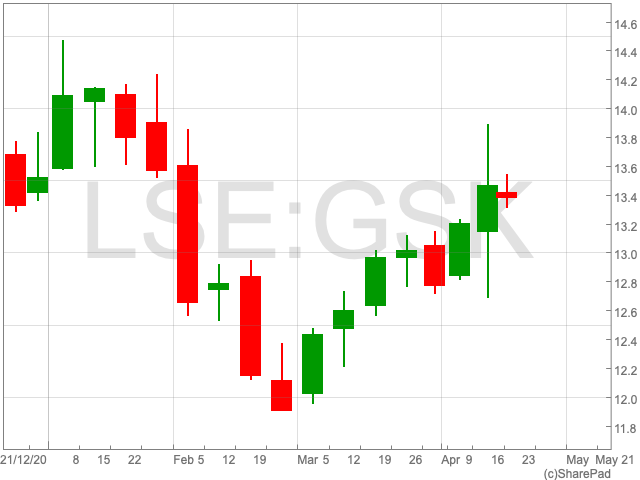
Less than a year ago the GSK share price (LON:GSK) was sitting at 1,742.2p per share, more than 30% above its current price of 1,339.2p. After a long drawn-out slide over the past 12 months, the pharmaceutical company has seen the early stages of a recovery since March, which was helped after it emerged that activist hedge fund Elliot Management had taken a large stake in the company. However, over the past five years, GSK’s share price is down, and so investors could view the company with some scepticism.

Elliot Management

Following GSK’s laggard performance during the past year, Elliot Management, the activist hedge fund, took a multibillion-pound stake in the company. The move creates question marks over the GSK’s future, some of which could lead to positive outcomes for shareholders. GSK close 5% higher last Thursday after the New York-based firm, run by billionaire Paul Singer, disclosed its investment.

The investment came on the back of widespread disillusionment by shareholders with the company’s hierarchy, namely chief executive Dame Emma Walmsley, who made the decision to break apart its consumer health business from its pharma and vaccine division.

Since Walmsley took the helm in April 2017, GSK shares are down by nearly 20%. While rivals AstraZeneca and Pfizer, who are both producing Covid-19 vaccines, saw double digit increases in the value of their stocks. Walmsley’s position could come under threat although Elliot has remained coy regarding its intentions.

While there are mixed feelings about Walmsley, with some shareholders hoping for new leadership, while others back the CEO, any personnel changes over the coming months could go some way to influencing the company’s outlook.

Dividend

Even as there has been volatility in its earnings, GSK has maintained its total dividend of 80p per year for the last five years. The group intends pay the same amount in 2021, but beyond that point will introduce a new policy with the overall payout “expected to be lower than at present”.

As the company refocuses on its drugs production, which is an expensive endeavour, it could well be forced into a less generous shareholder payout in thee future.

Director Dealing: Chaarat

Chaarat (AIM:CGH), the AIM-quoted gold mining Company with an operating mine in Armenia and assets at various stages of development in the Kyrgyz Republic, has been informed that Labro Investments Limited ("Labro"), the majority of shares in which the Company's Chairman, Martin Andersson, is indirectly beneficially interested, has made the following market purchases of ordinary shares of US$0.01 each in the capital of the Company ("Ordinary Shares"):

on 15 April 2021, 435,000 Ordinary Shares at an aggregate price of approximately 30.32 pence per Ordinary Share; and
on 16  April 2021, 150...

Eqtec to record profit in 2021 as revenue set to soar

0

Eqtec finished 2020 with cash and cash equivalents of €6.39m

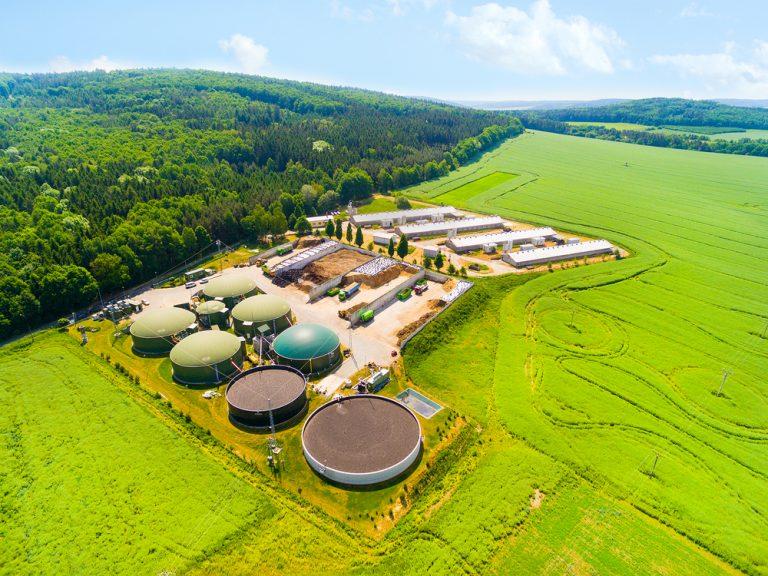
Eqtec (LON:EQT), the gasification specialist, says its revenue will increase to around €15m in 2021, significantly up from €2.2m in 2020.

The company said in its end of year statement that the rise in revenues, along with an expected contribution from EQTEC Capital, are forecast to bring about a positive EBITDA, meaning in 2021 the company will make a maiden profit.

During 2020, Eqtec‘s revenue grew to €2.23m from €1.69m the year before, while its pre-tax loss rose to €5.84m from €3.58m. This was a result of an increase in administrative expenses to €3.7m, in addition to a payout to employees during the year to the value of €1.3m.

The AIM-listed company finished the year with cash and cash equivalents of €6.39m, up from €482,392 the year before. This came following the firm raising £10m from an oversubscribed placing of shares.

David Palumbo, the chief executive officer of EQTEC, said: “2020 was a year in which we advanced and embedded our business strategy, significantly added to our pipeline, strengthened our management team, increased the depth and number of our partner relationships and expanded our platform for growth.”

“In the first half of the year, we achieved financial close on two ground-breaking projects, each with an additional pipeline attached to them and we concentrated on maturing our relationships with our go-to-market partners. In the second half of the year, we built further discipline into our business operations and project execution capabilities, toward mitigating risks and accelerating delivery of business cases and measurable value,” he added.

At early afternoon trading the Eqtec share price is up by 7.38% to 2.15p per share.

Echo Energy provides update on its Santa Cruz Sur assets

0

Echo Energy says daily operations in the field at Santa Cruz Sur to continue as normal

Echo Energy (LON:ECHO), the Latin American focused upstream oil and gas company, released an operational and commercial update regarding its Santa Cruz Sur assets, onshore Argentina, for the quarter ended 31 March 2021.

Daily operations in the field at Santa Cruz Sur continue with the delivery of produced gas to customers as expected and without interruption.

Production over the period reached an aggregate of 152,673 boe net to Echo, which included 17,814 bbls of oil and condensate and 809 mmscf of gas.

As a result of a series of optimisation activities being implemented in the field around the current production, average net daily liquids production in March 2021 increased to 230 bbls/d, a 24% increase over production in February 2021.

Echo Energy said the materials required for the infrastructure upgrades of 23 km of pipeline, announced on 24 February 2021, are now being fabricated by the supplier in Buenos Aires following contract execution and the installation schedule remains in line with that announcement.

Martin Hull, Chief Executive Officer of Echo Energy, commented further on the company’s announcement:

“Advancing into 2021, Echo has been set on optimising its existing production portfolio and low-risk development upside across the Santa Cruz Sur asset base. The benefits of these earlier efforts are now being seen. Additionally, I am pleased to report that Echo continues to benefit from increasingly strong local energy demand and pricing, which has led us to obtaining premium seasonal pricing to current prevailing spot market prices, and more than double the price of the previous winter period. Against this improving domestic energy price backdrop, we have also executed a significant domestic oil cargo sale which marks an important milestone linked to the improved economic outlook.”

“Furthermore, we are pleased with the progress we are making on our production optimisation activities across Santa Cruz Sur. Liquids production has recently increased in advance of the upgrades to the 23 km pipeline infrastructure which are progressing at pace. These upgrades will not only unlock previously shut-in liquids production but will also provide additional capacity with which to open up future incremental enhancement projects that have already been identified.”

UK house prices soar as high demand meets shortage of homes on market

0

Property prices up by 2.1% in April to £327,797

A surge in activity has pushed up UK property prices to a record high this month, following the government’s launch of its mortgage guarantee scheme to assist people with smaller deposits.

Rightmove, the online property portal, confirmed that the average asking price for a property rose by 2.1% in April to £327,797, a new all-time high, and an increase of £6,733 from the previous month.

The move has come about as a result of a shortage of properties on the market, while a number of families are looking to buy larger properties in order to work from home more comfortably.

Many sellers are putting sales off until they have been vaccinated which is leading to a further shortage in supply.

As of Monday, banks and building societies will start offering mortgages that cover 95% of a purchase price under the government’s guarantee scheme. As disclosed in March’s budget, lenders will be allowed to purchase a guarantee on the portion of the mortgage between 80% and 95%. The government will cover any losses on the debt should the borrower fall into financial difficulty which makes them unable to make repayments.

Ross Counsell, chartered surveyor and director at GoodMove, commented on today’s Rightmove HPI:

“According to the latest Rightmove House Price Index figures, average property prices in the UK have risen to a new record high of £327,797, up by 2.1% from last month,” Counsell said.

“The Rightmove HPI also shows that while many new properties were put on the market this month, there was still not enough to meet buyer demand. In fact, the average number of days it takes to sell reached its lowest ever level making it a great time for anyone looking to sell their house fast – and signals some issues for buyers who may struggle to find suitable property.”

“Given the extension of the Stamp Duty Holiday until the end of June, this surge is not necessarily that surprising, but does propose the question of what will happen after June.”

“Looking ahead, we predict the property market will continue to thrive in the first half of 2021; however, following the end of the Stamp Duty Holiday the state of the property market remains uncertain. Therefore, we expect that house prices and demand will ease in the last 6 months of 2021 resulting in a slower housing market.”