
Pets At Home shares rise despite 38% fall in profits

Pets At Home (LON:PET) reported its preliminary full-year results for the year to 28 March 2019.
The pet supplies retailer revealed that profit before tax dipped 37.7 per cent year-on-year to £49.6 million.
Nevertheless, underlying profit before tax rose 6.1% to £89.7 million, compared to 84.5 million the year before.
Ultimately, despite the fall in profits, Pets At Home said that performance proved ‘ahead of expectations’.
Moreover, the company said that cashflow improved 14% to £63.6 million.
Peter Pritchard, Group Chief Executive, commented on the results:
“We are trading strongly and taking share across the pet market. Customers are loving our lower prices, the convenience of subscription packages, high quality veterinary care and pet healthplans.
We launched our pet care strategy last year and we’re already making good progress, bringing our Retail and Vet businesses closer together. Our commitment is to make sure pets and their owners get the very best advice, care and products, and we’re able to join this up for customers in a way that competitors just can’t.
I’m pleased with our progress and the results we have delivered, but there remains plenty to do. I’m confident we will successfully reposition our Vet Group so that, with the strong performance in Retail, we will be well placed to deliver our strategy.”
The firm’s full-year dividend remained unchanged from the year before at 7.5.
Shares in Pets At Home are currently up +12.84% as of 11:10AM (GMT).
Marks and Spencer announces further closures as profits slide
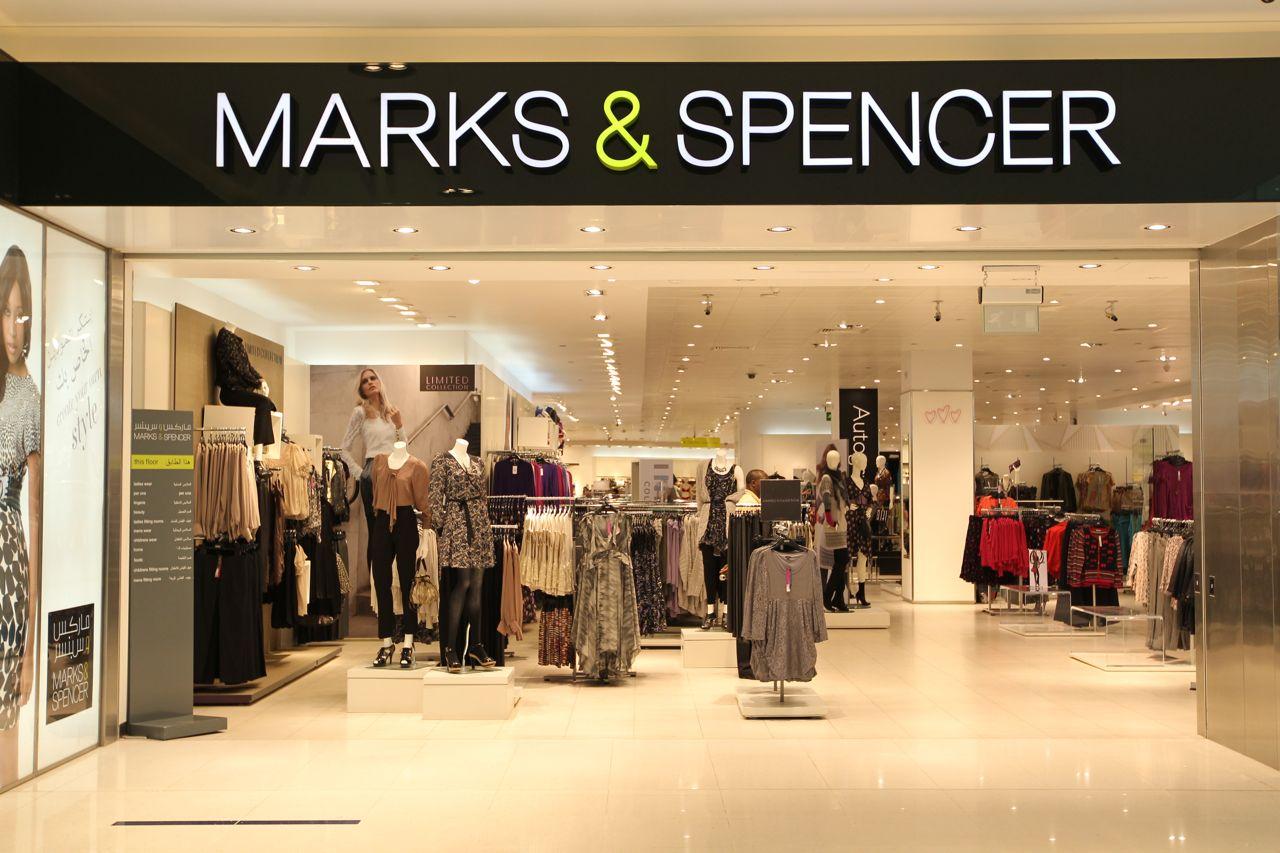
Marks and Spencer (LON:MKS) reported its full-year results for the year ending 30 March 2019.
The retailer said that group revenue fell 3% to £10,377.3 million, compared to £10,698.2 million the year before.
Pre-tax profits fell 9.9% to £523.2 million, down from £580.9 million a year before. Meanwhile, like-for-like sales were also down 2.9%.
The company said that profits were impacted by £438.6 million in exceptional costs, including £222.1 million relating to its transformation plan.
UK Food revenue, one of the retailer’s biggest revenue drivers, fell 0.6%, with like-for-like revenue down 2.3%
Home and Clothing revenue, which has been struggling for several quarters, was down a further 2.9% largely as a result of store closures.
Marks and Spencer also announced that it is set to close a further 110 stores by 2023, as it looks to revive its fortunes.
Steve Rowe, Marks & Spencer Chief executive commented on the figures:
“We are deep into the first phase of our transformation programme and continue to make good progress restoring the basics and fixing many of the legacy issues we face. As I have said, at this stage we are judging ourselves as much by the pace of change as by the trading outcomes and change will accelerate in the year ahead.
“Whilst there are green shoots, we have not been consistent in our delivery in a number of areas of the business. M&S is changing faster than at any time in my career – substantial changes across the business to our processes, ranges and operations and this has constrained this year’s performance, particularly in Clothing & Home.
However, we remain on track with our transformation and are now well on the road to making M&S special again.”
Shares in Marks and Spencer are currently down -4.02% as of 10:45AM (GMT).
SVS Securities morning call and market round-up 22nd May
- Prime Minister Theresa May yesterday announced that MPs will be given the opportunity to vote on whether to hold a second referendum on Britain’s membership of the EU.
- The US major averages rose on Tuesday, led by gains in the technology sector, after President Trump’s administration granted temporary exemptions to suppliers of blacklisted Huawei Technologies.
- Asia markets look set to close cautiously mix this morning.
- Today’s UK financial updates include finals from: Babcock International, Great Portland Estates, Intermediate Capital, Marks & Spencer, Pets at Home, Royal Mail, SSE and U & I, interims from Britvic, easyHotel, Paragon Banking and Stride Gaming, trading statements from IG Group with General Meetings due for Antofagasta, Bovis Homes, Cairn Homes, Gamma Communications, Georgia Healthcare, Judges Scientific, K3 Business Technology, Medica Group, SafeCharge International and Sound Energy.

Theresa May to unveil Brexit “new deal”
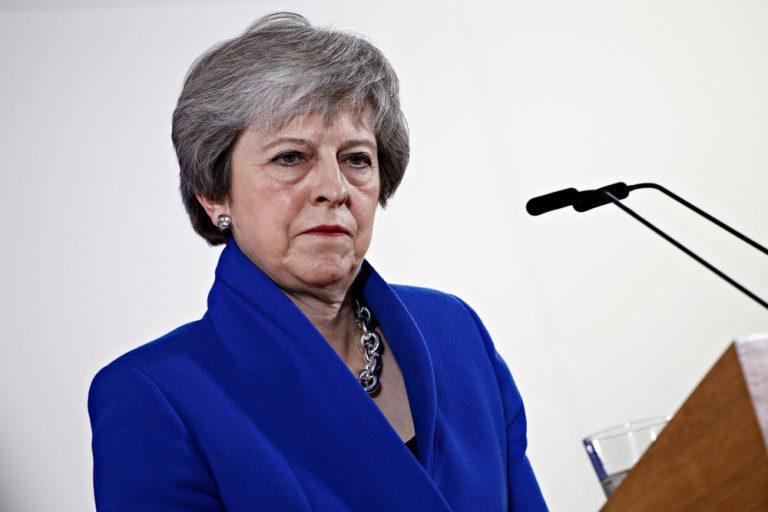
Theresa May is set to reveal the details of her new Brexit deal later today, following a three-hour meeting with her cabinet.
The Prime Minister is expected to give a speech at 4PM to outline the “bold” new plan.
The revised deal is expected to cover workers’ rights, environmental protections, as well additional provisions relating to the Northern Ireland backstop.
The so-called backstop has proved one of the most controversial aspects of Theresa May’s Brexit deal.
Thus far, Theresa May has failed to get her deal passed through parliament on three separate occasions.
Her failure to deliver Brexit has led to mounting calls for May to revise, from those within her party and the opposition alike.
However, the Prime Minister has yet to publicly confirm a departure date, despite her eroding authority in parliament and the conservative party itself.
Last week the government was dealt a blow after the Labour leader Jeremy Corbyn pulled out of cross-party Brexit negotiation talks.
https://platform.twitter.com/widgets.js Corbyn cited concerns regarding workers’ protections, the manufacturing industry and the importation of chlorinated chicken from the U.S. This comes amid news that the one of the UK’s largest steel makers, British Steel, is heading towards administration. The company is seeking £75 million from the government and is awaiting its decision. Nevertheless, speculation has circulated that the company could be ready to appoint administrators as soon as Wednesday should the government decide not to intervene.I have written to Theresa May to say that talks on finding a compromise agreement for leaving the European Union have gone as far as they can. The government’s growing weakness and instability means there cannot be confidence in its ability to deliver. pic.twitter.com/H27qxDleaB
— Jeremy Corbyn (@jeremycorbyn) May 17, 2019
British Steel on brink of collapse into administration
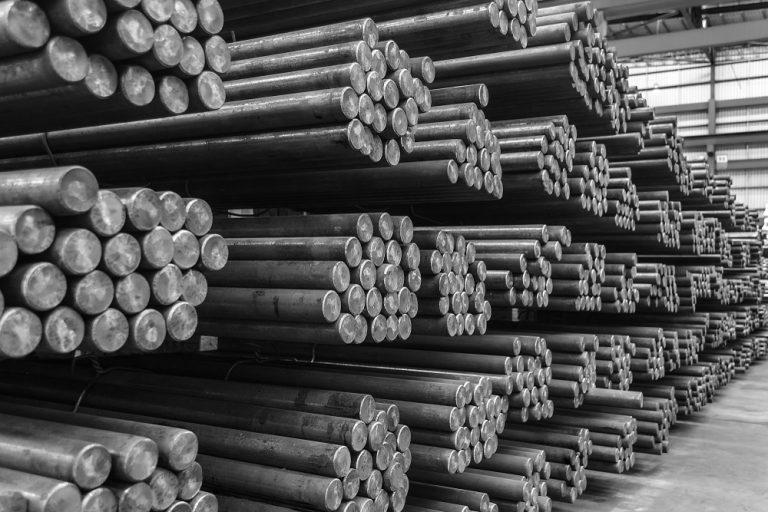
British Steel is reportedly at risk of collapsing into administration this week, as it looks to the government for a potential rescue.
The UK’s second largest steel maker is hoping to secure £75 million from the government to avoid bankruptcy.
The company has roughly 5,000 employees, predominately based in its Scunthorpe plant in North Lincolnshire.
It is now awaiting a decision from the government, otherwise it is understood that administrators may be called in as soon as Wednesday.
Should this happen, EY is expected to handle the wind down.
British Steel already received a £100 million loan from the government back in April to cover a EU carbon bill.
In a statement, the Department for Business, Energy and Industrial Strategy commented: “As the business department, we are in regular conversation with a wide range of companies.”
If British Steel were to collapse it would prove a massive blow to the British steel industry, which is a central part of the UK’s manufacturing sector.
A bad day for British businesses?
Meanwhile in the retail and leisure sector, it was revealed today that Jamie Oliver’s restaurant chain is appointing administrators after failing to locate a buyer. The collapse of Oliver’s 25 restaurant locations places 1,000 jobs at risk.Jamie Oliver’s restaurant chain collapses into administration
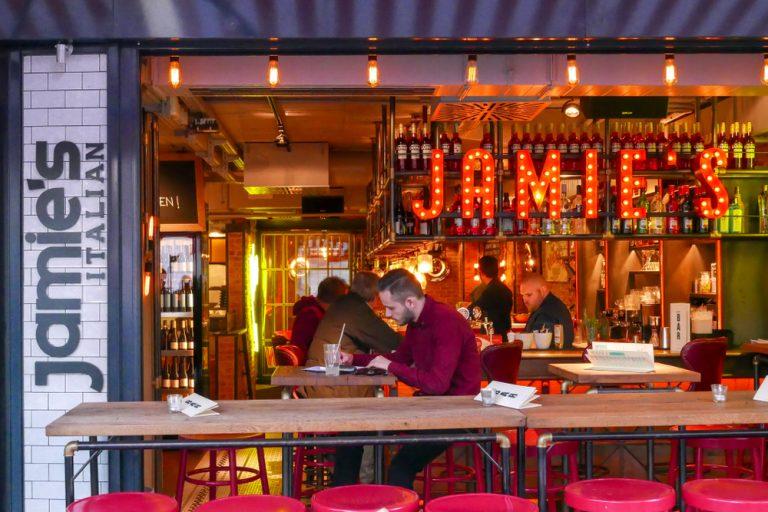
Jamie Oliver’s restaurant chain is set to fall into administration later today, placing 1,300 jobs at risk.
The restaurant group, which operates 23 Jamie’s Italian locations, has been struggling to find buyer amid an increasingly difficult few years of trading.
It is understood that KPMG will handle the administration process.
Oliver’s Fifteen London and Barbecoa sites are also expected to be included in the procedure.
Oliver said: “I am deeply saddened by this outcome and would like to thank all of the staff and our suppliers who have put their hearts and souls into this business for over a decade. I appreciate how difficult this is for everyone affected.
Shoe Zone half-year revenue down, shares fall
Shoe Zone reported its interim results for the six months to 30 March, with profits remaining flat.
The high street shoe retailer reached revenues of £73 million, down from £73.7 million posted during the same period in 2018.
Nevertheless, product gross margins increased to 62.0%, compared to 60.6% a year ago.
Meanwhile, the company reported a profit before tax of £1 million, unchanged from a year ago.
By the end of the period, Shoe Zone said it had funds of £3.3 million, down from £5.9 million the year before.
The group also reported statutory earnings per share of 1.65p, falling from 1.70p.
Shoe Zone also announced an interim dividend maintained at 3.5p per share.
Nick Davis, Chief Executive of Shoe Zone, commented:
“The first half of our financial year has been positive for the Group, trading in line with management’s expectations and achieving profitable revenue growth in our two key growth areas of Digital and Big Box.
Our ongoing strategic focus continues to be on the Big Box roll out with a target of 45 stores by the end of December 2019. This is progressing to plan and we will be operating from 33 Big Box stores by the end of May.”
Looking ahead, Mr Davis added:
Trading momentum has continued into the second half, in line with market expectations. With our growth strategy in place, we believe we are favourably insulated against many of the structural sector issues and the Board continues to look to the future with confidence.”
Shoe Zone (LON:SHOE) are currently trading down -5.73% as of 10:33AM (GMT).
Severn Trent warns on future of water sector

Severn Trent (LON:SVT) posted its annual results on Tuesday in which it underscored its ongoing communication with the government concerning the future of the water sector.
The water utility company, which posted a 4.2% increase in group turnover, said that the renationalisation of the water industry continues to remain a possibility in the event of a change of government. Severn Trent continued, underlining that any associated changes in government policy may ultimately affect its ability to deliver its strategic objectives, also having an impact on shareholder value.
Leader of the Labour party, Jeremy Corbyn, said recently that water, electricity, gas and railway operators would be controlled by the state in the event that Labour comes into power.
Severn Trent aims to ensure that the sector in England and Wales continues to deliver a top service for its customers. It aims to minimise any potential risks and maximise opportunities through regular communication and strong scenario planning alongside the evolution of government policy.
“This has been a year where our teams have really stepped up, whether in response to customer needs in the face of one of the hottest and driest summers we’ve seen or by being named by Ofwat as one of the top companies in the sector when we received fast-track status for our future plans,” Liv Garfield, Chief Executive of Severn Trent commented.
“At the heart of all of that is our drive to succeed for all of our stakeholders, which is shown in the results we’re announcing today. They demonstrate not only that we can deliver for our investors but also that we’re putting ourselves at the heart of the communities in which we live and work by building a lasting legacy for future generations,” the Chief Executive continued.
In its results, Severn Trent revealed that it has maintained the lowest bills in England for ten years, aiming to project this to at least 2025.
Profit for the year was up 6.8%. The company proposed a final dividend of 56.02p, in line with policy.
The company remains on track to exceed its 50% renewable energy self-generation target, which has been boosted by the acquisition of Agrivert UK.
In its half-year results, Severn Trent saw an increase in its half-year underlying profit by over 4%.
Ryanair annual profits dive 29%
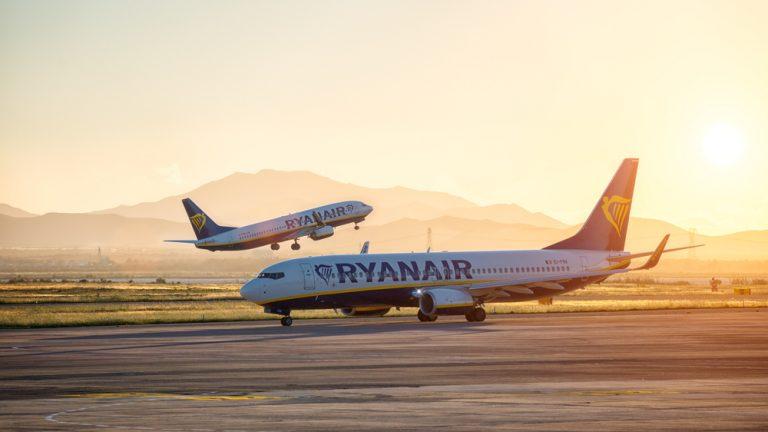
Ryanair (LON:RYA) revealed its annual results on Monday for its financial year to 31 March in which it posted a 29% fall in annual profits to €1.02 billion.
Amounting to €1.02 billion, its profit after tax for the financial year is down from the €1.45 billion figure from the year prior.
Founded in 1984 and headquartered in Dublin, the Irish low-cost airline has been battling with rising costs and overcapacity.
“As previously guided, Ryanair (excl. Lauda) reports a full year after tax profit of €1.02bn. Short-haul capacity growth and the absence of Easter in Q4 led to a 6% fare decline, which stimulated 7% traffic growth to over 139m (142m guests incl. Lauda). Ancillary sales performed strongly up 19% to €2.4bn, which drove total revenue growth of 6% to €7.6bn,” Ryanair’s Michael O’Leary commented on the results.
Ryanair also said that it has delayed the delivery of its first five Boeing 737-MAX aircrafts until Winter 2019. Delays in the delivery of the model, following its world wide grounding earlier this year, has caused Ryanair to cut capacity by roughly 1 million passengers – according to Reuters.
Its outlook for 2020 remains cautious on pricing. The airline said that traffic will grow 8% to 153 million. Assuming a revenue per pax growth of 3%, the Irish airline is guiding a broadly flat group profits. It has stressed, however, that its guidance is largely dependent on close-in peak summer fares, H2 prices, the absence of security events, and no negative Brexit developments.
Additionally, the low-cost airline said that it closed unprofitable bases in Bremen and Eindhoven, in addition to slashing aircraft numbers in Niederrhein, Hahn and the Canary Islands.
It highlighted that its rivals such as Wizz, Lufthansa and EasyJet also announced the closure of bases in recent months.
“We expect further consolidation and airline failures in winter 2019 and again into 2020 due to over-capacity, weaker fares, and higher oil prices particularly among those airlines who are significantly unhedged, or unable to hedge,” Ryanair said in its results.
Germany’s largest airline Lufthansa (ETR:LHA) also posted disappointing results earlier last month. It revealed a deeper loss for its first-quarter citing higher fuel costs.
EasyJet (LON:EZJ) warned just last week of its outlook in the second half of the financial year, pointing towards Brexit-related market uncertainty and economic fragility in Europe.