
Gordon Dadds shares up on strong full year results

Legal and professional services firm Gordon Dadds (LON:GOR) reported a 25 percent rise in revenue in the year to the end of March, sending shares up over 7 percent.
Annualised revenues at the year totalled more than £42 million, with operating profits up 19.1 percent to £8.80 million. Adjusted profit before tax rose 23.3 percent to £2.96 million, with the group having a cash balance of £8.9 million at the year’s end.
Over the course of the year the firm raise over £20 million in new funds, opening an office in Hong Kong as well as having several acquisitions in the pipeline.
Adrian Biles, Chief Executive of Gordon Dadds, commented:
“This has been a year of great progress for the Group. We have exceeded the expectations that we set for ourselves and for our shareholders.
“We have rapidly built a highly profitable and fast growing international legal and professional services group with annualised revenues of well over £40 million.
“We expect to achieve significant further growth during the year from additional acquisitions, together with organic growth arising principally from the increasing cross-referral of clients between the Group’s businesses and as the more specialised businesses take advantage of the Group’s full service capabilities.”
Shares in Gordon Dadds plc are currently trading up 7.02 percent at 173.9 (0938GMT).
Greene King annual figures hit by poor weather

Greene King (FRA:3GK) shares sunk over 5 percent on Thursday, after the group reported an 11 percent fall in annual pre-tax profits on the back of poor weather.
Annual adjusted pre-tax profits fell 11.2 percent and revenue slipped 1.8 percent throughout the 12 month period. Earnings (EBITDA) fell 7.2 percent to £489.6 million.
The company, one of Britain’s oldest brewers, has warned in the past on the effect that the government’s minimum living wage increase will have on figures, alongside higher property prices and unfavourable currency exchange rates.
Like-for-like sales growth in Pub Company fell 1.2 percent, Pub partners revenue fell 2.5 percent to £193.9 million and Brewing & Brands revenue was up 7.2 percent to £215.1 million.
However, since the start of the new financial year things have begun to look up, with sales over the first eight weeks up by 2.2 percent. The group said it has benefitted from better weather and strong sporting fixtures as well as the investments made in the second half of the year on value and service.
Shares in Greene King are currently trading down 5.24 percent at 6.89 (0901GMT).
“The current trading environment is still characterised by subdued consumer confidence, intense competition and rising costs,” the company said.
Stagecoach slash dividend after taking hit from failed East Coast venture
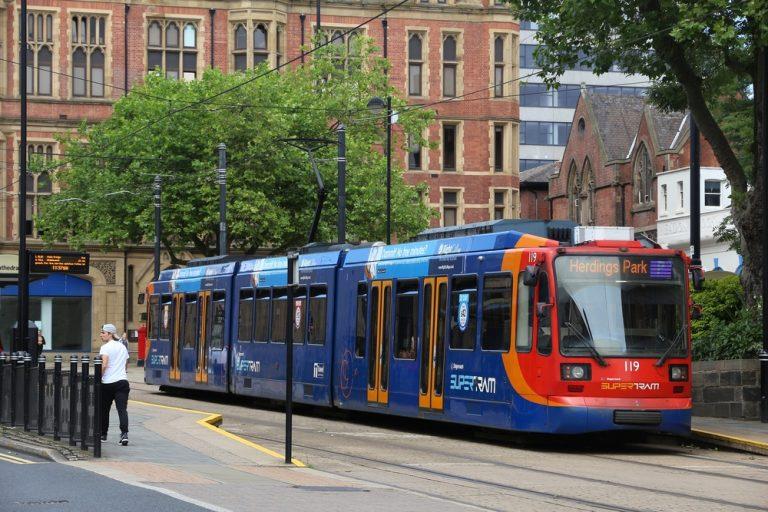
Travel operator Stagecoach (LON:SGC) slashed its dividend for the full year to April, sending shares down over 7 percent at market open on Thursday.
The full year dividend fell to 7.7 pence per share, down from 11.9 pence the year previously. The group cited the £86 million hit it had taken from the disastrous East Coast rail franchise, which was a joint venture held with Virgin Trains. The government announced it would be stripping the companies of the franchise earlier this year after the operators “got their bid wrong”.
For the full year adjusted pre-tax profit fell 4.1 percent to £144.8 million, down from from £151 million a year ago, with revenue dropping 18.1 percent to £2.23 billion.
Stagecoach CEO Martin Griffiths commented on the costs of the East Coast venture:
“I am disappointed to be reporting significant exceptional costs in respect of Virgin Trains East Coast but I am pleased that there is now clarity for both customers and shareholders.
“We have made significant progress elsewhere in our rail portfolio and continue to see value and opportunities.”
Shares in Stagecoach (LON:SGC) are currently trading down 7.08 percent at 124.60 (0846GMT).
Businesses should plan for a no-deal Brexit
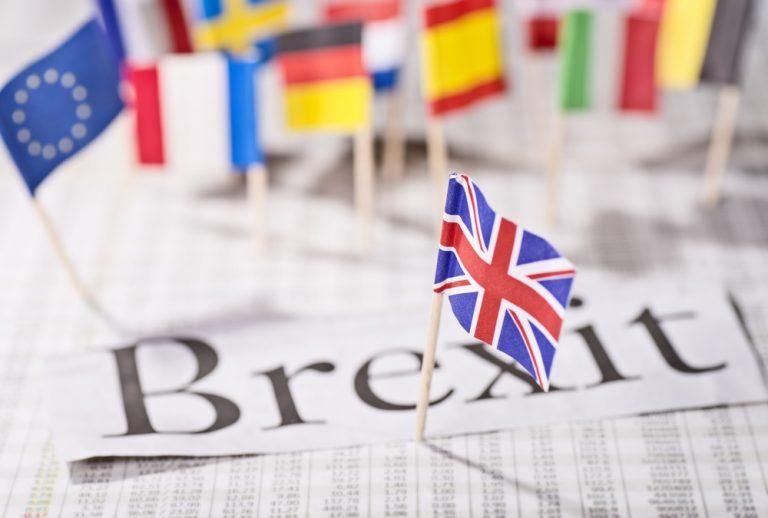
In the midst of jolted Brexit negotiations, the EU Bill has been given royal assent. While the government have made their desires clear – a trade deal for goods and services in exchange for answers to questions over EU citizens, border arrangements and customs – it is likely that members of the European Parliament will lobby to have it rejected.
As such, nothing can be guaranteed. If businesses are looking for a shred of certainty, they can probably do no better than to examine trends of diplomatic discord to date. From that, a ‘no-deal’ discourse can probably be detected.
An appropriate course of action then, would be to prepare for a no-deal and a British crash out of the EU, and take any diplomatic progress from now as an added bonus.
This is an issue that companies, especially manufacturers, have had a hard time contending with over the last two years. For instance, while BMW (GR:BMW) have confirmed they have no plans to move their production outside of the UK, they have joined Airbus SE (LON:AIR) in publicly voicing their concerns over the uncertainty of a Brexit deal, and what a deal might look like.
While Airbus are considering a switch to more economical production in China, analysts have suggested that BMW should follow the example of Boeing’s (LON:BA) 40 million GBP investment in production in Sheffield or Jaguar Land Rover’s commitment to upgrading its Halewood and Solihull plants.
There is a recurring uncertainty which creates a confidence deficit, which makes affirmative action less likely, and symbiotically, uncertainty is perpetuated. Such trends are easy to encourage, especially when the face of the British political establishment, Theresa May, has her parliamentary weakness exploited by her opposite numbers both in Westminster and in Europe. Sentiments of uncertainty are then compounded when figures, such as the Paul Dreschler of the CBI, prophesize the absence of a customs union as potentially making the British car industry ‘extinct’.
Logistical concerns are valid, Honda’s woes for sourcing parts post-Brexit have been public knowledge this week, and Nissan are making efforts to double their British share of components. Over time, companies who don’t want to move their production should attempt to switch to UK suppliers where possible, or make their sourcing more advanced.
Going forwards, change to a post-Brexit climate is manageable if the will-power is there. Many companies will find no difference to tariffs, and their governing regulations are international, not controlled by a single country. While Brexit may not intimate the degree of certainty that business needs for market liquidity, it is prudent that companies familiarise themselves with the possibility of a no-deal, post-Brexit Britain.
Premier African Minerals shares spike on Cadence investment
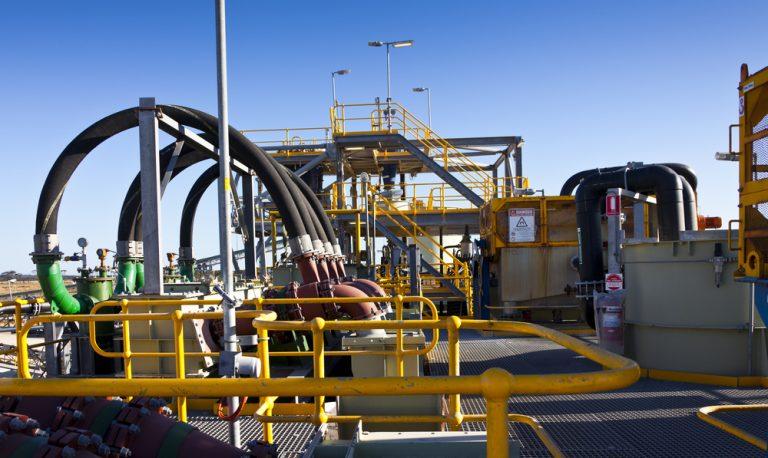
Premier African Minerals Ltd (LON:PREM) saw their share price boom following 5.1 million USD investment from Cadence Minerals Ltd (LON:KDNC).
As markets opened this morning, their share price rallied from 14-27p, and then leveled out again at 24p – signifying a growth of 74.07 percent.
The news came after a conditional heads of terms deal was struck with their counterparts, Cadence Minerals, who have acquired a 30 percent stake in Premier African Minerals’ wholly owned subsidiary, the Zulu lithium and tantalum project.
“This conditional HoT with Cadence underlines the value and potential of the Zulu project, with a post-investment value of $17-million, reaffirming Premier’s belief that the project is potentially one of the leading hard-rock lithium exploration projects on the London market”, said PAM CEO, George Roach.
The 5.1 million USD from Cadence will be used to fund the definitive feasibility study on the Zulu project – this following a scoping study last November, which reported an estimate of 20 million tonnes of mineral resource.
In addition to the recent investment from Cadence, PAM have secured a 300,000 USD loan from a trust related to their CEO George Roach. The company have said they will repay the loan and fees in full, within five days of the loan’s maturity. The loan has been secured against the company’s shareholding of just over six million shares in ARC Minerals Limited (LON:ARCM).
Going forwards, PAM will carry out the Zulu project in Zimbabwe and take advantage of the recently changed political conditions in the country. Projections look promising, at least in comparison to other commodities and resource extraction firms in the market.The end goal is to turn the conditional heads of term into a binding trade agreement with Cadence Minerals.
GlaxoSmithKline shares rally and buck the FTSE trend
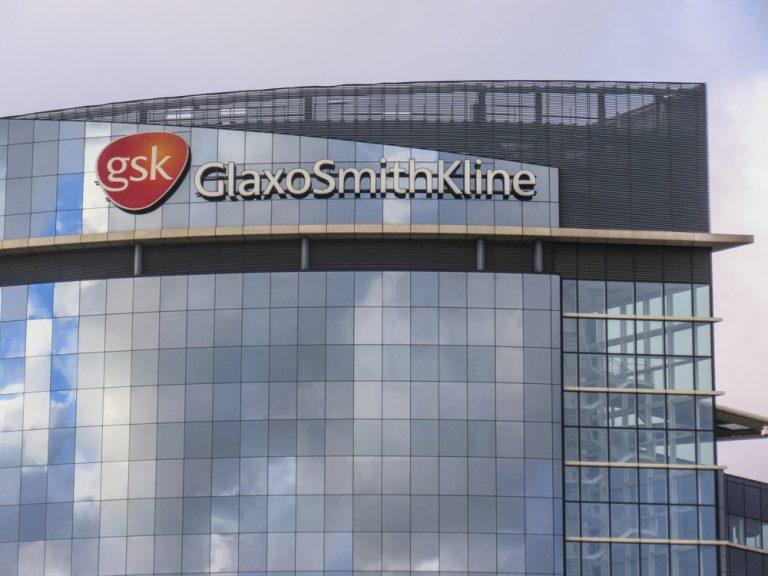
GlaxoSmithKline (LON:GSK) continues to rally and avoid the more bleak fate being faced by some of its FTSE 100 counterparts.
GSK’s share price has progressed in its usual manner, with an incremental rise of 0.16 percent since trading opened this morning; the price going from 1505.2-1513.6 GBX in the first five minutes of trading.
This is impressive, not only because of the current climate of the global market, but because the company is suffering from a series of patent expirations, which have prompted analysts to label the stock as overvalued in fundamental terms.
However, what makes this stock so appealing are its standardised dividends and projected profits. Over the last five years, the only fluctuation in GSK’s dividends was 2 GBX in 2013, with a trend of 80 GSX per share – a yield of 5 percent per annum – over the last four years.
Further, estimates from analysts are bullish. GSK are predicted to see an earnings growth of 15.9 percent per year, with an earnings increase of 0.212-0.959 GBP over the next three years. In the short-term, at least, such projections don’t seem outlandish. With recent success in the phase three trial of its two-drug HIV treatment and spiked demand in the US market for Shingrix, GSK’s shingles vaccine, profits in the near future look promising. It is quite possible that such profits will be bolstered, should GSK choose to sell off GSK Consumer Healthcare, with an estimated valuation of over 4 billion USD and Coke, Nestle and Danone all in the running.
It would be foolhardy to label GSK a safe stock, but it is currently one of the FTSE 100’s success stories. Only time will tell whether selling off GSKCH will inhibit their ability to reach their targets, or whether their dividends are sustainable.
Trump deserves a cheer for handling of China, says deVere Group strategist
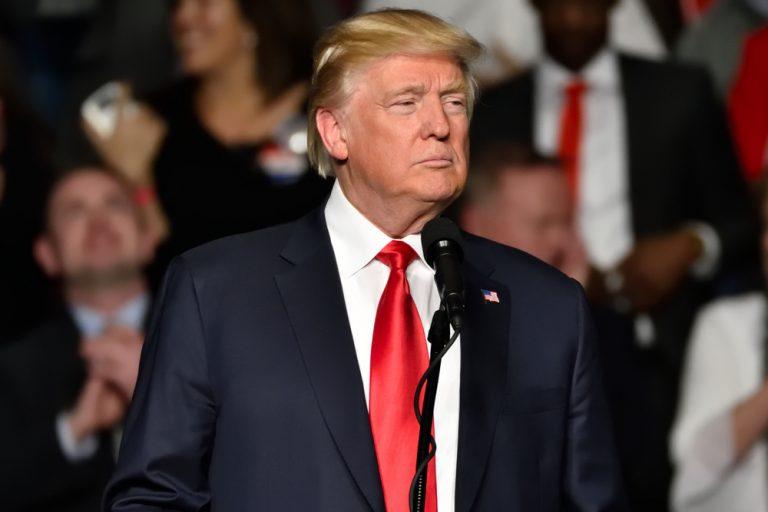
As China’s central bank frees up funds for a looming trade war, Trump deserves at least ‘one out of three cheers’, affirms a senior analyst at one of the world’s largest independent financial advisory organisations.
The comments from Tom Elliot, deVere Group’s International Investment Strategist, come as U.S. President Donald Trump appears to be on the cusp of escalating his trade war with China.
Mr Elliott observes: “This week, the Trump administration is likely to reveal plans to limit Chinese investment in American firms and block the ability of U.S. companies to some high-tech products to China.
“Meanwhile, China’s central bank reducing its reserve requirements for its banks is significant. Is it just to add pressure on the U.S., by looking like they won’t back down and are preparing the economy for the worst? Or do they actually think no agreement to avert trade wars will be reached and that this is necessary?”
Relaxing bank reserve requirements allows banks to lend out more money than before, a move generally taken in the face of a weakening economy.
Mr Elliott goes on to say: “The escalating dispute with China is as much about legitimate U.S. security considerations as it is about Trump’s apparent lack of understanding of the benefits of free trade.”
The Trump administration objects to what they see as the stealing and forced licensing of U.S. technology, by China, from American companies that do business in China.
“On this the EU, Australia and Japan are in agreement, but show far less willingness to stand up to China. So, Trump deserves at least one out of three cheers for what he’s doing.”
House price growth falls to lowest level in five years
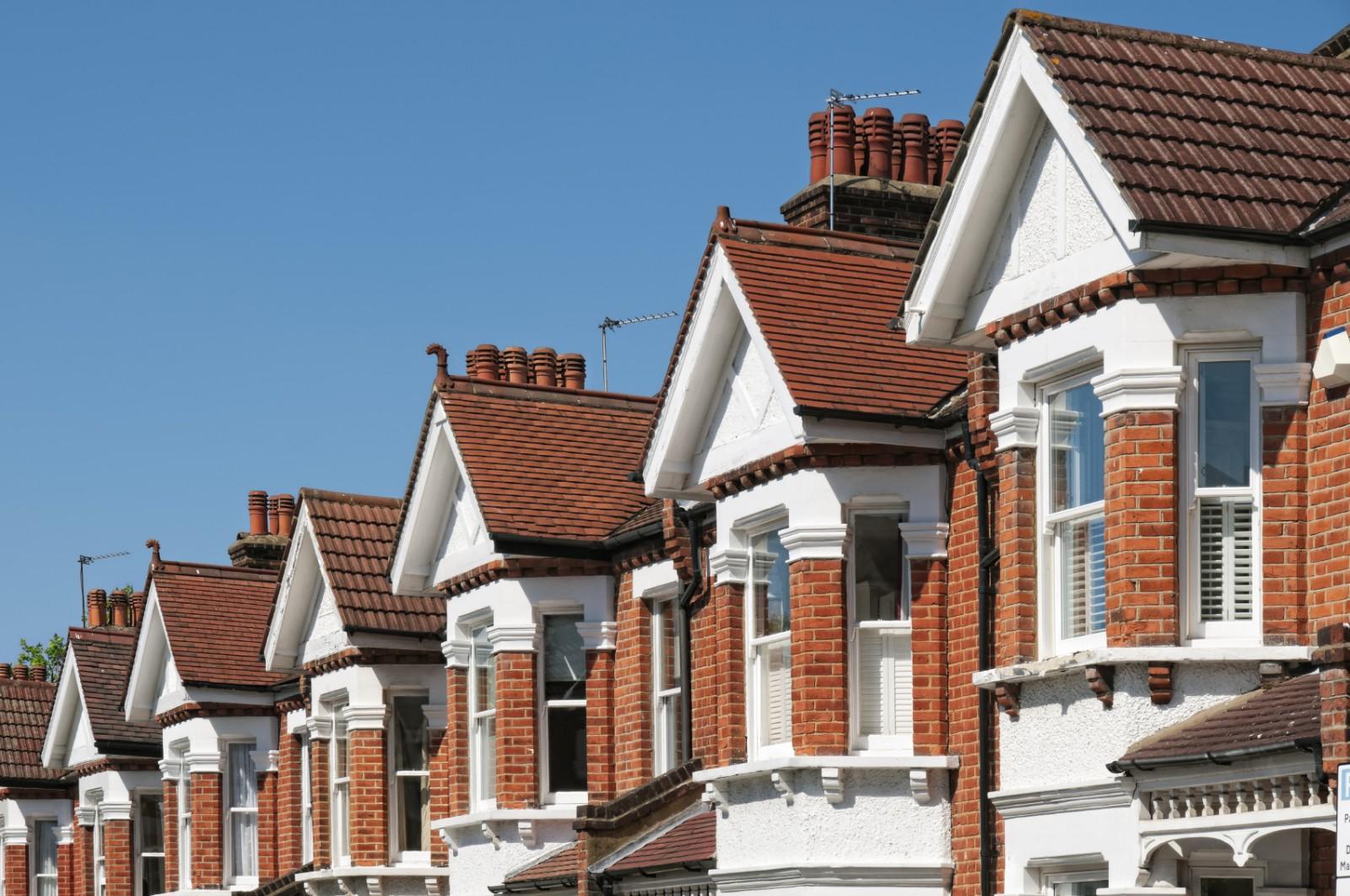
House price growth in the UK has fallen to its lowest level since 2013, with London prices leading the drop.
Nationwide reported their house price figures on Wednesday, with the annual rate of growth falling by 2 percent this month. London was again the region reporting the weakest growth, with prices across the rest of the UK generally witnessing a rise.
The East Midlands was the fastest growing region, up 4.4 per cent on an annual basis to an average of £181,549 in the second quarter. This was followed by the West Midlands, which rose 4.3 per cent to an average £188,516.
Robert Gardner, Nationwide’s chief economist, said:
“Surveyors continue to report subdued levels of new buyer enquiries, while the supply of properties on the market remains more of a trickle than a torrent.
“Looking further ahead, much will depend on how broader economic conditions evolve, especially in the labour market, but also with respect to interest rates.
“Subdued economic activity and ongoing pressure on household budgets is likely to continue to exert a modest drag on housing market activity and house price growth this year, though borrowing costs are likely to remain low.”
Fastjet in danger of collapse without new funding
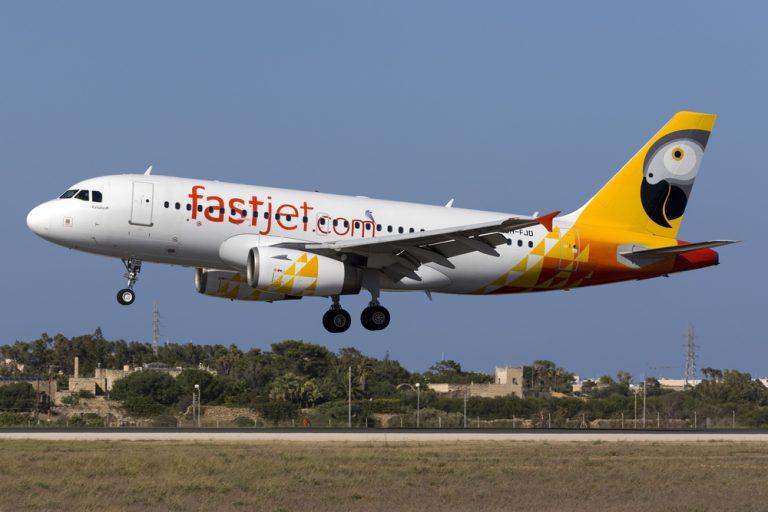
Shares in African budget airline Fastjet (LON:FJET) are down over 60 percent, after warning that it may fall into administration without an injection of cash.
The African airline is in talks with major shareholders about receiving extra funding, adding that without it, “it may not be able to continue trading”.
The airline has received backing from easyJet founder Sir Stelios Haji-Ioannou, and flies in African countries including South Africa, Tanzania and Zimbabwe. “Whilst initial discussions with certain shareholders have been positive, discussions are ongoing and there can be no guarantee of a successful outcome,” the company said. “It is expected that any equity fundraise will be concluded in conjunction with the announcement of the company’s annual results for the year ended 31 December 2017.” The company’s share price collapsed by a third on Wednesday, falling 67.74 percent at 5.00 (1039GMT).Fresnillo dips and becomes the FTSE’s biggest casualty in June

Fresnillo plc (LON:FRES) moves toward volatility as share price dips, following a euphoric start to the month.
After silver prices reached a five-month high at over 17.20 USD an ounce in mid June, they have since dipped by over a dollar in the wake of trade tensions and the subsequent sell-off of silver. As such, all of Fresnillo’s gains since the start of the month have been cancelled out, their share price is down 0.7 percent within the first two hours of trading and 3.03 percent since Monday morning. In other words, a dip of 8 USD in the first two hours of trading and 34 USD since Monday morning.
On the whole, the firm’s value has dipped 13 percent since the start of the month, and analysts are predicting a 4 percent fall in profits in 2018.
Despite a drop of 1,146-1,138 GBX in the first 20 minutes of trading, brokers are bullish in their forecasts of long-term success for the mining firm. Their faith is built upon the fairly reliable demand for silver which is illustrated by the incremental rally of precious metal prices in recent years. Further, the company has seen its productivity boom with a yield of 15.4 million ounces of silver in the first quarter, which is a 14 percent increase on the same period the year before.
It is fair to say that Fresnillo’s stock has wobbled and borders on volatility, but the firm has suffered in the same way as most, in the midst of the Sino-US tensions that have had implications for most of the global market. Their drastic fall can perhaps be credited to their esteemed position amongst the elite of the FTSE 100 at the start of the month, which only gave them a greater pedestal to fall from. Going forwards, their share price remains relatively high, but at a level where one could expect to see a return on their investment in future months.