Chinese growth “dangerous”, warns the IMF

UK jobless rate falls to 4.4 percent

Unemployment in the UK fell to 4.4 percent in the second quarter of 2017, the lowest level since 1975.
Unemployment for the quarter fell by 57,000 for the three months to June, marking the lowest level in over 30 years.
In addition, the figures released by the Office for National Statistics (ONS) revealed wage growth increased by 2.1 percent compared with a year previously. This marked a slight increase from 2 percent for the month before.
Ruth Gregory, UK economist at Capital Economics, said: “The latest labour market figures provided some signs that the tightening in the labour market may be leading to a recovery in wage growth at long last.”
Nevertheless, high inflation levels continue to impact upon real wages across the U.K. Inflation continues to hit 2.6 percent, with real earnings falling by 0.5 percent.
“The employment picture remains strong, with a new record high employment rate and another fall in the unemployment rate. Despite the strong jobs picture, however, real earnings continue to decline,” commented Office for National Statistics senior labour market statistician Matt Hughes.
Specifically, jobs were created in the construction, accommodation and food sectors, alongside the transport and storage industries.
Figures revealed that those on controversial ‘zero-hour’ contracts had also lessened, an encouraging development for many seeking more work stability.
“The number of workers born elsewhere in the EU continues to increase, but the annual rate of change has slowed markedly,” Hughes added.
Whilst Prime Minister Theresa May announced back in January her intention for the U.K to leave the single market as part of Brexit negotiations, it remains to be seen what the final agreement regarding EU citizens residing and working in the U.K will be.
Brexit negotiations continue to play out in Brussels, with key issues of migration, customs and trade being a key concern for both parties.
The latest figures caused the pound sterling to bounce 1 cent up against the dollar as the market reacted to the news.
Nestlé removes walnut from Walnut Whip as shrinkflation continues
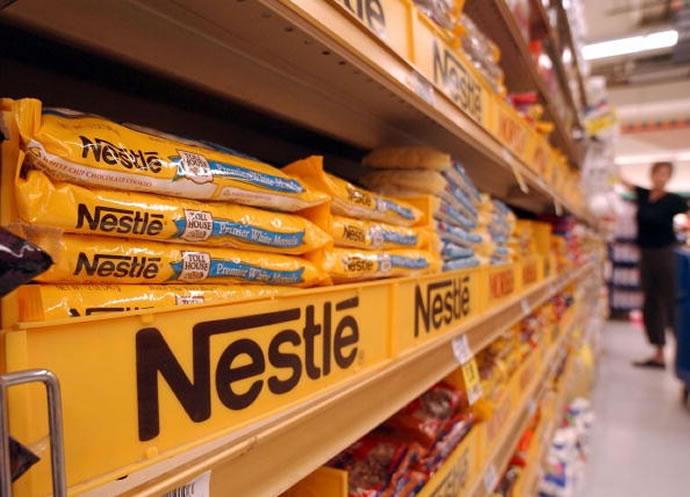
Sweet manufacturer Nestlé have announced they will be removing the nut from the top of their Walnut Whip sweets, in the latest sign of ‘shrinkflation’.
The price of nuts has risen exponentially, causing Nestlé to remove the walnut from the top in its new versions of the sweets.
‘Shrinkflation’ has led to the downsizing of thousands of products as the cost of ingredients soar, meaning consumers are paying the same price for smaller products. According to figures from the Office for National Statistics, over 2,500 every day household products have shrunk in size over the past five years but continue to be sold for the same price.
Whilst chocolate bars have been subject to this controversy for some time, the ONS found that toilet rolls, coffee and fruit juice were also being sold in smaller packet sizes.
Indian buyers turn to London property as rules relax

Total eclipse of the… stock market?

How low could the FTSE 100 fall?

Dixons Carphone shares down 8pc after broker downgrade

Old Mutual share price down despite strong figures

June sees slowdown across car production and construction sectors
Savills shares get boost from 30pc rise in pre-tax profits