
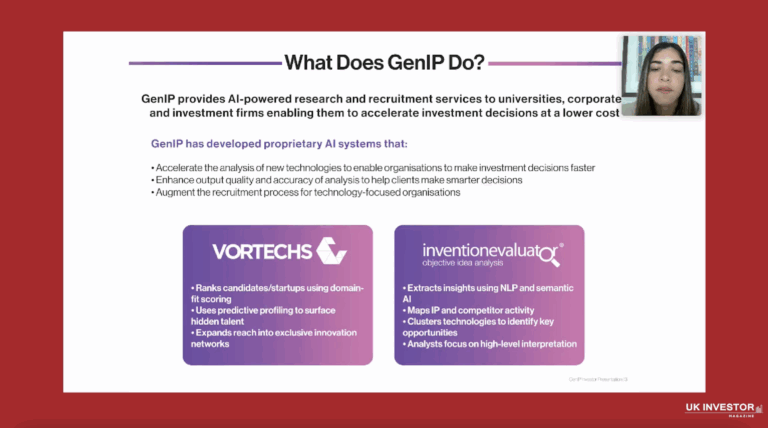
GenIP provides generative artificial intelligence analytic services to help organisations assess and commercialise new discoveries. GenIP combines expert human technical review with GenAI algorithms to provide insightful and verified solutions. Bridging the gap between groundbreaking ideas and commercial success.
Adsure Services Investor Presentation 31st July

Adsure’s presentation will focus on TIAA Insight, Adsure’s proprietary AI-powered internal audit and risk mitigation tool. Built on large language model (LLM) technology. Investors will gain a deep insight into how Adsure is utilising AI LLM’s to provide efficiencies across their internal audit and business assurance operations.
Lloyds shares surge on Supreme Court ruling
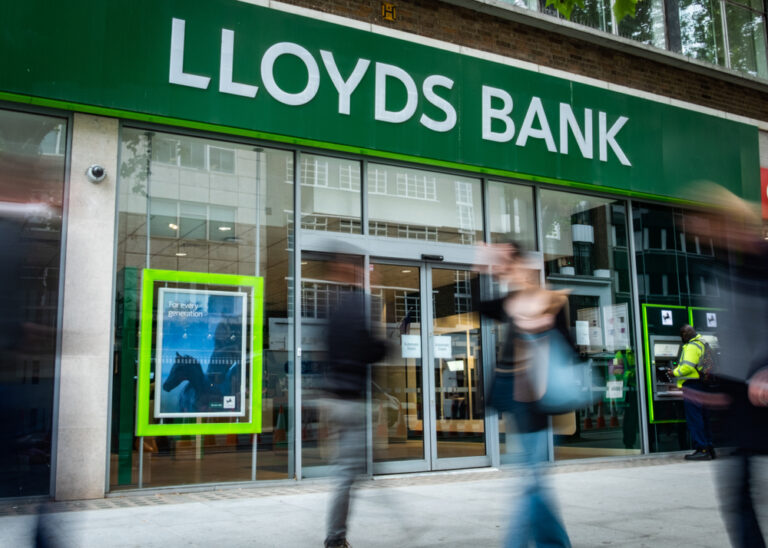
Lloyds shares jumped on Monday as investors reacted to a favourable Supreme Court ruling and an FCA redress scheme that was unlikely to require Lloyds to stump up much more cash to cover.
The Supreme Court overturned the Court of Appeal’s decision in Wrench, Johnson and Hopcraft on 1 August 2025, ruling that motor dealers acting as credit brokers do not owe fiduciary duties to customers and that commission payments do not constitute bribery.
This was a major relief for shareholders who were staring down the barrel of potentially billions in redress.
However, the Court confirmed that unfair relationships under the Consumer Credit Act 1974 require highly fact-sensitive assessments of all relevant circumstances, awarding Mr Johnson a commission refund plus commercial interest as a remedy for proven unfairness in his specific case.
Despite the Supreme Court’s clarification, a level of uncertainty remains that affects Lloyd’s provisioning approach. Motor financing redress could still cost the bank huge sums.
The FCA announced it will publish a consultation on an industry-wide redress scheme by early October, covering discretionary commission arrangements and potentially other non-DCA arrangements.
However, Lloyds currently believes any provision changes are unlikely to be material, meaning they will not have to set aside more cash.
Lloyds investors cheered the news and shares surged over 6% in early trade on Monday.
AIM weekly movers: New bid interest in Empresaria

Legacy UK Holdings has made an indicative offer of 62p/share for staffing firm Empresaria (LON: EMR), which follows two major shareholders encouraging the company to seek potential offers. The Planmatics consortium is not going ahead with the cash and loan notes offer of 60p/share, which it claims is due to a lack of due diligence materials being supplied by the company. Net fee income fell in the first half and trading remains tough. The share price jumped 72.8% to 43.2p.
On Friday, unusually high trading in shares of oil and gas investor Westmount Energy (LON: WTE) pushed up the share price 70% to 0.85p.
Nativo Resources (LON: NTVO) has gained approval from the noteholders for the proposed restructuring. The notes will not be convertible until January 2032 unless the market capitalisation exceeds £35m. This means that the company is no longer in technical default. A placing will raise £150,000 at 0.35p/share. The share price rebounded 66.7% to 0.375p.
Restaurants operator Tasty (LON: TAST confirmed it was in talks with former Fulham Shore boss David Page. It was subsequently announced that he and Nick Wong are joining the board. There are plans to raise £9.25m at 0.5p/share. A retail offer has been launched to raise a further £1m at 0.5p/share and it closes on 6 August. Tasty, which will change its name to Bow Street Group, is also acquiring The Ventnor Bay Company, which has £200,000 in cash, for 40 million shares. This cash will fund a revised strategy. The share price increased by 50% to 0.825p.
James Reed has taken a 4.65% stake in Buccaneer Energy (LON: BUCE). The share price rose by one-third to 0.02p.
FALLERS
Versarien (LON: VRS) did not find a suitable buyer for its UK graphene technology business and expects to put the graphene businesses into administration or liquidation. The Total Carbide business is still up for sale. The other remaining subsidiary is Gnanomat and the focus will be nanomaterials and energy storage technologies. Cash should last until the end of August. A strategic investment is still being negotiated. The share price slumped 45.5% to 0.015p.
Metals One (LON: MET1) has exercised its right to increase its shareholding in New Mexico Uranium Venture from 10% to 30%. The payment is the issue of 3.87 million shares at 16.487p each. The share price declined 39.5% to 4.9p.
Active Energy Group (LON: AEG) is updating its digital asset treasury strategy. It proposes to put an equal proportion of its discretionary allocation in Ethereum and Solana. Bitcoin will still be held. A general meeting will be held on 20 August. The share price slipped 28.9% to 0.135p.
Digital mental health products developer Cambridge Cognition (LON: COG) has experienced delays in signing contracts and them generating revenues. Interim revenues fell 23% to £4.3m and full year guidance has been cut from £12.5m to £9.5m-£10m. This means that the full year loss would increase from £700,000 to £900,000. The share price fell 23.1% to 25p.
Aquis weekly movers: Lift Global Ventures looking at AI
NYCE International (LON: NYCE) director Farzad Payman bought 5.47 million shares. The share price increased by one-third to 0.1p.
Vaultz Capital (LON: V3TC) raised £2m at 7.75p/share, while subscriptions, including by Aura Digital, raised a further £4.275m and broker fees are being paid in shares. Further fundraisings are planned. Erik Benz has been appointed chief executive. Aura manages and controls crypto assets. The share price is 32.4% higher at 11.25p.
Lift Global Ventures (LON: LFT) is refocusing its investing policy on AI and there are advanced discussions with a potential investee company. WANdisco co-founder David Richards and Mark Horrocks have been appointed to the board. Th redemption date of the loan to Trans-Africa Energy has been extended to the end of October 2025. The share price jumped 22.2% to 0.55p.
Amazing AI (LON: AAI) chief executive Paul Mathieson bought 3.05 million shares at 0.64p each and 820,000 shares at 0.6p each. He owns 56.8%. The share price rose by one-fifth to 0.75p.
Supernova Digital (LON: SOL) had net assets of £4.73m, including cash of £19,000 and £3.11m of cryptocurrencies, at the end of April 2025. The share price is 15.4% ahead at 0.375p.
Ananda Developments (LON: ANA) increased research and development spending from £123,000 to £299,000 in the year to January 2025. The operating loss was reduced to £3.77m. The share price improved 14.8% to 0.35p.
Coinsilium (LON: COIN) owns 124.4239 Bitcoin at a total cost of £10.9m. The average price was £82,230.26/Bitcoin. The share price rose 11.5% to 7.25p.
Fintech investor Eight Capital Partners (LON: ECP) improved net assets from £12.8m to £31.3m because of an unrealised gain on investments, mainly related to the IAF2 bond investment. The share price increased 7.69% to 35p.
FALLERS
Shortwave Life Sciences (LON: PSY) has raised £250,000 at 0.25p/share. The cash will be spent on the core healthcare business and on investment in digital currency. Stephen Molloy has been appointed to the board. The share price slipped 16.7% to 0.125p.
KR1 (LON: KR1) generated £368,0000 in income from staking activities during June. NAV was 40.69p/share at the end of June. The share price declined 11.8% to 33.5p.
Vault Ventures (LON: VULT) is planning to acquire Kingbridge Capital in an all-share deal at a share price of 0.0225p, which is a large premium to the market price. The acquisition will help with execution and custody for crypto assets. The deal includes £375,000 of Ethereum and cash. The share price fell 9.38% to 0.0145p.
Clean fuel additives supplier SulNOx (LON: SNOX) generated record revenues of £523,000 in the quarter to June 2025. That is 157% ahead of the fist quarter of the previous financial year. Volumes have trebled. Cash was £1.8m at the end of June 2025. The share price slid 8.33% to 55p.
Vehicle electrification technology supplier Equipmake (LON: EQIP) had reduced its underlying cost base by 35% in the quarter to June. New IT is being installed. In the year to May 2025, revenues dipped from £8.1m to £4.4m because of disruption from the strategic review. The operating loss was £11m. Cash was £3.9m at the end of May 2025. Trading has improved in the new financial year. The contracted order book is worth £5.2m. The share price decreased 6.67% to 1.4p.
Social impact company Inqo Investments (LON: INQO) had net assets of R300.8m, including cash of R48.8m, at the end of February 2025. Full year revenues rose from R20.6m to R25.9m and there was a swing from loss to profit. That is mainly due to an increase in grant income from R1.7m to R19.8m. The share price dipped 4.35% to 55p.
Brewer Adnams (LON: ADB) has appointed Andy Driscoll as finance director. The share price slid 4.17% to £23.
Fenikso (LON: FNK) has received $537,000 as part payment for the Lekoil loan, which has been reduced to $36.3m. The cash is helping to pay down the Savannah Energy Investments loan, which is down to $1.96m. The share price declined 2.78% to 1.75p.
The Smarter Web Company (LON: SWC) has raised a further £19.7m at 325p/share. There are still 7.94 million shares to be placed. There are 2,050 Bitcoin owned with a total cost of £166.8m. The share price fell 2.3% to 212.5p.
Dollar sinks after dismal Non Farm Payrolls, GBP/USD jumps

The dollar sank against other major currencies on Friday after Non-Farm Payrolls missed expectations.
Dollar weakness was exacerbated by dramatic revisions down in prior months’ readings that culminated in the US economy adding just over 100,000 jobs over a 3-month period.
The headline jobs reading for July came in at 73,000 jobs added, falling way short of analysts’ estimates of 104,000.
However, the real shock for markets came in the form of revisions to prior months’ numbers. Over 250,000 jobs were slashed from initial forecasts, which painted a very dim picture of the US economy.
The dollar sank in the immediate reaction to the news, with USD/JPY breaking back beneath 149.00 and EUR/USD rallying through 1.1550.
GBP/USD surged on Friday, breaking a downtrend that was starting to look like a one-way train. Gold jumped over 1.5% on dollar weakness and was back trading comfortably above $3,350 per oz.
Jerome Powell’s hawkish press conference on Wednesday is starting to seem like a long time ago. Having effectively ruled out a September rate cut less than 48 hours ago, the US economy is now screaming out for intervention.
AIM movers: Invinity Energy order and grant win and Amcomri acquisition
Early buying of shares in oil and gas investor Westmount Energy (LON: WTE) pushed up the share price to around 0.9p. It is currently 52.4% higher at 0.8p.
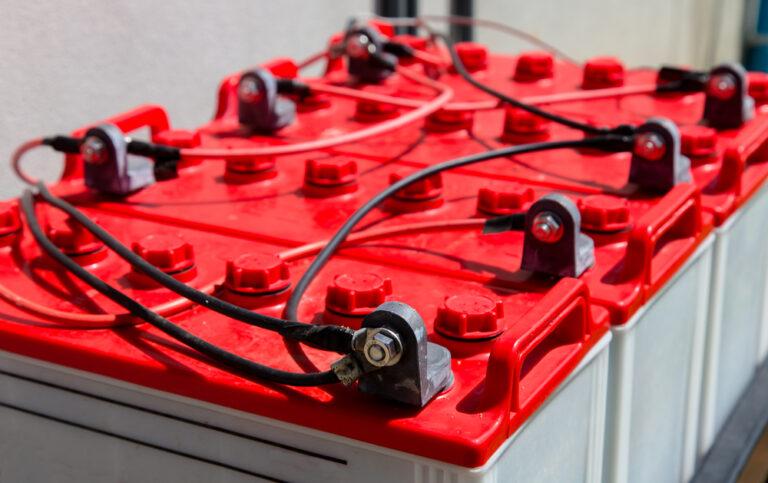
Invinity Energy Systems (LON: IES) has confirmed a 10.8MWh order for a ENDURIUM flow battery for a project in Hungary and planning permission has been approved for the 20.7MWh LoDES project in the UK. LoDES will be given a £10m grant and the flow batteries should be delivered by the end of 2025. The share price increased 4.82% to 21.75p.
Aura Energy (LON: AURA) has secured a long-term offtake agreement for uranium oxide concentrate from the Tiris project in Mauritania. The buyer is a US-based nuclear utility, and the agreement represents 10% of potential production. The price is well above forecast cost of production. The deal is dependent on securing finance and making a final investment decision by the end of 2025. There is also a spot sales agreement with a global uranium trading group. The share price rose 3.45% to 7.5p.
88 Energy (LON: 88E) set up a small holding share facility for shareholders with a stake worth less than A$500, The company’s broker will start to sell the 46.1 million shares in the facility. The proceeds will be forwarded to participating shareholders. The facility was not available to UK investors. The share price improved 2.22% to 1.15p.
Orosur Mining Inc (LON: OMI) says Newmont Mining has sold its 9.4% shareholding at C$0.19/share. It was bought by institutional shareholders. The share price edged up 1.18% to 10.75p.
FALLERS
Pentland Capital’s stake in Thruvision (LON: THRU) has reduced from 15.5% to 12.9%. Schroders stake has dipped from 16.4% to 15.9%. The share price slipped 5.56% to 1.7p.
Brandon Largent has replaced David Cocke as interim finance director of regenerative medical devices company Tissue Regenix (LON: TRX). The share price fell 2.82% to 34.5p.
Amcomri Group (LON: AMCO) has completed the acquisition of Randor Technologies, which is an Ireland-based industrial electronic repair and reverse engineering services provider. The initial payment is €2m, with up to €1.5m deferred. The main sectors covered are rail, medical, computing and power electronics and the company fits well with existing group embedded engineering businesses. In the year to February 2025, pre-tax profit was €730,000. The 2026 Amcomri earnings forecast has been raised from 6.9p/share to 7.3p/share. The share price declined 1.12% to 132.5p.
FTSE 100 hit by tariffs and poor US tech earnings
The FTSE 100 declined on Friday as concerns about tariffs and poor US tech earnings cast a shadow over European equities.
London’s flagship index was down 0.4% at the time of writing and looked set to close the week out in the red.
“Equity markets were flashing red as Trump’s tariff regime hits another milestone,” said Russ Mould, investment director at AJ Bell.
“Investors have been caught off guard, having previously hoped Trump would kick the new tariff levels down the road pending further negotiations with foreign trade partners. Instead, we’ve got new rates galore and that means investors need to spend time understanding what that means for companies in their portfolio.
“The fact Trump hasn’t chickened out and pushed back the 1 August deadline to 1 September has soured the tone on the markets. Europe and Asia were in a grumpy mood and futures prices imply Wall Street will follow suit later today.”
US tech stocks also played a part in equity declines on Friday. In sharp contrast to yesterday, when Meta helped lift the global equity universe, Amazon’s poor outlook for the rest of the year weighed on already dented sentiment and dragged European indices lower.
“Amazon delivered across the board – but the spotlight was firmly on AWS, and it didn’t quite shine as brightly as expected,” said Matt Britzman, senior equity analyst, Hargreaves Lansdown.
“While Microsoft and Alphabet have already shown strong momentum in cloud growth, AWS wasn’t the knockout many wanted to see, highlighting just how tightly investor sentiment is tied to the AI narrative right now. The focus is squarely on Amazon’s cloud business.”
Amazon shares were down 7.5% in the premarket and were set to wipe off a significant number of points from the US indices as cash trading gets underway.
In the UK, Melrose was the FTSE 100’s top riser after reporting a 29% jump in operating profit. The company was one of the most heavily hit FTSE 100 constituents by Trump’s tariffs, so investors will be delighted to see strong underlying performance and a confident outlook. Melrose shares were 6% higher at the time of writing.
IAG was among the losers despite hitting the highest levels since the pandemic earlier in the session after releasing arguably strong results for the first half.
All eyes will be on Non-Farm Payrolls today for further insight into the health of the US economy.
A differentiated approach to UK equity income with Shires Income’s Iain Pyle
The UK Investor Magazine was thrilled to welcome Iain Pyle, Fund Manager at Shires Income, for a comprehensive discussion about the investment trust that currently provides investors with a 5.3% yield.
This is a podcast for UK equity enthusiasts.
We start by exploring the Shires Income approach to achieving a market-beating yield for investors, touching on the portfolio’s composition and key objectives.
Find out more about Shires Income here.
Shires Income is one of the few UK equity income trusts to trade at a premium recently – we ask Iain what he believes the driving factor behind this is.
Iain naturally moves on to the trust’s screening and the types of stocks the managers seek out for inclusion in the portfolio. We discuss balancing an attractive yield with growth and the key attributes Shires require in their portfolio companies.
Shires Income has a notable weighting to fixed income assets, such as preference shares, and we dedicate a segment to the benefits of holding these assets.
Iain provides a deeply insightful breakdown of a selection of Shire’s portfolio companies, really lifting the lid on their investment thesis and what the team likes about the companies.
Companies covered include Greggs, NatWest, Morgan Sindall and Midwich.
Iain finishes by outlining what excites him the most about the year ahead.
IAG reports strong revenue growth and margin expansion in first half of 2025
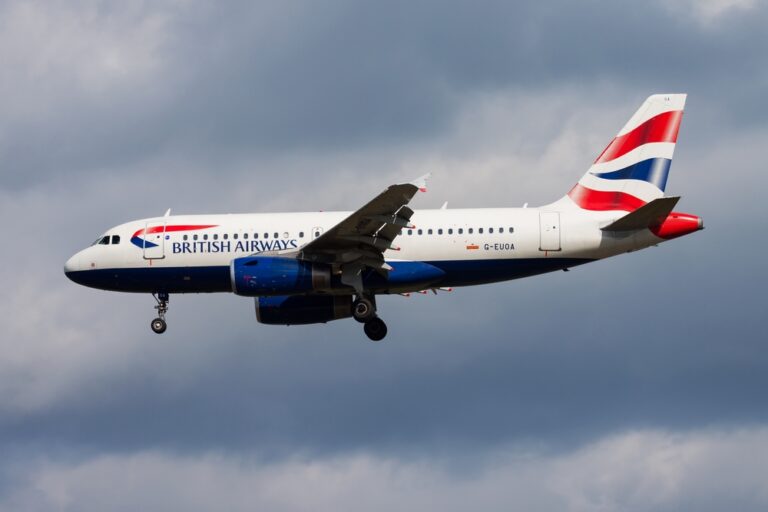
International Airlines Group (IAG) delivered strong financial performance in the first half of 2025, with revenue climbing 8.0% to €15.9 billion as the airline group capitalised on continued robust travel demand.
Operating profit before exceptional items surged 43.5% to €1.88 billion for the six-month period, while second-quarter operating profit jumped 35.4% to €1.68 billion. The company’s operating margin expanded by 2.9 percentage points to 11.8%, reflecting benefits from its ongoing transformation program.
“Our strong performance in the first half of 2025 reflects the resilience of demand for travel and the success of our ongoing transformation,” said Chief Executive Luis Gallego. He noted the company continues to benefit from “the trend of a structural shift in consumer spending towards travel.”
The airline group announced €1.5 billion in cash returns to shareholders for 2025 through dividends and share buybacks. IAG’s balance sheet remained strong with significant free cash flow generation, providing a major positive for investors.
Looking ahead, Gallego expressed confidence that the company will “deliver good earnings growth and margin progression for the full year.” As of July 29, IAG was 57% booked for the second half with booked revenue in line with the previous year.
The company reported robust demand across its core North Atlantic, Latin America and European markets, though noted “some softness in US point-of-sale economy leisure” that was being offset by strength in premium cabins.
“The airline industry has historically been a difficult place to make money, but IAG is a cut above most of the competition. IAG’s performance continued its skyward trajectory, with profits rising at high double-digit rates over the first half,” said Aarin Chiekrie, equity analyst, Hargreaves Lansdown.
“Its largest airline, British Airways, accounts for around 45% of the group’s operating profits and is benefitting from favourable supply and demand dynamics. With a large presence in a constrained London market, British Airways has strong pricing power and looks well-positioned to keep benefiting more than anyone from these dynamics. The group also has exposure to the booming Madrid-Latin America route through its second-largest airline, Iberia. Overall, performance across its airlines has been impressive, and with both fuel and day-to-day costs now forecast to come in below previous guidance, profits look set to continue moving higher.”
IAG shares rose more than 2% on Friday in early trade and are more than 140% higher over the past two years.