
May to trigger Article 50 next Wednesday
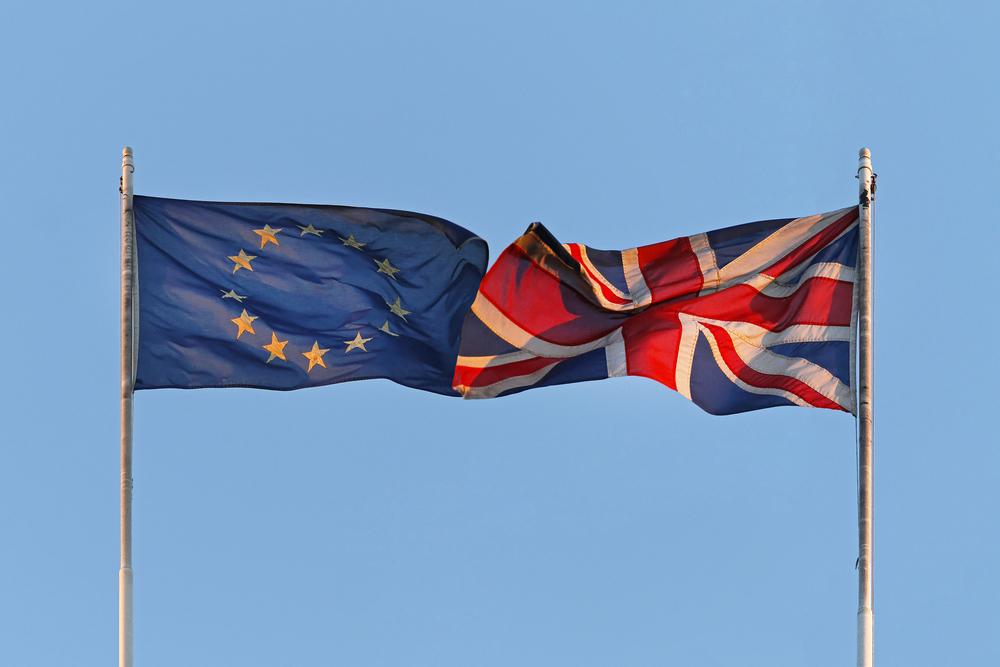
Prime Minister Theresa May has announced that she will trigger Article 50 on Wednesday 26th March, beginning the UK’s process of leaving the European Union.
Once the Article is triggered, negotiations can begin between the UK and other member states to determine the relationship post-Brexit. The negotiations will last two years, before Britain formally exits the European Union.
Negotiations will begin nine months after the British people voted 51.9 percent to 48.1 percent to leave the European Union in a referendum.
Parliament gave their approval for May to trigger the Article two weeks ago, when peers and MPs passed unamended a bill giving the her authority to begin the process.
Brexit secretary David Davis confirmed that Article 50 would be triggered on 29th March, calling the process “the most important negotiation for this country in a generation”.
“The government is clear in its aims: a deal that works for every nation and region of the UK and indeed for all of Europe – a new, positive partnership between the UK and our friends and allies in the European Union.”
Vodafone merge with Indian rival Idea to become country’s largest provider
Vodafone’s Indian business has merged with one of its biggest rivals in the region, Idea Cellular, in order to fend off competition from other networks.
The combined business will be the country’s largest telecoms provider, with almost 400 million customers and a 35 percent share of the market.
Vodafone will hold 45 percent of the combined entity, withAditya Birla Group, Idea’s owner, taking 26 percent. In the three years from closure of the deal, which is expected to be in 2018, the Aditya Birla Group has the right to buy up to 9.5 percent stake from Vodafone at Rs 130 per share to equalize the stakes of both partners. The rest will be held by the public.
In a statement, Aditya Birla Group’s chairman, Kumar Mangalam Birla, said:
“This landmark combination will enable the Aditya Birla Group to create a high quality digital infrastructure that will transition the Indian population towards a digital lifestyle and make the Government’s Digital India vision a reality.”
Vodafone Group’s CEO Vittorio Colao reassured customers that “both brands will continue to exist and we will leverage on both brands.”
Birla will be the chairman of the combined entity, with the Aditya Birla Group having the sole right to appoint the Chairman as one of its three directors. Vodafone will retain the right to appoint the combined group’s Chief Financial Officer. According to a joint press release, both Vodafone and the Aditya Birla Group will jointly appoint the CEO and Chief Operating Officer.
Guest post: Gold and the US dollar – a volatile affair of hate and love
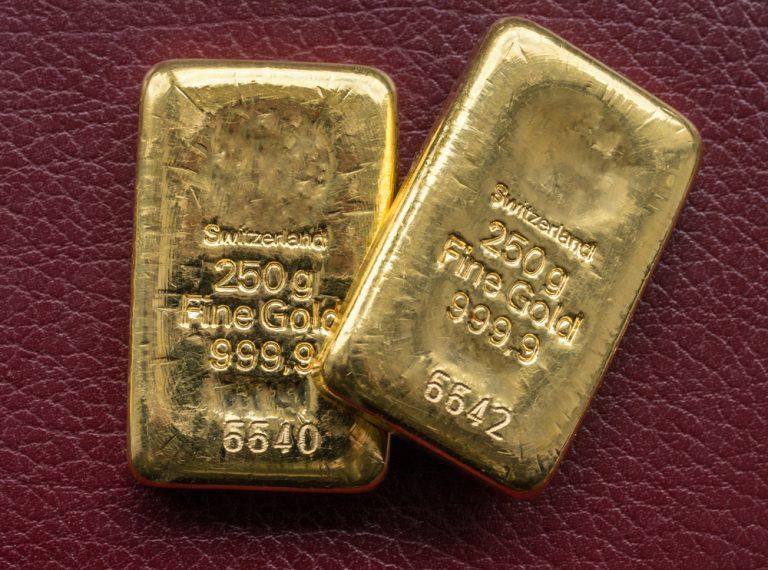
As the much anticipated Fed Base rate decision looms on the horizon, I thought I would have a look at one of the most turbulent relationships in the market which is never short of offering up some form of drama: Gold and the USD.
To the untrained eye, they seem to never get along. One pushes and the other shoves – but all great love affairs are complicated.
To begin with, the USD and gold have had something special in common for a long time, something very few financial assets have managed to attain – both belong to the exclusive safe-haven club. Along with the Japanese Yen and Swiss Franc, these two frenemies are often traders’ choice at times of financial uncertainty.
Still, the complication appears because there is an obvious inverse relationship between the US currency and the precious metal; when one rises the other falls, and vice versa. The market equation tends to be as follows:
High USD price = Low gold price
Low USD price = High gold price
Despite this recurrent equation, at any given time both gold and USD could move in the same direction. Let’s delve back in history and see why these old friends became so closely related to each other in the first place.
It can all be traced back to a vital date which changed the face of the economy; July 22nd 1944. On that fateful date the “Bretton Woods Agreement” was signed off, pegging currencies to the price of gold and considering the U.S. dollar the world’s reserve currency, which meant it would be linked to the price of gold. It was a landmark system for monetary exchange rates, and it was the first meeting between the two so to speak.
This sweet relationship lasted until 1971 when a nasty break up occurred due to concerns that the USD was overvalued, and so U.S. President at the time, Richard Nixon called for a temporary suspension of the dollar’s convertibility which made gold prices vulnerable to the USDs external value, and that was enough to break their closely linked near 30-year connection.
In the minds of investors and traders however, the two will stay closely linked. This mentality has led to close correlation in the movement of the two. In 2008 the International Monetary Fund (IMF) estimated that 40 to 50 percent of the moves in gold prices since 2002 were related to the US dollar.
The correlation can even be easily identified in the recent financial crisis which started in 2008; the USD initially crashed against other currencies such as the euro and British pound, leading to the Federal Reserve cutting interest rates and introducing several rounds of quantitative easing.
But how did gold react? Well it hit an all-time high in August of 2011.
Since then we have seen two US rate hikes in 2016, and gold prices have stalled – US dollar rises gold falls.
This becomes relevant today because of the Fed’s decision on increasing interest rates again, due on the 15th of March. For many it is a done deal, in fact according to Bloomberg’s World Interest Rate Probability, there is a 100 percent chance of a rate hike.
This may explain why gold has fallen after seeing an impressive start to 2017 and reaching around $1263 in February. Where gold will be following the 15th, only time will tell.
The attraction to this evergreen relationship between gold and the US dollar needs no further proof than seeing that almost 75 years after gold and the USD were officially linked in Bretton Woods, there is still a psychological tilt towards the yellow metal when the value of the US dollar decreases. Their relationship seems destined to be at odds for a very long time, and this story is for the ages.
This is a guest post by James Trescothick, the Chief Global Strategist at EasyMarkets.Risk warning: Forward Rate Agreements, Options and CFDs (OTC Trading) are leveraged products that carry a substantial risk of loss up to your invested capital and may not be suitable for everyone. Please ensure that you understand fully the risks involved and do not invest money you cannot afford to lose. Our group of companies through its subsidiaries is licensed by the Cyprus Securities & Exchange Commission (Easy Forex Trading Ltd- CySEC, License Number 079/07), which has been passported in the European Union through the MiFID Directive and in Australia by ASIC (Easy Markets Pty Ltd -AFS license No. 246566).
Eurostar profits sink in the wake of terrorist attacks in Europe
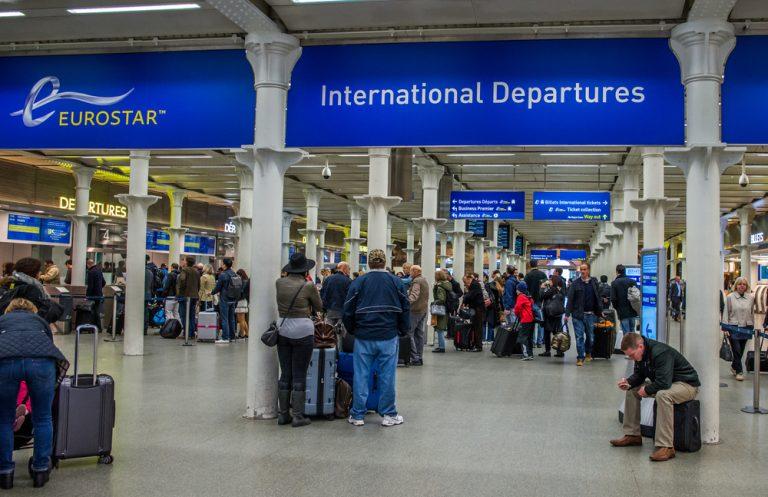
International train service Eurostar disclosed a 28 million euro loss for 2016, after terrorist attacks in European capitals had a negative impact on passenger numbers.
Revenue was also down 3 percent at 794 million euros, with passenger numbers 4 percent down at 10 million.
The disappointing figures come despite the group having had the busiest December on record last year. The company labelled 2016 a “difficult year” but added that 2017 was off to a “strong start”, with sales revenue up 12 percent so far.
Eurostar made a 31 million euro profit in 2015. Chief executive Nicolas Petrovic said: “Despite the difficult trading environment last year, we continued to make major investments in new trains, our stations and our overall service.
“With the return of travellers from the US and business travel on the increase, the market is now rebounding strongly and we are optimistic about the growth prospects for the year.”
Anglo American shares up on sale of stake to Indian billionaire
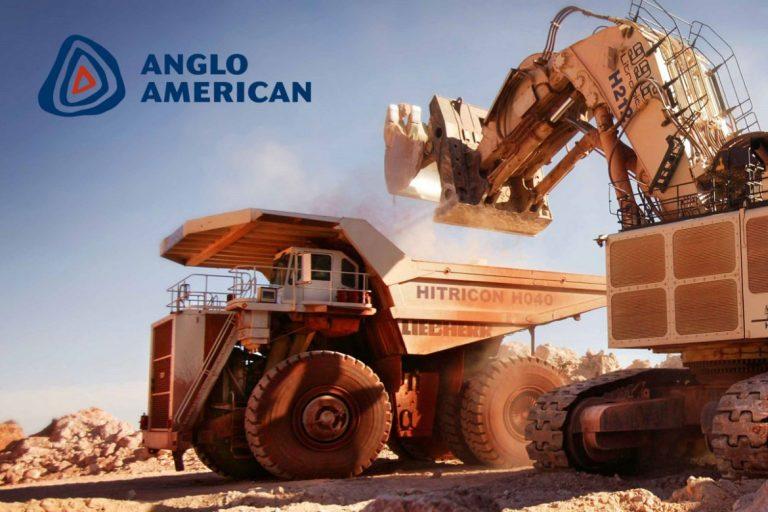
Shares in miner Anglo American (LON:AAL) rose over 8 percent on Thursday, after Indian billionaire Anil Agarwal announced his intention to take a 12 percent stake in the company.
The stake will be worth around £2 billion and will be made through Agarwal’s family trust, Volcan Holdings. In a statement, he called Anglo American an “attractive investment”, adding that he was “delighted to become a shareholder”.
The news comes just a month after Anglo American reported a pre-tax loss of $5.5 billion for 2016, alongside plans to sell assets worth between $3 – $4 billion to fill the hole in the balance book. These will nclude Kumba Iron Ore, Africa’s biggest miner of the steel-making ingredient.
Shares in the company were up 8.20 percent by 1247GMT at 1292.50.
Cathay Pacific shares tumble after failing to counter competition from China
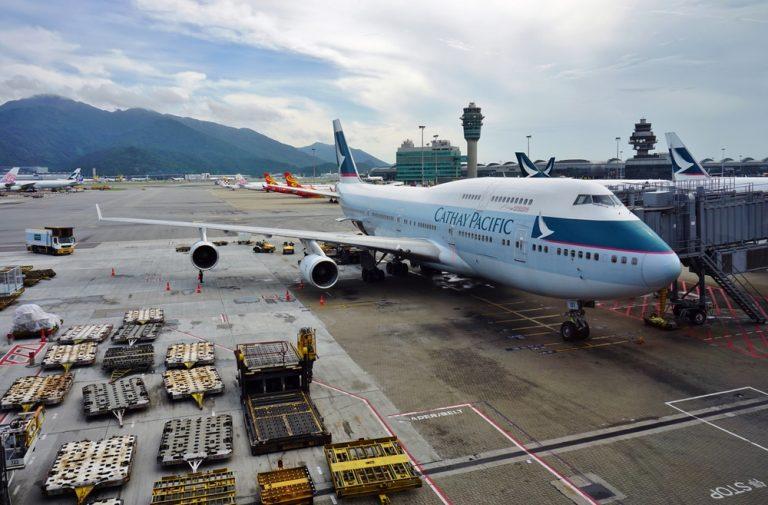
Hong Kong’s flagship airline Cathay Pacific (HKG:0293) saw shares sink on Wednesday, after reporting their first loss since the financial crisis.
The group saw a net loss of HK$575 million for the full year 2016, down from a profit of HK$6 billionthe previous year.
The company has only posted three losses since it was founded in 1946, the last one in the wake of the 2008 global financial crisis.
Sales fell by 9.4 percent over the year, with the airline’s passenger yield – a key indicator of performance in the industry – falling by 9.2 percent.
Cathay Pacific have been facing competition from mainline Chinese and Middle Eastern airlines, who offer more direct services, as well as the rise of budget travel.
Shares fell 7 percent in early trading before recovering to trade down just 1.38 percent (1244GMT).
Shares in the airline have fallen 27 percent since Chief Executive Officer Ivan Chu took over in 2014, and five months ago the company announced a “critical review” in order to combat falling sales.
Antofagasta hikes dividend after 78.7 pc profit increase

Copper miner Antofagasta (LON:ANTO) has today announced it will be raising their dividend to 18.4 cents, an increase far exceeding the board’s previous guidance of 35% of EPS.
Antofagasta has been helped by a rising copper price and increases in production.
In addition to a 78.7% jump in EBITDA, margins improved 28% to 45%.
CEO Ivan Arriagada commented on the results:
“Antofagasta’s cautious approach has served us well in what is a cyclical industry, providing us with a stable operating base and a strong balance sheet. As a company we were founded with an entrepreneurial spirit, one that looks for opportunities where others do not see them and it is this attitude – combined with a continued commitment to capital discipline – that informs our outlook. Consequently, our focus in 2017 is on developing those projects that offer all our stakeholders the best returns – such as the incremental expansion at Los Pelambres, which we expect to approve by the end of the year – and will underpin the continued success of Antofagasta.”
Despite the seemingly strong results, voices of concern came from the City regarding cash flow in future.
“We worry that Antofagasta will execute on its extensive growth pipeline, thus draining excess cash flows through 2020,” said analysts at Morgan Stanley.
Shares traded mildly higher in London at lunchtime, +0.55%.
Ethereum surges past $30, up over 50% in less than a week.

Digital currency Ethereum has rallied sharply over past the past after a decision by the SEC to not approve a Bitcoin ETF.
Ethereum is a digital currency just as Bitcoin is but allows for the use of ‘Smart Contracts’ which can be used for a wide range of applications such as rent agreements or even to side step crowdfunding platform when a company is raising money.
This extra dimension to Ethereum is driving the price higher as investors seek value in a digital currency which could be widely adopted in the coming years.
To help investors navigate this area of finance, Investment Superstore has launched a digital currency exchange comparison, access the comparison by clicking here.
Economic uncertainty yet to have effect on consumer habits, says HSBC

The UK consumer has decided to “keep calm and carry on” in the wake of Brexit, with the economic uncertainty not yet having an effect on British spending habits.
The report, compiled by HSBC, suggests that consumers remain “unfazed by current uncertainty” about the economy, with the fear of losing their job representing a limited concern for the majority of those surveyed.
The report analysed spending habits in travel, leisure, food and retail, based on a survey of 2,000 people. The key worry identified was rising inflation, but with many failing to make the link between that and Brexit. Analysts at HSBC commented:
“We find this intriguing because the two are interlinked in our view, with rising living costs being at least partly a function of the Brexit vote.”
Other interesting findings include the fact that coffee drinking is on the rise and Costa is 3 times more visited than Starbucks in the UK.
Spirit drinkers prefer vodka and whisky, the nation’s favourite sportswear brand is Nike and most preferred luggage brand is Samsonite. And despite the weak pound, there is no sign of a decrease in holidays abroad in favour of a staycation in the UK.
HSBC ended the report with stock recommendations based on the findings, which includes FTSE 100 household names such as Whitbread, Diageo and Tesco.
12 Income Stocks for Q2 2017
As is evidenced by the income portfolio’s constituents, we continue to believe that the merits of holding a basket of high quality income stocks are compelling, particularly given the current low interest rate environment. As has been the case for a while now, the difference between the average market dividend yield and cash rate is now at a record level, with the dividend yield from the FTSE 100 around two times the highest current 12-month term deposit.
This, in combination with our belief that economic growth will remain sub-par until the risks and rewards of a Brexit become clearer, gives us confidence that investor demand for ‘income’ stocks will remain elevated despite the recent asset/sector rotations. While there remain a number of key risk factors for financial markets globally (i.e. destabilisation of the EU and rising tensions between the US and China), we think there is enough underlying momentum to absorb these challenges.
Download your copy of the income report now to discover the full list of constituents in the Income portfolio.