
Spreadex named Best Spread Betting Provider for 2016 at the City of London Wealth Management Awards

Spreadex has been named as Best Spread Betting Provider at the 2016 City of London Wealth Management Awards.
The firm was presented with the award by BBC newsreader Sophie Raworth at the ceremony at The Guildhall, London.
The accolade follows Spreadex being four times named as Best Spread Betting Firm for Customer Service in the Investment Trends awards.
Spreadex Marketing Communications Manager Andy MacKenzie said: “We have improved our trading platform with a number of developments in recent years and we are delighted to receive this recognition.
“Over the years we have built up a strong reputation for our personal service, account management, credit and margin offering, and specialist AIM stock provision so it’s very reassuring that traders have been voting for us as their number one provider.”
Spreadex was formed in 1999 and now employs more than 120 people, offering both financial spread betting and sports spread betting from one account.
About Spreadex: Spreadex Ltd is a financial and sports spread betting and sports fixed odds betting firm, which specialises in the personal service and credit area. Founded in 1999, Spreadex is recognised as one of the longest established spread betting firms in the industry with a strong reputation for its high level of customer service and account management.
About the awards: The purpose of the City of London Wealth Management Awards is to recognise and promote quality of service from Wealth Management companies and individuals.
Winners are determined by a public online vote which took place over a two week period in March 2016. The poll was reviewed by an independent panel of judges.
You can find out more about Spreadex here.
Editor’s note: In relation to spread betting, Spreadex Ltd is authorised and regulated by the Financial Conduct Authority. Spread betting carries a high level of risk to your capital and can result in losses larger than your initial stake/deposit. It may not be suitable for everyone, so please ensure you fully understand the risks involved. In relation to fixed odds, Spreadex Ltd is licensed and regulated by the Gambling Commission under licence number 000-008835-R-104580-004.
Morning Round-Up: Burberry sales slow, Unilever competing, Singapore ease monetary policy

Burberry feel impact of Europe terror attacks
Burberry (LON:BRBY) have become the latest company to have sales impacted by terror attacks in Europe, reporting a revenue fall of 1 percent for the second half of the year.
The group cited a drop in tourist spending in Europe and weaker demand in Hong Kong as reasons for the disappointing figures. Chief Executive Officer said that the externam business climate was “challenging”, and confirmed that it may impact profit this year.
Adjusted profit before tax is likely to be broadly in line with analysts’ expectations, which range from 401 million to 443 million pounds, but the full-year forecast may be lowered.
Burberry shares have fallen over 6 percent on the news, currently trading at 1,264 (0811GMT).
Unilever surviving in tougher market
Ango-Dutch consumer goods maker Unilever (LON:ULVR) reported sales growth in line with expectations for the first quarter, despite competing in a tougher market.
Underlying sales increased 4.7 percent, just above the 4.6 percent estimated by analysts, with volume rising by 2.6 percent.
“What we’ve got is a very, very mixed pricing environment around the world, it’s very important to focus in these times on volume and not price,” Chief Financial Officer Graeme Pitkethly told Bloomberg.
However, turnover fell 2 percent to 12.5 billion euros as a result of weak currencies globally.
Shares have fallen 0.77 percent on the news, trading at 3,237 (0817GMT).
Singapore reverts to 2008-style monetary policy
The Singapore dollar has fallen, dragging down other Asian currencies, after the country’s central bank unexpectedly reverted to 2008-style monetary policy in order to prompt growth.
The Monetary Authority of Singapore moved to a neutral policy of zero percent appreciation in the exchange rate, causing the Singapore dollar fell 0.9 percent to 1.3633 per U.S. dollar.
The move comes just days after the IMF warned of a period of prolonged slow growth globally, and after Singapore’s services industry, which makes up about two-thirds of the economy, contracted an annualized 3.8 percent in the first quarter from the previous three months
14/04/2016
OPEC cuts demand forecast, but supply increases
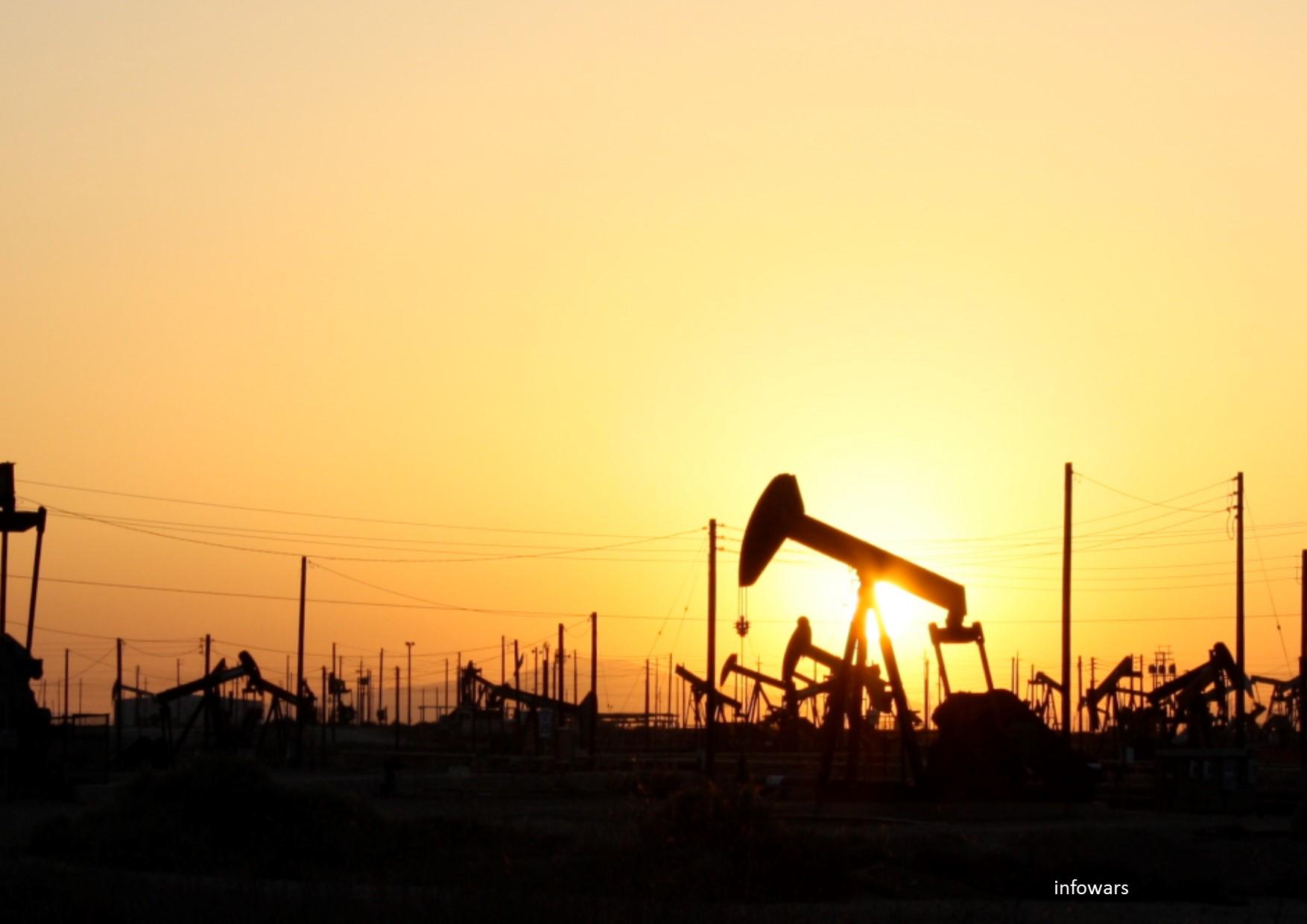
The Organization of the Petroleum Exporting Countries (OPEC) how lowered its forecast for demand worldwide, citing a slowdown in Latin America and milder winter temperatures.
OPEC dropped its demand forecast by 50,000 barrels a day, despite an increase in output – OPEC pumped 32.25 million bpd in March, the group said citing secondary sources, up about 15,000 bpd from February.
Their monthly report suggests a 790,000-bpd excess supply in 2016 if output continues at the current rate, up by 30,000 on last month’s report. OPEC added that the oil market is likely to get a boost form the summer “driving season”, but warned:
“However, unlike in the previous year, OECD gasoil demand may not have sufficient strength to offset the continued slowdown in non-OECD consumption,” it added.
The price of oil and excess demand are due to be discussed at a summit held in Qatar in the coming weeks, which if an agreement is reached, may bring stability to prices.
13/04/2016
Morning Round-Up: Mossack Fonseca raided, Asian shares up on China data, 16 weeks to sell Tata plants
Mossack Fonseca raided by police after Panama Papers scandal
Mossack Fonseca, the law firm in the Panama at the centre of Panama Papers scandal, has had its offices raided by police .
Police and officials from an organised crime unit carried out the operation “without incident or interference”, in order to “obtain documentation linked to the information published in news articles that establish the use of the firm in illicit activities”.
Mossack Fonseca have claimed that they have been the victim of a data hack, and that the papers released on how wealthy people have used offshore firms to avoid paying tax have been misconstrued by the media.
Asian shares up on China data
Better-than-expected trade data from China has caused Asian shares to jump to near 2016 highs.
China reported an 11.5 percent rise in exports in March compared to a year earlier, well above market forecasts and offering hope of stability from the world’s second largest economy.
The Shanghai Composite is up 1.42 percent, with the Nikkei up 2.24 percent and the Hang Seng up 2.87 percent.
16 weeks to find a buyer for Tata Steel plants
Shadow business secretary has warned that there are just 16 weeks to save Tata Steel’s UK plants, with Tata wishing to exit the UK within four months. Ms Eagle said Labour had learned that the company are hoping to find a buyer within eight weeks, with another eight weeks for due diligence. However, business secretary Sajid Javid has claimed he has persuaded Tata to keep the bidding open until a buyer is found.13/04/2016
Tesco see year of “progress”, underlying sales up
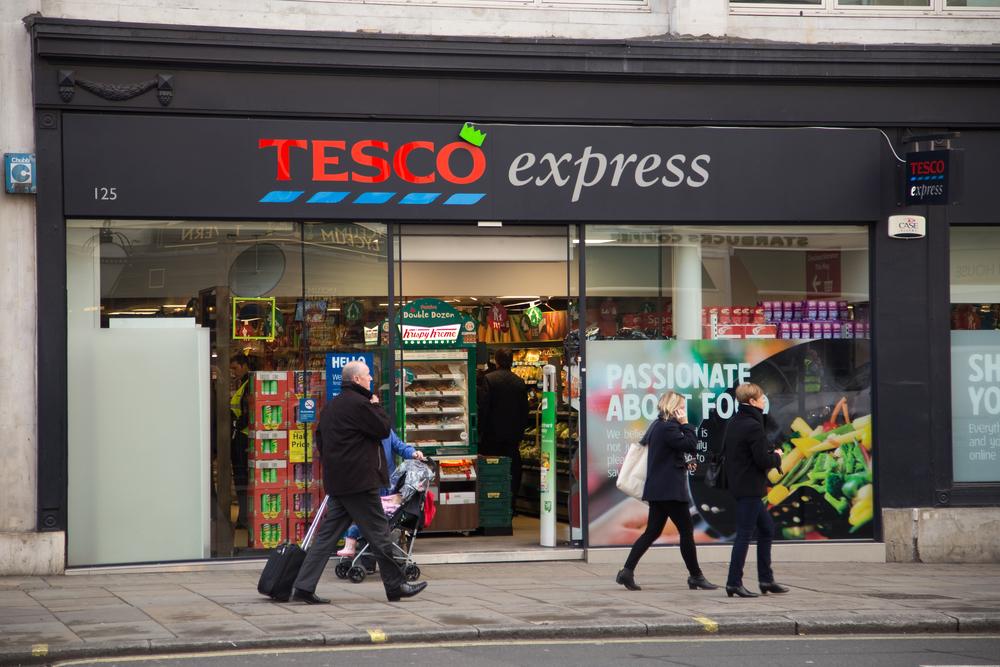
Tesco (LON:TSCO) have seen a “year of signifiant progress”, announcing their first growth in underlying UK sales in over three years on Wednesday.
Tesco released their preliminary results for 2015/16, which showed that new Chief Executive Dave Lewis’ hard work to turn the group around may be beginning to pay off. Group like-for-like sales growth of 1.6 percent in the fourth quarter, with UK transactions rising 2.8 percent. Operating profit stood at £944 million operating profit before exceptional items.
Mr. Lewis, who joined the supermarket in 2014, commented:
“We have made significant progress against the priorities we set out in October 2014. We have regained competitiveness in the UK with significantly better service, a simpler range, record levels of availability and lower and more stable prices. Our balance sheet is stronger and we are making good progress in rebuilding trust in Tesco and our investment case.
Mr. Lewis is trying to revive Tesco with a focus on lower prices, streamlined product ranges, better customer service and new simplified relationships with suppliers. At the end of last year the group sold the Korean brand Homeplus in order to reinvest in its UK business, and yesterday announced the sale of further non-core assets to Chinese retail giant Alibaba.
However, investors have reacted less positively to the news, with Tesco shares trading down 2.84 percent at 190.75 (0819GMT).
13/04/2016
The world’s top five tax havens – not including Panama
USA
It may come as a surprise that the world’s biggest power is on the list, given its President’s strong stance against tax avoidance. However, its federal system allows states to make their own laws on certain subjects – and one of these is financial regulation.
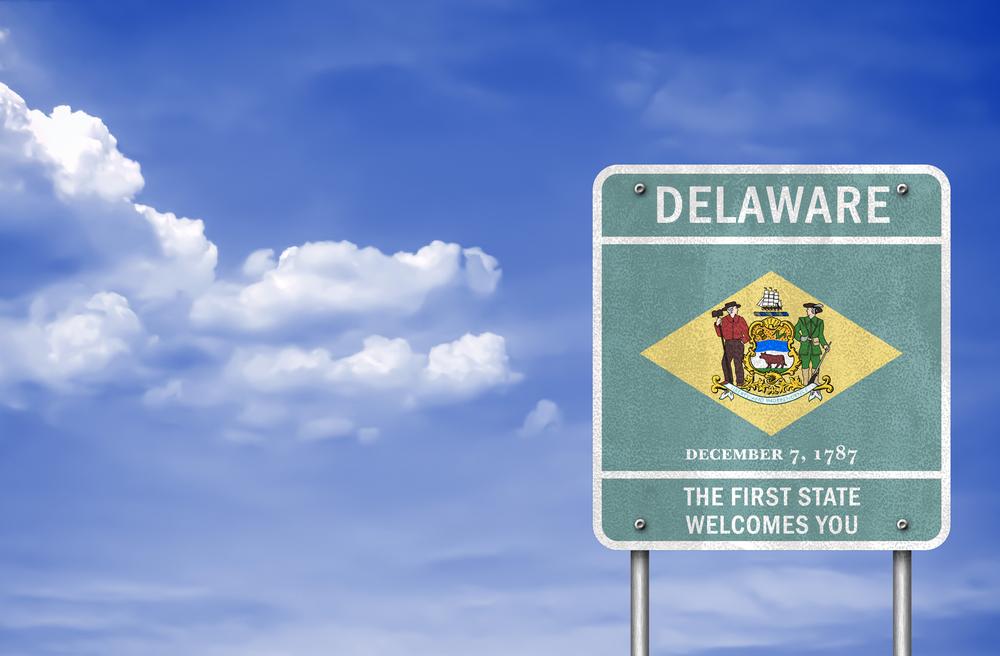
Delaware, just a stone’s throw from the White House on the East Coast of America, has 945,000 firms registered within it – almost one for each resident. It is one of four states, which also include Nevada, Arizona and Wyoming, that house “ghost companies” – there to take advantage of their weak financial laws. Transparency International, an anti-corruption campaigning movement, has recently described Delaware as a “transnational crime haven”.
 Jersey
, a small island of the coast of the UK, prints its own banknotes and makes its own tax laws – allowing it to have a certain amount of secrecy and discretion that has been widely taken advantage of by those looking to avoid tax. It is estimated that Jersey houses an estimated 5 billion dollars of wealth per square mile.
British overseas territories
President Obama recently pointed out that Ugland House, a business building in the Cayman Islands, is registered as holding 12,000 companies. He eloquently made the added, “that’s either the biggest building or the biggest tax scam on record.” According ot the Tax Justice Network, the Cayman Islands have more registered companies than people living there, with around $2 trillion in banking assets.
The Cayman Islands are self-governing, but are a British Overseas Territory – alongside another key haven, the British Virgin Islands, which features strongly in the Panama Papers. These islands, with their link to the UK, have been the first port of call for many British individuals or corporations looking to avoid tax – those registered there pay no income tax, capital gains tax, company tax, or inheritance tax. Tight security laws also protect companies from being forced to reveal details of the finances based there.
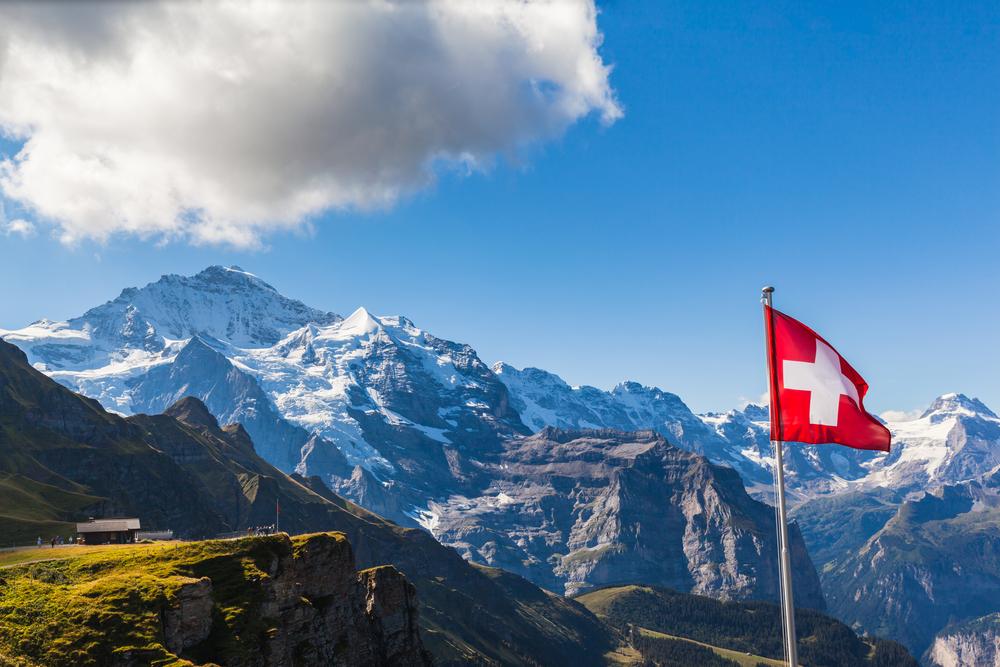
Switzerland
Another oldie but a goodie – Swiss bank accounts have been a favoured tax avoidance tactic for years. Even Hitler knew this trick – it was only as recently as the 1990s that bankers released gold stored by the Nazi government during the Second World War.
Since they’re not in the EU, their lax laws are even harder to regulate. Undoubtedly, Switzerland is at the top of this list – innumerable wealthy people and companies have money hidden here.
Hong Kong
Another ex-British colony, Hong Kong’s laissez-faire approach to the economy makes it an ideal tax haven. An ‘ask no questions, tell no lies’ approach is employed here, and it is favoured by wealthy individuals and companies from China.
In the Tax Justice Network’s report, Hong Kong obtained a secrecy score of 71 – placing it at the higher end of the secrecy scale, roughly on a par with Panama, and even higher than all of the major British-linked secrecy jurisdictions. Its offshore services including tax exemptions, transfer pricing facilities, escape routes from Chinese exchange controls, and various forms of financial secrecy including the use of opaque companies and trusts that can assist tax evasion and other crimes.
Jersey
Jersey, a small island of the coast of the UK, prints its own banknotes and makes its own tax laws – allowing it to have a certain amount of secrecy and discretion that has been widely taken advantage of by those looking to avoid tax. It is estimated that Jersey houses an estimated 5 billion dollars of wealth per square mile.
British overseas territories
President Obama recently pointed out that Ugland House, a business building in the Cayman Islands, is registered as holding 12,000 companies. He eloquently made the added, “that’s either the biggest building or the biggest tax scam on record.” According ot the Tax Justice Network, the Cayman Islands have more registered companies than people living there, with around $2 trillion in banking assets.
The Cayman Islands are self-governing, but are a British Overseas Territory – alongside another key haven, the British Virgin Islands, which features strongly in the Panama Papers. These islands, with their link to the UK, have been the first port of call for many British individuals or corporations looking to avoid tax – those registered there pay no income tax, capital gains tax, company tax, or inheritance tax. Tight security laws also protect companies from being forced to reveal details of the finances based there.
Switzerland
Another oldie but a goodie – Swiss bank accounts have been a favoured tax avoidance tactic for years. Even Hitler knew this trick – it was only as recently as the 1990s that bankers released gold stored by the Nazi government during the Second World War.
Since they’re not in the EU, their lax laws are even harder to regulate. Undoubtedly, Switzerland is at the top of this list – innumerable wealthy people and companies have money hidden here.
Hong Kong
Another ex-British colony, Hong Kong’s laissez-faire approach to the economy makes it an ideal tax haven. An ‘ask no questions, tell no lies’ approach is employed here, and it is favoured by wealthy individuals and companies from China.
In the Tax Justice Network’s report, Hong Kong obtained a secrecy score of 71 – placing it at the higher end of the secrecy scale, roughly on a par with Panama, and even higher than all of the major British-linked secrecy jurisdictions. Its offshore services including tax exemptions, transfer pricing facilities, escape routes from Chinese exchange controls, and various forms of financial secrecy including the use of opaque companies and trusts that can assist tax evasion and other crimes.
 Jersey
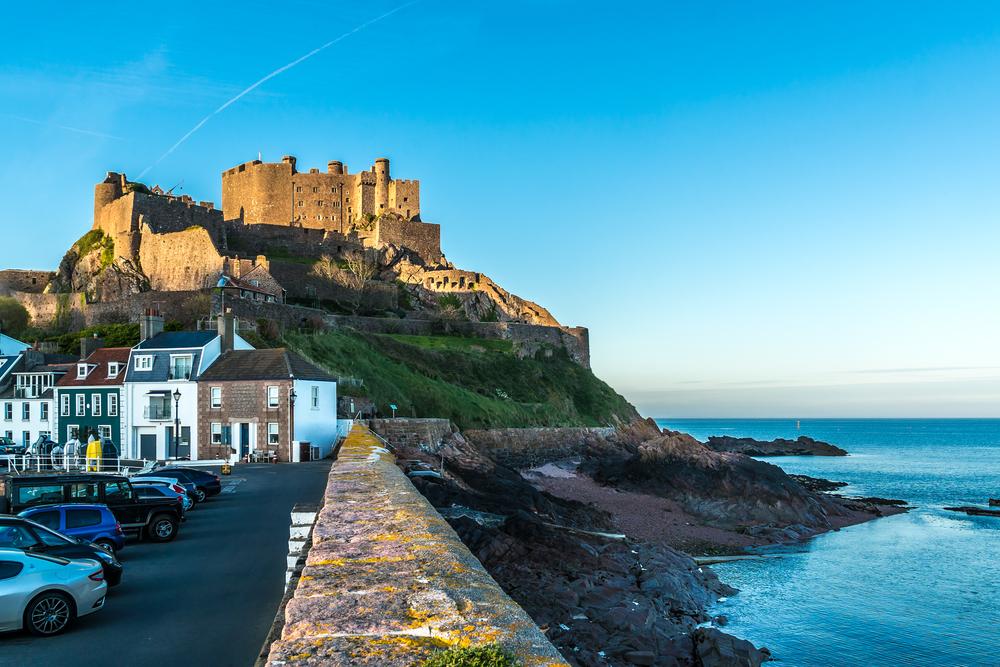
, a small island of the coast of the UK, prints its own banknotes and makes its own tax laws – allowing it to have a certain amount of secrecy and discretion that has been widely taken advantage of by those looking to avoid tax. It is estimated that Jersey houses an estimated 5 billion dollars of wealth per square mile.
Jersey
Jersey, a small island of the coast of the UK, prints its own banknotes and makes its own tax laws – allowing it to have a certain amount of secrecy and discretion that has been widely taken advantage of by those looking to avoid tax. It is estimated that Jersey houses an estimated 5 billion dollars of wealth per square mile.
 British overseas territories
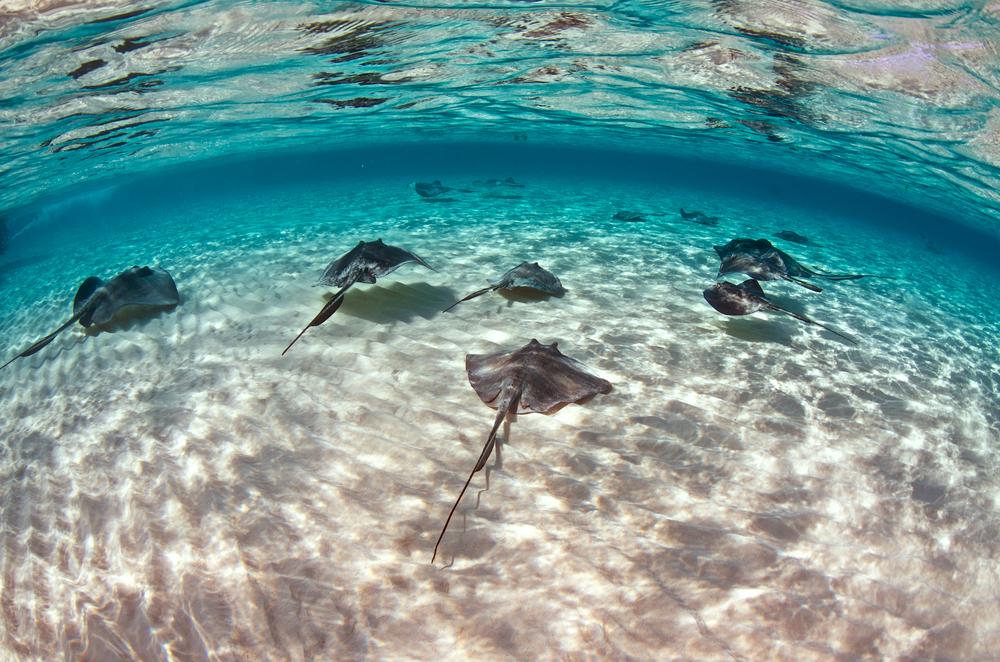
President Obama recently pointed out that Ugland House, a business building in the Cayman Islands, is registered as holding 12,000 companies. He eloquently made the added, “that’s either the biggest building or the biggest tax scam on record.” According ot the Tax Justice Network, the Cayman Islands have more registered companies than people living there, with around $2 trillion in banking assets.
The Cayman Islands are self-governing, but are a British Overseas Territory – alongside another key haven, the British Virgin Islands, which features strongly in the Panama Papers. These islands, with their link to the UK, have been the first port of call for many British individuals or corporations looking to avoid tax – those registered there pay no income tax, capital gains tax, company tax, or inheritance tax. Tight security laws also protect companies from being forced to reveal details of the finances based there.
British overseas territories
President Obama recently pointed out that Ugland House, a business building in the Cayman Islands, is registered as holding 12,000 companies. He eloquently made the added, “that’s either the biggest building or the biggest tax scam on record.” According ot the Tax Justice Network, the Cayman Islands have more registered companies than people living there, with around $2 trillion in banking assets.
The Cayman Islands are self-governing, but are a British Overseas Territory – alongside another key haven, the British Virgin Islands, which features strongly in the Panama Papers. These islands, with their link to the UK, have been the first port of call for many British individuals or corporations looking to avoid tax – those registered there pay no income tax, capital gains tax, company tax, or inheritance tax. Tight security laws also protect companies from being forced to reveal details of the finances based there.
 Switzerland
Another oldie but a goodie – Swiss bank accounts have been a favoured tax avoidance tactic for years. Even Hitler knew this trick – it was only as recently as the 1990s that bankers released gold stored by the Nazi government during the Second World War.
Since they’re not in the EU, their lax laws are even harder to regulate. Undoubtedly, Switzerland is at the top of this list – innumerable wealthy people and companies have money hidden here.
Hong Kong
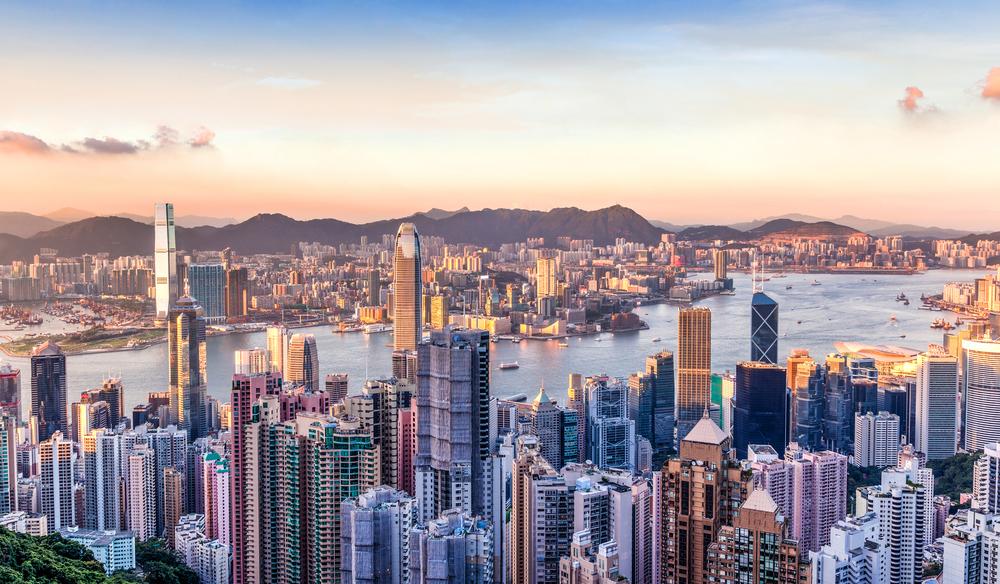
Another ex-British colony, Hong Kong’s laissez-faire approach to the economy makes it an ideal tax haven. An ‘ask no questions, tell no lies’ approach is employed here, and it is favoured by wealthy individuals and companies from China.
In the Tax Justice Network’s report, Hong Kong obtained a secrecy score of 71 – placing it at the higher end of the secrecy scale, roughly on a par with Panama, and even higher than all of the major British-linked secrecy jurisdictions. Its offshore services including tax exemptions, transfer pricing facilities, escape routes from Chinese exchange controls, and various forms of financial secrecy including the use of opaque companies and trusts that can assist tax evasion and other crimes.
Switzerland
Another oldie but a goodie – Swiss bank accounts have been a favoured tax avoidance tactic for years. Even Hitler knew this trick – it was only as recently as the 1990s that bankers released gold stored by the Nazi government during the Second World War.
Since they’re not in the EU, their lax laws are even harder to regulate. Undoubtedly, Switzerland is at the top of this list – innumerable wealthy people and companies have money hidden here.
Hong Kong
Another ex-British colony, Hong Kong’s laissez-faire approach to the economy makes it an ideal tax haven. An ‘ask no questions, tell no lies’ approach is employed here, and it is favoured by wealthy individuals and companies from China.
In the Tax Justice Network’s report, Hong Kong obtained a secrecy score of 71 – placing it at the higher end of the secrecy scale, roughly on a par with Panama, and even higher than all of the major British-linked secrecy jurisdictions. Its offshore services including tax exemptions, transfer pricing facilities, escape routes from Chinese exchange controls, and various forms of financial secrecy including the use of opaque companies and trusts that can assist tax evasion and other crimes.
12/04/2016
Morning Round-Up: LVMH strong despite Paris attacks, ASOS up 5 percent, Tesco sells stake to Alibaba
LVMH reveals strong quarter
Luxury retailer LVMH saw an unexpected rise in revenue for the first quarter this year, up 4 percent on last year, with global sales hitting €8.2 billion for the last quarter.
Based in Paris, the company saw a 50 percent decline in sales at some of their stores in the wake of the terrorist attacks in the French capital in November. However, the company stated that, “Europe remains well oriented – except for France”. Perfume sales were up 9 percent, boosted by Christian Dior, and the figures were driven by a strong US market. LVMH owns more than 60 luxury brands, including Bulgari and Tag Heuer. ASOS profit soars 18 percent, on track for full year ASOS shares are up over 5 percent this morning after half-year profit soared 18 percent. Growing competition has caused the market leader’s shares to drop over the past few months, but it most recent results, released today, have showed positivity. The company disclosed a pretax profit of £21.2 million in the six months to February 29, with international sales up 24 percent. Chief Executive Nick Beighton commented: “I’m pleased to confirm that we are on track to achieve our previously stated sales and margin guidance for the full year.” ASOS (LON:ASC) are currently trading up 4.70 percent at 3561 (0833GMT). Tesco sells stake in Lazada to Alibaba Struggling supermarket giant Tesco has started selling off its overseas assets, in an attempt to re-fuel the struggling British chain. Tesco announced today that it had sold 8.6 percent of its stake in Lazarda to Chinese retail giant Alibaba for $129 million, retaining just an 8.3 percent holding in the company. This move comes just 8 months after Tesco sold its South Korean business Homeplus, in an attempt to focus further on rejuvenating Tesco in the UK and competing in an increasingly tough market. Tesco shares have fallen 0.67 percent on the news.12/04/2016
German Finance Minister calls for tightening of policy, against ECB approach
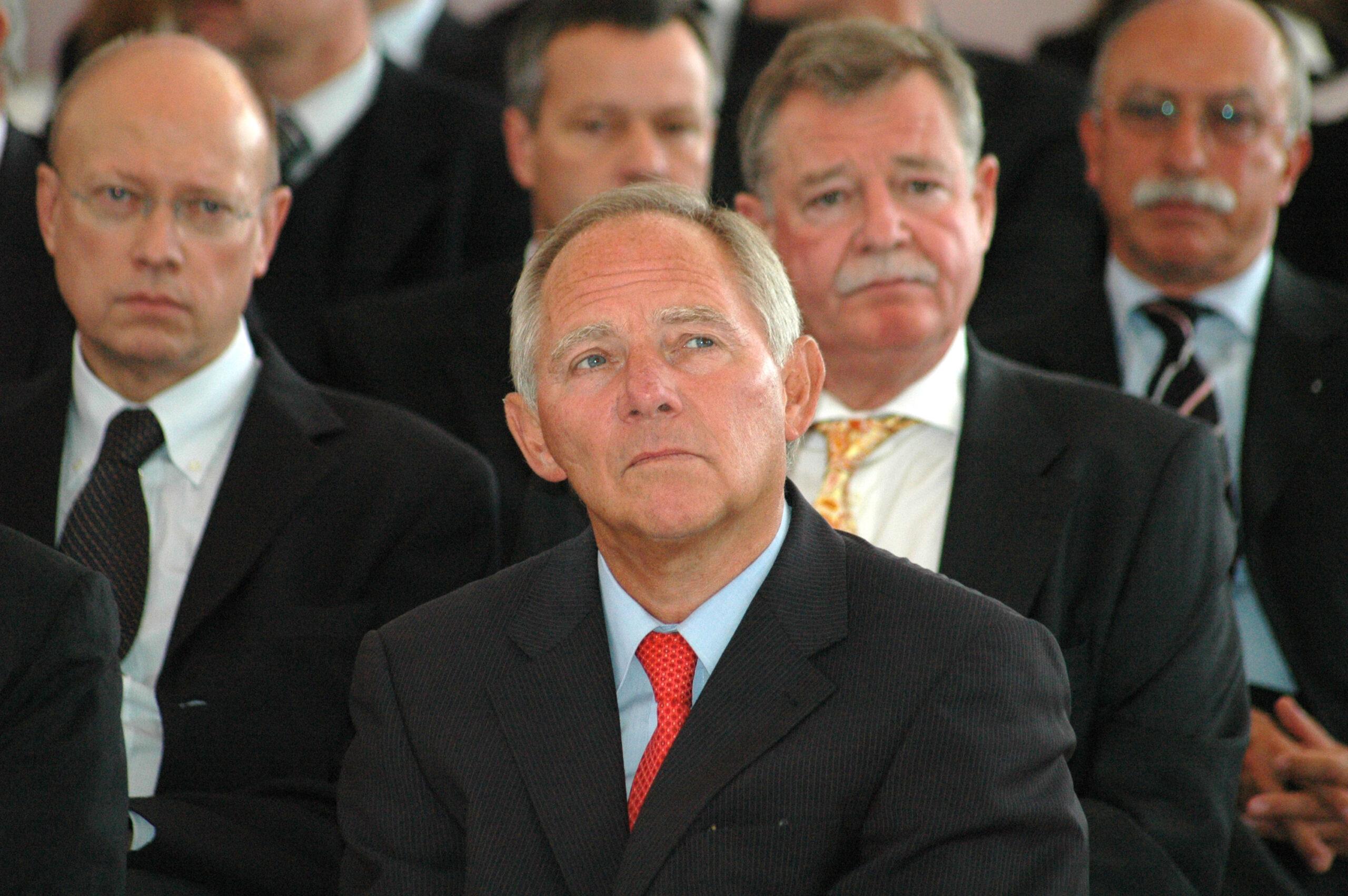
German Finance Minister Wolfgang Schäuble has indicated that Berlin is losing patience with the ECB’s approach to the economic slowdown, calling for banks to move away from loose monetary policy and increase rate hikes.
Schäuble, speaking at an event organised by a German economic think tank, said that, “there is a growing understanding that excessive liquidity has become more a cause than a solution to the problem.”
“I just said to [US Treasury secretary] Jack Lew that you should encourage the Federal Reserve and we should encourage the European Central Bank and the Bank of England in a concerted action, to carefully but slowly exit.”
The ECB has increased stimulus and lowered rates in the face of increasing economic uncertainty over the past few months, seeking to support the European economy. It has increased its €1.5 trillion stimulus twice since December, and even rolled out a series of rate cuts and cheap loans for banks in March. Such a high-profile figure in finance speaking out against these measures will certainly call ECB President Mario Draghi’s approach into question.
11/04/2016
David Cameron to announce new tax evasion legislation later today
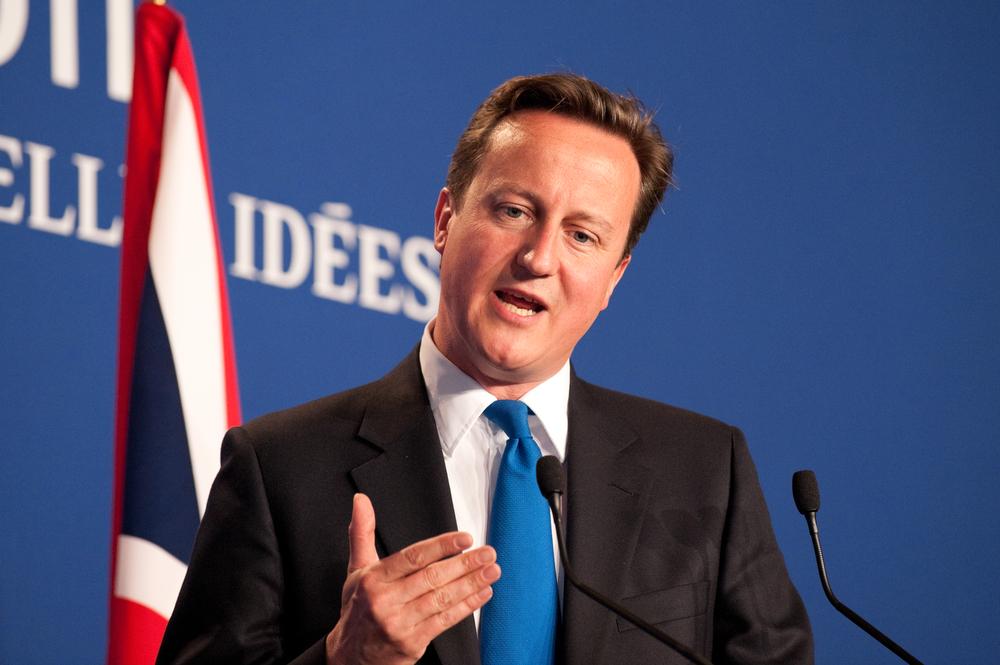
British Prime Minister David Cameron is expected to announce that new legislation making companies criminally liable if employees aid tax evasion, originally planned for 2020, will be introduced this year.
The statement will be made in the House of Commons later today, as Cameron tries to claw back credibility after the news that he profited from an off-shore fund set up by his father.
“This government has done more than any other to take action against corruption in all its forms, but we will go further,” Cameron will say, according to advance excerpts of his statement circulated by his Downing Street office.
“That is why we will legislate this year to hold companies who fail to stop their employees facilitating tax evasion criminally liable.”
Cameron admitted to selling his shares in an off-shore fund for a £19,000 just before taking office in 2010. The revelations ironically come just before he is due to host a global anti-corruption summit in London next month.
11/04/2016
Morning Round-Up: Tata Steel sell UK plants, Daily Mail-Yahoo bid, UK economy down says BCC
Tata Steel puts UK plants up for sale
Tata, one of the world’s biggest steelmakers, has begun the process of selling its UK plants and invited bidders to make offers.
Tata Steel announced March 30 that it would be putting its loss-making British assets up for sale, after a potent cocktail of oversupply, high costs, weak domestic demand and a volatile currency caused the plants to lose over £1 million per day.
15,000 workers risk losing their jobs if a buyer isn’t found and so far, the only company to have publicly expressed an interest is Liberty Steel, owned by Sanjeev Gupta. Gupta said in an interview with the Sunday Telegraph that he felt there was “a very clear opportunity to turn things around, make money and create a sustainable business”, but also underlined the fact that he was “not married to it” as the deal was “too big to get wrong.”
Daily Mail in possible bid for Yahoo
The owner of Daily Mail is said to be interested in making a takeover bid for struggling internet company Yahoo, according to the Wall Street Journal.
The Daily Mail and General Trust (DMGT) have been discussing an offer with private equity firms, after Yahoo’s shareholders added pressure to the company to turn itself around in a letter to the board last month.
A spokesman for Daily Mail said: “Given the success of DailyMail.com and Elite Daily we have been in discussions with a number of parties who are potential bidders.
“Discussions are at a very early stage and there is no certainty that any transaction will take place.”
DMGT has risen 1 percent on the news.
UK economy flagging in 2016, say BCC
The UK economy dipped in the first quarter of 2016, according to The British Chambers of Commerce’s (BCC) Quarterly Economic Survey.
The report highlighted a sharp decline in industrial output and a drop in consumer confidence, with most of the key gauges remaining stagnant or falling.
The BCC’s acting director general, Adam Marshall, said: “From sales and orders to confidence and investment intentions, many of the business indicators we track are at a low ebb.” The BCC cited “mounting global and domestic uncertainties” as reasons for the disappointing survey.
11/04/2016