
British Airways owner IAG posts strong results
International Airlines Group (LON:IAG) released strong third quarter results on Friday, raising its 2015 profit guidance after pre-tax profit grew 48 percent on last year.
IAG, who own British Airways, Iberia and Vueling, recently added Irish airline Aer Lingus to its portfolio. THe company now expects full-year operating profit (excluding Aer Lingus) to be between 2.25 and 2.3 billion euros, up on the previous forecast of 2.2 billion.
The company also announced on Thursday that it would be paying its first dividend since its creation in 2011, which will be 10 euro cents per share.
In a statement, Chief Executive Willie Walsh they were “reporting strong quarter results with a positive contribution from all of our airlines.”
Aer Lingus proved a valuable asset to the group, disclosing an operating profit of €45m between 18 August and 30 September.
The airline sector has been hugely helped by falling oil prices, with several large airlines, including German operator Luthansa, posting positive third quarter results. For IAG, fuel costs fell between by 8.6% between June and September.
RBS sees profits rise on Citizen sale

Royal Bank of Scotland Group (LON:RBS) disclosed a net profit of £952 million for the third quarter, helped by the sale of their £1.1 billion stake in US bank Citizens.
However, revenues slipped by £596 million to £3.04 billion as it shrank its corporate banking operations and the bank reported an operating loss of 134 million due to significant restructuring costs. In a statement RBS, which is 73 percent owned by the British government, admitted it could be hit by further regulatory fines: “Whilst legacy issues continue to be addressed, material further and incremental costs and provisions in respect of conduct and litigation related matters are expected, and could be substantially greater than the aggregate provisions RBS has recognised.” The bank is facing a number of misconduct investigations both in the UK and the US and has already set aside £4.5 billion to cover costs. RBS are currently trading down 0.44 percent at 319.50 pence per share. (0838GMT)China to end controversial one-child policy
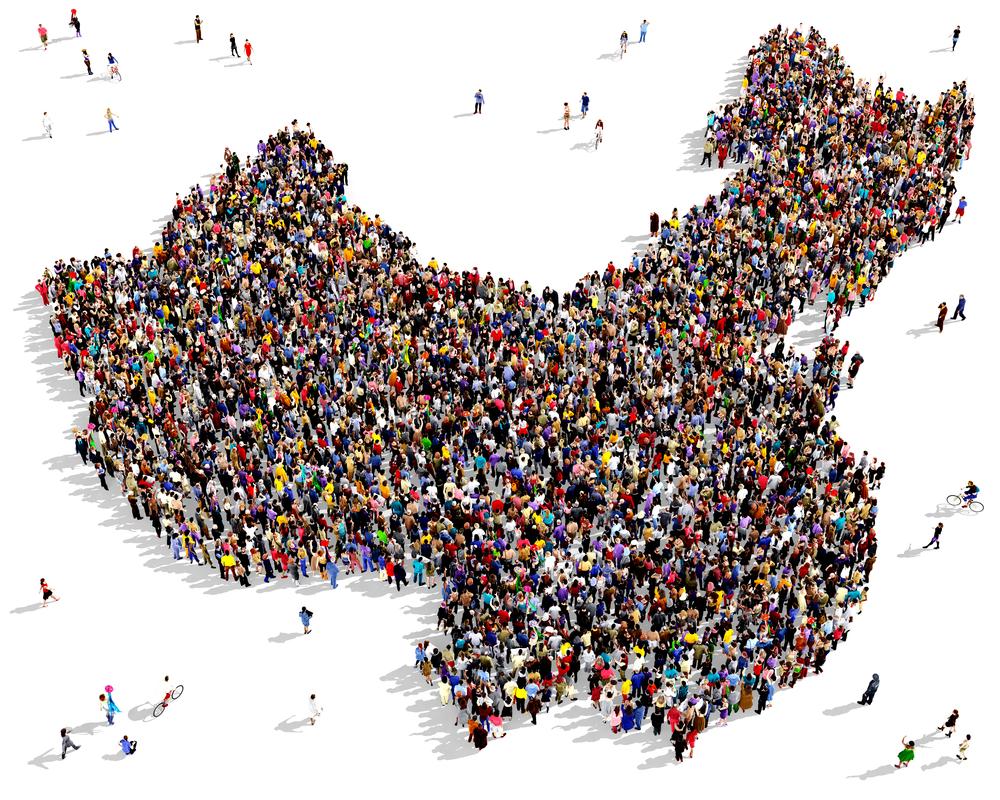
China has announced that it will end its controversial one-child policy, according to the state news agency Xinhua.
The Communist party will now allow all couples to have two children, ending a decades long policy estimated to have prevented around 400 million births. It was initially introduced in 1979 to control a huge population increase. Critics have been urging China to end the policy for years, arguing that it will create a demographic “timebomb” with a soaring ageing population and a rapidly declining work force. The UN estimates that by 2050 China will have nearly 440 million over-60s. The policy has also created a significant gender imbalance, with many parents choosing to abort girls in favour of having a male heir. China has gradually relaxed the policy over recent years; since 2013 couples in some parts of the country have been allowed to have two children if one parent was an only child. Parents who flout the one child rule risk fines, forced unemployment or abortion and sterilisation. The announcement was made at the Communist Party’s Central Committee meeting, and was publicised on Twitter. At the meeting, the party is also set to announce growth targets and its next five year plan.Santander sees profit rise in ‘favourable economic environment’
Santander (NYSE:SAN) have announced a 5 percent rise in third quarter profit, at 1.68 billion euros, up slightly on last year and in line with analysts’ expectations.
The eurozone’s largest bank saw revenue rise to 11.3 billion euros, up from 10.96 billion last year.
In a statement, the lender attributed the rise to a “more favourable economic environment in the developed economies where it operates”, but said that “emerging economies faced important challenges”.
The bank also stressed that depreciating currencies in Latin America affected the balance sheet, particularly the decline in Brazil’s currency against the euro during the past year.
Santander are trading up 0.89 percent on the news at 5.69 pence per share (0953GMT).
Royal Dutch Shell sees £4 billion profit loss
Oil giant Royal Dutch Shell (LON:RDSA) reported a £4 billion loss for the third quarter on Thursday, with net income falling 70 percent on last year.
The company’s figures are a huge fall on last year, where they made a $5.3 billion profit. The decision to stop projects in both Alaska and Canada impacted on finances, paying $8.6 billion to cover costs.
Chief executive Ben van Beurden labelled the decision to stop exploration as “difficult, but impactful” and said that he is “determined that Shell will become a more focused and competitive company as a result.”
The company also confirmed that its $70 billion takeover of BG Group would still be going ahead:
“The BG deal, which remains on track for completion in early 2016, is a springboard to focus Shell into fewer and more profitable themes, especially deep water and integrated gas.”
Shares in Royal Dutch Shell are currently trading down 1.73 percent at 1708.00 pence per share. (0934GMT)
US tech: Chinese market boosts Apple results; Twitter falls 11 percent

US tech giant Apple (NASDAQ:AAPL) have reported strong third quarter earnings, with revenue up 22% on the same period last year and record sales for their Mac computers.
The company reported a net income of $11.1 billion for Q3, labelling 2015 its most successful year ever with “record fourth quarter sales”.
Apple managed success in China’s tough smartphone market, where there is extensive competition from cheaper Asia brnads. Sales doubled to $12.5 billion and saw the Chinese market take 25 percent of overall smartphone sales.
Looking ahead to the first quarter of 2016, the company estimates a revenue between $75.5 billion and $77.5 billion.
Elsewhere in US tech stocks, shares in Twitter (NYSE:TWTR) fell 11 percent this morning on slow active user growth in the third quarter. However, the site reported revenues of $569 million, up 58% from $361 million during the same period last year.
This was the first quarterly report under the new CEO Jack Dorsey. After last quarters poor results, Twitter has cut 300 jobs and made attempts to streamline finances; however, the company has again lowered its forecast for fourth quarter revenue to between $695 and $710.
Volkswagen posts first loss in 15 years
Volkswagen (OTCMKTS:VLKAY) have announced an operating loss of 3.48 billion euros for the third quarter, its first in over 15 years.
The company’s results have been severely affected by last month’s emissions scandal, where VW were found to have used illegal software to cheat carbon emissions tests. Its CEO has stepped down and 6.7 billion euros have been set aside to cover costs; an amount that the company admits is unlikely to be anywhere near the full figure.
The crisis has knocked nearly a quarter off VW’s stock market value and despite an expected growth in sales, the company have admitted that they expect operating profit for the year to drop “significantly below” last years.
Volkwagen are currently trading down 2.6 percent on the news (1148MGT).
Nirvana Beer: crowdfunding to revolutionise the non-alcoholic beer market

The number of new breweries is on the rise, and Britain’s taste for craft beer shows no sign of abating. However, non-alcoholic beers are still something of an enigma and breweries that create good, craft non-alcoholic beer are few and far between; something that entrepreneur Steve Dass hopes to change with his non-alcoholic craft beer company, Nirvana Beer.
The idea behind the business was to develop delicious, non-alcoholic beer alternatives for a growing number of people choosing to go alcohol-free or lower their intake. Though a few recognisable alcohol-free beers exist, they have long been regarded as poorer, tasteless versions of their intoxicating cousins – lacking in variety and failing to hit the spot when a refreshing beer is called for. But the potential for this to change is huge; according to the Office for National Statistics, the proportion of the population that are teetotal is growing; those between 16 – 24 that chose not to drink as grown by 40 percent over the last decade. Correspondingly, research shows that the non-alcoholic market is the largest growth sector in the beer industry. In order to capitalise on this, Nirvana Beer Co is looking for investment on CrowdForAngels.
Dass, the company’s founder, has worked in the industry for over seven years. He says:
“We’re aiming to create something that will be completely unique in this sector of the industry: non-alcoholic beers with all the artisan credentials of a great craft beer. Our hops and barley will all be locally sourced, and the final product will be rich in flavour despite being free from alcohol. What’s more, we’re aiming to create our beers to be also gluten free, so they’ll be suitable for people with coeliac disease or gluten intolerances.” says Steve Dass founder of Nirvana and who has worked within the industry for over 7 years.
Nirvana’s USP is their use of locally- sourced ingredients, traditional recipes, and the adoption of new modified brewing processes that are different from those currently used in traditional brewing in the UK and abroad to create something totally new for the market.
“From the offset we really want to develop a strong brand identity, an identity that looks as good as the beer tastes. Our craft beers won’t be watered-down, alcohol-free versions of an existing alcoholic product, they’ll have an identity that we’re sure will be a hit with retailers and consumers alike.”
“However, we need an injection of cash to purchase our specialist equipment and facilities we need to get started on our dream and make Nirvana Brewery the successful brand we want it to be. Once we’re up and running, the rewards will speak for themselves and we look forward to raising a glass with our sponsors!”
Nirvana Beer chose a CrowdForAngels as their crowdfunding platform, who were the first directly regulated crowdfunding platform for debt and equity funding. When asked what it was that drew them to CrowdForAngels, Dass said one reason was the minimum and maximum funding structure, which not many other platforms offer.
He also said, “I feel that they are eager to establish themselves and prove to the other big platforms that they have competition. As my company is at a relatively early stage, it was great to be able to sit face to face with them, and get the understanding of the platform and assurances a business of my size needs.”
Nirvana Beer Co are looking for an investment of £85,000 in return for 25% equity. With a minimum investment limit of just £25, why not head over to their campaign page for more information on how to get involved.
Oil price drop continues into third week
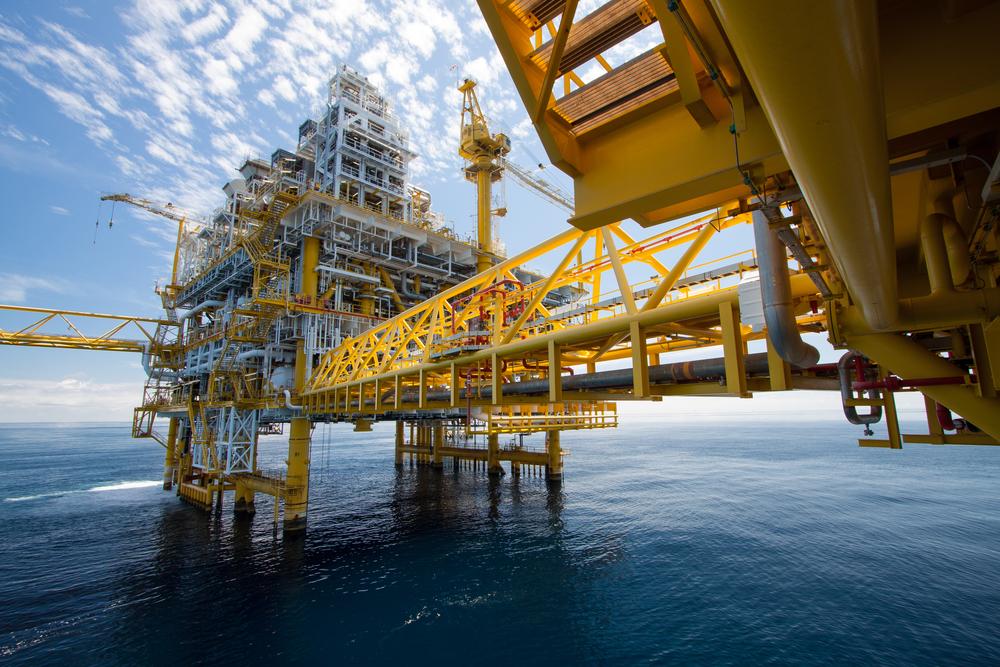
A global fall in oil prices has extended into its third week, on worries of oversupply and unseasonably warm weather.
Brent LCOc1 for December delivery fell 20 cents to $47.34 a barrel by 1000 GMT, with U.S. crude CLc1 also falling 37 cents to $43.61 a barrel.
Last night, Brent closed down nearly 1 percent at $47.54 a barrel, and U.S. crude closed down 62 cents at $43.98. Both crude benchmarks have lost about 10 percent over the past two weeks; this time last year, oil prices were above $100 a barrel, with the disparity causing visible financial difficulties for major oil companies.
According to Reuters, US commercial crude stockpiles are expected to have risen for a fifth straight week by an average of 3 million barrels to 479.6 million, fuelling fears of oversupply.
BP results exceed analysts expectations
Oil giant BP (LON:BP) has beaten analysts’ expectations in their latest set of results, despite an overall fall in profits.
The company cited lower oil and gas prices as a reason for the fall, with their replacement cost profit over the third quarter dropping to $1.23 billion, down from $2.38 billion the year before. Total revenue fell by nearly 50 percent; down to $55.9 billion from $94.8 billion last year.
Chief Executive Officer Bob Dudley took the opportunity to lay out a plan for deeper cost cuts in order to withstand the low prices; prices for crude have dropped to $50 a barrel, from over $100 last year. He said:
“Last year, we acted decisively to reset BP for a sustained period of lower oil prices and the results are coming through well. We are now in action to rebalance our financial framework in this new price environment.”
BP was one of the first of the oil companies to start cutting costs and selling assets following its Gulf of Mexico spill in 2010, and the size of the company was reduced by a third in order to pay the $55 billion fine. Investors reacted well to the results, with BP’s share price rose 1.8% in early trading. It is currently trading up 1.01 percent at 288.27 pence per share (1044GMT).