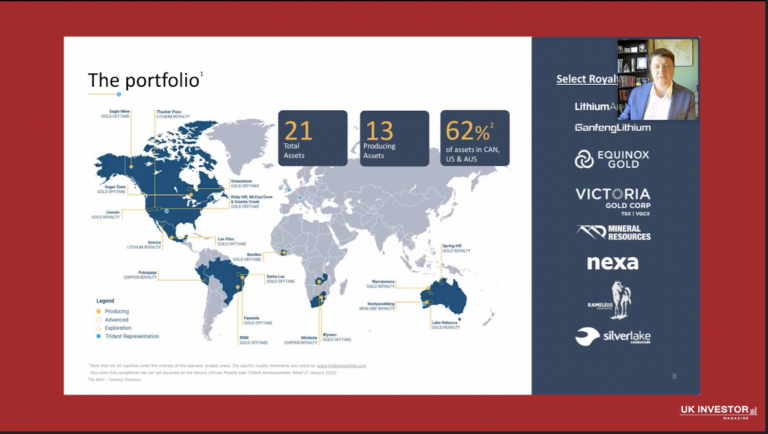
Trident Royalties Plc is a growth-focused diversified mining royalty & streaming company listed on the AIM market of the London Stock Exchange (Ticker TRR).
Trident is managed by an experienced team of mining finance professionals providing investors with exposure to the full breadth of mining commodities (excluding thermal coal) with a bias towards production or near-production assets. This commodity diversity differentiates Trident from the majority of its peers which are exclusively, or heavily weighted, to precious metals. Trident also has an international mandate, acquiring royalties and streams in resource-friendly jurisdictions worldwide…
Artisanal Spirits Company shares increased 2.9% to 56.1p in late afternoon trading on Wednesday after the firm noted confidence in doubling its revenue between 2020 and 2024 in its HY 1 2022 trading update.
The group reported a 25% revenue growth to almost £10 million compared to £7.9 million in HY1 2021, with Artisanal Spirits highlighting a strong performance from China with a 50% rise in sales as a result of high FY 2021 membership demand and on the ground promotional activities.
Scottish Malt Whisky Society (SMWS) membership increased 24% to over 35,000 from 28,700 year-on-year, acting as a key indicator of company growth.
The alcoholic beverages group mentioned progress on its new multi-purpose supply chain facility at Masterton Bond in preparation for operational use in HY2 2022.
The company said completion of the project would have a positive impact on operating margins, with benefits expected to become evident in FY 2022.
Artisanal Spirits Company commented it had experienced no disruption from macro-economic issues in supply chain or production, and the firm reiterated its confidence in delivering sales growth for FY 2022 in line with market expectations.
“As we move into the second half of the financial year and reflect on our first 12 months as a listed company, I am proud of what the executive team and everyone at the business has been able to achieve,” said Artisanal Spirits Company chairman Mark Hunter.
“We have done exactly what we said we would at IPO – with the disciplined programme of investment undertaken and the host of operational initiatives introduced to prepare the Group for long-term, sustainable growth, ASC is now a bigger, stronger and smarter business than it was a year ago.”
“While the operational progress has been remarkable, it is testament to the hard work, determination and planning of our teams that the Group has also been so successful in continuing the trend of delivering outstanding sales performance and driving up SMWS membership numbers at the same time; consistently meeting or beating market consensus revenue expectations while making excellent progress towards our 2024 revenue target.”
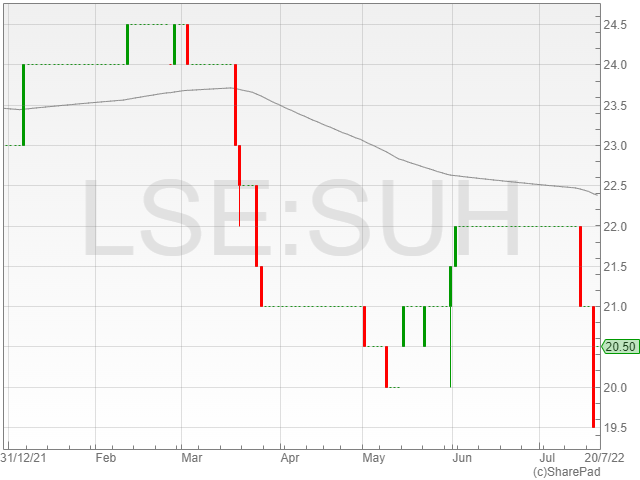
Sutton Harbour Group shares were up 5.1% to 20.5p in late afternoon trading on Wednesday after the company swung to a pre-tax profit of £366,000 in FY 2022 from a loss of £162,000 last year.
Sutton Harbour Group announced a climb in net asset value to £56.2 million from £47.1 million, representing a 43.3p NAV against 40.6p year-on-year, respectively.
The company’s property portfolio was valued at £54.3 million compared to £47.3 million, alongside a year-end net debt of £24.4 million against £26.9 million the year before.
The firm reported record trading for marinas, with near capacity occupancy at end of year 31 March 2022 and maintained at 98% occupancy as of July.
Sutton Harbour Group highlighted an investment property occupancy rate of 89% at the end of FY 2022, with one building currently under refurbishment for three new tenants.
The company noted a revenue of £7.1 million against £5.4 million, with a strong recovery of parking revenues since summer 2021 and an improving trend in 2022.
The group also mentioned Harbour Arch Quay, its first new development project at Sutton Harbour in a decade, which is scheduled for completion in spring 2023.
Sutton Harbour Group added it had secured updated planning consent and s106 agreement for the 170 apartment building at Sugar quay.
FY 2023 guidance
The firm warned the impact of inflationary costs were starting to bite, with certain employees necessitating a 10% pay increase in order to remain at the company.
Sutton Harbour Group confirmed its electricity expenses were set to rise, with costs expected to spike after the group’s current power contracts expire in September.
The company said it would pass on some costs to tenants and berth-holders, however it would need to raise the price of certain services in the coming year.
“The resilience of the Group’s property asset portfolio is shown in the valuation uplift. The strong asset base and annuity incomes provide a secure platform from which the Company has been able to restart property construction and develop a new pipeline of consented projects to follow,” said Sutton Harbour Group executive chairman Philip Beinhaker.
“In time, the profits and investment revenues achieved by new developments will enable the Company the flexibility to reduce its borrowings. The Group celebrates the 175th anniversary of its core subsidiary this year and the stated strategic objectives provide a long term plan for the Group’s future success.”
Credit provider Morses Club (LON: MCL) says an increasing level of customer redress claims means that it is considering a scheme of arrangement. This could provide certainty about the potential total level of claims over a set period. Management is talking with the FCA. The scheme would have to be approved by the majority of claimants. There will be an additional provision of £45m in the 2021-22 accounts and underlying pre-tax profit could be below £3.5m. Tighter controls mean that sales are declining, and Morses Club won’t make a profit in 2022-23. Fewer competitors could help Morses Club recover in the following year. The shares have slumped 42.9% to 4.845p.
Tungsten West (LON: TUN) shares continue to rise after yesterday’s announcement of the new development plan for the Hemerdon Mine. Production could restart in the first half of next year. Diesel consumption and costs have been reduced. Capex will be between £26m and £36m. There is still some work that needs to be done to firm up the figures. The share price is a further 26% ahead at 31p.
DeepVerge (LON: DVRG) is exploring options for its Labskin division in order to finance the growth of the business. It has been split form the environmental division and there has been interest from skincare company and venture capital business. There is strong demand for home skin-test kits supplied by Skin Trust Club, which has 27,000 members. The share price is 11.55 ahead at 14.5p.
Investors are pleased that Joules (LON: JOUL) extended its bank facilities yesterday and the share price has gained momentum having edged up from its low on the announcement. Full year pre-tax profit will be slightly ahead of expectations. So far this year, revenues are growing by 8.5%, although that has been helped by mark downs. The share price has been moving higher throughout the day and is 13.6% ahead at 25p.
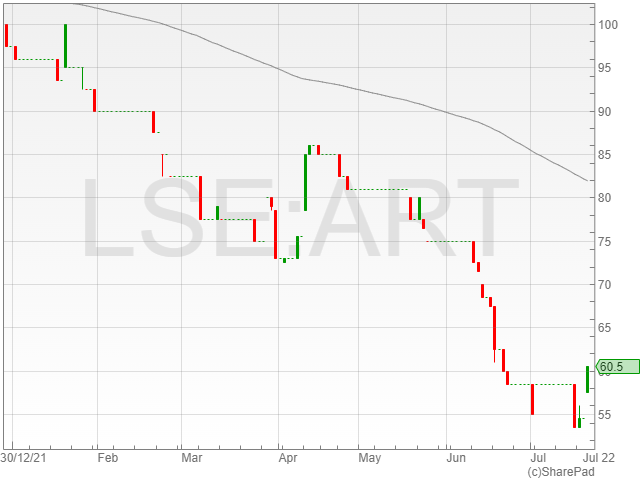
The Artisanal Spirits Company (LON: ART) increased interim sales by one-quarter to nearly £10m and it is on course for £21.6m for the full year The number of members of the Scotch Malt Whisky Society has risen by 24% to 35,500. The new distribution route in the EU has added European members. The shares are up 11% to 60.5p
Miner Corcel (LON: CRCL) is planning a £600,000 fundraising at 0.4p a share, with potential for a further £300,000. However, the share price is fallen 25% to 0.375p (0.35p/0.4p).
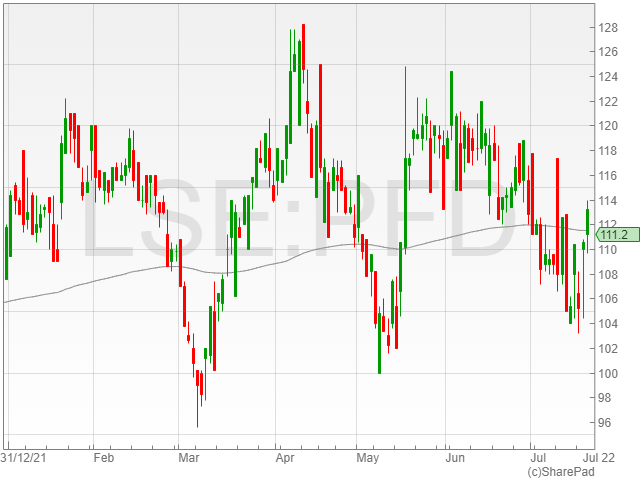
Premier Foods shares gained 1.2% to 112p in late morning trading on Wednesday after the firm announced a 6% growth in Q1 group sales year-on-year and a 4.2% growth in branded sales.
Premier Foods confirmed its Batchelors and Nissin brands performed well, with an increase in value meal sales as the cost of living crisis sent food inflation to 9.8% in June 2022.
The group mentioned all its brands benefited from price recovery in Q1, alongside slightly lower volumes linked to tougher comparatives reflecting Covid-19 restrictions the last year.
Premier Foods highlighted a strong non-branded growth of 17.1% on the back of strong home sales recovery and pricing benefit in retailer branded product categories.
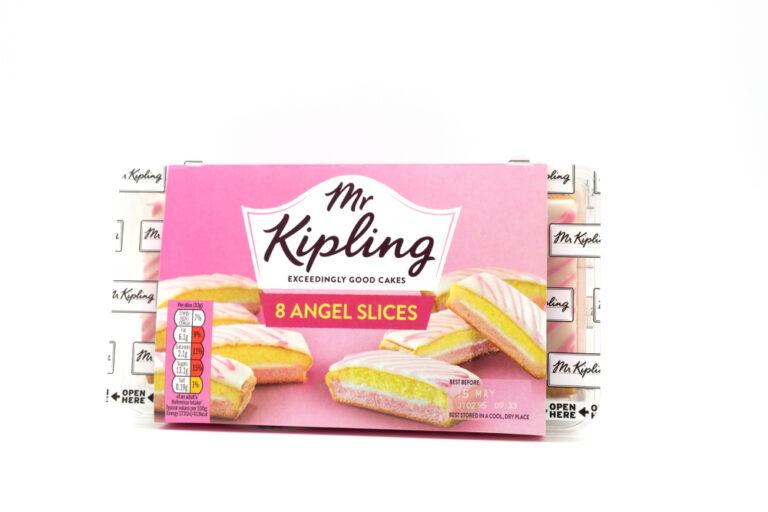
Meanwhile, the company noted strong sales in its sweet treats sector, including Cadbury Cake, higher Mr Kipling sales and a positive reception to the healthier Mr Kipling range after its launch.
Its non-branded sales growth was attributed to contract gains in pies and tarts sales, and pricing benefits.
The foodstuffs company reported a 12% climb in international sales, with a highly positive performance in Australia and Mr Kipling’s highest ever market share in the country.
Premier Foods commented its Sharwood’s products returned high sales in Canada and Europe, with expected benefits over the coming year, along with strong Nissin noodles sales in Ireland and the UK.
“We’ve made a strong start to this financial year, growing sales by 6% in the quarter and again increasing market share both instore and online, as we continue to apply the elements of our branded growth model,” said Premier Foods CEO Alex Whitehouse.
“Our recently launched new products include a healthier range of Mr Kipling Deliciously Good cakes and authentic East Asian Sharwood’s cooking sauces while Mr Kipling benefitted from a new TV advertising campaign in the quarter.”
“Sales overseas increased by 12% due to a particularly strong cake performance in Australia, where Mr Kipling delivered its highest ever market share.”
This morning we reported 6% sales growth in Q1, in addition to further market share gains, both instore and online. Looking ahead, we remain firmly on track to deliver in line with expectations for the full year. #Q1Results
The firm reported a series of measures to recover inflation impacts, including pricing action and cost efficiencies.
“We have made good progress in recovering our input cost inflation through a range of measures, including cost efficiencies and pricing, and we continue to monitor the situation closely,” said Whitehouse.
“Consumers are increasingly looking to cook tasty affordable meals at home; this fits well with our broad portfolio of brands and was illustrated by the strong performance of Batchelors and Nissin in the quarter.”
“With this positive trading momentum behind us, we remain firmly on track to deliver our expectations for the year.”
Alan Green joins the Podcast for an in-depth discussion around the current market conditions and a selection of UK equities.
We break down the current market dynamics and question whether we have seen a bottom in markets as investor sentiment improves.
Royal Mail has changed their name after a torrid period of trading and a rather challenging outlook. Pressures from unions and falling volumes create a potentially toxic cocktail for the company and this has been reflected in the share price.
Poolbeg Pharma have announced a bug step forward in their flagship project in the commencement of a trial for POLB 001, a strain agnostic, small molecule immunomodulator.
GreenX Metals is creating a portfolio of metals with applications in clean technology. Their shares popped higher today as they begin a field program at their copper project in Greenland.
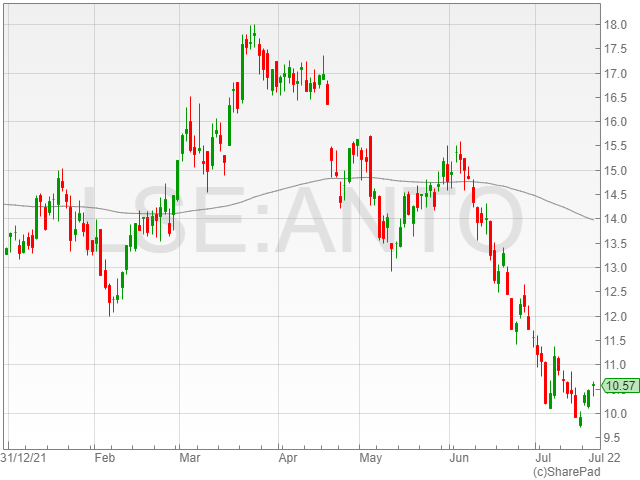
Antofagasta shares gained 0.3% to 1,050p in late morning trading on Wednesday following a reported 6.5% fall in copper production to 129,800 tonnes.
The decline was linked to the Antofagasta’s previously announced concentrate pipeline incident at Los Pelambres, which reduced reported production by approximately 23,000 tonnes.
The pipeline resumed operation by the end of Q2, with 12,000 tonnes of copper concentrates stockpiled at the concentrator plant scheduled to by moved to the port by October.
Antofagasta confirmed a HY1 copper production fall of 25.7% to 268,000 tonnes as a result of the Los Pelambres incident and drought in the region, and expected lower grades at Centinela concentrates.
The firm reported a 7.8% slide in gold production to 35,4000 ounces in Q2 against Q1, and a HY1 decline of 38.8% to 73,800 ounces on the back of expected lower grades at Centinela.
The mining group also highlighted a Q2 Molybdenum production of 2,000 tonnes, remaining flat compared to Q1, with a year-to-date production drop of 31% due to lower throughput and grades at Los Pelambres.
Meanwhile, net cash costs were reported at $1.90 per pound in Q2 and $1.82 per pound for HY1, against $1.75 per pound in the previous quarter and $1.14 in HY1 2021.
Antofagasta attributed the growth to a rise in cash costs before by-product credits and slightly lower by-product credits on the back of lower by-product production, partially offset by a climb in realised prices.
The company noted its Los Pelambres project was 82% complete at the close of Q2, and its desalination plant is currently scheduled for completion in Q4 2022, with its concentrator plant expansion set to finish in early 2023.
“In the first half of 2022 we produced 268,600 tonnes of copper at a net cash cost of $1.82/lb,” said Antofagasta CEO Iván Arriagada.
“Reduced production levels and higher costs compared to last year reflect the expected impact of the drought and the temporary closure of the concentrate pipeline at Los Pelambres in June, as well as lower grades at Centinela Concentrates.”
FY 2022 outlook
Antofagasta revised its FY copper guidance downwards to 640,000 to 660,000 tonnes, reflecting the Los Pelambres pipeline incident and uncertainty linked to water shortages at the project.
The firm said it expected a net cash cost guidance increase to $1.65 per pound due to increases in diesel and other output prices.
“Following the pipeline incident at Los Pelambres, and the continued uncertainty about water availability, full year copper production is now expected to be 640-660,000 tonnes,” said Arriagada .
“The impact of this and the high current levels of inflation are partially offset by the weakening of the Chilean peso and we now estimate full year net cash cost guidance at $1.65/lb.”
Antofagasta confirmed an anticipated capital expenditure for the FY period of $1.9 billion.
UK inflation hit another 40-year high in June with a rise to 9.4% as crushing fuel and food prices pushed the cost of living higher, according to the latest figures from the Office of National Statistics (ONS).
“Rising food and fuel costs have kept inflation red hot this month. This is intensifying the pressure on already stretched pockets and making it increasingly challenging for many households to afford the essentials,” said Wesleyan director of investments Martin Lawrence.
Non-alcoholic drinks and food saw a 9.8% surge in prices over the last year, climbing from 8.7% in May as milk, cheese and eggs acted as the largest contributors to inflation, along with upward effects from vegetables, meat and other food products.
“Everyone will have felt inflation in their food shop, with this month’s figures laying bare just how pricey everything has become. They put grocery inflation at almost 10%, meaning that a £100 food shop a year ago will now set you back £110 for the same items,” said AJ Bell head of personal finance Laura Suter.
“The largest culprits for food inflation will have many people turning vegan, with eggs, cheese, milk and meat all seeing the biggest rises in prices. However, vegetables also saw some substantial price rises, meaning there is nowhere to hide.”
Meanwhile, record petrol prices drove transport inflation higher with a 42.3% rise in motor fuels year-on-year, marking the highest rate since before the constructed series of records began in 1989.
The average price of petrol hit 184p per litre in June against 129.7p last year, representing the highest price since records began in 1990.
Diesel also reached a new record price rise of 12.7p per litre compared to 2.4p the year before.
“Filling up your car is now an eye-watering experience. Between May and June we saw the largest increase in the price of petrol on record, with the price per litre jumping 18.1p,” said Suter.
“It means that in the space of just one month it became £9 more expensive to fill up an average family car.”
Clothing and footwear saw a slight fall in inflation, with an increase of 6.1% in the year from 6.9% in May.
— Holger Zschaepitz (@Schuldensuehner) July 20, 2022
Bank of England to take stronger action
The Bank of England commented it would be at least two years before inflation returned to its target of 2%, with inflation currently expected to hit 11% in October this year and the cost of living crisis set to intensify as household finances struggle.
“Amid rising inflation, the amount of spare cash people have left over at the end of each month is likely shrinking at some rate,” said abrdn client director Colin Dyer.
“With the Bank of England expecting it to be two years or more before inflation returns to the Government’s 2% target, the nation’s finances could be strained for the sometime.”
The Bank of England set its last rate hike to 1.25%, however with inflation hitting record highs each month, the institution looks increasingly likely to raise interest rates by 0.5% at its next meeting after Governor Andrew Bailey signalled stronger action.
“It could … be the signal for the Bank of England to hike rates by 0.5% next month, less than 24 hours after the Governor, Andrew Bailey, said he was prepared to take stronger action,” said Suter.
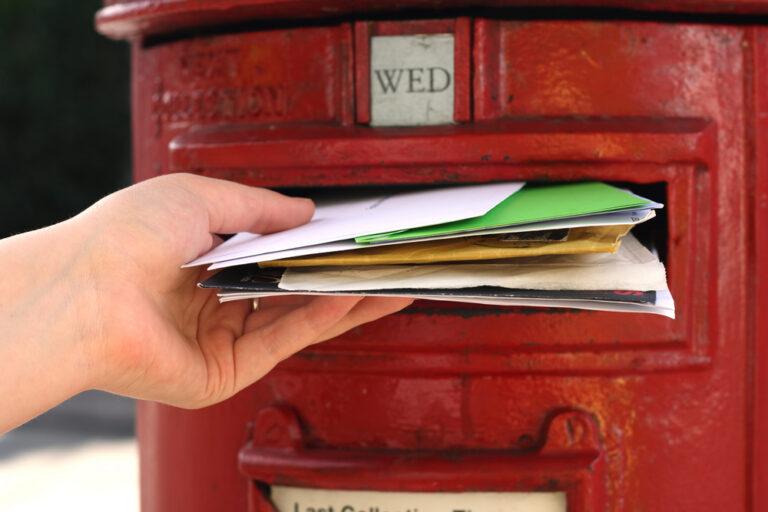
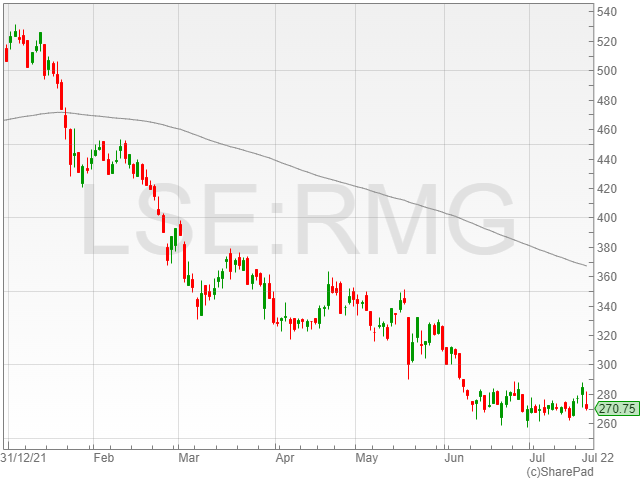
Royal Mail shares were down 4.4% in early morning trading on Wednesday following a reported 11.5% slide in Q1 revenue.
The firm highlighted weakening retail trends, lower test kit volumes and a return to structural decline in letters as reasons for its fall in revenue over the term.
Royal Mail confirmed an adjusted operating loss of £92 million, which it attributed to inflexibility in its cost base to adjusted to lower volumes, alongside disappointing performance on delivery of further efficiencies.
Meanwhile, the company mentioned its Progress on Pathway to Change had stalled, resulting in £100 million in risk to £350 million in benefits identified for FY 2022-2023.
However, the group said its other cost saving programmes remained on track, albeit with some headwinds due to higher staff absences on the back of a resurgence in Covid-19 cases.
Employees represented by the Communication Workers Union (CWU) voted to take industrial action on Tuesday this week, after 97.6% of the 77% member turnout voted in favour a strike ballot.
The company failed to reach an agreement with its workers over Q1, however the firm said it would continue to discuss options with its staff to negotiate salary and employment terms.
“We have made progress building the infrastructure we need for Royal Mail to compete, especially given the growing demand for more larger parcels, delivering the next day – including Sundays – and in a more environmentally friendly way,” said Royal Mail CEO Simon Thompson.
“But building the infrastructure is not enough. We have to transform the way we work too. We need to change – and change now.”
“This is how we can give our team the job security that they deserve for tomorrow and not just for today. I am ready to talk about pay and change at any time. But it has to be both.”
FY 2022-2023
Royal Mail commented its outlook for FY 2022-2023 included a weaker parcels market and lower than expected efficiency savings in-year, and noted it was likely to breakeven at adjusted operating profit level if progress could be made on its disruptive issues in the last financial period.
General Logistics Systems
General Logistics Systems (GLS) announced an 3% decline in volume year-on-year, with a revenue growth of 7.8% linked to better pricing and higher freight revenues.
The group noted some margin compression on the back of inflation and Covid-19 restrictions, in line with management expectations, and confirmed an operating profit broadly in line with last year of £94 million.
GLS maintained its FY 2022-2023 outlook, including a revenue growth in the high-single digits in Euros year-on-year and an operating profit between €370 to €410 million.
“Whilst GLS delivered a solid performance in the first quarter, the performance of Royal Mail was disappointing with an adjusted operating loss of £92 million resulting from of a decline in parcel volumes post the pandemic and a lack of progress in delivering efficiencies,” said Royal Mail chairman Keith Williams.
“The pandemic boom in parcel volumes bolstered by the delivery of test kits and parcels is over. Royal Mail is currently losing one million pounds per day and the efficiency improvements which are needed for long term success have stalled.”
‘We can however be a long-term success story. We have advantages in scale and reach and a strong balance sheet and asset base which are the foundations for a successful future. We need to act now in moving to that future in the interests of all stakeholders, employing those advantages to the maximum.”
In The Style Group shares tumbled 34.9% to 48.5p in late afternoon trading on Tuesday after the fashion group announced an 85% drop in adjusted EBITDA to £551,000 in FY 2022 against £3.7 million in FY 2021.
In The Style confirmed a 28% revenue climb to £57 million compared to £44.7 million, with a direct-to-consumer revenue growth of 23% to £44.7 million from £36.4 million and a wholesale revenue increase of 52% to £12.6 million against £8.3 million.
The group highlighted its revenue growth was driven by ongoing expansion and optimisation of the influencer-based business model.
The firm also mentioned a gross profit increase of 22% to £25.1 million from £20.5 million, and a gross profit margin slide of 2.2% to 42.9% against 46.1%.
In The Style said its product cost increases were managed through direct-to-consumer, but reduced wholesale gross margin, and cost pressures remained as the group moved into the current year.
The company reported a 51% fall in net cash to £5.8 million compared to £11.9 million year-on-year.
FY 2023 guidance
In The Style commented it expected FY 2023 to remain flat, with a mid-to-single digit growth in direct-to-consumer revenue and a projected decline in wholesale channel revenue at a double-digit rate as the company focuses on its digital partners.
The fashion firm highlighted an expected adjusted EBITDA loss for the financial year of £2 million, with £500,000 in expenses used to move to its new warehouse by the end of September 2022 to improve fulfilment efficiency.
“I am pleased to report that in our first full year as a public company In The Style has delivered further strong revenue growth, representing almost +200% on a two-year basis. This has been supported by encouraging improvements across all our key customer and brand metrics,” said In The Style Group CEO Sam Perkins.
“We have a strong, inclusive brand and differentiated influencer collaboration model which gives us fantastic reach, highly effective marketing, and broad customer appeal. This underpins our long-term confidence to create one of the UK’s most exciting fashion brands.”
“This year is expected to be a challenging one for consumers and retailers. We are taking actions to respond including prudent cost control, cash management and executing against our refined growth strategy.”