Bitcoin sinks to lowest level in over 3 months

Bitcoin lost 3% to $33,256.3 on Monday in line with major equity indices across the globe, as the impact of monetary and fiscal policies invoke caution in investors.

In addition, the war between Russia and Ukraine along with the growing pandemic in China have been hurting investor sentiments worldwide. As a result of investors fleeing from equities, and risky assets, bitcoin, also faced the brunt of the negative reaction.

Bitcoin has maintained its downward trend, and it is now trading at $33,256, its lowest level since mid-January. Bitcoin has been dipping and crypto analysts predicted that price charts were indicating a bearish market as the cryptocurrency lost 17% over the last 5 days.

As is typical, this feeling has spread to the bulk of other cryptos, with Ethereum down 4.9% today, and more than 10% in the last week. Other large altcoins are also experiencing difficulties.

Bitcoin has remained between $35,000 to $45,000 for the past couple of months, however, the latest decline may be the start of a new trend for the alternative asset. Price indicators of Bitcoin pointed towards a bearish market over the last week said Coindesk.

If the price of Bitcoin falls below $32,951, it would hit a record low in July 2021 compared to all-time highs of $69,000 in late 2021.

A continuation of the current trend might have a domino effect across the industry, therefore it will be critical for the main cryptocurrency to rebound from this significant level, which previously served as a response region.

According to a report released by the US Labor Department on Friday, employment growth was strong last month, at a pace that should continue to worry the Federal Reserve about an overly tight labour market.

Wages may begin to rise as more firms fight for labour, adding to inflationary pressures and pressuring the Fed to tighten monetary conditions more quickly.

Bitcoin has recently reacted badly along with equities to the Federal Reserve’s more aggressive activities.

El Salvador and the Central African Republic have made Bitcoin legal tender in the last year. However, the International Monetary Fund has encouraged El Salvador to rethink its decision to allow consumers to use cryptocurrency alongside the US dollar in all transactions.

Walid Koudmani, Chief Market Analyst at financial brokerage XTB stated, “The majority of stock markets are trading lower in anticipation of upcoming monetary and fiscal policy changes from central banks across the world and as the pandemic situation continues to worsen in China, an event which has led to an escalation in lockdowns in several key areas throughout the country including the financial hub of Shanghai.”

“As a result, we are seeing a negative reaction across several asset classes including crypto currencies, which themselves have been struggling as of late. Bitcoin continued its downward move and after dropping over 15% is now trading at the lowest level since mid January as it hovers in the $33,600 area.”

“As is usually the case, we can notice this sentiment extending to the majority of other cryptos with Ethereum down 4% today and other major altcoins facing difficulty as well. It will be essential for the main cryptocurrency to rebound from this key level, which acted as a reaction area in the past, as a continuation of the downward move could cause a domino effect across the sector.”

“However, as we have been noticing a closer correlation with traditional assets like tech stocks, which themselves have been in a tough situation, it could require a recovery of the general sentiment before we see an improvement in the performance of a particularly volatile asset like Bitcoin.”


Cora Gold: corrr…Hot Drilling Results

CORA GOLD (AIM: Cora) 7.25p Mkt Cap £21m after some frustrating waiting  drill results have been announced from its flagship Sanankoro Gold project in the Yanfolila Gold Belt, Southern Mali.  This is the primary focus and where Cora hopes to commence construction of an open pit oxide focussed gold mine in 2022. 
After a further 11 shallow holes adding 898m of drilling  it seems that  all deposits remain open at depth as well as new surface gold discoveries being made.  Results are increasing the size of the deposit and will contribute to the fully funded definitive feasibility study (DFS) tha...

Barclays shares: What’s next after the BoE’s interest rates hike?

0

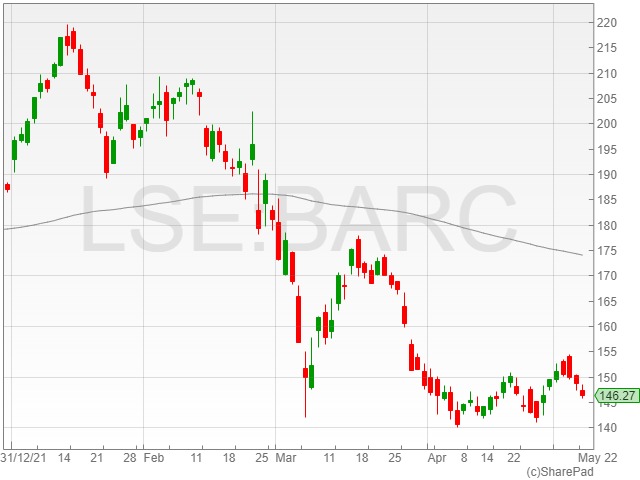
Barclays is one of the highest-performing stocks on the FTSE 100 since the Bank of England hiked interest rates to 1% in early May. As inflation looks set to hit double-digits in October this year, where are Barclays shares likely to go?

Barclays shares have fallen 20.8% year-to-date, however with the rise in interest rates and a steady mortgage and loans demand for the group, now may a good time to watch the Barclays share price after the drop?

Interest Rate Hikes

The Bank of England’s decision to raise interest rates by 0.25% to 1% signalled an urgent bid to curb skyrocketing 7% inflation, which is currently projected to hit 10% in October this year.

The move represents the next step in a series of anticipated hikes, with analysts predicting a rise to 1.25% at the next meeting in June, and rates as high as 2.5% year-on-year.

However, the bad news for borrowers is great news for Barclays, with the banking group’s profits set to rise on the back of higher interest rates.

Financial Results

The bank reported a 10% rise to £6.5 billion in group income over Q1 2022, alongside a pre-tax profit of £2.2 billion.

The firm enjoyed an 11.5% return on tangible equity over Q1, with a tangible net asset value per share of 294p against 291p year-on-year.

The company’s strong financial performance would have put it in a great place heading into 2022, and Barclays announced strong growth across all sectors as global markets and high rates of UK mortgage lending boosted the bank’s revenue in its consumer and payments business.

Expensive Accident

However, Barclays suffered a significant dent in its balance sheet through a well-publicised incident, which saw a trader accidently over-issue US securities and lead to a £500 million fine from the US Securities and Exchange Commission (SEC).

The loss increased the group’s operating costs to £4.1 billion from £3.6 billion in Q1 2021.

The company subsequently reported the suspension of its scheduled £1 billion share buyback scheme for the second time, however the bank confirmed that it intended to restart its programme as soon as possible.

Outlook

The bank reported estimated operating costs for the entire year of £15 billion, and confirmed a target return on tangible equity of over 10% for 2022.

Barclays assured investors that its diversified income streams put it in a good position to weather market volatility and turbulent economic conditions.

The company highlighted a target CET1 ratio between 13-14%, along with its intention to re-launch its share repurchase scheme at its earliest opportunity.

Is it a Buy?

The recent analyst consensus represents a positive outlook for Barclays, with 11 analysts rating the shares as hold, one as overweight and nine rating Barclays shares as a buy.

Given the positive consensus from brokers, and the potential for higher rates in the future, the Barclays share price will be worth keeping an eye on.

Ideagen shares soared 46% on takeover bid

0

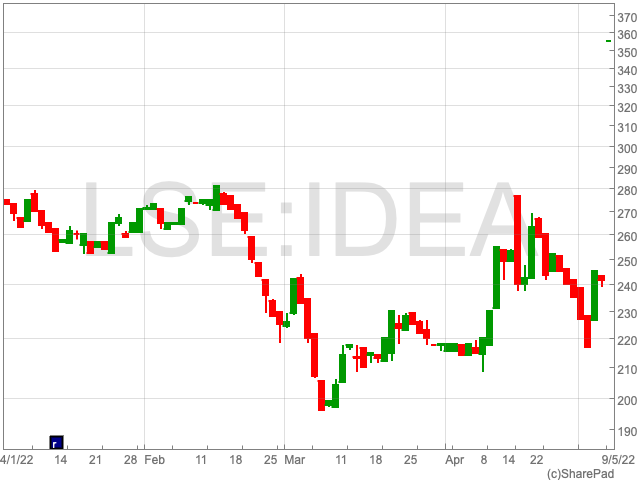
Ideagen shares soared 46% to 355p after the group announced that it has agreed to a £1.06bn takeover offer by Rainforest Bidco, which is a company indirectly controlled by funds managed by Hg Pooled Management.

HG Pooled will pay 350p per share for Ideagen, representing a 44% premium over the company’s closing price of 243p on Friday last week and valuing its issued and to be issued share capital at £1.06bn.

The transaction is contingent on receiving at least 75% shareholder approval at both the general and court meetings on June 22, as well as clearance from the High Court of Justice in England and Wales.

The deal is expected to be completed by July, according to Ideagen. Hg Pooled has received irrevocable acceptances from about 3.5m Ideagen shares, or 1.2% of the company’s issued share capital, so far.

Ideagen said it unanimously supports Hg Pooled’s bid, but it is still in talks with private equity company Astorg, which has been granted due diligence access.

Last Thursday, Ideagen acknowledged that Hg Pooled and Astorg had expressed interest in a buyout attempt, but that no firm offer had been made.

Private equity firm , Cinven said in mid-April that it was considering a bid, but withdrew in early May.

Richard Longdon, Non-Executive Chairman of Ideagen, said, “The all-cash offer represents a compelling and attractive opportunity for shareholders to realise and crystallise their investment in Ideagen in the near term and also provides a significant premium to the prevailing share price notwithstanding the backdrop of the wider risks posed by the political and macro-economic environment.”

“The offer reflects the quality, strength and long-term performance of Ideagen’s businesses and its future growth potential. We believe that Hg’s track-record and expertise in supporting and growing software businesses would provide a complementary partner for Ideagen’s stakeholders.”

Rightmove and commodities drag FTSE 100 into the red

0

The FTSE 100 languished in the red on Monday as the index dropped 1.9% to 7,240.5, its lowest point since mid-March in light of Beijing’s continued lockdown and market concerns about the Federal Reserve’s next moves on interest rates.

Russia’s military display in Moscow to celebrate the Soviet victory against Germany in the second world war also served to shake up investor confidence, with the event providing a stark reminder of the ongoing geopolitical conflict in Ukraine.

Commodities and Rightmove drag the FTSE lower

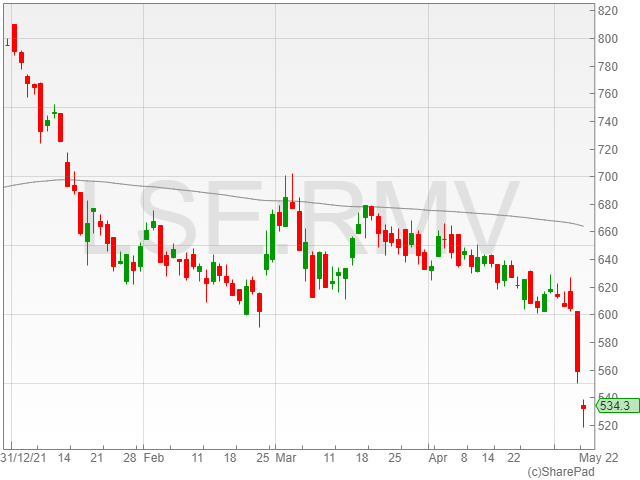
Rightmove shares plummeted 5.1% to 530.1p following the group’s announcement that CEO Andrew Brooks-Johnson was set to step down from the company in February 2023.

Brooks-Johnson will be leaving the property firm after 16 years, however Rightmove has confirmed that he will stay on until his replacement has been found and a smooth handover has been facilitated.

“I have thoroughly enjoyed my journey at Rightmove, working with a hugely talented team who have taught me an immeasurable amount,” said Brooks-Johnson.

“Rightmove is an amazing company, with a clear focus and a relentless energy to innovate, which it has been a privilege to serve. I’d also like to thank our customers for their support and loyalty over the past 16 years.”

Commodities groups dropped into the red, including Glencore with a 5% fall to 463.2p, Croda with a 4.8% drop to 66.9p, Anglo American declining 6.7% to 3,324p and Antofagasta sliding 4.8% to 1,387p as a result of Chinese lockdowns spurring fears of declining consumption and a dip in commodities prices.

Spot gold fell 0.6% to $1,871 per ounce, with silver falling 0.5% to $22 per ounce, and copper and aluminium prices dropping 0.6% to $9,354 and $2,826, respectively.

Share Buybacks

However, the FTSE 100 is gearing up for record levels of share buybacks, with BP’s scheduled $2.5 billion share repurchase plan for Q2 2022 anchoring the index record alongside Next and Endeavor preparing for massive buyback schemes.

The FTSE 100 is set to see a collective £37 million in buybacks in 2022, surpassing the previous record of £34.9 billion in 2018.

“The debate over BP’s bumper profits and the rights and wrongs of a windfall tax looks set to continue but the facts of the matter are that the oil major’s latest plans to return cash to its investors mean the FTSE 100’s members are poised to set a new all-time record for share buybacks in 2022,” said AJ Bell investment director Russ Mould.

“That may provide some succour to patient investors who are looking at a broadly flat capital return from the FTSE 100 in the year to date. This is the second-best performance among major indices in the world in 2022 so far, trailing on Brazil’s modest gains, in local currency terms.”

Small & Midcap Roundup: Energean, Victrex, Ideagen, Water Intelligence

0

London’s small and midcap markets were trading down on Monday after sanctions on Russia and lockdowns in China left investors wary of future market conditions.

The FTSE 250 and AIM both fell 2% to 19,425 and 957, respectively in early afternoon trade on Monday.

FTSE 250

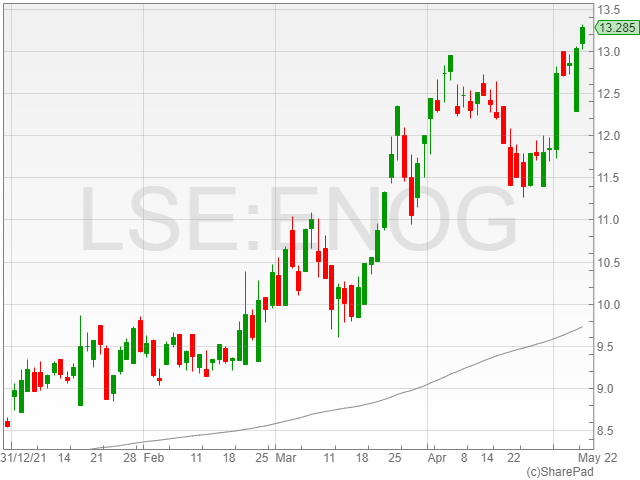
Energean shares rose 4.5% to 1,363p after the group announced that commercial gas has been discovered at its Athena exploration well, offshore Israel. 

Energean wholly owns the Athena well, which is the fifth well in a row that has been drilled successfully by the company in Israel. It has now been suspended as a future production well. 

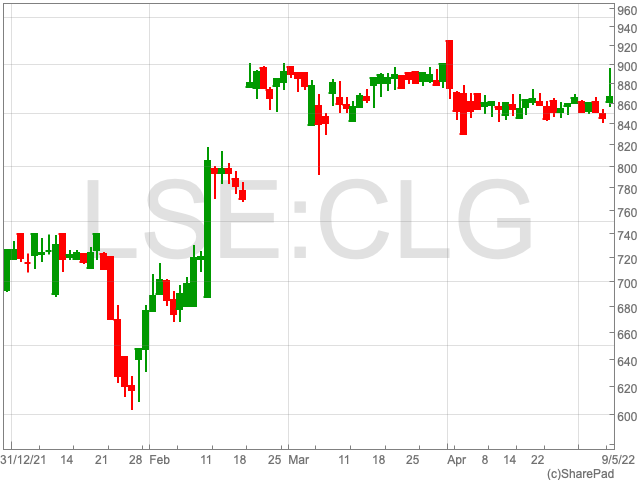
Clipper Logistics Group shares gained 2% to 867p after the group announced that they had reached an agreement on the terms of a recommended cash and share offer to be made by GXO for the acquisition of Clipper’s entire issued and any share capital issued in the future.

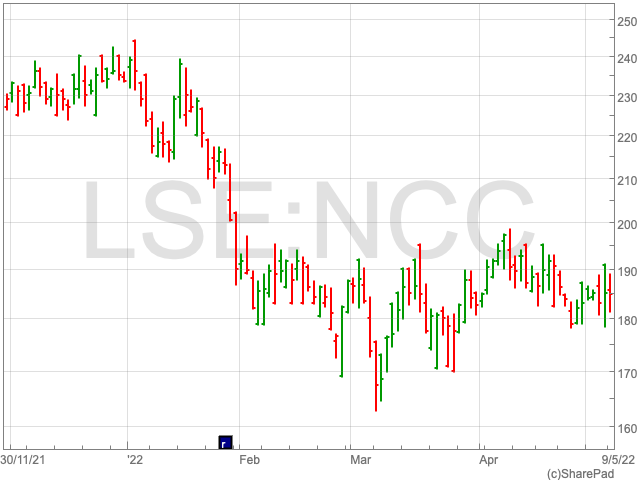
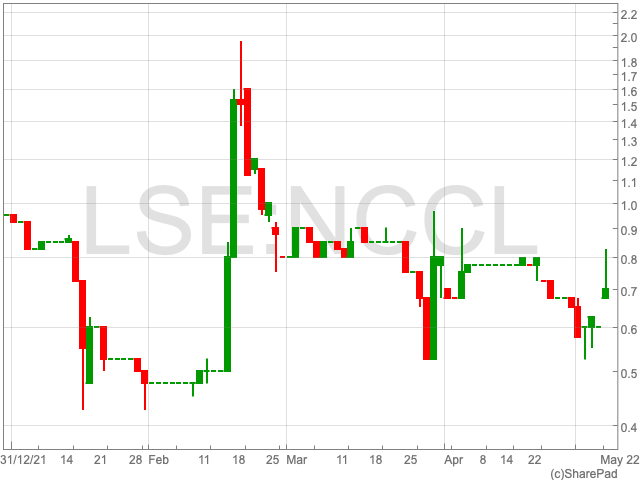
NCC Group shares increased 0.3% to 185p after the cybersecurity firm’s Board expects revenue growth to hit double digits for FY22 and momentum to continue in FY23.

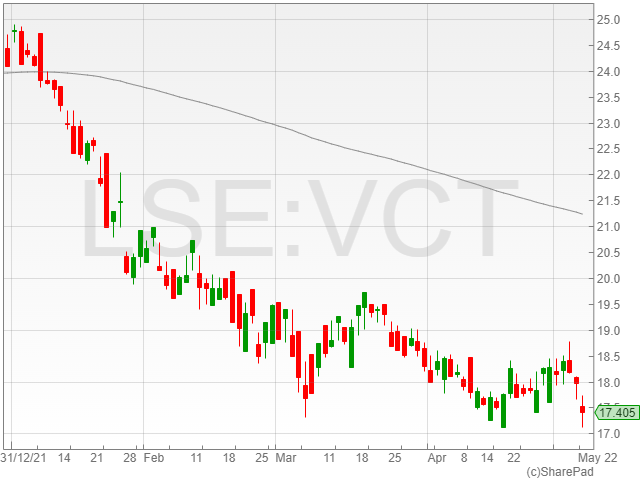
Victrex shares fell 5% to 1,708p after the company noted a drop in pretax profit by 6.4% to £43.6m from £46.6m despite a 6% rise in revenue from £150.9m to £160.1m.

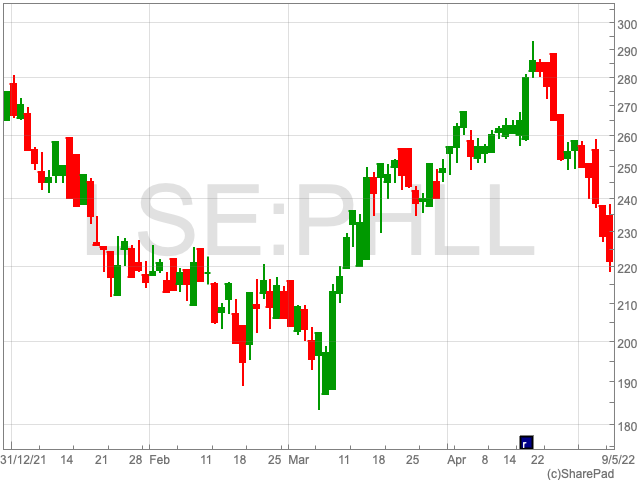
Petershill Partners’ share lost 3% to 221p after the company announced the commencement of a share buyback programme of up to $50m.

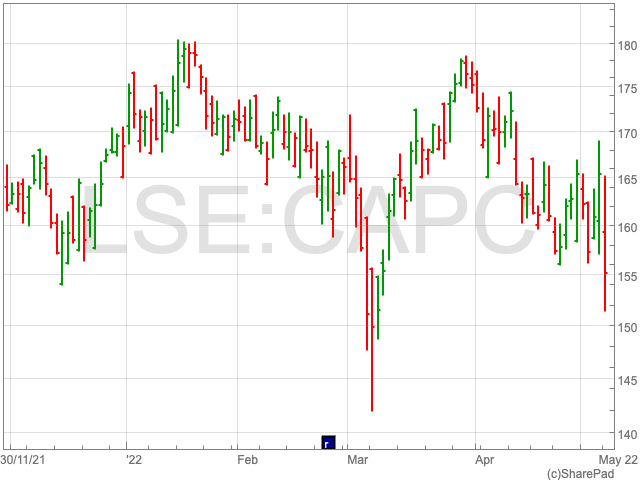
Capital & Counties Properties shares were trading down 3.2% to 160p after the group confirmed that it is in talks with Shaftesbury for a potential all-share merger of both companies.

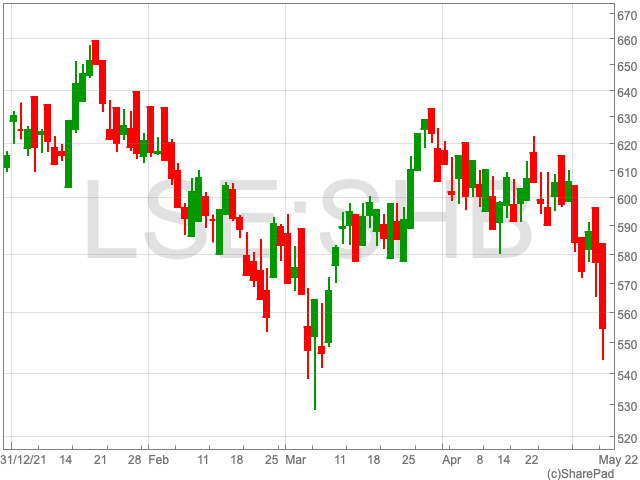
Shaftesbury shares fell 3% to 560p after the group announced that it is in talks with Capco for a potential merger involving all shares of both companies.

“Talks between Shaftesbury and Capital & Counties over a merger look logical given both are focused on the West End and both have had to endure a big drop in tourist numbers and wider footfall in central London during Covid,” said Russ Mould, Investment Director, AJ Bell.

“Add in the fact that Capital & Counties already has a decent-sized stake in Shaftesbury and this looks like a marriage made in heaven.”

AIM

Ideagen shares skyrocketed 46% to 355p following the announcement of reaching an agreement for its takeover by Hg Pooled Management for £1.06bn.

Ncondezi Energy shares flew 16.7% to 0.7p after the group’s Board concluded an internal review on the integrated Ncondezi 300MW power project in Tete, Mozambique, and stated that there is potential for a grid-scale solar plus battery storage power project at the site.

Quadrise Fuels shares rose 14% to 2.19p after the company announced that it is on track to achieve its commercialisation targets due to the positive engagement with counterparties during the past month. The group also said that it intends to progress with each of its core projects as well as with the development of bioMSAR fuel and its derivatives.

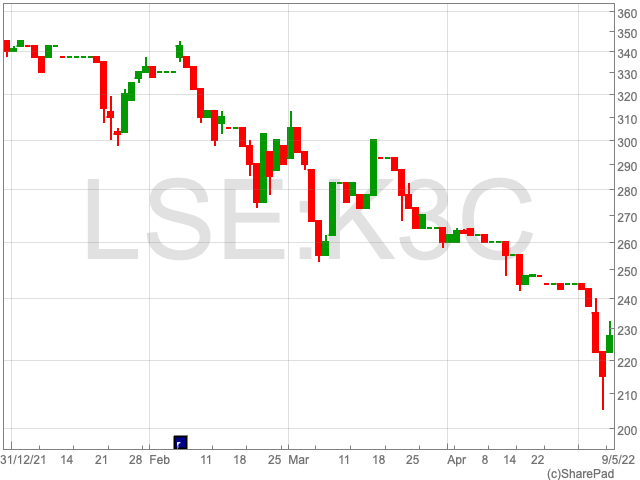
K3 Capital Group shares gained 6% to 228p after the group announced in a statement that it is unaware of any reason for the decline in its share price, however, the projections for the year are strong with recent acquisitions performing in line with expectations and momentum has continued in the start of H2 2022 for K3.

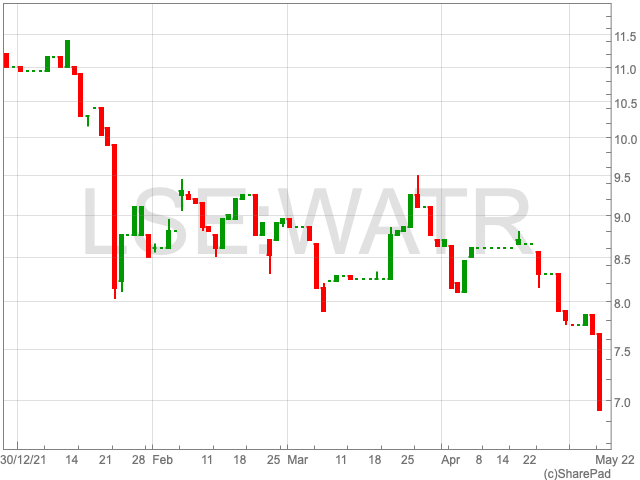
Water Intelligence shares tumbled 10% to 690p despite the group noting a 44% sales growth from $11.4m to $16.5m in 2022. However, the company did report a 17% decline in statutory pretax profit from $1.7m to $1.4m due to one-time costs.

Amur Minerals shares dropped 9.8% to 1.87p after the mineral exploration company along with its wholly-owned subsidiary Irosta Trading agreed to the sale of 100% of its interest in Irosta’s wholly-owned subsidiary, AO Kun-Manie to Stanmix Holding for $105m.

Trident Royalties shares lost 5.8% to 49p after the group turned to an annual loss in 2021 as it reported a pretax loss of $4.4m, swinging from a profit of $1.7m in 2020 and revenue dropped to $83,000 in 2021 from $1.7m the year before.

Trident also posted a decline in a revaluation of royalty financial assets from £2.5m to £1.5m in 2021 and a surge in “other finance costs” from £20,000 to £1.7m.

Looking past 2021’s results, Trident have recently reported the commencement of gold royalties in Q1 2022 that totalled $1,577,958.

Price Target

Travis Perkins shares fell 2.7% to 1,104p after Deutsche Bank research cut its price target from 1,961p to 1,525p.

Deutsche Bank research also cut several home construction companies such as Crest Nicholson, Redrow, Vistry and Bellway’s target to 415p, 784p, 1,207p and 3,289p, leading its shares to decline 3.5%, 3%, 2% and 2.8%, respectively.

Beazley shares rose 1% to 434p after Berenberg and Jefferies upgraded it to a ‘buy’ rating and raised its price target to 630p and 615p, respectively.

Rathbone Brothers shares dipped 1.4% to 1,992p following Barclays’ decision to cut its price target to 2,200p and give it an ‘equal-weight’ rating from an ‘over-weight’ rating.

4imprint Group saw its shares rise 1.4% to 2,930p after Barclays raised its price target to 4,100p from 3,700p.

IMI shares lost 5% to 1,255p after Barclays cut its price target to 1,750p from 2,070p.

Jefferies cut Morgan Advanced Materials’ price target from 485p to 440p resulting in a 5% dip in the group’s share to 279p.

Tate & Lyle shares lost 1.2% to 760p despite Jefferies raising the group’s price target by 40p to 900p.

Cerillion awaits further contract wins

There have not been any large contract wins for telecoms billing software provider Cerillion (LON:CER) this year but that could change over the coming months. The latest interims show the benefits of the contract wins from last year.
In the six months to March 2022, revenues increased from £12.8m to £16.1m. Annualised recurring revenues are £9.8m. Underlying pre-tax profit jumped from £3.8m to £6.3m.
The top three customers remain large contributors to earnings, but the customers change from year to year. Demand remains strong on the back of investment in 5G infrastructure.
The business is hig...

Easyjet removes row of seats to reduce flight staff

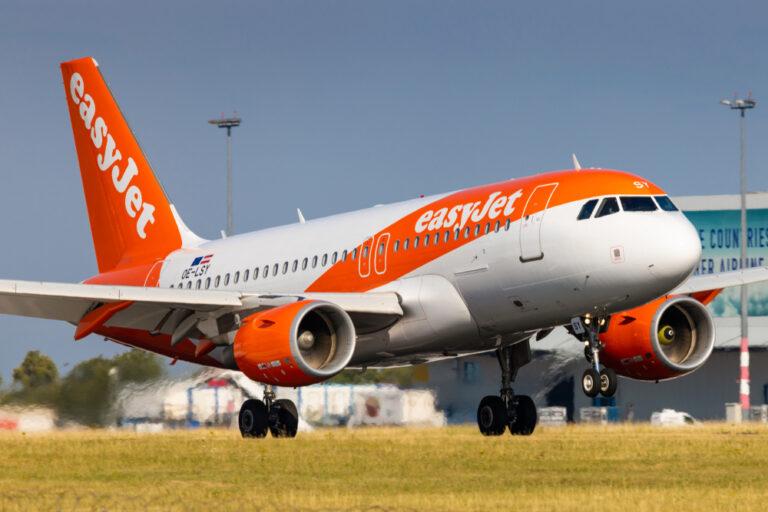
EasyJet is set to remove a row of seats from its A319 fleet in a move to reduce flight staff as it attempts to regain pre-Covid-19 levels of service.

The travel company said the change would allow it to fly with three cabin crew rather than four, and reduce on-board passenger limits to 150 customers per flight.

The firm has been looking for alternative ways to recoup lost profits and make up for reduced passenger volumes over the coronavirus pandemic, and commented that the seat removal would “[build] additional resilience and flexibility” into its operations.

EasyJet was recently hit by a wave of Covid-19 sickness across its staff during the Easter break, which saw hundreds of flights cancelled and passengers left stranded due to staff shortages.

The company said its decision to remove the row of seats would help it reduce staff numbers and still meet the Civil Aviation Authority (CAA) regulations for the mandated number of cabin crew on each flight, which is based on the actual seat numbers rather than passenger volumes.

EasyJet added that the last row of six seats tended to be booked last-minute by customers, which would allegedly create a minimal imposition on people making summer travel plans.

The firm commented that it was currently searching for other methods to strengthen its operational resilience, including increased resources for staff accreditation.

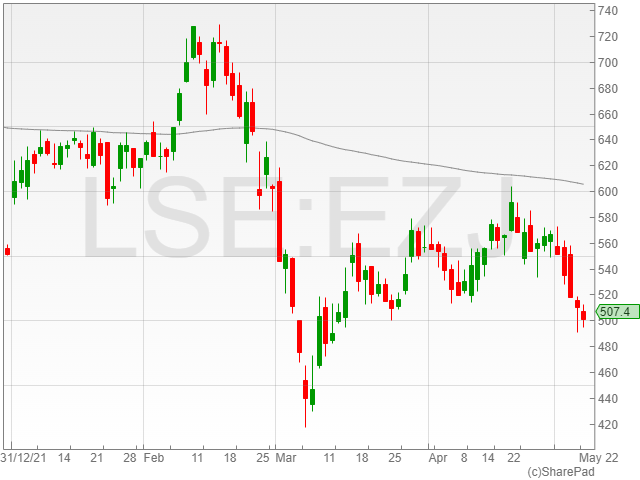
EasyJet shares were down 1.3% to 503.6p in noon trading on Monday after the news broke.

Rightmove shares fall as CEO resigns

0

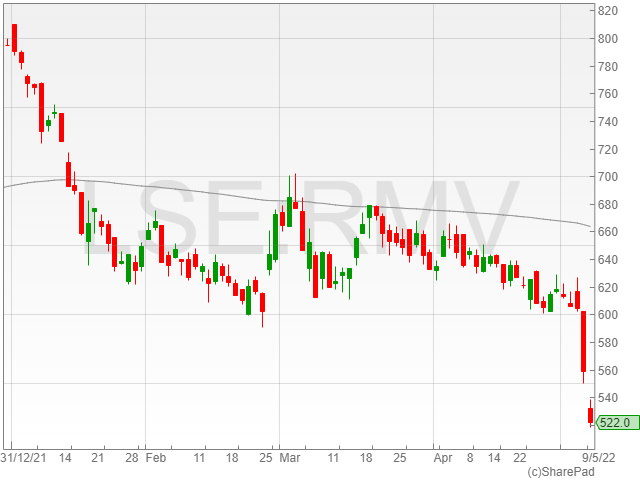
Rightmove shares fell 5.8% to 526.2p in late morning trading on Monday, after the group announced the resignation of Chief Executive Officer Peter Brooks-Johnson.

Johnson is set to leave following 16 years with the property company, and confirmed that he would depart after the release of the FY2022 results in February 2023.

Rightmove commented that Johnson would remain with the firm to assist with the search for his replacement, and help ensure a smooth handover process before he steps down.

“I have thoroughly enjoyed my journey at Rightmove, working with a hugely talented team who have taught me an immeasurable amount. Rightmove is an amazing company, with a clear focus and a relentless energy to innovate, which it has been a privilege to serve,” said Brooks-Johnson.

“I’d also like to thank our customers for their support and loyalty over the past 16 years. With Rightmove progressing well on its mission to make home moving easier and our strong trading from 2021 continuing into 2022, I have decided it is an appropriate time to seek a new challenge.”

“I continue to be hugely enthusiastic about the Company and the opportunities we see ahead. I have no doubt that Rightmove will continue to deliver for home hunters, customers and shareholders for many years to come.”

The company’s board assured investors that it has been trading in line with management expectations, with its full year guidance remaining unchanged.

Rightmove confirmed it was set to kick off its search for Brooks-Johnson’s replacement.

“Peter has made a significant contribution to the success of Rightmove over the past 16 years and whilst we are disappointed that he will be leaving the business, we understand his decision,” said Rightmove chair Andrew Fisher.

“Under Peter’s leadership Rightmove has helped make home moving easier and with a robust strategy and very strong team, the Company is well placed to pursue the opportunities ahead.”

“We will all miss Peter greatly and wish him continued success in his future career. I look forward to working with Peter to ensure a smooth transition and given Rightmove’s strong market position we are confident we will attract a high calibre successor.”

Why is Brooks-Johnson leaving?

Analysts pointed out the impact of Brooks-Johnson’s resignation on the company’s share price, highlighting his decision as the eleventh CEO in the FTSE 100 to step down so far in 2022.

“Mr Brooks-Johnson is the eleventh FTSE 100 boss to announce they are stepping down so far in 2022, although three of those changes are due to come into effect in 2023, including the one at Rightmove. This compares to a long-run average of between 12 and 13 changes a year,” said AJ Bell investment director Russ Mould.

Mould further speculated that Brooks-Johnson might be leaving the company at an opportune moment.

“[Some] investors could be forgiven for asking themselves whether the boss is getting out at an opportune time.”

“Rightmove’s shares are down by a third from December’s all-time high, as the tide seemingly turns against highly-rated growth stocks and markets fret about the impact of rising inflation and rising interest rates upon not just equity valuations but consumer confidence and possibly, by extension, the housing market.”

Rightmove and Brooks-Johnson both appear to attribute the CEO’s move to a desired change of pace, in light of 16 year at the same company. The executive currently ranks as the 43rd-longest serving boss in the UK’s headline index.

It remains to be seen how the property markets weathers the oncoming storm of inflation and rising cost of living, however it’s possible that Brooks-Johnson is indeed leaving Rightmove at the calm before the storm hits.

UK slams Russia & Belarus with £1.4bn in sanctions

0

The UK government reported an additional £1.4 billion worth of targeted sanctions against Russia and Belarus in the latest wave of measures to target Vladimir Putin’s conflict in Ukraine.

The move was announced on Sunday by International Trade Secretary Anne-Marie Trevelyan and Chancellor of the Exchequer Rishi Sunak.

“We are determined to do our utmost to thwart Putin’s aims in Ukraine and undermine his illegal invasion, which has seen barbaric acts perpetrated against the Ukrainian people,” said Trevelyan.

“This far-reaching package of sanctions will inflict further damage on the Russian war machine. It is part of a wider coordinated effort by the many countries around the world who are horrified by Russia’s conduct and determined to bring to bear our economic might to persuade Putin to change course.”

The announcement marked the third wave of sanctions against the embattled country, and included import and export bans which reportedly cover goods vital to the Russian military effort, including platinum and palladium.

Russia is one of the biggest global producers of platinum and palladium, and is highly dependent on the UK for exports of products made from the materials.

The UK reported a 35% rise on tariffs for a series of product imports including platinum, palladium and chemicals.

The new selection of sanctions brings the total value of products sanctioned since Russia invasion of Ukraine to over £4 billion.

The export bans have also been developed to hit more than £250 million in goods based in sectors of the Russian economy that are most dependent on UK products, with key materials such as plastics, machinery, plastics and chemicals targeted by the recent measures.

The recent issuance of sanctions is set to increase the total proportion of goods imports from Russia saddled with sanctions to more than 96%, with more than 60% of goods exports to the country under whole or partial restrictions in an effort to destabilise Putin’s war effort.

“Putin’s illegal invasion of Ukraine is causing suffering on an enormous scale. His barbaric war must be stopped,” said Sunak.

“Over £4 billion worth of goods will now be subject to import and export sanctions, doing significant damage to Putin’s war effort. Working closely with our allies we can and will thwart Putin’s ambitions.”