UK manufacturing sector expands faster than expected in February

The UK manufacturing sector grew fastest than expected in February as demand increased and global supply chain issues eased.

The UK CIPS UK Manufacturing PMI for February came in at 58, beating economist estimates of 57.3.

PMI readings above 50 signal expansion.

Manufacturing activity was helped higher by the end of lockdowns but Brexit ‘obstacles’ were still hurting export growth.

“The growth rate of UK manufacturing production accelerated and managed to reach a seven-month high in February, thanks to an increase in domestic demand, fewer raw material shortages and easing of global supply chain pressures,” Walid Koudmani, chief market analyst at financial brokerage XTB.

“While inflation remains elevated and a key issue for the economy, it appears the situation is starting to ease and despite ongoing geopolitical tensions, we could be seeing a continuation of this trend moving forward which could further speed up the post pandemic recovery.”

Despite strong growth in the sector, there was still concerns about inflation and the future impact of higher prices one the sector.

“Elevated prices remained with inflationary costs still risingat both ends of the supply chain. Commodities such as food, raw materials and transportation were more expensive andmeant firms’ charges to customers rose again as they havein each month for almost six years,” said Rob Dobson, Director at IHS Markit.

Flutter records net loss of £288m over client acquisition

0

Flutter’s stock dropped after the gaming company released preliminary results for2021, which highlighted the cost of expanding in the United States.

Flutter shares were trading down 13.6% to 9,318p on Tuesday afternoon. 

After a £543m expense for non-cash amortisation from acquired intangibles, Flutter’s reported loss before tax was £288m. Adjusted EBITDA dropped 18% to £1bn. 

Following an expansion into more US states, results showed higher initial losses, as they gained more clients due to acquisition costs. However, results are encouraging as more people are adopting online sports gambles. 

Reported revenue increased by 37% as a result of the May 2020 merger with The Stars Group, but EBITDA decreased by 6% due to greater US investment and regulatory costs. 

Recreational clients are driving revenue growth, with 7.6 million average monthly players up 23%.

After the TSG merger, Flutter has significantly reduced their exposure to the Russian online market. In 2021, £41m yielded from Russia and £19m from Ukraine.

“Flutter does have exposure to Russia and Ukraine but this is relatively modest at tens of millions of pounds out of total revenue base of more than £6 billion,” said AJ Bell investment director Russ Mould.

“2021 was another strong year for the Group as we made good progress against our strategic objectives and grew our recreational customer base to over 7.6m customers. Yesterday we launched our new sustainability strategy, our ‘Positive Impact Plan’, which will see Flutter set a positive agenda for future change. Through this strategy we will build on the significant progress already made in areas such as safer gambling and measure our performance against defined goals to demonstrate how we are responsible leaders in our industry,” said Peter Jackson, Chief Executive Officer, Flutter.

“In the US, we delivered over $1.9bn in revenue, leveraging our differentiated product proposition to remain the number one sportsbook in the market with a 40% share. Despite our scale we retain a challenger mindset; this year we launched a number of new features to our market-leading same game parlay product, maintaining our competitive advantage in sports. I’m also pleased to see the progress on our path towards profitability; FanDuel sportsbook and gaming business delivered positive contribution in 2021 for the first time, a significant milestone for the brand.”

Gazprom sacks workers as Nordstream 2 pipeline impacted by Russia sanctions

0

Russian energy company Gazprom laid off its entire company of workers on Tuesday after the Nordstream 2 pipeline was crippled by financial sanctions against the country.

The move follows Russia’s invasion of Ukraine, which has seen the the international community introduce extreme measures against Russian businesses.

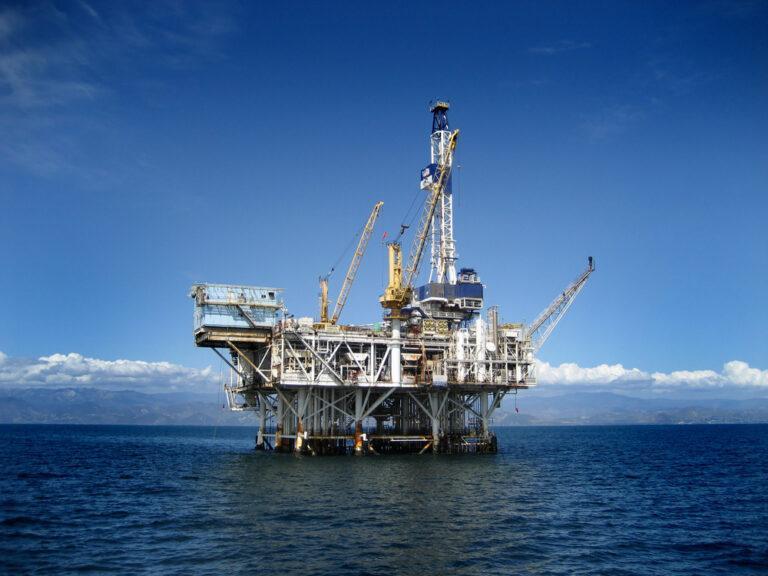
Shell is also scheduled to exit approximately £2.25 billion worth of joint-ventures with Gazprom.

The UK oil producer announced that it will be severing its 27.5% stake in the Sakhalin-II liquefied natural gas facility, alongside its 50% stake in the Salym Petroleum Development and the Gydan energy venture.

“Our decision to exit is one we take with conviction,” said Shell CEO Ben van Beurden.

“We cannot – and we will not – stand by. Our immediate focus is the safety of our people in Ukraine and supporting our people in Russia.”

“In discussion with governments around the world, we will also work through the detailed business implications, including the importance of secure energy supplies to Europe and other markets, in compliance with relevant sanctions.”

The news follows BP’s exit from its 19.75% stake in Russian-owned Rosneft after pressure from the government to drop its financial links to the country.

“The Rosneft holding is no longer aligned with BP’s business and strategy and it is now the board’s decision to exit BP’s shareholding in Rosneft,” said BP chair Helge Lund

“The BP board believes these decisions are in the best long-term interests of all our shareholders.” 

FTSE 100 falls as Russian troops approach Kyiv

The FTSE 100 fell on Tuesday as a large convoy of Russia troops approached the Ukrainian capital and the fallout of sanctions rippled through markets.

On a day the human tragedy of Ukraines invasion becomes ever more real, the impact of sanctions, and moves by western companies to disassociate with Russia, caused further volatility.

“Investors, like almost everyone else, have little insight into what happens next in Ukraine or how Russia might respond to what it perceives as provocations by the West,” said AJ Bell investment director Russ Mould.

Russians have been flocking to remove their cash from banks as sanctions froze Russian assets around then world. As savers rushed to withdraw their funds, the European arm of Russia’s largest bank Sberbank was on the verge of failing.

Economists have predicted that Russia’s GDP will fall by 5%.

With their Russian ties, Evraz and Polymetal are still facing the brunt of the investor selling and now face demotion from FTSE 100.

“After Russia invaded Ukraine and then stringent sanctions were imposed on Moscow, the fortunes of the Russia focused miners Evraz and Polymetal International have reversed dramatically. Shares in Evraz are down by 55% over the last five days, which translates into heavy losses for Roman Abramovich who owns a 30% stake in the company. Gold miner Polymetal has experienced an even more brutal swing downwards, falling by 75% since conflict broke out,” said Susannah Streeter, senior investment and markets analyst, Hargreaves Lansdown. 

Abrdn

Abrdn shares dipped – overshadowed by wider market weakness – after the asset manager reported its first profit since the merger between Aberdeen Asset Manager and Standard Life.

Abrdn’s fee-based revenue is up 6% to £1.5bn and adjusted operating profit is up 47% to £323m. Pre-tax profit rose 33% to £1.1bn in 2021. Dividends remain the same as 2020 in 2021 at 14.6p.

Flutter

Flutter shares also suffered after the gaming company posted 2021 preliminary results that revealed the cost of US expansion.

Reported revenue increased by 37% as a result of the May 2020 merger with The Stars Group, but EBITDA decreased by 6% due to greater US investment and regulatory consequences.

Recreational clients are driving revenue growth, with 7.6 million average monthly players up 23%.

FTSE 100 risers

Rio Tinto saw a share price increase of 2.07% to 5,909.5p on Tuesday as it continued to ride the wave of positive news from its financial results for 2021.

The recently posted record dividends of $16.8 billion, which brought it to the second-highest FTSE 100 payout behind Vodafone’s $18 billion payout in 2014.

BAE Systems shares saw a 1.92% increase to 733.4p as Russia’s invasion of Ukraine resulted in a continued demand for arms contractor’s stock.

Shell

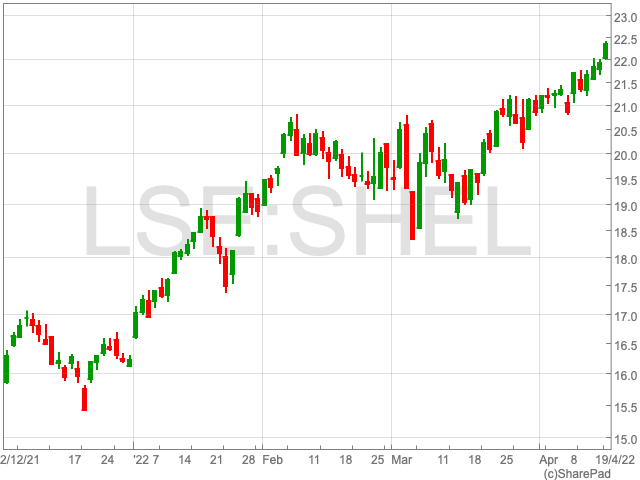
Shell shares were 1.2% weaker after the oil major said it would be ceasing its agreements with Russia oil and gas group Gazprom.

Gazprom fired its entire company of workers on the Nordsteam 2 pipeline following crippling sanctions against the country.

Consider Premier Miton Global Sustainable Optimum Income Fund for safety from geopolitical risks

The invasion of Ukraine by Russia first and foremost has a terrible human cost on the people of Ukraine and thoughts will of course be with them.

Sanctions imposed by the West will also hit ordinary Russia people who are facing economic consequences for the actions of their leader. These economic consequences are also playing out in global markets and leading to significants levels of volatility.

With the heightened uncertainty caused the introduction of geopolitical risks, investors may be inclined to shift their portfolios to income producing assets to provide compensation if they are to wait for the recovery in share prices.

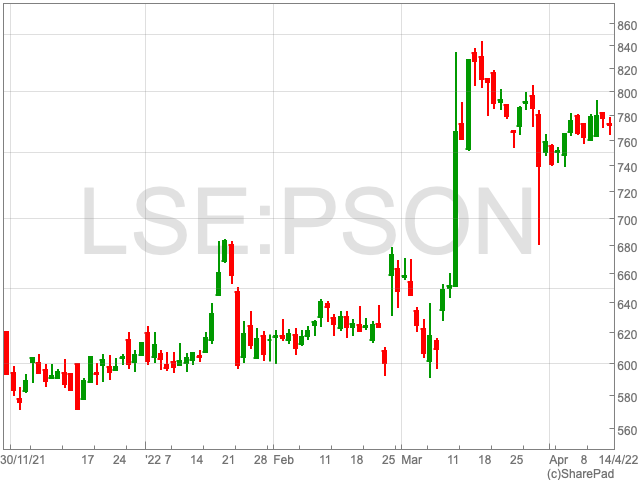
We see the Premier Miton Global Sustainable Optimum Income Fund as an ideal destination for the capital of investors seeking a diversified approach to income.

The fund has provided investors with a substantial return over three years whilst paying one of the highest dividend yields of peers.

There is a focus on ESG which is reflected in their holdings that includes a number healthcare companies.

Premier Miton Global Sustainable Optimum Income Fund

The Premier Miton Global Sustainable Optimum Income Fund has a target yield of 6% through the selection of global equities. There is a emphasis on larger companies, but the fund will invest in companies of all sizes and geographies.

There is a level of attraction not only to the target yield, but the current yield which stands at 6.56%. The fund distributes income to investors on quarterly basis.

Over the past three years, the fund has returned investors 32% and 6.1% over the past year.

Portfolio

There funds portfolio is currently highly weighted the North American market with 63% of the portfolio allocated to the geography.

Europe excluding the UK accounts for 13.8%, and the UK 6.8%.

The portfolio is broadly diversified with 19% allocated to information and technology, industrials 17.6% and healthcare 16.7%.

The fund includes US income heavy weights Abbvie and Deere, highlighting the diverse nature of the fund which is likely to whether prolonged volatility better than most.

MasterCard accounts for 2.7% of the fund providing welcome stability while producing a lower than average 0.54% yield. MasterCard share are up 222% over the last 5 years.

Another reliable component of the fund is Pharma company Stryker which has a yield 1% and recently reported a 24.7% jump in full year earnings.

Ericsson shares hit by allegations of ISIS bribes

Ericsson shares continued their declines this week after leaked documents alleged that the Swedish company had used its funds to bribe ISIS as a means to continue its sales in territory occupied by the terrorist group.

The news of corruption first broke on February 15 2022 and saw Ericsson shares take a dive of over 12%.

A report from Ericsson stated that an internal investigation by the company had discovered “serious breaches of compliance rules and the Code of Business Ethics” alongside “evidence of corruption-related misconduct.”

The report also revealed “payments to intermediaries and the use of alternate transport routes in connection with circumventing Iraqi Customs, at a time when terrorist organizations, including ISIS, controlled some transport routes.”

The company further claimed that its investigators were unable to uncover the eventual recipients of those payments.

Kidnapping and Extortion

However, the latest reports indicate that Ericsson also allowed its contractors in the region to be kidnapped by ISIS and subsequently abandoned them after demands for ransom were submitted to the company.

“He abandoned me, he turned off the phone and disappeared,” Ericsson contractor Affan told German public broadcaster NDR.

Affan was later released after a month of house arrest, with the Ericsson report claiming a company partner made unspecified arrangements to have him released.

The leaked documents were accessed by the International Consortium of Investigative Journalists and revealed allegations from 2019 against the telecommunications firm of bribery in ten countries.

ISIS Territory

Ericsson’s transport contractor reportedly used a faster “Speedway” through ISIS territory to avoid government checkpoints and smuggle products into areas held by the terrorist organisation.

According to the ICIJ, bribery payments were probably made along the route as a means of conducting Ericsson business in the region.

“Ericsson knew well what was going on. There is not a sane person who would deal directly with IS, they all do it through the subcontractors,” an anonymous senior telecoms official told an ICIJ partner.

“Militants would take a percentage from every cent paid in Mosul on any project or work. This is how they accumulated millions.”

Ericsson has not yet released an official statement on the latest release of allegations.

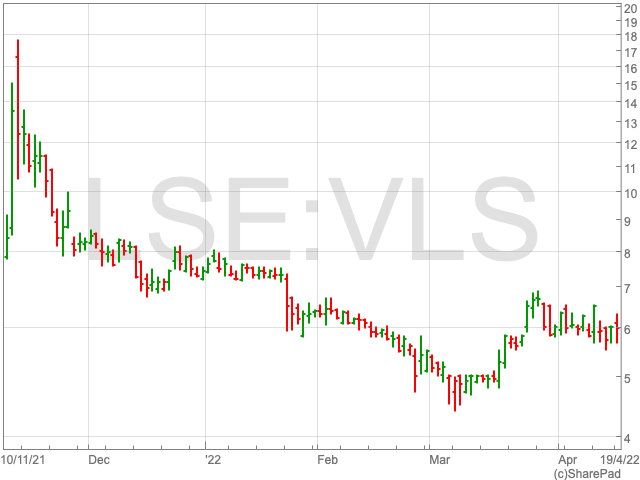
Made Tech share price plummeting despite NHS contract and revenue growth of 131%

0

Made Tech Group commenced two year contract with NHS digital worth up to £37.5m and saw revenue increase 131%.

However, news of staffing issues has seen Made Tech shares crash over 50% in two trading sessions.

Made Tech Group is a significant digital, data, and technology services provider to the UK public sector. 

Made Tech recorded revenue growth of 131% to £11.7m from H1 21 to H1 22. The Central Government contributes 71% of the the Group’s revenue.

The Group established itself as a significant and trusted partner to government agencies, resulting in a large number of new contracts, a large order backlog, and a strong sales pipeline for the upcoming months. Despite some immediate obstacles in meeting the client’s needs, the directors are optimistic that substantial growth will be attained in the coming years.

Made Tech NHS Contract

The £37.5m contract was granted through the NHS Digital Capability framework, and it will be implemented by Made Tech and its consortium partner Answer Digital, with Made Tech receiving roughly half of the contract amount. The delivery of the contract is already underway.

NHS Digital is platfrom provider which allows clinics to design, develop, and manage national IT and data services to improve health care and for patients.

Made Tech’s revenue prospects in FY23 and FY24 will be greatly improved as a result of the arrangement. The award is in keeping with the Group’s stated objective to expand Made Tech’s footprint in the Health & Social Care industry, which was disclosed at the time of its IPO.

“We are delighted to announce our first major contract within Health & Social Care. Twelve months ago, we began building a team focused on Health, and this contract is a testament to their hard work and focus.  We are also excited to be working with the NHS, one of the country’s most cherished institutions, in its quest to further improve its speed of service and reduce waiting times. We look forward to delivering this contract and to growing our services to this key Health and Social Care market,” said Rory MacDonald, Chief Executive Officer, Made Tech.

Made Tech’s Staffing Difficulties

Although the top line growth made for good reading, additional costs related to staffing and recruitment is set to damage profits in the coming periods.

“Despite some short-term challenges relating to IR35 and staffing of public sector contracts and increased overhead costs, which we expect to impact our trading performance in Q4 FY22 and into the first half of FY23, the Group’s significant new contract bookings and robust pipeline underpin the Board’s confidence in the medium term outlook,” MacDonald said.

Made Tech shares were trading at 44p, down 12% on the day on Tuesday.
LondonMetric takes on 3 more grocery properties

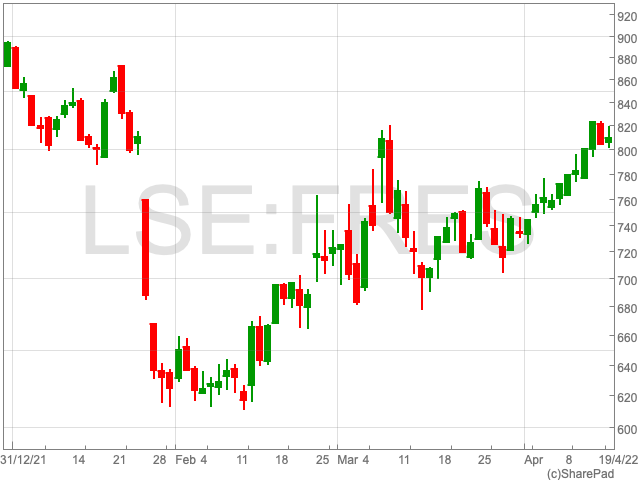
LondonMetric reached agreements on three grocery lettings within its long income and retail park assets in Ashford, Totton, and Tonbridge.

The three lettings, Ashford, Totton, and Tonbridge, are expected to generate of £1.2m in contracted rent per annum. Alongside, the lettings, will have a weighted average unexpired lease term (WAULT) of 16 years and benefit from RPI or fixed rental uplifts.

Lettings

Ashford, Middlesex

LondonMetric has secured a new 25-year lease with Lidl on the existing 32,000 sq ft Hitchcock & King store on behalf of its MIPP Joint Venture. The rent is £0.6m p.a. Lidl has gained possession of the property and plans to open for business in October 2022.

Totton, Southampton

On behalf of MIPP Joint Venture again, LondonMetric has agreed to increase its footprint to 21,000 sq ft on a renewed 20-year lease. The rent is £0.3m p.a Lidl will take over the location earlier occupied by Poundstretcher.

Tonbridge

Following the acquisition of planning permission, LondonMetric has rented a 14,000 sq ft unit to Food Warehouse on a fresh 15-year term. The rent acquired will be £0.3m. Food Warehouse will take over the location presently occupied by Go Outdoors, which is vacating due to its recent administration.

Lidl now represents 1% of LondonMetric’s contracted rent across four sites. Thanks to the lettings in Ashford and Totton, Lidl just established a new 22,000 sq ft shop on a former Carpetright facility, in Sevenoaks Way in Orpington.

“We have continued to take advantage of the polarisation within the retail market to strengthen our exposure to select grocery occupiers. These transactions have not only improved our rental income and lease lengths but also replaced weaker occupiers with stronger credits that better reflect changing consumer shopping patterns,” said Mark Stirling, Property Director, LondonMetric. 

LondonMetric’s shares are down 0.15% to 259.6p on Tuesday morning due to persisting situations in Ukraine.

LondonMetric merged with London & Stamford Property and Metric Property Investments in 2013.

XP Power announce disappointing 21% drop in operating profit

XP Power’s share price has fallen 3.92% this morning after the company released disappointing results for its 2021 financial year.

The critical solutions company saw its operating profit fall 21% from £37 million to £29.7 million.

The firm linked the operating profit loss the expense of its ongoing legal case in the US.

XP Power’s revenue climbed 3% from £233.3 million to £240.3 million between 2020 and 2021.

The firm announced a final dividend per share of 36p, with the dividend remaining flat when compared last year’s payout.

This meant XP Power’s dividend totalled 94p per share up from 74p in 2020, amounting to 27% growth over the financial year.

However, the power products supplier noted that its order intake increased by 33% to £343.4 million over 2021 due to demand in all three of their sectors, including recovery in Industrial Technology, momentum in the Semiconductor Manufacturing Equipment sector and an normalisation of demand from the Covid-19 pandemic.

XP Power is set to enter 2022 with a “record” order book of £217 million against a 2020 total of £124.1 million, representing 80% of analyst consensus 2022 revenue.

“Our clear strategy and strong execution has helped us navigate well through what have been challenging markets of recent years, with 2021 being no exception,” said XP Chair James Peters.

“The strength of our results is testament to the business resilience and the efforts and dedication of our people and business partners and I would like to put on record my thanks to all of them.”

“Despite the challenges we delivered record constant currency orders and revenues in 2021, while maintaining strong cash generation.”

AstraZeneca and Neurimmune close $760m heart treatment deal

AstraZeneca has closed its $760 million global collaboration and licence deal with biopharmaceutical company Neurimmune to develop and distribute NI006.

The product is an investigational human monoclonal antibody currently in Phase Ib development used for the treatment of transthyretin amyloid cardiomyopathy (ATTR-CM).

ATTR-CM is an underdiagnosed, systemic condition that leads to progressive heart failure and is typically fatal within four years of diagnosis.

AstraZeneca subsidiary Alexion has reportedly been granted an exclusive worldwide licence to develop, manufacture and commercialise NI006.

The deal will see a $30 million payment upfront from Alexion to Neurimmune.

Alexion is set to make additional payments of up to $730m upon achievement of certain development, regulatory and commercial milestones.

The company will also pay low-to-mid teen royalties on net sales of any medical applications approved due to the collaboration.

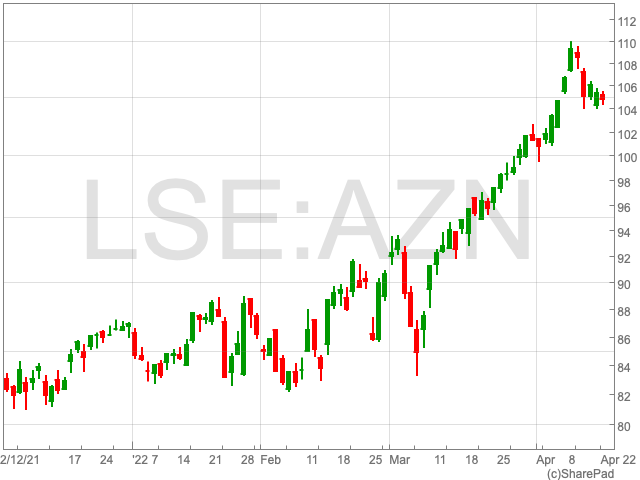
AstraZeneca’s share price increased by 2.17% to 9,256p in early morning trading on Tuesday.