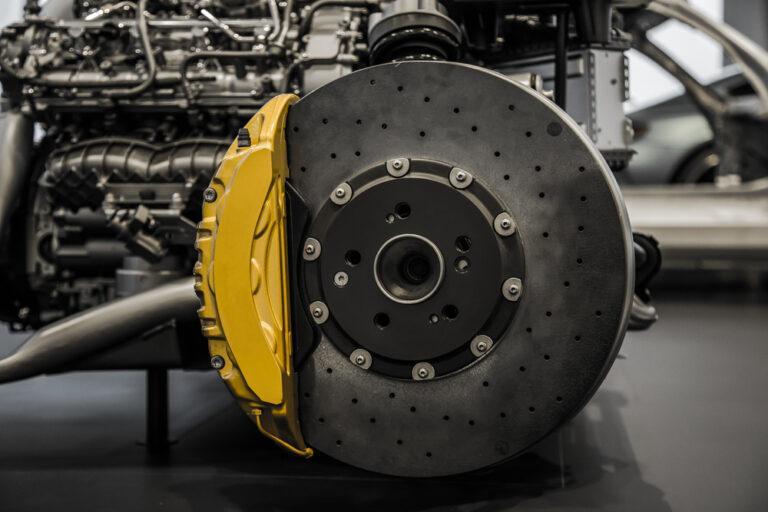
Surface Transforms (LSE: SCE) improved to 51.5p and a Mkt Cap of £101m after announcing an increased order from £27.5m to £100m for it brake discs for a well known Electric Vehicle OEM> SCE is the only UK manufacturer of carbon fibre reinforced ceramic automotive brake discs and there is only one other in the world. These brakes are used on high spec cars and SCE clients include as Bentley, Maclaren, Ferrari, Land Rover, Aston Martin and perhaps Tesla…… All are looking for security of supply as well as the enhanced performance.
The benefits of all carbon ‐ ...
Alliance Pharma acquires ScarAway and US rights for Kelo-cote
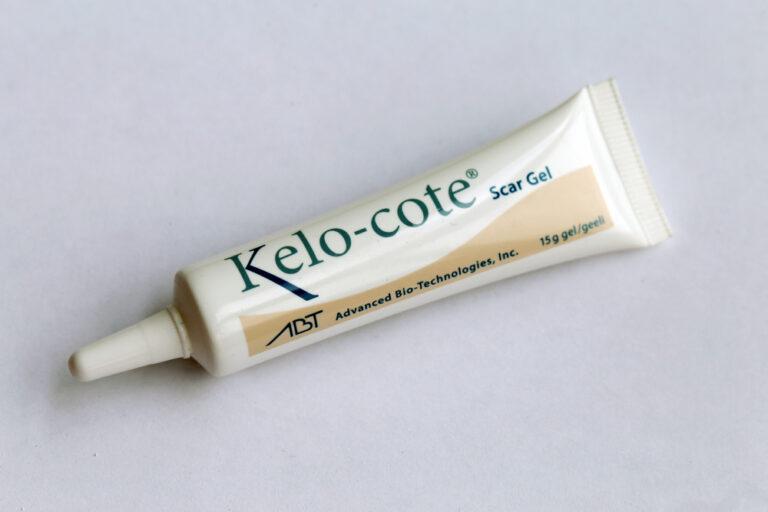
Alliance Pharma has officially entered the scar treatment market with its acquisition of ScarAway, the leading silicone-based scar treatment brand in the US. The company has also announced the launch of Kelo-cote to the consumer markets.
Alliance’s strategy in the US has been boosted by the acquisition of ScarAway, as it gives Alliance with a well-established distribution network from which the group will gain future growth.
The current retail value for the US scar treatment market is $90m per year.
ScarAway currently has silicone scar treatment available in sheet, gel and spray form and has generated $10m in net sales from February 2021 and 2022.
With their latest revenue, the company is the leader in the silicon scar treatment market.
ScarAway is the second-largest player in the scar treatment category, which covers both silicone-based and cream-based products, with a 28% market share, trailing Mederma which has 40%.
Kelo-cote available in gel and spray is an international brand recommended by healthcare experts globally.
Kelo-cote previously had a minor e-Commerce presence in the United States, with limited advertising and net sales of around $1m between February 2020 and 2021.
With Alliance’s existing rights and the newly acquired Kelo-cote rights in the US, the pharma company now has its first global brand in its portfolio.
Alliance paid Perrigo a total of $19.4m in cash and debt, which is the fair value of the intellectual property purchased.
The Board anticipates that the transaction will boost profitability immediately, with additional benefits expected in future years.
In the past year, ScarAway and Kelo-cote earned a total EBITDA of almost $2m.

Peter Butterfield, Chief Executive Officer, Alliance Pharma, stated, “I’m delighted to have completed such a strategically important and earnings enhancing acquisition for Alliance which creates our first fully global brand in Kelo-cote and significantly enhances our presence in the largest consumer healthcare market in the world.”
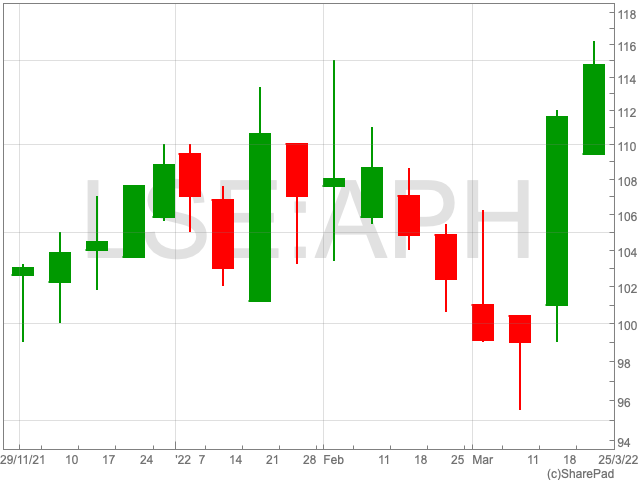
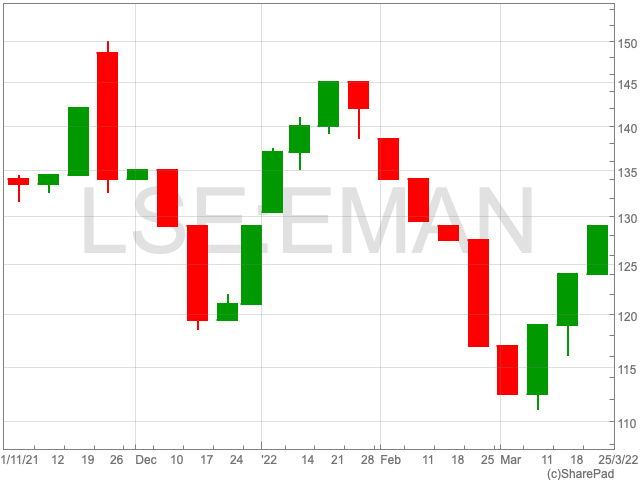
Alliance Pharma shares were up 2.5% to 114.8p following the new acquistions.
Open Orphan secure £5m RSV challenge study contract
Open Orphan subsidiary hVIVO reported a £5 million study contract win with a European biotechnology company to test its intravenous antiviral candidate in a study on the respiratory syncytial virus (RSV).
Open Orphan saw its share price surge 8% to 14.5p in late morning trading on Friday after the announcement.
The company anticipates revenues from the contract to be recognised across 2022 and 2023.
RSV currently affects an estimated 50 million people globally and accounts for four million hospitalisations and 75,000 in-hospital deaths of children under five years old.
The study is expected to break new ground in the medical community’s understanding of the disease, in particular concerning adult patients.
Open Orphan and European biotech have reportedly collaborated in previous clinical work conducted by the Venn Breda team.
“I am pleased to announce this £5m contract to test our client’s antiviral candidate using the hVIVO RSV Human Challenge Study Model,” said Open Orphan CEO Yamin ‘Mo’ Khan.
“RSV is a significant threat to public health, and we are delighted to support this European biotech in the development of its antiviral candidate.”
hVIVO Chief Scientific Officer Dr Andrew Catchpole added, “This contract is a further demonstration of the significant value of human challenge studies.”
“Efficacy data provided by the Company following the completion of the study can lead to entry into Phase II as well as optimisation of a Phase III programme.”
“For Big Pharma as well as smaller biotechs, the substantial time and financial savings compared to typical field-based studies is increasingly making human challenge the trial design of choice for achieving early proof of concept data.”
UK issues 65 new sanctions on Russia
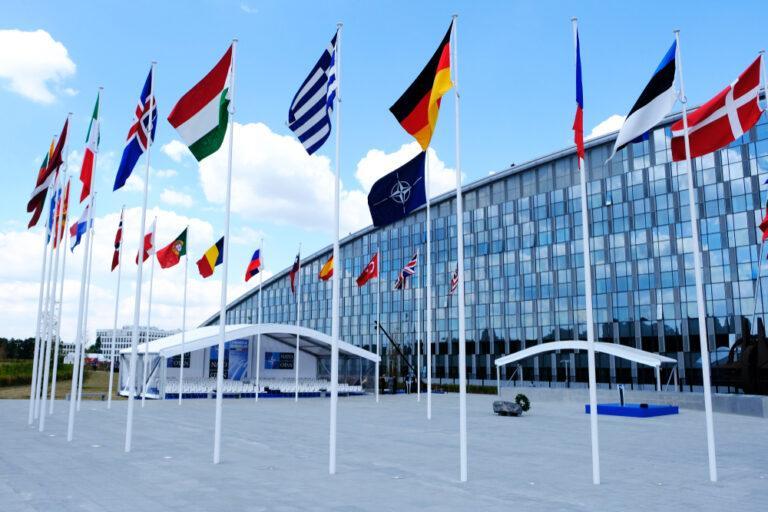
The UK announced 65 new Russian sanctions targeting ‘strategic industries, banks, business elites’ and anyone currently supporting Russia’s invasion of Ukraine.
Since the invasion began in late February, the UK has penalized over 1,000 individuals and businesses under the Russian sanctions framework.
On Thursday, Foreign Secretary Liz Truss announced 65 new sanctions on Russian banks, oligarchs and businesses.
Major players in the Russian invasion including Russian Railway and defence company Kronshtadt have been sanctioned.
The Wagner Group has also been sanctioned since Russian mercenaries hired the group for the alleged assassination of President Zelenskyy.
Among the companies sanctioned are Alrosa, the world’s largest diamond manufacturer, and Alfa Bank whose cofounders include previously sanctioned Mikhail Fridman, Petr Aven, and German Khan.
The CEO of Sberbank, Herman Gref and founder of Tinkoff Bank Oleg Tinkov have been sanctioned as well.
Also included in the list of sanctioned individuals, Eugene Shvidler, the billionaire oil tycoon and Foreign Minister Lavrov’s step-daughter, Polina Kovaleva are added.
Lis Truss commented, “Putin should be under no illusions – we are united with our allies and will keep tightening the screw on the Russian economy to help ensure he fails in Ukraine. There will be no let-up.”
“All those sanctioned today will have their assets in the UK frozen which means no UK citizen or company can do business with them, and individuals subject to travel bans are also prohibited from travelling to or from the UK.”
“The UK has led the international sanctions effort, cutting off whole sectors of the Russian economy by targeting its defence companies, its trade and transport sector, and working with allies to exclude Russia from the SWIFT financial system.”
Earlier on Friday, EU leaders warned Russia that all loopholes to these sanctions will be addressed.
Russia is currently demanding the payment for their gas in Roubles; this request has been seen to be a circumvention of sanctions and will no longer be allowed.
President Biden claimed to increase gas shipments to the EU as a replacement for Russian supplies, however the EU reportedly remains sceptical.
EU leaders are meeting later today to discuss further sanctions on Russia, however, the likeliness of a ban on Russian gas is low due to Germany and Italy’s high dependence.

United Utilities expects 3% revenue growth for 2021 amidst increased inflationary pressure
United Utilities is set to expect revenue growth of approximately 3% for 2021, however, the company anticipates its underlying operating profit will remain flat as the rising revenue is offset by inflationary pressure.
United Utilities further predicted an increase in underlying net finance expense of £175 million, due to the 30-year record level of inflation applied to the company’s index-linked debt.
The group mentioned that trading is in line with expectations for the current period.

“Utilities tend to be relatively good inflation hedges because they’re able to increase their fees in line with rising prices,” said Hargreaves Landsdown equity analyst Laura Hoy.
“That’s the case for United Utilities, but some of those benefits are being lost because of the group’s index-linked debt, which gets more expensive alongside inflation.”
“This variable rate debt is a concern given the current environment, and we’d like to see the group find ways to pay it down or refinance for more favourable terms.”
“The underlying business case is still intact, but a near doubling of interest expense payments this year is a trend that can’t be repeated in 2022.”
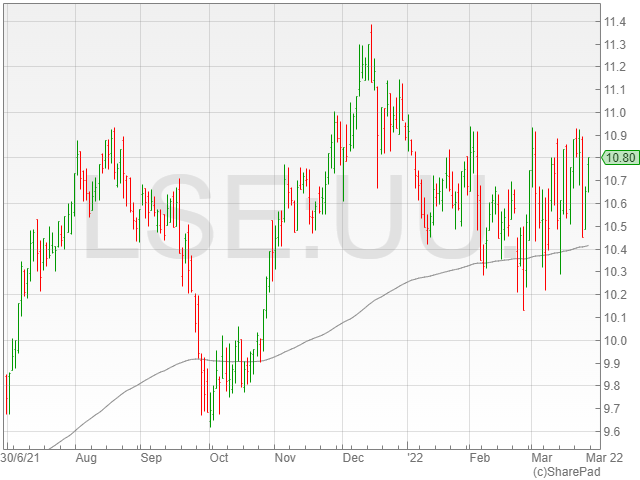
United Utilities saw its share price increase 1.1% to 1,078p in late morning trading on Friday after predicting 3% revenue growth to be seen in 2021.
VinaCapital dividend steady after prior 33% rise
VinaCapital saw its share price increase 0.1% to 502.7p today after it reported dividends would remain the same following a prior 33% rise in its half-year dividend.
The Vietnam-focused venture capital group noted a NAV per share of $8.4, alongside a share price total return over its interim of $6.3.
The company reported a NAV total return per share of 6.9% in the six months until 31 December 2021.
Vinacapital saw a 33% increase in dividends from 6c to 8c in October 2021, which they paid in December 2021.
The dividend announced in October of 8c has remained at 8c for 2022 and is scheduled for payment on 10 May 2022.
The firm’s board declined to raise the dividend until it ascertained its final year results given the current global uncertainties.
Vinacapital stated that its outlook was positive in light of the current geopolitical state, and reported that the long term fundamentals of Vietnam’s economy seem to provide a solid platform for advancement in 2022.
Retail sales slump in February as cost of living rises
Retail sales have seen a decline in February, following the surging cost of living and the spiking price of oil.
The high street is feeling the chill of customer absences, with a 30-year high rate of 6.2% inflation seeing consumers watch their budgets as costs set course for a continued upwards trajectory.
Retailers reportedly enjoyed a slight uptick in sales as Covid-19 restrictions eased, enticing customers to purchase new outfits for nights out, but a decline in sales is almost certain as the rising costs kick in across supply chains.
The price of oil continued to remain above $115 per barrel in early morning trading on Friday, with Brent Crude set at $116 per barrel.
Analysts have projected potential heights of up to $200 per barrel by the end of 2022 unless an alternative to Russian supply can be found.
Russian oil accounted for around 4 million barrels of oil per day in global exports before the Ukraine invasion.
The climbing costs will no doubt see the high street suffer, as energy prices and supply chain costs look set to cripple retailers already suffering from two long years of the Covid-19 pandemic.
“The pain of higher prices is already hurting with UK retail sales retreating in February,” said Hargreaves Lansdown senior investment and markets analyst Susannah Streeter.
“The easing of restrictions did provide some bounce for fashion retailers, as new outfits were purchased for long awaited nights out, but it brought a drop in sales for food retailers, as consumers swapped gourmet meals in for restaurant meals out.”
“With the only way up for prices, with retailers lining up to prepare customers for hikes, it’s likely this drop in sales is the first sign of fresh falls to come.”
Everyman Media admissions fly 67% post reopening of cinemas
Everyman Media admissions were held back due to closures as a consequence of the pandemic, however with venues reopening and restrictions easing, the group saw a 67% increase to 2m in admissions, ahead of management expectations for the year ended 30 December 2021.
Everyman Media remained closed for 19 weeks, functioned at a reduced capacity for 9 weeks and functioned at full capacity for 24 weeks during 2021.
Revenue was impacted by ticket prices and spending per head on food and beverage.
Ticket prices saw a 3% decrease from £11.81 to £11.44 in 2021. However, spending per head on food and beverage rose 27% to £8.96 compared to £7.08 in 2020.
The group’s revenue increased 102% from £24.2m to £49m in 2021, despite Covid restrictions impacting the operations of the cinema group.
An impairment reversal of £2.5m helped the 88% decrease in operating loss from £18.8m to £2.1m in 2021.
Everyman Media’s market share increased from 4.46% in 2020 to 4.5% in 2021.
The net debt for the cinema group reduced from £8.7m to £8.4m in 2021, however, liquidity is not a problem for the company as cash generation increased from £0.3m to £4.2m in 2021.
In 2022, the company plans to add 4 new venues to its existing 36 venues in Edinburgh, Plymouth, Marlow, and Egham.

Alex Scrimgeour, Chief Executive Officer, Everyman Media Group PLC said, “Despite more twists and turns than Kenneth Branagh’s “Death on the Nile”, these last two years have conclusively proved our belief that Everyman has an enduring place at the hearts of the communities we serve.”
“Thanks in no small part to our loyal customers, we have achieved remarkable levels of admissions, profitability, market share and customer satisfaction since government-imposed restrictions were lifted.”
“We continue to invest in our venues, our people and enhancing the Everyman proposition. Off the back of a return to quasi business as usual, our outlook is increasingly optimistic, consequently we will be looking to accelerate our openings strategy in the short and medium term.”
Everyman Media Group shares were rising 2.3% to 132p with admission rates exceeding expectations.
Smith Group sees 11.1% rise in operating profits as orders increase
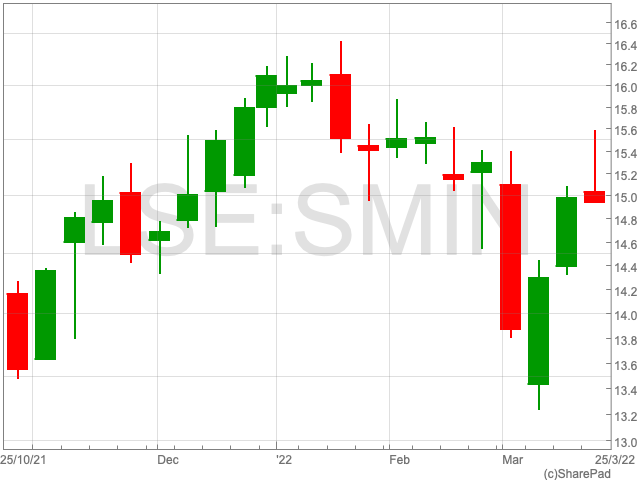
The tech engineering firm, Smith Group saw shares fall 1% to 1,501p on early morning trade on Friday despite the company’s reported underlying operating profits increase of 11.1% to £189m, with higher orders in H1 2022.
Smith Group saw a 3.4% increase to £1.19bn in underlying revenue compared to the first half of 2021, with revenues of £1.15bn.
General industrial contributed 40% to the revenues with safety and security contributing 32% followed by energy and aerospace adding 21% and 7% respectively.
Aerospace saw the largest growth in revenues with an increase of 16.7% as demand for Flex-Tek and Smith Interconnect aerospace solutions remained strong.
The 5.7% growth in revenues of general industrial came from ‘original equipment and aftermarket growth’ in chemical processing, pulp & paper, and mining segments for John Crane.
Safety and security lost 3.5% in revenues between H1 of ’21 and ’22 due to the performance of Smiths Detection and Smiths Interconnect’s defence related products.
To add to their growth, Smith focused on product development and launched 9 ‘high-impact’ new products, such as space qualified connectors and a new seal for pipelines during H1 2022.
Smith Group gained £1bn through the disposal of Smith Medical to ICU Medical in January 2022, sooner than expected.

With a strong balance sheet, the group managed to pay repay $400m bonds and capital returns and complete over 25% of the £742m share buyback.
The group reported basic EPS of 30.6p compared to 26p in H1 2021. Smith saw ROCE increase from 10.3% to 14%.
Dividend for Smith Group has increased from 11.7p to 12.3p between H1 of 2021 and 2022.
Paul Keel, Group Chief Executive Officer, Smith Group said, “Our performance in the first half demonstrates the meaningful progress we are making against our strategy. We accelerated Smiths’ organic revenue growth to +3.4% and converted that into even stronger profit and earnings growth, despite supply chain challenges and cost inflation.”
“Improvement in the first half centred on the levers we are pulling to accelerate our growth and consistently deliver results, underpinned by our focus on continuous operational excellence and investment in our people and culture.”
“An important milestone for us was completing the sale of Smiths Medical, ahead of schedule. This has enabled us to simplify our business, focus on our higher-performing, more strategically-aligned industrial technology core, whilst investing for growth, deleveraging and returning surplus capital to our shareholders. ”
Helios Towers acquires Airtel Africa company for $55m
Helios Towers acquired Airtel Africa’s passive infrastructure company in Malawi for $55 million on Friday.
The passive infrastructure company is a telecommunications tower firm that will continue to develop and operate its own equipment on the towers via separate lease agreements with Helios Towers.
The deal will add 723 sites to Helios Towers‘ portfolio and the two companies telecommunications companies have agreed to a 12-year service agreement on the assets exchanged in the transaction.
Helios Towers is set to pay a consideration of $55 million with a 20% contribution from the Old Mutual Infrastructure Investment Trust Fund.
The investment will amount to a local Malawian shareholding worth 20%, in compliance with local telecommunications infrastructure licence requirements.
The deal is expected to bring in revenues of $23 million and an adjusted EBITDA of $8 million over the initial year of ownership.
Helios Towers reportedly anticipates further growth through 60 committed ‘build to suits’ across the coming three years and colocation lease-up.

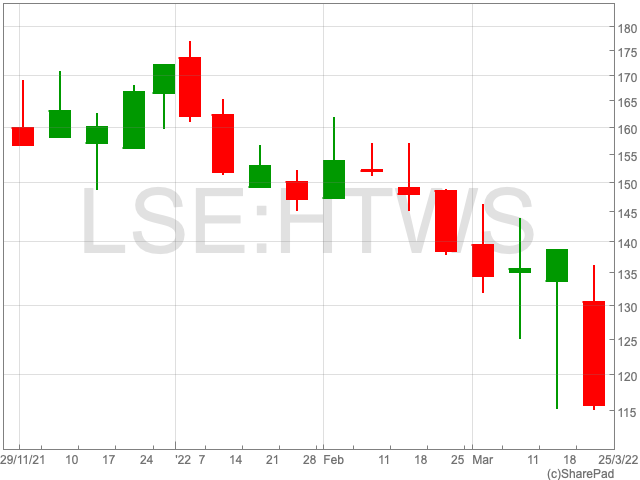
Helios Towers saw its share price decline 1.1% to 116p in early morning trading on Friday.