Ocado to splash on pay rises and bonuses for HGV drivers amid shortages

0

Ocado hit by worker shortages and fire at one of its factories

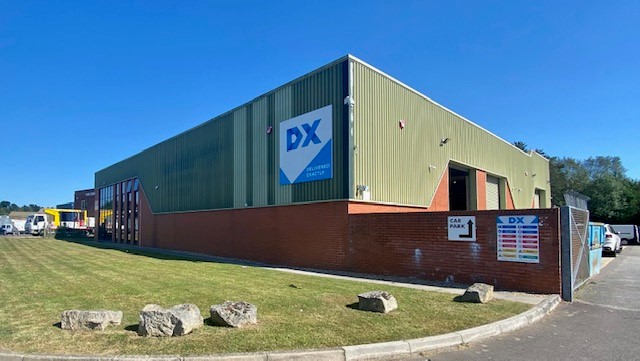
Ocado will allocate up to £5m extra on pay increases, recruitment and signing-on bonuses for HGV drivers.

The online supermarket has placed a renewed importance on the issue which has come about due to Brexit and the Covid-19 pandemic.

The firm also confirmed it will take a £10m hit because of a fire at one of its warehouses in south-east London, which resulted in around £35m worth of orders being cancelled.

Sales are down by 10% to £517.5m over the last quarter to August 29, party as a result of the fire, and also because of previous strong performances.

Despite the falls, Ocado signed up 64,000 new customers during the period, with 805,000 in total, and orders per week increased by 22%.

“Ocado’s Group Q3 retail revenues were down 10.6% y/y, however average orders remain robust at 338,000 per a week,” Ross Hindle, retail sector Analyst at Third Bridge.

“Ocado is retaining customer loyalty but it seems many people are simply spending less on food now they are out of the house more and commuting more regularly.”

“Ocado is also facing a squeeze. The big four grocers are gaining ground on home delivery whilst a new breed of on-demand food delivery start-ups also nibble at market share. Ocado is now aiming to increase capacity to 700,000 deliveries per week by 2022 as it looks to cement its place as the go-to online retailer.”

“Labour constraints remain a key risk highlighted by management. Labour constraints have plagued companies like Ocado since the start of 2021 and only worsened. There have also been food shortages as farmers and processors struggle with the same issues. Our experts say the picture may deteriorate further into Christmas.”

The Ocado share price is down by 2.44% during the morning session on Tuesday.

JD Sports continues to benefit from pandemic as demand remains strong

0

JD Sports said its profit before tax increased to £439.5m for the six months ended July 31

JD Sports has on Tuesday confirmed its earnings for H1 as demand for sportswear slowed down as lockdowns eased.

The UK sportswear brand has not paid out a dividend this time around, suggesting that it will offer a more sizeable full-year dividend.

JD Sports said its footfall levels were low across a number of countries, while supply chain disruptions were making it difficult to cater for demand in specific categories.

JD Sports said its profit before tax increased to £439.5m for the six months ended July 31, up from £61.9m in 2020 and £158.6m the year before.

The company forecast its pre-tax profit for the full year ending January 29 to be at least £750m.

“JD Sports’ results show it continues to lead the way as a high-quality business thanks to its distributing power in the growing and competitive athleisure market,” said Amisha Chohan, equity research analyst at Quilter Cheviot.

“It has certainly been helped along the way by the stimulus provided to US households, however, it is not just reliant on the overseas market as the UK continues to perform well. Overall Group sales are up by more than 50% to £3.9bn and operating profit up almost 400% to £239m, year on year. This is a huge beat against market expectations and highlights a business that has managed the pandemic well.”

“While the reopening and end of government support schemes could dent confidence going forward for many retail businesses, JD Sports should continue to benefit as demand for sneakers and athleisure remains strong and will endure as a tailwind over the near-term. It is no surprise, therefore, that the group now expects profit before tax for the full year to be at least £750m, compared to previous guidance of at least £550m and a 25% beat against market expectations.”

The pandemic has presented JD Sports with an opportunity too.

“Many retailers still suffer from the same fragile financial structures they had pre-pandemic and will come under intense pressure. JD Sports is well-positioned to consolidate the market and with a strong management track record and “trusted partner” relationships with the premium brands such as Nike and Adidas, the path to further growth remains clear,” said Chohan.

New Aquis admission: VSA Capital betting on Aquis

VSA Capital Group (LON: VSA) wants to show its support for the Aquis Stock Exchange by refloating itself on that market having left AIM in 2013. VSA Capital is keen to become increasingly involved with Aquis, but it also has expertise in other markets.
Management believes AIM is over regulated and costly and that Aquis Stock Exchange is an attractive alternative. They also want to attract more individual investors to help to finance transactions.
In the first three days of trading, the VSA Capital share price has risen to 23.5p (23p/24p), which values the company at £4.57m. There have been sev...

FTSE 100 rises despite Chinese tech concerns

The FTSE 100 shrugged off concerns around Chinese and Asian shares on Monday as Londons-leading index moved back towards the 7,100 level.

The FTSE 10O was trading at 7,083 shortly before midday on Monday, up 54 points or 0.7%.

The gains were broad with Royal Mail leading the gains. UK-focused financials and house builders among the top risers.

“There was a dose of Monday motivation for the FTSE 100, which opened up 0.6% with house builders leading the upwards drift, as the red hot housing market shows little sign of cooling,” said Susannah Streeter, senior investment and markets analyst, Hargreaves Lansdown.

Chinese Tech

The FTSE 100 gained despite volatility in Asia markets following a report by the Financial Times that Chinese authorities were planning to dismantle Ant group’s Alipay.

“The FTSE 100 started the week with solid gains despite fresh turmoil in Asia as the Chinese crackdown on the tech sector showed little sign of ending,” said AJ Bell investment director Russ Mould.

“News that Beijing is looking to break up Ant Group’s Alipay hit the wider Hang Seng index which was down more than 2% but UK investors seem to have decided this news has little relevance to them for now.

“It’s hard to read the end-game as the regulatory pressure on Chinese firms continues to mount and this uncertainty is proving extremely damaging to the valuation of the likes of Alibaba and Tencent.

“Further setbacks could see sentiment towards this part of the market turn decidedly toxic.”

AB Foods

Associated British Foods was the FTSE 100’s biggest faller after the group unveiled the impact of a summer of uncertainty related to COVID-19.

AB Foods owns retailer Primark and had previously been upbeat on the economic reopening and potential demand for fast fashion.

“It’s not easy being a retail business and the impact of Covid-19 is still being felt as events continue to disrupt trading,” said Mould.

“Even though lockdown measures are now (hopefully) a thing of the past, Associated British Foods-owned Primark still saw volatile trading over the summer because of people being told to self-isolate. There remains a real risk of further disruption if there is an autumn flare-up of Covid as more people interact in society and the Delta variant still rages.

Buoyant US demand trebles Somero profit

Buoyant construction continues have boosted the first half performance of Somero Enterprises Inc (LON: SOM) with North American demand particularly strong. This led management to upgrade its guidance for the full year, having already upgraded in July.
Somero designs, assembles and supplies concrete levelling equipment. It is expanding its manufacturing facility in Michigan and that will increase capacity by more than one-third. That will cost $9.5m and enable annual revenues to grow to $175m. This should be completed next year.
Results
In the six months to June 2021, revenues increased from $3...

Tip update: Long-term prospects still huge for Destiny Pharma

The share price of antimicrobial treatmentsdeveloper Destiny Pharma (LON: DEST) has done badly since the shares were recommended back in June. The key to the progress of the share price is likely to be positive news about the phase 3 trials for X-73, which prevents post-surgical infections, and c.diff prevention treatment NTCD-M3.
The phase 2b study results for XF-73 nasal gel were better than many expected and the prospects for both potential treatments are good. A phase 3 study design proposal has been submitted to the authorities and the details could be finalised before the end of the year...

What is in store for the Barclays share price over the coming months?

0

Barclays Share Price

The Barclays share price (LON:BARC) saw a strong resurgence from the end of July through to August. This followed a sharp dip to a multi-month low of 157p per share. August was a broadly positive month for the banking sector, as a number of US banks reported strong earnings figures.

Barclays also confirmed towards the end of the month that its US arm will purchase a $3.8bn credit card portfolio co-branded with The Gap, as the FTSE 100 bank continues its efforts to grow within America. As a result, along with a range of other factors of course, the Barclays share price stands at 181.28p, up 26.31% since the beginning of the year. This article will examine where it could be headed during September, the remainder of 2021 and beyond.

Analysts

While it is impossible to know what the future holds, analysts are equipped with resources to allow more informed forecasts. As one of the largest companies in the UK, a number of analysts keep a close eye on the Barclays share price. Stockopedia reported that out of 12 analysts, six gave ‘Buy’ recommendations while five said to ‘Hold’ and one recommended selling shares in the bank.

Risks

Risks can come from a number of angles. One key threat to a potential upsurge in the Barclays share price is the ongoing uncertainty over the pandemic and the Delta variant.

“The outlook remains uncertain and subject to change depending on the evolution and persistence of the COVID-19 pandemic,” Barclays warned.

The economy remains a low-interest-rate environment which is proving to be challenging for the banks. The banking sector’s profitability generally rises with interest rate hikes. Institutions in the banking sector, such as retail banks, commercial banks, investment banks, insurance companies, and brokerages have larger cash holdings due to customer balances and business activities. Therefore this could act as a drag on the Barclays share price in the coming months.

Keep an eye on margin debt as FAANGM sextet supports S&P 500

0

Hottest areas on US stock market are showing signs of cooling

The S&P 500, the index tracking the performance of 500 large companies listed on US stock exchanges, is aiming to record gains for the eighth month in a row. It would be the index’s best run since January 2018, when it recorded a 10-month surge.

This time around “the FAANGM sextet continues to do a lot of the legwork,” says Russ Mould, investment director at AJ Bell.

Mould also draws attention to the first dip in US margin debt since February 2020.

Margin debt is the amount of money an investor can borrow from their broker via a margin account to buy shares, or even short sell them.

“This looks smart and gears us returns when markets are rising (as the investor or trader can get more exposure) but looks less clever when markets are falling,” says Mould.

Falling asset prices can force so-called margin calls where the investor or trader must start repaying the loan – and sometimes they must sell other positions to fund that repayment, creating a negative feedback loop in markets.

The last time margin debt dropped was March 2020, just prior to the pandemic making its presence felt not just in Asia but Europe and America as well.

Source: FINRA, Refinitiv data

“This first dip in margin debt must be watched, especially in light of Securities and Exchange Commission (SEC) queries about regulatory filings from the investment platform Robinhood and questions about its business model and whether payment for order flow is appropriate. It remains to be seen whether this dampens some of the liquidity flow which has done so much to elevate certain sections of the US stock market, but it may be no coincidence that what looked like some of the frothier areas have started to flag.”

“Whether trading losses are sparking a slight decrease in risk appetite or whether a more cautionary approach (perhaps considering Federal Reserve reverse repo operations and talk of tapering) is lessening demand for initial public offerings (IPOs), Special Purpose Acquisition Companies (SPACs) and growth and tech stocks is hard to divine.”

Either way, it does appear that some of the hottest areas of the US market are showing some sign of cooling.

UK GDP figure shows government cannot rely on consumer spending

0

Figures may be ‘bumpy for a while longer’

UK GDP growth fell to just 0.1% in July, well below City expectations, according to official data, raising question marks over the possibility of the UK economy going into reverse.

The slowdown marks the end of a strong period of growth that started at the beginning of the year.

Factors including the easing of restrictions, pent-up demand and the furlough scheme helped to prop up the economy earlier this year.

However, global supply chain issues and labour shortages have led to the outlook worsening.

The furlough scheme will come to an end this month with 1.6m people still relying on government support.

This is creating fears over a potential rise in unemployment, while ongoing supply chain issues could take some time to be resolved as well.

Paul Craig, portfolio manager at Quilter Investors, commented on the data: “Given July’s stat includes ‘freedom day’, a 0.1% GDP growth figure for July is fairly disappointing. Leisure and entertainment saw good growth, reflecting the easing of restrictions, but this was not enough to offset falls within construction and retail.”

“It was hoped household consumption would help drive the economic recovery, but given concerns around Covid cases and the pingdemic that caused many to self-isolate, it shows the economy cannot solely rely on consumers and instead needs other areas of the economy to start delivering once more.”

“The UK economy is showing some sign of strain with the shortage in HGV drivers and supply chain issues. This is going to take some time to resolve itself, so the figures may be a bit bumpy for a while longer. Inflation remains a concern and this could be enough to spook Andrew Bailey and the MPC into not joining the ECB and withholding its tapering plans,” Craig said.