Empresaria (LON:EMR) has sparked a second forecast upgrade in three months following its interim figures. The international recruitment firm has reduced its cost base and operational gearing means that profit can recover rapidly.
The share price jumped 11.5p to 92.5p, which is still not much more than 50% of the high in the past decade, which was hit back in 2017.
In the six months to June 2021, net fee income was flat at £28.4m and underlying pre-tax profit jumped by two-thirds to £4m. Profit improved in all geographic regions. Earnings more than doubled to 4.1p a share.
Healthcare generated ...
White House calls on OPEC+ to act to keep fuel prices under control
White House
The US government has called on OPEC and its allies to raise its levels of output in a bid to keep rising fuel prices under control, as inflation in America reaches its highest yearly growth rate in 13 years.
While OPEC+ has recently increased its production levels, the White House is calling on the oil producing nations to do more, saying that not doing so could put the world recovery from the pandemic in doubt.
OPEC and its allies reached an agreement in July to increase oil supply in an effort to keep soaring crude oil prices under control.
The group’s plan is to pump an additional 400,000 barrels per day each month during August, increasing output by 2m barrels per day by the end of 2021.
The monthly increases will rise next year, as OPEC+ confirmed it has extended the deal from April next year to December 2022.
However, Jake Sullivan, Biden’s national security adviser, said that “while Opec+ recently agreed to production increases, these will not fully offset previous cuts imposed during the pandemic until well into 2022.”
Inflation
The price of goods and services in America rose again in July, albeit in line with analysts’ expectations, on high levels of pent-up demand.
The consumer price index increased by 5.4% in July year-on-year, as reported by the Labor Department, in a continuation of the levels seen in June.
The Federal Reserve, however, is reaffirming its position that inflation is transitory.
Oil Prices
At the beginning of the year, Brent crude oil was sitting just above $50, whereas at the time of writing, is valued at $71.35.
The comments by Jake Sullivan accompanied a rise in the price of Brent crude oil, the international benchmark, by 1.2% per barrel in New York yesterday evening.
Prior to that, oil prices showed some signs of steadying as the Delta variant looks set to impact the global economic recovery.
But other factors may come into play which would keep the price of oil down at least somewhat.
The International Energy Agency (IEA) has said that increased demand for oil reversed its path last month and will now move more slowly for the remainder of the year.
“Growth for the second half of 2021 has been downgraded more sharply, as new COVID-19 restrictions imposed in several major oil consuming countries, particularly in Asia, look set to reduce mobility and oil use,” the Paris-based IEA said.
FTSE 100 slips but remains in touching distance of post-pandemic highs
The FTSE 100 was modestly lower, down 0.12% to 7,211.74, in early trading as weakness in the mining sector overshadowed some decent UK economic data.
However, the index remains above the 7,200 mark and is in touching distance of yesterday’s post-pandemic highs.
AJ Bell financial analyst Danni Hewson noted that “Rio Tinto shares slumped heavily as they traded without entitlement to a pretty generous dividend.”
“For now there appear few big catalysts to shift the index in either direction amid a lull in major corporate and economic updates – however that’s often when something emerges from leftfield to upset the apple cart,” Hewson added.
FTSE 100 Top Movers
Aviva (3.98%), Polymetal International (1.93%) and Hargreaves Lansdown (1.85%) lead the way on the FTSE 100 on Thursday.
While at the other end, Rio Tinto (-7.21%), Evraz (-6.38%) and Legal and General (-1.68%), were dragging the FTSE 100 back.
GDP surged by 4.8% between April and June as UK consumers played their role
Sunak says today’s figures show that UK economy is on the mend
UK GDP grew by 4.8% between April and June, it was revealed on Thursday, as most businesses are at least beginning to find their feet again as lockdown restrictions have been eased.
The Office for National Statistics showed that the expansion of the UK economy came about thanks to retail, restaurants and the hotels sector.
The official GDP figure did, however, fail to meet the Bank of England‘s expectations of 5%.
Compared to before the pandemic, the UK economy is now 4.4% smaller.
Commenting on UK GDP showing a positive uptick and an encouraging economic outlook, Douglas Grant, Director of Conister, part of AIM listed Manx Financial Group, said: “Today’s UK GDP data shows a positive uptick quarter on quarter and provides a more encouraging outlook for the UK economy going forward. “
However, the plight of UK small businesses and current default levels caused by the ongoing impact of the pandemic could be of real concern.
“We must acknowledge that the UK’s business debt burden has ballooned to unprecedented levels”, said Grant “and “unfortunately this has already created a relentless flow of weak zombie-like companies falling off a loan default cliff.”
Danni Hewson, AJ Bell financial analyst, says that consumers have played their part in bringing the UK economy back to life: “The fact that pubs and restaurants were able to offer indoor service for the full month of June helped to drive GDP up.”
“People have embraced the opportunity to get out and about and consumer facing services returned to just slightly below pre-pandemic levels, with children back in the classroom and patients happy to return for a face-to-face chat with their GPs.”
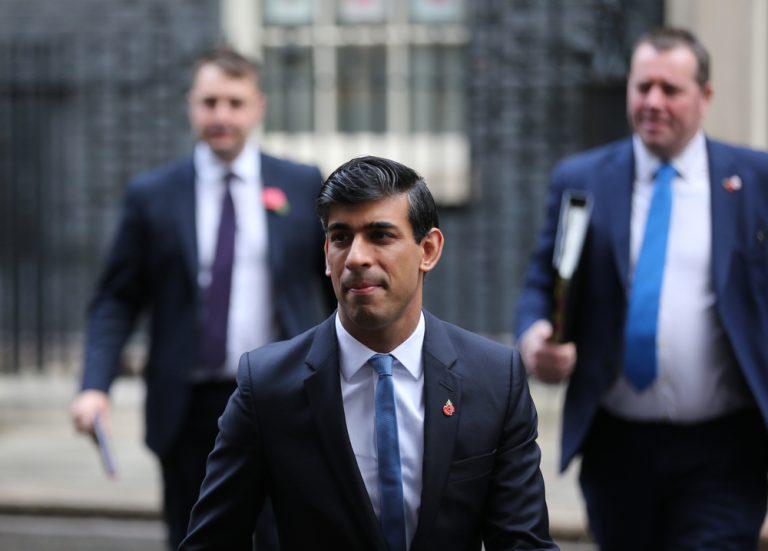
Chancellor Rishi Sunak said: “Today’s figures show that our economy is on the mend, showing strong signs of recovery.
“I know there are still challenges to overcome, but I feel confident in the strength of the UK economy and the resilience of the British people.”
Bumble boosted as online dating continues amid pandemic
Bumble saw it total paying users jump by 20% to 2.9m in Q2
Bumble (NASDAQ:BMBL), the online dating app, surpassed quarterly revenue estimates as many turned to online dating during lockdowns.
The firm, based in Texas, saw it total paying users jump by 20% to 2.9m in Q2.
Online dating apps grew in popularity last year as people dated virtually due to being isolated by lockdowns.
Bumble retains confidence in its outlook despite the onset of the Delta variant threatening to disrupt its key markets.
“When COVID accelerates and loneliness climbs, people turn to us for connections,” Bumble CEO Whitney Wolfe Herd said on an earnings call.
During Q2 in America, Bumble was downloaded over 2.05m times, an increase of nearly 18% year-on-year.
The company’s revenue rose during the second quarter by 38% to $186.2m, above estimated by Refinitiv IBES of $178.7m.
Bumble is expecting current-quarter revenue between $195m and $198m, above expectations of $190.9m.
Bumble, known for putting women in charge of making contact with potential mates, reached a market value of more than $13bn after listing shares in February.
Aviva to return £4bn to shareholders
Aviva’s adjusted operating profit up 17% to £725m
Aviva (LON:AV) confirmed it will return £4bn to shareholders by next June as its new chief executive is carrying out big changes to the insurance business.
The announcement comes as Aviva’s operating profit rose by 17% to £725m over the first half of the year.
However, it came in below the company-provided consensus of £781m.
The FTSE 100 insurance firm also raised its interim dividend by 5% to 7.35p per year.
Aviva has carried out a series of disposals over the past year, allowing the company to focus its efforts on the key UK, Ireland and Canada markets.
The disposals, not all of which are yet complete, will bring in a total of £7.5bn. The money not returned to shareholders will be used to pay down debt.
“While we’ve got more to do, our half-year results show we have what it takes to drive growth in our businesses,” Chief Executive Amanda Blanc said in a statement.
James Andrews, senior personal finance expert at money.co.uk, said: “Aviva has continued to show promising growth in Q2 having previously reported its highest Q1 sales in General Insurance for a decade.”
“Aviva is also both richer and less risky than it was, following disposals of eight non-core businesses – including Aviva Vita, Turkey and France – to free up cash to invest in the core markets of the UK, Ireland and Canada.”
“Looking ahead, Aviva needs to demonstrate it’s got a functioning plan for turning its huge cash inflows into ongoing returns for shareholders – as well as navigating changing risks as climate change sees protection claims rise – to continue the impressive share price growth seen in the past 12 months,” Andrews said.
The Aviva share price is up by 2.88% during the morning session on Thursday.
The future of Podcasting with Andrew Craissati
Auddy is driven by a senior management team that have extensive experience in the media industry at companies including Netflix and Warner.
The UK Investor Magazine Podcast is joined by Auddy Founder & CEO, Andrew Craissati, to explore the future of the Podcasting and the market opportunity for Auddy.
Andrew Craissati was Chairman and CEO of The Virgin Group’s Asia Pacific businesses where he was Director of Virgin Radio Asia.
Auddy is currently Crowdfunding on Crowdcube and have surpassed their funding target with the aim of expanding Auddy into new markets.