Yu Group shares rally on strong trading

0

Yu Group shares jumped 64.58% after the group released a strong trading update for the year ended 31 December 2020.

The independent supplier of gas, electricity and water to the UK corporate sector said that despite the “inevitable challenge” of the pandemic, performance was ahead of expectations.

In the second half of the year, Yu group saw record sales with average monthly bookings outperforming expectations at £10.3m. Strong sales momentum has continued into January.

“I’m pleased to report an extremely strong trading performance, accelerating throughout H2 2020, that has resulted in the Group expecting to exceed FY 2020 revenue, cash and profit market expectations. Additionally, the Board’s expectations for full year ending 31 December 2021 are now ahead of previous levels,” said Bobby Kalar, the Yu Group chief executive.

“The Board’s growth objective for 2020 was very clear that, having strengthened the business for significant sustainable growth, we would begin to rapidly scale. I’m pleased that our meter point count as of 31 December 2020 was approaching 18,000, an increase of over 100% since the beginning of 2020. The majority of the meter point growth was booked in H2 as the sales channels gathered momentum, and we will see this positively impact revenue in 2021 and beyond.”

Adjusted EBITDA for the full-year 2020 is expected to be significantly ahead of market expectations.

Yu Group shares (LON: YU) are trading +60% at 192,00 (1429GMT).
Saga in talks with lenders over increasing debt

0

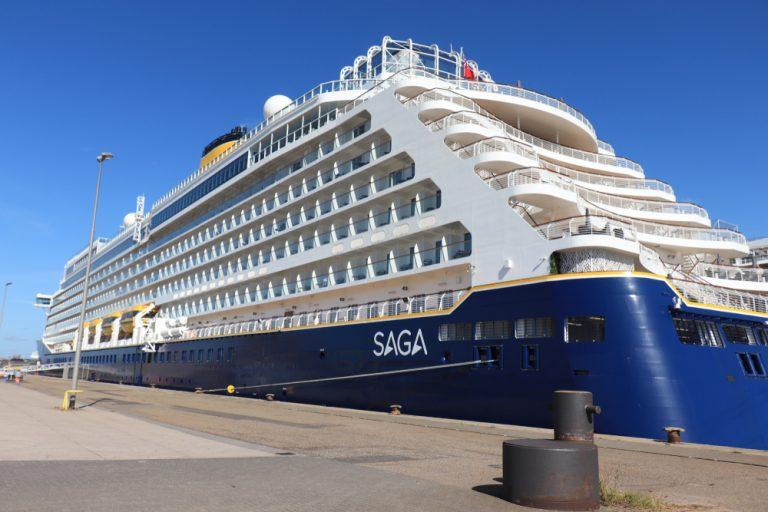
Saga has announced that it is in talks with lenders about its debt levels, causing shares to dip 1.51% on Tuesday morning.

However, despite the negative impacts the business has seen throughout the pandemic, the cruise operator has reported a surge in bookings amid the vaccine rollout.

Saga said that lenders have been “supportive” as the group has seen net-debt jump from £139m to £785m since July.

Saga chief executive, Euan Sutherland, said: “We have made good progress in delivering our new strategy and have accelerated the pace of change at Saga, against the backdrop of the challenges that the Covid-19 pandemic has brought to our business.

“Insurance remains resilient, while within travel we are focusing on ensuring the safest possible environment for our guests when cruise and holidays resume, whilst appropriately controlling costs until that time.

“We are confident in our strategy, the strength of our brand and the loyalty and economic resilience of our customers.

“We know they are ready to travel in great numbers and live their lives to the full as the vaccine programme is rolled out. We are excited about the opportunities ahead as we focus on delivering more exceptional experiences for our customers.”

Last week, Sage said that it will require all customers travelling this summer to be vaccinated. The group will require passengers to have both shots of the vaccine at least 14 days before travel as well as provide a negative Covid test at departure.

Nick Stace, chief executive of Saga’s travel arm, commented: “Given that many of our customers are in the priority age range and we’ve done calculations based on what government has said, we think shortly after beginning of May almost all of customers will have received a second vaccination.”

Saga shares (LON: SAGA) are trading -3.99% at 266,72 (1133GMT).

Rolls-Royce cuts forecast flying hours, shares fall

0

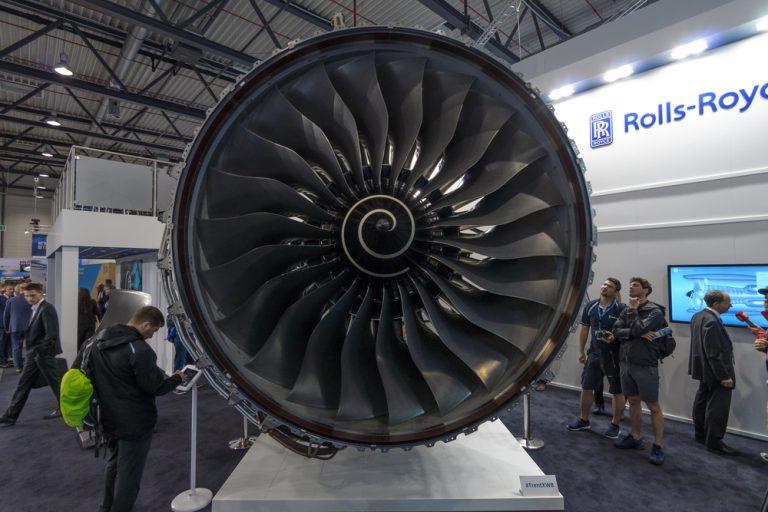
Rolls-Royce shares plunged this morning after the group said that it expects flying hours to drop to 55% from 2019’s levels.

The FTSE 100 firm saw shares drop 8.4% on the announcement, where it also said it expects to burn through £2bn in cash over the next year amid the continuing travel restrictions.

In a trading update, the group said: “Continued progress on vaccination programmes is encouraging for the medium-term recovery of air traffic and economic activity.

“In the near-term, however, more contagious variants of the virus are creating additional uncertainty. Enhanced restrictions are delaying the recovery of long-haul travel over the coming months compared to our prior expectations, placing further financial pressure on our customers and the wider aviation industry, all of which are impacting our own cashflows in 2021,” said Rolls-Royce in a statement.

Cash burn at Rolls-Royce is expected to be its steepest throughout the first half of the year and cashflow to pickup in the second half of the year as restrictions ease and people start flying again.

Rolls-Royce is currently amid a restructuring programme. Over the last year, the group cut 7,000 jobs and hopes to increase this to a total of 9,000 by the end of 2022.

“We continue to expect to turn cashflow positive at some point during the second half, reflecting our forecasted profile of flying hours as they recover from today’s low base,” said the group.

“With liquidity of approximately £9bn, we are confident that despite the more challenging near-term market conditions we are well positioned for the future.”

 In October the group announced a £5bn emergency funding plan. Shares have lost 80% of its value since January 2020.

Chief executive, Warren East, said: “We are undertaking decisive and transformative action to fundamentally restructure our operations, materially reduce our cost base and improve our financial position. The capital raise announced today improves our resilience to navigate the current uncertain operating environment.”

Rolls-Royce shares are trading 6.13% at 91.99 (1012GMT).

Crest Nicholson reinstates dividend, despite loss

0

Crest Nicholson has reported a £10.7m loss after tax, which is compared to last year’s £82.5m profit.

Revenue at the housebuilder fell from £1.09bn to £677.9m amid the pandemic, however, the group has said that it will reinstate dividend payments this year as housing demand continues to bounce back.

Crest Nicholson has repaid the £2.5m from the furlough scheme.

In the year to October 3, the group sold 2,247 home – this is 22.8% lower than the previous year.

Since restrictions eased in May last year and the government introduced the stamp-duty holiday, the group has a seen a boost in trading thanks to pent-up demand and people wanting more space.

Chief executive Peter Truscott said: “The impact of Covid-19 has clearly had a defining impact on this year’s financial performance.

“It has challenged all of us in ways we could not have predicted, and I would like to recognise at the outset, the incredible job the team at Crest Nicholson have done in keeping our operations running safely and securely during the pandemic.

“We had to make some difficult decisions during this year but because we acted swiftly we have ensured the Group enters 2021 in strong shape and will remain resilient to whatever challenges this year brings.

“We have made strong progress on all elements of our strategy, delivered profit ahead of our revised guidance and strengthened the balance sheet as we promised,” he added.

Crest Nicholson shares are trading +1.37% at 310.40 (0926GMT).

City Pub Group remain optimistic despite sales plunge

0

Pub City Group posted a trading statement for the 52-week period to 27 December 2020, revealing a 57% plunge in sales.

The pub chain, which owns 48 pubs across Southern England and Wales, saw sales fall from £60m to £25.7m amid the pandemic and Coronavirus restrictions.

However, despite the drop in sales over 2020 Pub City Group is still making plans to expand and has four development sites. The group said: “Actions to enhance and improve the business during the pandemic will enable the Group to rapidly take advantage of pent-up consumer demand and opportunities that will undoubtedly emerge.”

The cash burn has been reduced to £300k per month, which is excluding all government grants with the exception of furlough. pub City Group expects a rapid return to cash generation and profitability once they reopen due to the enhanced operational model.

The group has furloughed all staff – except eight employees.

Clive Watson, Chairman of City Pub Group said: “2020 has been a very challenging year, but decisions made since March 2020 with regards to the fundraising, cost control, streamlining of the business, and strengthening of the board has resulted in a very strong balance sheet, good levels of liquidity, a strengthening of our business model, a more focussed proposition and most importantly, pure determination to go out there and do the business once the pubs reopen. 

“We have the right people in the key roles, whether in the pubs or head office and a fantastic estate to trade from. I look forward to a time when I can announce to shareholders that we are on the acquisition trail again, but this will only be considered once we are hitting high levels of optimisation from our existing capacity,” he added.

Shell to buy electric car-charging company

0

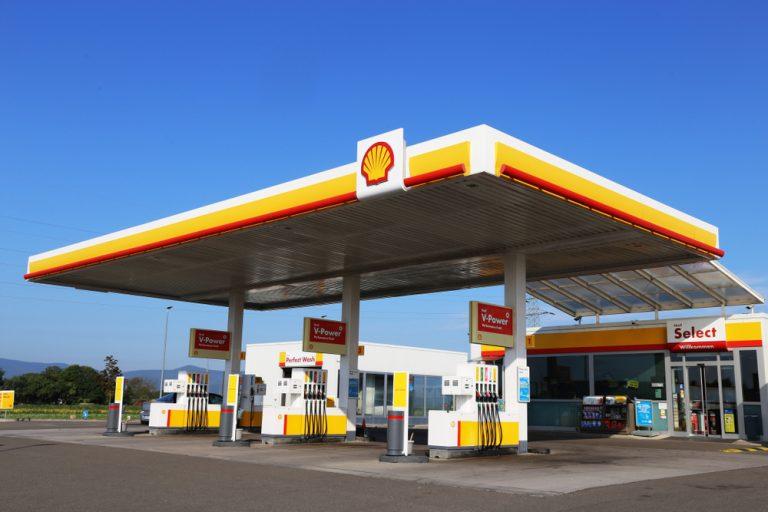
Shell has announced plans to buy ubitricity – the German on-street electric car-charging company.

The oil-giant is under growing pressure to cut its carbon emissions. Shell has set out plans for “green” forecourts, which includes electric charging and biofuels.

The deal is expected to be completed by the end of the year and is a big step in the race for electric vehicle charging as the deadline to ban the sale of new fossil fuel vehicles is 2030.

The head of Shell’s global mobility business, István Kapitány, said: “On-street options such as the lamp post charging offered by ubitricity will be key for those who live and work in cities or have limited access to off-street parking.

“Whether at home, at work or on the go, we want to provide our customers with accessible and affordable EV [electric vehicle] charging options so they can charge up no matter where they are.”

Ubitricity has over 2,700 charge points across the UK and over 1,500 charge points across Germany and France.

Lex Hartman, ubitricity’s chief executive, commented: “Particularly in larger cities where there is limited access to off-street parking, this is the solution many people have been waiting for to allow them to transition to EV ownership. Combining this piece of the puzzle with Shell’s existing range of EV charging solutions gives EV drivers access to a full range of charging options, making Shell and ubitricity a perfect match.”

Pensana Rare Earths shares surge on application for new $125m facility

0

Pensana Rare Earths Plc has announced that it has submitted a planning application to establish rare earth processing facility at Saltend Chemicals Park, Yorkshire.

Once constructed and in operation, the US$125m facility will create around 100 direct jobs and become one of the world’s largest producers of rare earth oxides, crucial components in the manufacture of powerful permanent magnets which are used in a range of growing advanced industries including electric vehicles and offshore wind turbines.

The 370-acre site will be located on the Humber estuary, which is a gateway to Europe and the UK’s busiest ports complex.

Commenting on the news Pensana’s Chairman, Paul Atherley, said: “We have been delighted with the enthusiastic support from a broad range of stakeholders for this proposed investment, which will create high value manufacturing jobs in the Humber region and will be an important step in establishing the world’s first sustainable mine to magnet metal supply chain in the UK.

“The plug and play services provided by the px Group at the world-class Saltend Chemicals Park have substantially reduced the capital cost of the proposed facility, allowing us to focus on the operational aspects of the investment and providing scope for our longer-term ambitions.

“We look forward to working with local stakeholders on establishing the approvals for this investment in high value manufacturing in the UK,” he added.

Pensana Rare Earths Plc shares (LON: PRE) are trading +9.04% at 102,50 (1026GMT).

Asos shares surge on plans to buy Topshop

0

Asos shares jumped on Monday morning as the online retailer confirmed it was in exclusive talks to buy the Topshop, Topman, Miss Selfridge and Hiit brands.

After Sir Philip Green’s Arcadia Group fell into administration last year, there have been various discussions by retailers to buy the brands.

Last week, Next ended talks to buy Topshop and Topman. The retailer said is wished “the administrator and future owners [of Arcadia] well in their endeavours to preserve an important part of the UK retail sector”.

“The board believes this would represent a compelling opportunity to acquire strong brands that resonate well with its customer base,” said Asos in a statement this morning, leading shares to surge over 5% to 5,056p.

According to Sky News, Asos has put in an offer of over £250m. Asos is reportedly not interested in buying the stores and will keep the brand online – risking many jobs.

Arcadia collapsed in November 2020 and was the biggest corporate casualty of the pandemic in the UK. It employed about 13,000 people and had 444 shops when it collapsed.

The news comes as Boohoo announced plans to buy the Debenhams in a £55m deal.

The deal was announced this morning and whilst Boohoo is buying the brand’s name and website – it will not save the 118 department stores, which will all close and result in up to 12,000 job losses.

Boohoo said in a statement: “The group will only be acquiring the brands and associated intellectual property rights. The transaction does not include Debenhams’ retail stores, stock or any financial services.”

Asos shares (LON: ASC) are trading +5.18% at 5.036,00 (0933GMT).

Boohoo shares jump on £55m Debenhams deal

0

Boohoo has announced plans to buy the Debenhams website and brand in a £55m deal.

The deal was announced this morning and whilst Boohoo is buying the brand’s name and website – it will not save the 118 department stores, which will all close down. The store closures could result in 12,000 job losses.

Boohoo said in a statement: “The group will only be acquiring the brands and associated intellectual property rights. The transaction does not include Debenhams’ retail stores, stock or any financial services.”

The Debenhams website is in the UK’s top ten retail websites and receives 300m million visits a year.

Mahmud Kamani, executive chairman at Boohoo, commented on the deal: “This is a transformational deal for the group, which allows us to capture the fantastic opportunity as e-commerce continues to grow. Our ambition is to create the UK’s largest marketplace.

“Our acquisition of the Debenhams brand is strategically significant as it represents a huge step which accelerates our ambition to be a leader, not just in fashion e-commerce, but in new categories including beauty, sport and homeware.”

Following the news, Boohoo shares jumped 3.7% to 348.7p per share.

John Lyttle, chief executive of the online retailer, said: “The acquisition of the Debenhams brand is an important development for the group, as we seek to capture incremental growth opportunities arising from the accelerating shift to online retail.

“We have developed a successful multi-brand direct-to-consumer platform that continues to disrupt the markets that we operate in.

“The acquisition represents an exciting strategic opportunity to transform our target addressable market through the creation of an online marketplace that leverages Debenhams’ high brand awareness and traffic through the development of beauty and fashion partnerships connecting brands with consumers,” he added.

Boohoo shares are currently trading +3.39% at 344.17 (0836GMT).

Kickstart scheme creates 120,000 jobs

The Treasury’s Kickstart scheme has created 120,000 new jobs for young people.

The scheme, which started last September, is open for 16 to 24-year-olds and sees companies offer six-month work placements where the wages are paid by the government and businesses are given £1,500 per work placement.

Although a large number of jobs have been created, only fewer than 2,000 young people have started their new roles amid tight Coronavirus restrictions.

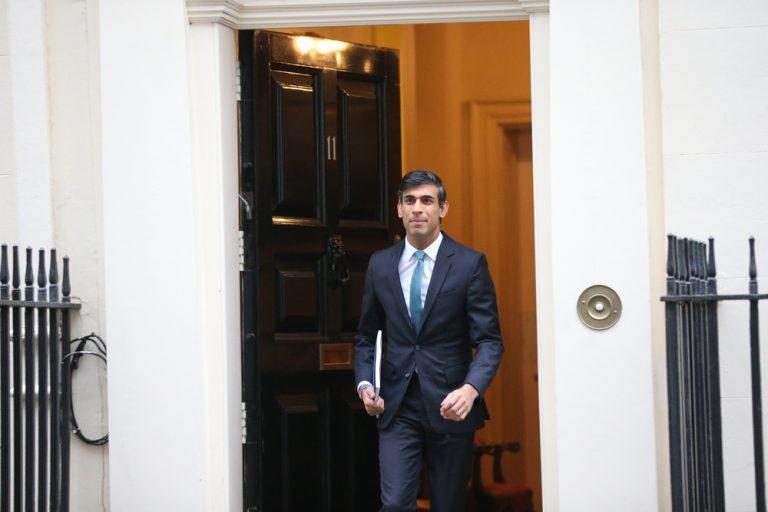
“Obviously because of the lockdowns and restrictions, that hampers businesses’ ability to bring people into work,” said Rishi Sunak. “What we can look forward to, as the restrictions ease, is more of these young people starting those placements.”

“But taking a step back, we announced this scheme first week of July, it went live the first week of September and here we are, just a few months later, with 120,000 jobs having being vetted, funded and created,” he added.

Sunak added in a statement yesterday: “Since opening for applications last autumn, we’ve worked with some of the most exciting companies to create more than 120,000 Kickstart jobs – which is a huge vote of confidence in our young people at a challenging time. With £2bn available and no limit on the number of places, it’s now easier than ever for businesses across Great Britain to take part.”

Youth unemployment rose from 11% in 2019 to 14.5% between August to October 2020.

Small businesses complained that they found the process of hiring people on the kickstart scheme difficult.

Craig Beaumont, chief of external affairs at the Federation of Small Businesses (FSB), said: “The decision should have been made in September. There is now a backlog of cases of people who’ve been appointed through intermediaries, who’ve not been able to access that work yet. So we need a real focus from the government to clear that.”