Car sales slump 29% to 1.63m

0

UK car sales have slumped to the lowest level since 1992.

New data from the Society of Motor Manufacturers and Traders (SMMT) revealed the biggest slump in new cars since the second world war – despite the rise in electric cars.

Sales dropped by 29% to 1.63m. The main factor in the decline was the first lockdown where car showrooms were forced to close.

Mike Hawes, the chief executive of SMMT, said: “2020 will be seen as a ‘lost year’ for Automotive, with the sector under pandemic-enforced shutdown for much of the year and uncertainty over future trading conditions taking their toll. However, with the rollout of vaccines and clarity over our new relationship with the EU, we must make 2021 a year of recovery. With manufacturers bringing record numbers of electrified vehicles to market over the coming months, we will work with government to encourage drivers to make the switch, while promoting investment in our globally-renowned manufacturing base – recharging the market, industry and economy.”

Sales in electric cars have almost trebled this year whilst sales of petrol and diesel cars have plunged. Demand for battery electric vehicles increased by 185.9% to 108,205 units. Sales of plug-in hybrids increased by 91.2% to 66,877.

The SMMT explained for the continuing demand for battery and hybrid vehicles: “Market share for battery electric vehicles (BEVs) and plug-in hybrid vehicles (PHEVs) continued to grow significantly, up 122.4% and 76.9% respectively.

“BEVs recorded their third highest ever monthly share of registrations at 9.1%, while PHEV share increased to 6.8% – a combined total of more than 18,000 new zero-emission capable cars joining Britain’s roads.”

Boris Johnson said in November that new cars and vans powered only by petrol and diesel will not be sold in the UK from 2030.

Norway has become the first country in the world where the sale of electric cars has overtaken those powered by petrol, diesel and hybrid engines.

Informa remains confident for 2021, shares rise

0

Informa shares rose on Wednesday as the group shared an update.

Profits at the events group plunged over 70% in 2020 and profits are expected to fall from last year’s £933m down to somewhere between £250 and £270m.

In 2019, the group posted a revenue of £2.9bn. This is expected to fall to £1.6bn in 2020.

The group remains positive for 2021 and the return of events. It has resumed some events in mainland China and Asia and is on track to hit its target of £600m in cost savings by the end of the year.

“(2021) is likely to be a year of return for physical events, rather than full rebound and recovery,” said the company in a statement.

Chief executive, Stephen A. Carter, commented: “The Informa group enters 2021 with an intention to use the progressive return from Covid-19 to deepen our use of digital and data services, thereby ensuring our products and brands remain relevant in a post-pandemic world.

“The continued strength and growth of our subscription businesses and our prior decision to extend the physical Events Postponement Programme should serve us well as markets gradually open up and customer confidence recovers in the latter half of 2021. Equally important, will be our continued commitment to strengthening our digital and data capabilities.”

Informa shares are trading +4.05% at 559.80 (1100GMT).

Greggs expects first loss since 1984

0

Greggs has said that it is expecting its first annual loss since 1984.

As the pandemic has hit sales, revenues and closed stores, the group has said that it is forecasting a £15m loss for 2020. This is compared to the £108.3m profits made in 2019.

Sales have plunged by £300m and for the 53 weeks to 2 January reported a 30% decline in sales compared to the previous year.

Greggs has cut 820 jobs amid the Coronavirus crisis.

Since the pandemic, the group has been working to offer a delivery service alongside Just Eat, however, delivery sales in the fourth quarter were just 5.5% of what is normally sold in-store. Greggs has also partnered with Iceland to offer goods to bake at home.

Greggs’ chief executive Roger Whiteside commented: “With customers spending more time at home we have successfully developed our partnership with Just Eat to offer delivery services and have also seen strong sales through our longstanding partnership with Iceland, offering our products for home baking.

“We have resumed opening new shops where we see good opportunities, with those sites accessed by car performing particularly well. In light of the recent Government announcements, significant uncertainties remain in the near-term.

“We have taken action to position Greggs to withstand further short-term shocks and are optimistic about our prospects for growth once social restrictions are lifted. I want to thank everyone who has supported Greggs through 2020,” he added.

Ross Hindle, an analyst at the research firm Third Bridge said that Greggs has “cooked up a good fourth-quarter trading performance driven by a local town store footprint, keeping stores open during the second lockdown, drive-through capabilities, plus a big push into delivery and collect.”

Greggs shares (LON: GRG) are trading 8.03% higher at 1,923.00. In the year-to-date, shares in the group have fallen from highs of 2,550.00.

Oil prices hit an 11-month high, boosting FTSE

After an OPEC meeting where Saudi Arabia agreed to reduce oil output, the price of oil has hit an 11-month high.

In February and March, the world’s largest oil producer will reduce output by one million barrels a day. Following the news, the price of Brent Crude was up almost 1% to $54.09 a barrel. US crude was up to $50.24 a barrel.

Connor Campbell from SpreadEx commented: “With Saudi Arabia agreeing to a cut in output, oil was able to strike an 11-month high, prompting some rather larger gains for BP, up 4.4%, and Shell, rising 2.5%. And when those giants are in a good mood it tends to bode well for the FTSE – the UK index rose close to 1%, returning to the 10-month peak it fell from on Monday following the announcement of Lockdown 3.0.”

The reductions of oil by Saudi Arabia are an attempt to persuade other oil-producing countries to hold a steady output.

Saudi Energy Minister Prince Abdulaziz bin Salman told Bloombeg after the OPEC meeting: ”We have the responsibility of looking after the market, and we will take all necessary actions. I have said this repeatedly and even advised that no one should bet against our resolve. Those who have listened are now bearing the fruits; the others — good luck with their ouching.”

Energy stocks pushed the FTSE 100 higher on Wednesday, boosted by BP and Royal Dutch Shell.

Analysts from Goldman Sachs said in a note: “Despite this bullish supply agreement, we believe Saudi’s decision likely reflects signs of weakening demand as lockdowns return.”

Aldi reports record Christmas sales

0

Aldi reported a 10.6% rise in year-on-year sales in the four weeks to 24 December.

As the UK faced lockdown restrictions, supermarkets saw a growth in sales as more people spent time at home over the festive season.

Aldi is the UK’s fifth largest supermarket group. It reported a strong rise in alcohol sales and sold 4.5m bottles of champagne, sparkling wine and prosecco.

Giles Hurley, the chief executive, said: “We had a record Christmas with unprecedented demand for our award-winning products as customers pushed the boat out more than ever before.”

Aldi has in the process of introducing a delivery service over the lockdown period and aims to increase its number of stores from 900 to 1,200 by 2025. However, the group lost market share with sales up 6.3% as it lost out to supermarkets that are currently offering delivery.

In the four weeks to 27 December, consumers spent £11.7bn on groceries. In the three months to 27 December, grocery sales surged by 11.4%.

Fraser McKevitt, the head of retail at Kantar, said: “December is always an incredibly busy time for supermarkets, but take-home grocery shopping is usually supplemented by celebrations in restaurants, pubs and bars – with £4bn spent on food and drink, excluding alcohol, out of the home during the normal festive month. This year, almost all those meals were eaten at home and retailers stepped up monumentally to meet the surge in demand.”

Like Aldi, Morrisons also posted a rise in sales. Shares (LON: MRW) opened higher on Tuesday after the group posted an 8.1% rise in like-for-like sales in the 22 weeks to the 3 January.

Chief executive David Potts said: “The pandemic has had a severe effect on people and communities around Britain for nine months now but it has been especially hard at Christmas time.

“I’m very pleased with the way the Morrisons team has helped our customers across the nation enjoy their Christmas in the best way they could — with safe shopping, great service and outstanding stores even in the most difficult circumstances.”

Consider Trident Royalties for exposure to metal price gains

The mining royalty opportunity isn’t a new concept, having been popular North America for some time, but Trident Royalties’ (LON:TRR) move to AIM created one of the first London-listed vehicles with exposure to mining royalties and associated benefits of rising metal prices.

In June 2020, Trident Royalties listed on London’s AIM and in the process raised £16 million to begin building a diverse portfolio of mining royalties.

Trident Royalties’ business model allows investors to gain exposure to a diversified portfolio of metals without the challenges associated with junior miners such as high operating costs and risk of dilution.

Mining Royalties 

There are several royalty structures Trident operates that entitle them to payments over the life of a mine. Royalties can encompass features including fixed payments and sliding scale payments but generally earn a percentage of turnover from a mines’ production.

These mining royalties allow Trident to benefit from upside in metal prices by receiving royalties in return for investment in mining projects operated by an independent mining company.

In addition to upside in metal prices, mining royalties provide life-of-mine revenue upside in the form of increased reserves generated by exploration activity, and the possibility of revenue being earnt quicker than previously expected, if production increases, at no cost to Trident.

Indeed, Trident Royalties is classed as an investment company rather than a mining company by the exchanges. 

Through a series of well-timed acquisitions, Trident Royalties has built a portfolio of 11 royalties representative of the global metals markets including copper, gold and iron ore with future plans to acquire royalties for mines producing metals used in electric batteries.

Since listing on AIM in June last year, Trident has acquired royalties in a range of products including producing mines and those still in the exploration phase. 

Producing projects include the Koolyanobbing Iron Ore project in Western Australia from which Trident received A$2.1m in the first three quarter in 2020. Royalties that will start generating revenue for Trident in the future such as the Lake Rebecca Gold Royalty mean investors can look forward to higher revenues long into the future.

Low Operating Cost model

Trident Royalties is still very much in the growth stage of their business and is allocating royalty revenue to the acquisition of further royalties, a period the company sees as a rapid growth phase in an effort to achieve ‘critical mass’, following which investors can expect a balance of capital growth and dividend income.

The strength in Tridents model is derived from the ability of the company to increase revenue without increasing fixed overheads. This makes the prospect for margin expansion very attractive when compared to mining companies who would be see incremental increases in operating costs.

Trident avoids the increased costs of operating a mine entirely and enjoys only life-of-mine revenue. 

Although Trident has no plans to pay a dividend in the immediate future, it would be hard to imagine such a model not supporting a progressive dividend policy in the future.

Paperchase nears administration amid “unbearable strain”

0

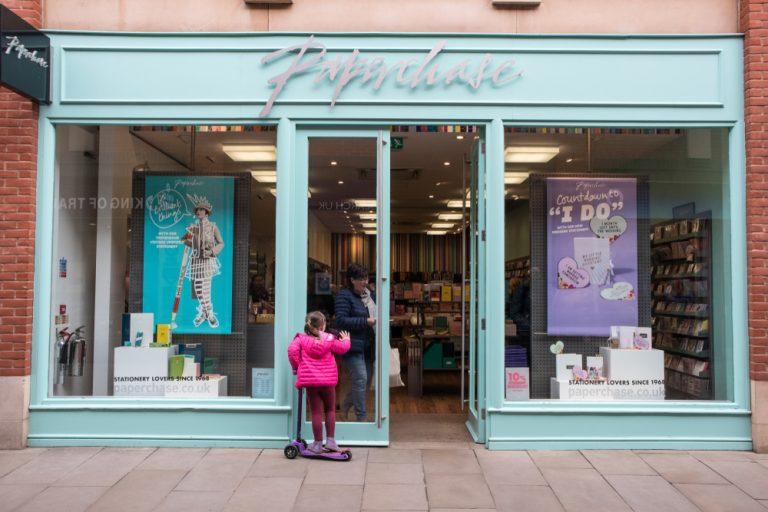
Paperchase is on the brink of administration as the majority of stores were forced to close over the Christmas period.

The retailer, which has 127 stores and 1,500 employees, has filed a notice to appoint administrators from PwC. Whilst the group said that it had strong online sales, it was not “immune” to store closures over lockdown.

Normally 40% of sales come from trading in November and December.

Paperchase underwent a company voluntary arrangement (CVA) in March 2019 when it tried to cut costs.

A spokesman said: “The cumulative effects of lockdown 1.0, lockdown 2.0 – at the start of the Christmas shopping period – and now the current restrictions have put unbearable strain on retail businesses across the country.

“Paperchase is not immune despite our strong online trading. Out of lockdown we’ve traded well, but as the country faces further restrictions for some months to come, we have to find a sustainable future for Paperchase.

“We are working hard to find that solution and this NOI (Notice of Intent to appoint administrators) is a necessary part of this work. This is not the situation we wanted to be in. Our team has been fantastic throughout this year and we cannot thank them enough for their support.”

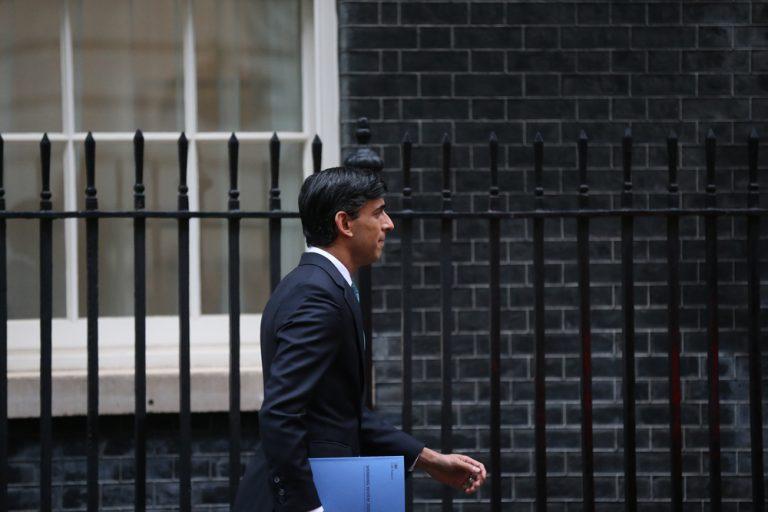
The news on Paperchase comes as Rishi Sunak announced new grants for businesses. The grants will be worth around £4bn and are expected to benefit over 600,000 business properties across the UK.

Sunak said: “The new strain of the virus presents us all with a huge challenge – and whilst the vaccine is being rolled out, we have needed to tighten restrictions further.

“Throughout the pandemic we’ve taken swift action to protect lives and livelihoods and today we’re announcing a further cash injection to support businesses and jobs until the Spring. This will help businesses to get through the months ahead – and crucially it will help sustain jobs, so workers can be ready to return when they are able to reopen.”

Sunak announces new government grants

The government has announced new grants for businesses in retail, hospitality and leisure.

The news comes as the UK enters a new lockdown and businesses will have to remain closed until mid-February. The grants will be worth around £4bn and are expected to benefit over 600,000 business properties across the UK.

Chancellor Rishi Sunak said: “The new strain of the virus presents us all with a huge challenge – and whilst the vaccine is being rolled out, we have needed to tighten restrictions further.

“Throughout the pandemic we’ve taken swift action to protect lives and livelihoods and today we’re announcing a further cash injection to support businesses and jobs until the Spring.

“This will help businesses to get through the months ahead – and crucially it will help sustain jobs, so workers can be ready to return when they are able to reopen.”

In addition to the business grants, the government will also give £594m to local councils to assist businesses impacted by the lockdown that are not eligible for the new payments.

Adam Marshall, the director-general of the British Chambers of Commerce, said: “While this immediate cash flow support for business is welcome, it is not going to be enough to save many firms. We need to see a clear support package for the whole of 2021, not just another incremental intervention.

“The government must move away from this drip-feed approach and set out a long-term plan that allows all businesses of all shapes and sizes to plan, and ultimately survive.”

Roger Barker, the director of policy at the Institute of Directors, said: “This new grant package is welcome, and will go some way to reassuring the worst affected businesses.

“We are particularly pleased the Treasury has taken on board our recommendation to increase the discretionary local authority grant fund. This policy has helped to reach those who haven’t been able to access other support. The government should be prepared to top up the fund if necessary.

“The chancellor must remain wary of a spring cliff-edge in business support as the furlough scheme and other support measures unwind.”

England’s lockdown rules will be reviewed in mid-February.

More employees are expected to be put on furlough under the new restrictions. The furlough scheme is now running until April.

Morrisons shares rise on strong sales

0

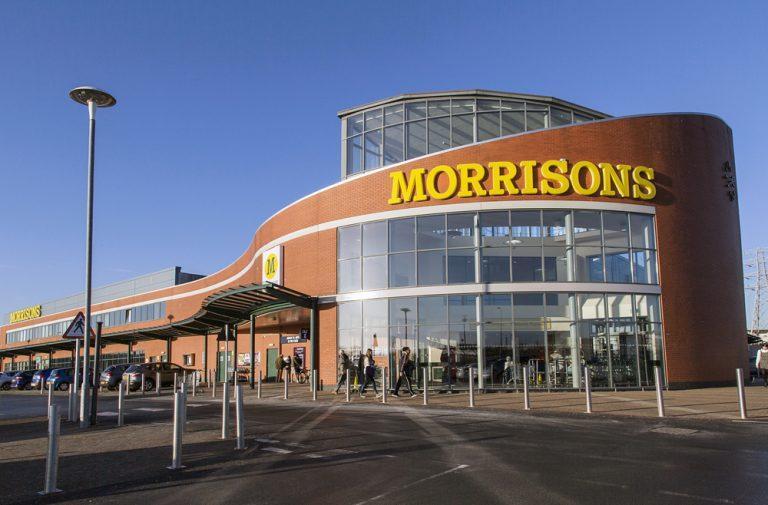
Morrisons shares (LON: MRW) opened higher on Tuesday after the group posted an 8.1% rise in like-for-like sales in the 22 weeks to the 3 January.

Including fuel, the rise in sales was 1.9%. Strong demand over the festive period saw online sales triple as sales in salmon increased by 40%, champagne sales were up 64% and mince pies sales grew by 14%.

Despite the rise in sales, Morrisons has said that profits are likely to be hit the new lockdown measures. Total Covid-related costs this year are expected to reach £280m.

Full-year profit forecast is between £420m and £440m, which remains in line with expectations despite the “extremely unpredictable current circumstances”.

Chief executive David Potts said: “The pandemic has had a severe effect on people and communities around Britain for nine months now but it has been especially hard at Christmas time.

“I’m very pleased with the way the Morrisons team has helped our customers across the nation enjoy their Christmas in the best way they could — with safe shopping, great service and outstanding stores even in the most difficult circumstances.”

Morrisons has said that it will offer its car parks to host vaccination centres. Three car parks would be hosting vaccinations this week and the supermarket will offer another 47 locations to help with the rollout.

Morrisons shares (LON: MRW) are trading -0.25% at 180.65 (1132GMT).

Next shares rise on strong Christmas sales

0

Next shares soared on Tuesday after the group posted a surge in online sales.

Profits from better-than-expected sales over the Christmas period, however, are likely to be offset by losses faced over the next lockdown.

In the nine weeks to 26 December, online sales were up by 36%. In-store sales within the UK tumbled by 43%. Total sales were 1.1% lower than the same period in 2019 – this is much better than the expected 8% fall that was expected by the retailer.

Analysts have said that they’re confident of Next’s performance after the strong Christmas sales.

Richard Hunter, Head of Markets at Interactive investor, said: “Next continues to wade through treacle, with further online growth being offset by another blow to its retail business. Even so, the group is continuing to navigate a difficult time with aplomb… With its famed expertise in financial management, Next is a prime example of scenario planning and tends also to lean on the side of caution.”

Next is also facing delivery disruptions due to supply chain traffic from the Far East. Chief executive, Simon Wolfson has said that stock levels are expected to “return to more normal levels by the end of March”.

“At present, many of our deliveries are running two to three weeks late and we expect this level of disruption to continue into the new year. Our stock levels are currently down,” said the retailer.

The retailer has predicted profits of £670m for the next year.

Next shares (LON: NXT) are trading +8.42% at 7,494.00.